
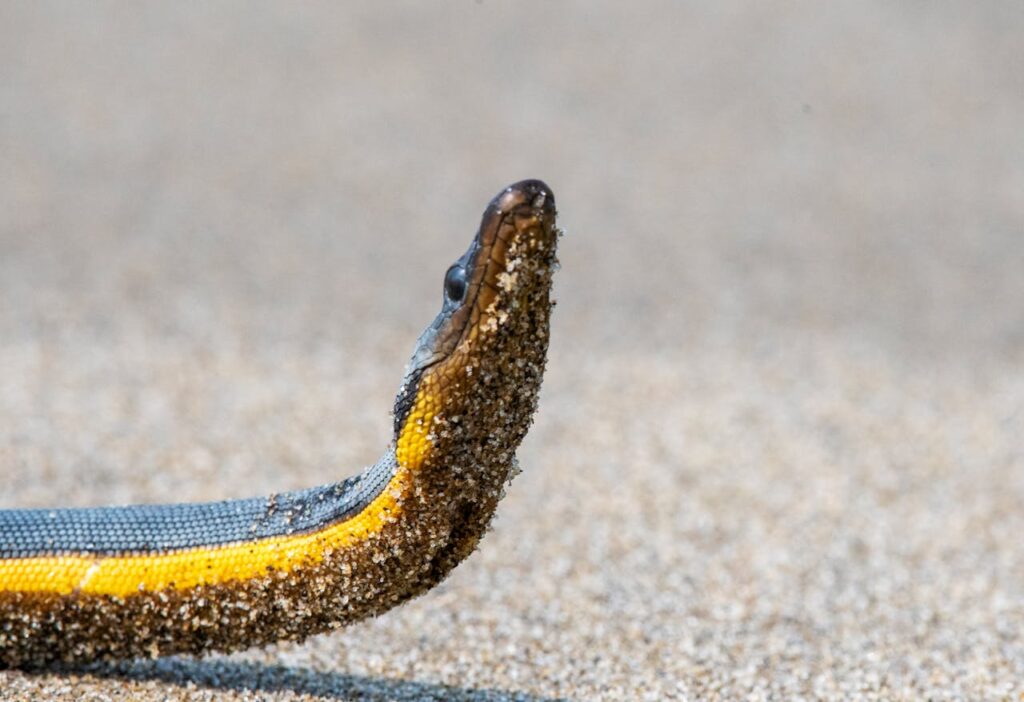
Gliding through the azure waters, the yellow-bellied sea snake captivates with a lethal charm. A marvel of evolution, this enigmatic creature showcases the ocean’s delicate balance of beauty and danger. Admired by enthusiasts for its striking appearance and feared for its potent venom, the yellow-bellied sea snake is a living testament to nature’s incredible design. As we dive into the depths of its existence, we’re reminded of the complex ecosystems beneath the waves and the critical roles each creature plays in the ocean’s wonderland.
1. Unique Coloration and Camouflage
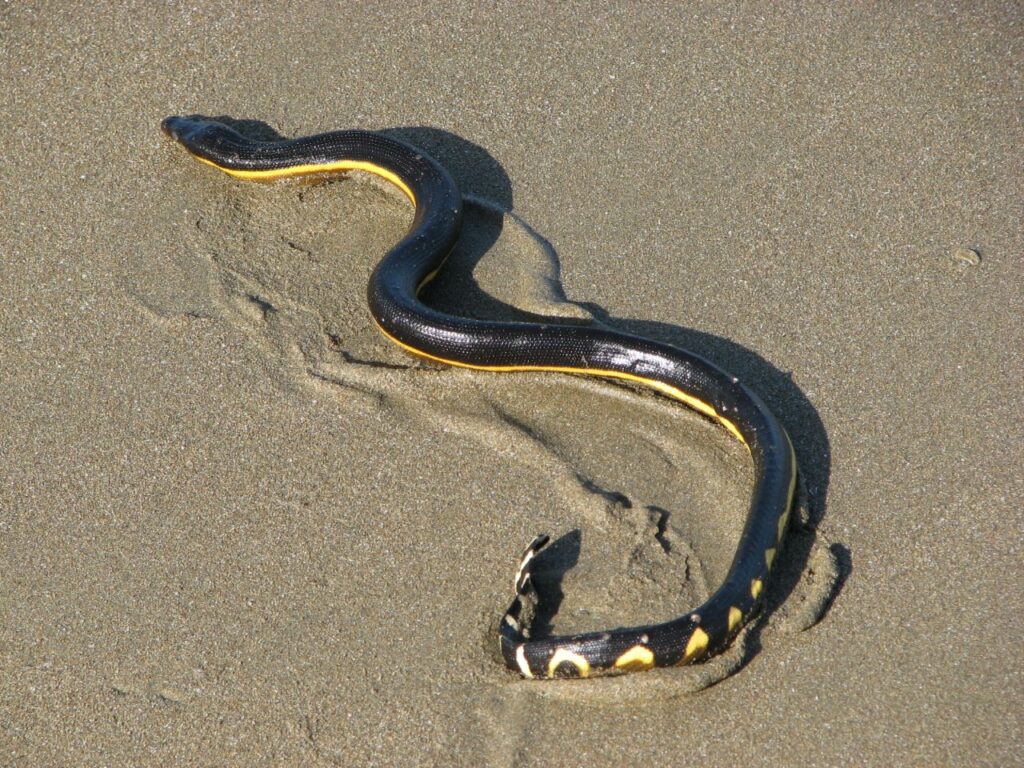
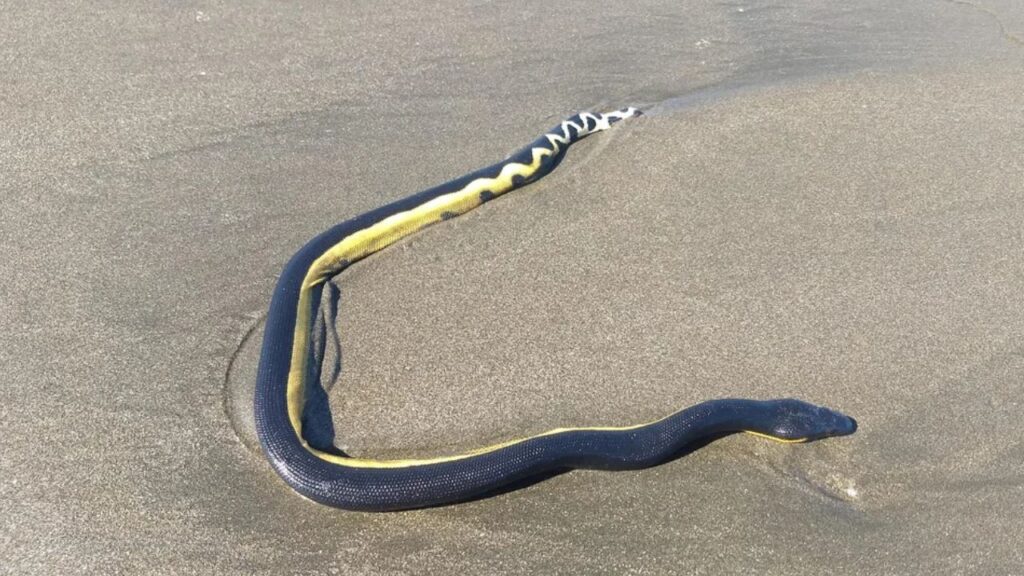
The yellow-bellied sea snake sports a vibrant palette of black and yellow bands, a signature style that’s as much a warning as it is camouflage. This distinctive coloration serves a dual purpose: warding off predators by signaling danger and blending seamlessly with the sun-dappled ocean surface. The contrast creates an illusion, breaking the snake’s silhouette and making it nearly invisible to both prey and threats. It’s a vivid reminder of how survival hinges on the delicate art of balance, where beauty meets function in nature’s grand tapestry.
2. Venom Potency
Beneath its sleek, colorful exterior lies one of the most potent venoms in the serpentine world. The yellow-bellied sea snake’s venom is a neurotoxic cocktail, designed to swiftly immobilize prey, mostly small fish that swim too close. Although encounters with humans are rare, the venom’s potential effects are severe, requiring immediate medical attention. This toxicity underscores the snake’s position in the oceanic food chain — a proficient hunter and a formidable defender, relying on its venomous edge to maintain its niche in the marine ecosystem.
3. Adaptation to Ocean Life
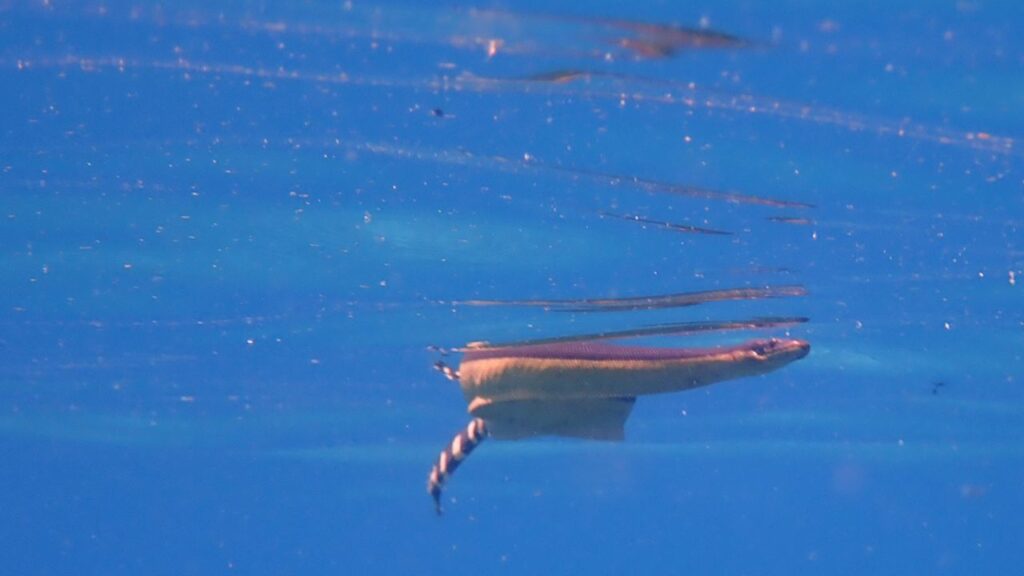
Masterfully adapted to life at sea, the yellow-bellied sea snake exhibits several fascinating traits. It can remain submerged for hours thanks to its remarkable ability to absorb oxygen through its skin. The flattened body and paddle-like tail make it an exquisite swimmer, gracefully maneuvering through ocean currents. Unlike many reptiles, it doesn’t need to return to land to drink; it absorbs fresh water from rainfalls on the ocean surface. These adaptations highlight its perfect evolution, showcasing nature’s ability to tailor life forms seamlessly to their environments.
4. Wide Distribution
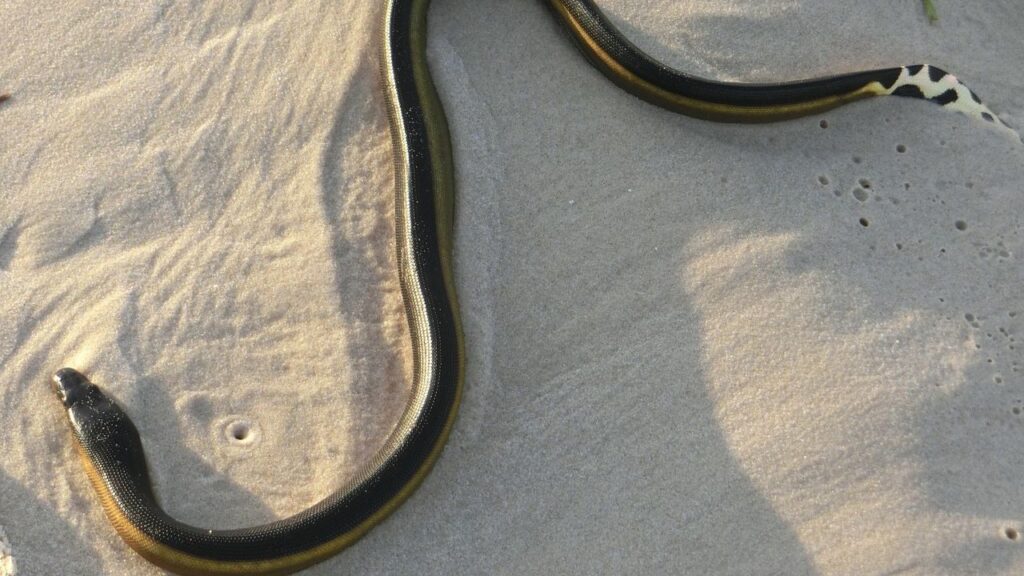
Spanning a vast expanse, the yellow-bellied sea snake is found in tropical and subtropical oceans worldwide, except the Atlantic. This extensive distribution reflects its versatile nature and adeptness at thriving in diverse marine habitats, from coastal regions to open seas. Its presence in such varied locales highlights its adaptability and resilience, navigating different environments with ease. As ocean wanderers, they play an essential role in marine biodiversity, underscoring the interconnectedness of global ecosystems that depend on each other for balance and survival.
5. Efficient Hunting Techniques
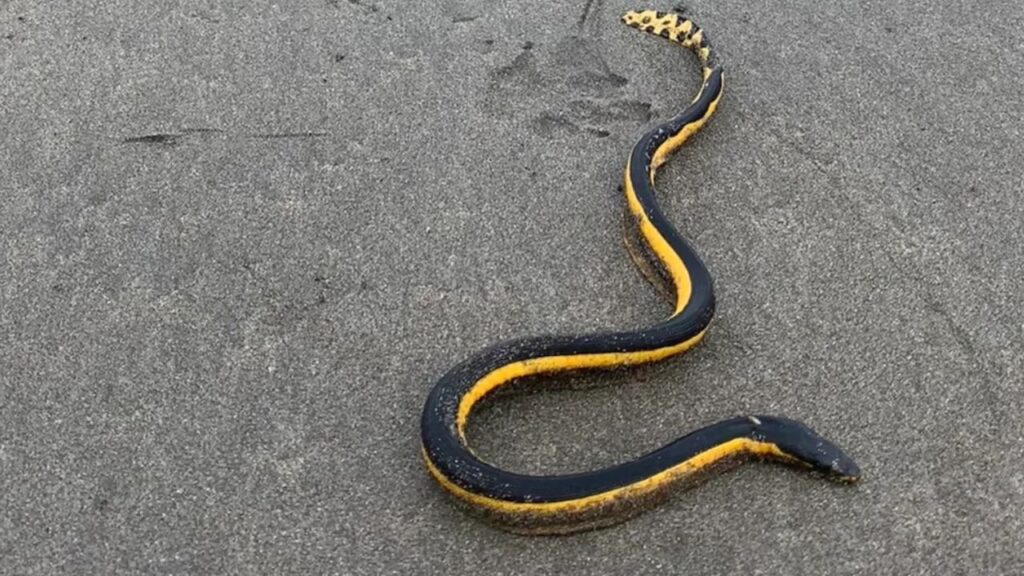
The yellow-bellied sea snake is an expert predator, boasting remarkable hunting techniques that have been fine-tuned over millennia. With its highly toxic venom, it can incapacitate prey almost instantly, ensuring a successful catch. These snakes primarily feast on small fish, employing ambush strategies and their ability to blend into their surroundings. Their keen sense of movement in the water allows them to detect even the slightest vibrations, helping them track down their next meal swiftly and efficiently. These techniques highlight their evolution as adept hunters in the oceanic realm.
6. Buoyancy and Mobility
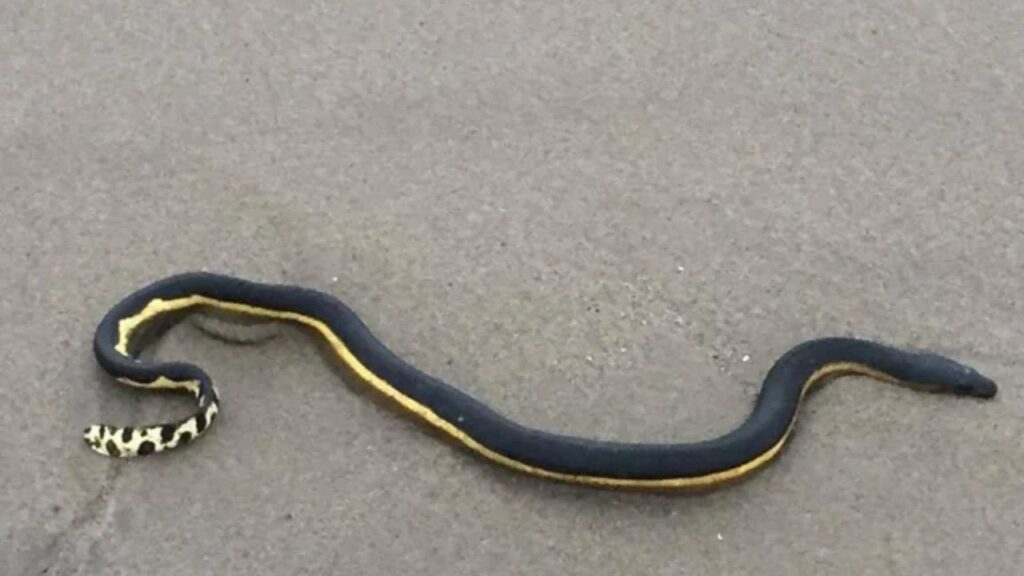
Native to the open ocean, yellow-bellied sea snakes display unique buoyancy and mobility traits. Unlike many of their terrestrial counterparts, they have adapted to life at sea with their flat, paddle-like tails that provide exceptional swimming capability. Their lung extends through much of their body, aiding both in buoyancy control and the ability to remain underwater for extended periods. This buoyancy, coupled with their serpentine swimming style, allows them to drift effortlessly through currents, conserving energy while navigating the vast ocean. Their fluid mobility is a marvel of marine adaptation.
7. Long Lifespan
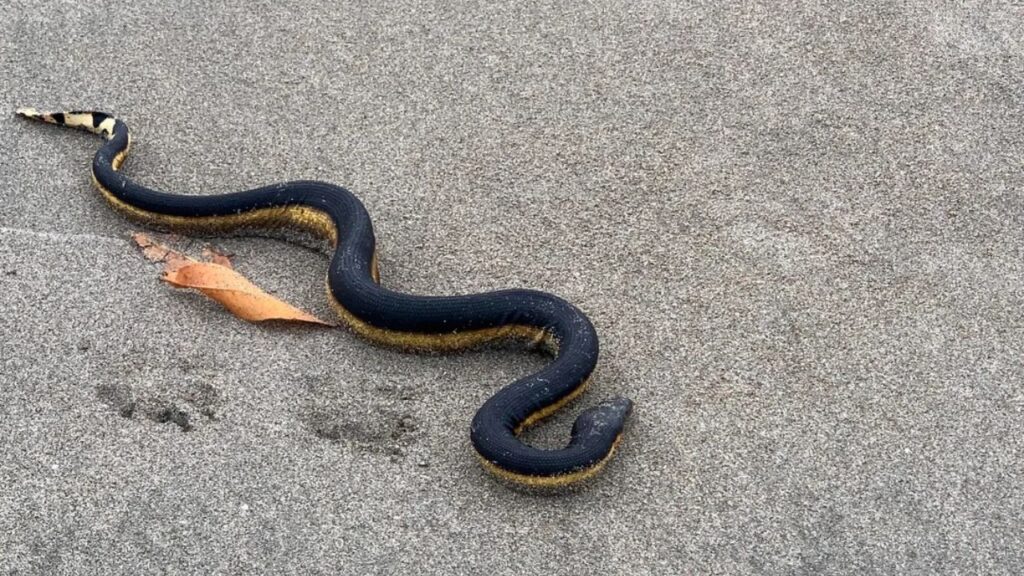
Yellow-bellied sea snakes boast a surprisingly long lifespan for reptiles in the ocean, living up to 10 years. This longevity is partly due to their ability to avoid predators and thrive in open waters where human contact is limited. Their potent venom keeps many would-be attackers at bay, allowing them to navigate their underwater world with relative safety. Additionally, their low metabolic rate enables them to survive longer periods between meals. This extended lifespan contributes to their success as a species, a testament to their remarkable adaptation skills in the marine environment.
8. Impact on Marine Ecosystems
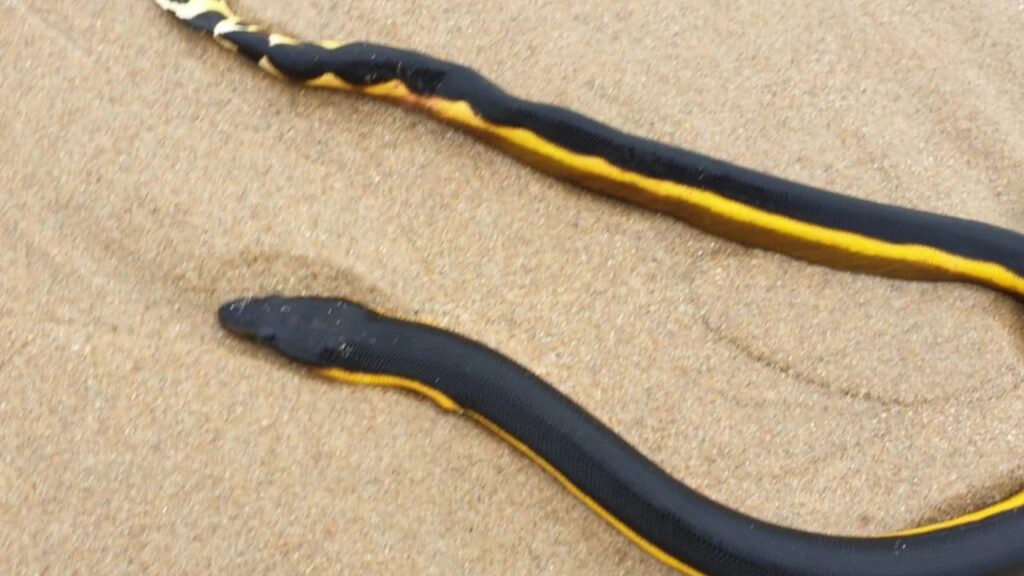
These oceanic snakes play a crucial role in maintaining the balance of marine ecosystems. As mid-level predators, yellow-bellied sea snakes help regulate fish populations, keeping the marine food web in check. By controlling the number of small fish, they indirectly support the health of coral reefs and ocean biodiversity. Their presence indicates a healthy, functioning ecosystem, as they rely on a robust prey base to thrive. The yellow-bellied sea snake isn’t just a marvel of adaptation; it’s an integral part of the oceanic environment, weaving itself into the delicate tapestry of marine life.
9. Fascinating Reproduction
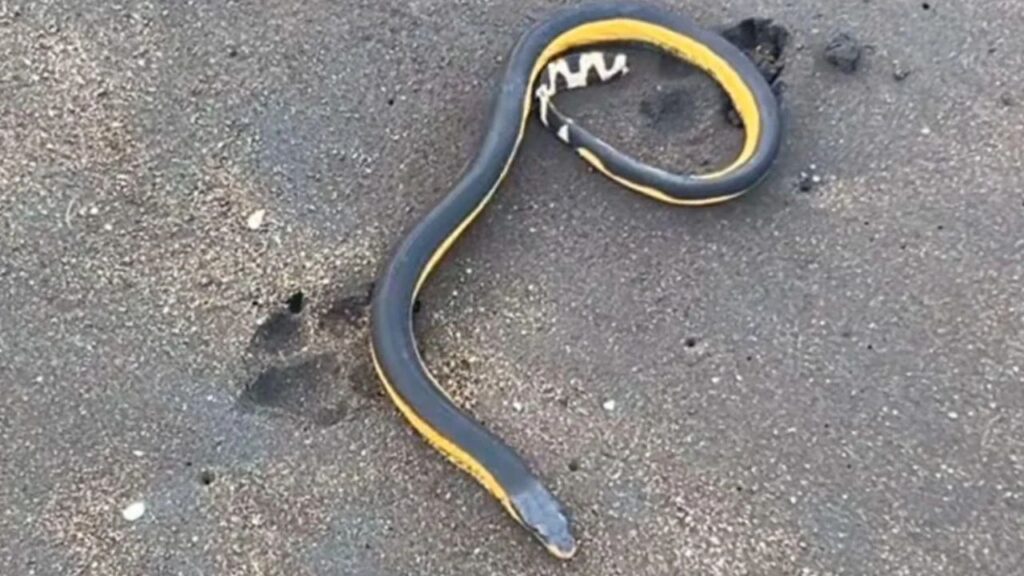
The yellow-bellied sea snake has mastered the art of reproduction in the ocean’s vast expanse. Unlike most snakes, these marvels give birth to live young, a unique feature among reptiles. Female snakes retain eggs internally, providing their offspring with a stable gestational environment. This adaptation ensures higher survival rates for the young, who are born ready to swim and fend for themselves. This live birth strategy is a fascinating evolution, allowing the species to thrive in diverse marine environments without needing land.
10. Solitary Nature
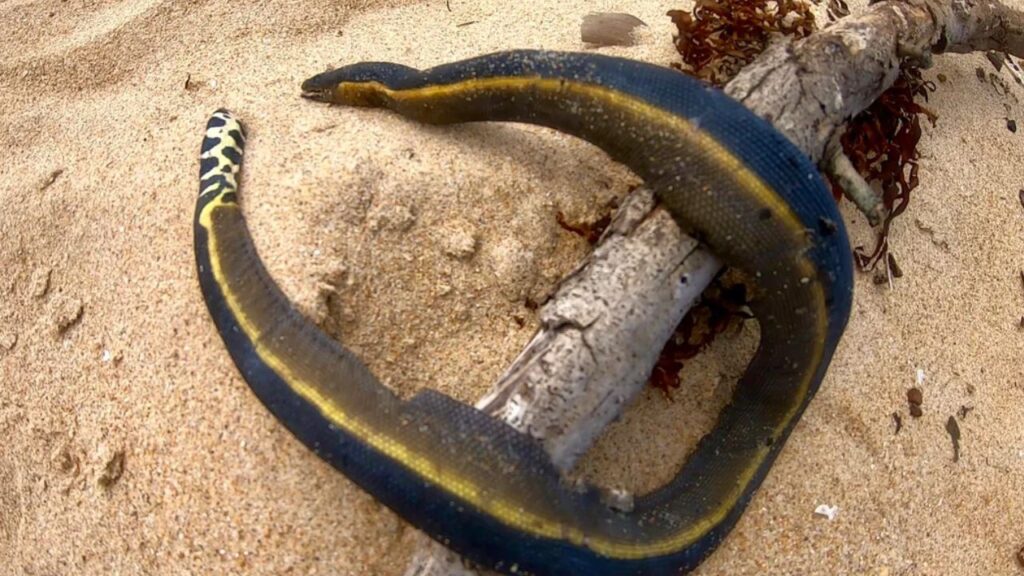
In the wide, open ocean, the yellow-bellied sea snake prefers a solitary life. Unlike social animals, this snake thrives in isolation, patrolling the waters alone. Its solitary nature is a survival tactic, reducing competition for food and decreasing the likelihood of attracting predators. By being solitary hunters, these snakes can cover large areas, ensuring a steady diet. Their independence underscores their resilience in the face of nature’s challenges, illustrating why they are such successful marine residents.
11. Resistance to Predators
The yellow-bellied sea snake has evolved remarkable defenses against predators. One key trait is their potent venom, which acts swiftly, ensuring their survival against potential threats. Additionally, their striking yellow and black coloration sends a clear warning to would-be predators. This aposematic coloring is nature’s way of saying, “Stay away.” Their agility and adept swimming skills further enhance their defense, allowing them to escape threats with ease. These adaptations make them formidable inhabitants of the ocean’s depths.