
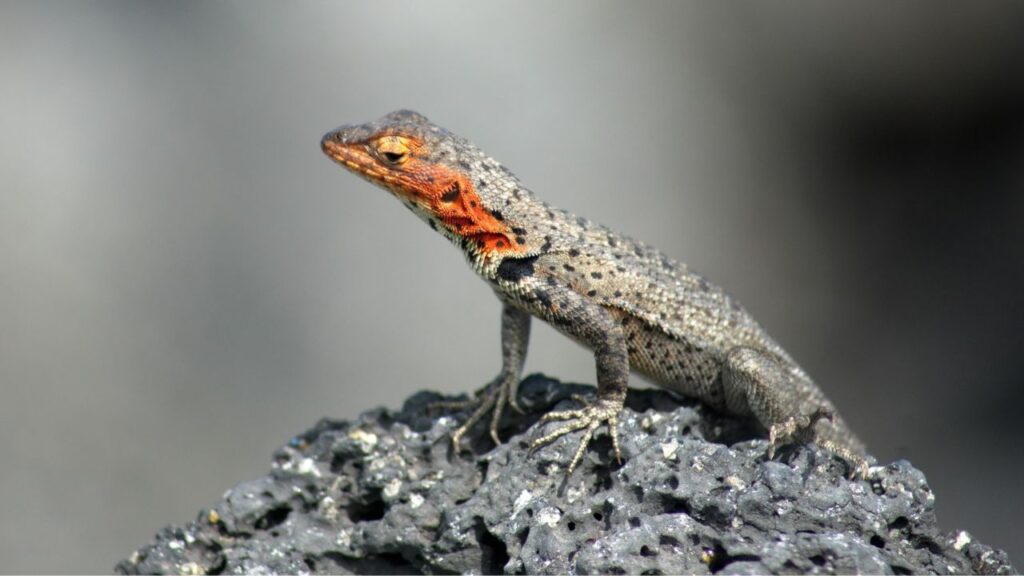
Volcanoes are often thought of as lifeless infernos—hostile zones of molten lava, toxic gases, and extreme temperatures. Yet, life has a way of defying expectations. From boiling hot springs to scalding rock surfaces and acidic steam vents, some remarkable creatures have evolved to not just endure—but thrive—within these extreme volcanic environments. These organisms showcase nature’s incredible resilience, pushing the boundaries of what we thought life could withstand. From heat-loving bacteria to resilient insects and clever mammals, meet the unexpected survivors rewriting the rules of biology in the heart of Earth’s fiery fury.
1. Thriving Microorganisms
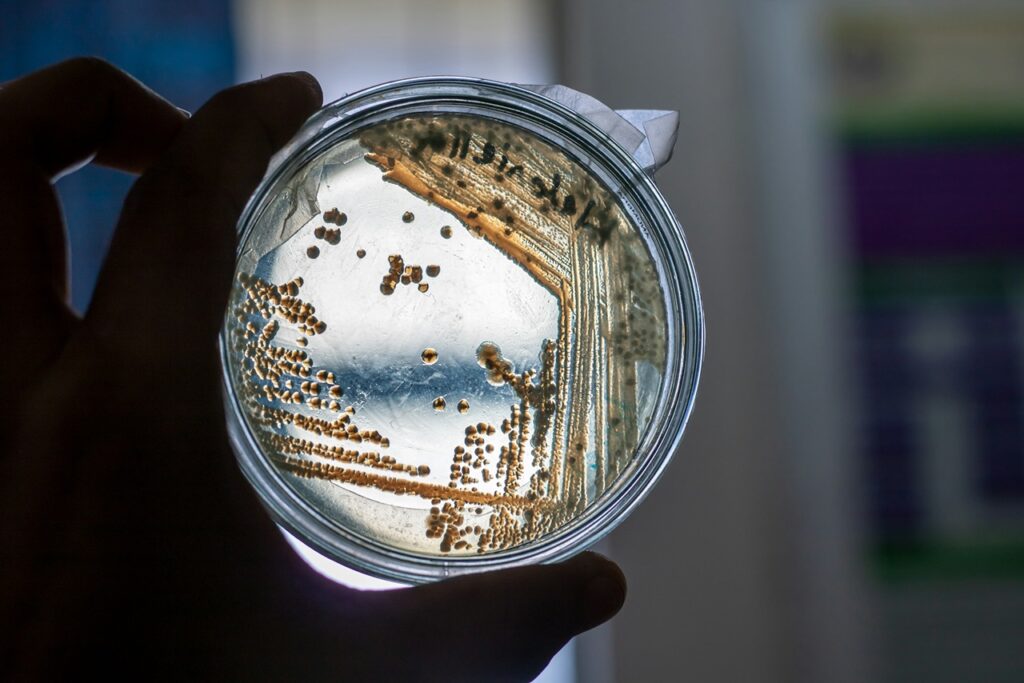
Microorganisms are the unsung heroes of the volcanic ecosystem. These tiny champions, often invisible to the naked eye, break down minerals and recycle nutrients, making them pioneers of newly formed volcanic landscapes. They adapt by utilizing chemical reactions that others cannot, thriving in the intense heat and acidic environments. According to research, these resilient organisms create the foundation upon which other life forms can gradually build, showcasing nature’s ability to engineer its own survival amidst extreme adversity.
2. Lava-Loving Bacteria
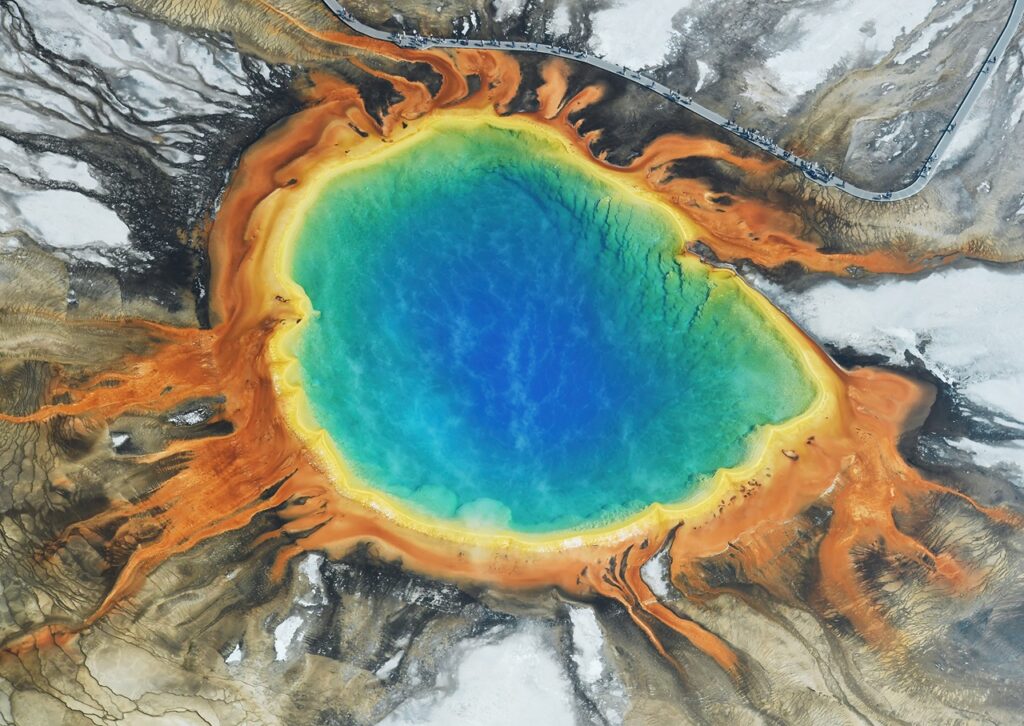
Lurking in the scalding soils around volcanoes, lava-loving bacteria possess extraordinary heat-resistant enzymes. These thermophilic bacteria are among the planet’s most extreme survivors, thriving at temperatures that would incapacitate other life forms. By converting sulfur into energy, they manage to eke out an existence in the sulfur-laden shadows of volcanic vents. Scientists continue to study these organisms to understand their heat tolerance, which could have implications for biotechnology and help unravel the mysteries of life under extreme conditions.
3. Resilient Algae
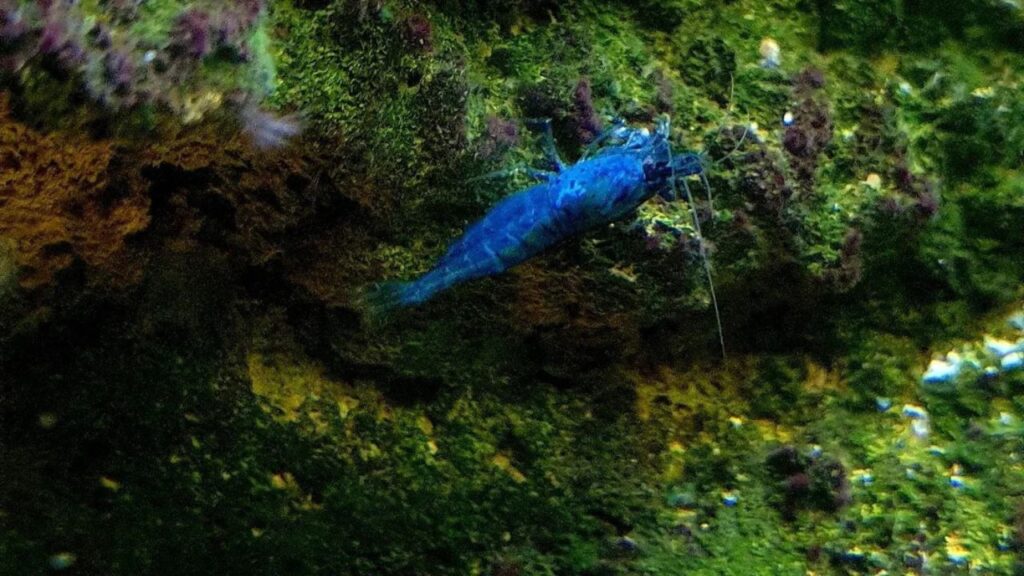
Amidst the fiery landscape of volcanoes, resilient algae seem like improbable residents. Phenomenally adaptable, certain algal species have developed heat-resistant biochemistry that allows them to endure in geothermal springs and hot acidic waters. Their presence not only adds a splash of color to the volcanic terrain but also supports the ecosystem by forming the basis of the food chain. These algae have transformed the notion of survival, illustrating how life manages to flourish even in the planet’s most demanding environments.
4. Heat-Tolerant Insects
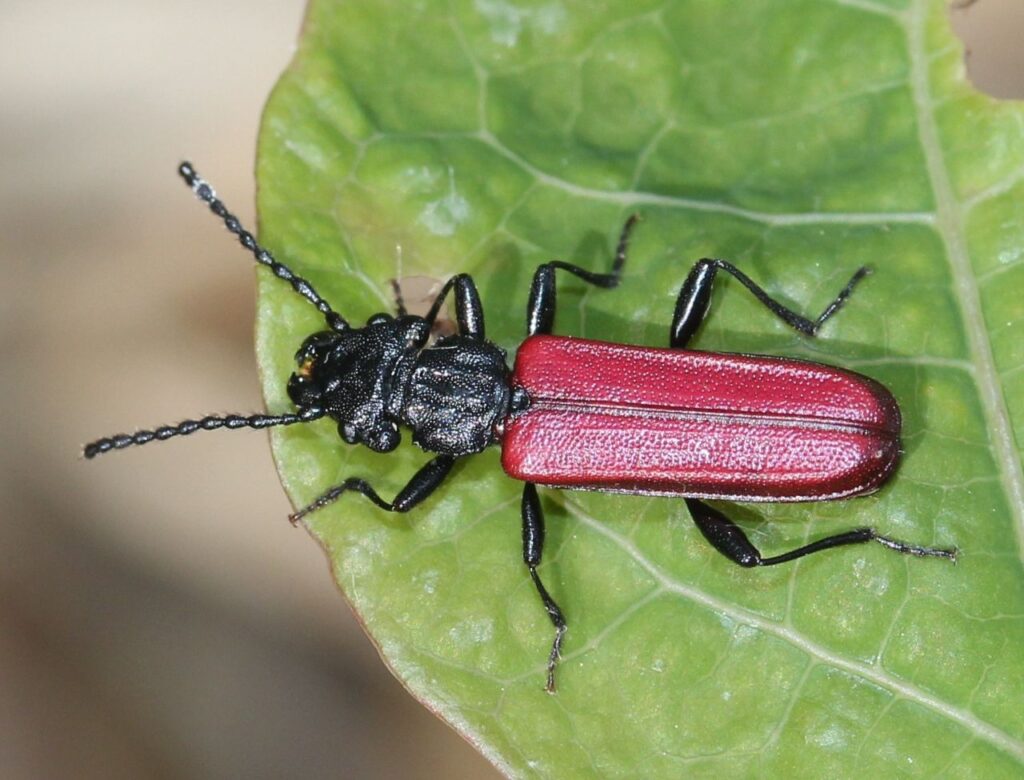
Remarkably, some insects have evolved to withstand the intense conditions near volcanoes. Beetles and certain types of flies have adapted to the hot, dry conditions by developing protective exoskeletons and specialized cooling mechanisms. These insects are often found near geothermal vents, where they feast on heat-tolerant microorganisms and algae. Their adaptation teaches valuable lessons about evolution, showcasing how species can develop ingenious strategies to exploit niches others find inhospitable, thus maintaining biodiversity in extreme habitats.
5. Surviving Spiders
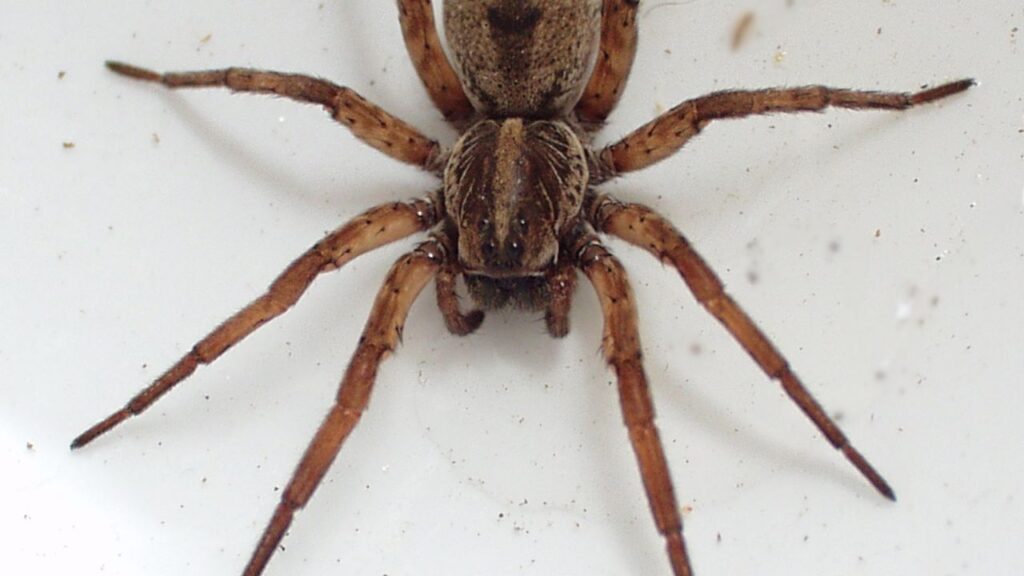
Deep within the fiery depths of volcanic regions, certain species of spiders demonstrate astonishing resilience. These arachnids, like the wolf spider, have adapted to withstand scorching temperatures. They find solace in volcanic crevices where the heat is less intense. These remarkable creatures have evolved to have a heat-resistant exoskeleton, allowing them to thrive where few others can. Their ability to hunt and weave webs in such hostile environments showcases the incredible adaptability and survival instincts of nature’s tiny architects.
6. Tenacious Rodents
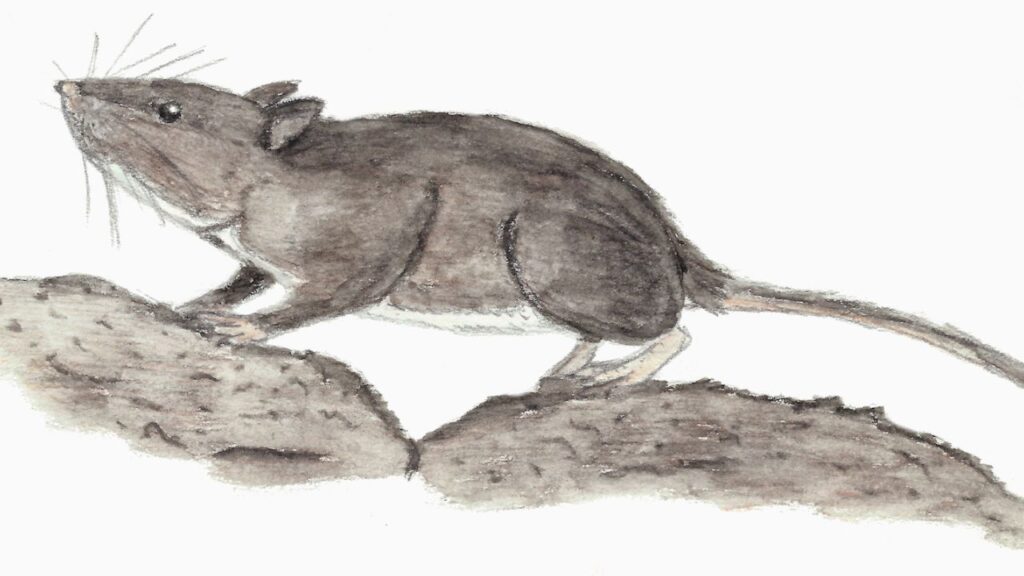
Incredibly, some rodents have learned to call volcanic landscapes home. The lava mouse, an extinct species that adapted to the harsh volcanic terrain, survived by burrowing into cool underground lairs. These resourceful creatures feed on scarce vegetation and insects that dwell in the area. With sharp instincts and an ability to navigate intense heat, these rodents demonstrated how life finds a way even in the most inhospitable conditions, shedding light on the surprising adaptability and resilience of small mammals.
7. Fearless Birds
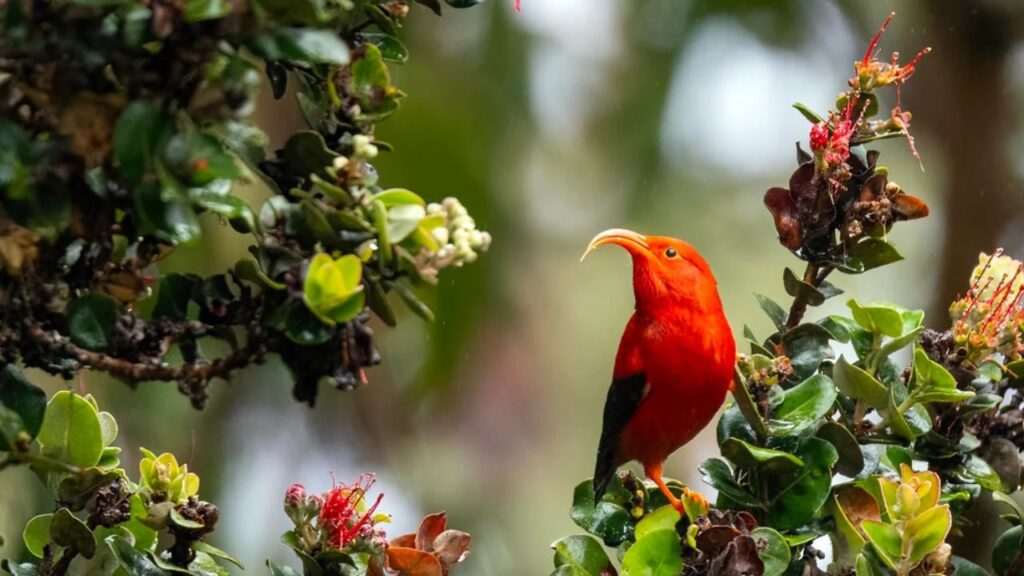
Birds like the Hawaiian honeycreeper have developed fascinating adaptations to survive near volcanic areas. Their vibrant feathers belie their rugged existence, thriving in regions where volcanic activity dictates the landscape. These birds feed on nectar and insects, flitting skillfully through the sulfur-laden air. Scientists believe their bright plumage may play a role in attracting mates in these unique environments, highlighting how beauty and endurance intertwine in the natural world, even near earth’s fiery vents.
8. Adaptable Amphibians
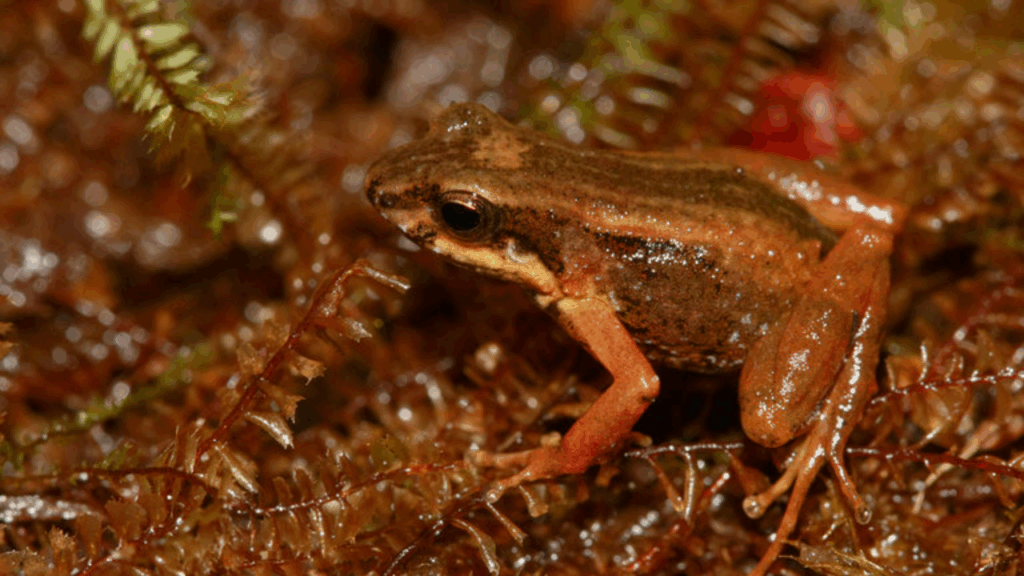
Amidst the steaming vents and bubbling lava, certain amphibians have managed to carve out a niche. The volcanic frog has developed thermal-resistant skin, allowing it to navigate hot, rocky surfaces. Using clever behavioral adaptations, such as burrowing into cooler ground during peak heat, these amphibians exemplify nature’s ingenuity. Their survival story highlights how even the most delicate of creatures can evolve to thrive in seemingly impossible habitats, defying the odds to sustain their lineage.
9. Molten Crabs
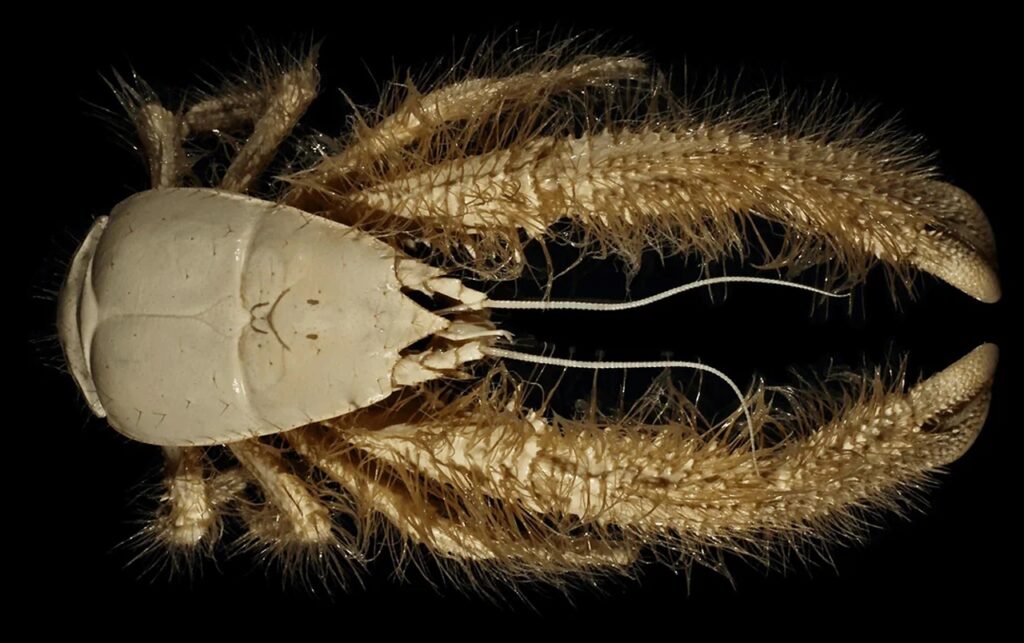
In the hydrothermal vents near underwater volcanoes, unique crab species like the “Hoff crab” thrive in superheated, mineral-rich waters. Covered in hairy bristles that host bacteria, these crabs rely on chemosynthetic microbes as their primary food source. The relationship between crab and bacteria allows both species to benefit, showcasing a remarkable example of symbiosis. Despite the pressure and heat of their environment, molten crabs flourish by exploiting chemical energy rather than sunlight—an evolutionary feat that astonishes scientists.
10. Volcanic Rock Lizards
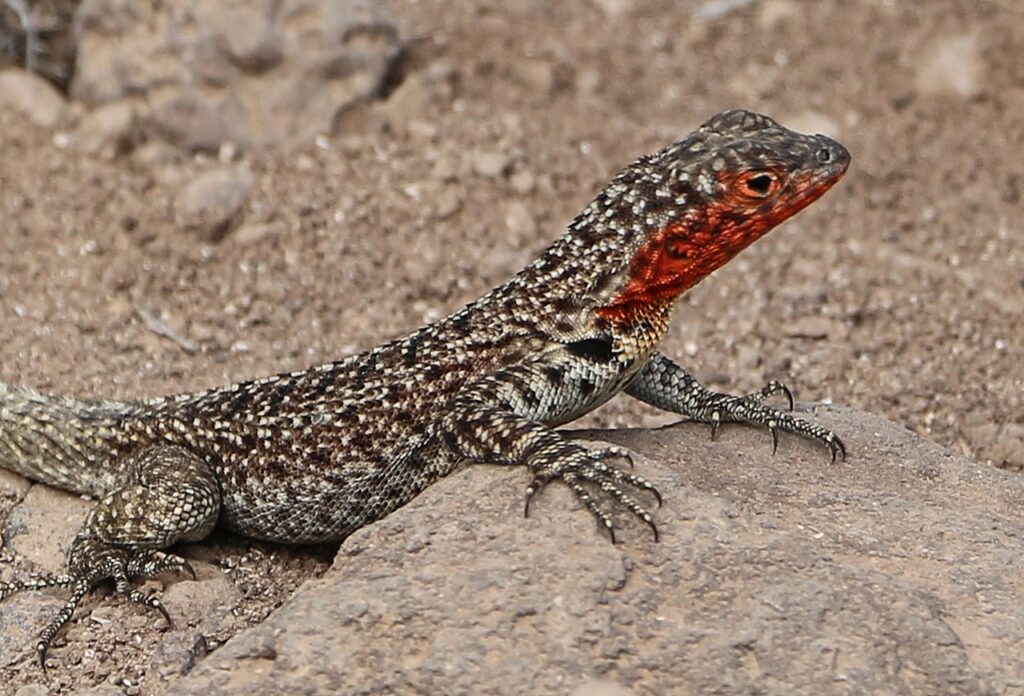
Some species of lava-dwelling lizards have adapted to volcanic environments by evolving specialized feet for climbing and heat-resistant skin. These reptiles are frequently spotted basking on warm rocks, carefully managing their body temperature by moving between shade and sun. Feeding on insects and plant matter that grow in cooled lava flows, they help sustain fragile post-eruption ecosystems. Their resilience demonstrates how reptiles adapt and even thrive in regions where life was once thought impossible.
11. Steam Vent Worms
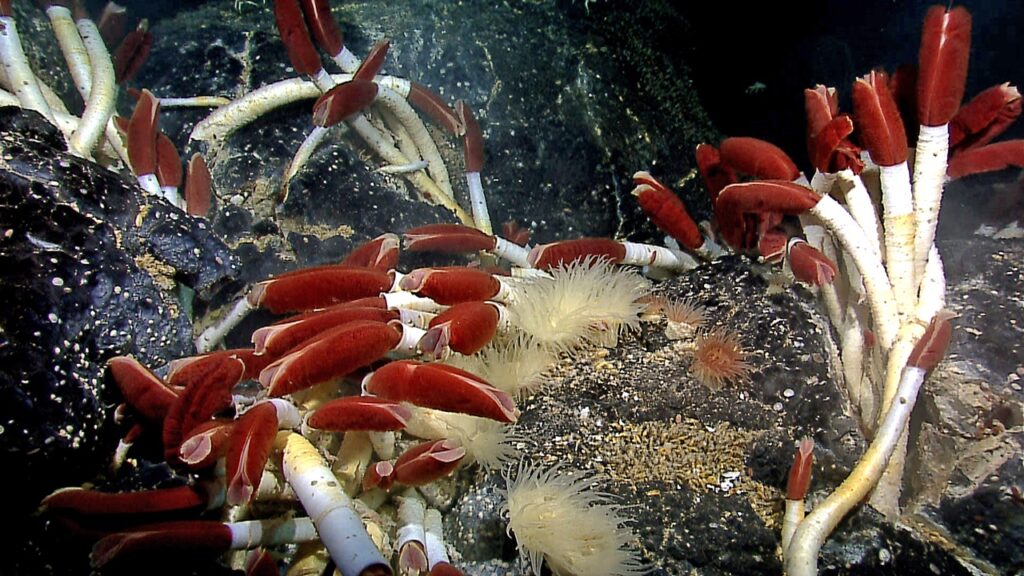
Found in volcanic steam vents and hot springs, certain annelid worms live in high-temperature environments where few organisms can survive. These worms possess proteins uniquely suited to withstand extreme heat and chemical exposure. Living within cracks and moist crevices of volcanic rock, they absorb nutrients from geothermal water rich in sulfur and other elements. Their existence helps scientists better understand extremophiles and the potential for life in other harsh environments—including other planets.