
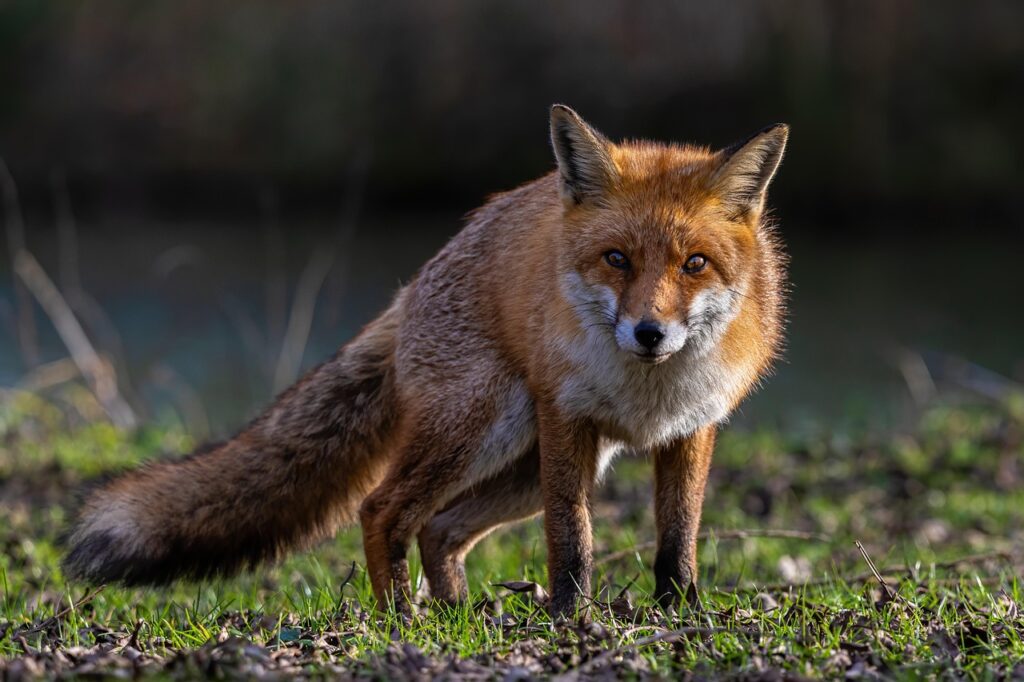
The red fox is a creature of mystery and mischief, roaming both wilderness and urban landscapes. Its vivid fur and sly demeanor have captured human imagination for centuries. This versatile predator thrives across various environments, displaying a remarkable ability to adapt. From the woods to your backyard, the red fox remains a symbol of cunning and survival, piquing curiosity about its habits and secretive life. These fascinating animals are more than meets the eye, as evidenced by their complex social structures and unique behavioral traits.
1. Unveiling the Fox’s Secret World
Red foxes lead intricate lives that often unfold under the cover of night. Known scientifically as Vulpes vulpes, they inhabit territories that span North America, Europe, Asia, and North Africa. They build their dens in diverse locations, from dense forests to suburban areas, demonstrating an astonishing adaptability. Each den serves as a hub for a family unit, with kits raised in cozy burrows underground. The red fox’s ability to blend into its surroundings keeps it safe from predators and fosters its role as a skilled hunter.
2. Nighttime Adventures
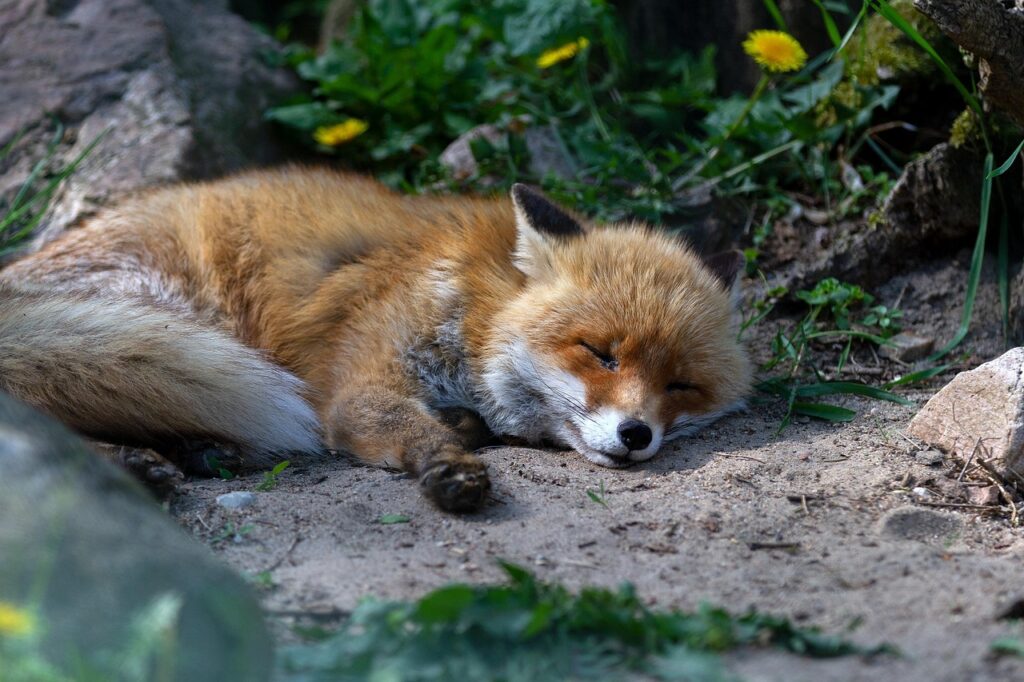
Primarily nocturnal, red foxes embark on nightly expeditions to hunt, play, and explore. Their keen senses make them adept hunters; excellent hearing allows them to detect even the faintest movement of prey like rabbits, rodents, and birds. During these nightly ventures, they cover vast areas in search of food, exhibiting impressive stamina and agility. Young foxes, or kits, use these adventures to practice hunting skills, learning essential survival tactics from their elders in the dim light of the moon.
3. Unique Communication Skills
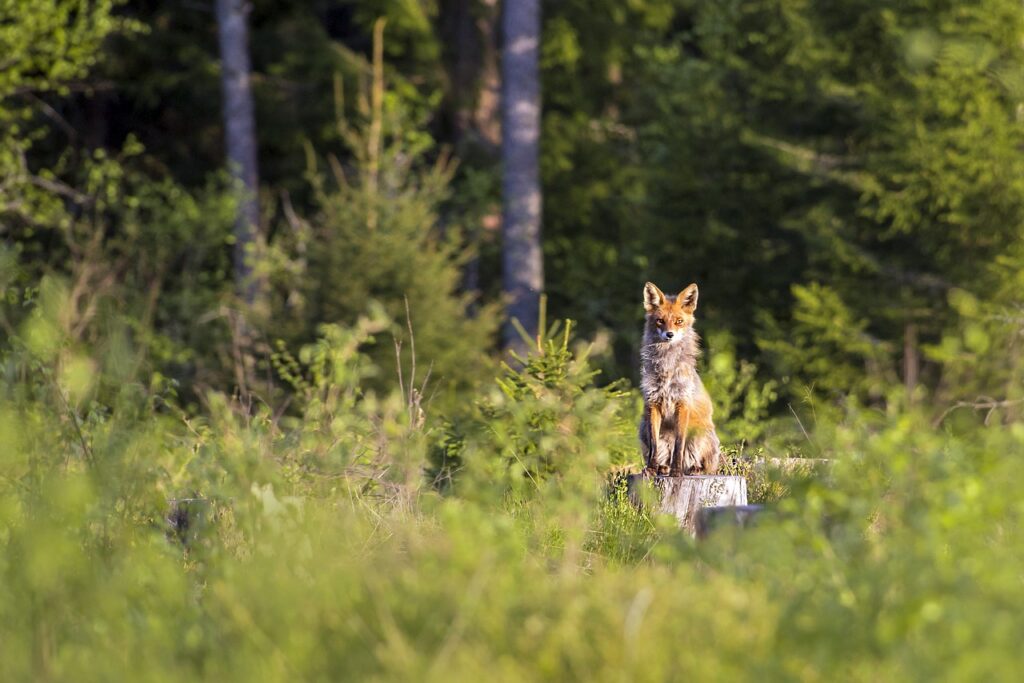
Red foxes possess a fascinating array of vocalizations and body language to communicate, a trait that enhances their social dynamics. Their repertoire includes sharp barks, eerie screams, and a variety of whines and growls. Each sound holds specific meanings, from mating calls to warning signals. Visual cues, such as tail movements and facial expressions, further enrich their interactions. This complex communication system not only strengthens family bonds but also establishes social hierarchies and territorial boundaries among these clever canines.
4. Adaptability to Urban Living
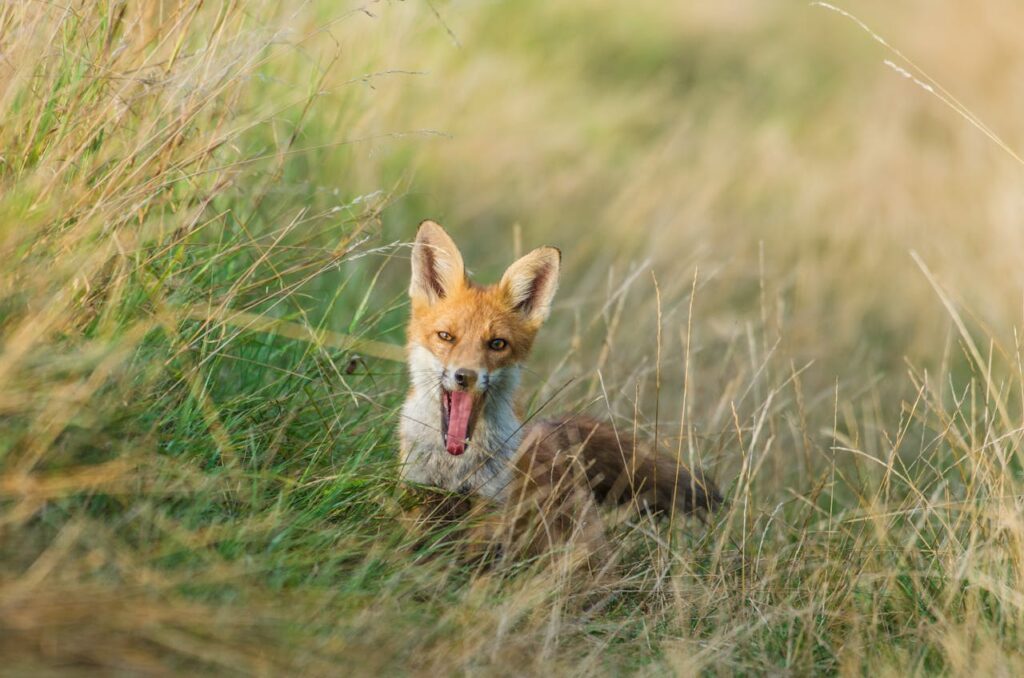
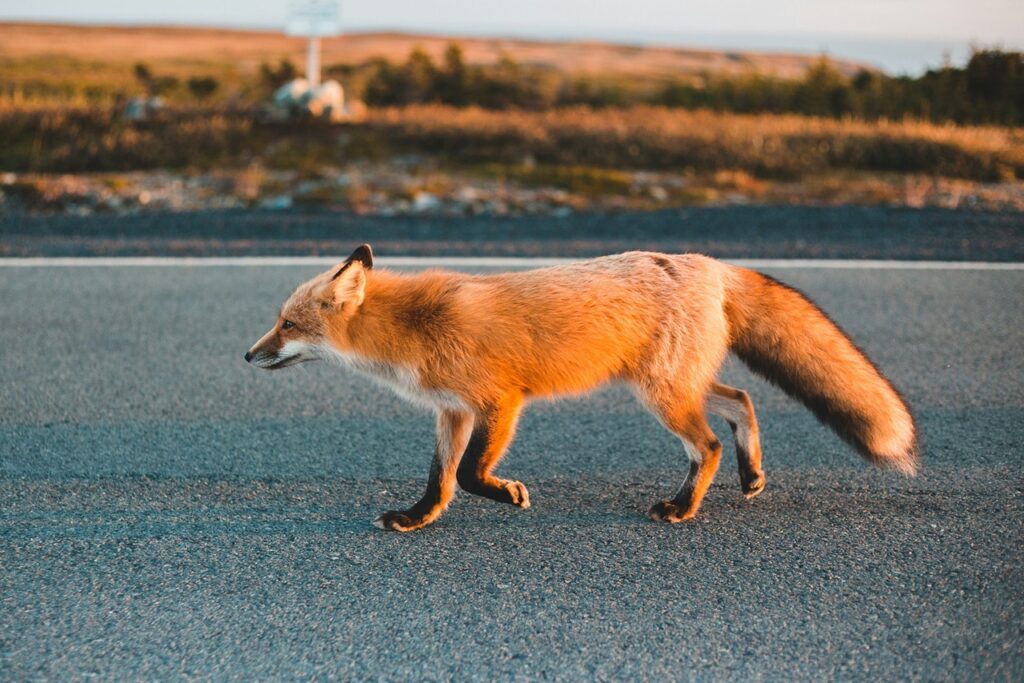
Urbanization hasn’t deterred the resourceful red fox. Instead, they have thrived in cityscapes, adapting to human environments with ease. Red foxes have been spotted traversing city parks, suburban gardens, and even bustling streets. These adaptable creatures have learned to scavenge urban food sources, from discarded fast food to garden produce. Their presence in cities illustrates a delicate balance between wildlife and human expansion, offering fascinating insights into their survival mechanisms and the ever-changing landscapes they call home.
5. Cunning Hunting Techniques
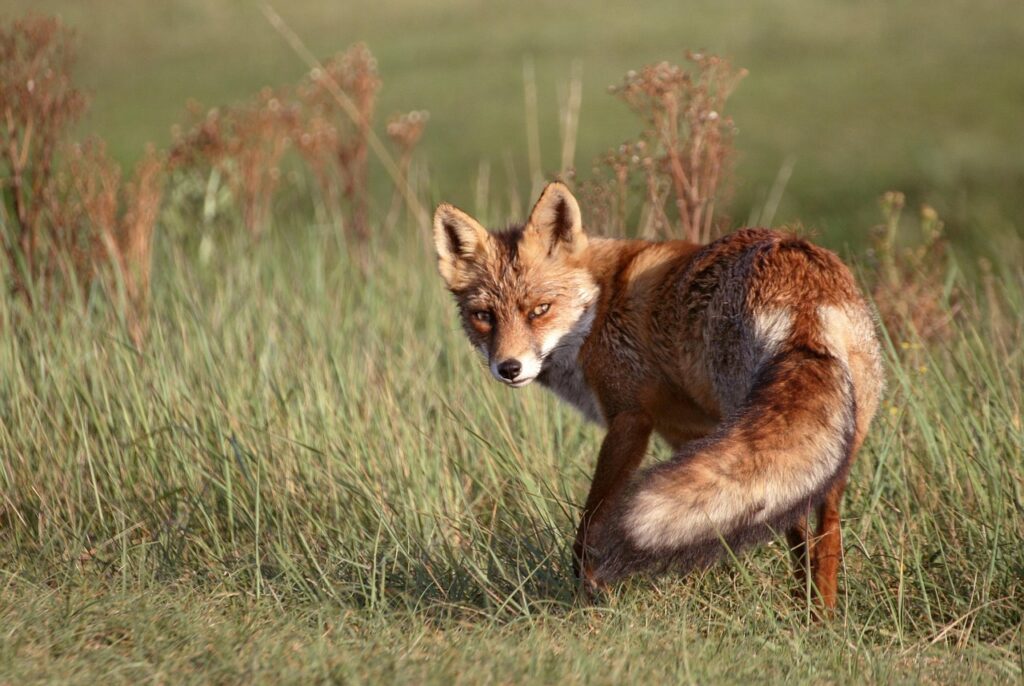
The red fox is famous for its clever hunting methods. Known for their sharp senses and adaptability, they use a combination of stealth and clever maneuvers to catch their prey. When stalking, red foxes move silently, their padded feet helping to mask their approach. According to data, they use a pouncing technique called ‘mousing leap’ which is both effective and iconic. This acrobatic jump allows them to catch small mammals, even beneath the snow, a testament to their sharp hearing and adaptable hunting prowess.
6. Family Dynamics and Roles
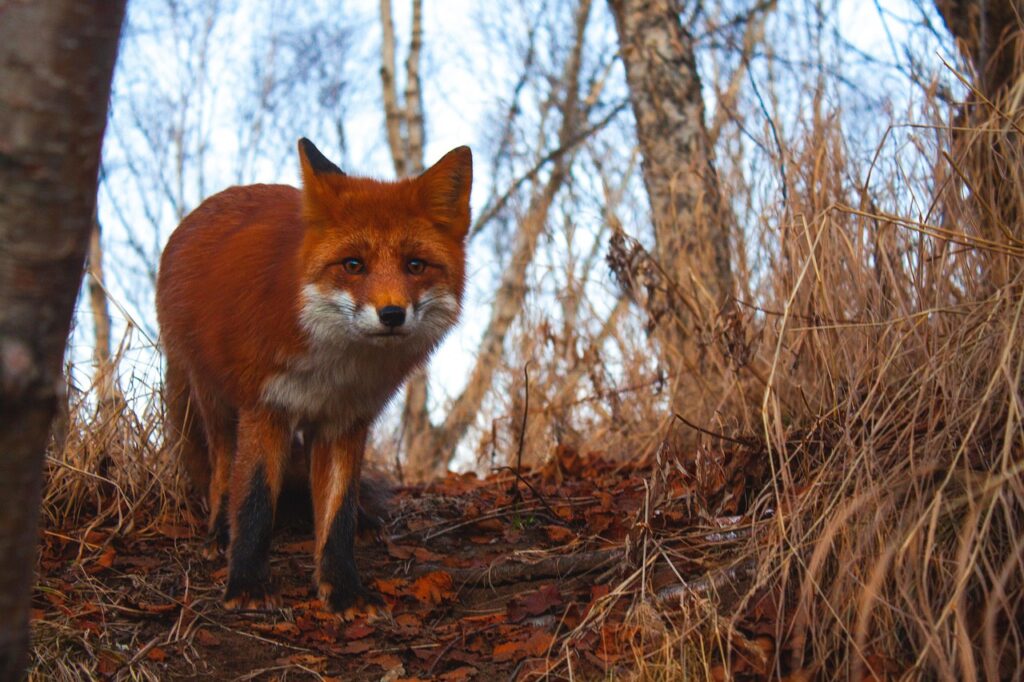
Red foxes exhibit complex social structures within their family units. Typically, a family consists of a mating pair and their offspring. Both parents participate in raising the young, with roles distributed based on necessity and survival. The male hunts and provides food while the vixen takes care of the kits, nurturing and teaching them essential survival skills. This cooperative family model ensures the young learn vital life skills, like foraging and predator awareness, making them independent and resilient.
7. Diverse Diet
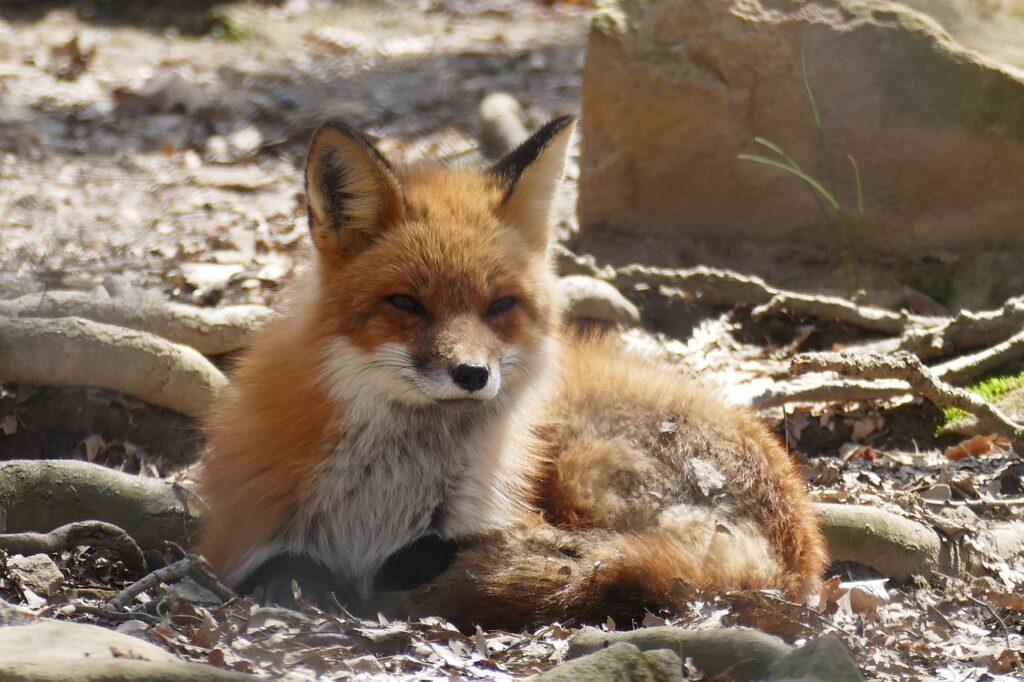
These adaptable creatures aren’t picky eaters. Red foxes boast a surprisingly varied diet, consuming fruits, berries, insects, and small mammals. Their opportunistic feeding habits make them omnivores, enabling them to thrive in diverse environments—from rural areas to urban settings. This diverse diet reflects their ability to adapt to changing conditions and food availability, ensuring they can maintain good health and energy levels necessary for their active lifestyles.
8. Incredible Survival Tactics
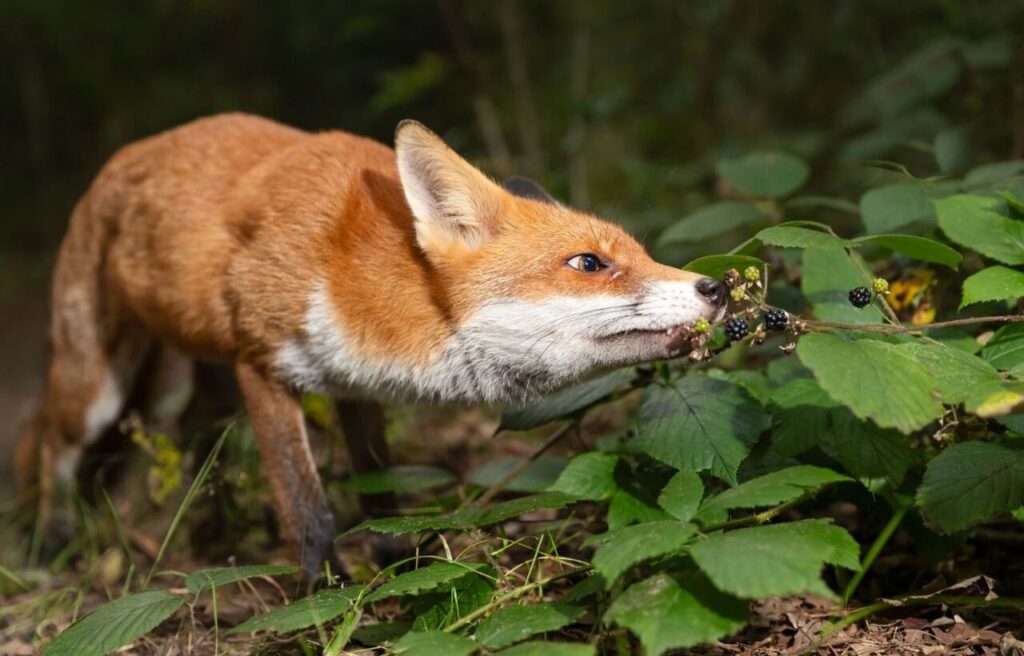
Red foxes are master survivors, thriving in habitats ranging from forests to deserts. Their ability to adapt is grounded in keen intelligence and resourcefulness. They construct complex burrows, called dens, as secure havens for their kits, with multiple exits for quick escapes. In urban areas, they’ve been observed navigating human environments with ease, showing an extraordinary capacity to adapt to man-made ecosystems, a testament to their survival ingenuity and resilient nature.
9. Playful Behavior Patterns
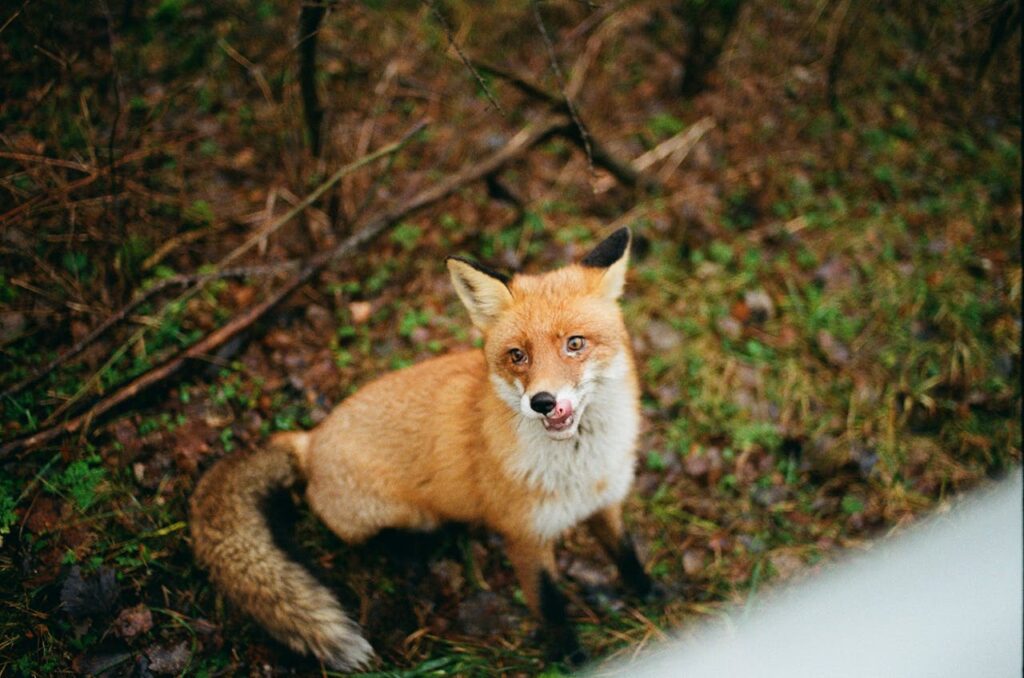
Red foxes are surprisingly playful creatures, engaging in frolicsome behavior that’s not just about fun but also crucial for their development. Play helps the young develop coordination and social skills, crucial for their future survival. Adults aren’t left out; they engage in playful antics, often with their kits, to establish bonds and social hierarchies. This playful behavior mirrors their intelligence and inquisitive nature, highlighting their complexity beyond mere survival.
10. Remarkable Intelligence
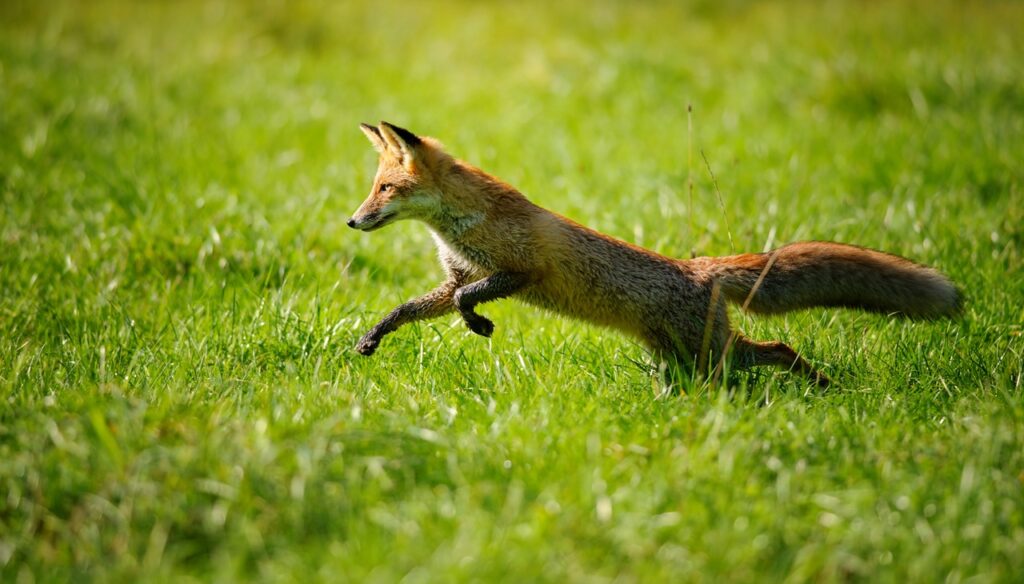
Red foxes are often regarded as one of the most intelligent members of the animal kingdom. Their ability to adapt and thrive in diverse environments, from bustling cities to serene countryside, is nothing short of impressive. These clever creatures use a variety of vocalizations and body language to communicate with one another. According to data from wildlife studies, they are known for their impressive problem-solving skills, enabling them to escape tricky situations and find food even in challenging conditions. Their intelligence is a major factor in their survival and often surprises those who study them.
11. Territorial Habits
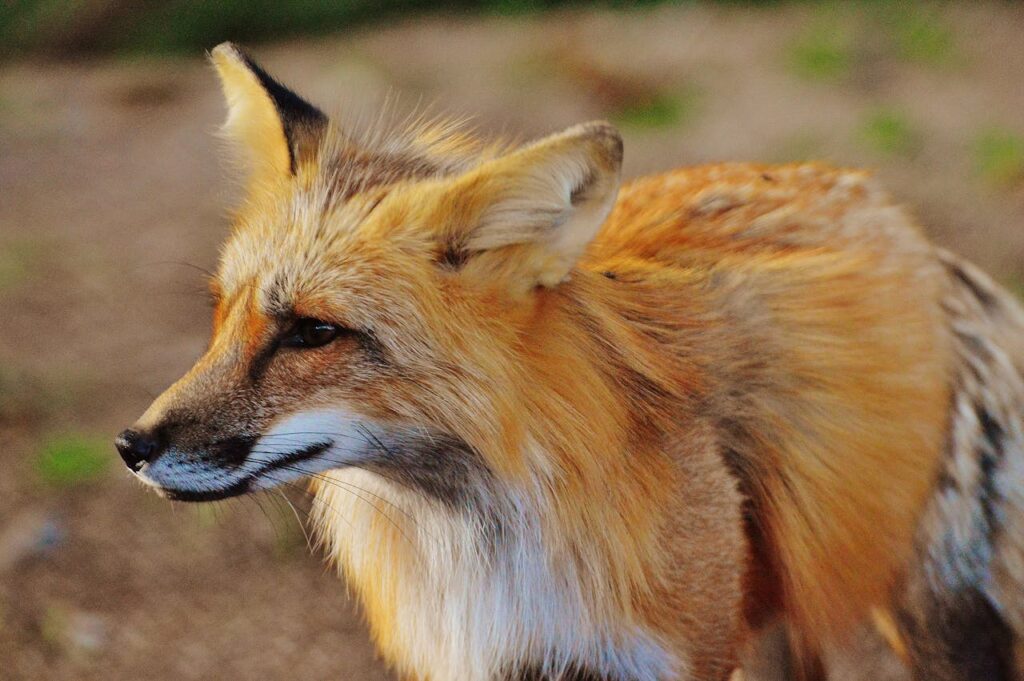
Red foxes are extremely protective of their territory, which can cover a vast area depending on urban or rural settings. Each fox’s territory is marked with scent glands on their paws and through urine, warning other foxes of their presence. This territorial nature ensures they have ample hunting grounds and resources to support themselves and their kits. Interestingly, despite being territorial, red foxes show tolerance towards their neighbors by occasionally sharing hunting paths—a testament to their social adaptability. Understanding these territorial behaviors is crucial in wildlife management and conservation efforts.