

Alaska’s midnight sun is a natural wonder, bathing the land in perpetual daylight during summer months. For pets, this constant light can disrupt natural rhythms. Dogs and cats might find it difficult to settle into a routine, and wild animals are more active, potentially leading to increased encounters. Pet owners should create a sense of normalcy for their furry friends by maintaining consistent feeding and walking schedules. Using blackout curtains at home can help simulate a regular day-night cycle, ensuring that pets get sufficient rest amidst the endless sunlight.
1. Stay Hydrated and Cool
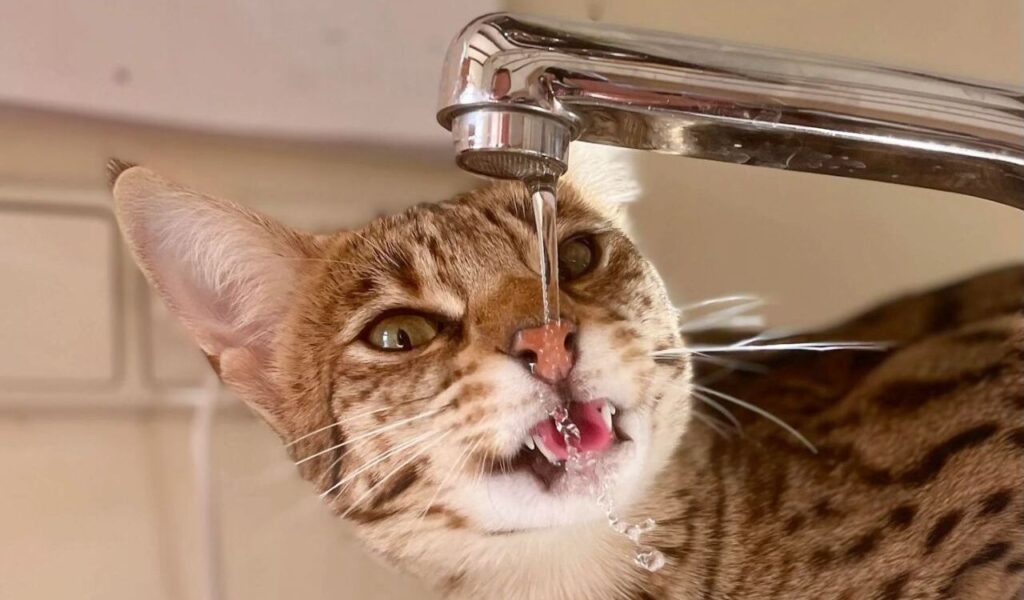
Just like humans, pets need to stay hydrated, especially with the sun’s relentless presence. Always ensure fresh water is available, and consider adding a few ice cubes to help keep it cool. Pay attention to heatstroke signs such as excessive panting or drooling. Providing shaded areas or cooling mats offers relief from the sun. Ensure outdoor time is limited during peak sun hours to prevent overheating. A kiddie pool or sprinklers can also be a fun way to cool down dogs that love water, turning hydration into a playful activity.
2. Sun Protection for Pets
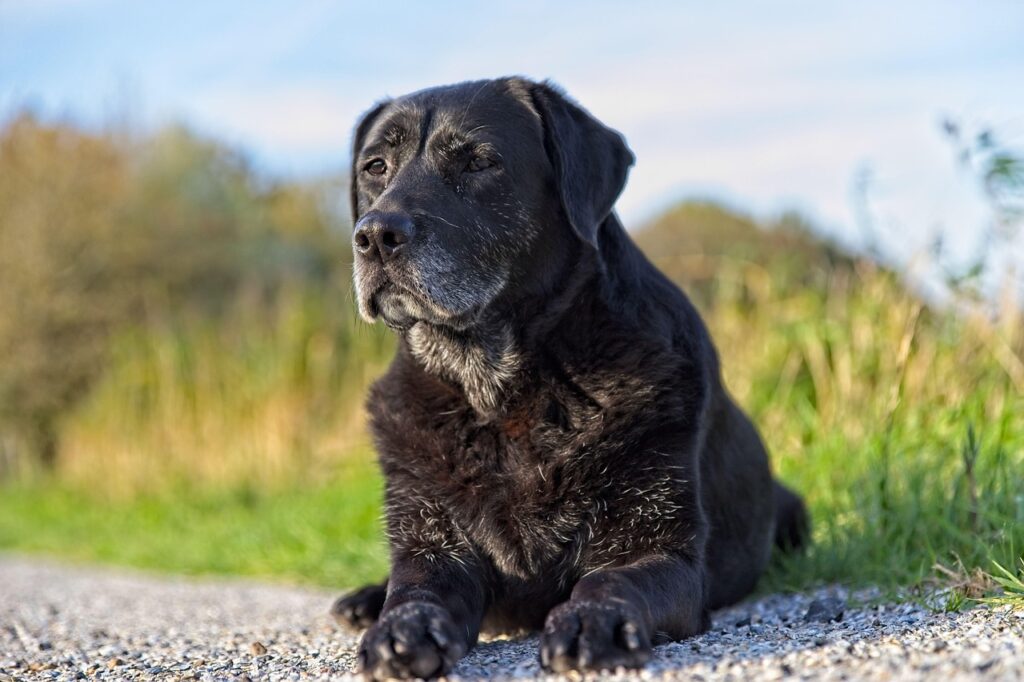
The sun’s rays can be harsh, even in cooler climates. Pets with light-colored fur or exposed skin can suffer from sunburn, just like humans. Pet-safe sunscreens, especially on the nose and ears, provide much-needed protection. Look for products free of zinc oxide, which is toxic to animals. Clothing options like UV-protectant vests or hats can also shield sensitive skin. Avoid shaving pets’ fur, as it acts as a natural barrier against sunburn. Regularly check for any unusual skin conditions and consult a vet for tailored advice.
3. Proper Nutrition and Diet

Extended daylight may alter a pet’s appetite. During warmer months, pets sometimes eat less due to decreased energy exertion. Maintaining a balanced diet with high-quality, nutrient-rich food ensures pets receive the necessary support. Incorporate omega-3 fatty acids for skin health and joint support, especially beneficial in active and aging pets. Consulting a veterinarian can help tailor specific dietary needs. Fresh fruits like blueberries can be healthy treats, providing antioxidants while also keeping mealtime refreshing and fun.
4. Exercise Wisely in Extended Daylight

The endless daylight encourages outdoor exploration, but exercise should be carefully monitored. Plan walks during cooler parts of the day, like early morning or late evening. Watch for exhaustion signals, such as a reluctance to move or heavy panting; these indicate it’s time for a break. Diverse activities like swimming can offer joint-friendly exercise alternatives for dogs. Always use a leash to avoid surprises from wildlife, which are more active during these times. Consistent exercise helps manage weight and keeps pets mentally stimulated amidst the sun-drenched Alaskan summer.
5. Safe Outdoor Adventures
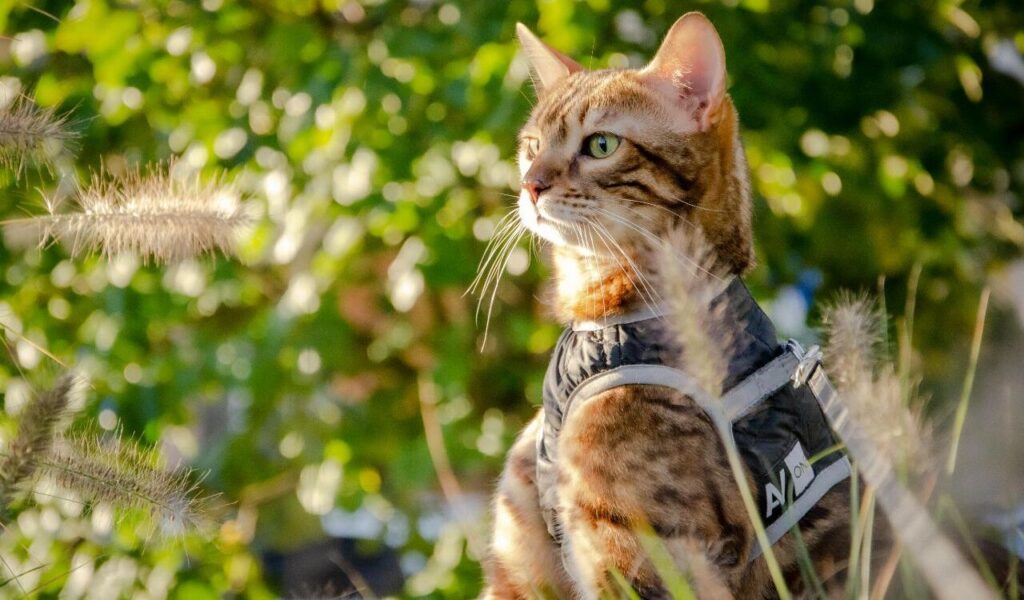
Alaska’s stunning landscapes invite exciting outdoor activities, but safety should come first for your pets. During the midnight sun summers, ensure your furry companions are leashed and tagged. Alaska’s wildlife is a curious bunch, and encounters could be risky. Prepare with sturdy gear and first-aid kits tailored for your pets’ adventures. Paws can get worn out on rugged terrain, so protect them with booties. Remember, the joy of exploration is best when shared safely, making your hikes both thrilling and secure.
6. Avoiding Bugs and Pests

Alaska’s endless daylight also brings a surge of pesky insects. Mosquitoes and ticks pose risks, carrying diseases that could affect your pets. Equip your pets with veterinarian-approved insect repellents. Regular checks for ticks, especially after forest walks, are crucial. Peek through fur and ears where these pests often hide. A clean, pest-free pet is a happy one, ensuring they remain energetic and comfortable as they accompany you on those sun-drenched explorations.
7. Water Safety for Pets
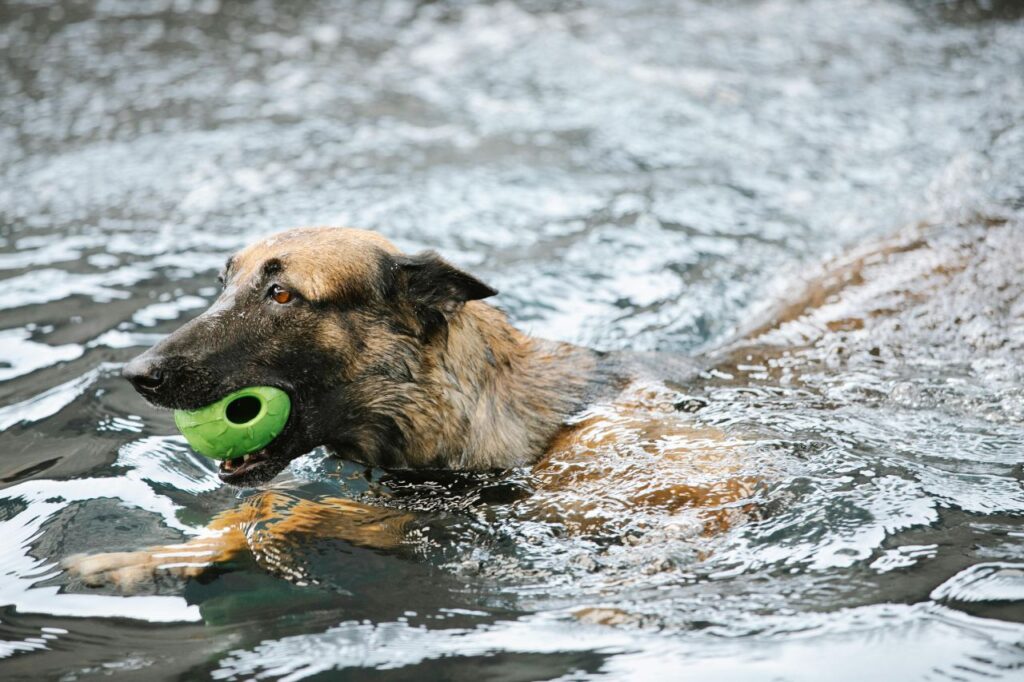
With an abundance of rivers and lakes, summer beckons swimmers—both human and animal. While water can be refreshing, it’s vital to keep safety in focus. Consider life jackets for dogs, especially those new to swimming or prone to fatigue. Always supervise, as rapid currents can be misleadingly strong. Teach them commands to safely enter and exit the water. When playtime concludes, dry them thoroughly to prevent any skin irritations, supporting their health and happiness in Alaska’s watery playgrounds.
8. Managing Heat-Related Stress
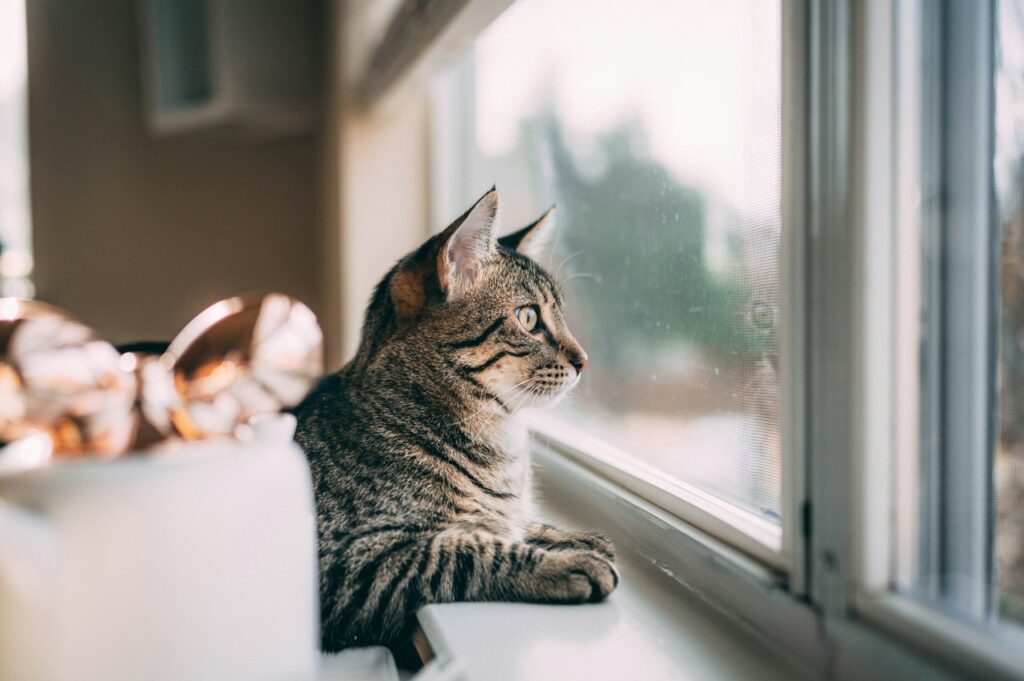
Alaska may seem cool, but the prolonged daylight and activity can strain your pet’s endurance. Keep an eye on signs of heat exhaustion—excessive panting, drooling, or lethargy. Ensure they have access to fresh, cool water, and take breaks in shaded, ventilated spots. Adjust outdoor time to cooler parts of the day, if possible. Offering them cooling mats or damp towels to rest on can help manage their body temperature, allowing them to enjoy summer’s beauty without overheating.
9. Maintaining a Safe Sleep Schedule
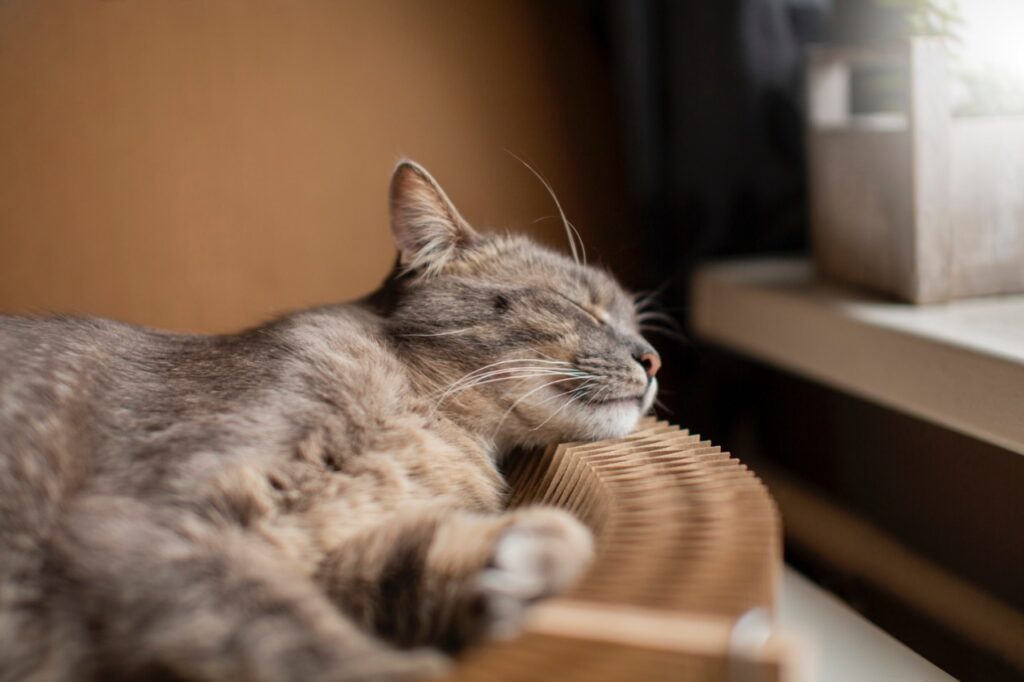
The midnight sun may disrupt your pet’s internal clock. Establish a consistent sleep routine despite the 24-hour daylight. Create a dark, quiet sleeping area with shades or blackout curtains to mimic a regular night environment, ensuring your pets get enough rest. Sticking to familiar schedules for feeding and playtime helps maintain their rhythm. A well-rested pet is more active and joyful, ready to embrace the adventures that Alaska’s summers bring.
10. Transportation Tips in the Sun

Traveling with pets during Alaska’s long summer days requires special attention to heat and sun exposure. Keep your pet’s comfort in mind by using a reflective sunshade in the car, ensuring windows are slightly cracked for airflow. A harness seatbelt or a secured crate prevents sudden movements that might be dangerous. Always carry plenty of fresh water and a portable bowl to keep your furry friend hydrated. Preserving a calm atmosphere with familiar toys or a favorite blanket can reduce travel stress, making the journey pleasant for both you and your pet.
11. Emergency Preparedness
Being ready for emergencies is crucial during Alaska’s sunny summers, where unpredictable weather can quickly change. Maintain a well-equipped pet first aid kit with essentials like bandages, antiseptic wipes, and tweezers. Familiarize yourself with nearby veterinary clinics and keep their contact information handy. According to the American Red Cross, having a pre-planned evacuation route and a portable disaster kit ensures you can respond promptly in emergencies. Training your pet to follow basic commands can be lifesaving in high-pressure situations, as it allows for swift and organized actions.
12. Protecting Paws and Skin
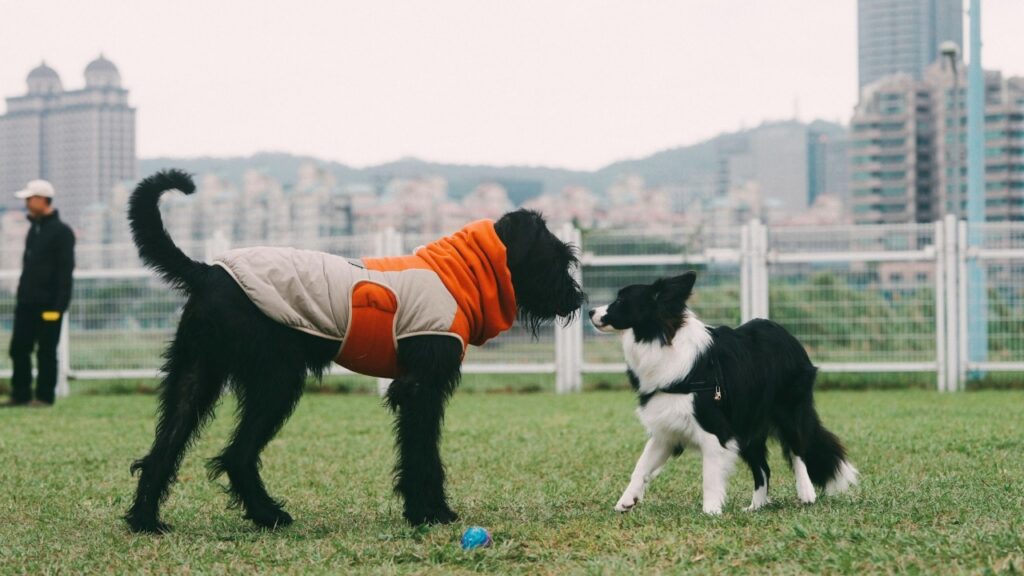
The midnight sun can be surprisingly hard on your pet’s paws and skin. Hot pavements can burn sensitive pads, so it’s wise to walk dogs during cooler parts of the day or in shaded areas. Protective booties are an excellent investment, providing an extra layer of insulation against heated surfaces. Additionally, apply a pet-safe sunscreen to areas of exposed skin, especially on light-colored or thin-coated animals. Regular grooming helps detect any skin irritations early and keeps your pet comfortable and healthy throughout the summer months.