

Science has long been fascinated by the connection between animals and human health. Studies, including one published in Frontiers in Veterinary Science, suggest animals may detect volatile organic compounds (VOCs) emitted by the human body during illness. But how real is this phenomenon? Let’s take a look at 12 animals that have been reported to detect human illness—and what science really says about it.
1. Dogs – Masters of Medical Detection

With over 300 million scent receptors, dogs have been trained to detect everything from cancers to low blood sugar and even COVID-19. Studies show they can sniff out cancer by detecting specific VOCs in urine, breath, and sweat. Medical alert dogs are even trained to predict seizures before they happen, offering early warnings to their handlers. While not every dog can do this naturally, science supports the idea that with proper training, dogs can be surprisingly accurate illness detectors.
2. Cats – The Silent Comforters

Though less studied than dogs, cats have been reported to sense illness or death. In their dying hours, some hospice staff have observed cats snuggling with people who are near death. One famous case, Oscar the cat, reportedly predicted over 100 deaths in a Rhode Island nursing home. While this may be anecdotal, researchers believe cats could be responding to subtle changes in body temperature or scent, even if the scientific data remains sparse.
3. Horses – Sensitive to Stress and Pain

Horses are extremely perceptive creatures that are acutely aware of the emotional and physical aspects of people. Equine therapy has gained traction for helping people with PTSD, autism, and chronic illnesses. Some owners claim their horses react differently when they are in pain or emotionally distressed. While no hard scientific evidence confirms horses can detect illness at a medical level, their sensitivity to body language and tension is well-documented.
4. Rats – Trained to Detect Tuberculosis
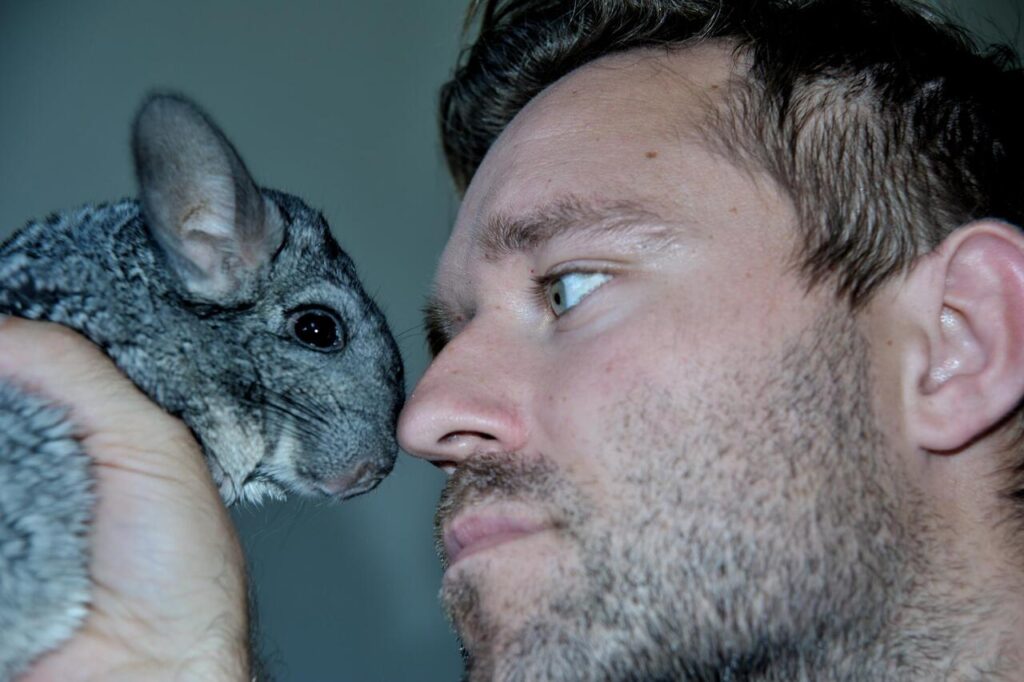
It might surprise you, but African giant pouched rats have been trained to detect tuberculosis in human sputum samples. Organizations like APOPO in Tanzania have proven that these rats can screen samples much faster than traditional lab testing, with impressive accuracy. Their sharp sense of smell and ability to work quickly in low-resource settings has turned them into real disease-fighting allies in global health.
5. Bees – Cancer Sniffers in the Lab
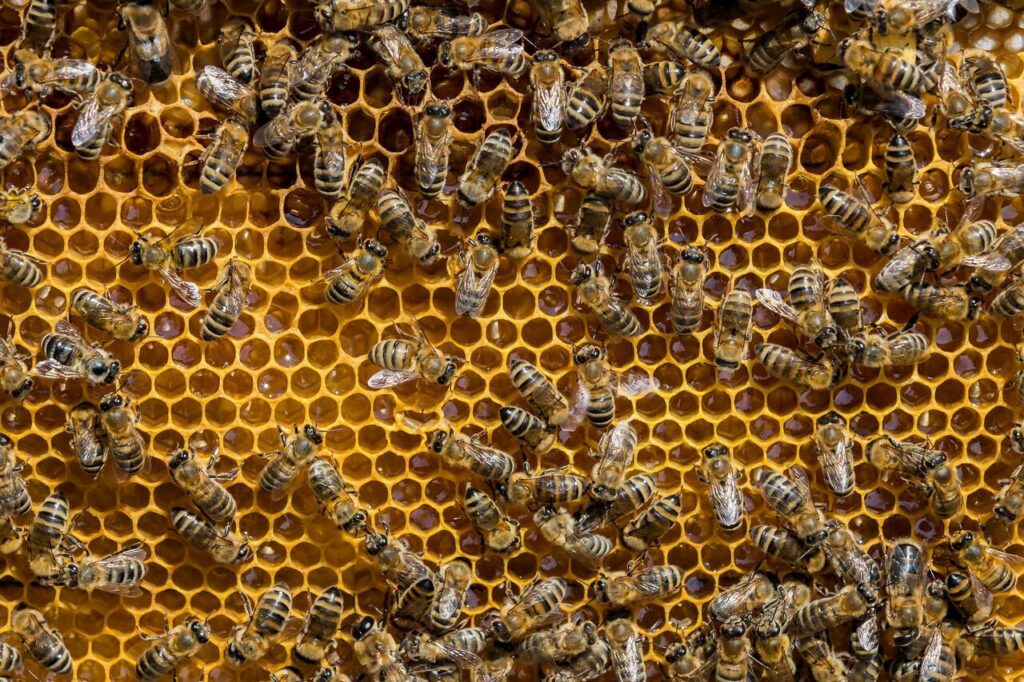
Bees don’t just make honey—they can also be trained to detect cancer. In a lab setting, bees were taught to associate the scent of cancer cells with a food reward. When exposed to samples from patients with cancer, the bees extended their proboscis—a sign they recognized the scent. Though still in experimental stages, this research opens fascinating possibilities for non-invasive early cancer detection using insect olfaction.
6. Parrots – Keen Observers of Behavior

Parrots are known for their intelligence and ability to mimic speech, but they also observe routines closely. Some parrot owners have reported their birds behaving differently—becoming quiet, agitated, or unusually attentive—when the owner was ill. While this is largely anecdotal, it’s believed that parrots may notice shifts in energy, scent, or mood. Science hasn’t confirmed their medical sensing abilities, but their awareness shouldn’t be underestimated.
7. Dolphins – Detecting Illness with Sonar?

Some scientists speculate that dolphins may be able to detect illness through echolocation. This is based on anecdotal reports of dolphins showing unusual interest in pregnant women or individuals with internal injuries. While it’s a stretch to say dolphins can “diagnose,” their sophisticated sonar might allow them to perceive differences in tissue density. Research is limited, but the theory continues to intrigue marine biologists.
8. Ferrets – COVID-19 Research Heroes

Ferrets were used extensively during the COVID-19 pandemic to study how the virus spreads. Their respiratory systems are similar to humans, which made them invaluable in early detection trials. More interestingly, ferrets were also found to exhibit changes in behavior when around infected individuals, sparking interest in whether they could detect illness behaviorally or chemically. While not illness-sniffers like dogs, their role in medical science is growing.
9. Goats – Detecting Malaria Through Urine

Believe it or not, goats have been trained in labs to detect malaria by smelling urine samples. Some scientists believed that goats could identify infected samples with up to 90% accuracy. It’s thought that malaria alters the scent profile of urine, and the goats are able to detect those changes. This line of research could lead to low-cost, non-invasive detection methods in parts of the world where malaria is still rampant.
10. Elephants – Responding to Emotional Pain

Elephants have long been associated with high emotional intelligence and strong social bonds. In sanctuaries and the wild, elephants have been observed showing extra care toward sick or dying members of their herd. While no research confirms that they detect human illness, many handlers report elephants behaving differently around sick or grieving individuals. Their empathy may not be diagnostic, but it’s deeply powerful.
11. Pigeons – Surprisingly Good at Image Detection

Pigeons have been used in scientific studies to identify cancerous tissue in medical images. In one 2015 study, pigeons were trained to distinguish between healthy and cancerous breast tissue images with about 85% accuracy. Their strong visual memory and ability to learn patterns made them valuable participants. Though you won’t see pigeons in hospitals anytime soon, their potential in diagnostic research is promising.
12. Ants – Detecting Cancer in Human Breath
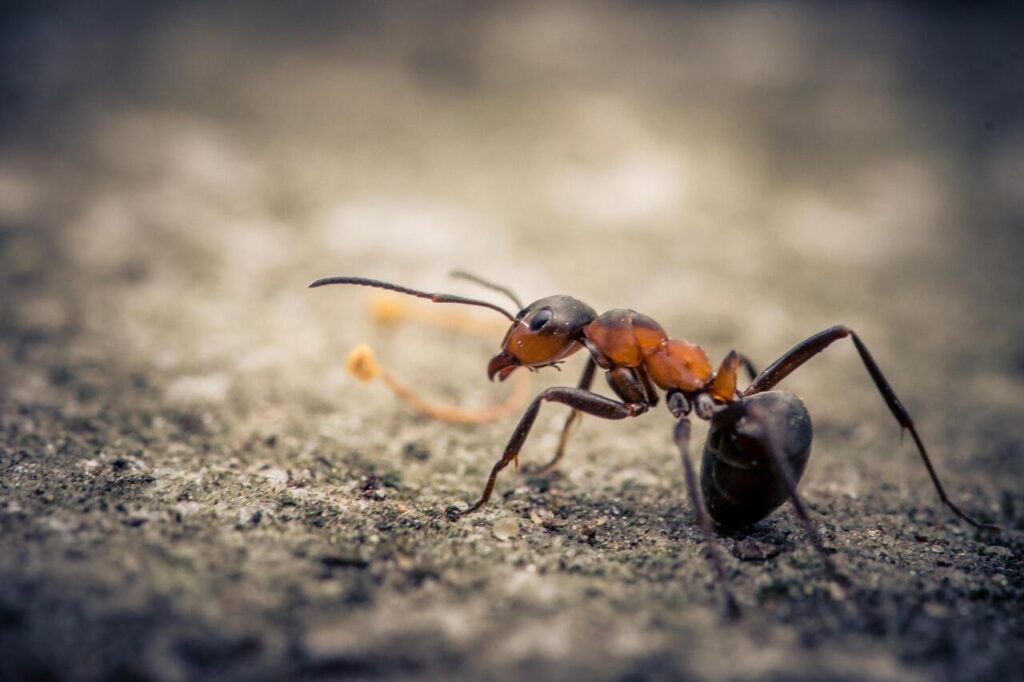
One of the most unexpected additions to this list is ants. Recent research has shown that ants can detect cancer in humans by identifying changes in the chemical composition of breath. In controlled experiments, ants were trained to associate the scent of cancerous breath samples with a reward—and they learned fast. This line of research is still new, but it could pave the way for inexpensive cancer detection technologies in the future.