
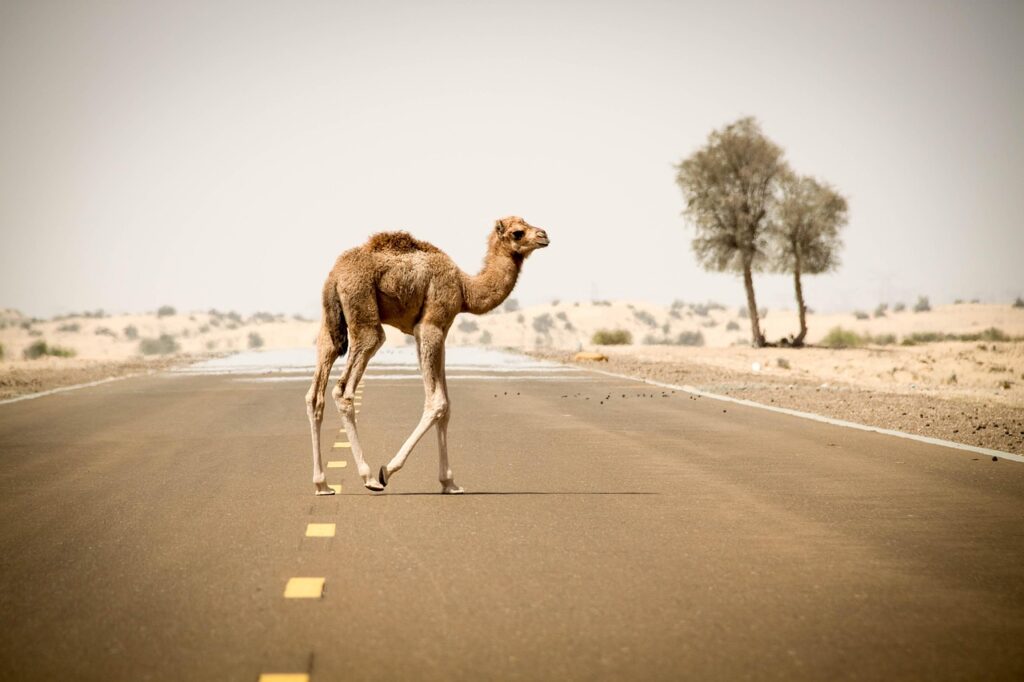
The animal kingdom is a testament to the incredible adaptability of life on Earth. As our planet’s climate has shifted over millennia, countless species have evolved in fascinating ways to thrive in new environments. From icy landscapes to scorching deserts, these creatures have embraced change, turning challenges into triumphs. Discover how evolution, driven by climate, has sculpted these remarkable beings.
1. Polar Bears: Survival in Icy Realms
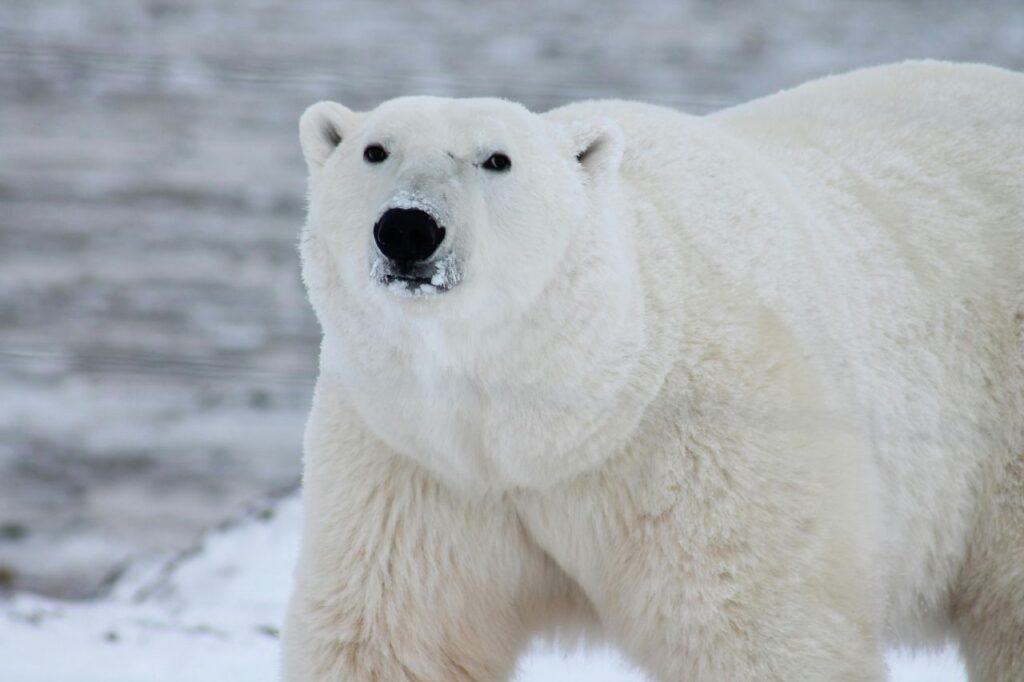
Polar bears have become iconic symbols of adaptability in frigid environments. Over time, these majestic creatures have developed thick, insulating fur and a layer of fat to endure Arctic temperatures. Their large paws, which help them navigate treacherous ice, also assist in swimming vast distances. Sadly, as sea ice diminishes at alarming rates, polar bears face greater threats. Yet, their evolution has equipped them with remarkable resilience, making each bear a testament to survival against the odds.
2. Butterflies: Wings of Adaptation
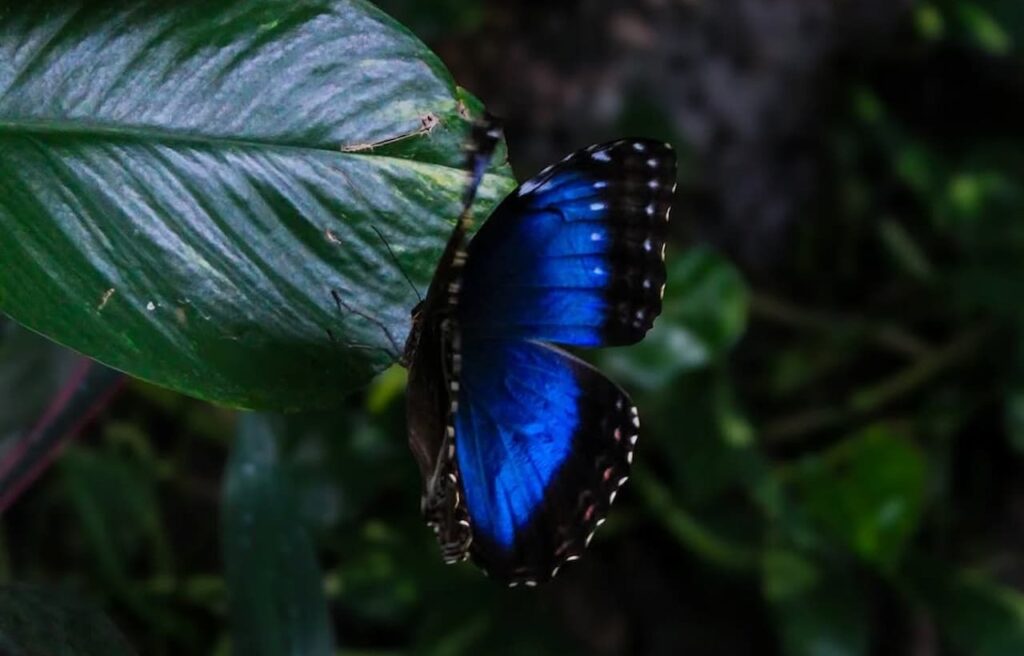
Butterflies are champions of climate adaptation, their delicate wings navigating diverse ecosystems. Many species, such as the Painted Lady, undergo remarkable migrations, following warmth and food sources. Their life cycles are closely tied to temperature, influencing their breeding and emergence. According to research, variations in climate can lead to changes in their coloration and size, showcasing their incredible adaptability. These vibrant insects reflect nature’s constant dance with changing environments.
3. Camels: Masters of Desert Survival
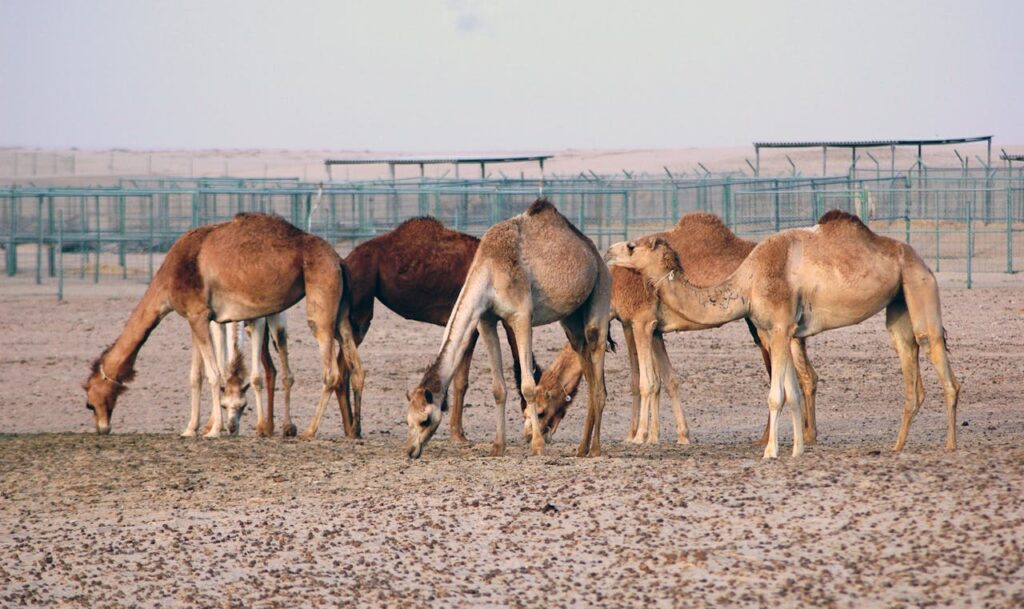
Evolution has turned camels into the ultimate survivors of harsh, arid landscapes. With the ability to close their nostrils against sand and store fat in their humps for energy, they stand as emblems of endurance. Camels can go days without water, losing up to 25% of their body weight without ill effects. Their unique adaptations make them crucial to their ecosystems and invaluable to desert dwellers. Marvels of the animal kingdom, camels embody the spirit of survival in one of Earth’s most demanding climates.
4. Antarctic Krill: Life Under Melting Ice
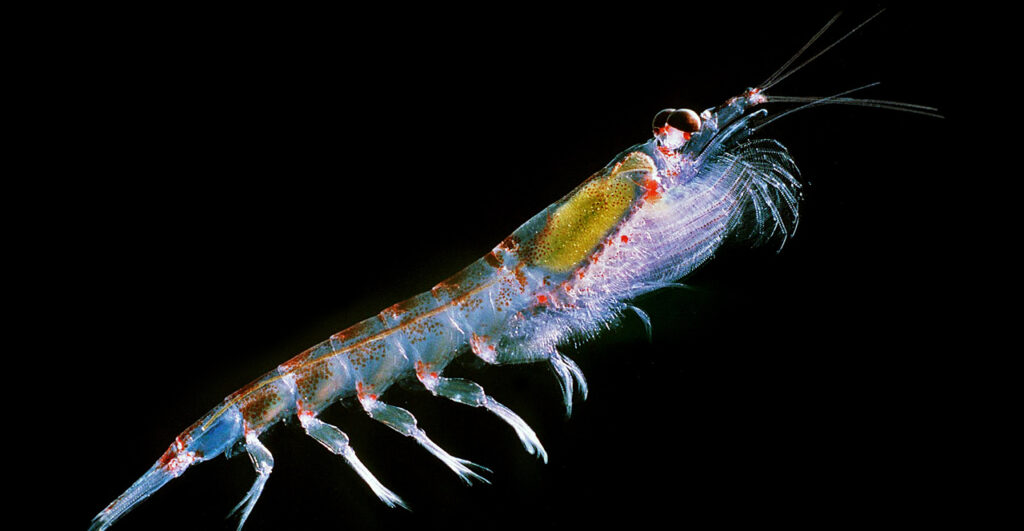
Antarctic krill, tiny creatures that play a massive role in marine ecosystems, have evolved to thrive beneath the ice. These crustaceans possess antifreeze proteins, preventing their bodies from freezing in icy waters. As climate change reduces sea ice, their habitats are shifting. Yet, krill remain crucial, forming the foundation of the Antarctic food web. Their resilience highlights nature’s intricate balance, where even the smallest members hold significant ecological importance.
5. Alaskan Moose: Navigating Seasonal Shifts
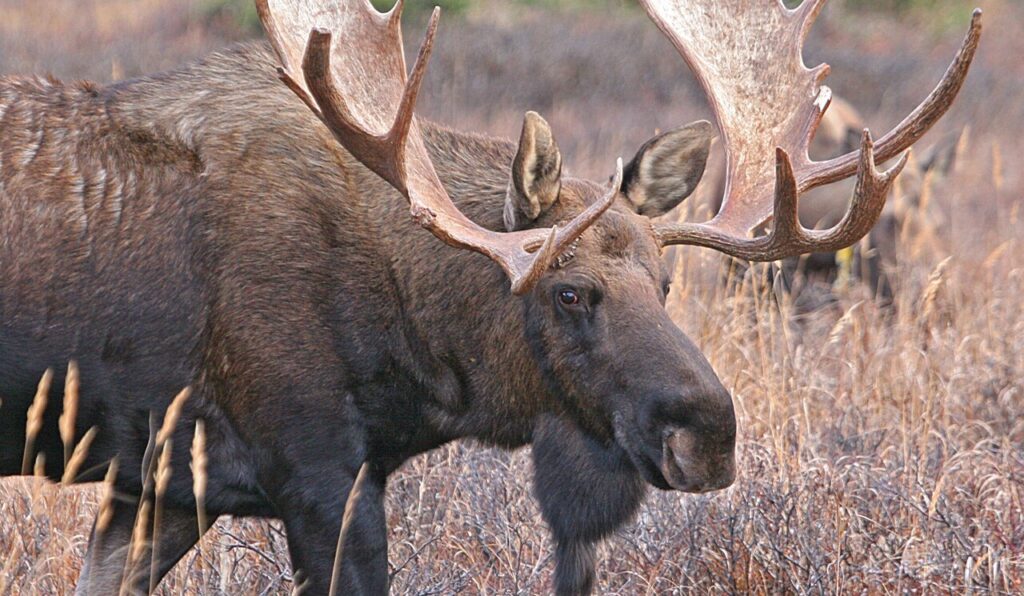
Alaskan Moose have mastered the art of adaptation. With shifting seasons, these massive mammals adjust not only their diets but also their migration patterns, seeking lush vegetation in summer and woody plants in winter. Their thick coats insulate against harsh cold and shedding in warmer months keeps them comfortable. Intriguingly, moose are known to alter their antler growth in response to climate variations. According to scientific studies, their ability to adapt is crucial for survival as their geographic range shifts due to climate change.
6. Tropical Fish: Resilience in Warmer Seas
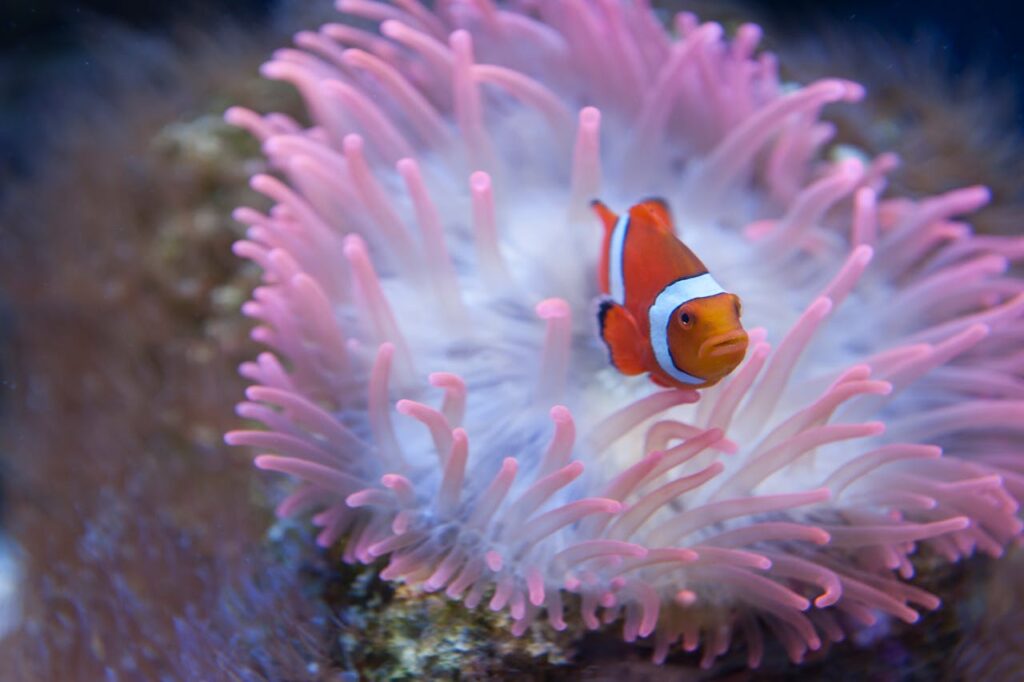
Vibrant and versatile, tropical fish are showing remarkable resilience as ocean temperatures rise. Species like clownfish and damselfish adapt by shifting their habitats to cooler, deeper waters when surface temperatures soar. These colorful swimmers not only enhance the beauty of coral reefs but also play vital roles in marine ecosystems. Reports reveal that some fish alter their reproductive timing and diet to cope with changing environments, showcasing their resilience in the face of global warming.
7. Snowshoe Hares: Seasonal Camouflage Experts
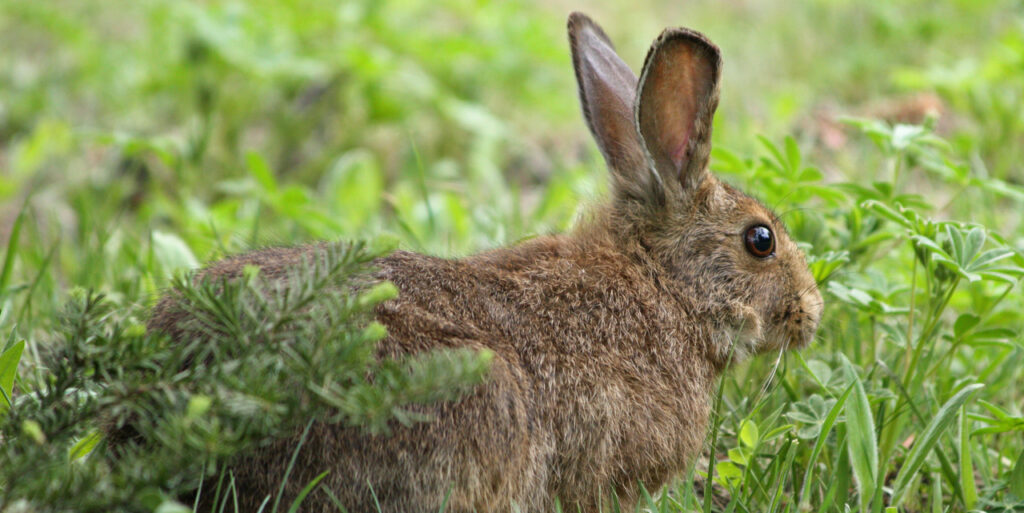
Snowshoe Hares are nature’s experts in disguise. As seasons change, these clever critters shift coat colors from brown to winter-white, blending seamlessly into their surroundings to evade predators. Their large hind feet act like snowshoes, allowing them to navigate snowy terrains efficiently. Recent studies highlight the impact of shorter winters on this unique adaptation, revealing that hares are now adjusting their molt timing to stay in sync with snowy conditions, demonstrating a delicate balance with their environment.
8. Pikas: Thriving in Alpine Environments
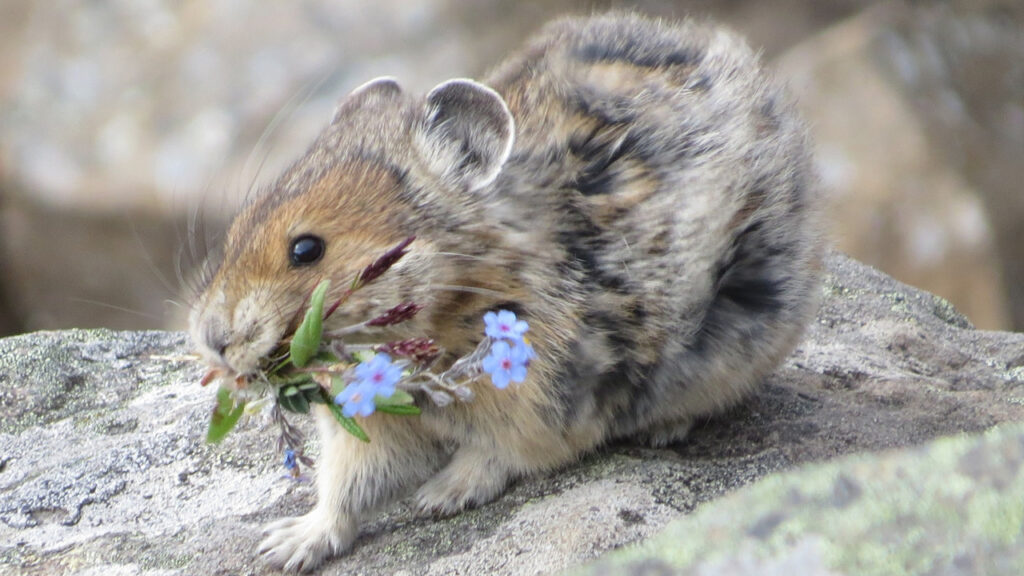
Pikas are small, resilient mammals that thrive in the chilly, high-altitude environments of the Rockies. Known for their high-pitched calls and diligent food storage habits, these “haymakers” gather grasses to stash for winter sustenance. Climate change poses risks, as rising temperatures can push them to higher altitudes. Research shows pikas are already adapting by altering their foraging habits and finding cooler microhabitats. Despite challenges, they remain icons of adaptability and ecological importance in alpine ecosystems.
9. Elephants: Giants in Drought-prone Lands
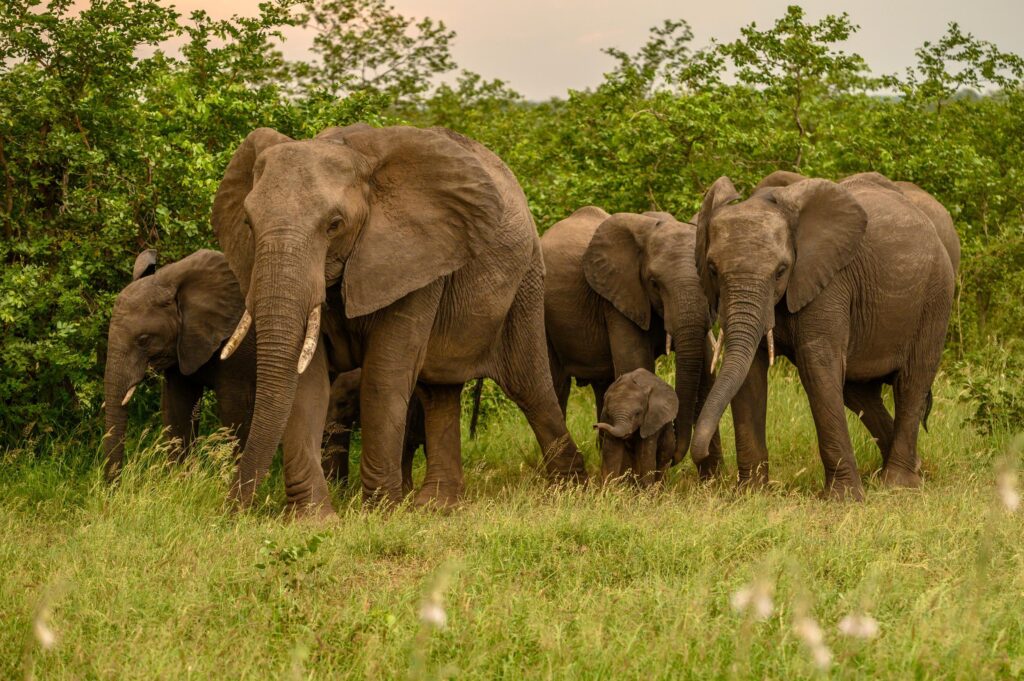
Elephants are remarkable architects of their environment, skillfully adapting to drought-prone regions. Their massive tusks dig deep into dry earth to unearth water, turning barren landscapes into lifelines for other wildlife. Known for their intelligence and memory, elephants navigate vast expanses in search of waterholes, epitomizing resilience. As climates shift, their social structures and long migrations evolve, displaying incredible adaptability. These gentle giants remind us of nature’s ingenuity in overcoming environmental challenges.
10. Coral Reefs: Architects of Marine Ecosystems
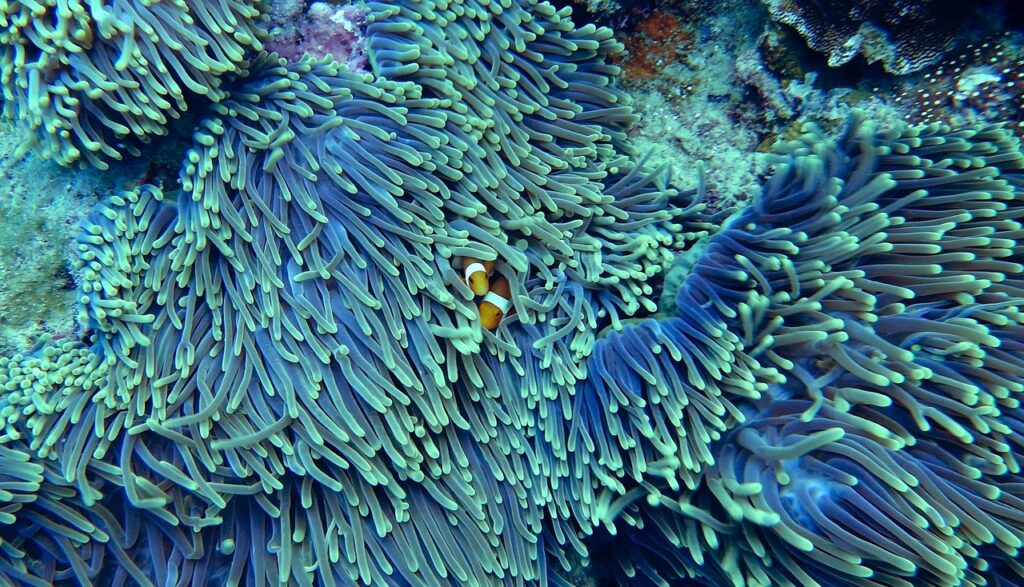
Coral reefs are the vibrant architects of marine biodiversity, evolving to survive warmer and more acidic oceans. These colorful underwater gardens host a quarter of all marine species, offering shelter and sustenance. Despite their small size, corals are masters of symbiosis, collaborating with algae to thrive even under stress. Their resilience is inspiring, yet fragile, highlighting the need for preservation. Protecting coral reefs is vital for maintaining the intricate web of life they support in our oceans.
11. Siberian Tigers: Hunters of Warming Forests
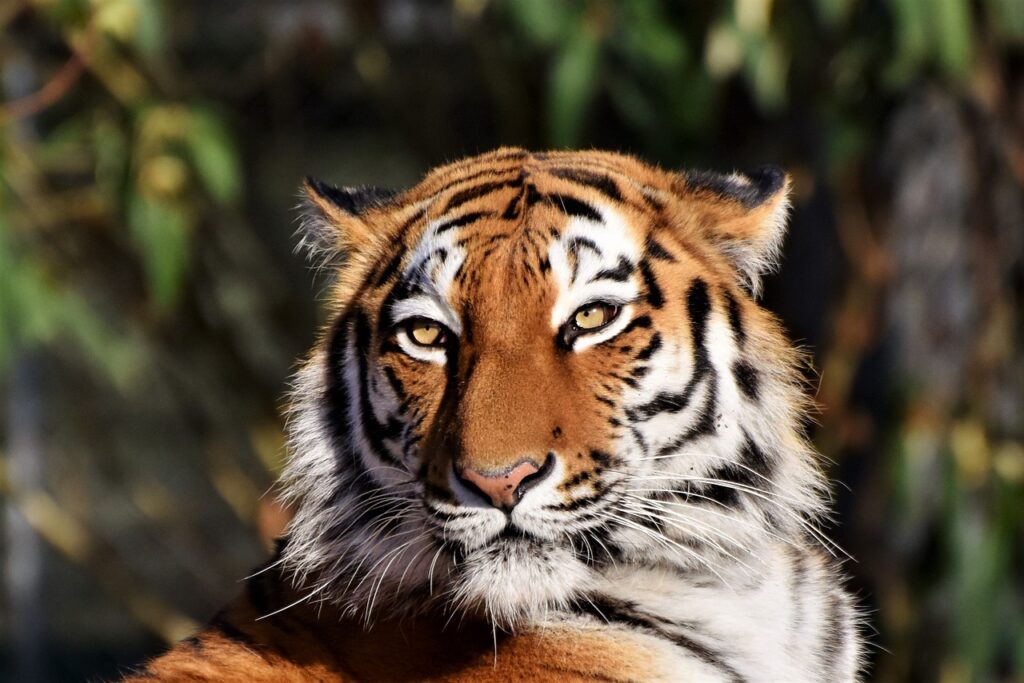
Siberian tigers are solitary hunters, adapting to the warming forests of the Russian Far East. Their thick fur and large paws once served them in harsh, snowy terrains, but now help them navigate thawing landscapes. As seasons shift, these majestic cats adjust their hunting tactics, preying on deer and wild boar amidst changing habitats. Their elusive nature and keen senses underscore their survival. Protecting their environment ensures the survival of an iconic species and the complex ecosystems they inhabit.
12. Emperor Penguins: Guardians of the South Pole
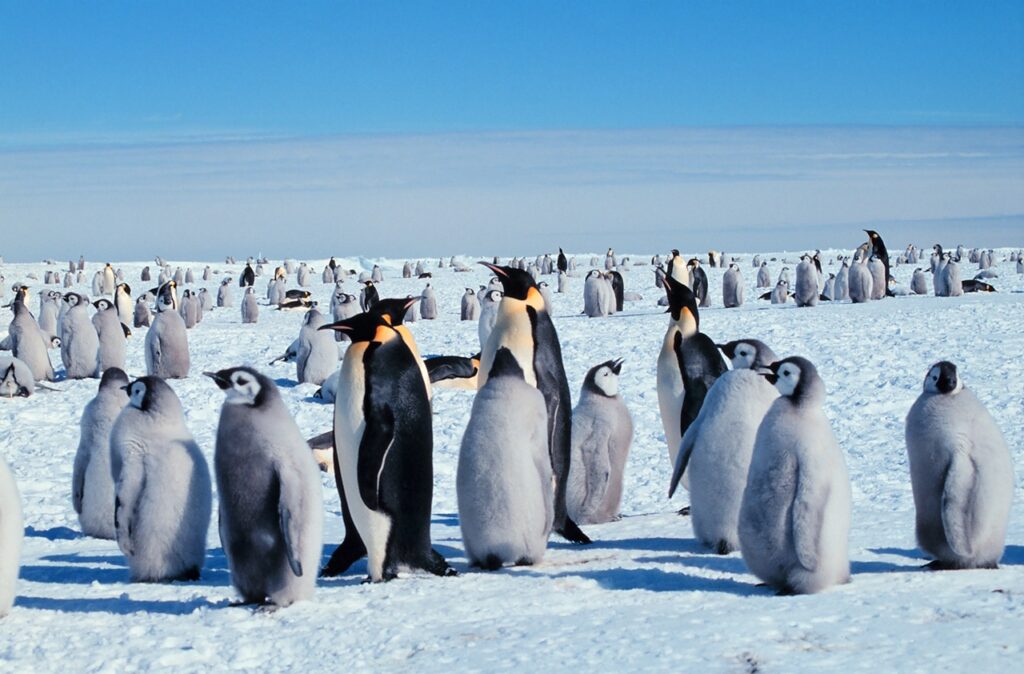
Emperor penguins are the stalwart guardians of the icy realms of Antarctica, enduring harsh climates and shifting sea ice. Their unique breeding cycle, timed with the winter’s onset, showcases their resilience. As global temperatures rise, their icy habitat faces unprecedented challenges. These flightless birds journey over vast ice expanses to find breeding grounds, symbolizing dedication and survival. Protecting their environment is crucial, as their story of adaptation continues to unfold in the face of climate change.