
Some animals have eyes so massive, that they defy logic and make you do a double take. From the depths of the ocean to the treetops of the rainforest, nature has crafted eyes that are both awe-inspiring and essential. These oversized eyes aren’t just for show—they help creatures survive in harsh environments, whether it’s spotting prey in the dark or detecting predators from afar. Here are 12 animals whose eyes are so big, they almost don’t seem real.
1. Mantis Shrimp
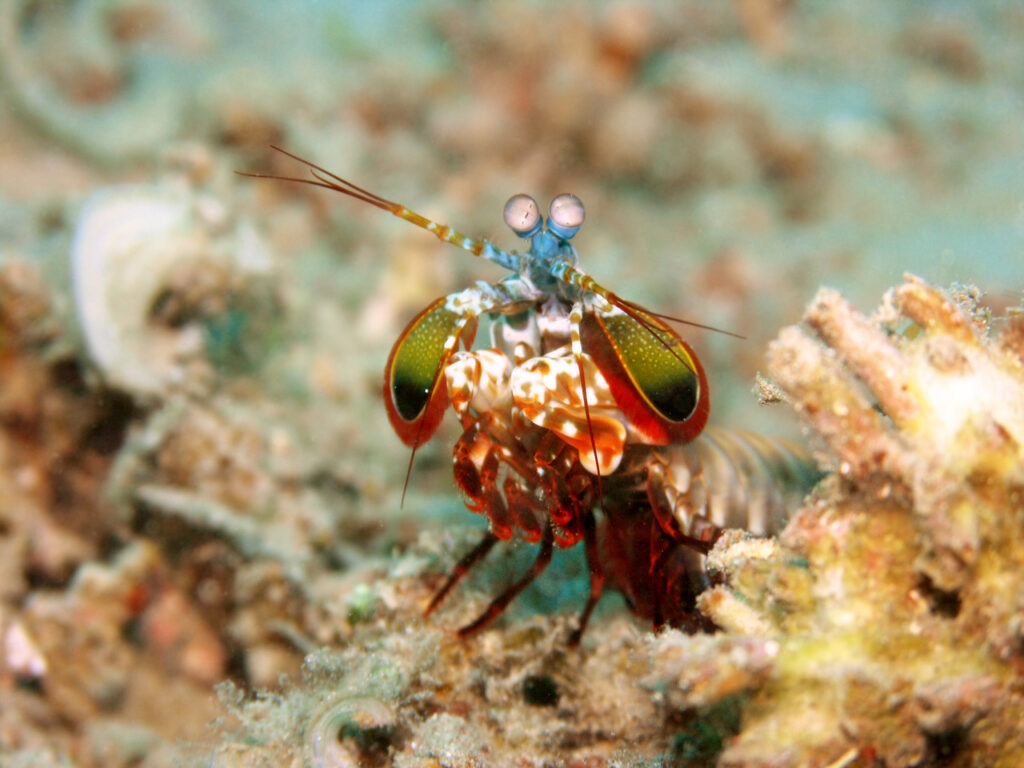
The mantis shrimp may be small, but its eyes are among the most complex in the animal kingdom. Each eye operates independently and can detect polarized light, ultraviolet, and a vast range of colors—far beyond what humans can see. Positioned on stalks, these eyes give the mantis shrimp a nearly 360-degree field of vision. This advanced eyesight helps it locate prey and rivals with astonishing precision. With a punch as fast as a bullet, it truly sees the world like no other creature can.
2. Giant Squid
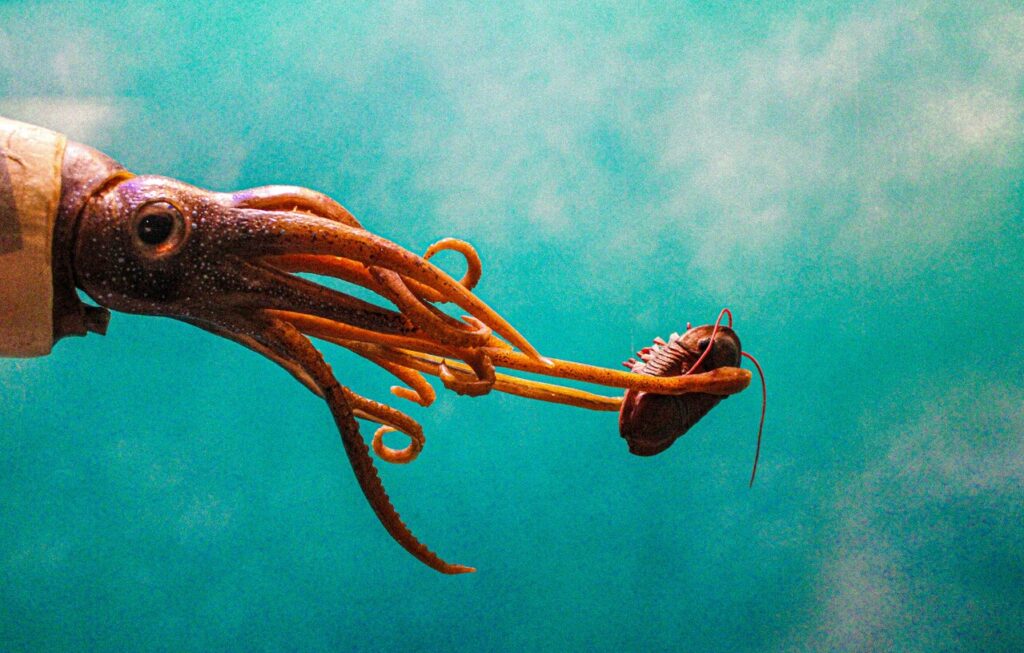
Closely related to the colossal squid, the giant squid also has remarkably large eyes, reaching up to 10 inches in diameter. These massive eyes are designed to capture even the tiniest traces of light in the deep sea, helping the squid detect bioluminescent prey and potential predators. Their wide pupils are best for steering through the blackness of the ocean floor. Although rarely seen by humans, their eyes are one of the few clues to how they thrive in such extreme underwater environments.
3. Tarsier

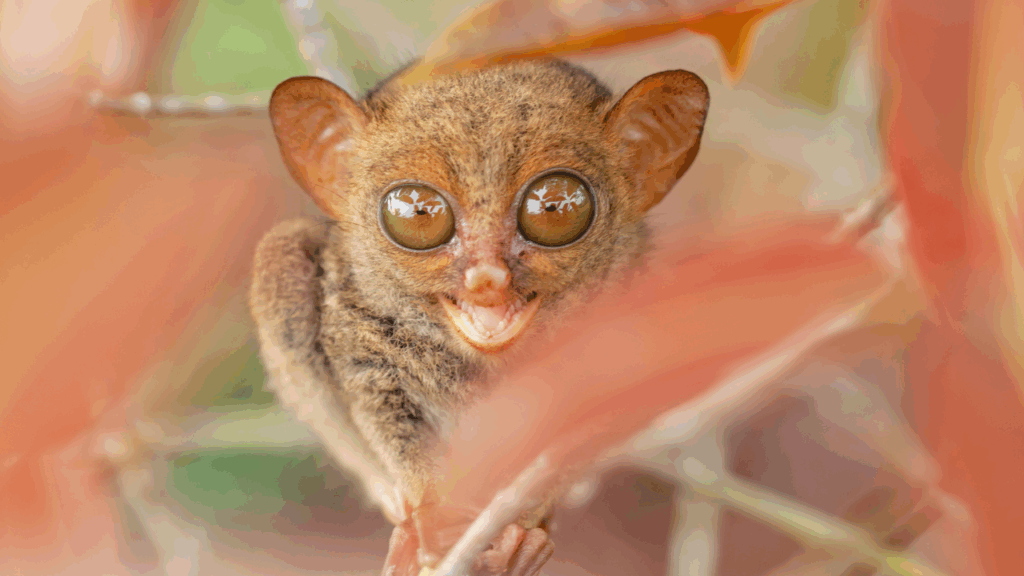
The tarsier, a small anthropoid found in Southeast Asia, has eyes that are each about the same size as its brain. These enormous eyes help it hunt insects and small prey during the night in dense jungle habitats. Because the eyes are fixed in the skull, the tarsier rotates its head nearly 180 degrees to scan its surroundings. With a gaze that looks both startled and mesmerizing, its oversized eyes make it one of the most visually striking—and endearingly strange—primates on the planet.
4. Ostrich
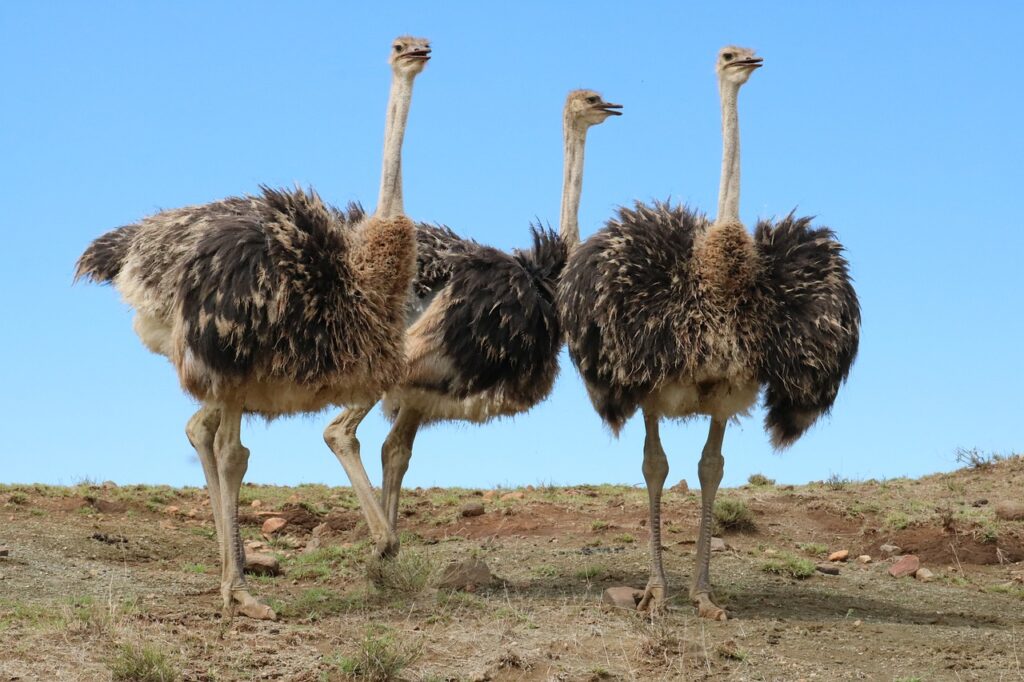
The ostrich doesn’t just tower over other birds—it also has the largest eyes of any land animal. Each eye measures around 2 inches in diameter, even bigger than the bird’s own brain. These massive eyes give ostriches amazing long-distance sight, helping them to find predators across the open grassy field. Their high-set eyes and long neck allow for a wide field of view, while their strong legs ensure a quick escape. When it comes to seeing danger coming, few animals do it better than the ostrich.
5. Swordfish
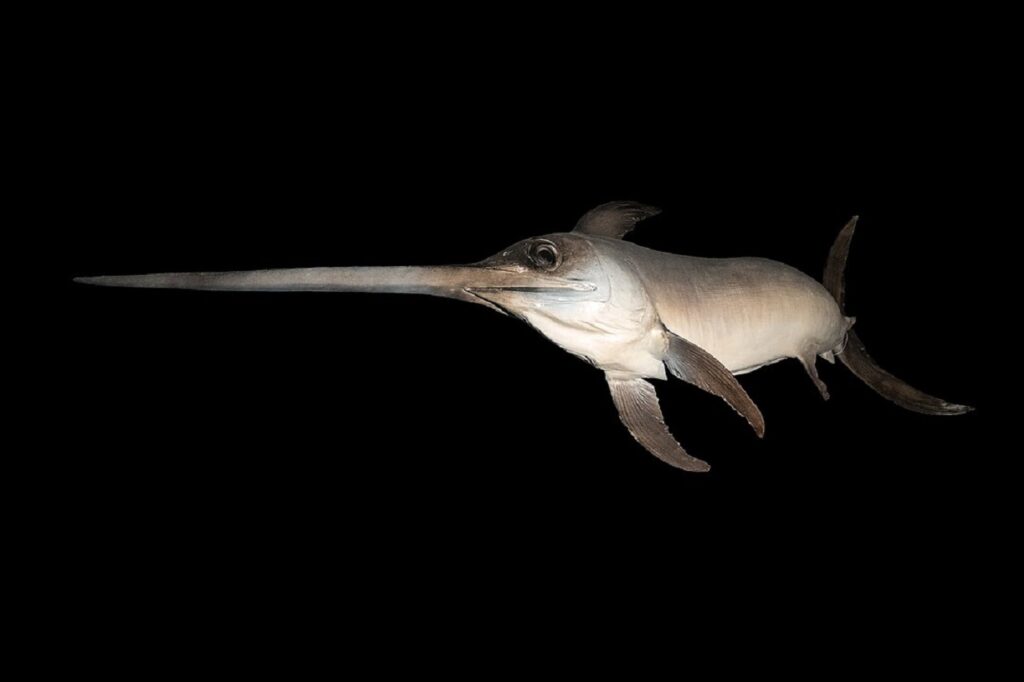
Swordfish may be built for speed, but their oversized eyes play a crucial role in hunting. These deep-sea predators have a unique ability to heat their eyes and brain, giving them sharper vision in cold, dark waters. This adaptation allows them to track fast-moving prey like squid with incredible accuracy. Their large eyes gather as much light as possible, making them effective hunters even at depths where sunlight barely reaches. It’s a finely tuned system for life in the deep ocean.
6. Owl
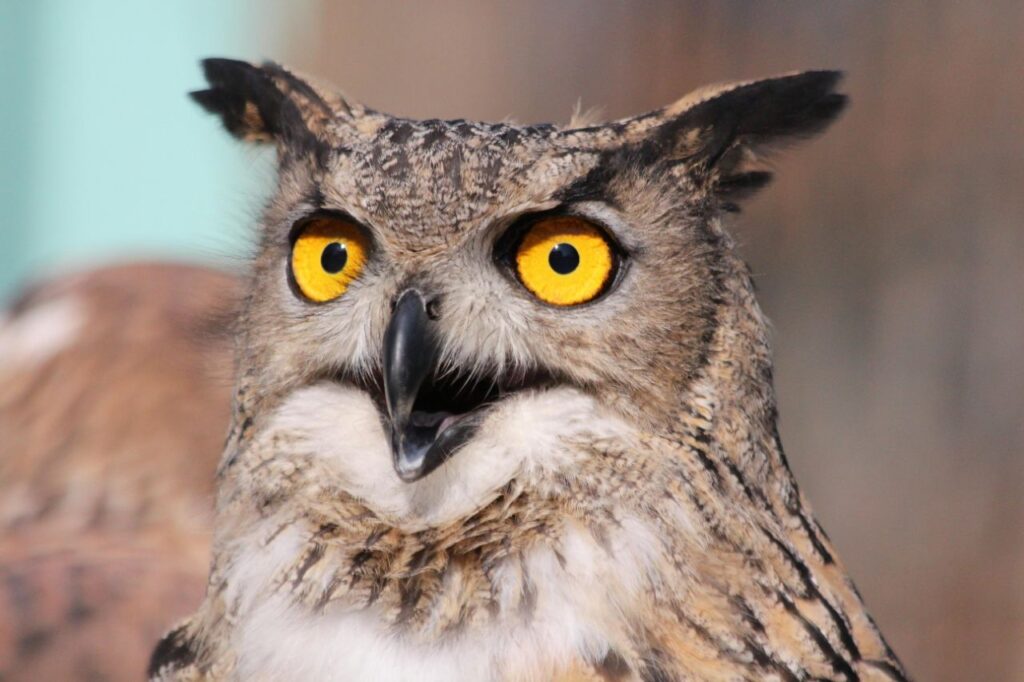
Owls are famous for their huge, forward-facing eyes, which can appear almost cartoonishly large. Their eyes are tube-shaped rather than spherical and don’t move in the sockets, so owls turn their heads up to 270 degrees to see around them. Packed with light-sensitive rods, their eyes allow them to see in near-complete darkness. This gives them a major edge when hunting small animals at night. Their eerie, unblinking stare isn’t just haunting—it’s a high-powered tool for survival.
7. Dragonfly
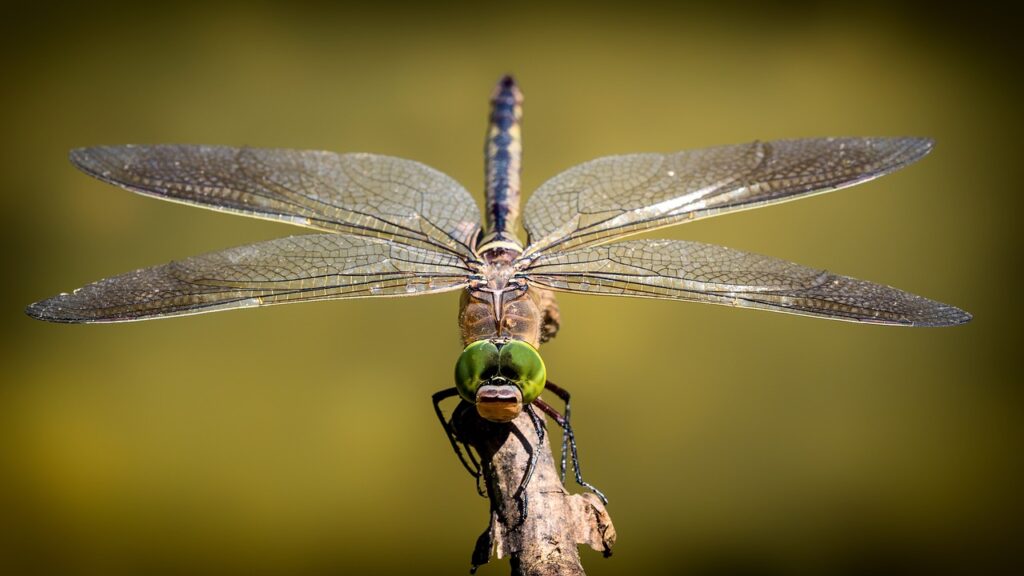
Dragonflies have some of the most amazing eyes in the arachnid world. Each eye is a giant complex structure made up of thousands of tiny contacts called ommatidia. These eyes cover most of their head and give them almost 360-degree vision. With such a wide field of view, dragonflies can detect the smallest movements, allowing them to track and catch prey mid-flight. Their massive eyes make them agile hunters, perfectly designed for fast, accurate attacks in the air.
8. Sphynx Cat

The sphynx cat’s hairless appearance makes its large, almond-shaped eyes stand out even more. Their expressive eyes aren’t just beautiful—they help the cat see well in dim lighting. These cats use their eyes to communicate, often gazing intently at their humans with a curious or affectionate look. The lack of fur on their face draws extra attention to their features, giving them an almost otherworldly charm. Their wide-eyed stare is one of the breed’s most captivating traits.
9. Horseshoe Crab
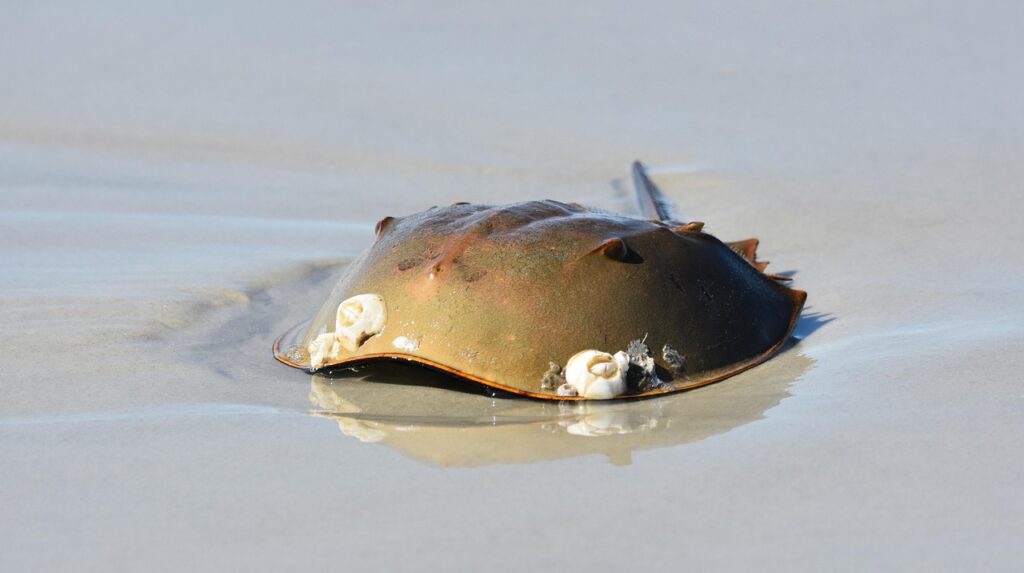
Horseshoe crabs may look ancient—and they are—but their eyes are uniquely adapted. They have two large complex eyes on the sides of their shell, each containing thousands of light-detecting components. These help them navigate murky coastal waters and find mates during spawning. They also have additional simple eyes on top of their shell that detect changes in light. Though their vision isn’t sharp, their large eye structures are well-suited for survival in the ocean’s shallow zones.
10. Tree Frog
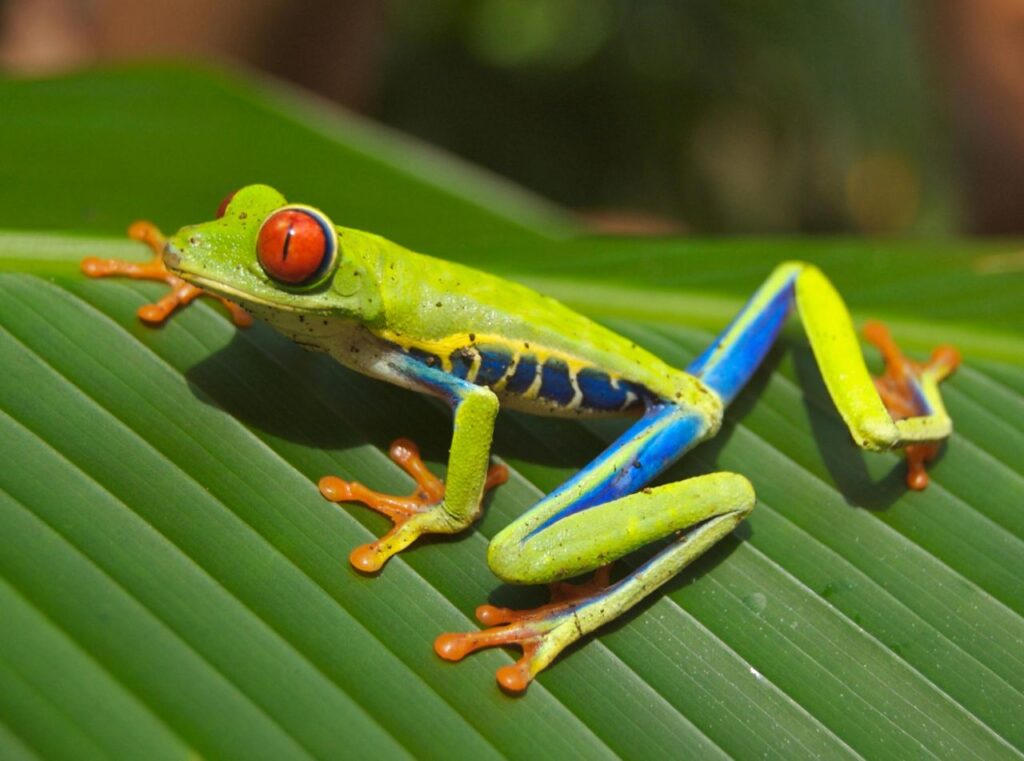
Tree frogs are known for their oversized, bulging eyes that often seem to take up half their face. These eyes, especially in species like the red-eyed tree frog, offer excellent night vision, helping them navigate rainforest canopies in the dark. The bright colors also serve as a defense mechanism—when threatened, the frog suddenly opens its eyes, startling predators. Their large pupils let in maximum light, making them effective nighttime hunters in their leafy treetop homes.
11. Pygmy Seahorse
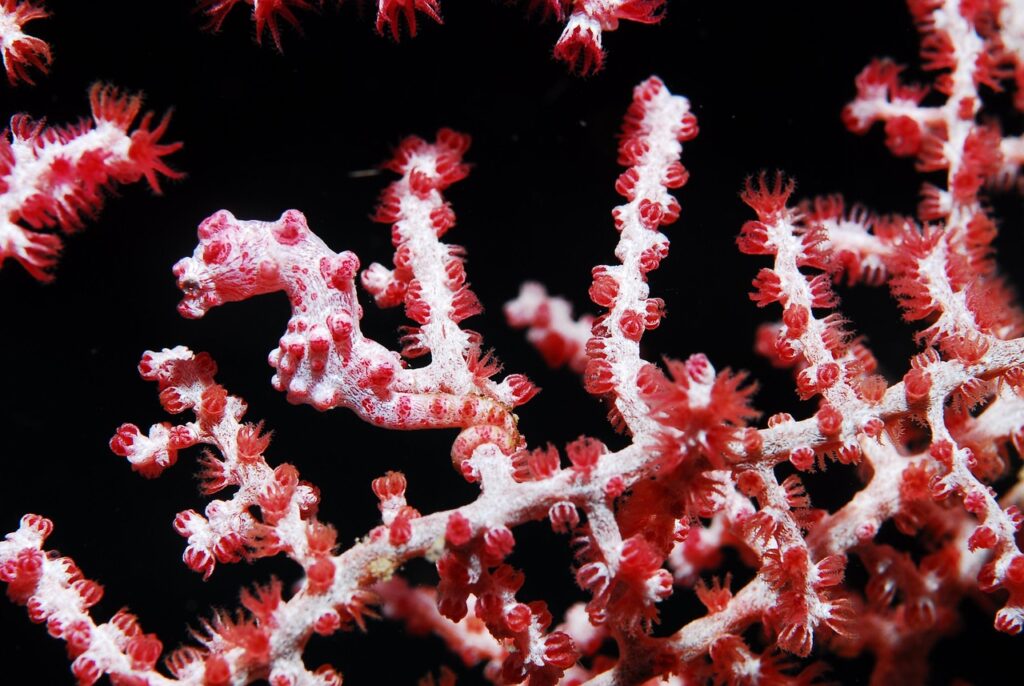
Despite its tiny size, the pygmy seahorse has disproportionately large eyes that are crucial for survival. Its eyes can move independently, giving it a broad view of its surroundings without needing to move its body. This ability helps it stay hidden in coral reefs while keeping an eye out for predators. The large, expressive eyes also help the seahorse detect tiny prey like plankton. Blending perfectly into their coral homes, these creatures rely on vision more than you’d expect.
12. Chameleon
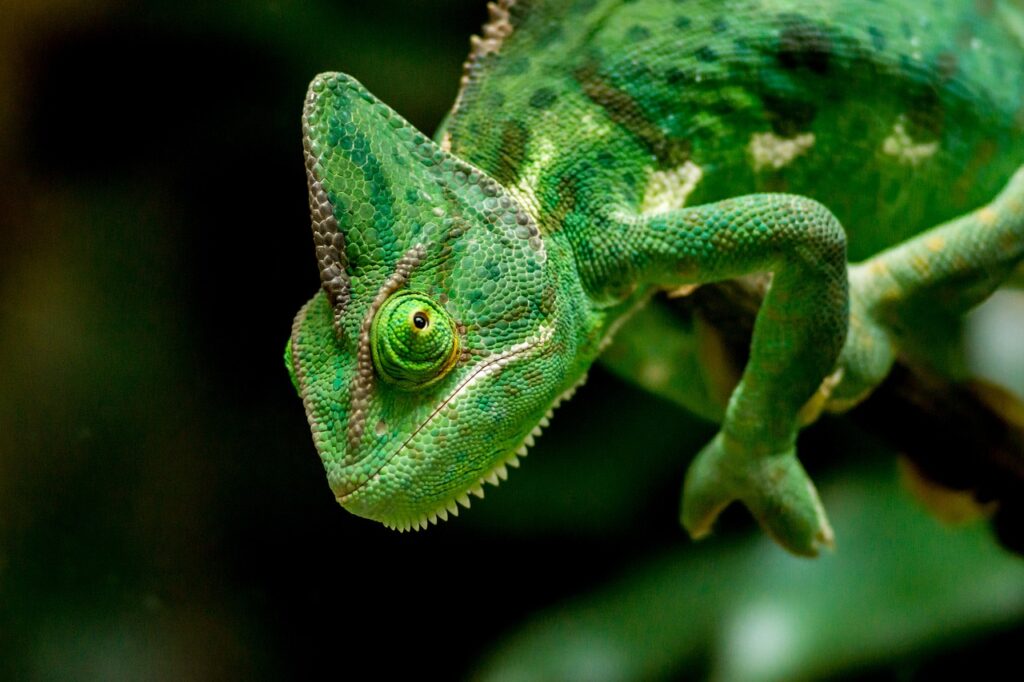
Chameleons are known for their rotating, turret-like eyes that can move independently of each other. These large eyes allow the chameleon to scan its surroundings without shifting its body—a perfect trait for a stealthy ambush predator. When it locks onto a target, both eyes focus forward for precise depth perception. This helps the chameleon aim and fire its sticky tongue with pinpoint accuracy. Their eye control is so advanced, it looks almost mechanical in its precision.