
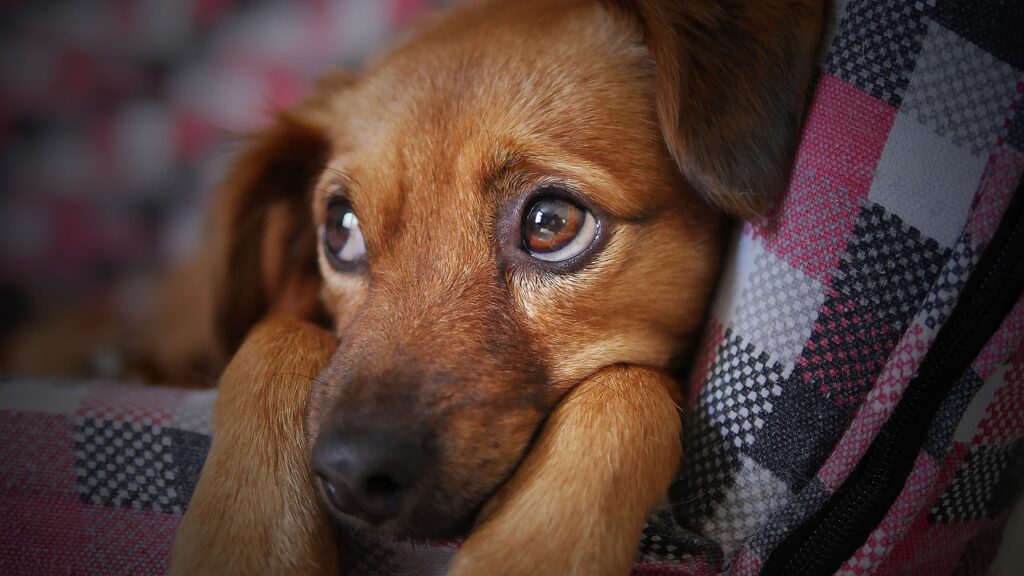
Dogs, much like humans, experience anxiety in various forms. Understanding these anxiety signals can help you offer the right support for your furry friend. Each breed may exhibit stress differently, and knowing these signs can guide you in providing comfort tailored to your dog’s unique needs. Let’s explore breed-specific anxiety indicators and how to soothe each dog’s mind effectively, based on insights from experts in canine behavior.
1. Labrador Retrievers: Signs of Stress
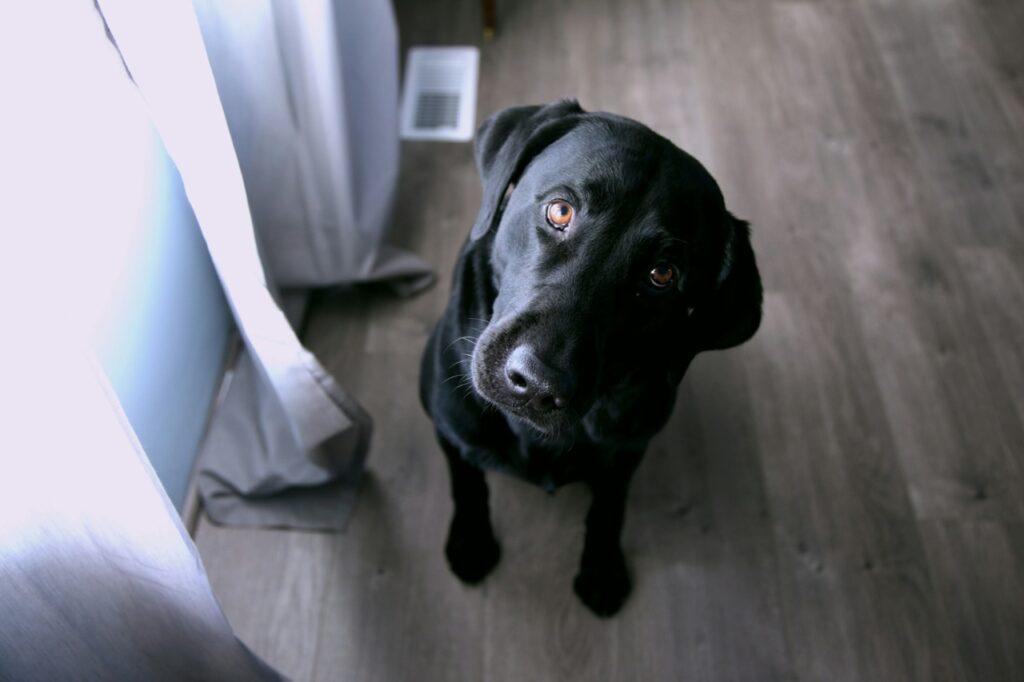
Labrador Retrievers, known for their friendly and outgoing nature, can exhibit signs of stress through excessive panting or drooling. They may also become unusually clingy, seeking constant reassurance from their owners. Restlessness is another common sign, as Labs might pace back and forth or become reluctant to obey commands. When a Lab shows signs of anxiety, engaging them in light exercise or offering interactive toys can help divert their attention and provide much-needed mental relief.
2. German Shepherds: Anxiety Indicators
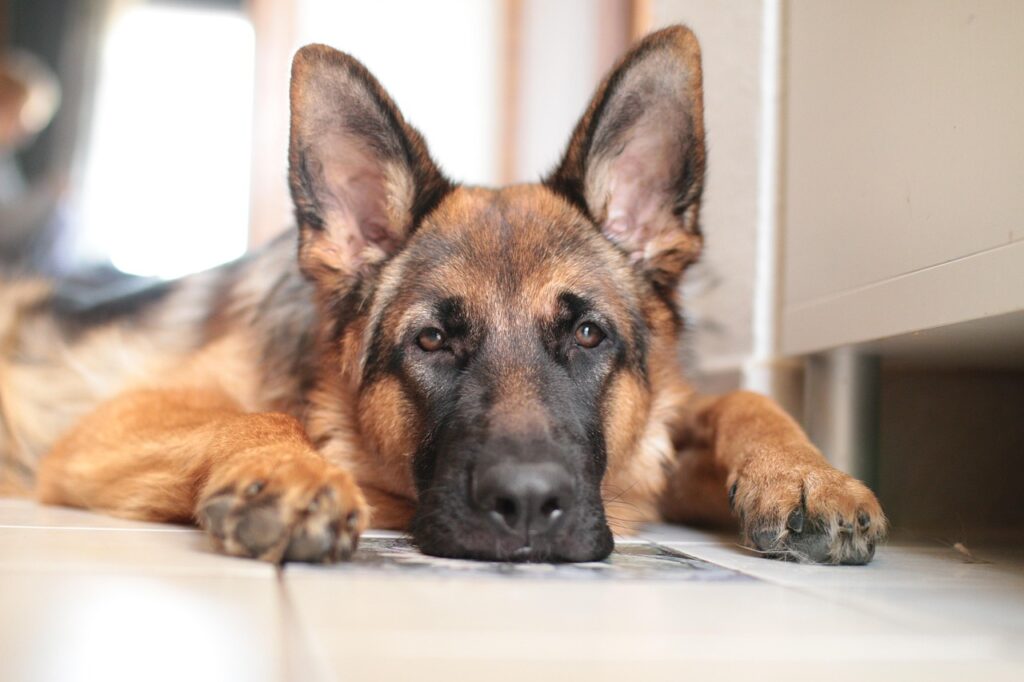
Highly intelligent and protective, German Shepherds showcase anxiety through hyper-vigilance and a heightened sense of alertness. You might notice them becoming more barky or even destructive when feeling anxious. This breed benefits greatly from structured routines and mental stimulation. To calm a nervous German Shepherd, try consistent training exercises or offer puzzle toys to engage their active minds. Positive reinforcement and gentle companionship can significantly ease their tension.
3. Chihuahuas: Nervousness Clues

Small but spirited, Chihuahuas often express nervousness through trembling or yapping at seemingly trivial events. These tiny companions might also hide or show less interest in playtime when anxious. To soothe a stressed Chihuahua, it’s beneficial to provide a cozy retreat where they feel safe, and gradually expose them to their stressors in a controlled manner. Gentle handling and offering treats can reinforce their sense of security and calm their little hearts.
4. Beagles: Stress Signals

Beagles, with their keen sense of smell and curious nature, can experience stress by showing regression in potty training or exhibiting destructive behavior, especially when left alone. They might also howl more often when anxious. Keeping a Beagle calm involves maintaining a stable routine and providing them with ample opportunities for exploration. Engaging them in sniff-based activities or employing a consistent obedience routine can keep their anxiety in check, offering comfort and balance.
5. Poodles: Anxiety Symptoms
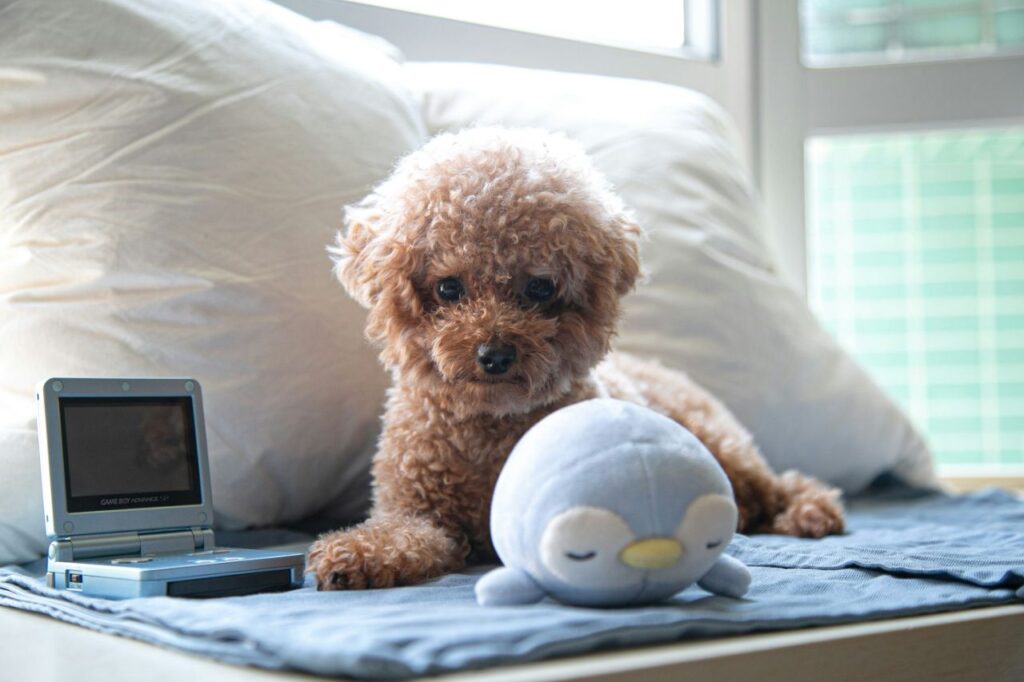
Poodles, known for their intelligence and graceful demeanor, may exhibit anxiety through excessive barking, whining, or pacing. They’re incredibly sensitive to changes in their routine and environment, often developing a deep attachment to their human family. Anxiety in Poodles can also lead to repetitive behaviors like licking or chewing. To soothe a stressed Poodle, regular exercise and mental stimulation are key, as they need an outlet for their energy and intelligence. Consistent routines and calm environments can help keep their anxiety at bay.
6. Bulldogs: Signs of Distress
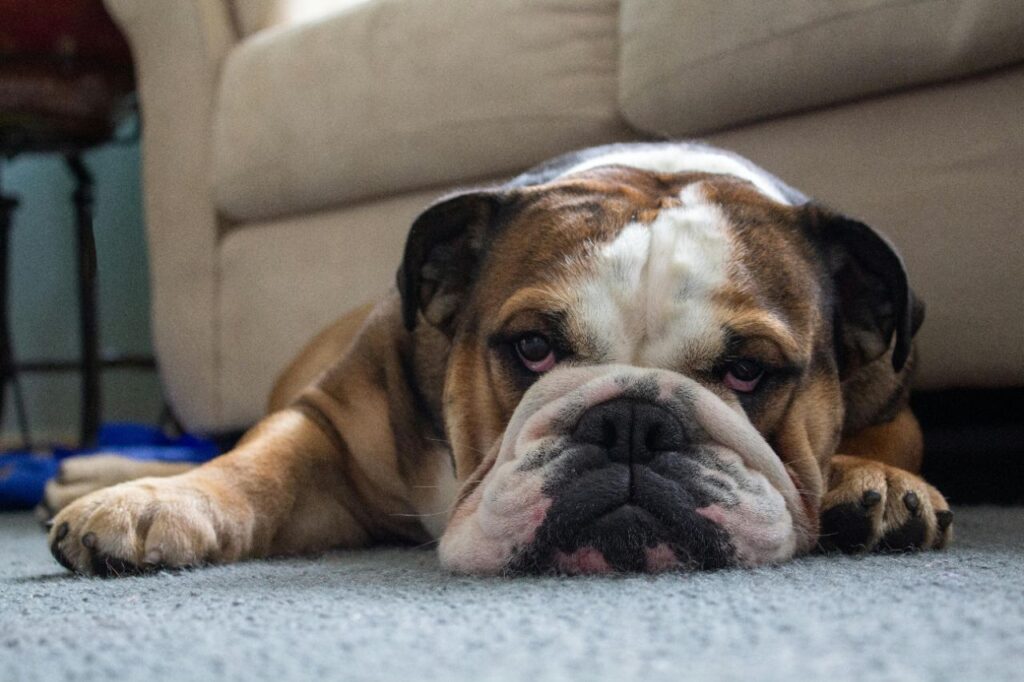
These gentle and friendly companions may show their anxiety in quieter but equally distressing ways. Look for signs like drooling, panting more than usual, or withdrawing from their favorite activities. Bulldogs thrive on attention and can’t bear to be ignored for long. To calm a distressed Bulldog, engage in gentle, reassuring caresses and maintain a steady routine. They appreciate consistency and feel most secure when they know what to expect. A comforting presence and soft voice often work wonders.
7. Boxers: Indicators of Anxiety
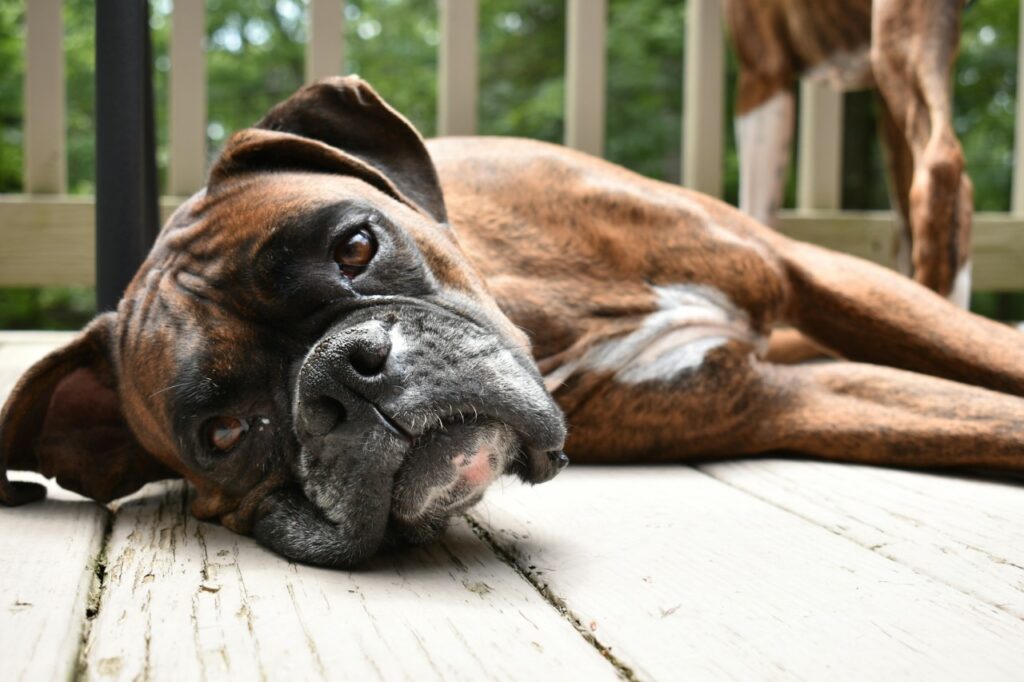
Boxers, with their playful and energetic personalities, may display anxiety through destructive behavior or hyperactivity. They are highly social and dislike being separated from their human companions. Signs to watch for include scratching at doors, chewing on furniture, or excessive jumping. To alleviate their anxiety, Boxers benefit from plenty of physical activity and interactive play. Be sure to provide plenty of exercise and keep their minds engaged with challenging games or tasks to prevent anxiety from escalating.
8. Dachshunds: Stress Manifestations

These spirited, curious little dogs often reveal their anxiety through barking, whining, or becoming clingy. They can be sensitive to loud noises and changes, often needing reassurance during such times. Dachshunds benefit from gentle comforting and consistent routines. Offering a secure space like a cozy bed or a quiet room where they can retreat helps manage their stress. Socialization with other pets and training sessions can also boost their confidence, reducing anxiety and helping them feel more secure.
9. Shih Tzus: Signs of Nervousness

Shih Tzus may show their anxiety by trembling, hiding, or displaying excessive licking or scratching. These affectionate dogs often form strong attachments to their families and can become anxious when left alone. To comfort a nervous Shih Tzu, provide a safe, quiet environment and plenty of affection. Interactive toys and puzzle feeders can distract them, reducing anxiety. Creating a calming space with their favorite blankets and toys, coupled with gentle, reassuring attention, will help them feel more secure.
10. Rottweilers: Anxiety Signals

Rottweilers, with their robust build and strong protective instincts, can sometimes display anxiety through subtle signals. These often include pacing, drooling, or whining, as well as more pronounced actions like excessive barking or destructiveness when left alone. Their attachment to family means they may become overly anxious in new environments or around new people. Recognizing these behaviors is key to alleviating stress for a breed that thrives on stability and companionship.
11. Yorkshire Terriers: Fear Signs
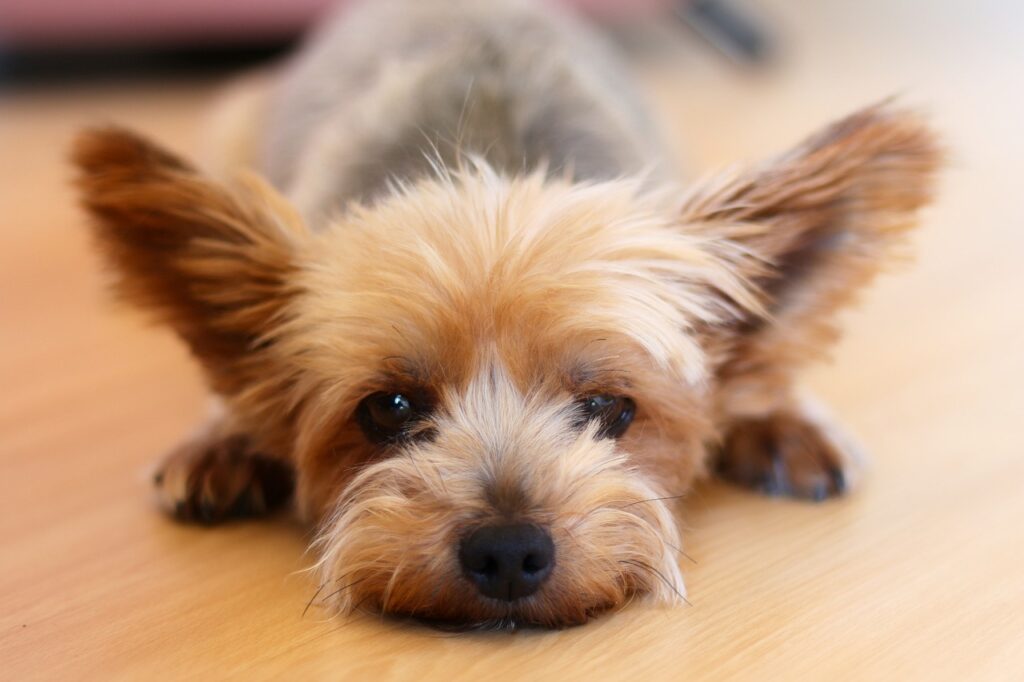
Yorkshire Terriers, though small in stature, often carry a big personality. However, their size makes them susceptible to fear, showing signs like trembling, hiding, or excessive barking in stressful situations. They are prone to becoming overwhelmed in loud or crowded environments where they feel unsafe or threatened. Socialization and gentle handling are crucial in helping these petite pups overcome anxiety and build confidence in new experiences.
12. Golden Retrievers: Stress Indicators

Golden Retrievers, known for their friendly and gentle nature, may exhibit stress through behaviors such as excessive shedding, licking, or a change in sleep patterns. Sensitive and attuned to human emotions, they can absorb the stress of their owners, leading to signs of anxiety like restlessness or avoidance. Understanding these indications allows owners to provide the love and reassurance needed to soothe their golden friend through stressful periods.
Calming Techniques for Each Breed

Each dog breed requires specific calming techniques tailored to their unique needs and temperament. Rottweilers benefit from consistent routines and engaging in physical activities like tug-of-war to release pent-up energy. Yorkshire Terriers need a cozy, secure environment where they feel sheltered and appreciated, with gentle training to boost confidence. Golden Retrievers respond well to calming training methods combined with ample quality time, reinforcing bonds and providing reassurance.
1. Labrador Retrievers: Calming Strategies
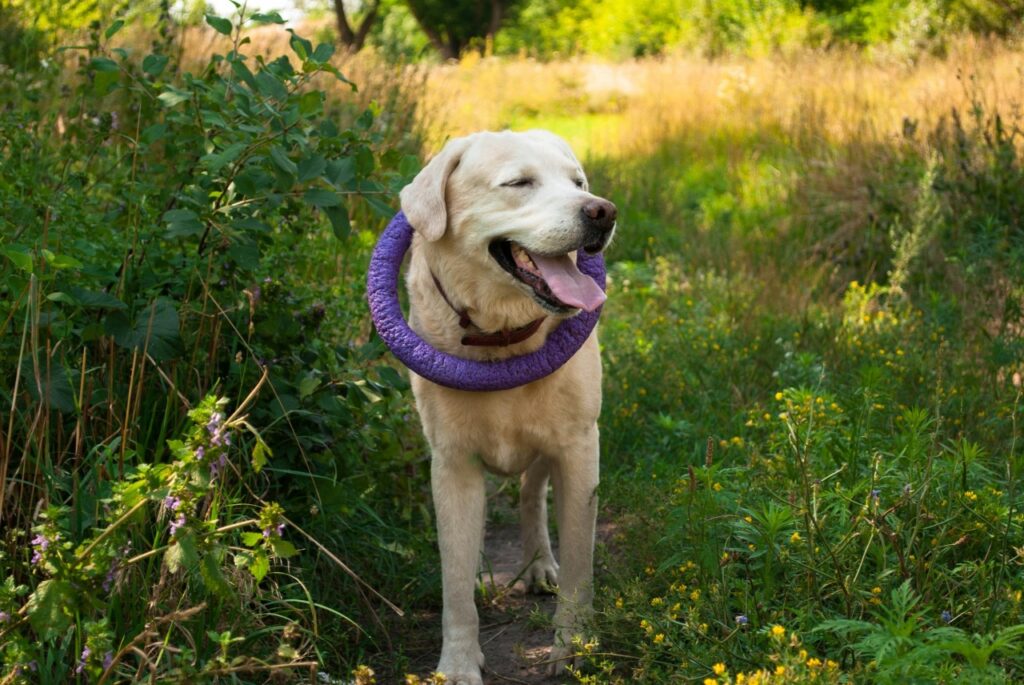
Labrador Retrievers, with their exuberant and sociable demeanor, can sometimes experience anxiety that manifests in behaviors such as excessive chewing or barking. Engaging them in vigorous exercise is key to preventing anxiety, as it channels their natural energy positively. Mental stimulation, through puzzle toys or training exercises, helps keep their minds engaged and reduces stress. Providing a stable environment with plenty of social interaction fosters a sense of security and well-being for these affable companions.
2. German Shepherds: Relaxation Methods
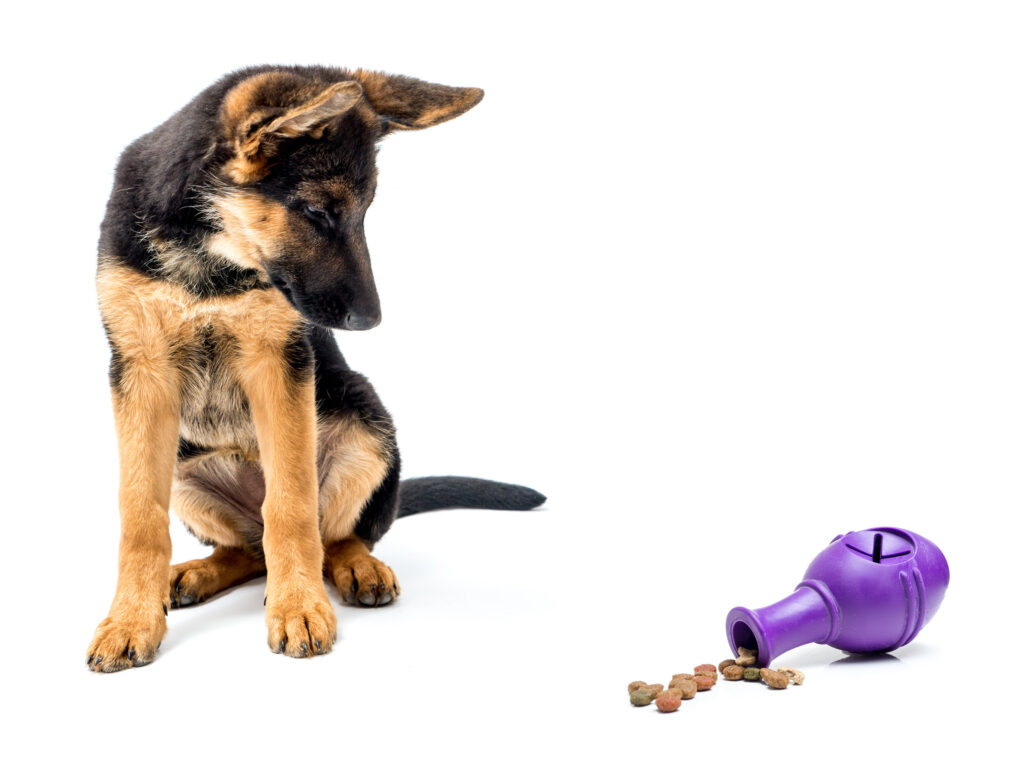
German Shepherds, known for their intelligence and loyalty, can be prone to anxiety if not enough mental and physical stimulation is provided. These powerful dogs often show signs of stress through pacing and excessive barking. To calm them, structured activities like agility training or nose work can be highly effective. Creating a consistent routine helps in providing the security they crave. Additionally, toys that challenge their intellect, alongside regular playtime, are essential in easing their anxiety. A calm environment, combined with reassurance from their owner, works wonders in relaxing these noble companions.
3. Chihuahuas: Easing Nerves
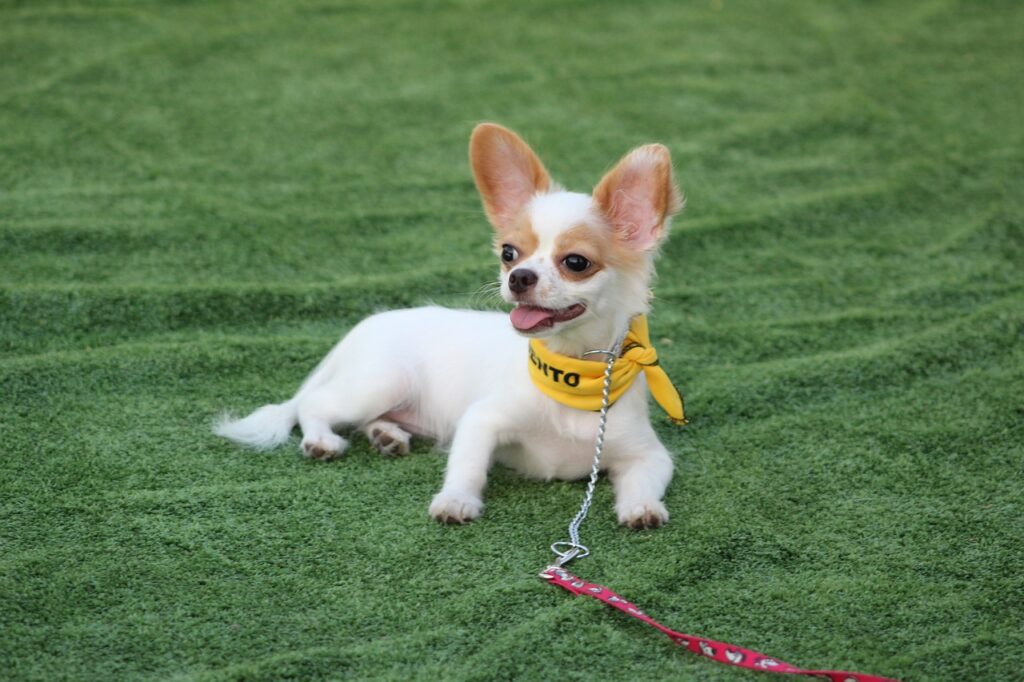
Despite their small size, Chihuahuas have a giant personality, but they can also be quite sensitive to their environment. Anxiety in these tiny dogs may manifest through trembling or hiding. Providing a safe space, such as a cozy bed or a blanket, helps them feel secure. Gentle handling and soft, reassuring voices are crucial for alleviating their stress. Short, frequent walks and socialization are effective in building their confidence. Moreover, interactive toys that stimulate their agile minds reduce anxiety-triggering boredom. Owners should aim for a peaceful atmosphere to nurture their sense of security.
4. Beagles: Stress Relief Techniques
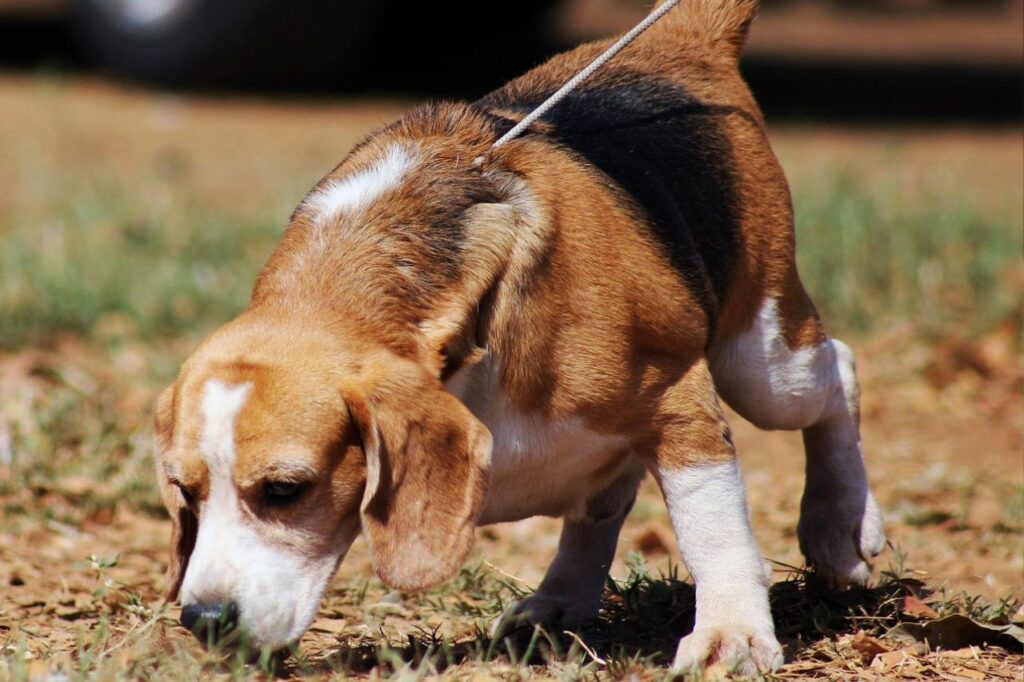
Beagles are naturally curious and social, but they are also prone to separation anxiety, often howling when left alone. To relieve stress, daily exercise is vital to keep these energetic dogs happy. Engaging in scent games or providing puzzle toys taps into their keen sense of smell, effectively reducing anxiety. Consistent training, using positive reinforcement, strengthens their confidence and reduces stress triggers. Spending quality time with them, whether through play or quiet companionship, assures them of their pack’s presence, significantly helping to alleviate any anxious feelings.
5. Poodles: Soothing Methods
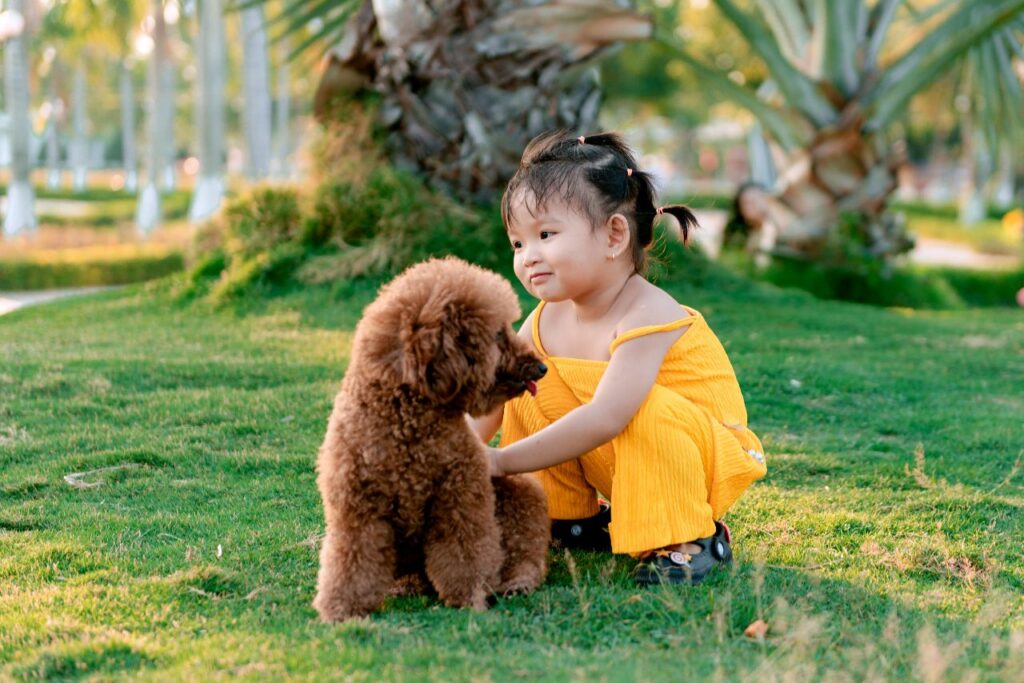
Poodles, known for their intelligence and grace, can sometimes appear overly sensitive to changes in their routine or environment. Stress signals like pacing or excessive licking can be mitigated by establishing a stable, predictable daily schedule. Mental stimulation through teaching new commands, tricks, or providing interactive toys is essential. Long walks and swimming, an activity many Poodles adore, are excellent for burning off nervous energy. Gentle grooming sessions not only maintain their signature coat but also serve as a soothing bonding time, reinforcing feelings of security and love.
6. Bulldogs: Relaxation Tactics
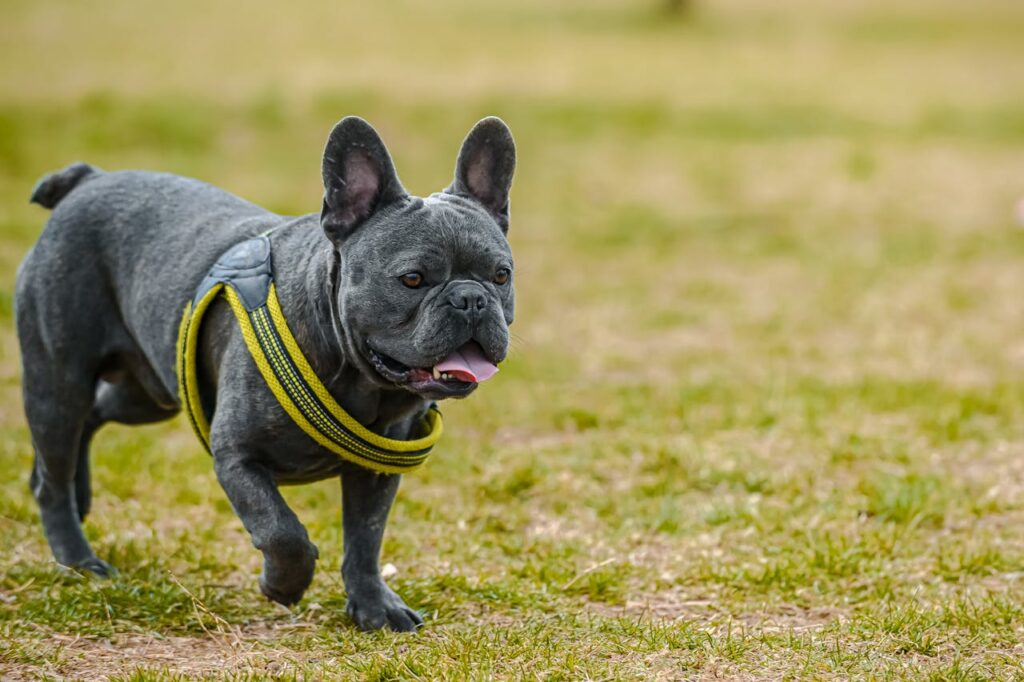
Bulldogs, with their affectionate and easygoing nature, can become anxious if their environment changes abruptly. Often, this manifests in lethargy or clinging to their humans. Providing comfort through ample attention and slow, gentle interactions helps alleviate stress. A consistent feeding and exercise routine is crucial for their peace of mind. Since Bulldogs are not the most active breed, ensuring they have enough time to relax is essential. A comfortable, safe home environment with their favorite toys and beds aids in reducing any anxiety they may experience. Engaging in relaxed, yet consistent reinforcement training builds their confidence over time.
7. Boxers: Anxiety Reduction

Boxers are known for their spirited and playful nature, but they can also be prone to separation anxiety. When a Boxer feels unsettled, they may exhibit behaviors like pacing or barking excessively. To calm them, ensure they receive plenty of physical exercise to burn off pent-up energy. A consistent daily routine can offer comfort, along with puzzle toys that engage their minds. Additionally, consider using a gentle massage technique to help relax their muscular frames. Calm, soothing music can also provide a comforting backdrop for these sensitive yet exuberant dogs.
8. Dachshunds: Calming Approaches
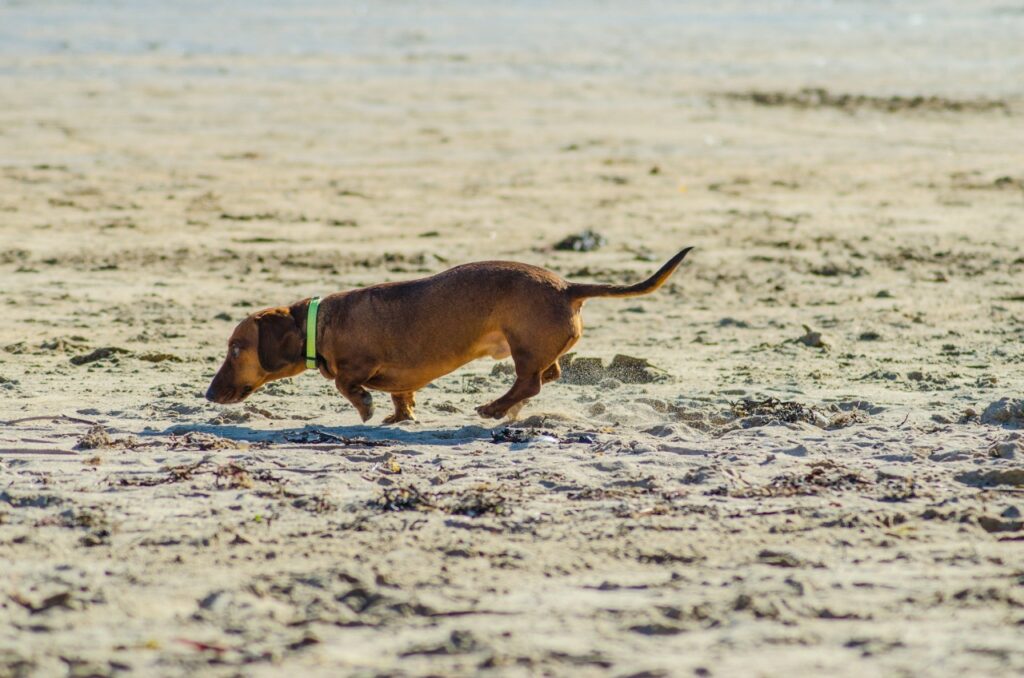
Dachshunds, with their charmingly whimsical appearance and tenacious spirit, often face anxiety due to their strong attachment to their owners. If your wiener dog starts whining or digging excessively, it’s a sign they might be feeling anxious. To ease their worries, try using a weighted blanket or a snug-fitting wrap, providing a comforting sense of security. Engaging in scent-based games helps focus their minds and use their keen sense of smell, offering both mental stimulation and stress relief. Consistent training and gentle reassurance can also guide them toward calm.
9. Shih Tzus: Relaxation Tips

These adorable fluff balls are often affectionate companions, but their bond with humans can lead to anxiety when left alone. A Shih Tzu that’s anxious may compulsively lick or chew. To soothe their nerves, provide a soft, cozy space filled with familiar scents. Aromatherapy, using calming oils like lavender, can create a serene environment. These dogs also respond well to gentle brushing sessions which mimic their favorite form of petting. This promotes relaxation and reassures them of your presence and affection, keeping anxiety at bay.
10. Rottweilers: Comforting Techniques
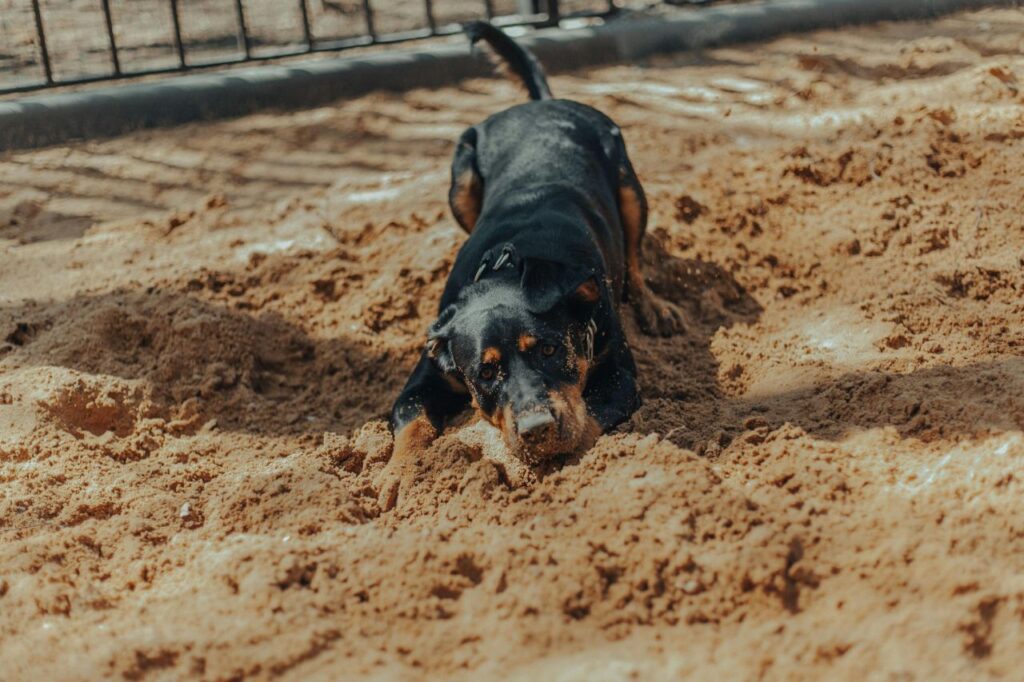
Rottweilers are renowned for their loyalty and strength, but they can carry an air of nervousness, particularly around strangers. When showing signs like drooling or a tucked tail, it’s time to take action to tranquilize their temperament. A structured environment with clear boundaries helps them feel secure. Engage them in activities that capitalize on their physical prowess—such as agility training—to channel nervous energy positively. Slow introductions to unfamiliar settings or people, alongside positive reinforcement, encourage your Rottweiler’s confidence and alleviate stress.
11. Yorkshire Terriers: Soothing Tips
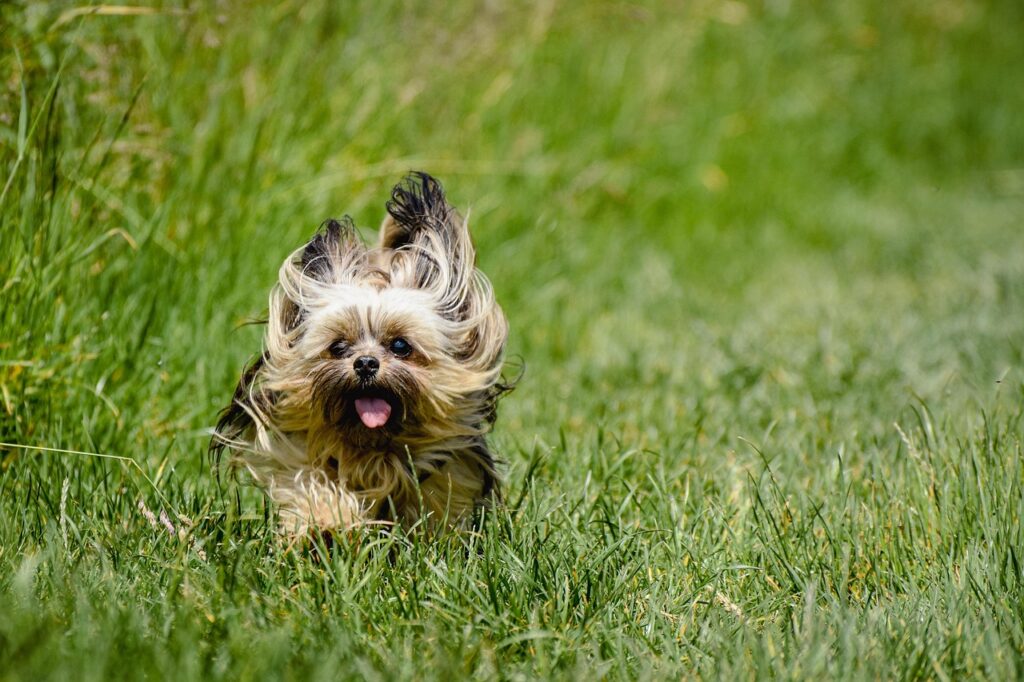
Yorkies, small in stature but big in heart, can be sensitive to changes in their environment. Nervous behavior often manifests through trembling or excessive barking. Providing them with a snug carrier or bag helps offer a sense of security during anxious moments. Training them to understand and respond to commands like “settle” can foster calmness. Meanwhile, guiding them through short sessions of grooming or gentle playtime reassures them of stability and attention. Offering comfort through your proximity can keep their anxiety at bay, while consistent reassurance strengthens your bond.
12. Golden Retrievers: Relaxation Hacks

Golden Retrievers are known for their friendly, sociable demeanor, but beneath their golden coats lies a vulnerability to anxiety. Often, separation from their owners can trigger stress, leading to behaviors like chewing on furniture or excessive barking. Creating a calming environment is crucial; consider a cozy, safe space equipped with their favorite toys. Soft music or white noise can provide an added layer of comfort. Interactive playtime before you leave can also expend energy, helping them feel more relaxed when left alone. Exploring these relaxation techniques can make a world of difference for your loving Golden.