

Shelter dogs often carry an undeserved reputation that affects their chances of finding a loving home. These misconceptions create barriers for animals in need, yet addressing them helps potential adopters see the truth about these resilient and loving companions. Embracing a shelter dog may not only offer the animal a second chance but can also bring joy and fulfillment to their new family. Let’s unravel the myths that hold back these deserving pups from finding forever homes.
1. Misconceptions About Shelter Dogs

The assumptions about shelter dogs are often drawn from outdated or inaccurate stereotypes. People might think they ended up in shelters due to behavioral problems or that they are somehow “less than” purebreds. In reality, many shelter dogs come from loving homes and were surrendered because of circumstances beyond their control, like family relocations or financial difficulties. Recognizing these truths helps dispel the myths and open hearts to the idea of adoption.
2. Shelter Dogs Have Behavior Issues
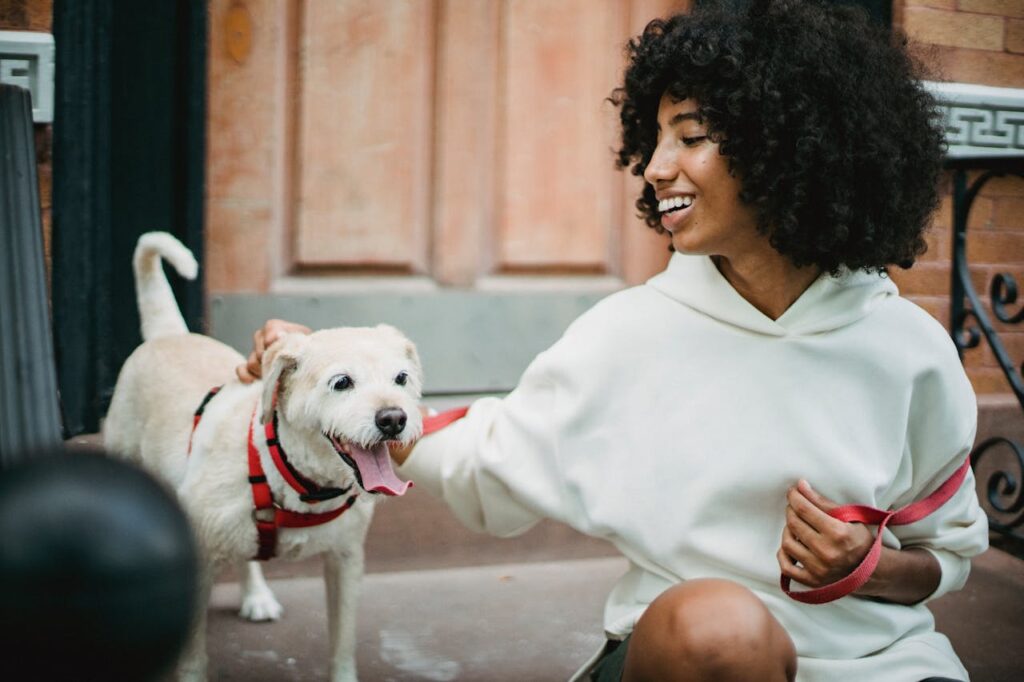
One major misconception is that shelter dogs have innate behavior problems. However, studies show that most behavioral issues in dogs, whether adopted from a shelter or a breeder, arise from environmental factors and past traumas, not from inherent traits. Shelters often provide training and socialization, making these dogs ready for loving families. Understanding that behavior concerns are often temporary and fixable encourages more adoptions and success stories.
3. Older Shelter Dogs Can’t Adapt

Adoptive families often overlook older dogs, assuming they cannot adapt to new environments. This myth couldn’t be further from the truth. Older dogs often come with years of training and socialization under their belts, making them easier to integrate into a household. On top of that, they bring the wisdom and calmness not typically found in puppies, providing stability and unconditional love to families willing to look beyond their age.
4. Shelter Dogs Are Not Trainable

Some people believe that shelter dogs are untrainable, but this myth doesn’t consider their potential. According to animal behaviorists, the real key to a dog’s learning is positive reinforcement and consistent training, which many shelters begin the moment a dog arrives. Shelter dogs are incredibly adaptable and often eager to learn and please. Offering patience and guidance can transform any dog into a well-mannered companion. Embracing this potential can unlock a rewarding bond between adopter and pet.
5. All Shelter Dogs Are Sick

The belief that all shelter dogs are sick unfairly paints these pups with a broad brush. In reality, reputable shelters ensure their animals are vaccinated, spayed or neutered, and given a thorough health check. Most dogs end up in shelters due to circumstances beyond their control, such as their owner’s relocation or financial difficulties. Health issues are not as prevalent as many think, and with the right care, these dogs can thrive in new homes. By adopting, you’re giving a dog a second chance and gaining a loyal companion eager to fit into your family.
6. Purebreds Aren’t in Shelters

It’s a common belief that purebred dogs are only bought from breeders, but shelters house dogs of all breeds, including purebreds. According to the ASPCA, approximately 25% of shelter dogs are purebred. This stems from various situations like changes in family circumstances or a mismatch of energy levels between the owner and the pet. Breed-specific rescues also provide safe havens for purebreds needing new homes. If you have your heart set on a specific breed, don’t rule out shelters as a viable and responsible option for adoption.
7. Shelter Dogs Have Traumatic Pasts

While some shelter dogs might have faced challenges, many come from loving homes and simply need a new family to thrive. The misconception that every shelter dog has a traumatic past can discourage potential adopters. Shelters evaluate each dog’s temperament extensively—some dogs may carry their pasts lightly, ready to bond anew with a patient owner. Many shelter dogs display resilience and the capacity to bring joy and companionship. Taking the time to meet with and understand a shelter dog can reveal their true, lovable nature.
8. Adopting a Shelter Dog is a Hassle

Adopting from a shelter is often viewed as a difficult process, but many shelters have streamlined their procedures to facilitate smoother adoptions. The goal is to ensure a good match between dog and owner, so the initial paperwork may involve questions to gauge the environment the pet will be entering. While some may see this as inconvenient, it ensures a long-term happy partnership. The commitment from both sides results in fewer returns and happier matches. Embracing a shelter dog is a meaningful journey that starts with a simple application.
9. Friendly Shelter Dogs Are Adopted Fast

This misconception suggests that only problematic dogs remain in shelters long-term, which is far from the truth. Many friendly, loving dogs wait for months or even years for a home. Some dogs may be overlooked due to age, size, or even the perception of their breed rather than personality. Additionally, a playful dog may become shy in a shelter setting, masking its true character. Shelters work tirelessly to showcase each dog’s unique charm and suitability, highlighting that beneath their exterior, many dogs just need a chance to show their true colors.
10. Mix-Breeds in Shelters Are Unpredictable

Many believe that mix-breed dogs are unpredictable, but research paints a different picture. These dogs often inherit favorable traits from diverse lineages, leading to well-rounded temperaments. According to a study by the American Temperament Test Society, mix-breeds frequently score as well or better than purebreds in temperament tests. Their genetic diversity can also mean fewer health problems, giving them an advantage in longevity and overall well-being. Embracing a mix-breed from a shelter means welcoming a unique, healthy, and loving companion into your home.
11. Shelter Dogs Aren’t Good with Kids
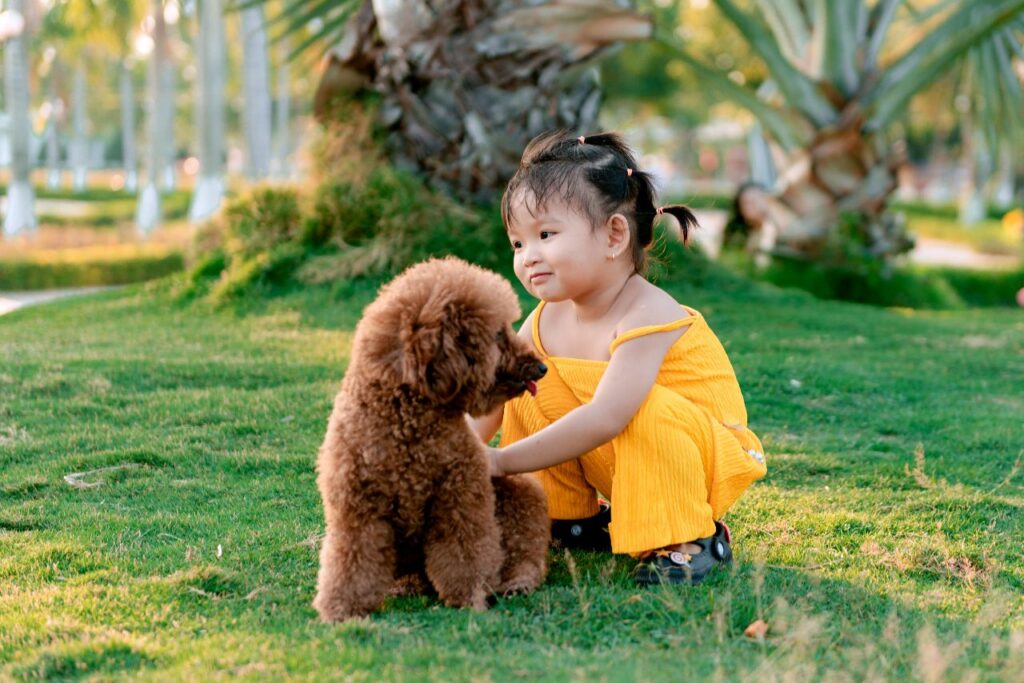
A persistent myth is that shelter dogs can’t be trusted around children. However, many shelters conduct thorough behavioral assessments to ensure dogs are child-friendly or provide guidance for proper introductions. The ASPCA highlights that a dog’s individual history, socialization, and training are more significant factors than their origin. Families find that, with the right environment and patience, shelter dogs often form strong, protective bonds with kids, becoming both best friends and lifelong guardians. Their resilience and adaptability speak volumes about their suitability as family pets.
12. Helping Shelter Dogs Find Homes

Adopting a shelter dog not only saves a life but enriches yours. Volunteers and organizations play vital roles in promoting adoption by showcasing the unique stories and personalities of each dog. Educational programs and adoption events are crucial in raising awareness and dispelling myths. According to the Humane Society, only about 50% of shelter dogs find homes annually, underscoring the need for more outreach. Whether through fostering, volunteering, or adopting, getting involved can shift perceptions and open doors to happy endings for countless canines in need.