

The ocean is a world of wonder, filled with dazzling creatures that captivate the imagination. But beneath its serene surface lurk some of the most dangerous animals on the planet—many far deadlier than the infamous shark. From venomous assassins to stealthy stingers, these marine creatures possess lethal defenses that make them true masters of survival. If you think sharks are the ocean’s biggest threat, think again. These deadly sea dwellers prove that sometimes, the most beautiful creatures are also the most dangerous.
1. Box Jellyfish

The box jellyfish is often regarded as one of the most dangerous creatures in the ocean, and for good reason. Its tentacles are lined with thousands of tiny, venomous cells that can deliver a sting powerful enough to cause heart failure in mere minutes. Found primarily in the waters of the Indo-Pacific, this jellyfish’s venom can cause excruciating pain, paralysis, and even death if not treated quickly. Despite its translucent, delicate appearance, the box jellyfish is anything but harmless. Its presence is so dangerous that aquariums often avoid displaying them, as their venomous sting makes them a potential threat to both staff and visitors. With no visible warning other than their transparent body, they remain a constant reminder of how deceptive the ocean can be.
2. Cone Snail
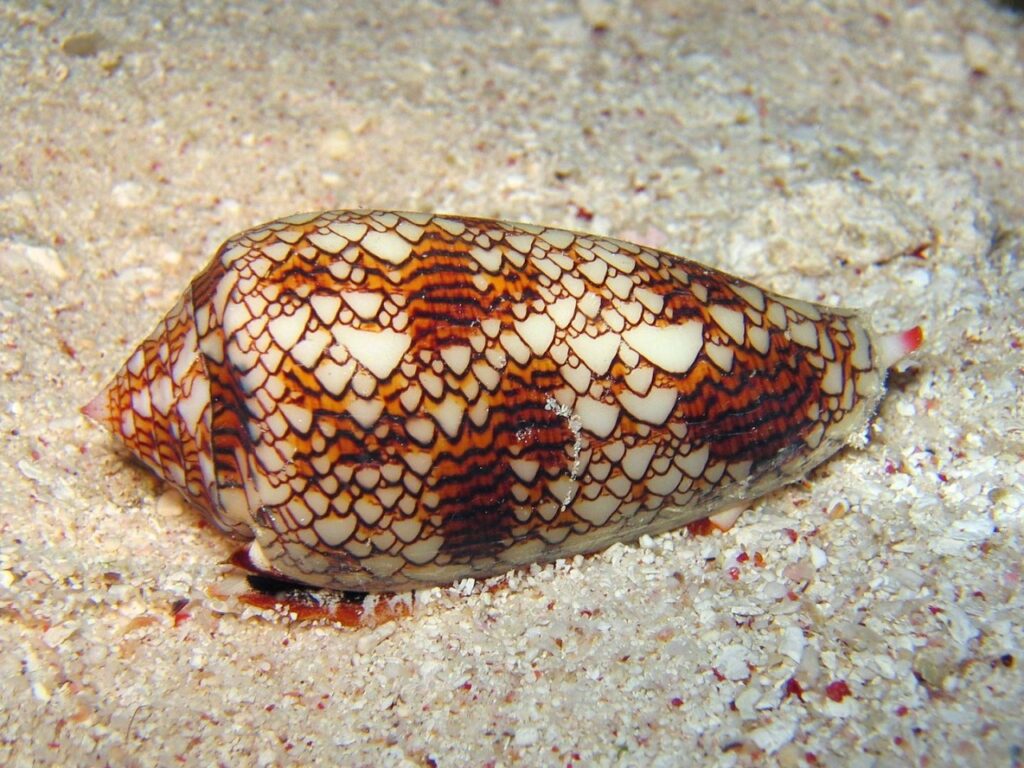
At first glance, cone snails may seem harmless, but their small size and colorful appearance hide a lethal weapon. This mollusk’s venom contains a cocktail of toxins so potent that it can paralyze and kill a human in just a few hours. While the venom is mainly used to immobilize prey, it can also cause heart failure in humans if not treated promptly. Their danger lies in the fact that many species of cone snails are slow-moving and difficult to spot, making them a hidden threat in tropical waters. For aquariums, displaying these seemingly innocent creatures is often avoided because of the potential risk they pose, both to employees and to any curious visitors who may accidentally handle them.
3. Stonefish
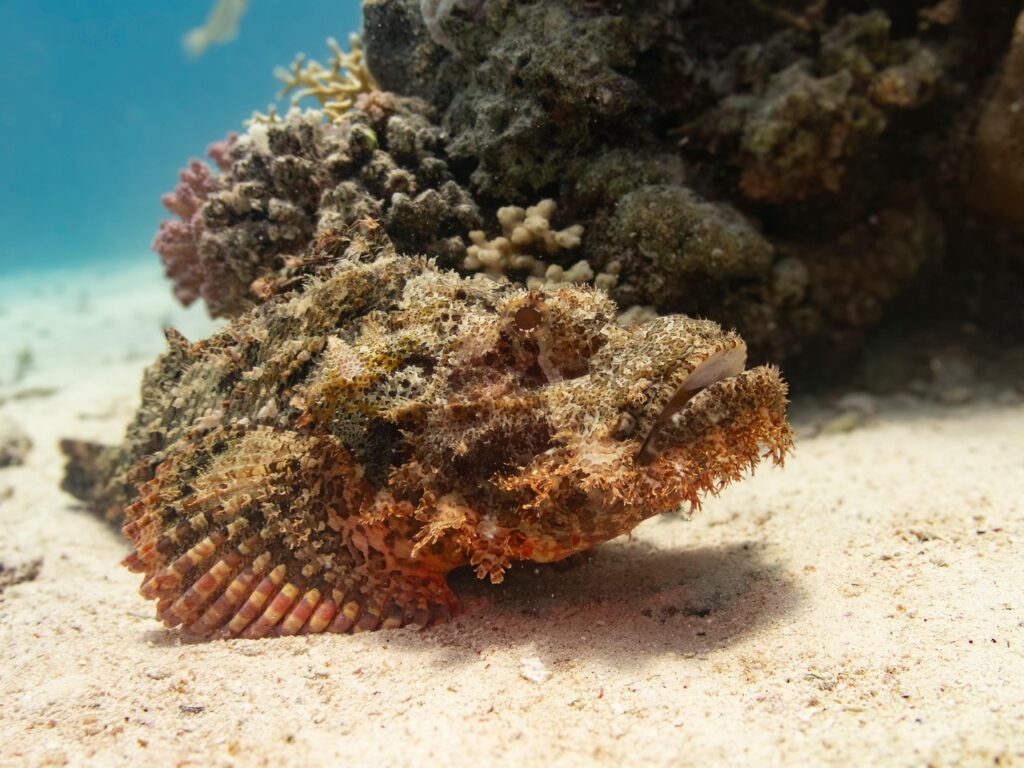
The stonefish is one of the most camouflaged predators in the ocean, often mistaken for a harmless rock or coral on the ocean floor. However, stepping on this slow-moving fish is a potentially deadly mistake. Its dorsal spines are equipped with potent venom that can cause excruciating pain, paralysis, and in some cases, death. Stonefish venom acts quickly to disable their prey, making them formidable hunters. Due to their camouflaged nature and venomous defense mechanism, stonefish are a significant concern in aquariums. They can be difficult to spot in tanks, and their venomous spines make them dangerous for both staff and visitors.
4. Blue-Ringed Octopus

The blue-ringed octopus may be small in size, but its venom packs a deadly punch. A single bite from this tiny creature can inject enough venom to kill a human within minutes. The venom contains tetrodotoxin, a neurotoxin that can cause paralysis and respiratory failure. While the octopus is typically shy and unlikely to attack unless provoked, its bright blue rings act as a warning sign to predators, indicating its lethal nature. Because of their highly venomous bite and the difficulty in handling them safely, aquariums often avoid keeping blue-ringed octopuses, as even a small mistake could be catastrophic.
5. Irukandji Jellyfish
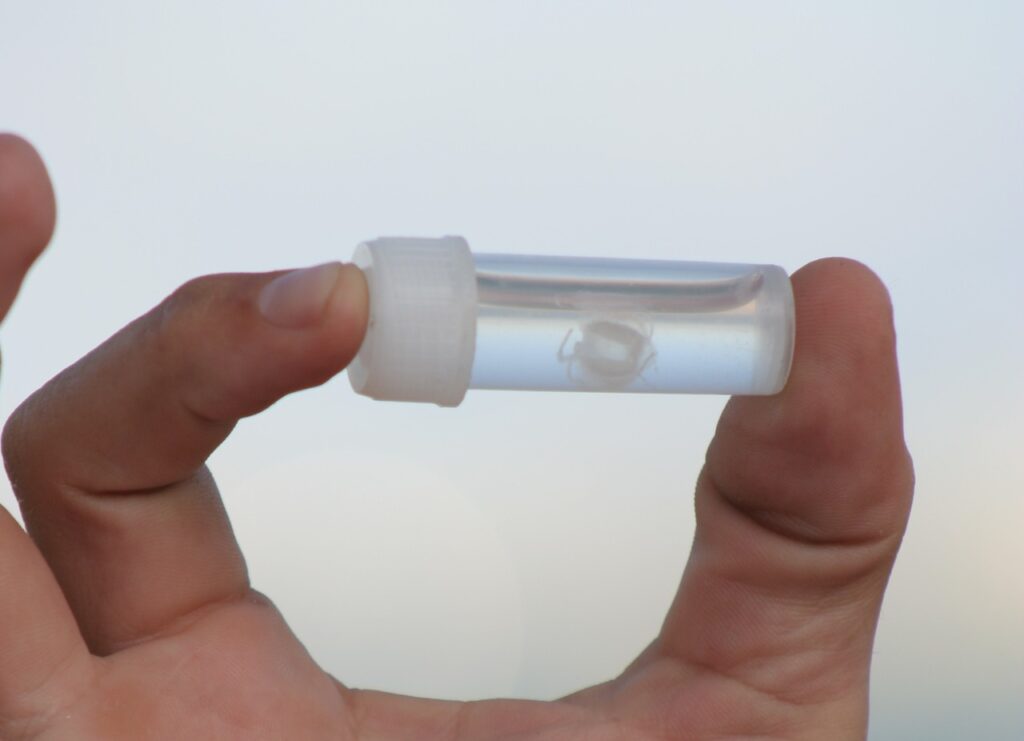
The Irukandji jellyfish is one of the smallest but most dangerous creatures in the ocean. Despite its minuscule size, this jellyfish’s venom is incredibly potent, causing severe symptoms such as extreme pain, nausea, and in some cases, cardiac arrest. Found in the waters off northern Australia, the Irukandji jellyfish is nearly invisible, making it a silent and stealthy threat. Its sting is often unnoticed until the effects begin to show, which can be fatal without prompt treatment. Due to their size and potent venom, aquariums find it extremely challenging to house Irukandji jellyfish, as their presence in a tank could pose significant risks to both staff and visitors.
6. Flower Urchin
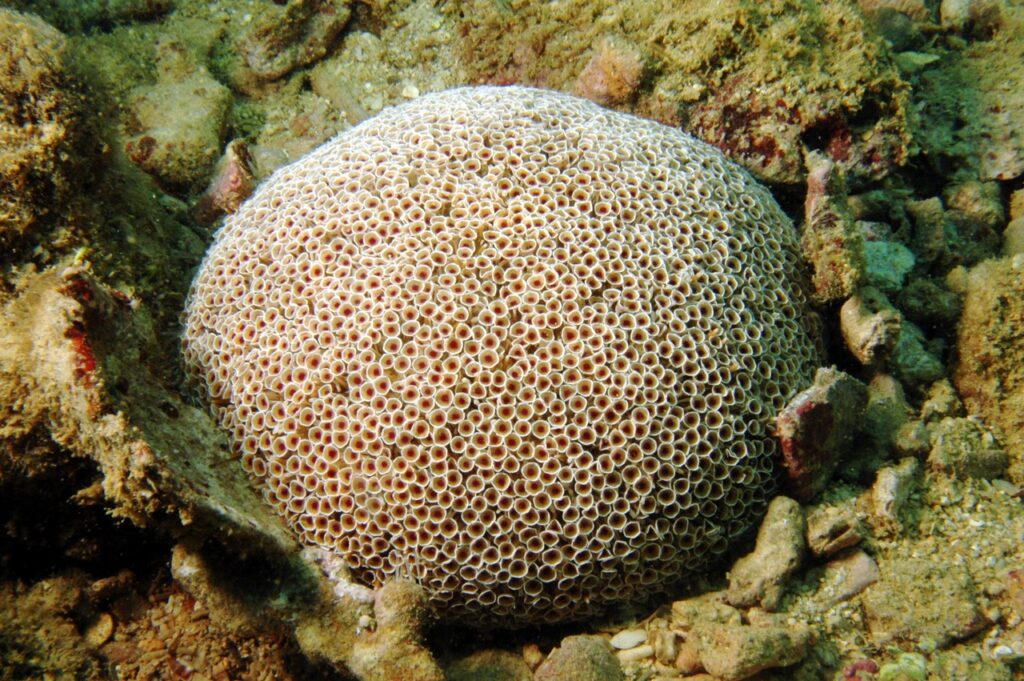
The flower urchin is another sea creature that should never be underestimated. With its brightly colored, spiky appearance, it might look like a harmless part of the reef, but don’t be fooled. Its venomous spines can cause intense pain, paralysis, and in severe cases, respiratory failure. The flower urchin’s venom works quickly, and its sharp spines can easily penetrate even a diver’s thick wetsuit. Found in tropical regions, these urchins are a deterrent for aquariums due to the danger they pose to aquarium staff and the difficulty in handling them safely. Even small contact with these spines can lead to serious injury or death.
7. Stingray

Stingrays are often seen gliding gracefully across the ocean floor, but their beauty hides a sharp danger. The barb on a stingray’s tail is coated with venom that can cause intense pain, swelling, and in some cases, death. While stingrays are typically not aggressive and will swim away from humans when given the opportunity, their venomous sting can be triggered if they feel threatened or startled. Aquariums generally avoid keeping stingrays in public tanks where visitors may inadvertently disturb them, as the risk of a venomous sting is high when dealing with these delicate yet dangerous creatures.
8. Titan Triggerfish
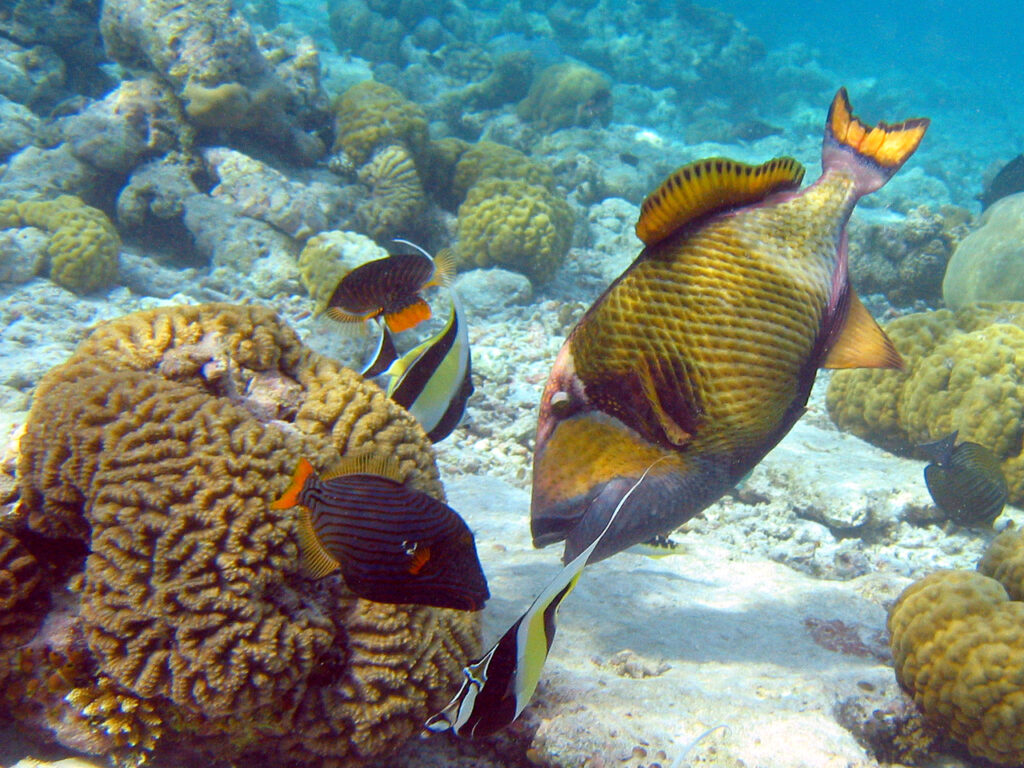
Titan triggerfish may appear to be a friendly, colorful fish, but they are one of the ocean’s most aggressive creatures. Known for their territorial nature, these fish will not hesitate to attack anything they perceive as a threat, including divers. Their powerful jaws can cause severe damage, and they have been known to bite with incredible force. While not venomous, the titan triggerfish’s aggressive behavior makes it a dangerous creature, especially in the confined space of an aquarium. This fish’s unpredictable nature and ability to cause significant harm make it a creature that aquariums usually keep at a distance.
9. Electric Eel

The electric eel is capable of generating powerful electric shocks, capable of stunning or even killing prey. While not technically an eel, but a species of knifefish, its electric shock can reach up to 600 volts. This ability is used both for hunting and self-defense. In the wild, electric eels use their shock to immobilize fish, but they are also capable of delivering shocks powerful enough to harm humans. In aquariums, electric eels present significant challenges, as their electric discharges could harm both staff and other creatures in the tank. Their powerful jolt is a reminder of the dangers lurking beneath the surface, even in relatively calm waters.
10. Sea Snake
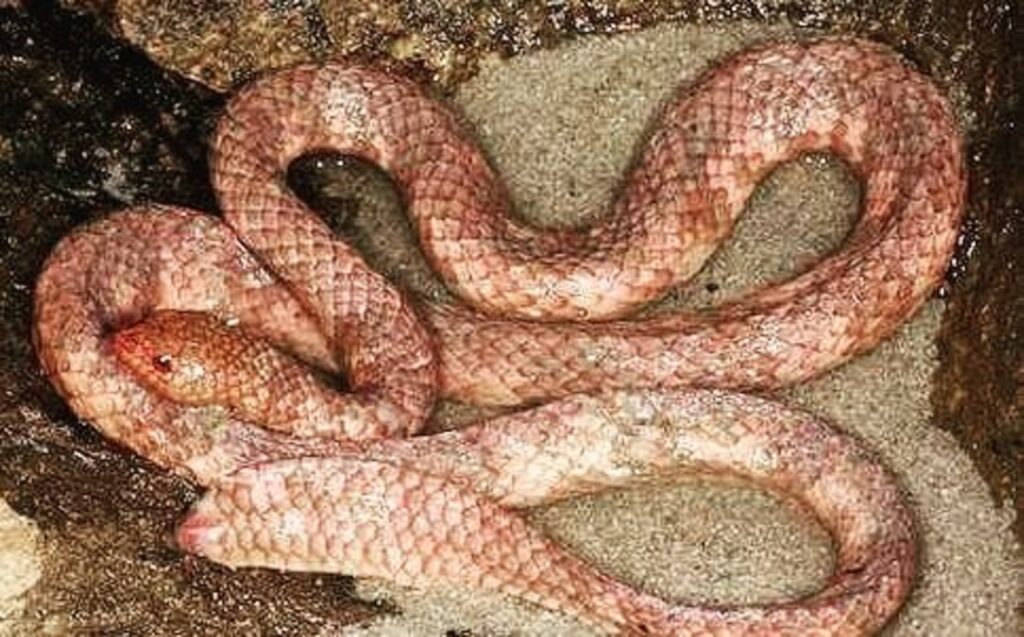
Sea snakes are some of the most venomous creatures in the ocean, and their venom is fast-acting and lethal. While their slender bodies may seem harmless, they are capable of delivering bites that can cause paralysis and respiratory failure in humans. Found in warm coastal waters, sea snakes are typically shy and avoid human contact, but their venom is potent enough to pose a serious threat. Aquariums must be extremely cautious with these creatures, as their venomous bite can be fatal, and handling them requires special care and expertise. Because of their danger and difficulty in managing them safely, they are rarely kept in public aquariums.
11. Portuguese Man o’ War
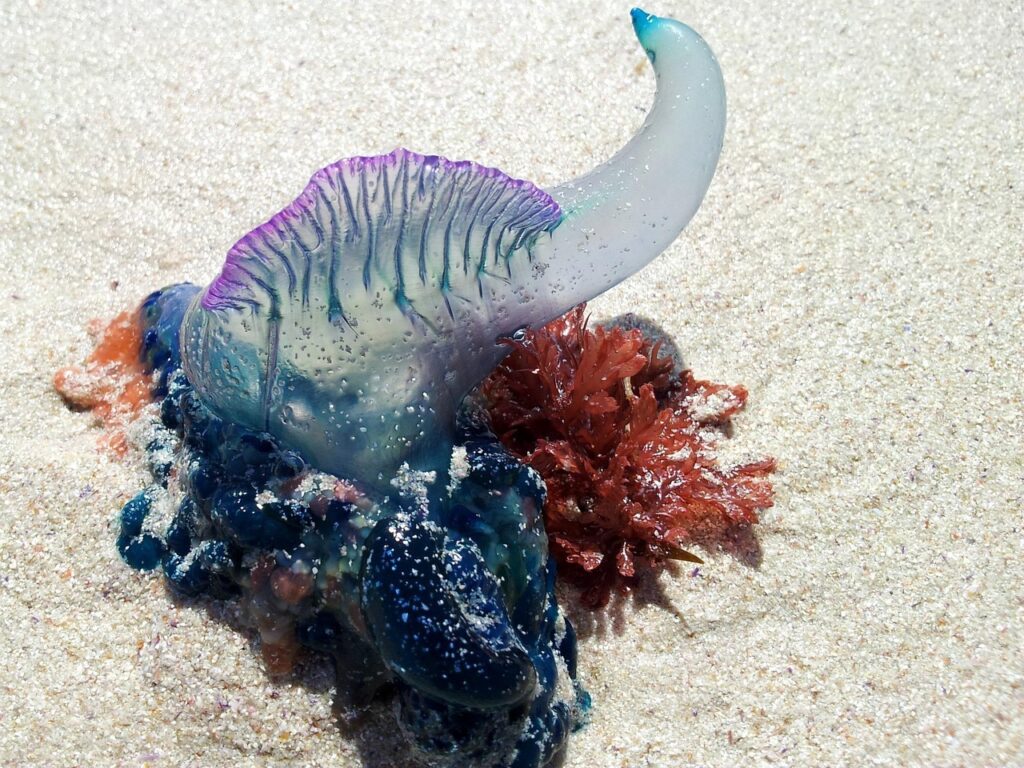
The Portuguese man o’ war may resemble a jellyfish, but it is actually a colony of organisms working together as one. Its long, trailing tentacles contain venom that can cause extreme pain, paralysis, and even death in humans. The sting of a Portuguese man o’ war is not something to take lightly, as it can leave a lasting impact on the body. Found in warm ocean waters, these creatures can be hard to spot, making them particularly dangerous for swimmers. Aquariums avoid housing Portuguese man o’ wars due to the difficulty of containing their dangerous tentacles and the risk they pose to staff and visitors.
12. Fireworm
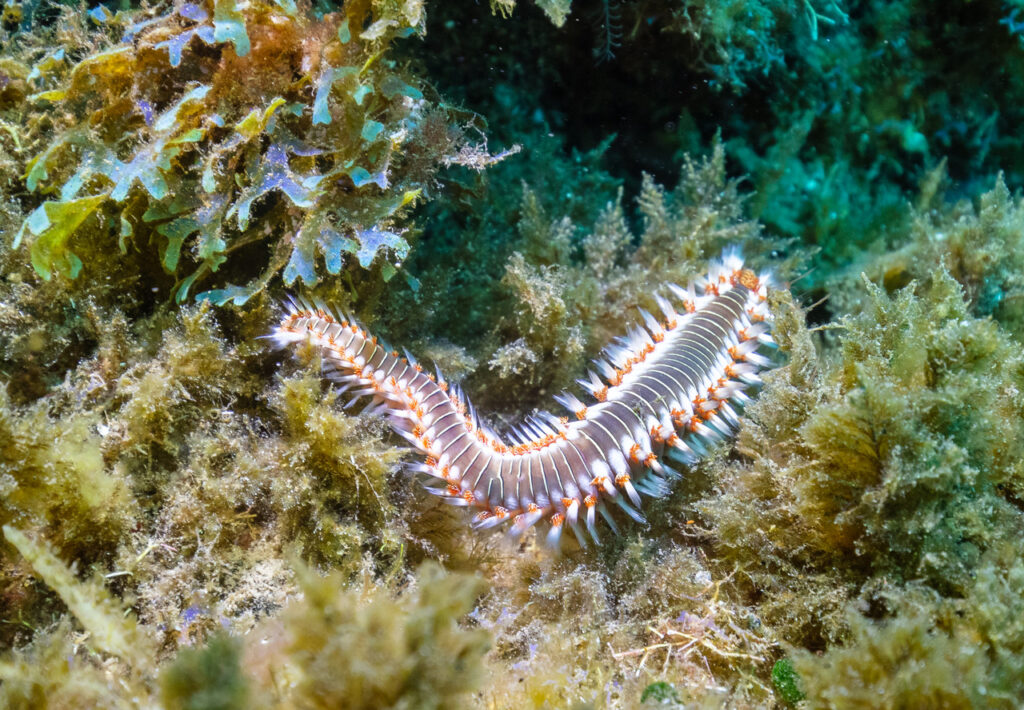
The fireworm is a species of bristleworm found in coral reefs, and while it may look harmless, it is far from it. Its bristles are coated in venom, and when touched, they can cause intense pain, inflammation, and even an allergic reaction. Fireworms are generally not aggressive but will defend themselves if threatened, making them a dangerous creature for anyone who inadvertently comes into contact with them. Due to their venomous bristles and tendency to hide in rocks and crevices, fireworms are difficult to manage in aquariums and pose a danger to both staff and visitors.
Love Pets as Much as We Do?

Scroll up and click the ‘Follow’ button to stay updated with the latest heartwarming, hilarious, and helpful pet posts from Pawdown, delivered straight to your Microsoft Start feed and MSN homepage!