
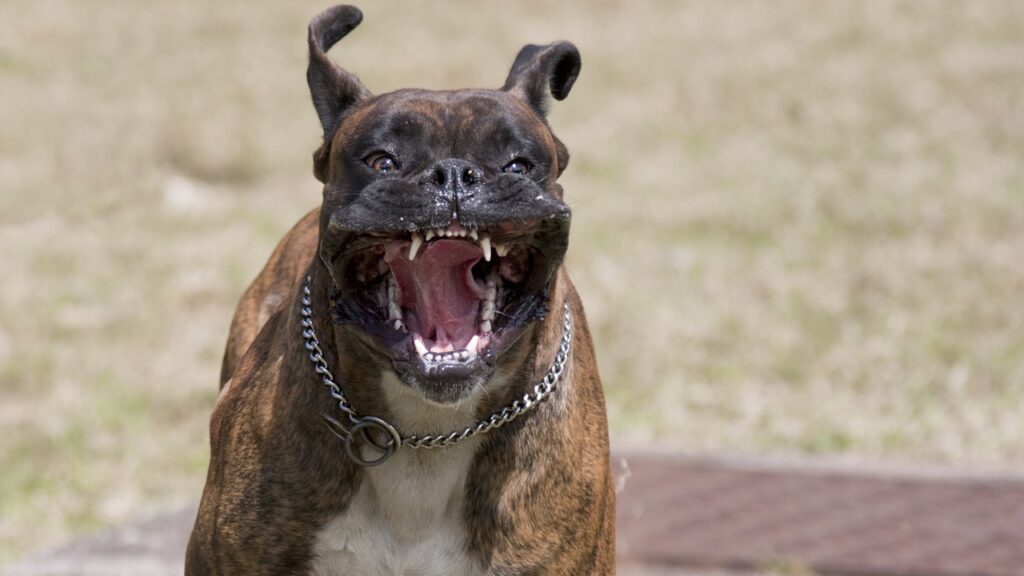
Dogs have long been known as loyal companions, but some breeds have unfortunately earned a reputation for being dangerous. However, it is important to understand that no dog breed is inherently aggressive, but some have strong protective instincts and, when combined with their physical strength, can unintentionally create dangerous situations. These breeds were often developed for guarding, hunting, or working roles, which means they require experienced ownership, early training, and consistent socialization to ensure they are well-behaved companions. Let’s explore 12 breeds that have been labeled as most dangerous breeds in the world.
Pit Bull
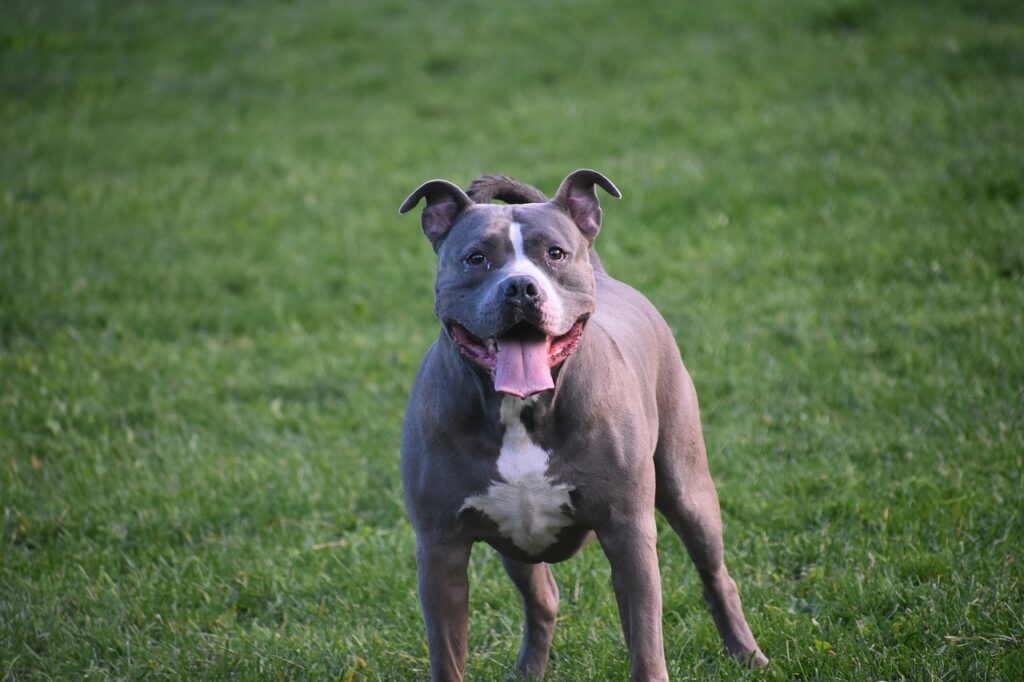
Pit Bulls are among the most frequently discussed breeds when it comes to dangerous dogs. The term “Pit Bull” actually refers to several breeds, including the American Pit Bull Terrier and the American Staffordshire Terrier. Historically bred for bull-baiting and later dog fighting, these dogs are powerful and have a strong bite force. However, they can also be affectionate and loyal when raised in a positive environment. Due to their muscular build and determined nature, they require firm training and an experienced owner to ensure they remain well-mannered and socialized.
Rottweiler

Before Pit Bulls gained widespread attention, Rottweilers were often considered one of the most formidable breeds. Known for their strength, intelligence, and natural guarding instincts, Rottweilers are incredibly loyal to their families but can be wary of strangers. Their protective nature means they need proper training from an early age to prevent them from becoming overly defensive. While they can be affectionate with their owners, they require consistent leadership and boundaries to ensure they respond appropriately in different situations.
German Shepherd
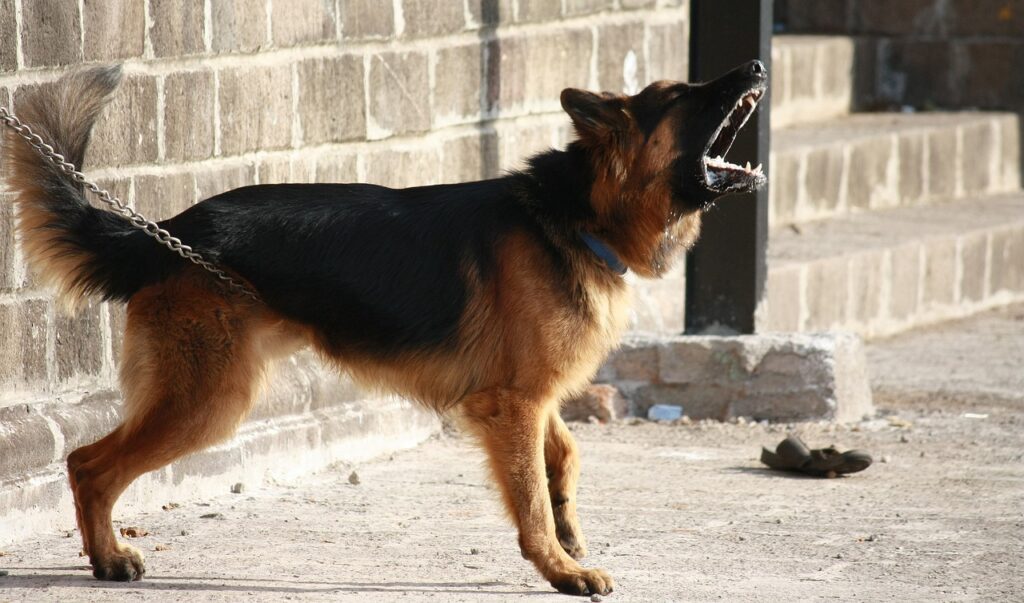
German Shepherds are highly intelligent and often used in police and military work due to their trainability and protective instincts. However, their territorial nature and strong bond with their owners can sometimes make them overly defensive. Without proper training and structure, they may react aggressively to perceived threats, including unfamiliar people or animals. German Shepherds need experienced owners who can provide firm guidance and ample exercise to keep them mentally and physically stimulated, ensuring they remain well-adjusted and social.
American Bulldog
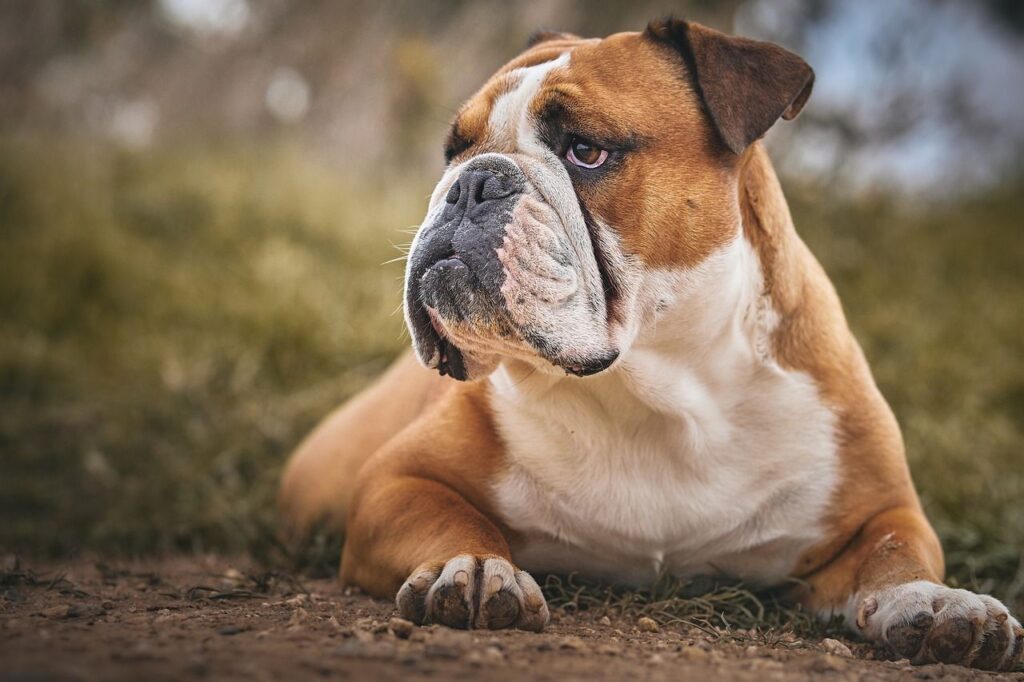
Often mistaken for Pit Bulls, American Bulldogs are large, muscular dogs originally bred for farm work and guarding livestock. They are confident and strong-willed, requiring firm leadership and clear boundaries. Their protective instincts make them excellent watchdogs, but without proper training, they can become overly territorial. American Bulldogs thrive in homes where they receive consistent socialization, obedience training, and plenty of exercise to prevent them from developing reactive behaviors.
Bullmastiff
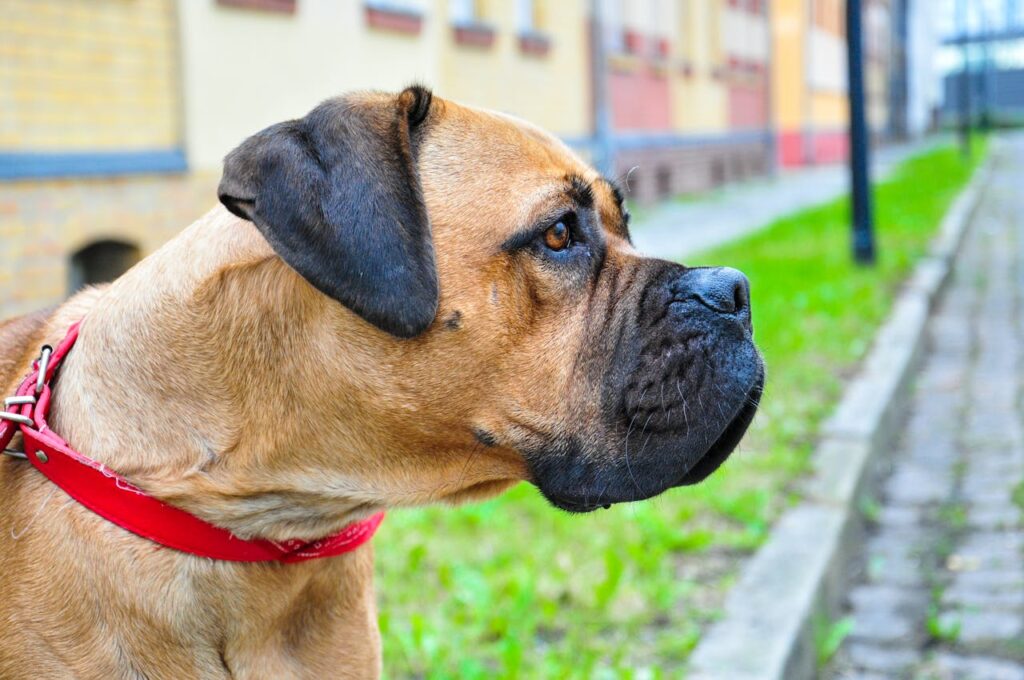
Bullmastiffs were bred to guard estates and have a natural instinct to protect their families. Their large size and powerful build make them capable of overpowering intruders, but these same traits require careful handling. While they are typically calm and affectionate with their owners, they can be reserved with strangers and may become defensive if they feel their home or loved ones are threatened. Early socialization and structured training are essential to help Bullmastiffs develop a balanced temperament.
Siberian Husky
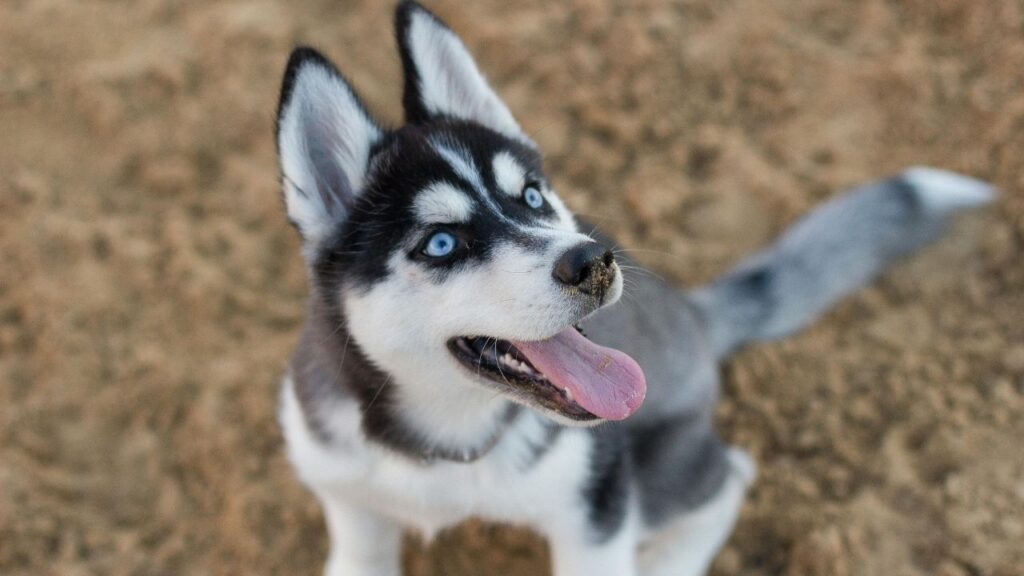
Siberian Huskies may not seem like a typical dangerous breed, but their strong prey drive, independence, and high energy levels can lead to unpredictable behavior. Originally bred as sled dogs, they are highly active and require a great deal of exercise and mental stimulation. Without proper training and supervision, Huskies can exhibit destructive behaviors or chase small animals. While they are not naturally aggressive toward humans, they need firm guidance and an experienced owner to manage their strong-willed nature.
Alaskan Malamute
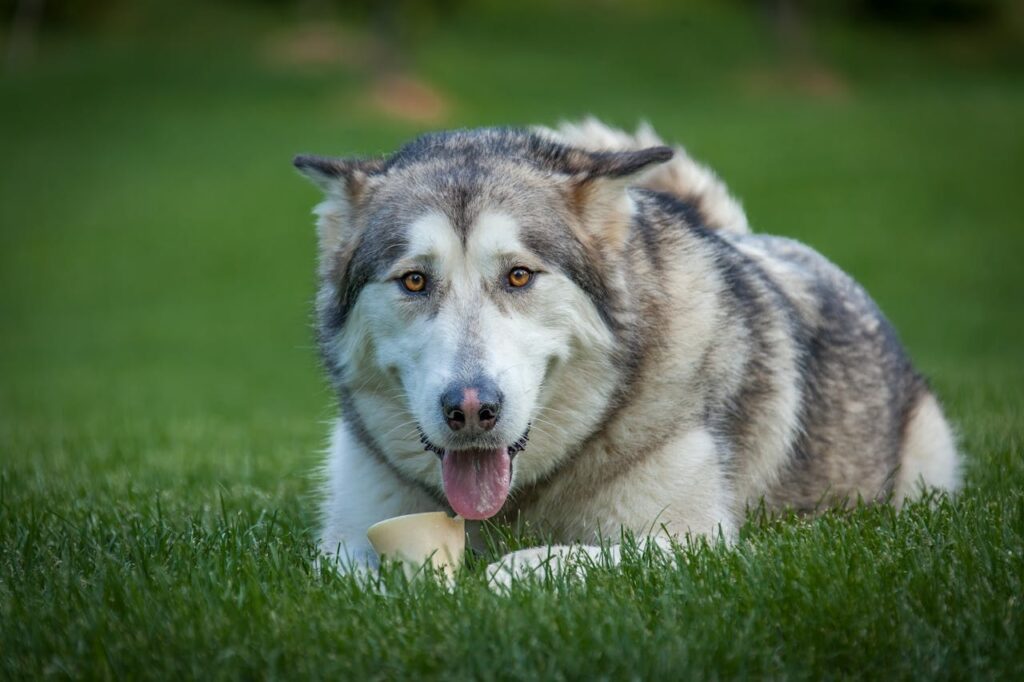
Alaskan Malamutes are powerful working dogs originally bred for hauling heavy loads in harsh Arctic conditions. Their strength and endurance make them highly capable, but their independent and stubborn nature can pose challenges for inexperienced owners. Malamutes have a strong prey drive and may not tolerate smaller animals well. Additionally, their size and high energy levels require structured training and daily exercise to prevent destructive behaviors. Without firm guidance, they can become difficult to control, making them a breed that requires an experienced handler.
Doberman Pinscher
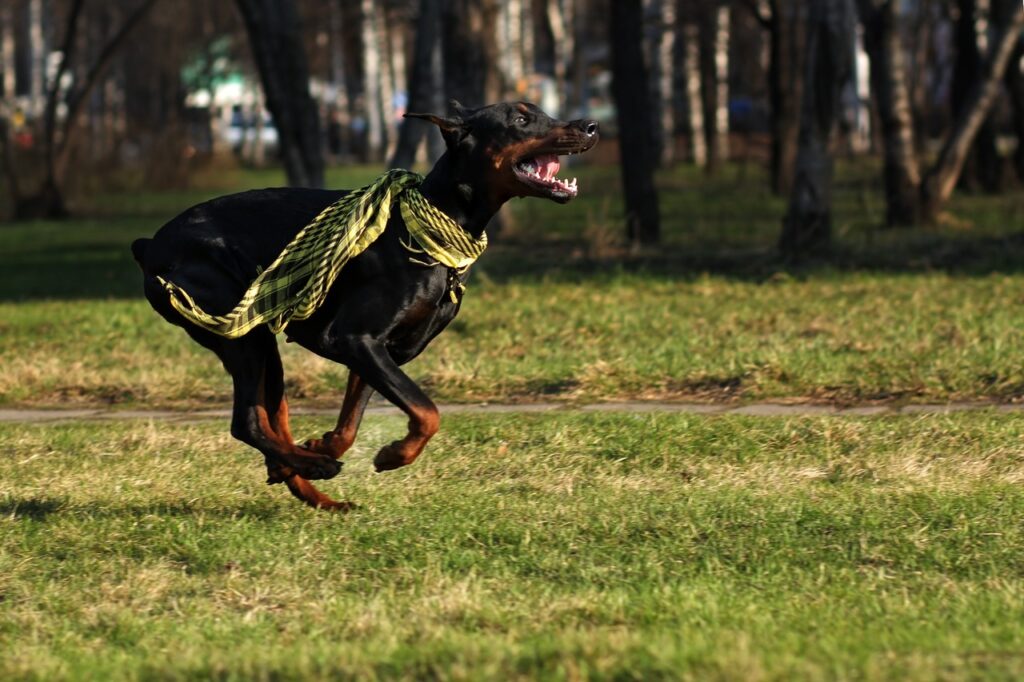
Doberman Pinschers were specifically bred for protection and are known for their alertness, intelligence, and loyalty. These traits make them excellent guard dogs, but they also require strong leadership and consistent training. Without proper socialization, Dobermans can become overly suspicious of strangers and react defensively. They are highly energetic and thrive in active households where they receive both mental and physical stimulation. Their protective nature, if not properly managed, can lead to aggressive tendencies, making it crucial for owners to establish clear boundaries and reinforce positive behavior.
Chow Chow
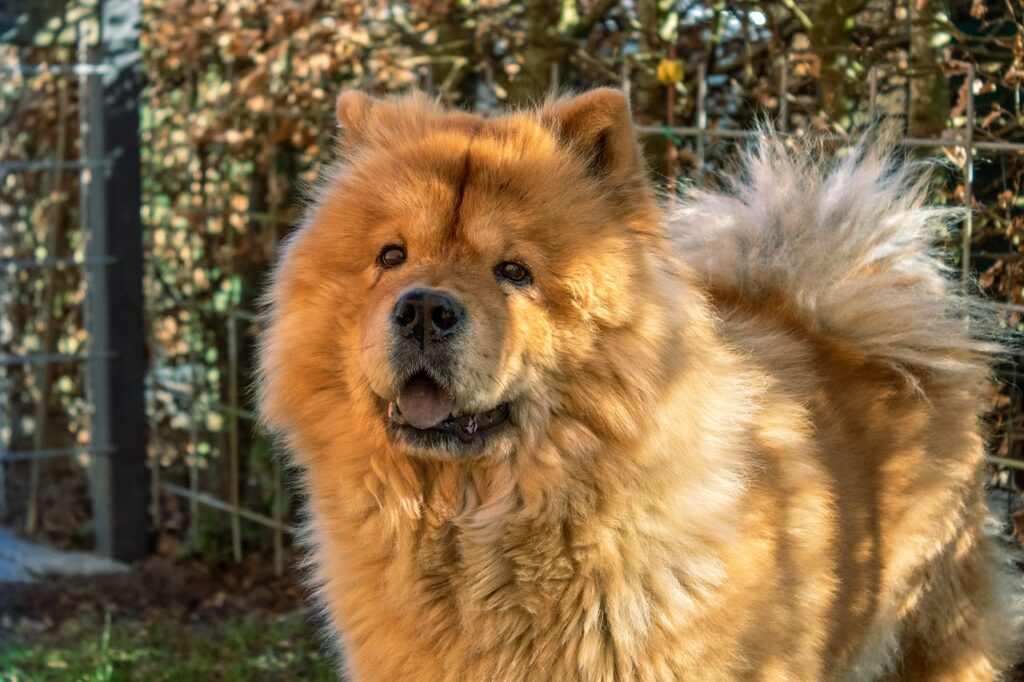
Chow Chows have a distinct lion-like appearance and an independent personality. Originally bred as guard dogs in China, they tend to be aloof with strangers and highly territorial. While they can be affectionate with their families, they often do not tolerate unfamiliar people or animals. Chow Chows require early and consistent socialization to prevent aggressive tendencies, as they have been known to react defensively if they feel threatened. Due to their strong-willed nature, they do best with experienced owners who understand how to establish leadership and reinforce obedience training.
Akita
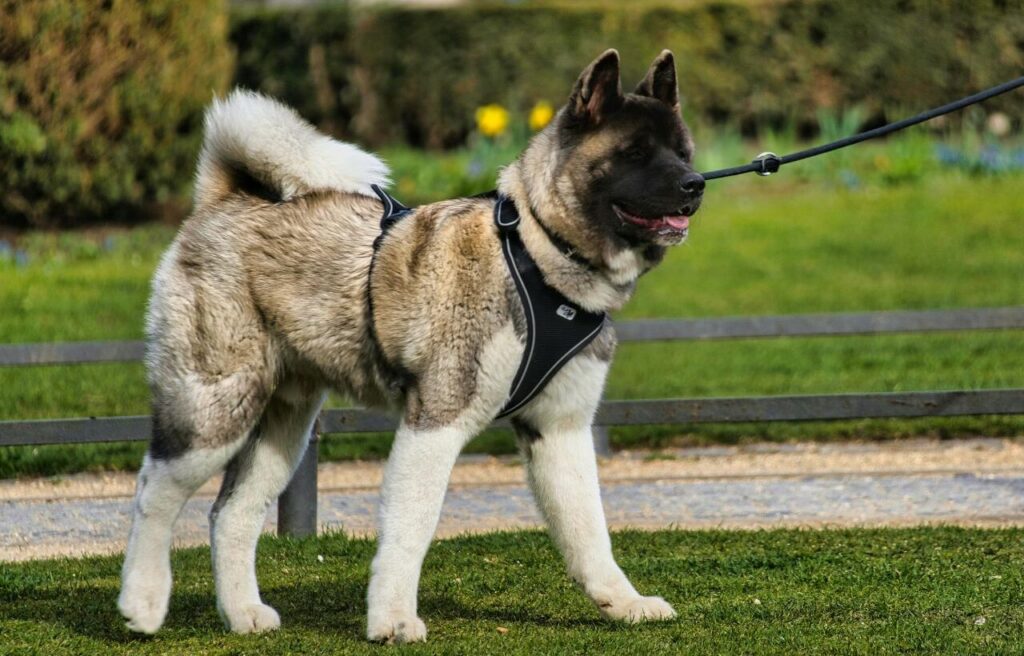
Akitas are large, powerful dogs originally bred in Japan for hunting and protection. They are known for their loyalty and courage but can also be very independent and reserved. Akitas tend to form strong bonds with their families but may not be welcoming to strangers or other animals. They have a natural instinct to guard their home, and without proper training, they may display dominant or aggressive behavior. Early socialization and clear, firm leadership are essential to ensure they develop into well-mannered companions. Due to their size and strength, Akitas require an owner who can provide structure and discipline.
Presa Canario
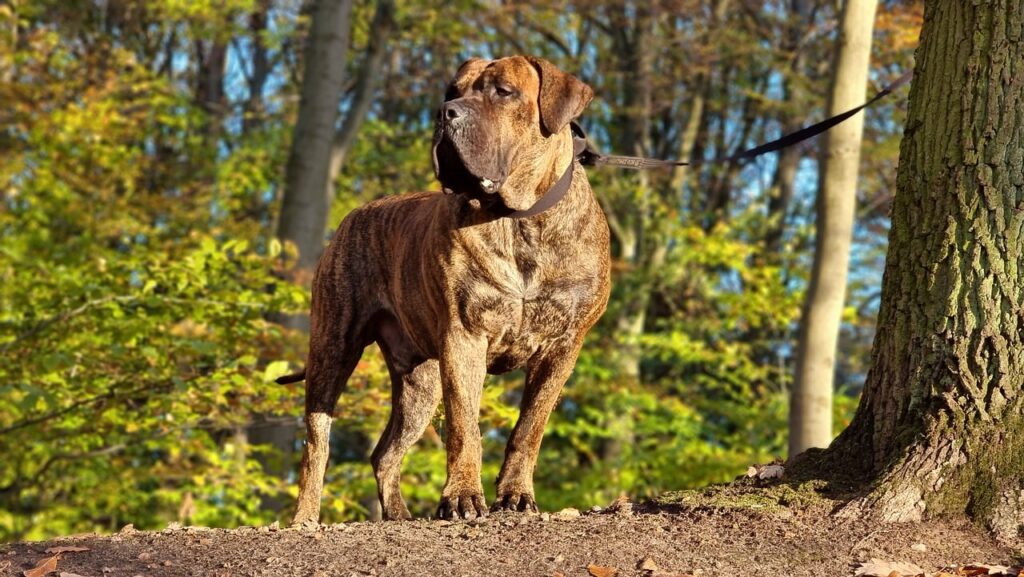
The Presa Canario is a strong and imposing breed that was originally developed for guarding livestock. Their protective instincts and muscular build make them an excellent deterrent, but they also require firm training from an early age. Presa Canarios have a history of being used for fighting, which means they must be socialized extensively to prevent aggressive behaviors. They are highly confident and require an experienced handler who can establish control while providing clear leadership. Without proper training, their strong guarding instincts can become problematic, making responsible ownership a necessity.
Japanese Tosa
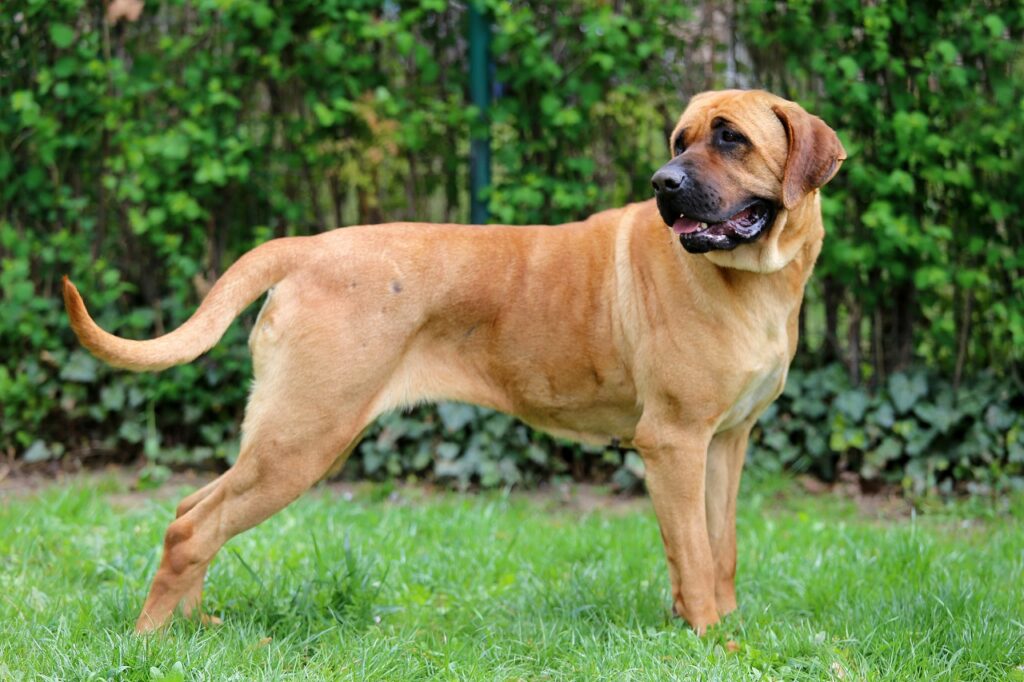
The Japanese Tosa was historically bred as a fighting dog, which has contributed to its reputation as a dangerous breed. Despite their calm and composed demeanor, Tosas are naturally protective and can be territorial. Many countries have restrictions on ownership due to their potential for aggression. With the right training, Japanese Tosas can be well-mannered companions, but they require early socialization and firm leadership to ensure they respond appropriately to different environments. Their strength and instincts make them best suited for experienced dog owners who understand how to manage a dominant breed.
Love Pets as Much as We Do?

Scroll up and click the ‘Follow’ button to stay updated with the latest heartwarming, hilarious, and helpful pet posts from Pawdown, delivered straight to your Microsoft Start feed and MSN homepage!