

Dogs are known for their loyalty and devotion, but some breeds take their love for their humans to an entirely new level. These dogs don’t just enjoy your company—they crave it. While their affectionate nature makes them irresistible companions, it also means they struggle when left alone. From separation anxiety to stress-induced behaviors, these breeds remind us just how deeply they feel. If you’re considering one of these lovable canines, it’s important to understand their emotional needs to keep their tails wagging and their hearts happy.
1. Labrador Retriever

Labrador Retrievers are known for their boundless love and loyalty, which makes them exceptional family dogs. However, their deep attachment to their owners comes with a downside—they hate being left alone. Labs thrive on human interaction and quickly become anxious when separated from their family for too long. This anxiety often leads to destructive behaviors like chewing furniture or excessive barking. Their need for companionship makes them great friends, but their sensitivity means they struggle with solitude.
2. Border Collie

Border Collies are celebrated for their intelligence and unmatched energy, but this brainpower comes with a strong emotional side. They bond intensely with their owners and feel insecure when left on their own. As herding dogs, they are used to constant activity and interaction, so extended periods of isolation can lead to boredom, stress, and even obsessive behaviors like pacing or chewing. They need mental stimulation and companionship to stay happy, making them unsuitable for households where they’re often alone.
3. Cavalier King Charles Spaniel

The Cavalier King Charles Spaniel is often referred to as a “velcro dog” because of its tendency to stick close to its owner. These small, affectionate dogs were bred as lap companions, so they crave constant attention and physical closeness. Being left alone for extended periods can cause them significant stress, often manifesting as whining, barking, or destructive chewing. Their sensitive nature makes them prone to separation anxiety, requiring a home where they’re rarely left without company.
4. Jack Russell Terrier

Jack Russell Terriers may be small, but they are bursting with energy and curiosity. They form strong bonds with their families and don’t do well with being left behind. Without enough stimulation and human interaction, they can become anxious and channel their stress into destructive behaviors like digging, chewing, or excessive barking. Their high energy levels and need for attention make them a handful for owners who can’t dedicate enough time to keep them mentally and physically engaged.
5. German Shepherd

German Shepherds are known for their loyalty and protective instincts, but these traits also make them deeply attached to their owners. When left alone, their strong need for companionship can lead to stress and anxiety. They may express their discomfort through pacing, barking, or attempting to escape. As intelligent working dogs, they need plenty of stimulation and thrive in environments where they can stay close to their family. Prolonged isolation can leave them frustrated and unhappy.
6. Australian Shepherd
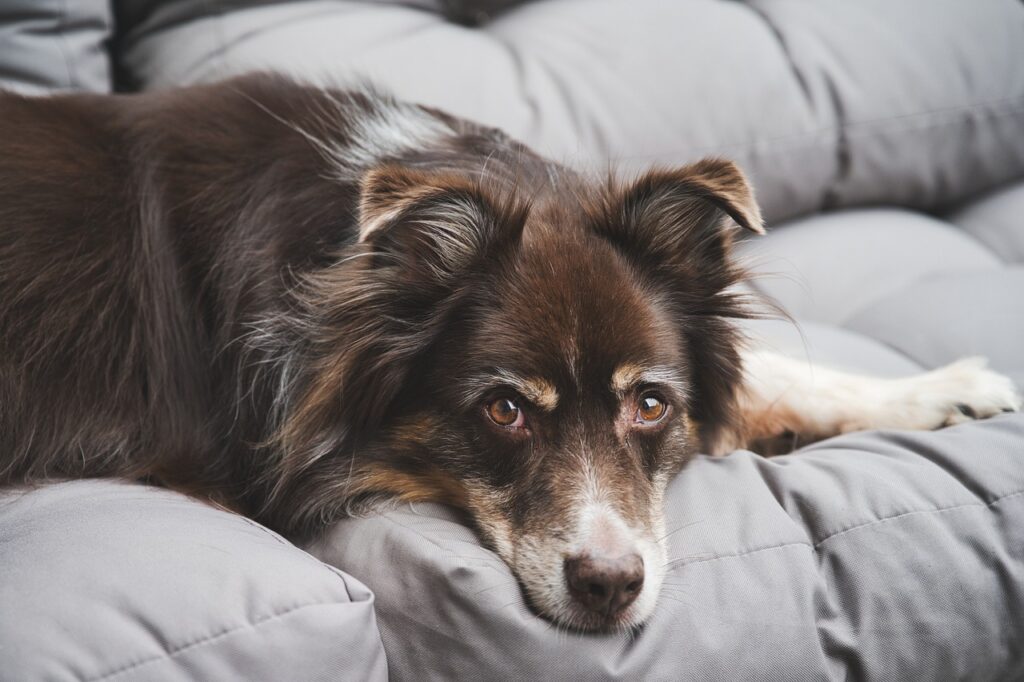
Australian Shepherds are highly energetic and intelligent dogs that thrive in active households. They form strong bonds with their owners and dislike being left alone for long periods. Without enough mental and physical stimulation, they quickly become bored and stressed, often resorting to destructive behaviors like chewing or barking. Their need for companionship is deeply ingrained in their herding dog heritage, making them a poor choice for families unable to provide constant interaction.
7. Bichon Frise

The Bichon Frise is a small, cheerful dog that loves being around people. They were bred as companion animals, so being alone is extremely stressful for them. Their affectionate nature means they thrive on human attention, and extended periods of solitude can lead to separation anxiety. Signs of their distress often include excessive barking, whining, or accidents in the house. These lovable dogs need plenty of interaction and are happiest in homes where they can be a constant part of the family.
8. Italian Greyhound

Italian Greyhounds are known for their elegance and affectionate nature, but they are also extremely sensitive. They bond closely with their owners and experience significant stress when left alone. Their anxiety may manifest as trembling, whining, or destructive behaviors. Being a naturally timid breed, they are particularly prone to separation anxiety and need a stable, loving environment with plenty of human interaction. They’re happiest when they can curl up with their favorite person.
9. Cocker Spaniel

Cocker Spaniels are gentle, loving dogs that form deep emotional connections with their families. Their sensitive nature makes them particularly vulnerable to separation anxiety when left alone. They thrive on attention and affection, and prolonged isolation can lead to stress, resulting in destructive chewing or excessive barking. As a breed originally bred for close companionship, they need constant interaction and care to maintain their emotional well-being.
10. Toy Poodle

Toy Poodles are highly intelligent and affectionate dogs that form strong bonds with their families. Their need for companionship is so profound that they often develop separation anxiety when left alone for too long. They may resort to destructive behaviors or incessant barking without mental stimulation or human interaction. Their cleverness means they need engaging activities to stay happy, and their affectionate nature makes them unsuitable for households where they’re frequently left alone.
11. Havanese

The Havanese is a small, cheerful breed that thrives on human interaction. They are incredibly social dogs and struggle with being left alone, often showing signs of stress like barking, chewing, or even depression. Their playful and loving nature means they’re happiest when they can spend most of their time with their families. As a breed bred for companionship, they’re not suited to homes where they’ll be left without human presence for extended periods.
12. Vizsla

Vizslas are often called “velcro dogs” because they tend to stick close to their owners. These athletic and affectionate dogs thrive on constant interaction and feel deeply distressed when left alone. Their anxiety often results in destructive chewing, barking, or even attempts to escape. Active hunting dogs need plenty of physical exercise and mental stimulation to remain calm and happy. Their deep attachment to their family makes them unsuitable for households with frequent absences.
Love Pets as Much as We Do?

Scroll up and click the ‘Follow’ button to stay updated with the latest heartwarming, hilarious, and helpful pet posts from Pawdown, delivered straight to your Microsoft Start feed and MSN homepage!