
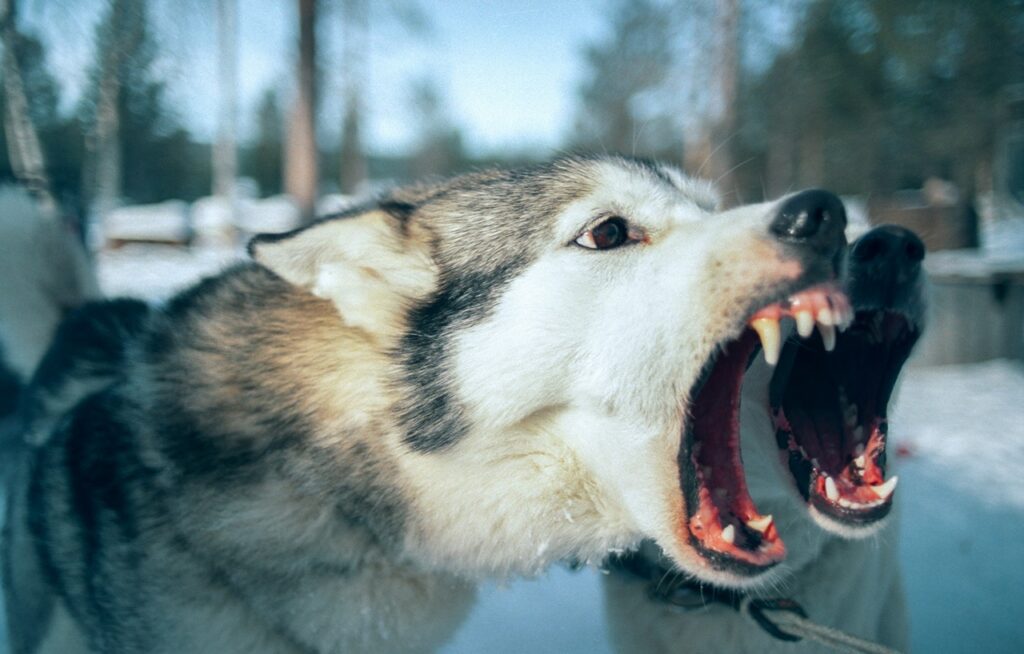
Dogs have been our companions for centuries, bringing joy, loyalty, and companionship to countless households. However, some breeds have gained a reputation for aggression, not necessarily due to their nature, but often because of circumstances and handling. Delving into these perceptions helps us understand both the breed’s traits and the importance of responsible ownership. By exploring their history and characteristics, we can foster a more informed and compassionate approach to these misunderstood canines.
1. Rottweiler: Loyal yet Protective
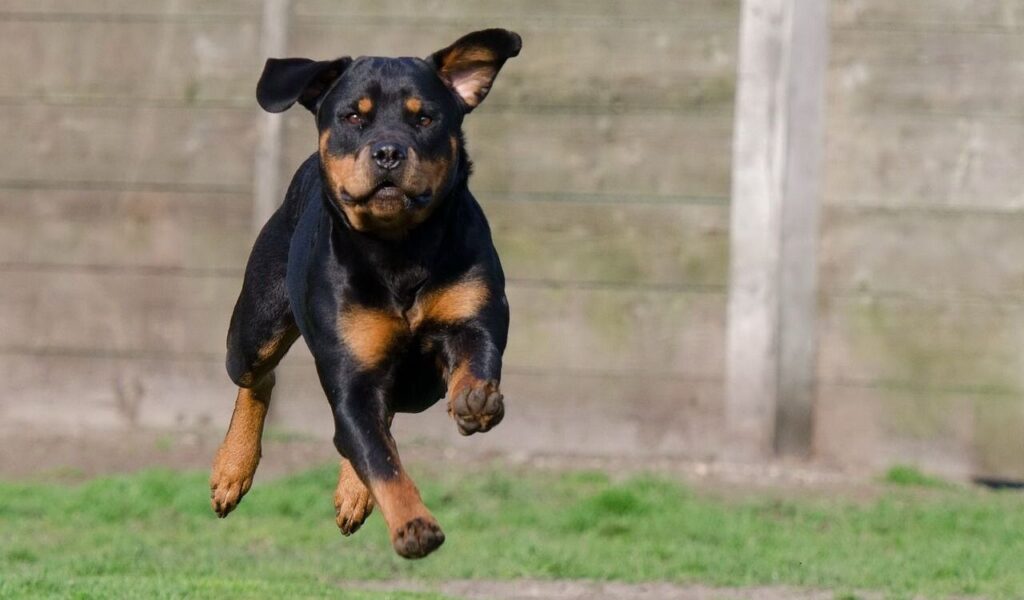
Rottweilers are known for their robust physique and confident demeanor. Originating in Germany, they were traditionally used to herd livestock and pull carts. While they are deeply loyal to their families, their protective instincts can sometimes be misinterpreted as aggression. Without proper training and socialization, fear-based behaviors can emerge. However, with the right guidance, Rottweilers are affectionate and disciplined companions. Their need for structure and an authoritative yet gentle hand makes them excellent guardians when correctly raised.
2. Pit Bull Terrier: Misunderstood Breed
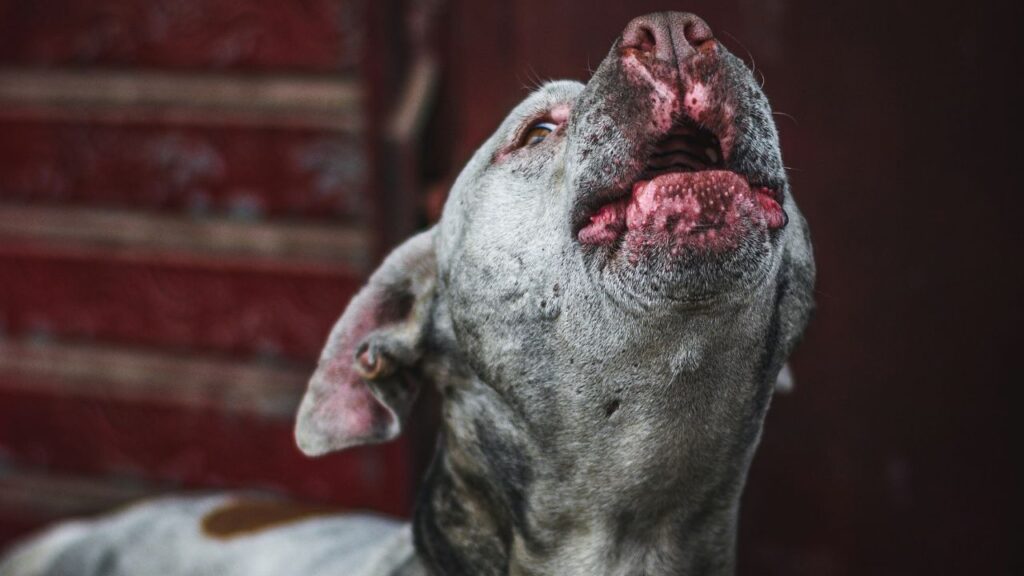
Pit Bulls often find themselves at the center of controversy due to their depiction in media. Historically bred for bull-baiting, these intelligent and strong dogs have developed a powerful build. Despite their past, many Pit Bulls are affectionate family pets. The breed’s reputation for aggression typically arises from improper handling and training. With socialization and positive reinforcement, Pit Bulls can be gentle and playful. Emphasizing their intrinsic need for love and care can transform them into loyal family members.
3. Doberman Pinscher: Fearless and Alert

The Doberman Pinscher stands as a symbol of alertness and intelligence. Developed in the late 19th century by a tax collector named Karl Dobermann, these dogs were meant to provide protection. They are known for their unwavering loyalty and quick learning ability. However, improper training and a lack of socialization can amplify aggressive tendencies. With a structured environment and consistent training, Dobermans thrive, becoming loyal, obedient, and loving companions. Their grace and poise make them both excellent show dogs and formidable protectors.
4. Chow Chow: Independent and Aloof
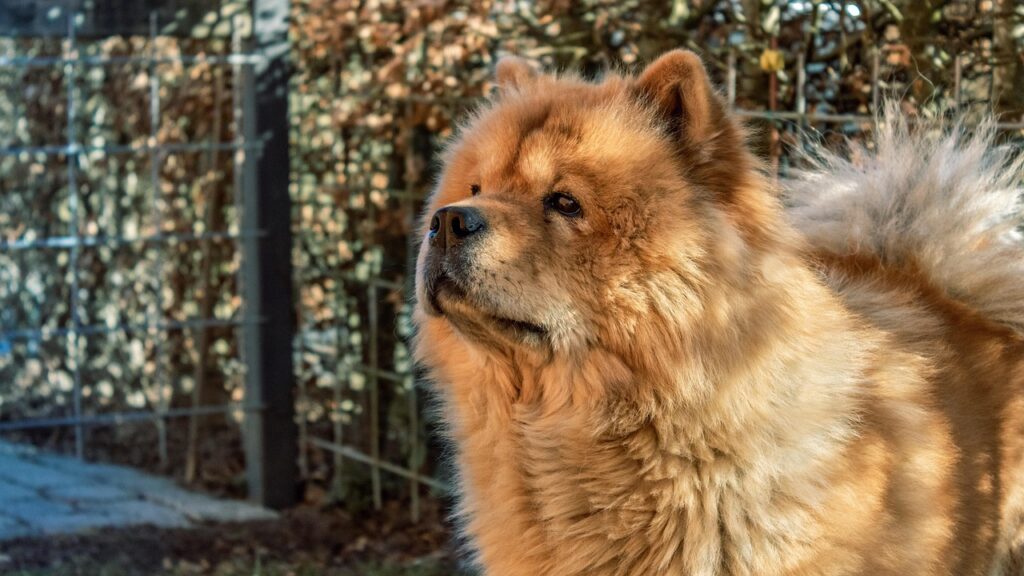
The Chow Chow, with its lion-like mane and ancient lineage, is a breed that boasts a distinctive independence and sometimes aloof nature. Originally bred for guarding and hunting in China, these dogs are fiercely loyal to their families but can exhibit territorial behaviors. Their strong-willed demeanor requires consistent training from an early age. Without proper socialization, they might react defensively if they perceive a threat. Despite their striking appearance, Chow Chows often prefer their own space, making them fascinating but challenging companions.
5. Dalmatian: Energetic and Stubborn

Dalmatians have captivated hearts with their striking spotted coats and boundless energy. Bred as carriage dogs in their early history, they are known for their impressive endurance. However, their spirited nature can sometimes be perceived as stubbornness, especially if they lack firm leadership. A well-exercised Dalmatian is a happy one, and regular mental stimulation helps balance their spirited temperament. Given their high energy levels, they thrive in active households where they can burn off their zest for life.
6. German Shepherd: Loyal Protector
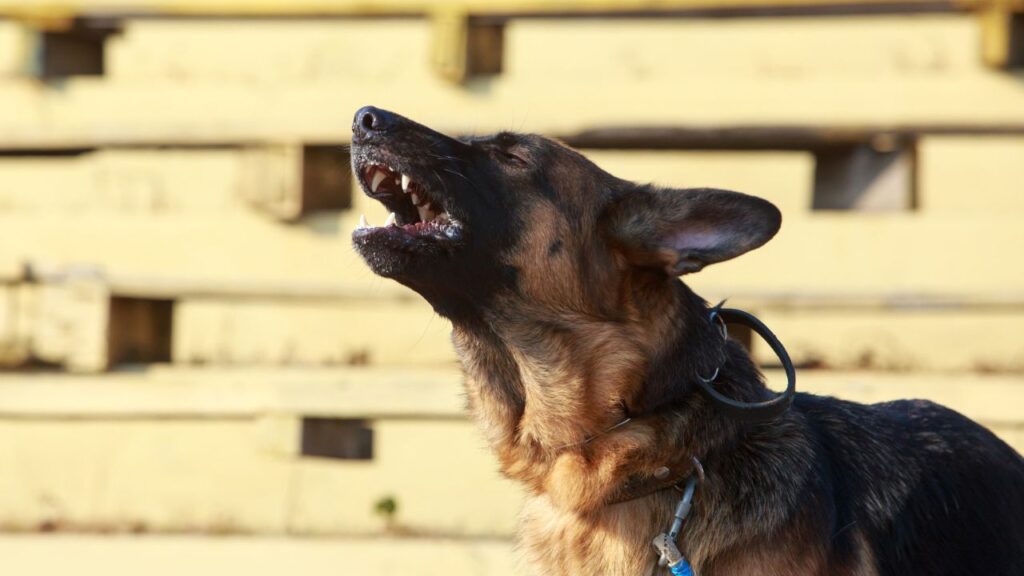
Renowned for their loyalty and intelligence, German Shepherds are a top choice for various roles, including police and service work. This breed’s instinct to protect is deeply ingrained, sometimes manifesting as aggression if not properly managed. Early socialization and training are crucial to channel their natural protectiveness positively. With the right guidance, German Shepherds are affectionate and devoted, forming unbreakable bonds with their owners. Their versatility and obedience make them excellent companions for those willing to invest time in their training.
7. Alaskan Malamute: Strong-Willed Breed
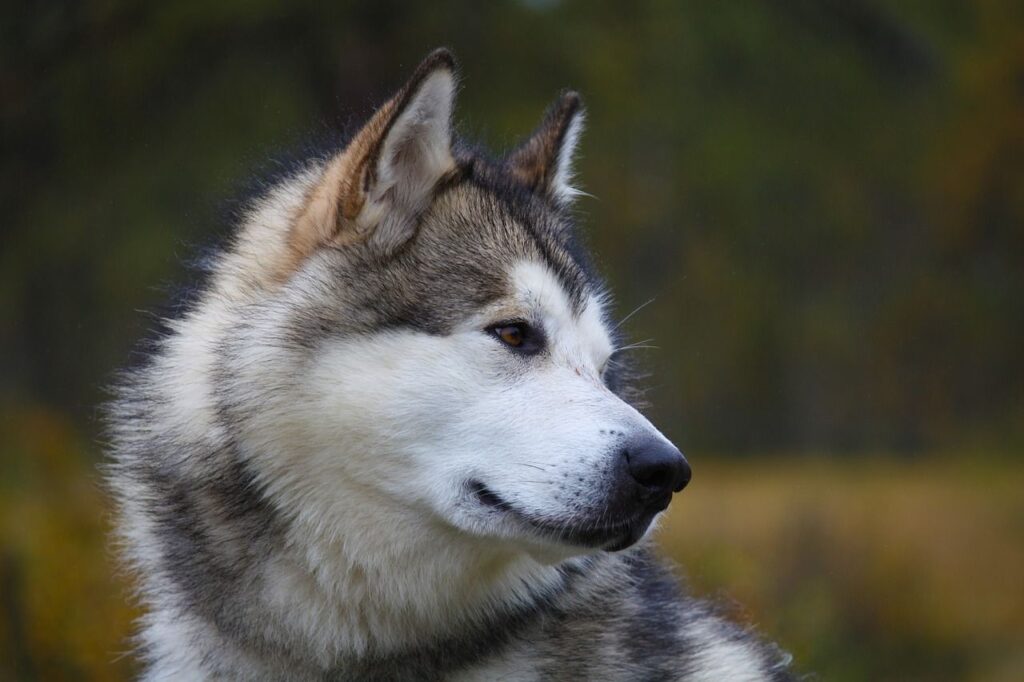
The Alaskan Malamute, with its powerful build and striking appearance, is a breed designed for hauling heavy loads through harsh northern terrains. Naturally independent and with a strong prey drive, they require an assertive leader who can establish clear boundaries. Without consistent discipline, they might attempt to assert dominance, leading to behavioral challenges. Malamutes flourish with plenty of exercises and mental stimulation, making them best suited for experienced dog owners who appreciate their spirited nature and resilience.
8. Siberian Husky: High Energy, High Demand
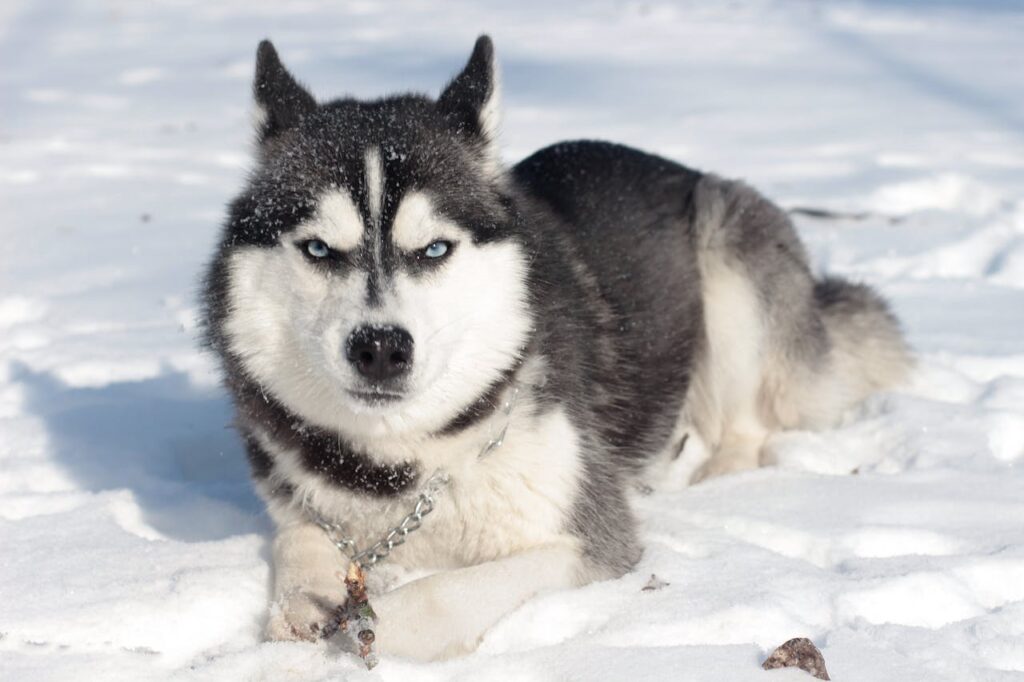
Siberian Huskies are synonymous with adventure and stamina. Bred by the Chukchi people of Russia for sled-pulling, they possess a remarkable combination of endurance and speed. Their social and friendly nature, however, masks a strong independent streak, making training a challenge for the unprepared. Huskies require plenty of physical activity and mental engagement to thwart any mischievous tendencies. Due to their remarkable intelligence and escape-artist reputation, they thrive in environments that offer both challenge and exploration.
9. Jack Russell Terrier: Small but Feisty
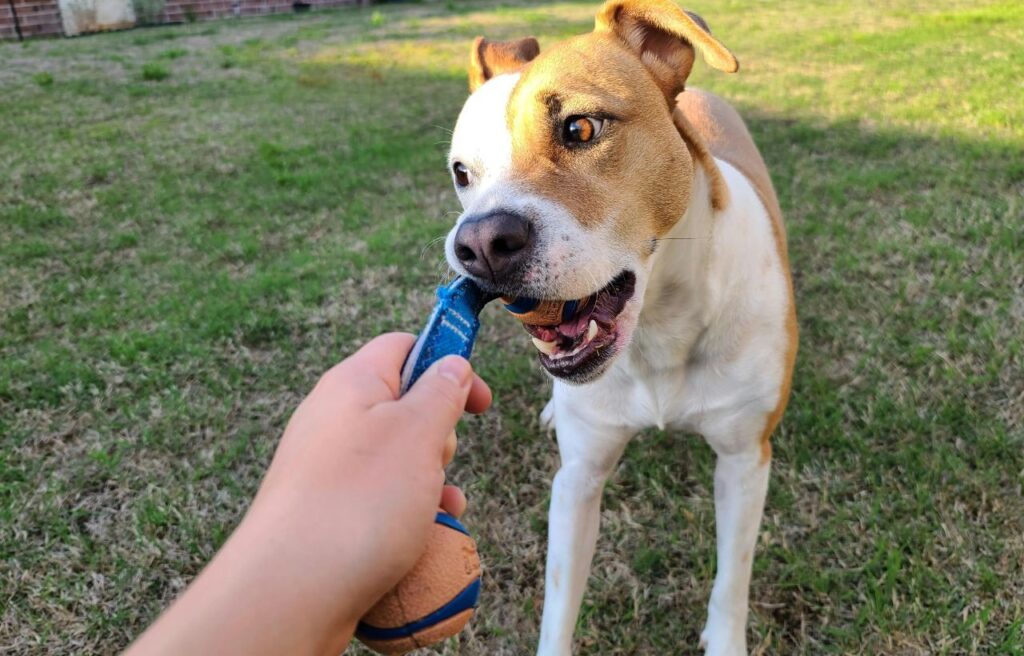
Beneath the playful demeanor of a Jack Russell Terrier lies a surprisingly tenacious spirit. Known for their intelligence and high energy, these small dogs have a reputation for being quite independent. While their size might suggest a docile nature, Jack Russells are naturally inclined toward assertiveness. Their strong will can sometimes lead to aggression if not properly trained or socialized. These terriers thrive in environments where they have ample space to expend their energy and are best suited for experienced dog owners who can provide firm but gentle guidance.
10. Presa Canario: Powerful and Determined
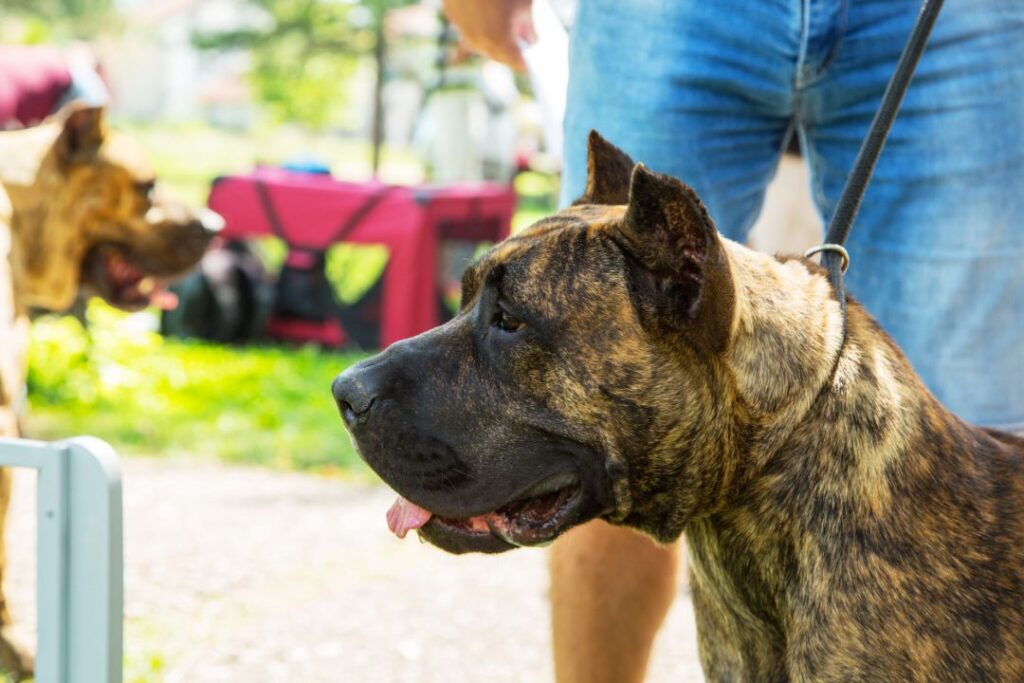
Presa Canarios, hailing from Spain’s Canary Islands, are built with power and confidence. Originally bred for herding livestock and protecting their owners, they possess strong protective instincts. This innate drive can occasionally manifest as aggression, particularly toward perceived threats. They require consistent socialization and training from a young age to balance their assertive nature. Due to their strength and size, Presa Canarios are recommended for experienced pet owners who can handle their formidable presence and nurture their loyal dispositions effectively.
11. Boxer: Energetic and Strong
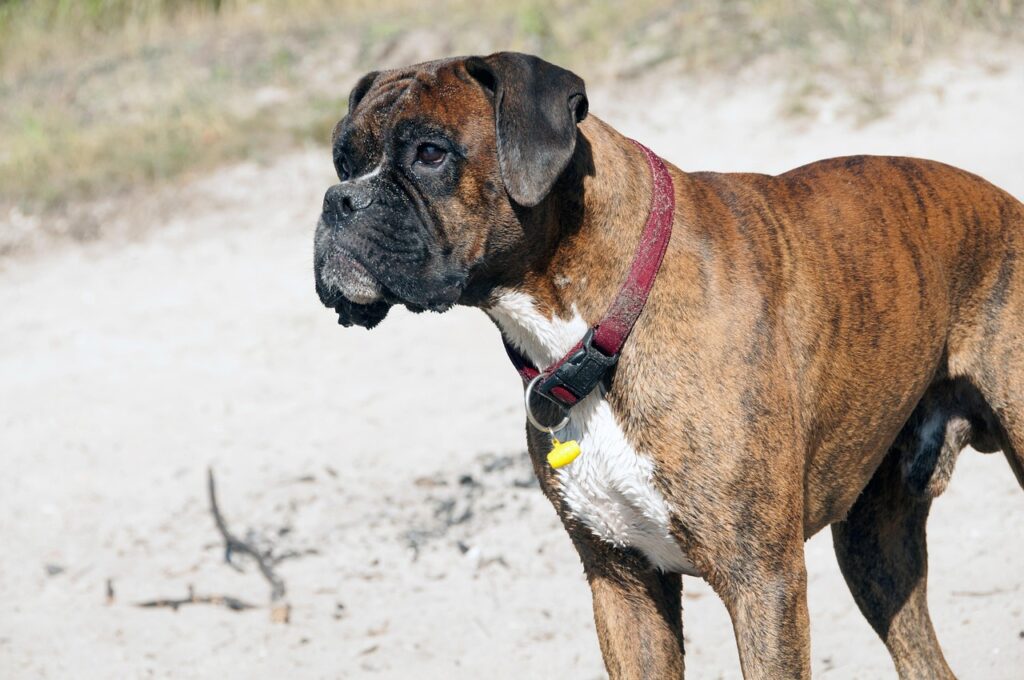
Boxers are well-loved for their playful and energetic personalities. With a natural exuberance, they often require an outlet for their vast energy reserves. While generally good-natured, their enthusiasm can sometimes turn into stubbornness or aggression, especially without proper exercise and social engagement. Socialization is key for Boxers to channel their energy positively and curb any undesirable behaviors. This breed thrives in active families where they are cherished for their lively spirit and boundless affection, benefiting greatly from structured environments and consistent routines.
12. Akita: Noble but Not for Novices
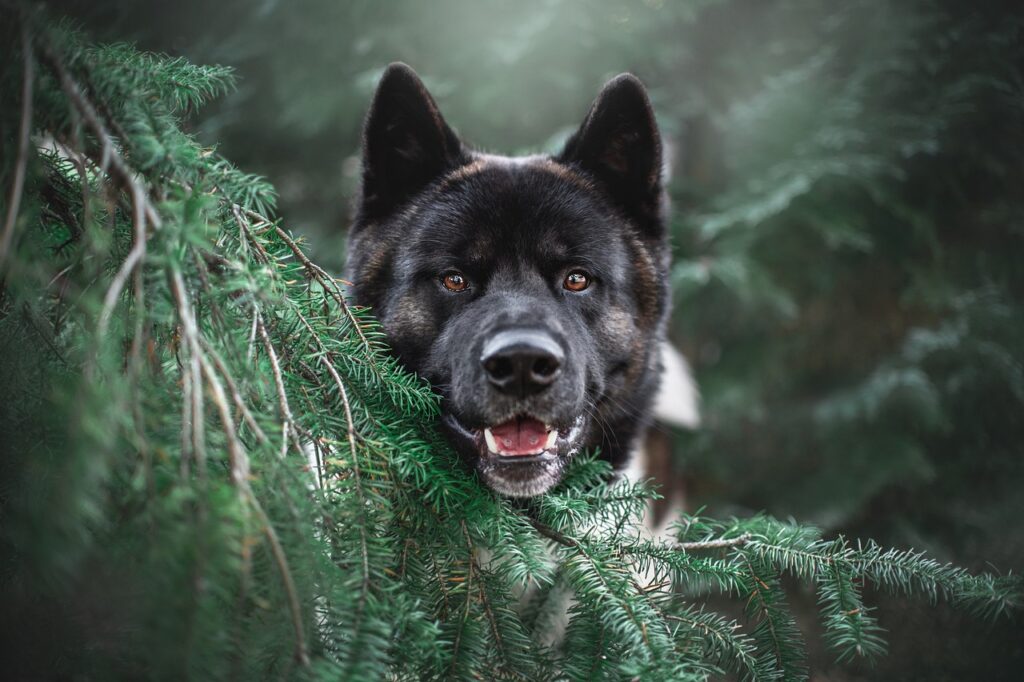
Akitas are revered for their loyalty, strength, and striking appearance—but they are not a breed for the inexperienced. Originating in Japan, Akitas were bred for hunting large game and guarding, which has endowed them with strong protective instincts and a reserved temperament. While deeply devoted to their families, Akitas can exhibit dominant behavior and become aggressive if not properly trained and socialized from a young age. They tend to be aloof with strangers and may not tolerate other animals easily. For owners willing to invest time in firm, consistent training, Akitas can be loyal, dignified, and deeply affectionate companions.
13. Belgian Malinois: Intensely Driven and Protective

Belgian Malinois are prized for their unmatched drive, intelligence, and work ethic—traits that make them top choices for military and police work. However, these same qualities can lead to issues if the dog is not properly stimulated or trained. Highly energetic and alert, Malinois require consistent mental and physical engagement to avoid frustration-based behaviors, which can sometimes include aggression. Without structure and purpose, their intense instincts may become overwhelming for unprepared owners. With firm guidance and daily challenges, these dogs are loyal, focused, and endlessly rewarding for experienced handlers.