
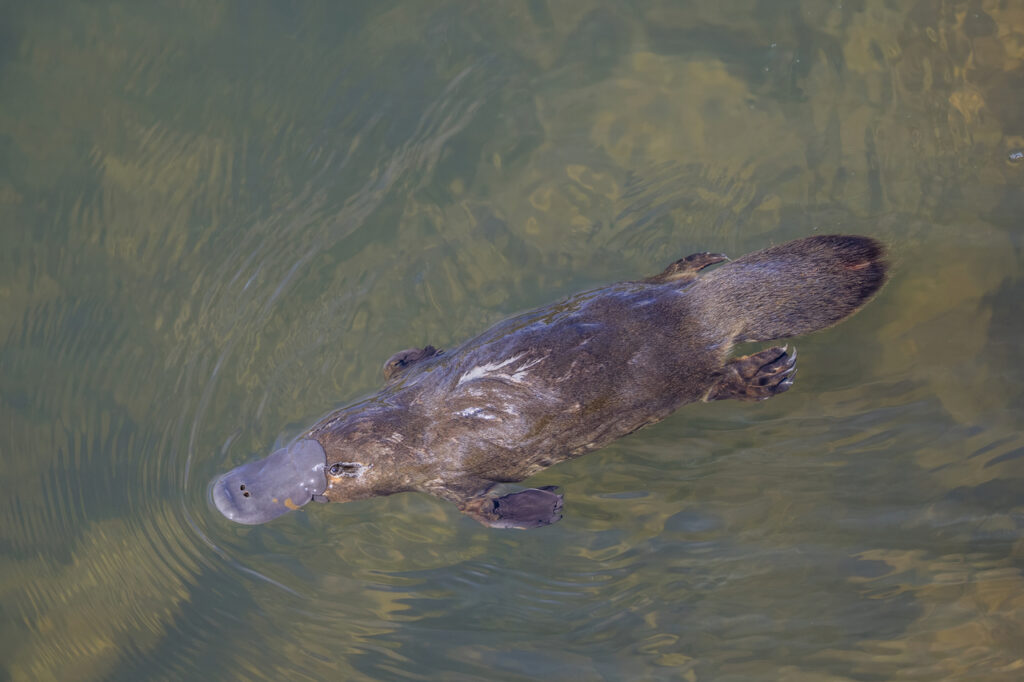
Platypuses are like nature’s quirky joke—a peculiar blend of characteristics that defy conventional animal categories. Known for their unusual appearance and behaviors, these unique creatures never fail to amaze. Dive into the world of the platypus, and you’ll find a fascinating mammal that continues to baffle scientists and delight animal enthusiasts alike with its extraordinary traits.
1. A Mammal That Lays Eggs
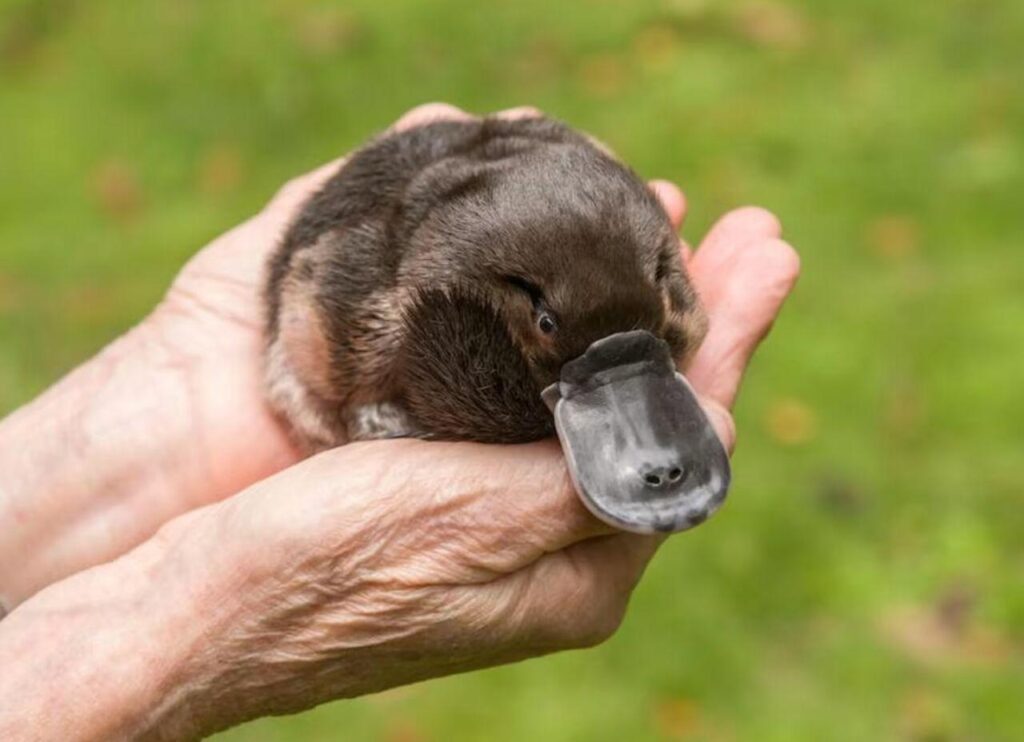
One of the most perplexing features of the platypus is its method of reproduction. Unlike most mammals, the platypus lays eggs. This oviparous trait sets it apart, aligning it more closely with reptiles and birds than with its furry relatives. Female platypuses typically lay one to three eggs, which they incubate by curling around them. Once hatched, the tiny, helpless offspring continue to rely on their mother’s milk—a classic mammalian trait, served up in a truly atypical package.
2. Venomous Spurs on Males
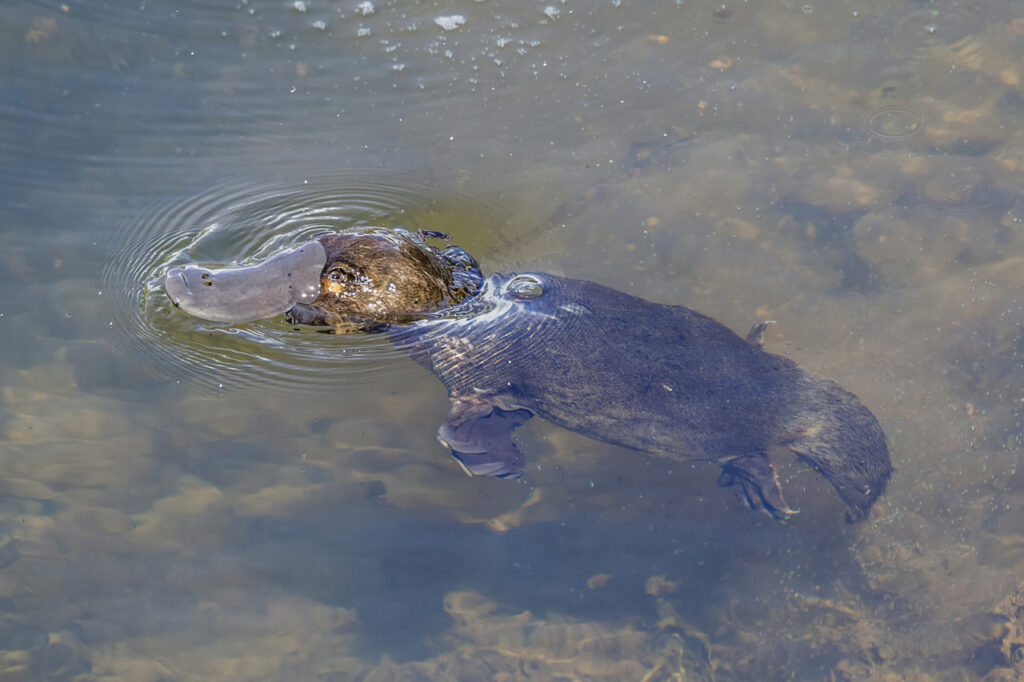
Adding to the platypus’s bizarre resume is the presence of venomous spurs located on the hind legs of males. These spurs can deliver a painful sting, potent enough to deter predators and rival males. The venom, while not lethal to humans, causes swelling and severe pain that regular anti-inflammatories don’t relieve. This unexpected defensive feature adds yet another layer of curiosity, solidifying the platypus’s status as one of nature’s most enigmatic creatures.
3. A Bill Like a Duck
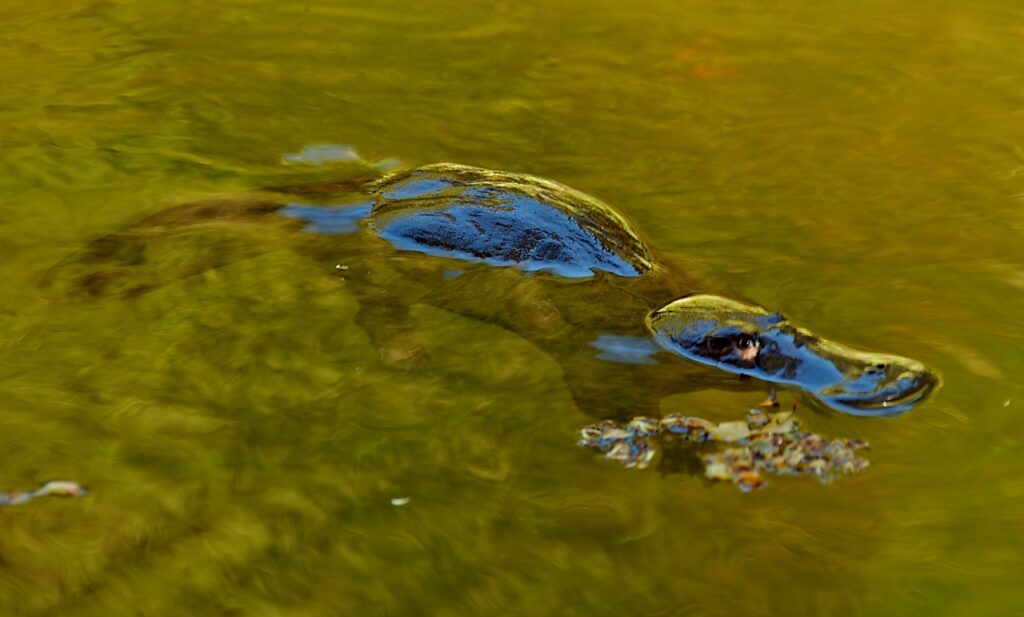
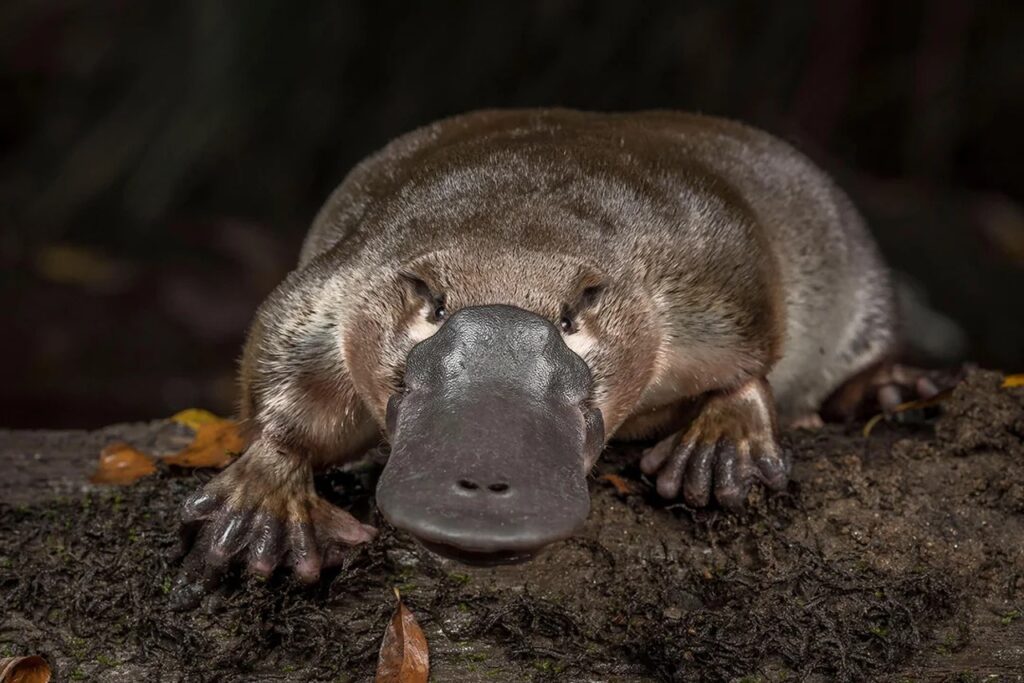
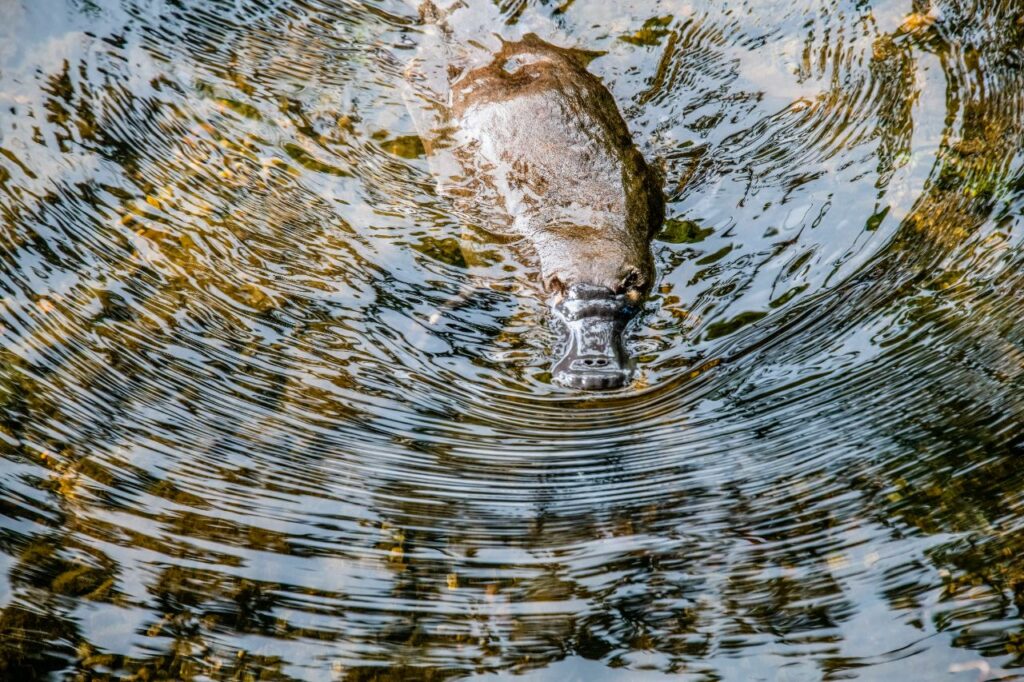
The platypus’s most iconic feature is its duck-like bill—a marvel of evolution that serves multiple purposes. This soft, rubbery snout is packed with sensitive electroreceptors, allowing the platypus to detect the electric fields generated by prey in murky waterways. The bill’s unique design enables the animal to forage for insects, larvae, and crustaceans with astonishing accuracy. With such an adaptable tool at its disposal, the platypus is perfectly equipped for its aquatic lifestyle.
4. Webbed Feet for Swimming
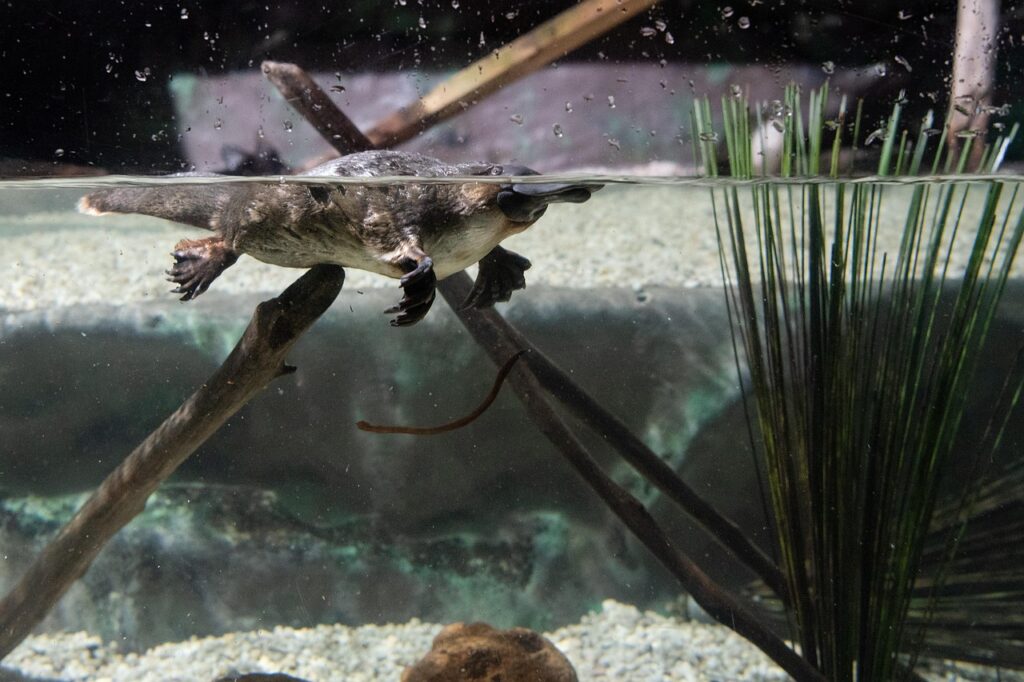
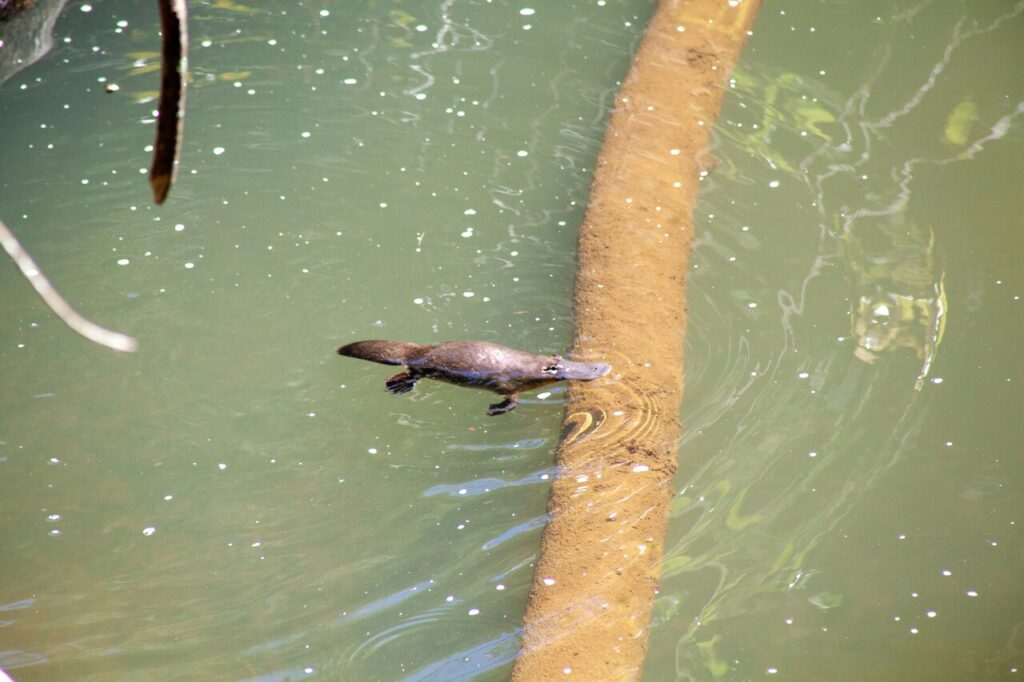
Masters of their watery domain, platypuses have webbed feet that make them exceptional swimmers. These webbed appendages work like paddles, propelling them gracefully through rivers and streams. The webbing can retract when they walk on land, revealing sharp claws that help with digging and grooming. This dual functionality showcases the platypus’s ingenuity, allowing it to navigate both terrestrial and aquatic environments with ease, further emphasizing its multifaceted nature.
5. Detects Electric Fields
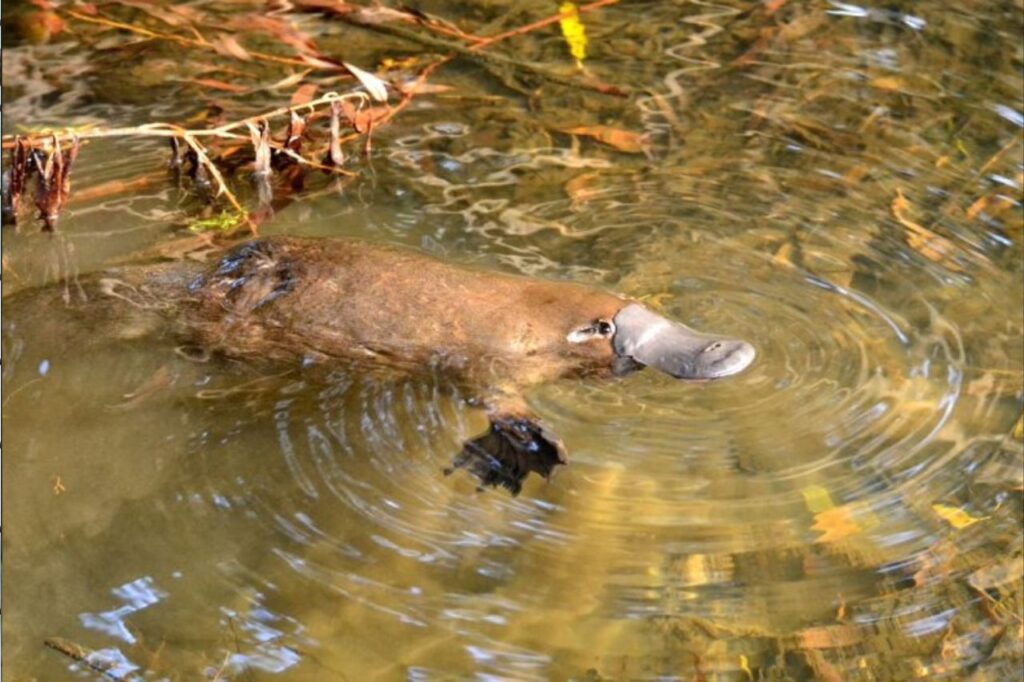
Imagine being able to sense the electric field of your environment—that’s an everyday reality for the platypus. These unique creatures possess electroreceptors in their bills, allowing them to detect electric signals emitted by prey underwater. This remarkable skill makes them expert hunters in murky waters where visibility is limited. With this built-in superpower, platypuses can track movements and catch crustaceans, insects, and small fish, all without seeing them. It’s like having X-ray vision, but underwater! Nature truly equipped the platypus with a detective agency in its snout.
6. Unusual Teeth and Chewing
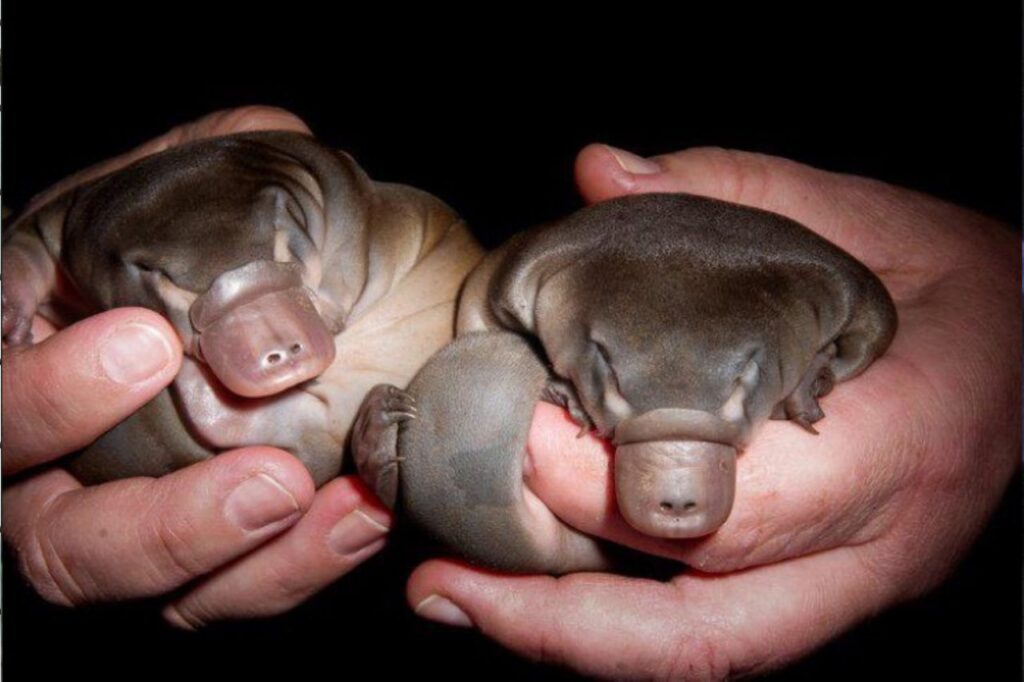
Forget about having a mouth full of teeth—platypuses boast a much more unusual system. Young platypuses are born with teeth, but they shed them as they mature. Instead of traditional teeth, adult platypuses use keratinized pads for grinding food. These tough pads, coupled with gravel scooped up from the riverbed, help mash their meals to a pulp. This quirky adaptation is perfectly suited for their aquatic dining habits, making them adept at processing a variety of river fare without needing dentures of any kind. Who knew chewing could be so unconventional?
7. Milk Without Nipples
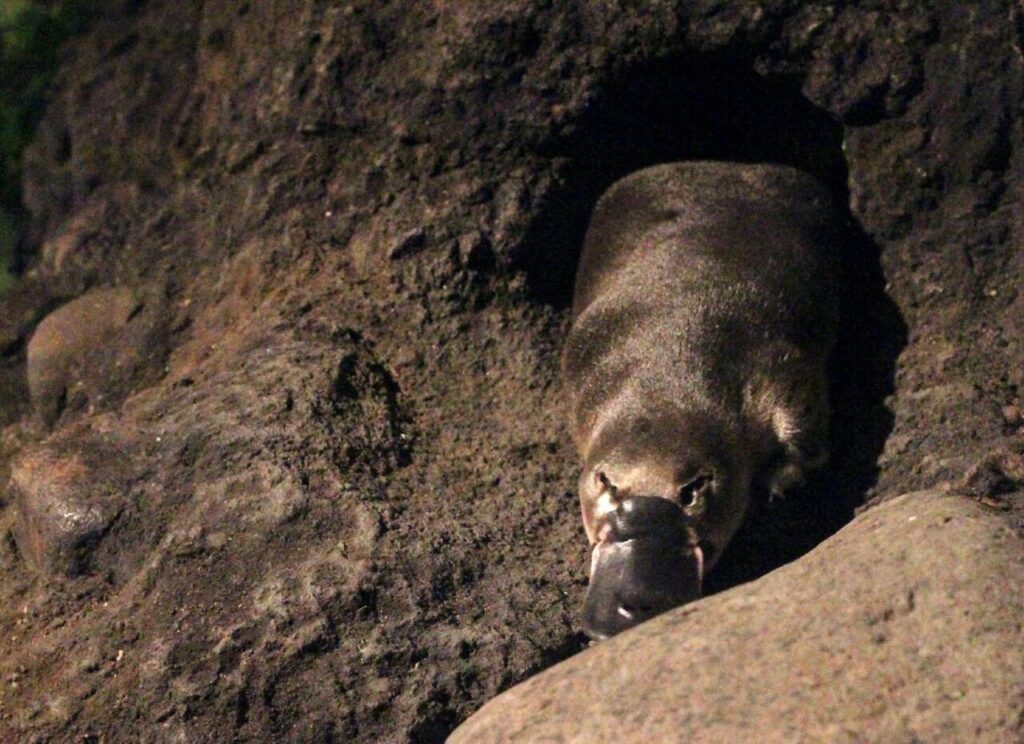
When it comes to nursing, the platypus opts for a unique approach—producing milk without any visible nipples. Instead, the female secretes milk through mammary gland ducts that orifice into the skin, where the milk pools. The young lap it up directly from the mother’s skin, ensuring they get all the nutrients they need to thrive. This ingenious system reflects the platypus’s ancient lineage and adaptation to its environment, showcasing how evolution often paints outside the lines of traditional mammalian playbooks.
8. Curious Double Uterus
The reproductive system of female platypuses is a head-scratcher, even for seasoned biologists. Unlike most mammals, they sport a double uterus, each functioning independently. This curious setup is a nod to their early evolutionary roots, providing a glimpse into how divergent reproductive strategies can persist over eons. Such an arrangement allows them to lay eggs—yes, platypuses are egg-laying mammals! With a propensity for surprises, the platypus challenges our expectations, reminding us of nature’s endless variety.
9. Platypuses Glow Under UV Light
Who knew these shy, secretive creatures had a glowing secret? When exposed to ultraviolet light, platypuses radiate a vivid blue-green hue. This unexpected trait, discovered recently, adds to their already bizarre allure. Scientists are still studying why nature equipped them with this glow, which is rare among mammals. Some theories suggest it may play a role in their nocturnal lifestyle, possibly for communication or camouflage. Either way, this luminous feature cements the platypus as one of the oddest marvels in the animal kingdom.
10. A Collection of Oddities
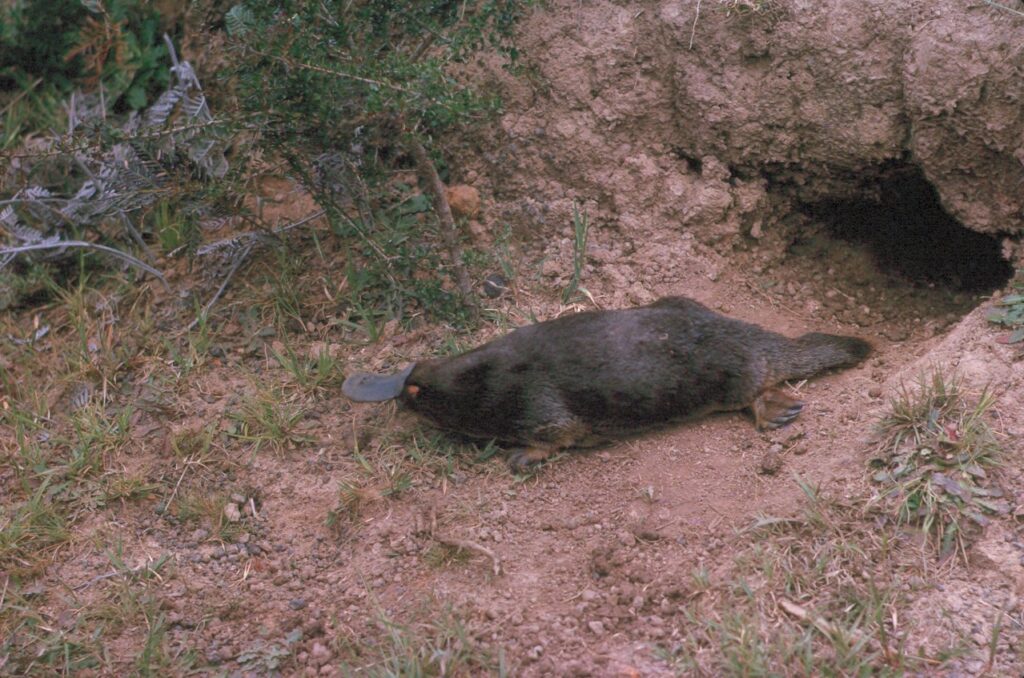
The platypus is often described as nature’s experiment gone wonderfully awry. With a duck-like bill, webbed feet, and otter-like body, it’s as if they were assembled from spare parts. These peculiarities don’t stop at appearances: male platypuses sport venomous spurs on their hind legs, a feature more akin to reptiles. Despite their quirky exterior, these creatures are skilled hunters, using electroreception to detect prey underwater. With traits that defy categorization, the platypus continually challenges our understanding of the natural world.
11. Hybrid Features That Baffle
Boasting a hodgepodge of features, the platypus is an enigma to taxonomists. It lays eggs like a reptile yet nurses its young with milk, blurring the lines between classifications. Its leathery bill houses sensitive receptors capable of detecting electric fields from prey—more typical of sharks. Upon discovery, early European scientists deemed it a hoax, convinced someone had stitched together parts of other animals. Over time, this “living fossil” has offered invaluable insights into evolutionary biology, representing a bridge between reptiles, birds, and mammals.
12. Ancient Relatives
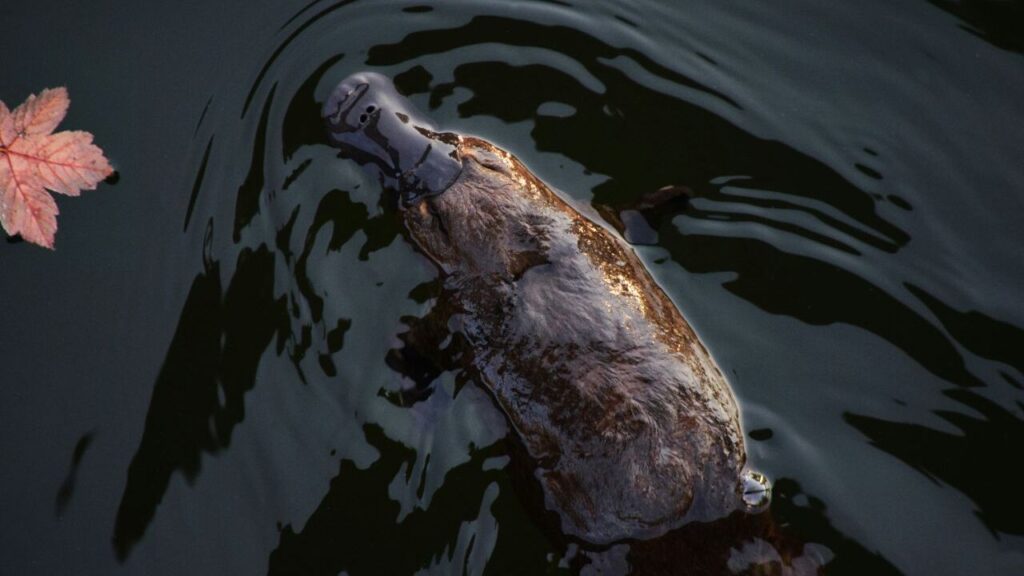
While modern platypuses seem anomalous, they have ancient roots reaching back at least 110 million years. Fossil evidence reveals relatives with even more unusual features like teeth, which today’s adults lack. These ancient ancestors roamed prehistoric waterways alongside dinosaurs, showcasing evolutionary adaptations over millennia. Contemporary platypuses have honed their unique skills, yet exploring their historical lineage offers glimpses into Earth’s evolutionary tapestry. Every find enriches our understanding of how these quirky marvels have thrived across epochs.