
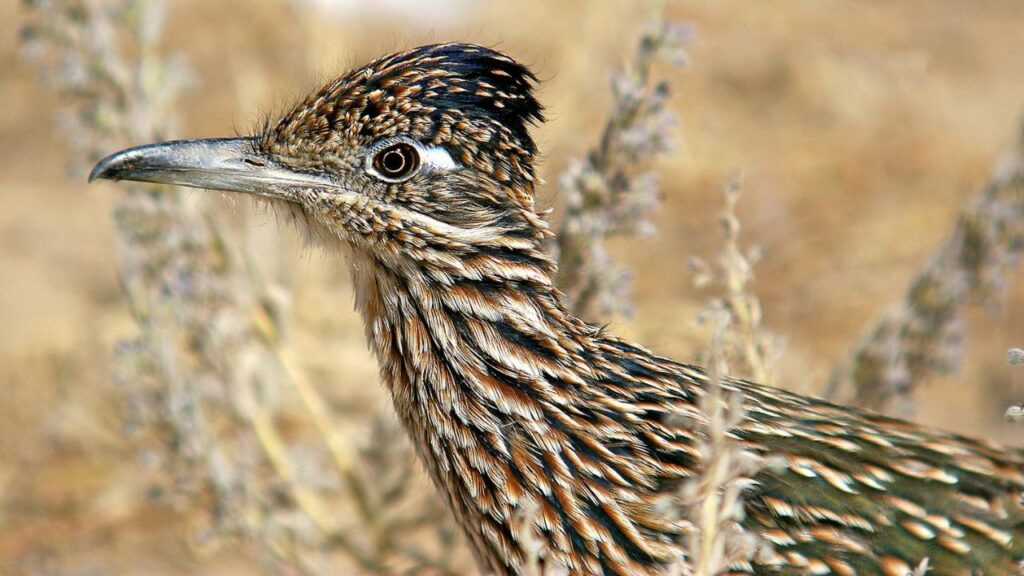
The American Southwest is a land of vibrant deserts and rugged landscapes, a place where the allure of the wild can be felt in the whispers of the wind. It’s home to an incredible array of animals, each perfectly adapted to survive in this stunning yet harsh environment. From nimble birds to resilient mammals, let’s delve into some iconic creatures that call this region home. Ready to unearth the secrets of the Southwest? Let’s dive right in.
1. Roadrunner
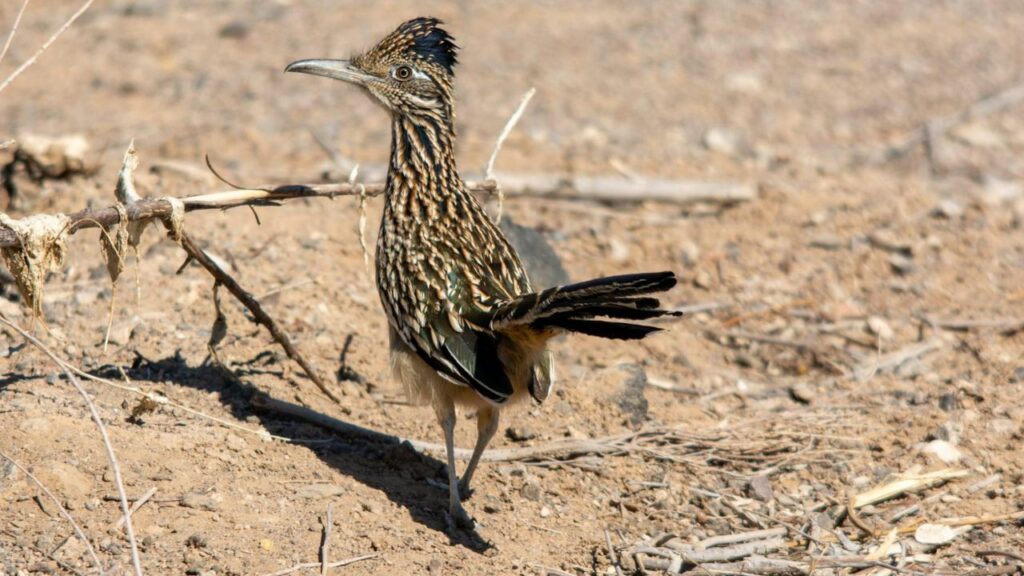
Famed for its lightning speed, the roadrunner zips across the arid lands of the Southwest, embodying the spirit of adventure. This ground-dwelling bird, immortalized in cartoons, is more than just a fast runner. Catching lizards and snakes with swift precision, its diet is as diverse as its habitat. The roadrunner’s ability to thrive under the scorching sun highlights its adaptability. With crested head and energetic stride, it’s a vibrant symbol of the desert’s wild beauty.
2. Coyote
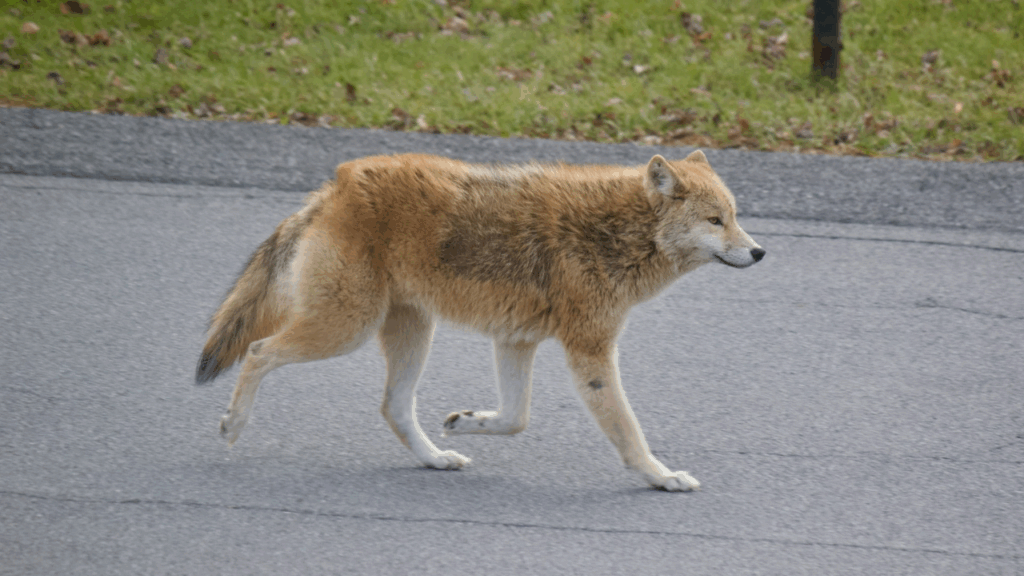
A true survivor, the coyote embodies cunning and adaptability. Roaming the Southwest, this clever canine has thrived against the odds, easily adapting to changes in environment. Known for its haunting calls that echo across the desert night, the coyote’s wily nature is both admired and respected. Often seen hunting solo or in packs, it’s a reminder of nature’s raw resilience. Truly iconic, the coyote’s presence is woven into the very fabric of Southwestern lore.
3. Desert Tortoise
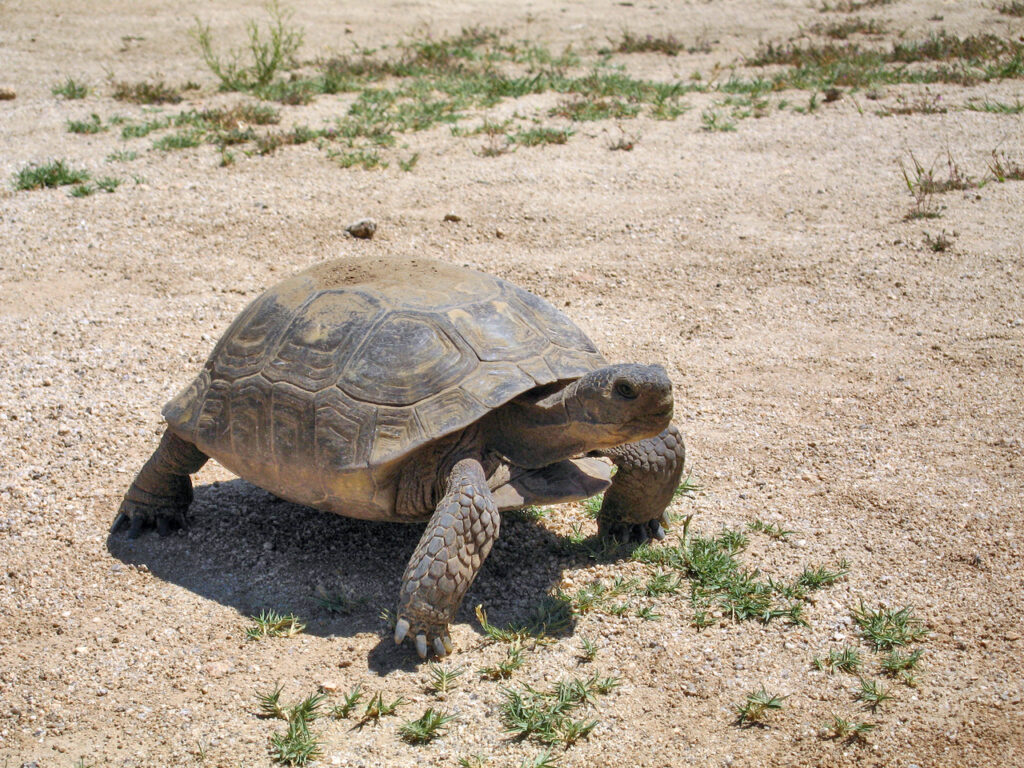
Remarkably resilient, the desert tortoise is a master of survival. Slowly traversing the gravelly paths of the Southwest, it withstands extreme temperatures with ease. Known for their burrowing habits, these tortoises create underground retreats that protect them from the blistering sun and potential predators. With a lifespan of up to 80 years, they’re a testament to patience and survival in severe conditions. Observing a desert tortoise in its natural habitat is like glimpsing a piece of ancient earth.
4. Javelina
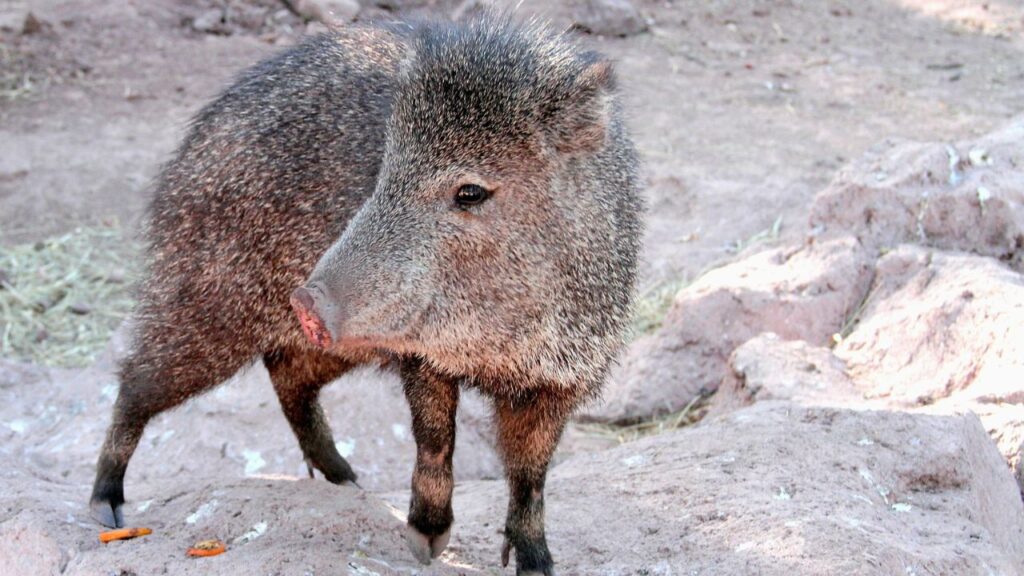
The javelina, often mistaken for a wild boar, is actually a native peccary and a social creature of the Southwest. These robust animals travel in herds, scavenging for food like cacti and fruit. With strong, pig-like snouts and tough hair, they adapt well to the hot, arid climate. Their presence is often noted by the musky smell they emit—an unseen signature of the desert. With a determined demeanor, javelinas play a crucial role in the Southwestern ecosystem, embodying the raw, untamed energy of the desert.
5. Gila Monster
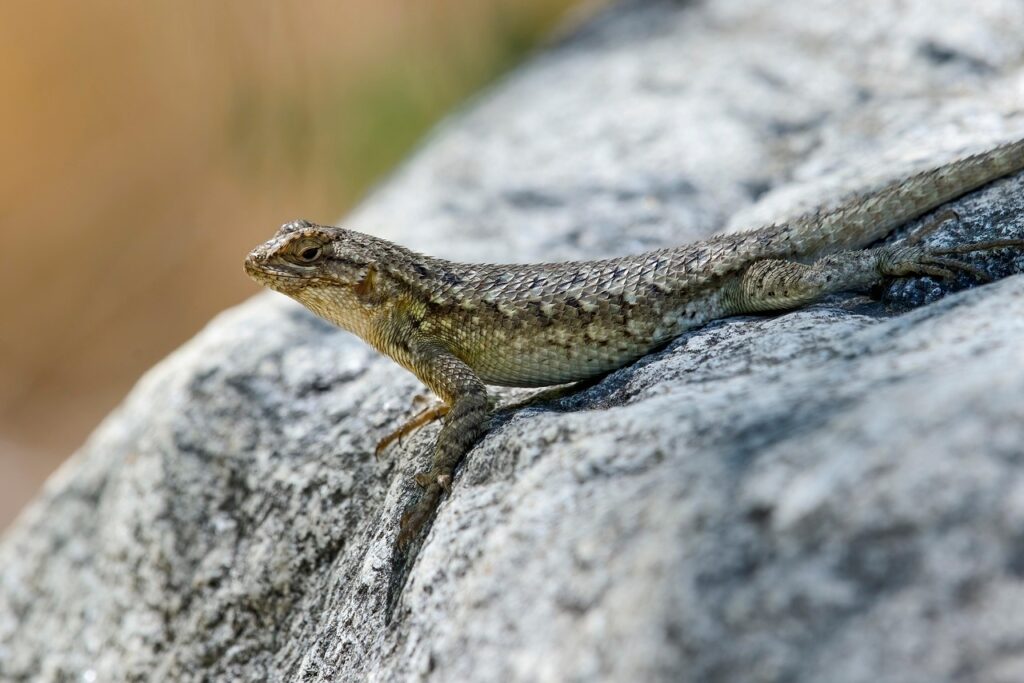
Beneath the searing sun of the American Southwest, the Gila monster slithers with a vibrant pattern of orange and black, hypnotizing those fortunate enough to spot it. Despite its name evoking danger, this lizard is surprisingly shy and prefers to dwell in secluded desert burrows. With venom akin to rattlesnakes, it delivers a powerful punch, yet rarely poses a threat to humans. Its diet is a buffet of bird eggs and small mammals, highlighting its role as a desert scavenger. Though elusive, it’s a remarkable sight for those venturing into its arid realm.
6. Scorpion
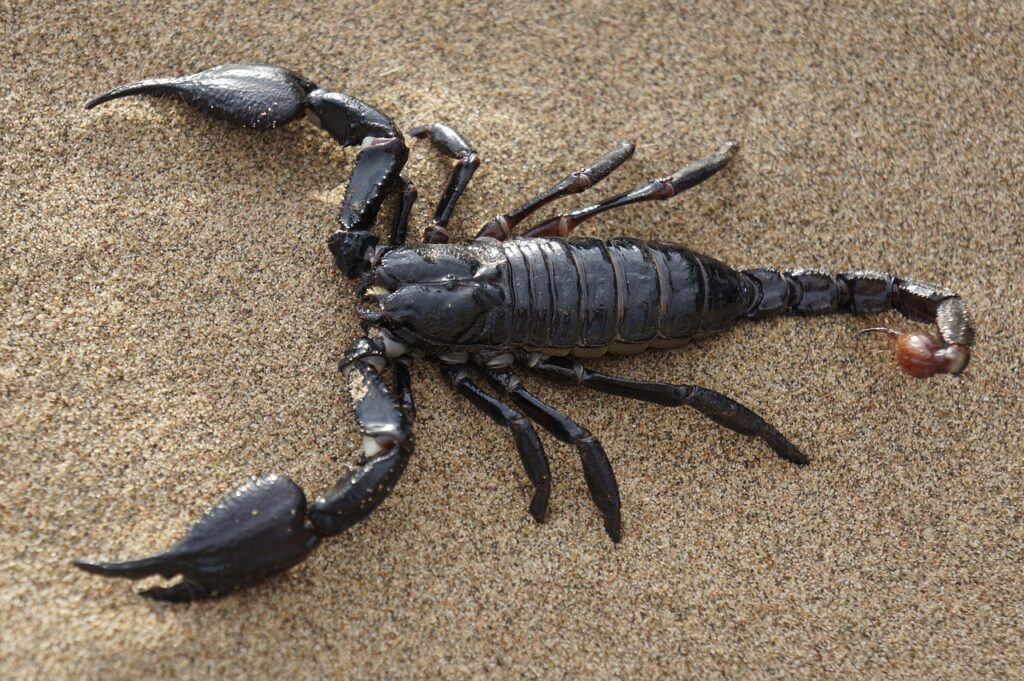
A master of survival, the scorpion prowls the moonlit landscapes of the Southwest, blending into the rocky terrain with expert stealth. These arachnids wield pincers and a venomous tail, making them both feared and fascinating. By day, they seek refuge under rocks or in crevices, emerging at night to hunt insects with efficient precision. Contrary to their fierce reputation, scorpions contribute to the balance of their ecosystem by controlling pest populations. For desert wanderers, spotting their glow under ultraviolet light adds a dash of adventure to nighttime explorations.
7. Harris’s Hawk
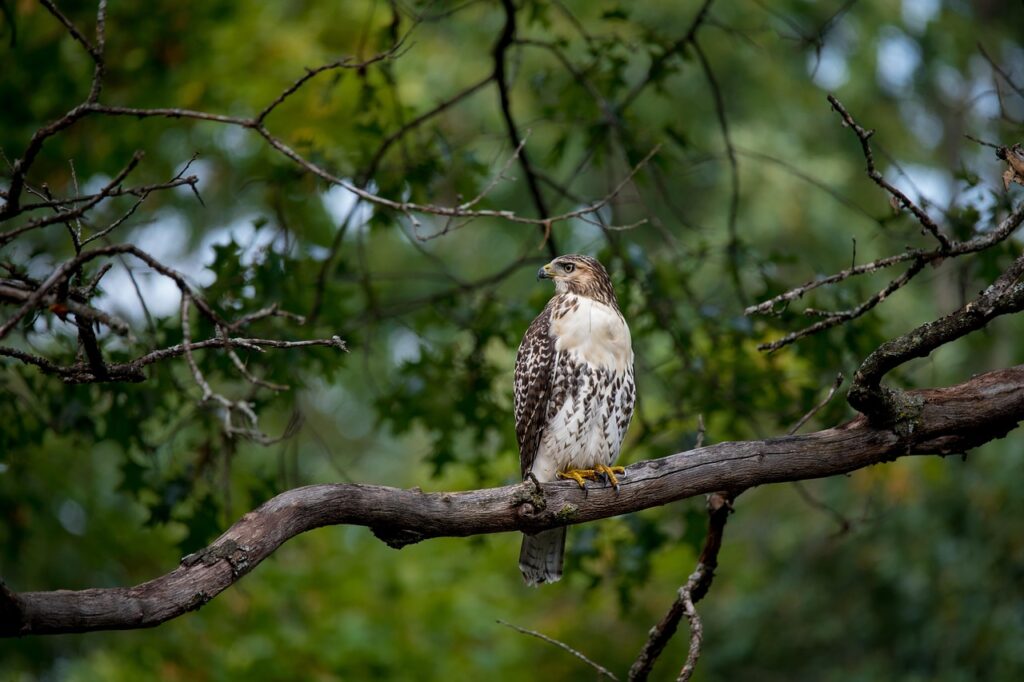
In the wide skies of the Southwest, the Harris’s hawk combines beauty and teamwork in a flight display filled with grace and strategy. Known for their intelligent hunting packs, these raptors often perch in family groups atop desert scrub, planning their next pursuit. Their coordinated efforts—unique among birds of prey—allow them to tackle larger animals, such as rabbits and quails, showcasing their prowess. With rich brown feathers and striking yellow talons, they dominate the skies and offer a thrilling spectacle for bird watchers.
8. Jackrabbit
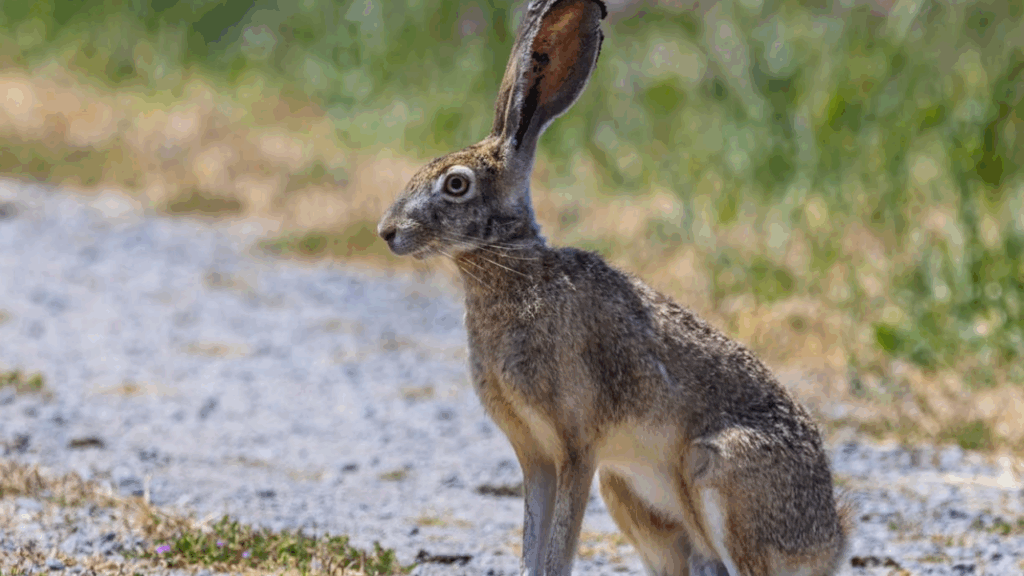
Dashing across the desert landscape with speed and agility, the jackrabbit is a marvel of adaptation. Its elongated ears serve as natural heat dissipators, crucial for surviving the Southwest’s intense temperatures. With powerful hind legs, jackrabbits effortlessly leap through cacti and over scrub, evading predators with nimble grace. Their diet of grasses and shrubs helps maintain the delicate balance of the ecosystem. Observers delight in their bounding energy at dawn or dusk, when these creatures are most active, weaving tales of survival in the wide open spaces.
9. Pronghorn Antelope
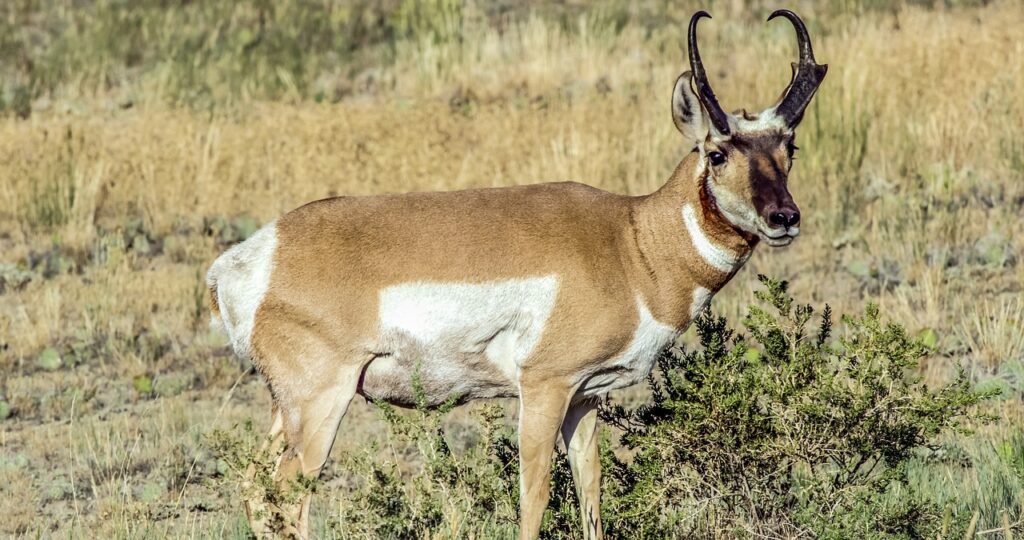
Galloping across the vast plains of the American Southwest, the pronghorn antelope is a testament to speed and endurance. Often mistaken for deer, these graceful creatures are the fastest land mammals in North America, capable of reaching speeds up to 60 miles per hour. Pronghorns have extraordinary vision, allowing them to detect predators from miles away. Their unique adaptations make them perfectly suited for the open landscapes they call home, offering an awe-inspiring sight to nature enthusiasts lucky enough to catch a glimpse.
10. Elf Owl
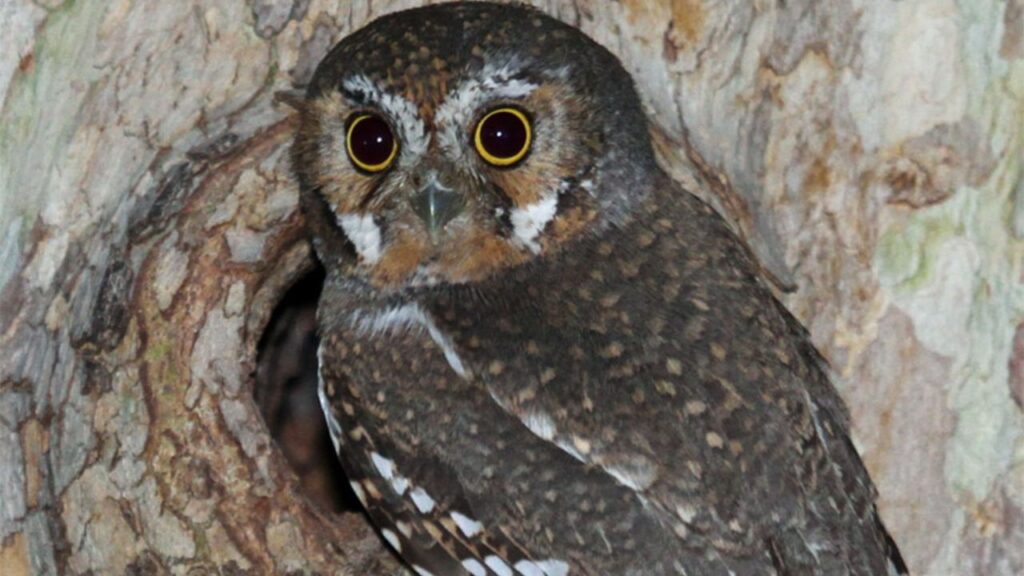
Standing at just six inches tall, the elf owl is the world’s smallest owl species. Nesting within the cavities of saguaro cacti, these tiny hunters come alive at dusk in the desert skies. Despite their size, elf owls possess a surprisingly loud call, piercing the quiet twilight. Their diet consists mostly of insects, which they catch with uncanny precision. Observing an elf owl’s nocturnal activities is like witnessing a secret dance of the desert; their small stature and silent wings create a mystical allure.
11. Western Diamondback Rattlesnake
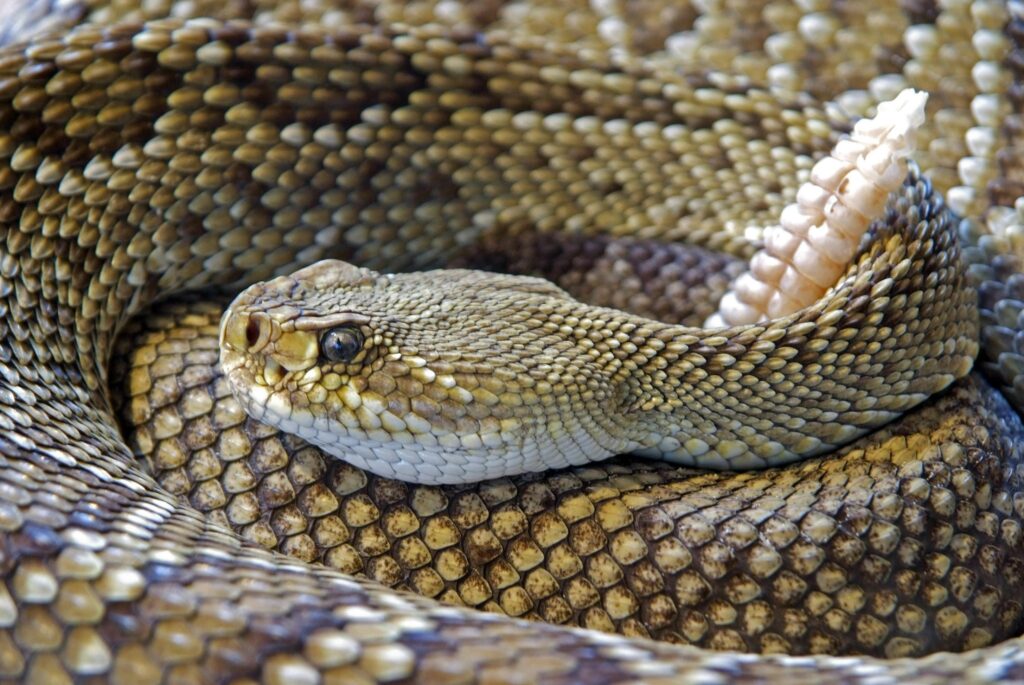
The western diamondback rattlesnake is a formidable resident of the American Southwest, often evoking both fear and fascination. Known for its distinctive rattle warning, this snake demands respect as it navigates its arid domain. The diamondback’s intricate patterning provides camouflage against the rocky terrain, making it a master of stealth. While encounters can be unsettling, these snakes play a crucial role in controlling rodent populations. Observing a rattlesnake from a safe distance allows one to appreciate its role as an apex predator.
12. Bighorn Sheep
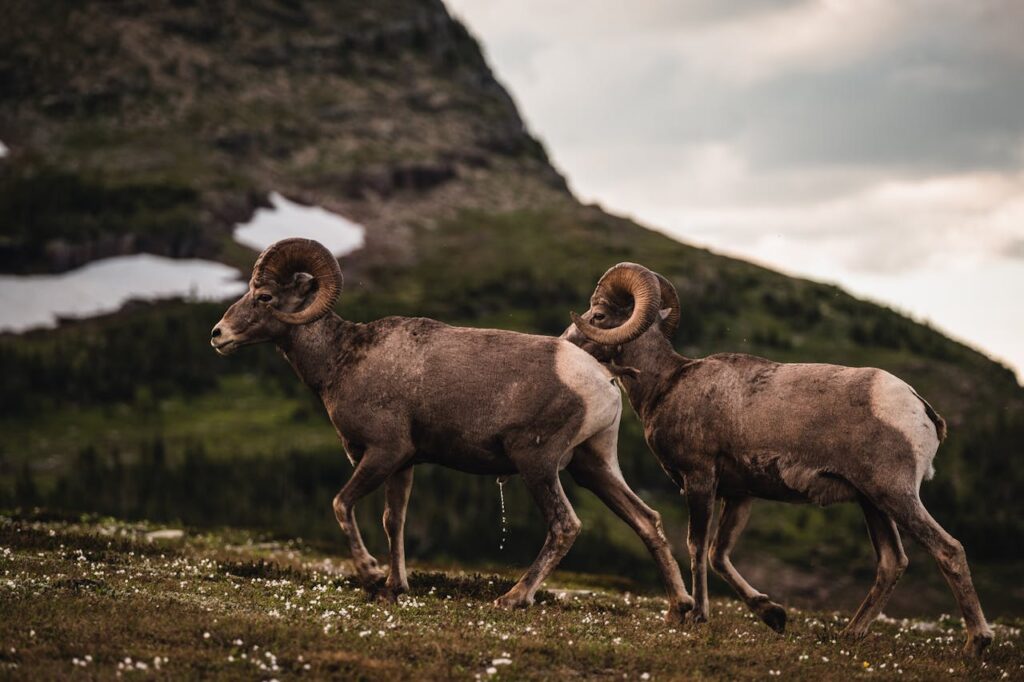
Bighorn sheep are the rock stars of the Southwest, literally scaling cliff faces with ease. Their impressive climbing skills are thanks to specialized hooves that provide traction on the rugged terrain. Males, known as rams, are famous for their dramatic headbutting clashes during mating season, which can be heard echoing through the canyons. These majestic creatures symbolize resilience and survival in harsh environments. Spotting a herd of bighorn sheep in the wild is a powerful reminder of nature’s raw beauty and the tenacity of life in the desert.