
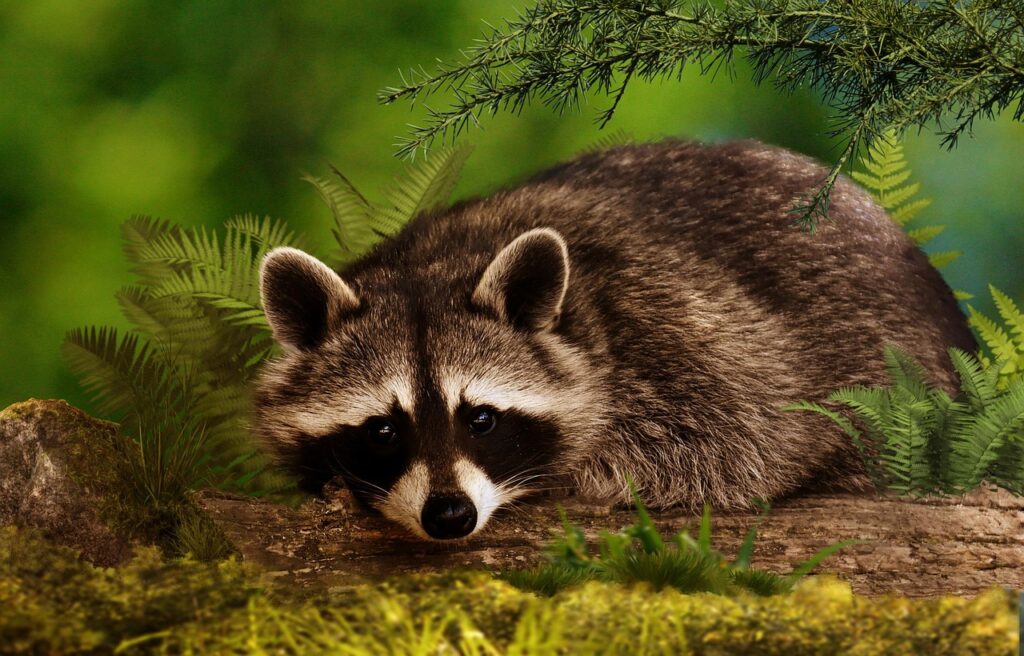
Raccoons are undeniably charming with their masked faces, ringed tails, and clever paws, making them seem like the perfect quirky pet. But beneath their cute appearance lies a wild spirit that’s impossible to tame. While their intelligence and curiosity make them fascinating, their natural instincts, mischievous behavior, and unique needs are better suited to the wild. Before considering one as a pet, it’s essential to understand why these captivating creatures belong outdoors, not in your home.
1. Dexterous Front Paws
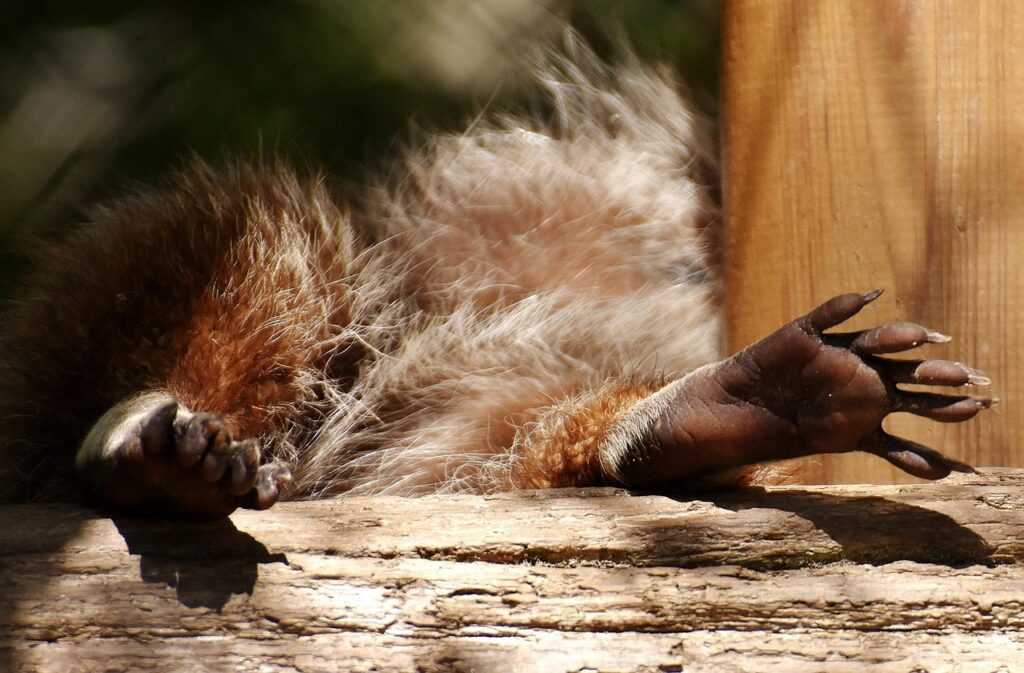
Raccoons are notorious for their nimble front paws, which are almost as skilled as human hands. While this might seem fascinating, it becomes a major drawback when they’re kept as pets. These paws allow raccoons to open drawers, doors, containers, and even unlock cages. No lock is truly safe from their curious nature. This means they can wreak havoc in your home, pulling out valuables, rummaging through trash, or getting into areas that could pose safety risks for them. Their dexterity, paired with their natural curiosity, makes it nearly impossible to maintain control in a domestic setting.
2. Omnivorous Diet

Raccoons eat everything, and while this adaptability serves them well in the wild, it’s a nightmare for pet owners. From raiding your pantry to destroying your garden, a raccoon’s hunger knows no bounds. They’re opportunistic feeders, so if food is left out—even if it’s not meant for them—they’ll find a way to get it. This dietary unpredictability leads to messes, wasted food, and even potential health problems since it’s difficult to replicate their natural diet in captivity. Feeding a raccoon properly requires not only effort but vigilance, as they’ll happily eat things that are toxic to them.
3. Nocturnal Behavior
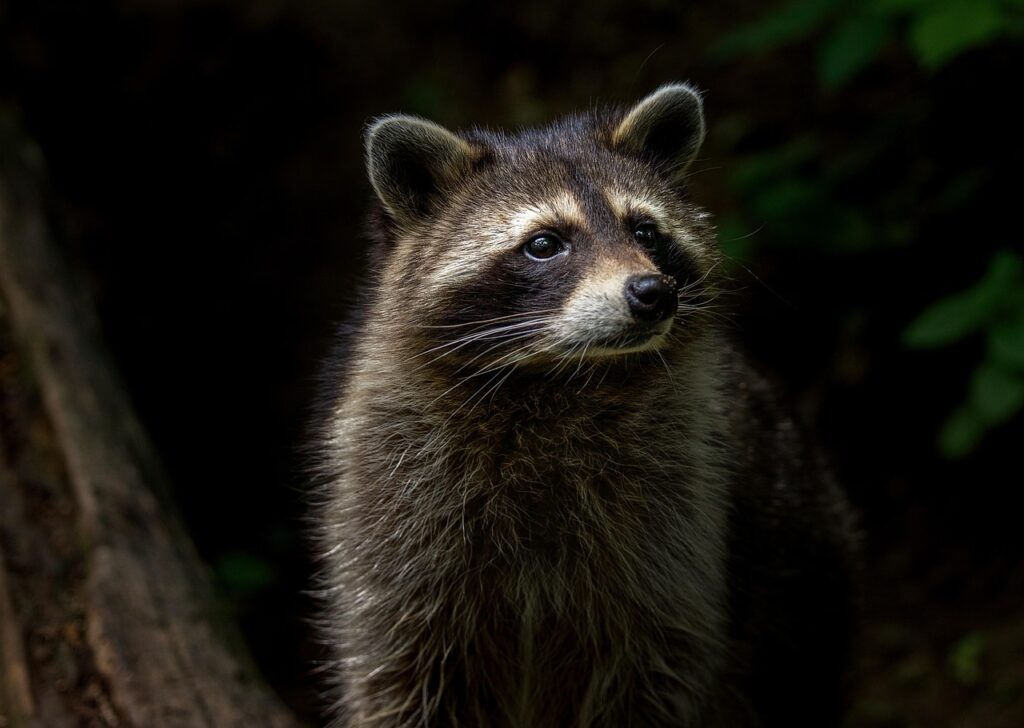
Raccoons are primarily nocturnal, meaning they are most active during the night while you’re trying to sleep. This can lead to constant disturbances, from the sound of them running around to the chaos they create in their nighttime adventures. Their natural instincts don’t change just because they’re kept as pets, so you’ll find yourself dealing with a hyperactive, mischievous companion when you least want to. Adjusting your schedule to their nocturnal habits is not practical, leaving you with a pet that thrives when you’re unavailable to supervise.
4. Adaptability
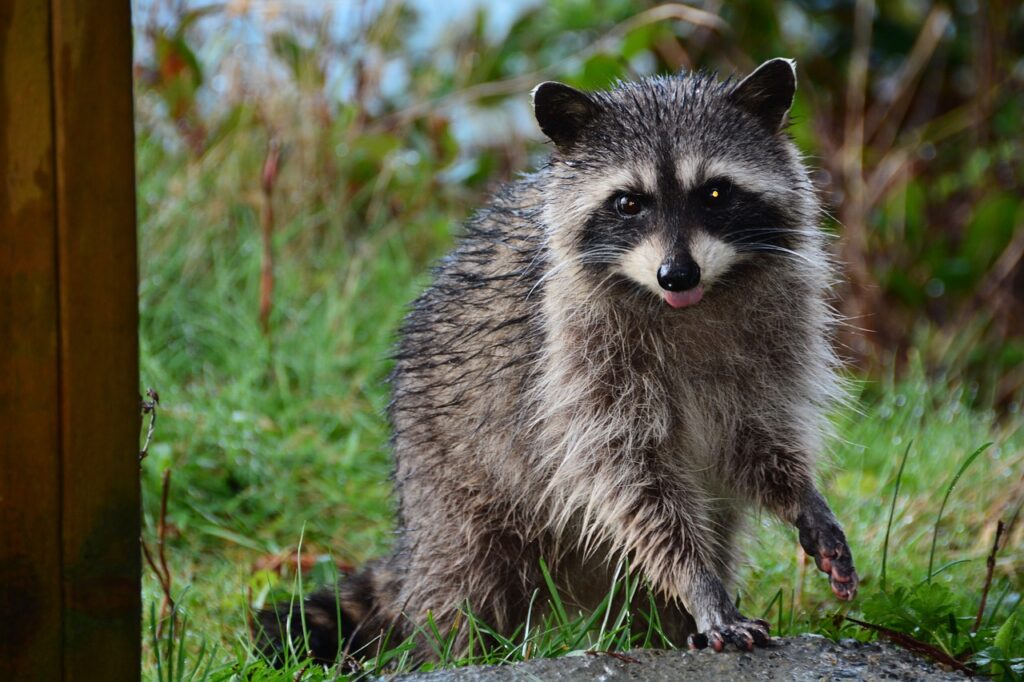
While raccoons are incredibly adaptable in the wild, this trait turns into a liability in a home environment. They can find ways to survive and thrive in situations that most pets cannot, but this often comes at the expense of your household. Raccoons are known to destroy furniture, tear up carpets, and even chew through walls if they’re bored or anxious. Their adaptability means they don’t conform to the restrictions of a domestic environment. Instead, they adapt it to their liking—often turning your home into a raccoon playground.
5. Facial Mask
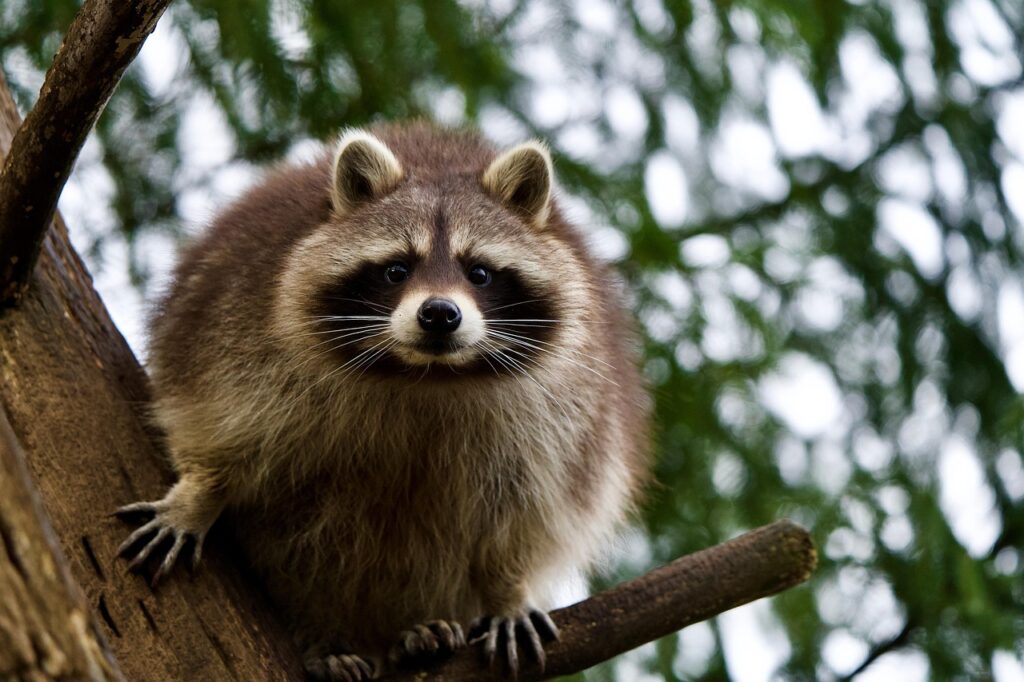
The raccoon’s iconic black facial mask might make them look adorable, but it’s also a symbol of their clever and sneaky nature. This “bandit mask” isn’t just for show—it represents their ability to outsmart humans in their quest for food and entertainment. While this cleverness is impressive in the wild, it makes them incredibly challenging as pets. They can outwit most safety measures you put in place, leading to constant frustration. Their mischievous tendencies, combined with their natural intelligence, mean that even the cutest raccoon is a handful.
6. Ringed Tail
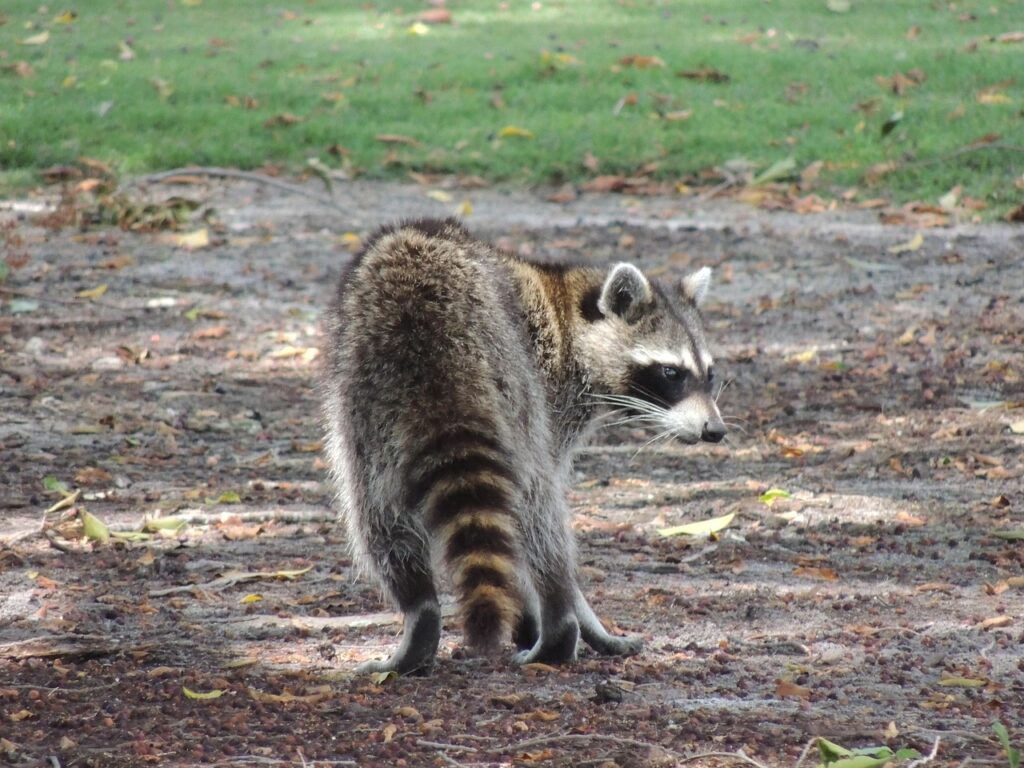
The bushy, ringed tail of a raccoon is undeniably cute, but don’t let it fool you into thinking they’re harmless. This distinctive feature is often wagging in excitement as they embark on their next chaotic adventure. Whether they’re climbing up your curtains, knocking over decorations, or darting through your yard in search of something to steal, their energy and agility are boundless. The tail might look adorable, but it often serves as a warning sign for the chaos they’re about to unleash in your home.
7. Intelligence
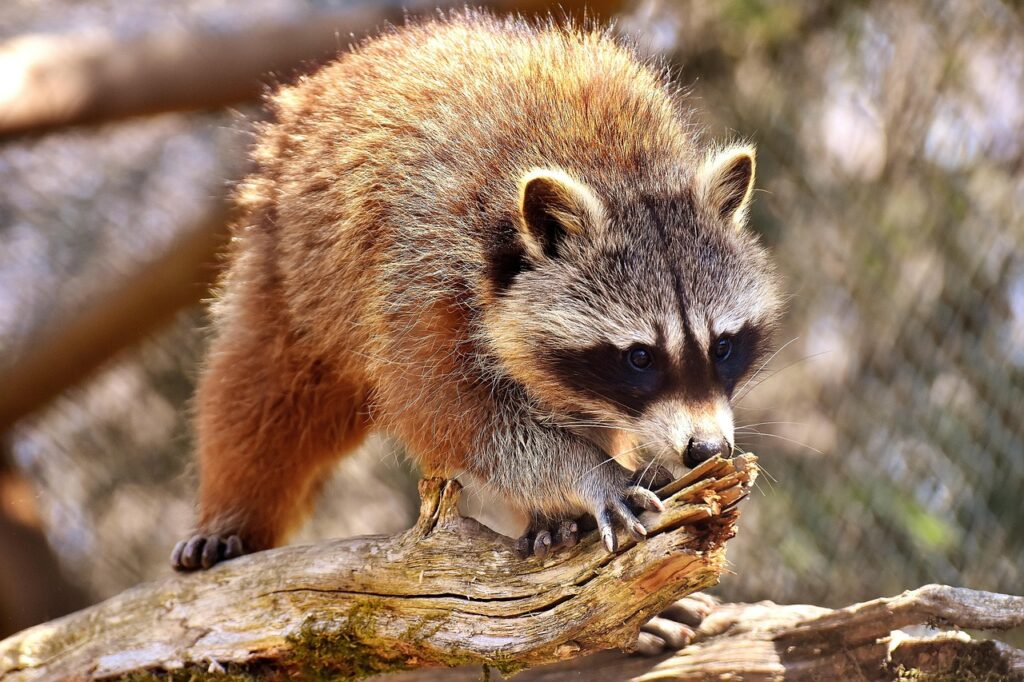
Raccoons are incredibly intelligent, which is both a blessing and a curse. Studies have shown they can solve complex puzzles and remember solutions for years. While this intelligence is fascinating to observe, it becomes a nightmare when they use it to dismantle your home. From figuring out how to escape their enclosure to bypassing locks on cabinets, raccoons are always one step ahead. Their intelligence requires constant mental stimulation, and if they get bored, they’re likely to take out their frustrations on your belongings.
8. Swimming Ability
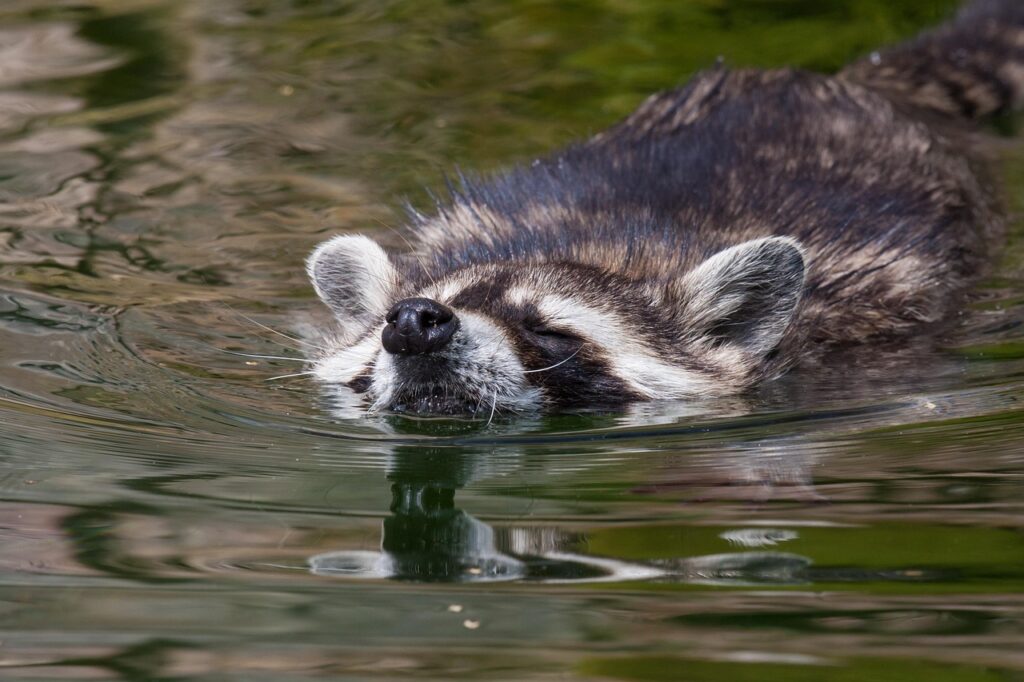
Raccoons are natural swimmers, which is helpful in the wild but unnecessary and potentially problematic in a domestic setting. They’ll be drawn to water sources like sinks, toilets, or pools, and their antics can result in flooding or water damage. Their love for water also means they’ll happily overturn water bowls or splash around in any available puddle, leaving behind a mess. Keeping them away from water-related hazards is an ongoing challenge, and their aquatic instincts don’t mesh well with the typical household environment.
9. Lifespan

In the wild, raccoons live only a few years due to predators and environmental challenges, but in captivity, they can live up to 20 years. While this may sound like a good thing, it’s a long-term commitment that most people aren’t prepared for. Over time, raccoons can develop aggressive behaviors, especially during mating seasons, and their care requirements grow more complex. Their long lifespan means they’ll need consistent attention and care for decades, which is a far greater responsibility than most pet owners anticipate.
10. Winter Dormancy

Unlike true hibernators, raccoons enter a state of winter dormancy, becoming less active but still needing care. During this period, they can be irritable and unpredictable, as their instincts tell them to conserve energy while still foraging occasionally. This halfway state makes it difficult for owners to manage their behavior, as they’re not fully dormant but also not their usual active selves. This seasonal change creates an added layer of complexity for anyone trying to care for them as pets.
11. Social Structure

Raccoons are typically solitary, and this independence can lead to aggression in captivity, especially toward humans or other pets. Males can be particularly territorial, and even females may become irritable when their personal space is invaded. Unlike dogs or cats, raccoons don’t bond with humans in the same way, and their solitary nature makes them less affectionate and more prone to lashing out when they feel threatened or annoyed. This behavior makes them unsuitable for a domestic setting where interaction is a daily necessity.
12. Legal And Ethical Concerns

In many regions, keeping raccoons as pets is illegal, and for good reason. Beyond the legal hurdles, there are ethical concerns about removing a wild animal from its natural habitat and attempting to domesticate it. Raccoons have complex social and environmental needs that cannot be met in a home setting. Additionally, they pose health risks, as they can carry diseases like rabies or parasites harmful to humans and pets. The legal and ethical implications make keeping a raccoon as a pet not only impractical but also irresponsible.
Love Pets as Much as We Do?

Scroll up and click the ‘Follow’ button to stay updated with the latest heartwarming, hilarious, and helpful pet posts from Pawdown, delivered straight to your Microsoft Start feed and MSN homepage!