
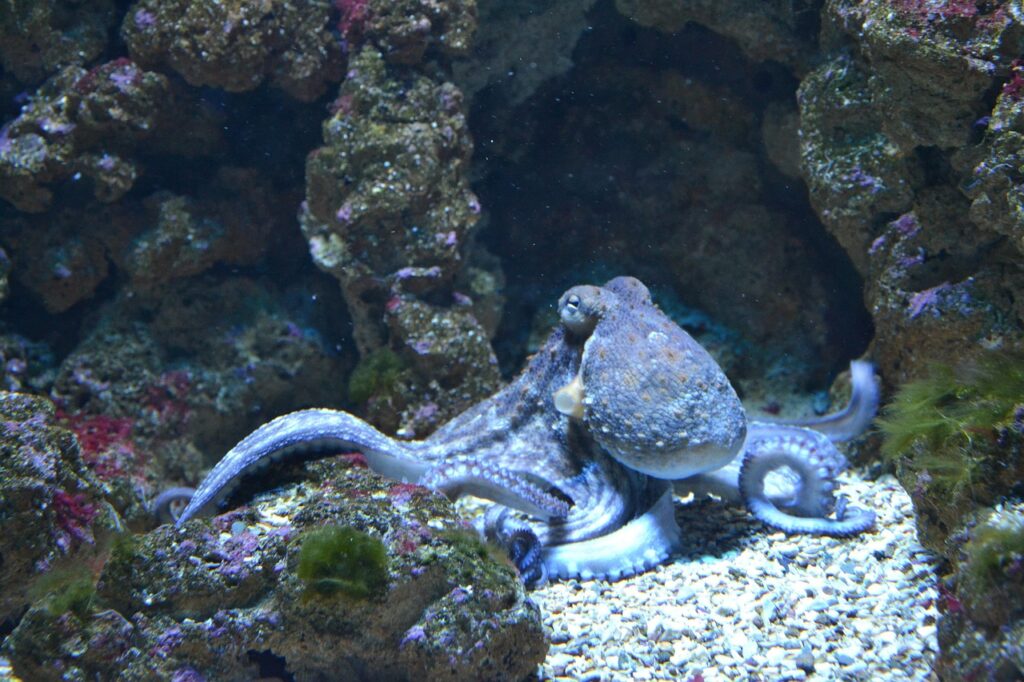
Prepare to be mesmerized by the marvels of the ocean’s most cunning invertebrate: the octopus. These eight-armed wonders possess a level of intelligence that often leaves scientists and divers alike in awe. From their chameleon-like ability to blend seamlessly into their surroundings to their intriguing problem-solving skills, octopuses continually reveal their intellectual prowess in mind-blowing ways. Whether it’s a story of escape artistry or their unexpected social behaviors, you’ll discover just how these remarkable creatures outsmart their ocean habitat with unparalleled creativity.
1. Camouflage Mastery
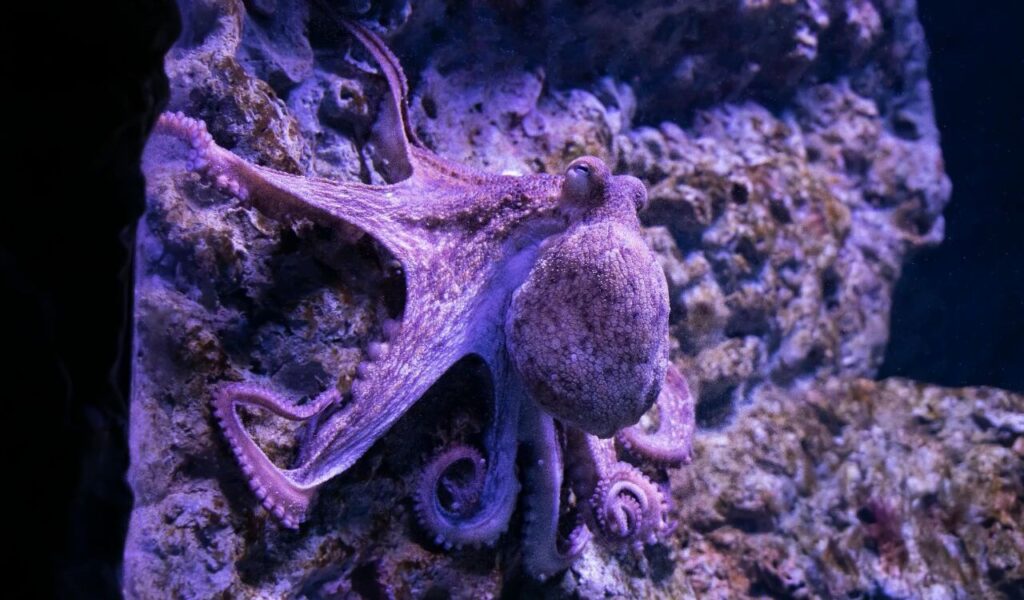
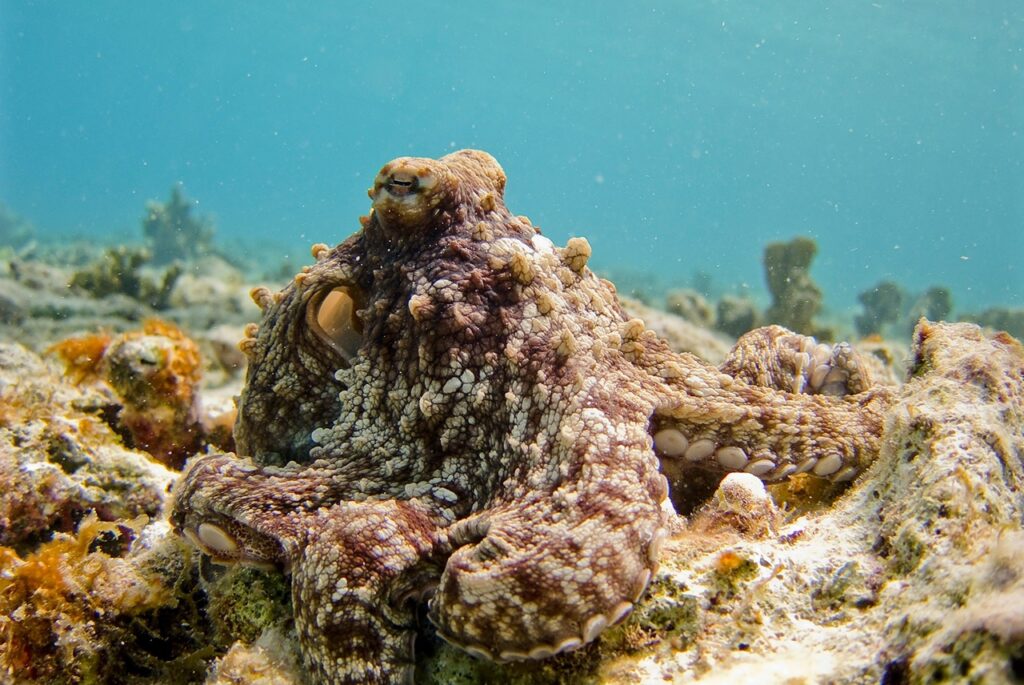
Octopuses are the ultimate masters of disguise. Equipped with specialized skin cells called chromatophores, they can instantly change color and texture to match their surroundings even on rocky sea beds or vibrant coral gardens. This breathtaking skill isn’t just for hiding; it’s a sophisticated way to communicate or even ward off predators. Imagine an octopus effortlessly blending into a patch of seaweed and then, in the blink of an eye, transforming its appearance to mimic the sandy ocean floor. Such visual trickery showcases not only their defensive brilliance but also their keen awareness of the environment.
2. Mimicry Skills
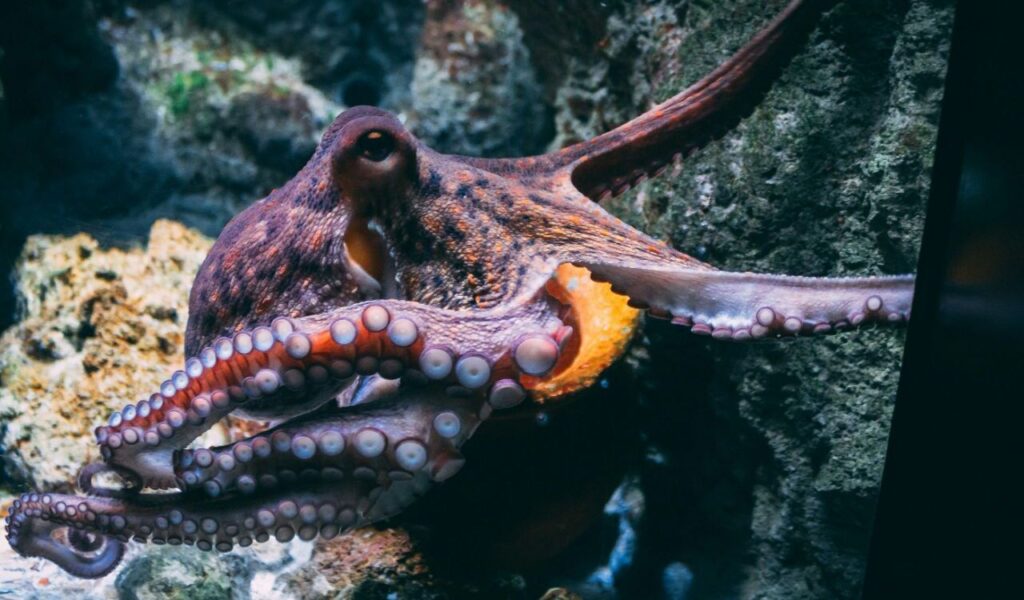
Some octopuses take camouflage to the next level with extraordinary mimicry. The mimic octopus, a standout example, can imitate the appearance and movements of other sea creatures like lionfish, flatfish, and even venomous sea snakes. This talent isn’t just theatrical; it’s a survival strategy harnessed to intimidate predators or sneak up on prey. By observing these masters of disguise, scientists gain insight into their perceptive understanding of neighboring species’ behaviors. Such mimicry displays the octopus’s incredible adaptability and highlights its ingenious approach to avoiding danger.
3. Problem Solving
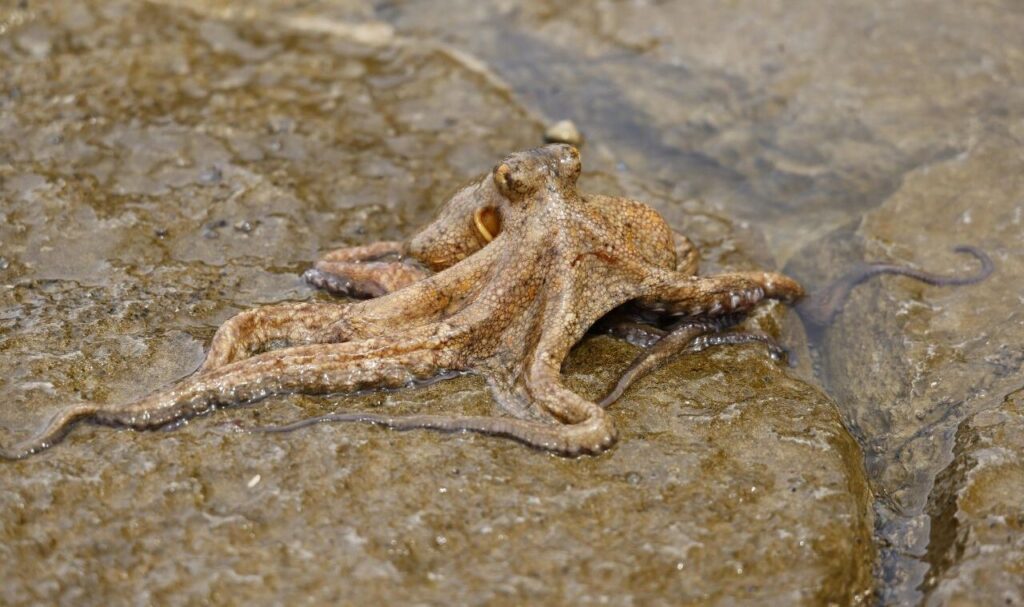
When it comes to problem-solving, octopuses demonstrate a level of intelligence that rivals some mammals. Known for their curiosity and exploration, these cephalopods can navigate complex mazes, open jars to access tasty treats, and even escape tanks with Houdini-like flair. They’ve been observed selecting the perfect-sized shell to squeeze through tight spots or manipulating objects in their environment to their advantage. This intellectual capability isn’t just about survival; it reveals a sophisticated ability to understand, learn, and adapt—a testament to their remarkable cognitive skills that continue to astound researchers and animal enthusiasts alike.
4. Tool Usage
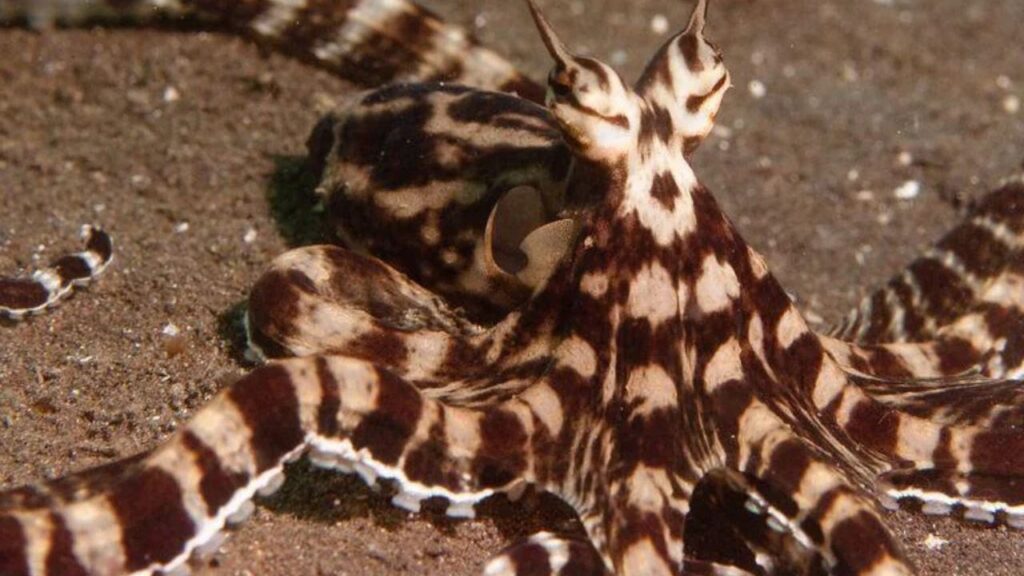
Incredibly, octopuses are one of the few non-human species that regularly use tools. The veined octopus, for instance, has been seen collecting coconut shells and using them as portable shelters—a remarkable feat of planning and forward-thinking. Gathering these materials from the ocean floor and assembling them into a protective hideout requires not only dexterity but also strategic foresight. This behavior underscores their resourcefulness and highlights a degree of intelligence otherwise rare in the animal kingdom. Witnessing such clever application of tools provides a glimpse into the complex minds of these cephalopods, emphasizing their capability to manipulate their environment in fascinating ways.
5. Escape Artists
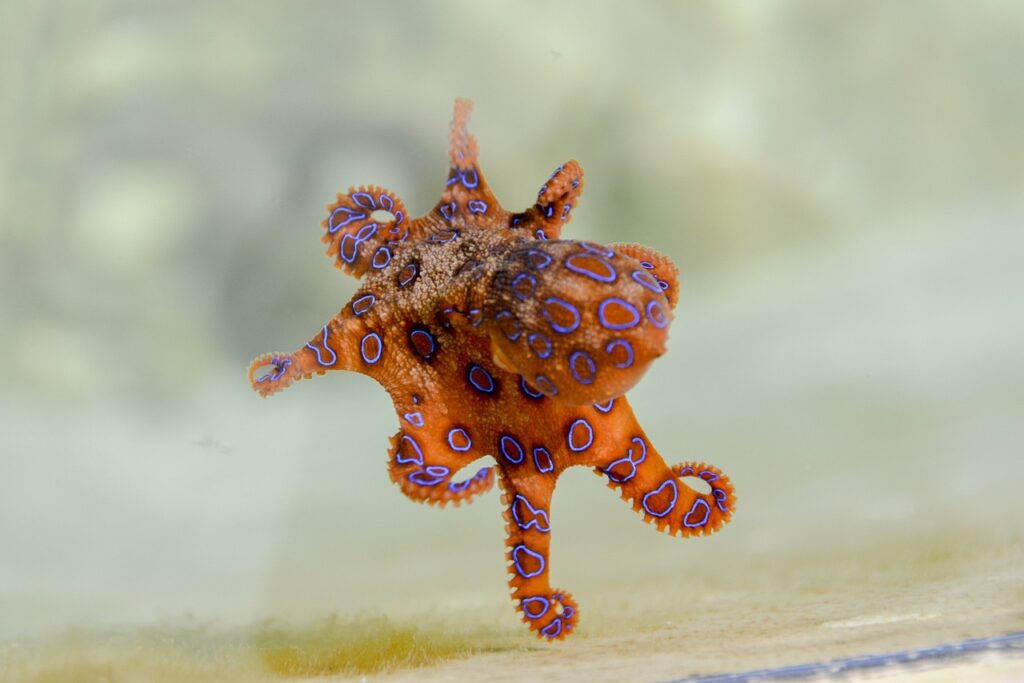
Octopuses have earned their title as master escape artists. With no rigid skeleton, their malleable bodies can squeeze through remarkably tiny openings. In aquariums, they’ve been known to outwit secure tanks, sending keepers on frantic searches. Their suckered arms aren’t just for movement; they explore and manipulate their surroundings with dexterity. This means even secured lids might be at risk! These cephalopods use problem-solving skills to slide, unscrew, or unlatch barriers, often evoking both frustration and admiration from those trying to contain them.
6. Memory Power
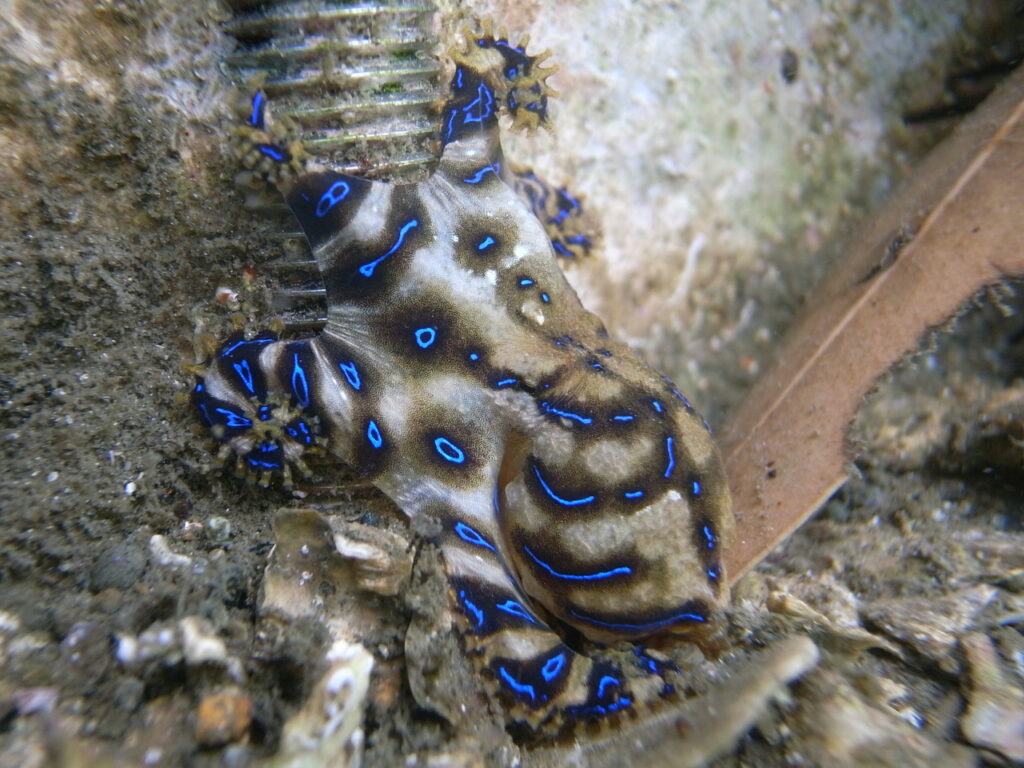
Unlike many marine animals, octopuses boast an impressive memory. They can learn through observation and remember solutions to puzzles weeks later, showcasing cognitive abilities akin to more traditionally “intelligent” animals. Studies reveal their long-term memory is used for navigating complex environments and recognizing human caregivers. This mental acuity enables them to avoid threats while exploring their habitat. Such memory prowess helps them adapt and thrive, using past experiences to inform their future actions in ways that fascinate researchers.
7. Hunting Techniques
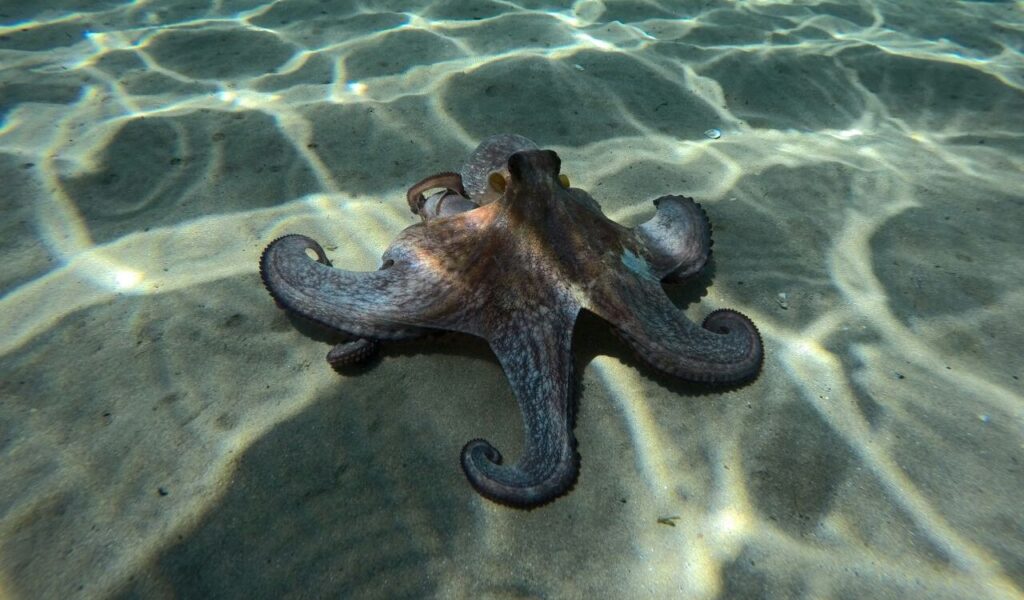
Octopuses employ ingenious hunting strategies that make them formidable predators. With exceptional camouflage skills, they silently stalk prey using color-changing skin to blend seamlessly with surroundings. Once in range, they rapidly envelop their target with tentacles, injecting paralyzing venom. Some species, like the notorious mimic octopus, deceive by imitating more dangerous creatures, startling prey into fleeing straight into their grasp. These calculated, adaptable tactics ensure octopuses maintain a dominant place in the underwater food chain.
8. Developing Relationships
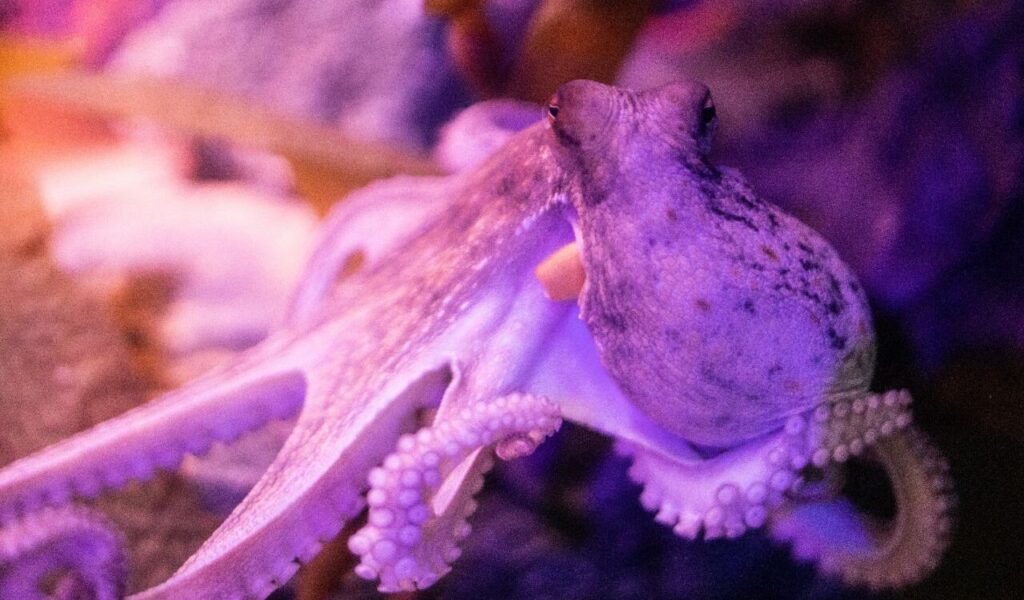
While often seen as solitary creatures, octopuses can form unique bonds, especially in captivity. Researchers have documented individual octopuses recognizing and exhibiting preferences towards specific humans, displaying varying levels of interaction. This relationship-building is not solely about survival; it showcases their social intelligence. In some studies, octopuses have engaged in seemingly playful activities, hinting at a depth of personality and emotional complexity that continues to intrigue scientists and underscore their unexpected social capabilities.
9. Adaptability in Captivity
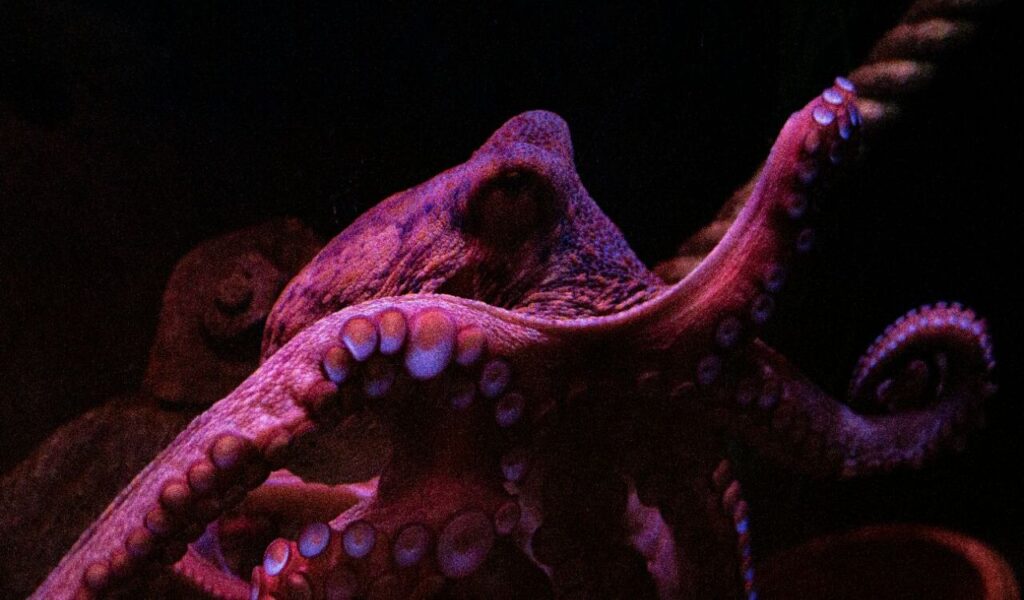
Living in captivity doesn’t stifle an octopus’s ability to adapt and thrive; instead, it often showcases their resourcefulness. They learn to interact with their environment in novel ways, solving puzzles or playing with toys designed to stimulate their intelligence. Octopuses have even been known to mimic behaviors observed in their caretakers. This adaptability reflects their resilient nature and ability to thrive in diverse conditions. Their uncanny ability to adjust to various captive habitats makes them one of the most intriguing marine animals to study.
10. Environmental Challenges
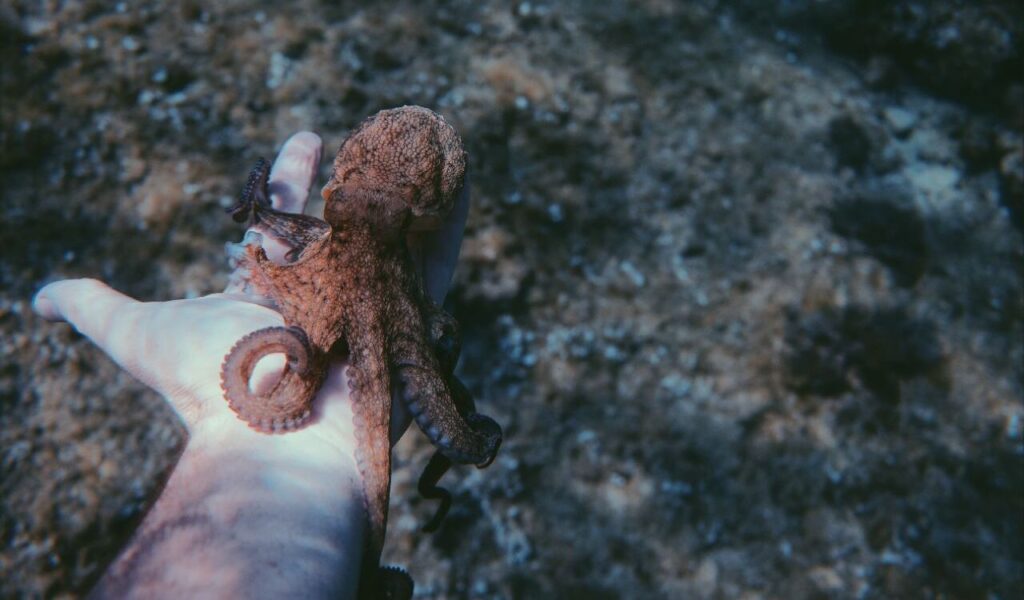
Octopuses inhabit some of the ocean’s most challenging environments, from the crushing depths of the abyss to the bustling coral reefs. These cephalopods face predators, fluctuating temperatures, and sparse food sources, yet they thrive in these conditions. Their soft bodies, flexible enough to squeeze through tiny crevices, help them navigate complex terrains. Compared to their armored cousins, this adaptability gives octopuses a distinct edge, making them masters of disguise and escape in ever-changing marine landscapes.
11. Survival Tactics
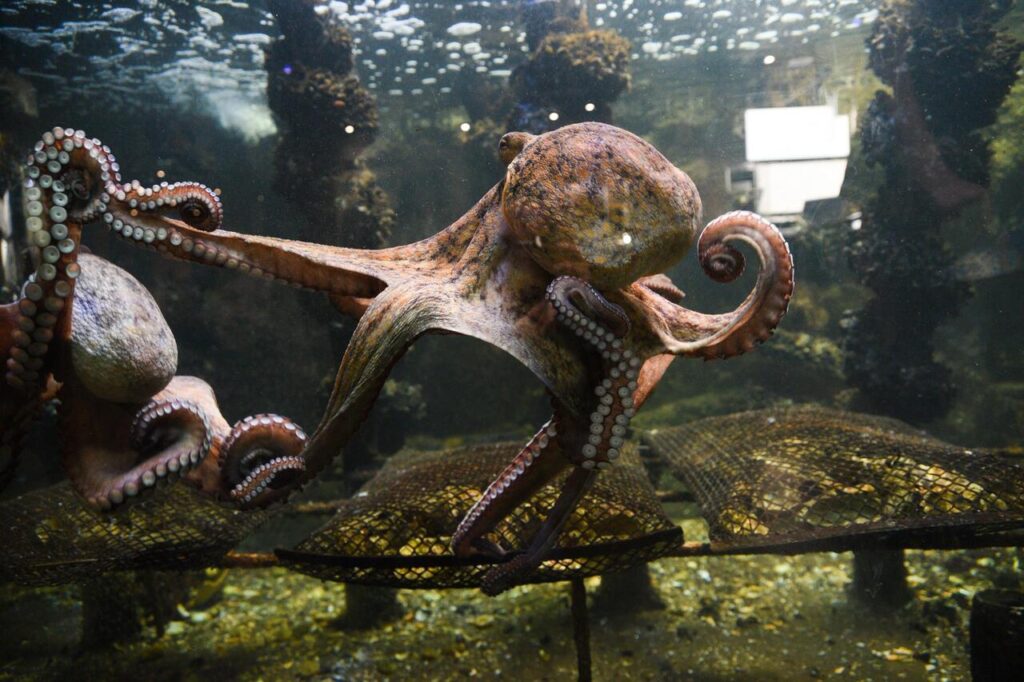
When it comes to survival, octopuses are the Houdinis of the sea. They employ a suite of remarkable tactics to elude predators, from ejecting ink clouds that disorient enemies to camouflaging their skin to match their surroundings flawlessly. Some species even mimic the appearance and behavior of more dangerous marine animals, deterring potential attackers. Their keen sense of awareness and ability to react swiftly to threats showcase nature’s ingenuity at its finest, proving that survival in the deep requires intelligence and cunning.
12. Learning and Innovation
Octopuses are renowned for their sheer brainpower and innovative problem-solving abilities. They demonstrate remarkable short- and long-term memory, essential for navigating their watery domains. Researchers have observed octopuses opening jars to access food, a testament to their ability to learn and adapt through experience. These intelligent creatures can modify their behavior based on prior interactions, showing a level of cognitive flexibility that rivals many land animals. With their complex nervous systems, octopuses continue to intrigue scientists exploring the mysteries of intelligence.