
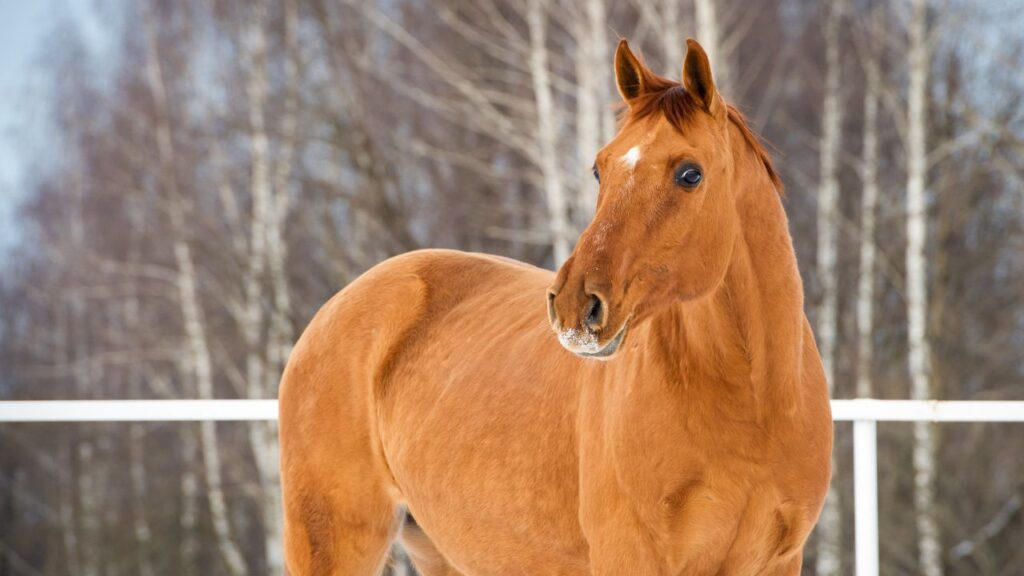
Owning a horse is a dream for many, but some breeds demand far more than just love and dedication. From specialized care to extensive training, high-maintenance horse breeds come with a hefty price tag for upkeep. Whether it’s due to their lineage, specialized diets, grooming needs, or health concerns, these breeds can be an ongoing financial commitment. If you’re considering adding one of these majestic creatures to your stable, be prepared for vet bills, premium feed, and training expenses that could rival the cost of a luxury car.
1. Thoroughbred

Originally bred for racing, the Thoroughbred is a high-energy horse requiring rigorous training, high-calorie diets, and regular vet visits. Their athletic build makes them prone to injuries like tendon issues and fractures. Intensive care and professional handling are crucial, as their spirited nature makes them challenging for inexperienced riders. Insurance, transportation, and stable fees add to the already high maintenance cost. With short racing careers, many need retraining for second careers. Whether used for racing, showjumping, or dressage, the Thoroughbred is an investment in time, money, and expertise.
2. Friesian

Friesians are undeniably breathtaking with their glossy black coats and flowing manes, but maintaining their appearance is no small feat. Their thick manes and tails require daily grooming to prevent tangling and breakage. This breed is also prone to genetic disorders such as dwarfism and hydrocephalus, leading to costly vet bills. Their heavy build requires specialized shoeing to avoid joint strain. Despite their calm demeanor, Friesians are high-energy horses that require consistent training and exercise, making them a breed that demands both financial and time investments.
3. Andalusian

The Andalusian is a Spanish breed known for its elegance and power, but that prestige comes at a price. Their luxurious, long mane and tail need constant brushing to avoid matting. Prone to metabolic disorders, they require a carefully monitored diet to prevent obesity and laminitis. These horses excel in dressage, requiring professional training that adds to the expense. Additionally, importing a purebred Andalusian from Spain can cost anywhere from $15,000 to $50,000, with ongoing costs for specialized care and handling.
4. Arabian

Famed for their endurance and beauty, Arabian horses have delicate bone structures that require extra care to prevent injuries. They are highly intelligent and sensitive, making professional training essential to manage their spirited nature. Their unique metabolism demands a well-balanced diet, requiring premium feed and supplements. Arabians are also prone to genetic disorders such as Severe Combined Immunodeficiency (SCID), which can result in high medical expenses. Their thin coats make them sensitive to extreme weather, requiring well-insulated stables in cold climates.
5. Oldenburg
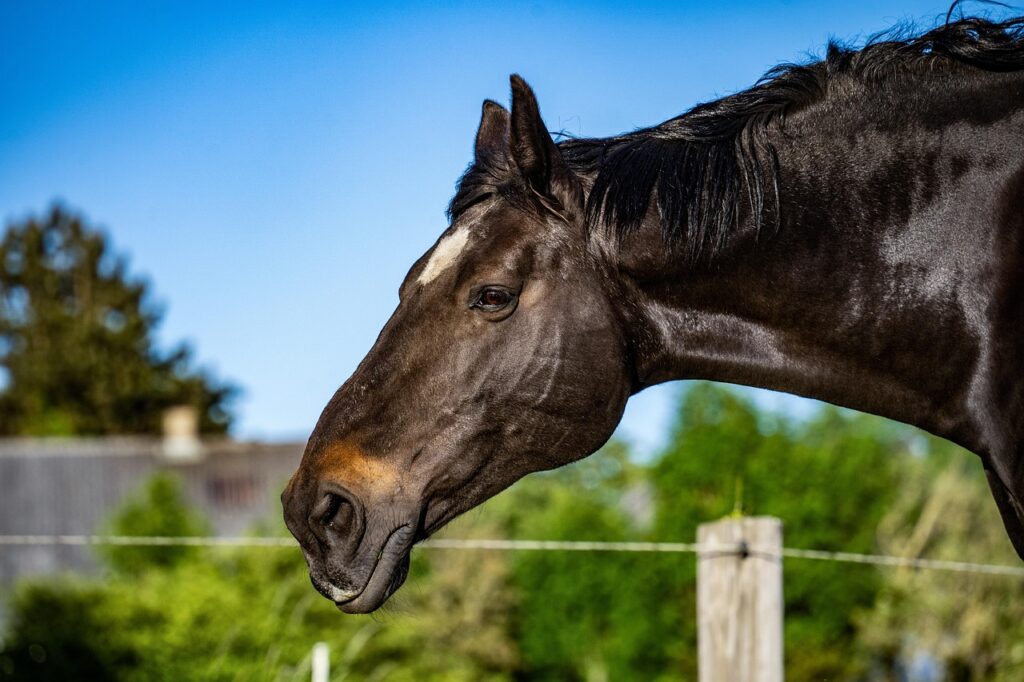
Originally bred for war, the Oldenburg is now a premier show-jumping and dressage horse. Their large size and athleticism demand extensive training, high-quality feed, and frequent farrier visits. Oldenburgs are prone to joint issues and require regular veterinary check-ups. Their powerful hindquarters make them excellent jumpers, but this also leads to a higher risk of injuries. With their elite bloodlines, purchasing a well-bred Oldenburg can cost upwards of $100,000, making ownership a long-term financial commitment.
6. Hanoverian

A favorite in competitive equestrian sports, Hanoverians are known for their grace and agility. However, their athleticism comes with a price—rigorous training, premium diets, and expert handling are necessary to keep them in peak condition. They are susceptible to joint issues like osteochondrosis, requiring medical attention. Their size demands custom tack and shoeing, adding to upkeep costs. If purchased for professional competition, the costs of training, transportation, and entry fees can quickly add up, making this breed an expensive investment.
7. Dutch Warmblood

Bred for excellence in dressage and show jumping, Dutch Warmbloods require consistent training and high-quality diets. They are prone to navicular disease and tendon injuries, which demand specialized veterinary care. With high-strung personalities, they require experienced handlers to reach their full potential. Their impressive competition records make them expensive to purchase and maintain. Many top-level Dutch Warmbloods are priced well into six figures, and ongoing training and event participation contribute to the breed’s high upkeep.
8. Akhal-Teke

Known as the “Golden Horse” due to their metallic sheen, the Akhal-Teke is one of the rarest breeds in the world. Their unique coat requires specific grooming techniques to maintain its luster. Prone to digestive issues, they need strict diet monitoring to prevent colic. Akhal-Tekes are incredibly sensitive and require patient, experienced riders. Due to their rarity, purchasing one often involves high importation costs. Their lean build makes them susceptible to temperature changes, necessitating climate-controlled stables for comfort.
9. Gypsy Vanner

With their feathered hooves and long flowing mane, Gypsy Vanners require extensive grooming. Their leg feathers are prone to skin infections if not properly maintained. This breed thrives on companionship and requires social interaction, meaning they don’t do well in isolation. Gypsy Vanners need a balanced diet to maintain their muscular build, adding to feeding expenses. Though gentle in temperament, their upkeep and training needs make them one of the most high-maintenance breeds.
10. Clydesdale

Famous for their size and power, Clydesdales are expensive to feed, requiring large amounts of high-quality hay and grain. Their heavy draft horse build puts strain on their joints, necessitating specialized shoeing and medical attention. Clydesdales also need reinforced stables to support their size. Grooming is another challenge, as their feathered legs require frequent cleaning to prevent infections like scratches. Their slow metabolism makes them prone to weight gain, requiring careful diet management.
11. Shire

Shires are among the largest horse breeds, and their upkeep reflects their size. Feeding costs are substantial, and their hooves require large, custom-made horseshoes. This breed is prone to chronic progressive lymphedema, an incurable condition that necessitates lifelong management. Their thick coat and feathers need daily care to prevent infections. Due to their massive size, Shires require reinforced trailers and specialized veterinary care, making ownership costly.
12. Lusitano

The Lusitano, a close relative of the Andalusian, is highly sought after in dressage. They require consistent training to maintain their agility and precision. Their unique muscular build requires specialized diets to keep them fit without becoming overweight. Lusitanos are prone to digestive issues, necessitating strict dietary supervision. Purchasing a well-bred Lusitano can be costly, and upkeep expenses for training and health care add to their financial demands.
Love Pets as Much as We Do?

Scroll up and click the ‘Follow’ button to stay updated with the latest heart-warming, hilarious, and helpful pet posts from Pawdown, delivered straight to your Microsoft Start feed and MSN homepage!