
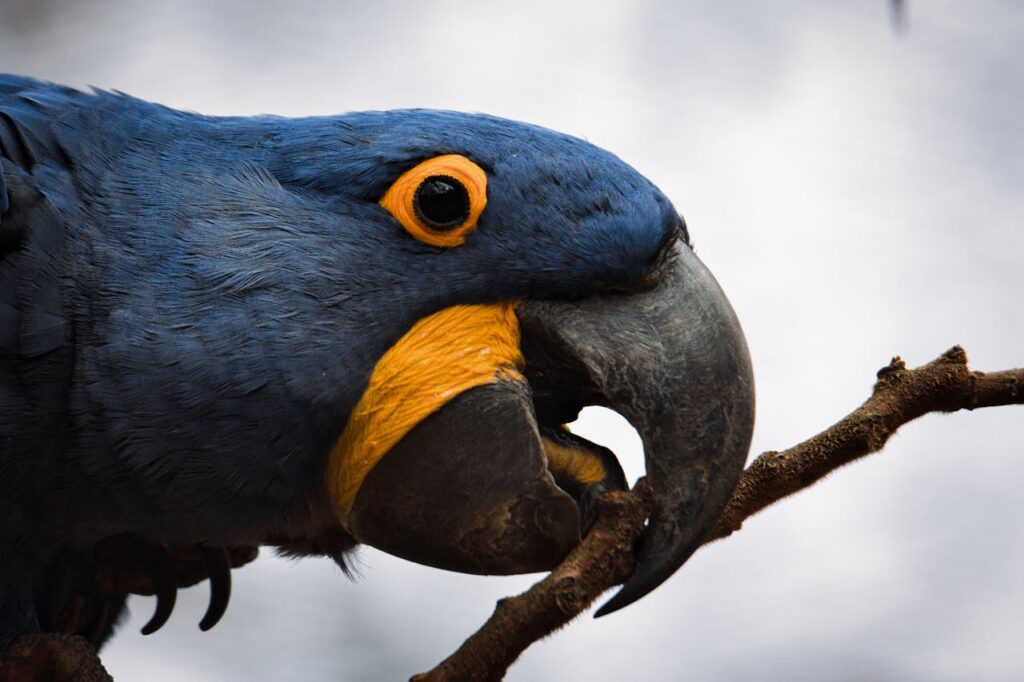
Birds may be small and beautiful, but some can have a feisty side that might surprise you. While aggression in birds is often linked to stress, hormones, or lack of mental stimulation, certain species are naturally more prone to developing territorial or combative behavior. If you’re thinking about getting one of these birds, understanding their temperament and managing their environment properly is crucial. From powerful beaks to strong personalities, here are 12 pet birds that can develop an aggressive streak if their needs aren’t met.
1. African Grey Parrot – The Genius With An Attitude

African Grey Parrots are highly intelligent birds, but their sharp minds come with a strong sense of independence. They can quickly become frustrated if they feel ignored or mentally unstimulated. While they form strong bonds with their owners, they can also be moody and territorial. If not properly socialized, African Greys may resort to biting or feather plucking when they feel anxious. They need daily mental stimulation, plenty of social interaction, and consistent training to prevent behavioral problems.
2. Macaws – Large, Loud, And Strong-Willed

Macaws are striking birds known for their affectionate nature, but they also have a reputation for being demanding and headstrong. These birds are social creatures that crave attention, and if they feel neglected, they can develop aggressive behaviors like screaming or biting. Macaws are also territorial and may become defensive if they feel their space is being invaded. Providing them with a structured routine, positive reinforcement training, and plenty of interactive toys helps reduce their frustration and prevent aggressive tendencies from developing.
3. Cockatoos – The Clingy Yet Bossy Companion

Cockatoos are playful and affectionate, but their high energy and clingy nature can sometimes lead to aggression. These birds thrive on companionship, and when they don’t get enough attention, they can become extremely loud and destructive. Cockatoos can also develop possessive behaviors, leading them to bite if they feel threatened or jealous. Their hormonal shifts during breeding seasons can further heighten their aggressive tendencies. To prevent behavioral issues, cockatoos need a balance of interaction and independence training.
4. Amazon Parrots – Bold And Boisterous

Amazon Parrots are known for their playful and outgoing nature, but they can also develop a dominant streak. These birds have strong personalities and require consistent socialization to prevent aggressive behaviors. During breeding season, their territorial instincts can make them more prone to biting or lunging. If they feel threatened or perceive a challenge to their authority, they may become defensive. Amazons need clear boundaries, positive reinforcement, and an enriching environment to prevent boredom-induced aggression.
5. Indian Ringneck Parakeets – The Sassy Talkers

Indian Ringneck Parakeets are beloved for their ability to mimic speech, but they also have an independent and stubborn personality. These birds can be territorial and tend to test boundaries, especially during puberty. If not handled regularly, they may develop aggressive tendencies, including nipping or lunging at unfamiliar hands. Their intelligence makes them quick learners, but it also means they remember negative experiences, leading to long-term behavioral issues if training isn’t consistent.
6. Conures – Small Birds With Big Attitudes

Conures are playful and affectionate, but they also have a fiery personality. These birds form strong bonds with their owners, which can lead to possessiveness and jealousy. If they feel neglected, they may resort to loud screaming or aggressive nipping. Their curiosity and high energy levels require constant stimulation to prevent frustration from turning into aggression. Conures may also become territorial over their cage or favorite person, making it important to teach them proper boundaries early on.
7. Eclectus Parrots – Highly Intelligent But Easily Frustrated

Eclectus Parrots are among the most intelligent pet birds, but their intelligence also makes them sensitive and prone to frustration. These birds require a well-structured environment and consistent training. If they feel ignored or lack mental stimulation, they may express their frustration through aggressive behaviors like biting or lunging. Hormonal changes, particularly in females, can make them more territorial and defensive. Sudden changes in their environment can also trigger stress-induced aggression.
8. Senegal Parrots – Affectionate But Can Be Moody

Senegal Parrots are known for their quiet and affectionate nature, but they can also develop an aggressive side if not properly socialized. These birds tend to bond closely with one person, sometimes becoming territorial or possessive. If they feel their chosen person is paying attention to someone else, they may react with biting or lunging. Providing them with engaging activities, positive reinforcement training, and exposure to different people can help prevent these behaviors from escalating into serious aggression.
9. Quaker Parrots – Confident But Can Be Territorial

Quaker Parrots, also known as Monk Parakeets, have a bold and confident personality. While their charm makes them popular pets, they can also develop aggressive tendencies if not handled correctly. Quakers are known for their territorial nature, especially regarding their cage or nesting area. If they feel their space is being invaded, they may bite or display defensive posturing. These birds thrive on routine and can become agitated if their environment is frequently changed.
10. Caiques – Playful But Prone To Mood Swings

Caiques are playful, clown-like birds with high energy levels, but they can also have unpredictable mood swings. While they are social and love interaction, they can suddenly switch from affectionate to aggressive behavior without warning. This is especially true if they become overstimulated during playtime. Caiques can also develop territorial tendencies, particularly around their cage or favorite toys. They require consistent training, patience, and clear boundaries to prevent biting or lunging behaviors.
11. Kakarikis – Energetic But Can Be Assertive
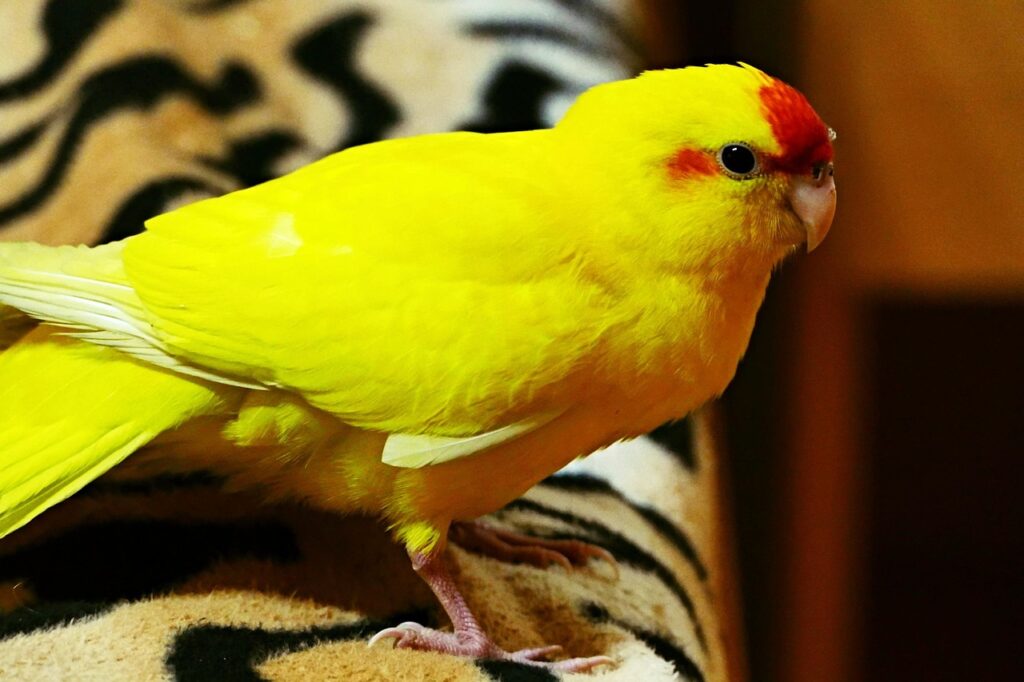
Kakarikis are highly energetic birds that love to explore and stay busy. However, their curiosity and boldness can sometimes turn into assertiveness, especially if they feel threatened or cornered. These birds are not naturally aggressive but may nip if they are handled roughly or startled. They also have a strong independent streak, which means they don’t always appreciate excessive handling. If they are not given enough space or activities to keep them occupied, they may become irritable.
12. Lovebirds – Small But Extremely Territorial

Lovebirds may be tiny, but they have big personalities and a strong territorial instinct. These birds form deep bonds with their owners or mates, but their attachment can sometimes result in aggressive behavior toward outsiders. Lovebirds are known for defending their space, whether it’s their cage, toys, or a bonded companion. If they feel their territory is being invaded, they may bite to assert dominance. Proper socialization, training, and gradual introductions to new people or pets can help minimize territorial aggression.
Love Pets as Much as We Do?

Scroll up and click the ‘Follow’ button to stay updated with the latest heartwarming, hilarious, and helpful pet posts from Pawdown, delivered straight to your Microsoft Start feed and MSN homepage!