

Over the last century, many beloved dog breeds have undergone drastic changes — and not always for the better. While selective breeding originally aimed to enhance working abilities and temperament, modern breeding practices have shifted toward exaggerated physical traits. Sadly, these “improvements” often come at the cost of the dog’s health, comfort, and overall quality of life. In this post, we’ll explore 12 popular dog breeds that have been significantly harmed by overbreeding — uncovering what they used to look like, how they’ve changed, and the health consequences they now endure.
1. Bull Terrier

The Bull Terrier of a century ago was a muscular, agile, and athletic dog with a flat, gently sloping skull. It was known for being energetic, intelligent, and easy to train. However, today’s Bull Terrier looks drastically different. The breed now has a distinctive egg-shaped head and a thicker, stockier body. Unfortunately, these changes haven’t come without consequences. Modern Bull Terriers commonly suffer from musculoskeletal problems like patellar luxation, heart conditions, and severe skin allergies.
2. Chow Chow

The ancient Chow Chow was once a versatile working dog in China, with a medium or short, dense coat and a longer, straight muzzle. They were athletic, capable of hunting and guarding with ease. Over time, breeders prioritized a more striking look — thicker fur, a lion-like mane, and a shorter, flattened muzzle. While this gives them a unique appearance, it’s come at a heavy cost. Today’s Chows are prone to hip and elbow dysplasia, gastric torsion (bloat), and painful eye disorders due to their deep-set eyes.
3. Basset Hound
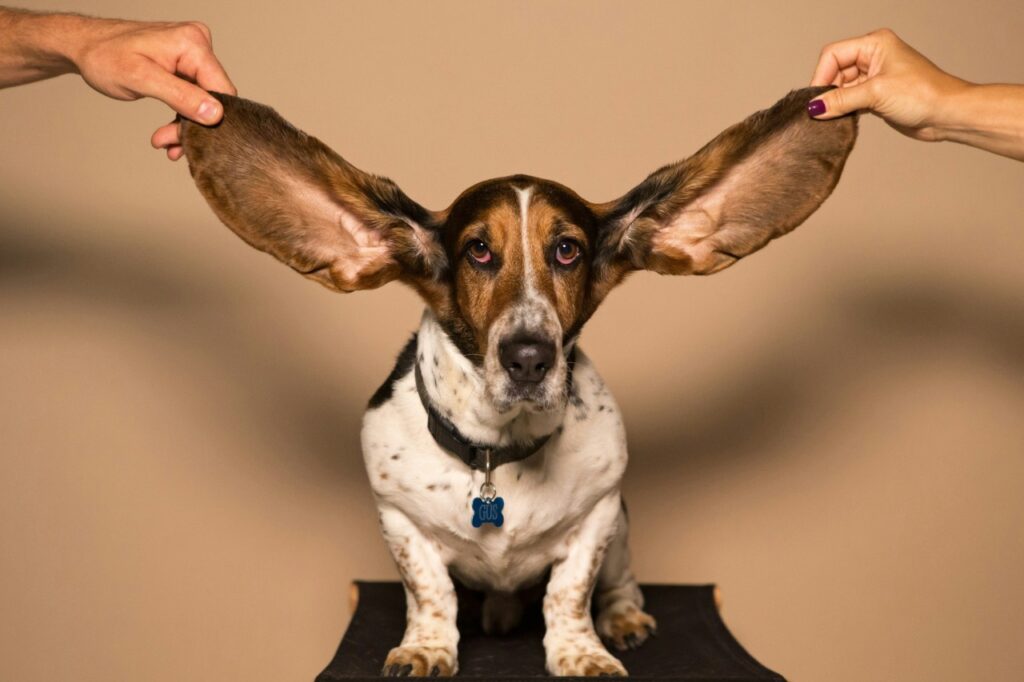
The Basset Hound was always known for its long body, short legs, and droopy ears — but the version from a century ago looked far more balanced. They were built for endurance and scent tracking, with slightly shorter ears and tighter skin. Overbreeding for exaggerated physical traits has left modern Bassets with excessively short legs, extremely long ears, and loose, sagging skin. These changes may look endearing, but they lead to serious health issues. Today’s Basset Hounds frequently suffer from osteochondritis dissecans, a painful joint disease affecting their shoulders and knees.
4. Boxer

Once a strong, agile, and resilient working dog, the Boxer from a century ago had a longer muzzle and proportionate legs, making it an excellent hunting and guarding companion. However, today’s Boxers have a shorter, upturned muzzle, which classifies them as brachycephalic — a term for flat-faced breeds. This alteration causes severe breathing difficulties, overheating issues, and a decreased ability to regulate body temperature. Boxers are now more vulnerable to heart problems, bloat, and cancer, making them one of the more health-challenged breeds.
5. English Bulldog

The English Bulldog is perhaps the most extreme example of a breed altered beyond recognition. Originally a muscular, athletic, and agile dog, Bulldogs were once capable of physical tasks like bull-baiting (hence the name). Over the years, breeders sought a more exaggerated, stocky appearance, resulting in a flattened face, heavy wrinkles, and a thick, compact body. Today’s Bulldogs suffer from brachycephalic airway syndrome due to their narrow nostrils and elongated soft palate, making breathing difficult.
6. Dachshund

The original Dachshund, bred to hunt badgers, had a longer, leaner build with legs that provided enough clearance to move swiftly and dig effectively. Overbreeding for an exaggerated elongated body and shorter legs has turned the modern Dachshund into a dog highly prone to intervertebral disc disease (IVDD), which can lead to severe back injuries and paralysis. While their playful, curious personalities remain intact, their physical structure now puts them at risk for lifelong pain and immobility.
7. German Shepherd

The German Shepherd was once a medium-sized, straight-backed, and powerful working dog with impressive stamina and intelligence. Originally bred for herding and protection, they weighed around 55 pounds and moved effortlessly with strength and grace. Over the past century, selective breeding for a more sloped back and exaggerated hindquarters has resulted in significant musculoskeletal problems. Modern German Shepherds often suffer from hip and elbow dysplasia, and their awkward, bent-legged stance impairs their movement and balance.
8. Pug

Pugs of the past were smaller, with proportionate legs and a less extreme flat face. Over time, breeding for a more exaggerated, wrinkled, and smushed face turned them into a breed plagued with health issues. Modern Pugs are severely brachycephalic, making it hard for them to breathe, regulate their temperature, or even exercise without distress. They often suffer from heart problems, skin fold infections, and dental issues due to their crowded teeth. Their tightly curled tail, considered a breed hallmark, is actually a spinal deformity that can lead to paralysis in severe cases.
9. St. Bernard

The original St. Bernard was a sturdy, reliable working dog bred to rescue travelers in the snowy Alps. They had a more proportionate muzzle and a less excessive coat, allowing them to move efficiently without overheating. Modern St. Bernards, however, are bred for a bulkier size, a shortened face, and a thicker, heavier coat. These changes leave them prone to heat exhaustion, hip and elbow dysplasia, and heart issues. Their droopy eyes are also susceptible to painful conditions like entropion and ectropion, where the eyelids roll inward or outward.
10. Great Dane

Great Danes, often referred to as gentle giants, have been significantly impacted by overbreeding. Their massive size, a result of selective breeding, predisposes them to several health issues. One common problem is hip dysplasia, a genetic disorder where the hip joint doesn’t fit properly into the hip socket, leading to arthritis and pain. Additionally, Great Danes are susceptible to bloat, a life-threatening condition where the stomach fills with gas and twists upon itself. This breed also has a relatively short lifespan, often living only 6 to 8 years.
11. Shar Pei

The Shar Pei’s distinctive wrinkles, while unique, have been a focal point in overbreeding, leading to several health issues. The deep skin folds can trap bacteria, resulting in recurrent skin infections. Additionally, this breed is prone to a condition known as Shar Pei fever, characterized by swollen joints and pain. Regular grooming and veterinary care are crucial to manage these challenges and reduce the risk of infection. Despite the extra care required, Shar Peis are treasured for their loyalty and unique appearance, making them cherished companions.
12. Cavalier King Charles Spaniel

Cavalier King Charles Spaniels, with their luxurious coats and expressive eyes, have been adversely affected by overbreeding. They are prone to mitral valve disease, a serious heart condition that can lead to heart failure. Another concerning issue is syringomyelia, a neurological disorder where fluid-filled cavities develop within the spinal cord, causing severe pain and neurological deficits. Regular screenings and a heart-healthy diet are essential to manage these issues, ensuring these affectionate dogs continue to bring joy to their families.
Love Pets as Much as We Do?

Scroll up and click the ‘Follow’ button to stay updated with the latest heartwarming, hilarious, and helpful pet posts from Pawdown, delivered straight to your Microsoft Start feed and MSN homepage!