
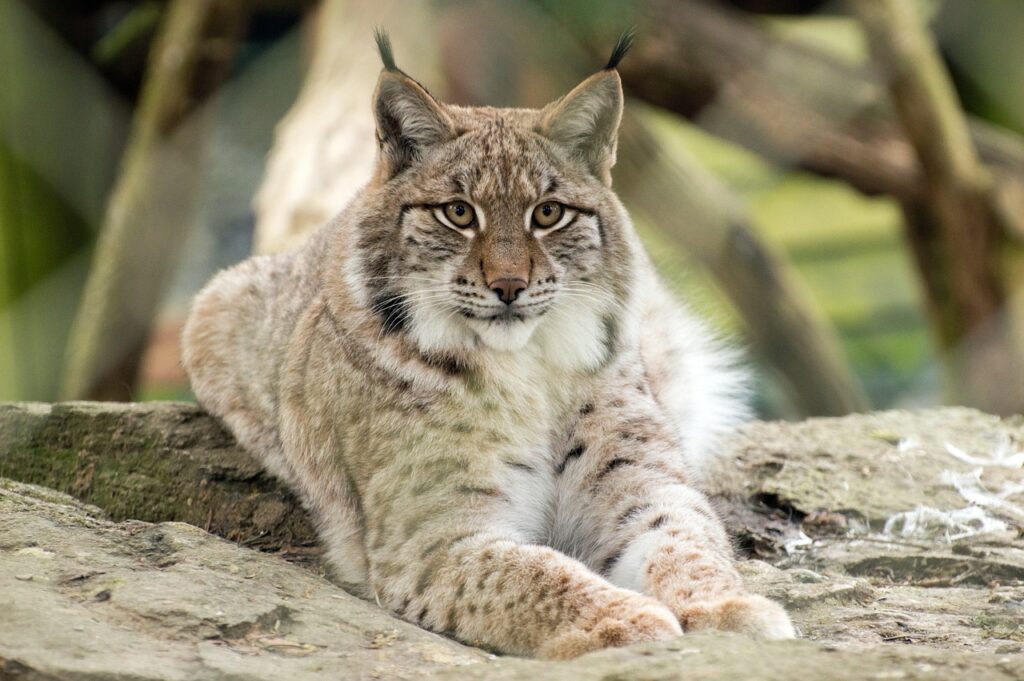
The allure of exotic pets often tempts animal enthusiasts to consider keeping wild creatures like the lynx as companions. With their striking appearance and feline grace, lynxes may seem like a unique and fascinating choice for a pet. However, these majestic wildcats are far from suitable for domestic life. Owning a lynx involves challenges that extend beyond the usual responsibilities of pet ownership. From their natural instincts to their environmental needs, there are several reasons why lynx can never truly adapt to being house pets. This article explores 12 critical reasons why keeping a lynx as a pet is impractical and often unethical, highlighting the importance of preserving their wild nature.
1. Wild Instincts Cannot Be Tamed
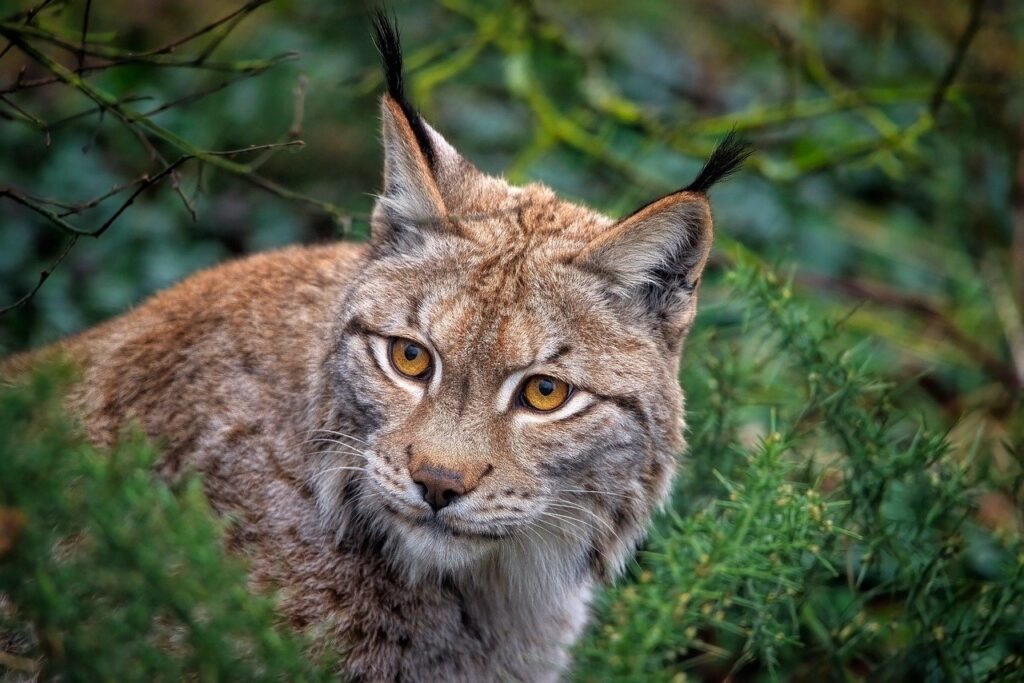
Lynxes are born with wild instincts that are integral to their survival in natural habitats. These instincts, such as hunting and territorial behavior, cannot be fully suppressed or trained out of them. Even if raised in captivity, a lynx will retain its predatory nature, which can pose significant risks to humans, other pets, and even the lynx itself. Domesticating a wild animal like the lynx disrupts its natural behavior and often leads to stress and unpredictability. Attempting to override these instincts often results in behavioral issues, as the lynx’s innate tendencies clash with the constraints of a domestic setting.
2. Specialized Dietary Needs
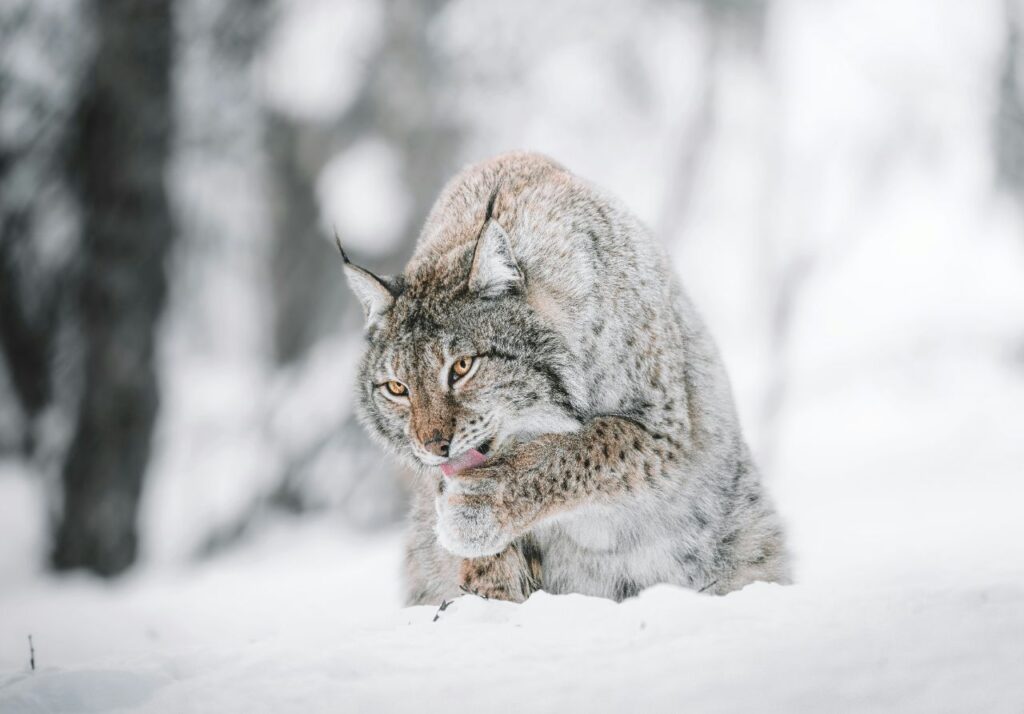
Lynxes require a diet that mimics what they would eat in the wild—primarily raw meat, including whole prey like rabbits, birds, and rodents. Meeting these dietary needs can be both challenging and expensive for a private owner. Additionally, providing the wrong diet can lead to severe health issues for the lynx, including malnutrition or digestive problems. Unlike domestic cats, lynxes cannot thrive on commercially available pet food, making their care even more complicated. Ensuring a consistent supply of high-quality, species-appropriate food is a burden most owners are ill-equipped to handle.
3. High Space Requirements
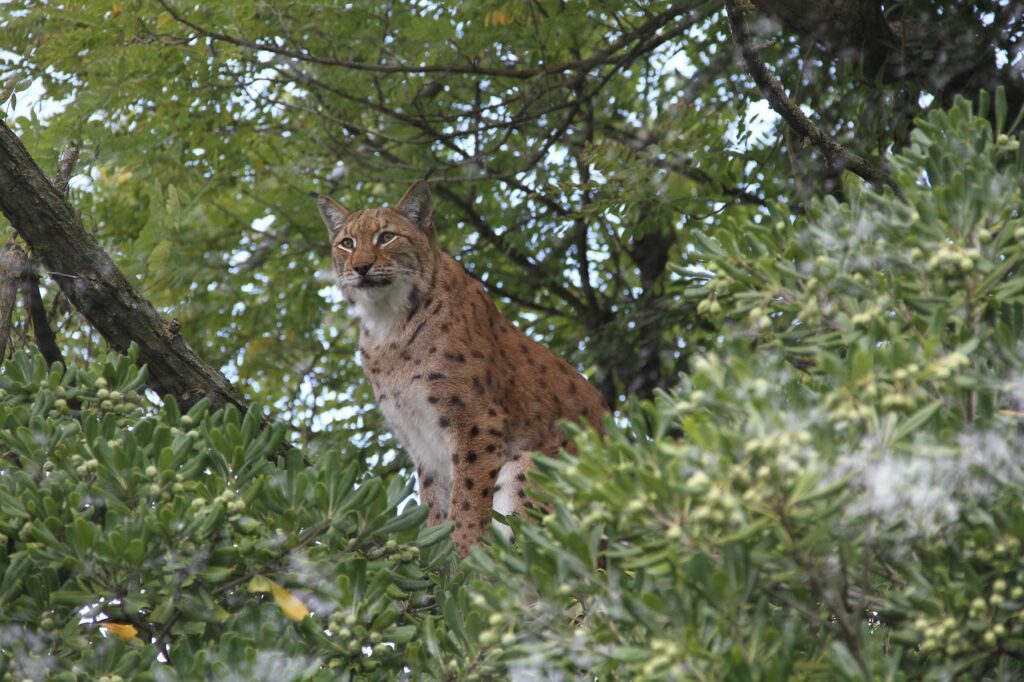
In the wild, lynxes roam large territories, sometimes covering hundreds of square miles. Capturing and confining such an animal to a house or even a spacious yard fails to meet their need for freedom and exploration. Without adequate space to roam, lynxes can become stressed, leading to behavioral problems and poor health. Providing an enclosure that satisfies their spatial needs is virtually impossible in a domestic setting. Enclosures would need to replicate their natural habitat, complete with climbing structures and hiding spots, which are rarely feasible in private ownership.
4. Unpredictable Behavior
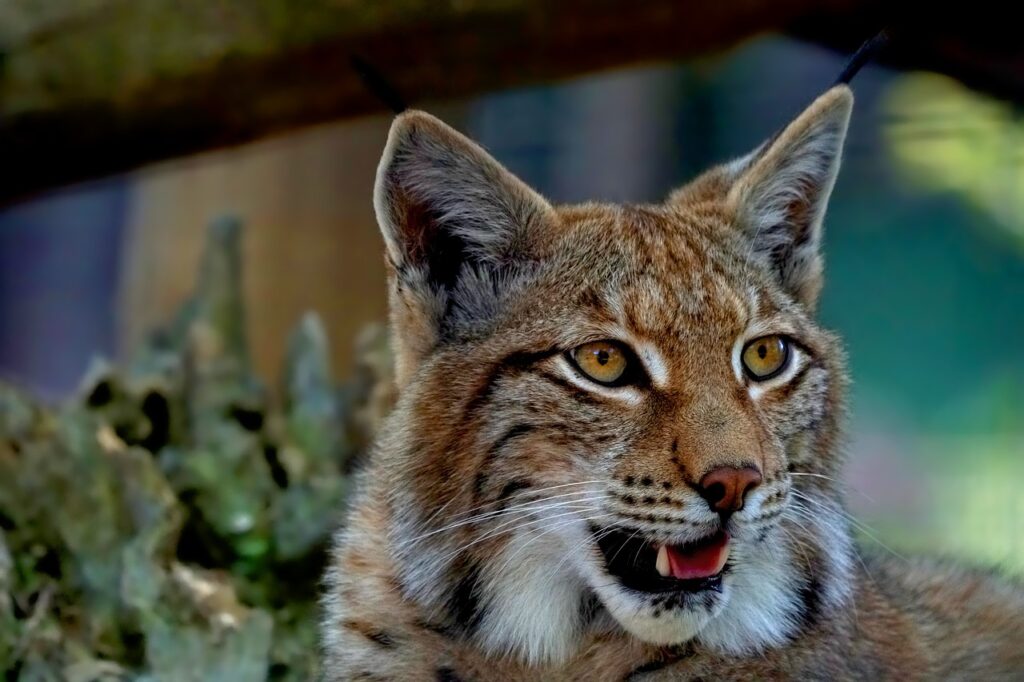
Even when hand-raised, lynxes remain unpredictable. Their mood can change suddenly, and their actions may be difficult to anticipate. This unpredictability makes them unsuitable for interaction with children or inexperienced pet owners. Unlike domestic cats, lynxes do not respond consistently to human cues and training, increasing the risk of aggression or accidents. This inherent unpredictability is a reflection of their wild nature, making them incompatible with the structured and controlled environment of a typical household.
5. Strong Territorial Instincts
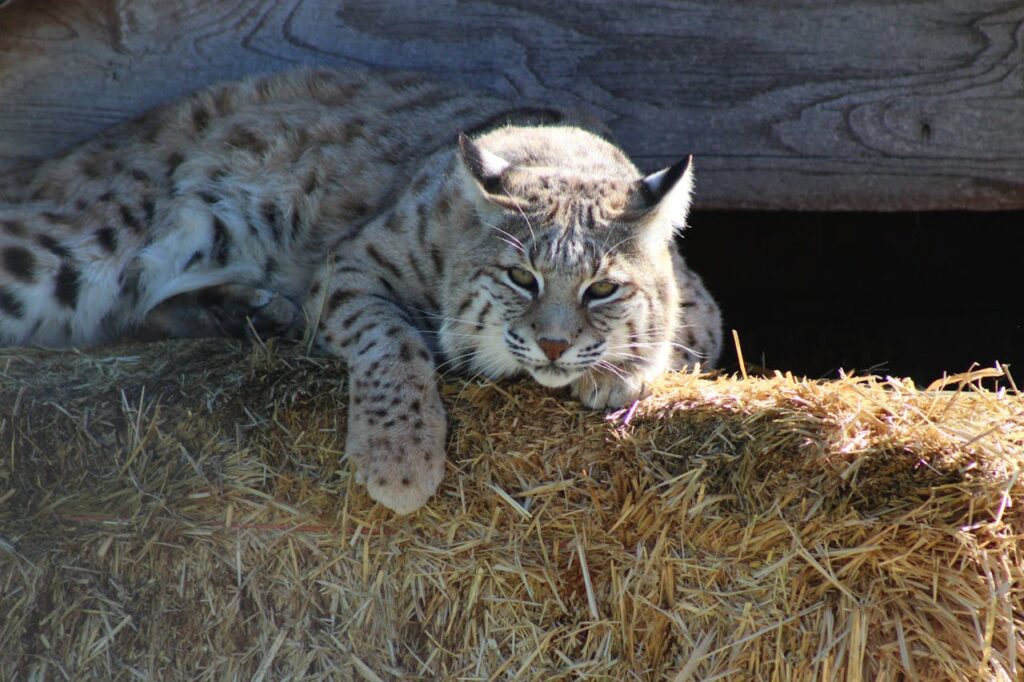
Lynxes are naturally territorial animals, and this trait can manifest in aggressive or destructive behavior when kept in captivity. They may mark their territory by urinating on furniture, walls, and other household items. This behavior is deeply ingrained and cannot be eliminated through training. Attempting to suppress such instincts often leads to stress and further behavioral issues. Their territorial nature can also result in conflicts with other pets or humans, creating a tense and potentially dangerous living situation.
6. Legal Restrictions
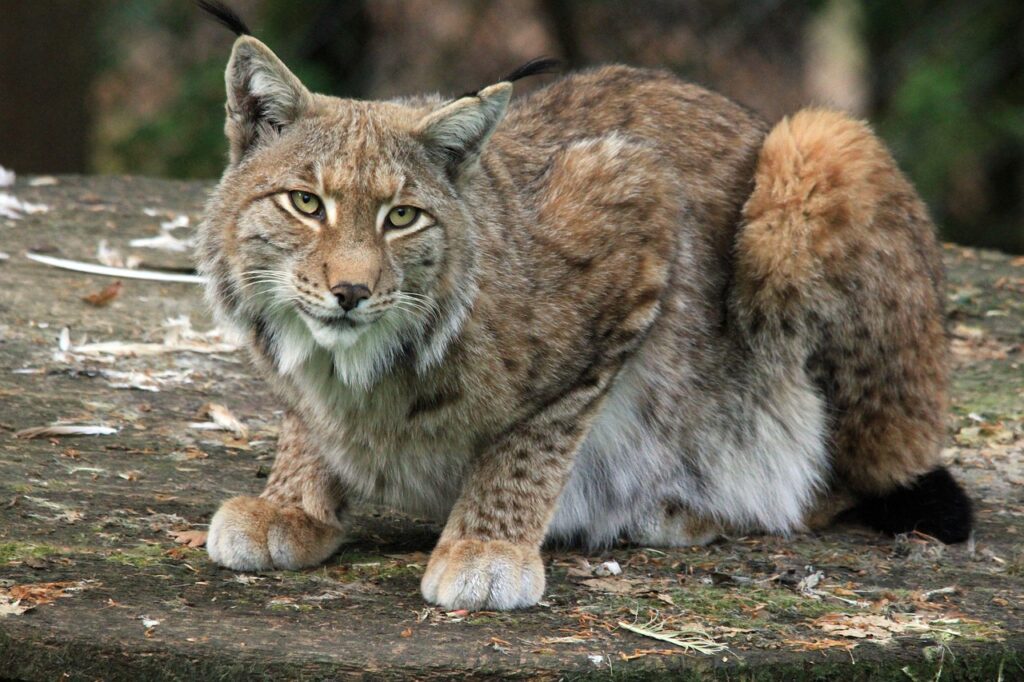
Owning a lynx is illegal or heavily regulated in many regions due to the risks they pose to public safety and animal welfare. Permits, if available, often come with strict requirements for enclosures, veterinary care, and other aspects of ownership. Breaking these rules may lead to large fines, having the animal taken away, and possibly facing criminal charges. The legal complexities make owning a lynx far more trouble than it’s worth. These regulations exist to protect both the animals and the public, underscoring the unsuitability of lynxes as pets.
7. Risk to Humans and Pets
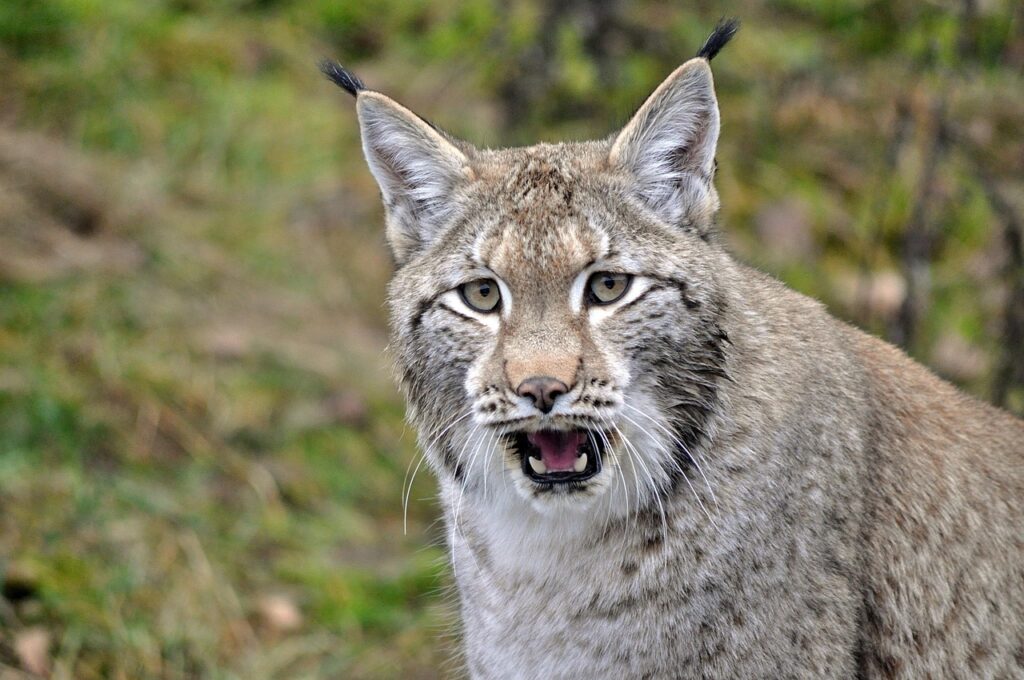
Lynxes are powerful predators with sharp claws and teeth capable of inflicting serious harm. Even playful interactions can result in injury due to their strength and wild nature. Additionally, lynxes may see smaller pets as prey, creating a dangerous environment in a household with other animals. Their predatory instincts are not compatible with the safety and harmony of a domestic setting. The potential for harm extends beyond physical injuries, as psychological stress can also affect both the lynx and the other members of the household.
8. Challenging Veterinary Care
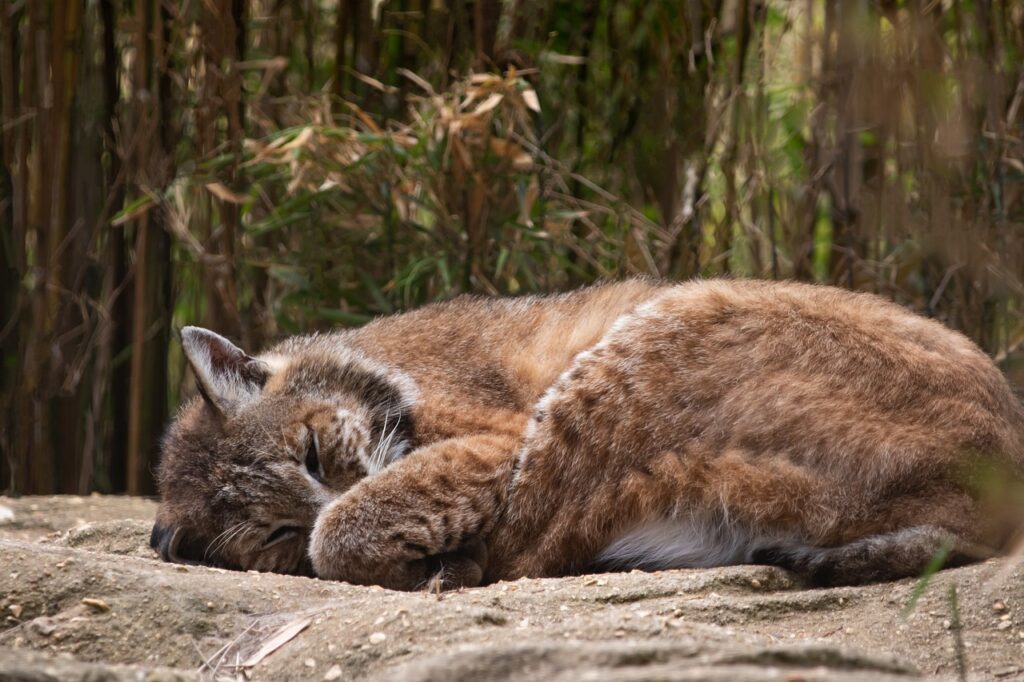
Finding a veterinarian qualified and willing to treat a lynx can be a daunting task. Lynxes require specialized medical care that is beyond the scope of most general veterinary practices. Regular check-ups, vaccinations, and treatments for illnesses become logistically challenging and expensive. Moreover, transporting a wild animal to a clinic poses additional risks to both the animal and the humans involved. These challenges make it difficult to ensure the health and well-being of a lynx in captivity, further emphasizing their unsuitability as pets.
9. Emotional and Mental Well-being
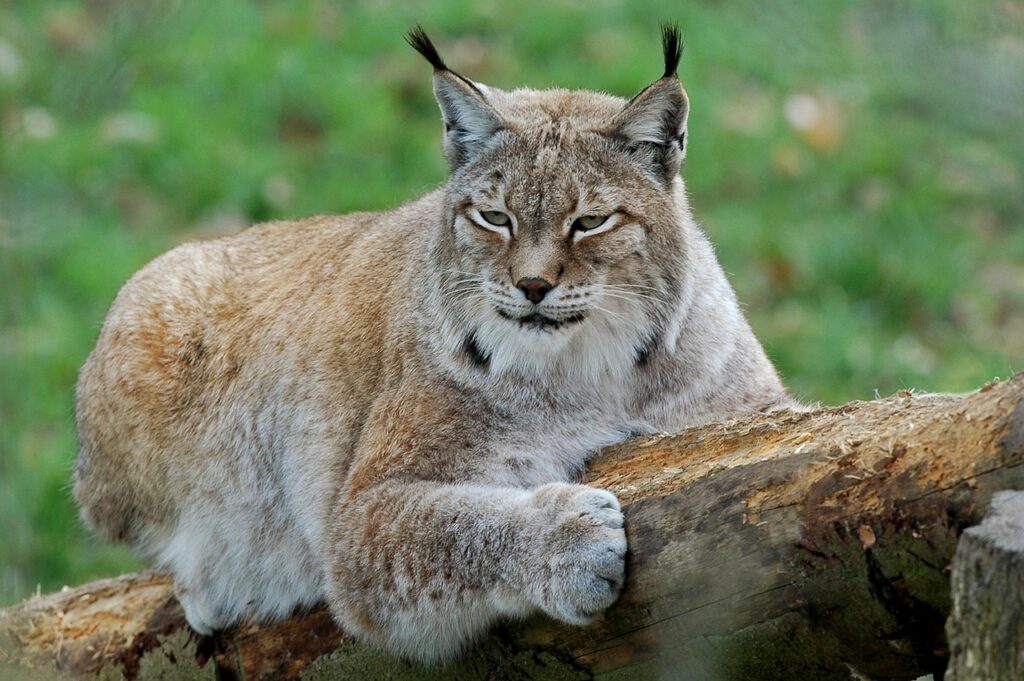
Lynxes have complex emotional and mental needs that are difficult to meet in captivity. They are solitary animals by nature and may not thrive in environments where they are constantly exposed to humans. The lack of freedom and stimulation can lead to boredom, anxiety, and depression, ultimately affecting their overall well-being. Captivity deprives them of the opportunity to engage in natural behaviors, such as hunting and exploring, which are crucial for their mental health and happiness.
10. Destruction of Property
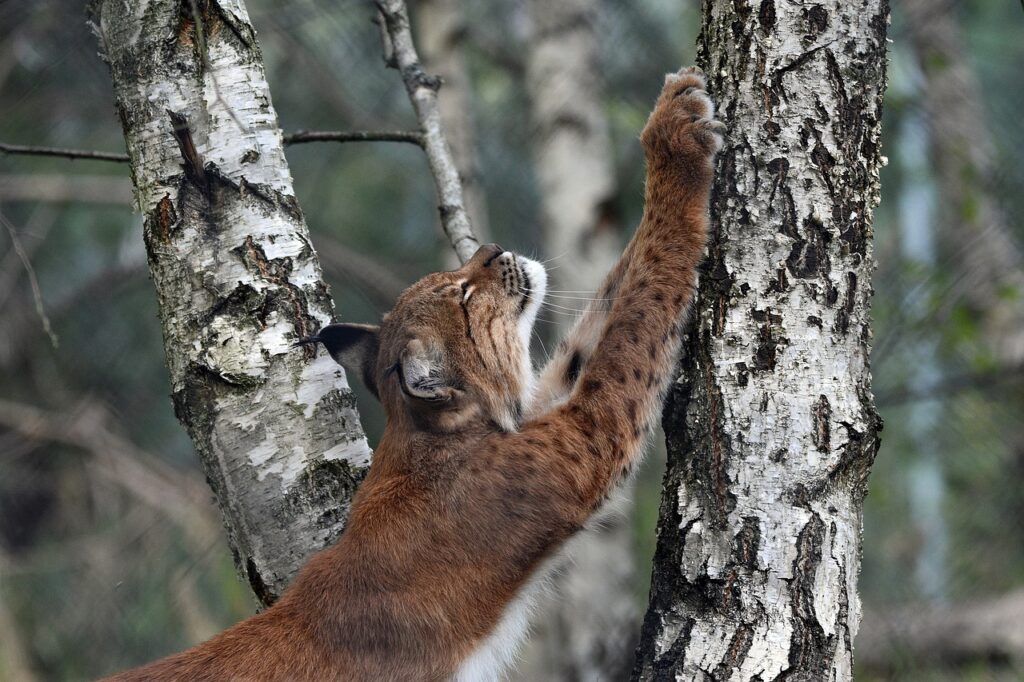
A lynx’s natural behaviors, such as scratching, chewing, and climbing, can wreak havoc in a household. Their size and strength make them capable of causing significant damage to furniture, walls, and other belongings. Providing appropriate outlets for these behaviors is nearly impossible in a domestic environment, leading to frustration for both the owner and the animal. This destructive tendency is not a flaw but a reflection of their wild instincts, which are ill-suited for life in a home.
11. Ethical Concerns
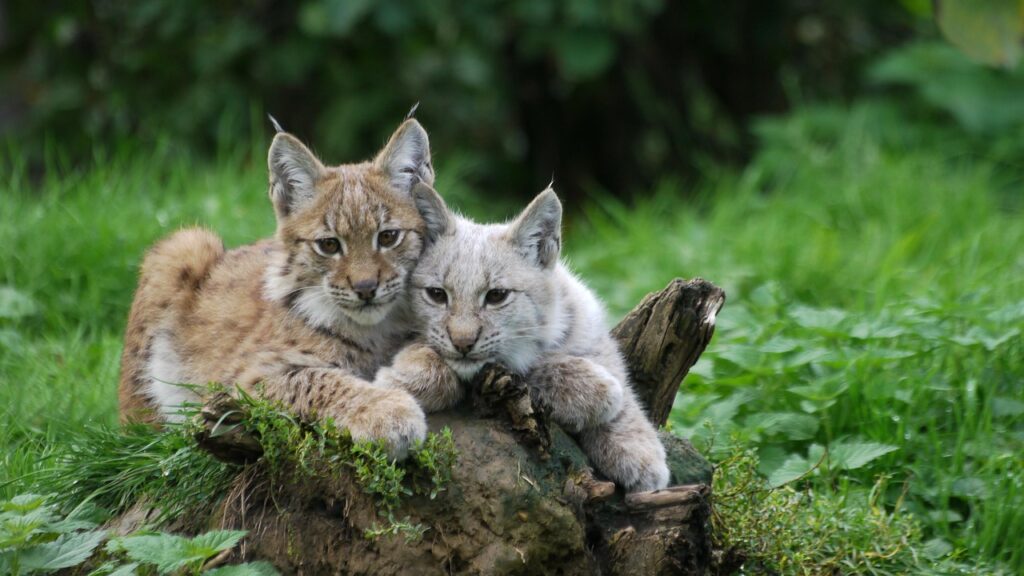
Keeping a lynx as a pet raises serious ethical questions. Removing a wild animal from its natural habitat disrupts ecosystems and contributes to the decline of species populations. Even captive-bred lynxes are deprived of the life they are biologically designed for. Ethical pet ownership involves prioritizing the animal’s welfare, which is incompatible with keeping a lynx in a domestic setting. Supporting conservation efforts and respecting their wild nature are far more responsible ways to appreciate these magnificent creatures.
12. Better Alternatives Exist
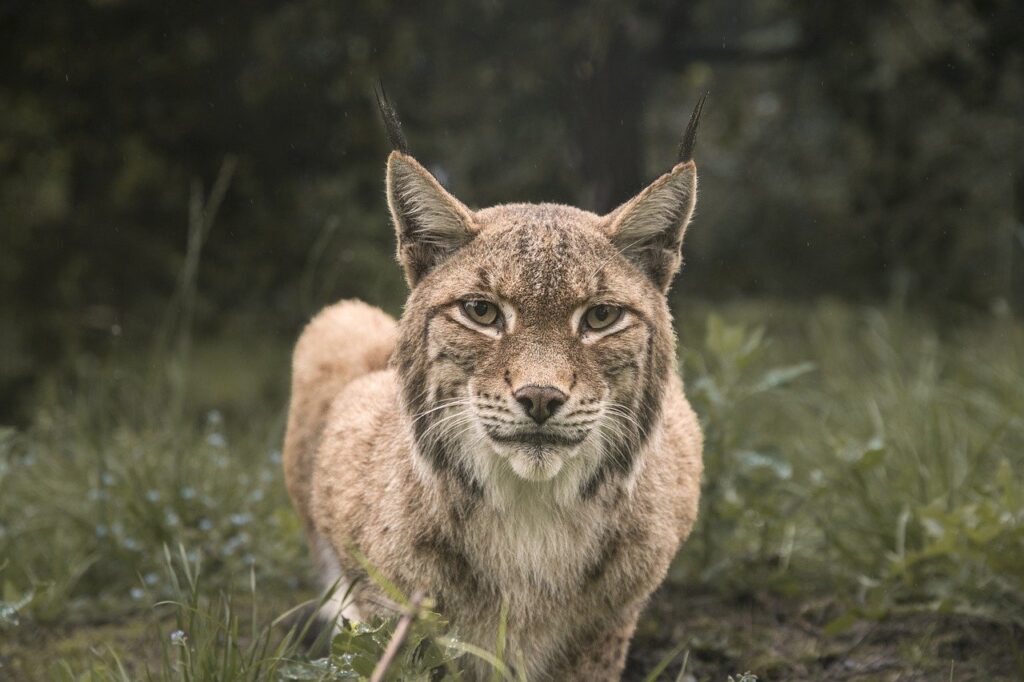
For those drawn to the beauty and allure of wildcats, there are many domestic cat breeds that resemble lynxes in appearance without the challenges of owning a wild animal. Breeds like the Maine Coon or Norwegian Forest Cat offer the majestic look of a lynx while being well-suited for life as a pet. Choosing a domestic breed ensures a harmonious and fulfilling relationship for both the owner and the animal. These alternatives provide the companionship and aesthetic appeal of a wildcat without compromising animal welfare or personal safety.
Love Pets as Much as We Do?

Scroll up and click the ‘Follow’ button to stay updated with the latest heart-warming, hilarious, and helpful pet posts from Pawdown, delivered straight to your Microsoft Start feed and MSN homepage!