
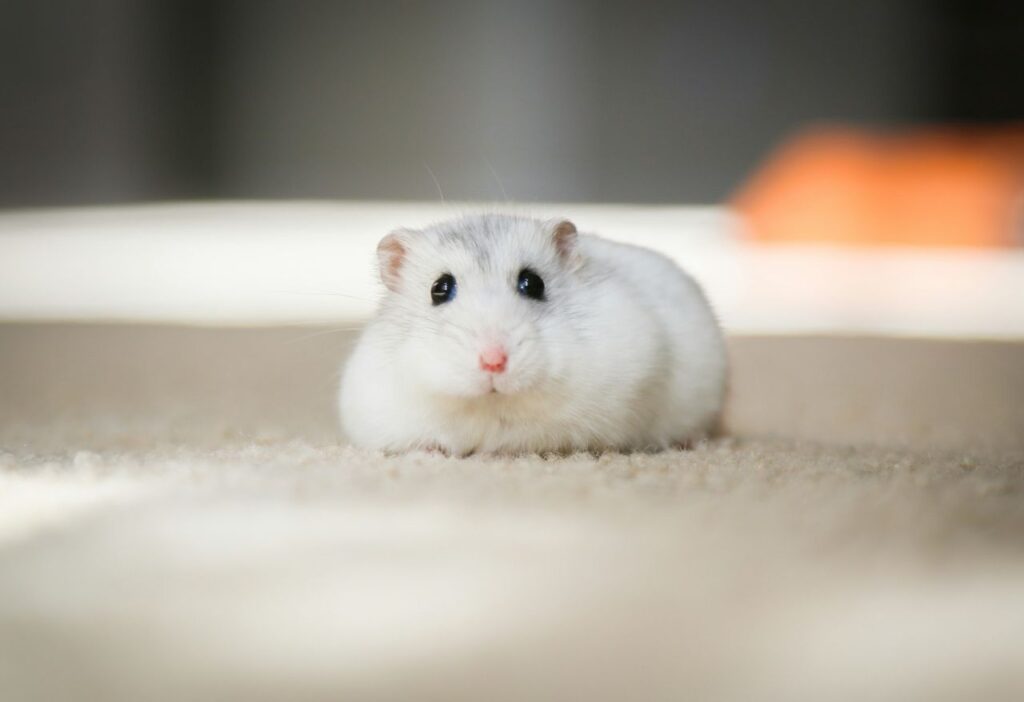
Rats are often misunderstood creatures. While some pet owners swear by their charm, intelligence, and affection, others may find their drawbacks too significant to overlook. Owning a pet rat comes with unique challenges that require consideration before bringing one into your home. Despite their small size and relatively low cost, rats demand significant time, effort, and resources. From their short lifespans to health risks and environmental concerns, the challenges of caring for rats can outweigh their benefits for many people. Let’s delve into 12 compelling reasons why rats might not be the ideal pet choice, helping you make an informed decision before committing to their care.
1. Short Lifespan
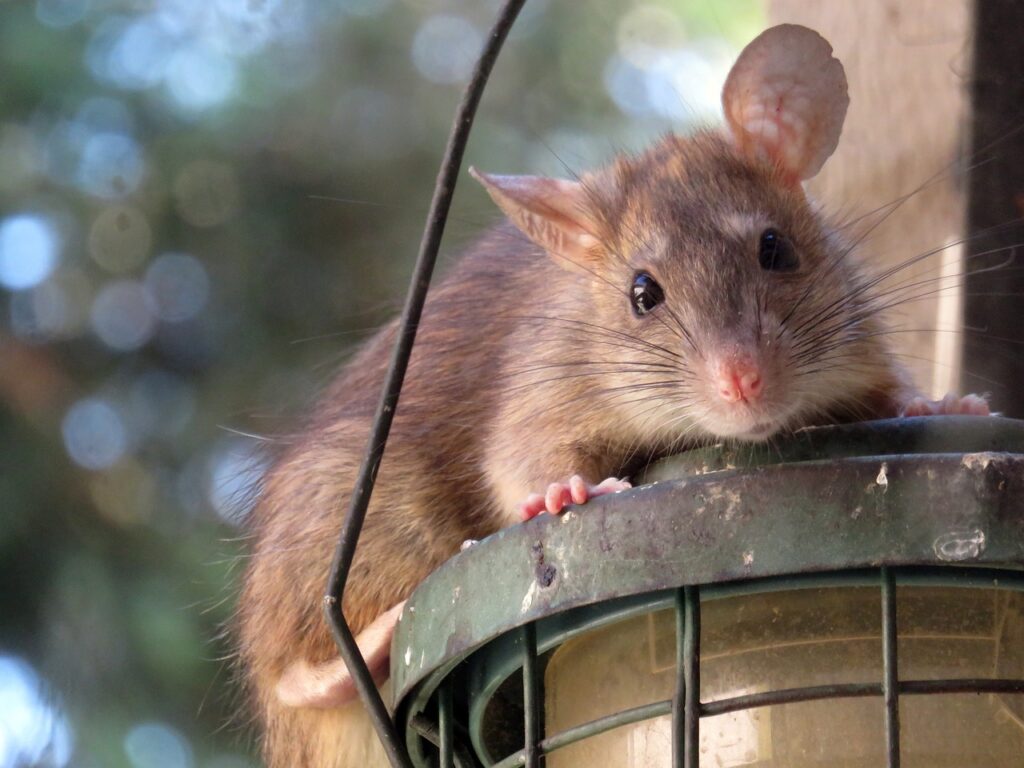
One of the biggest drawbacks of owning a rat is their short lifespan, typically ranging from two to three years. This brief time can make it emotionally challenging for owners, especially for children who form strong attachments. Losing a pet so quickly can be heartbreaking, and the constant cycle of grief might be too difficult for some families to bear. Additionally, their short lives mean owners have to witness their pets age rapidly, dealing with age-related health problems in what feels like an accelerated timeline. For some, the emotional toll of saying goodbye repeatedly may outweigh the joy of having them as companions.
2. Health Issues
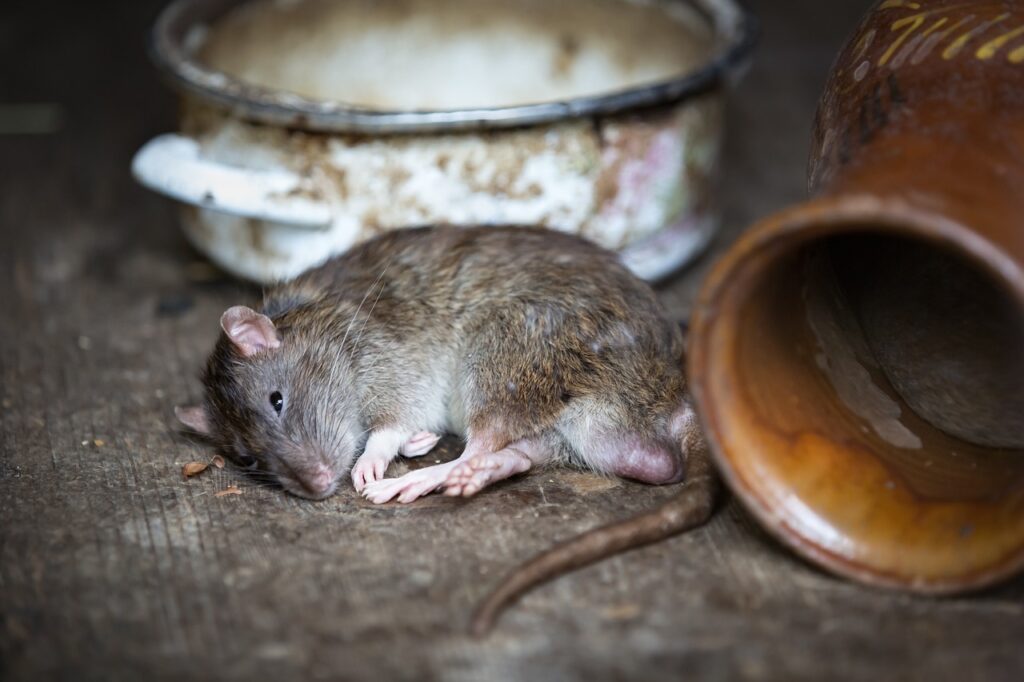
Rats are prone to a variety of health problems that can arise suddenly and often require specialized veterinary care. Common issues include respiratory infections, tumors, and skin conditions. Female rats, in particular, are highly susceptible to mammary tumors, which can grow quickly and become life-threatening. Treating these conditions can be both emotionally taxing and financially burdensome, as finding a veterinarian experienced with small animals is not always easy. For prospective owners, these health challenges might make caring for a rat more complicated than expected, requiring constant vigilance and readiness to address medical concerns.
3. Odor And Cleanliness
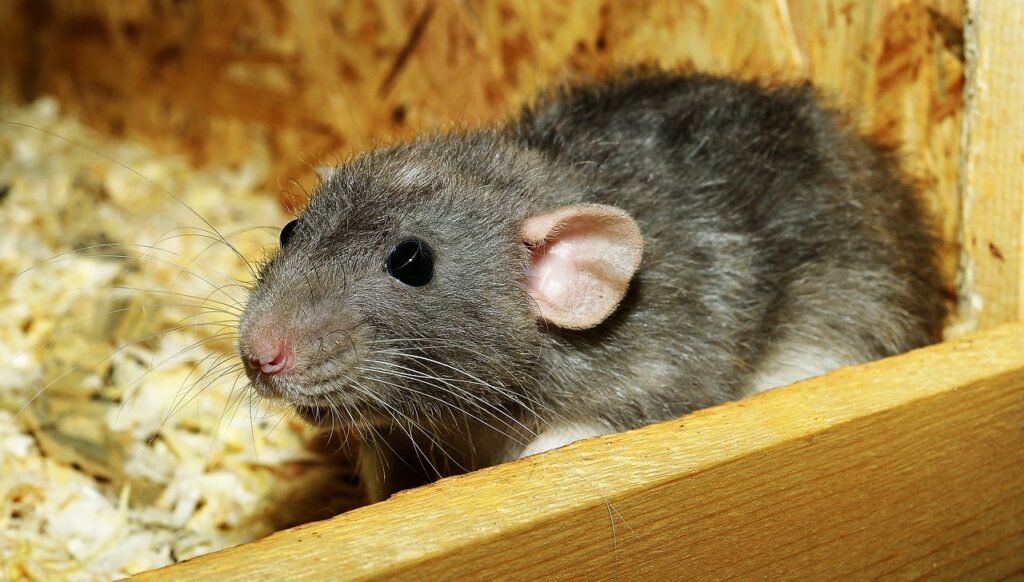
Despite their small size, rats can produce a noticeable odor, especially if their living space is not cleaned regularly. Male rats, in particular, have a stronger musky scent due to their hormone levels. While frequent cleaning can minimize the smell, it cannot always eliminate it entirely. Bedding, food waste, and urine buildup can contribute to a persistent odor in your home, which some people may find unpleasant or embarrassing. For individuals sensitive to smells, this aspect of rat care can quickly become overwhelming, making them reconsider their suitability as pets.
4. Cage Maintenance
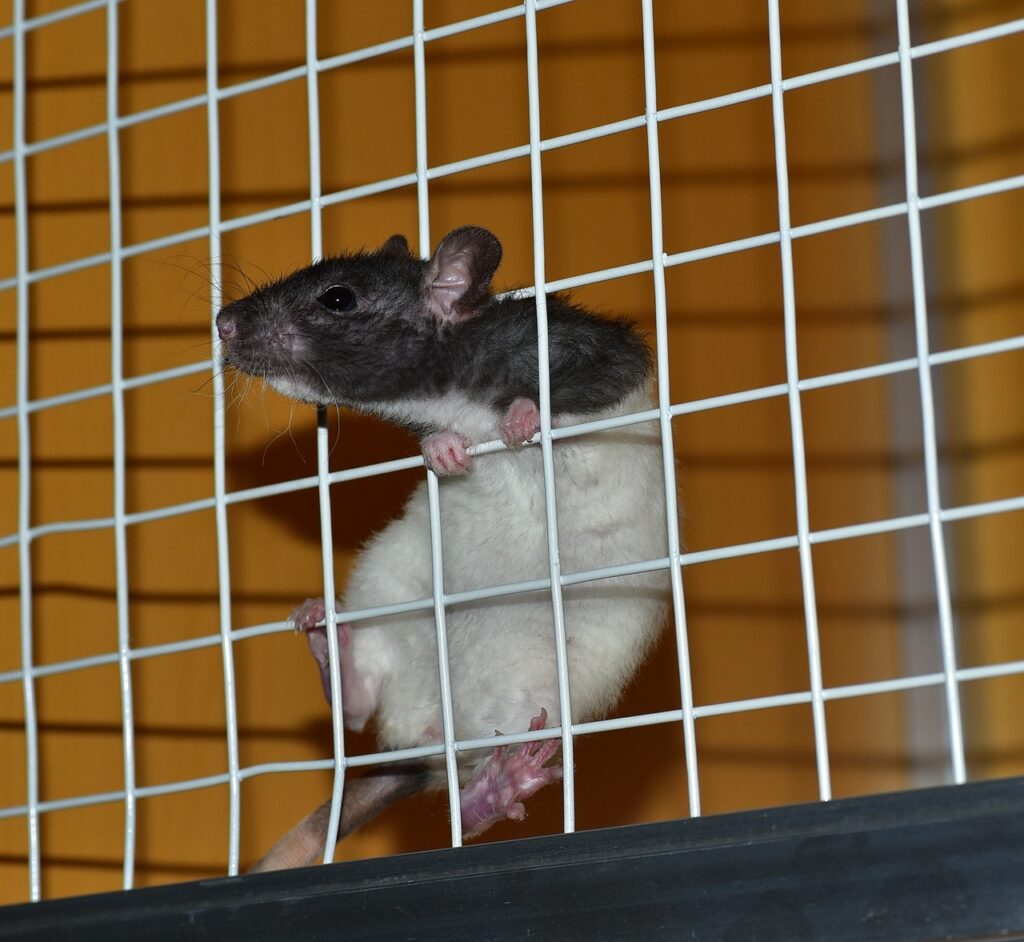
Owning rats means committing to frequent and thorough cage cleaning to prevent odors and maintain their health. A dirty cage can lead to ammonia buildup, which not only smells unpleasant but also causes respiratory issues for your pets. Rats require fresh bedding, clean water, and sanitized surfaces multiple times a week. This level of maintenance demands both time and effort, which might not align with everyone’s schedule. Neglecting cage cleanliness can result in unhappy, unhealthy rats and a less pleasant living environment for you, making proper upkeep an unavoidable responsibility.
5. Chewing And Destruction
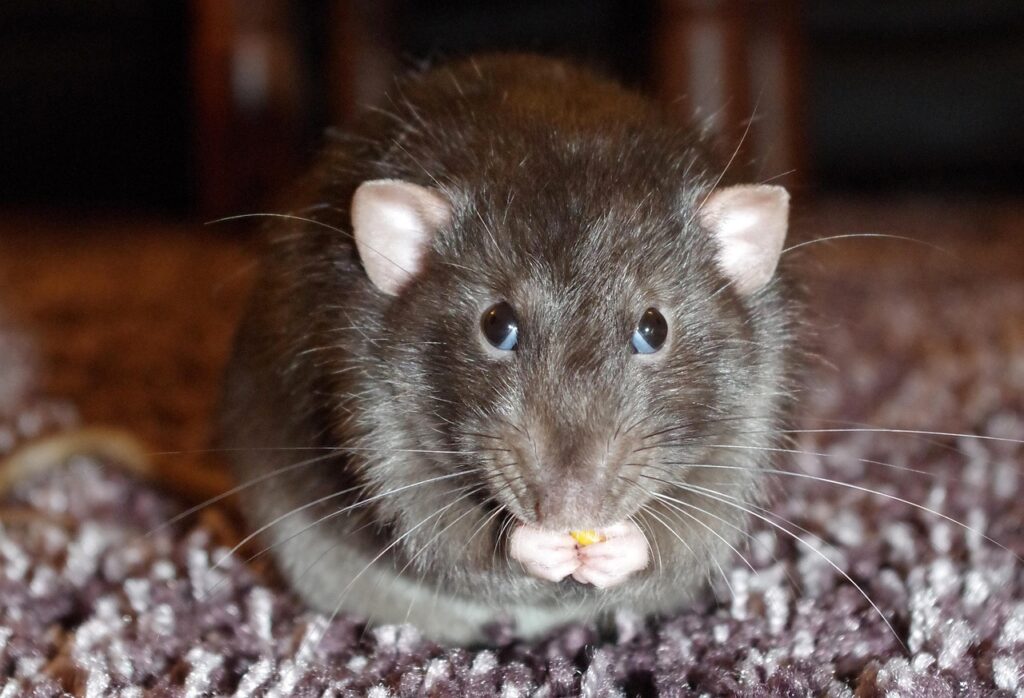
Rats have ever-growing teeth, meaning they need to chew constantly to keep them filed down. This natural behavior can lead to significant destruction if they’re allowed to roam freely without supervision. They can chew through wires, furniture, and even walls, causing safety hazards and expensive damage. Even within their cages, rats may destroy toys, bedding, and accessories, requiring frequent replacements. For owners unprepared for this level of destruction, managing a rat’s chewing habits can become a frustrating and costly endeavor.
6. Allergies And Zoonotic Diseases

Some people are allergic to rat dander, urine, or saliva, which can cause symptoms like sneezing, itching, and respiratory issues. Additionally, rats can carry zoonotic diseases—illnesses that can transfer from animals to humans—such as leptospirosis, hantavirus, and salmonella. While proper hygiene and regular vet check-ups can mitigate some risks, they cannot eliminate them entirely. Prospective owners must consider these health implications, especially if they have young children, elderly family members, or individuals with weakened immune systems in their households.
7. Time-Intensive Care
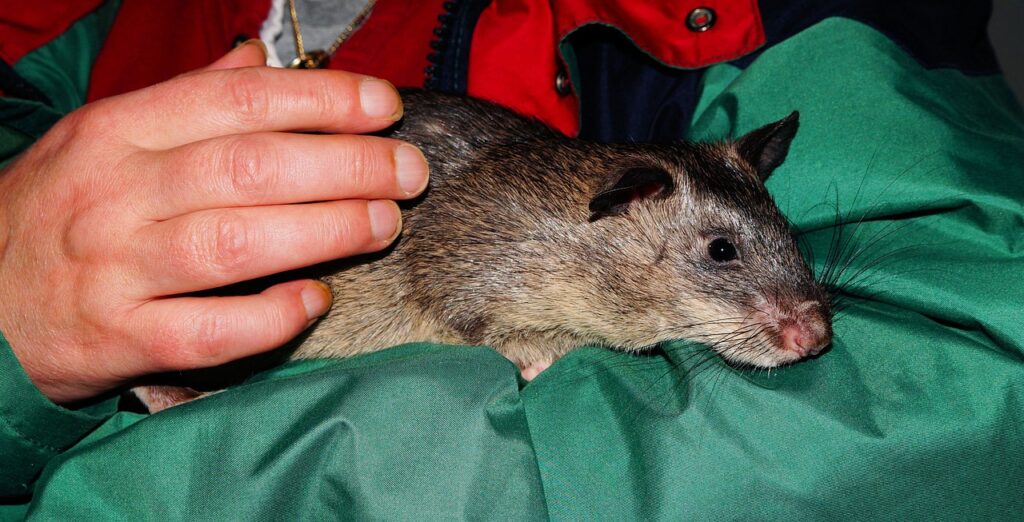
Rats are highly social and intelligent animals that require daily interaction and mental stimulation. Without adequate attention, they can become bored, anxious, or even depressed, leading to destructive or self-harming behaviors like chewing their own tails. This means you’ll need to dedicate time every day to play with them, train them, and provide enrichment through toys and activities. For individuals with busy schedules or limited free time, meeting these needs might be unrealistic, making rats a poor fit for their lifestyle.
8. Need For Companionship

Rats are happiest when they live in groups, as they are social creatures by nature. Keeping a single rat is strongly discouraged, as it can lead to loneliness and behavioral issues. However, owning multiple rats means a greater financial and time commitment. From buying a larger cage to providing enough food, toys, and attention for all members of the group, the workload increases significantly. For some owners, the added responsibility of caring for multiple animals can be overwhelming, making it difficult to provide the level of care rats need to thrive.
9. Nocturnal Habits

Rats are primarily nocturnal, meaning they are most active during the night. While they can adapt to being awake during the day to some extent, their natural instincts may still lead to nighttime activity. This can include chewing, climbing, and running on exercise wheels, all of which can generate noise and disrupt sleep. Light sleepers or those who keep rats in their bedrooms may find these nocturnal habits particularly challenging. Managing this behavior requires careful planning, but for some, it may not be worth the effort.
10. Limited Housing Options
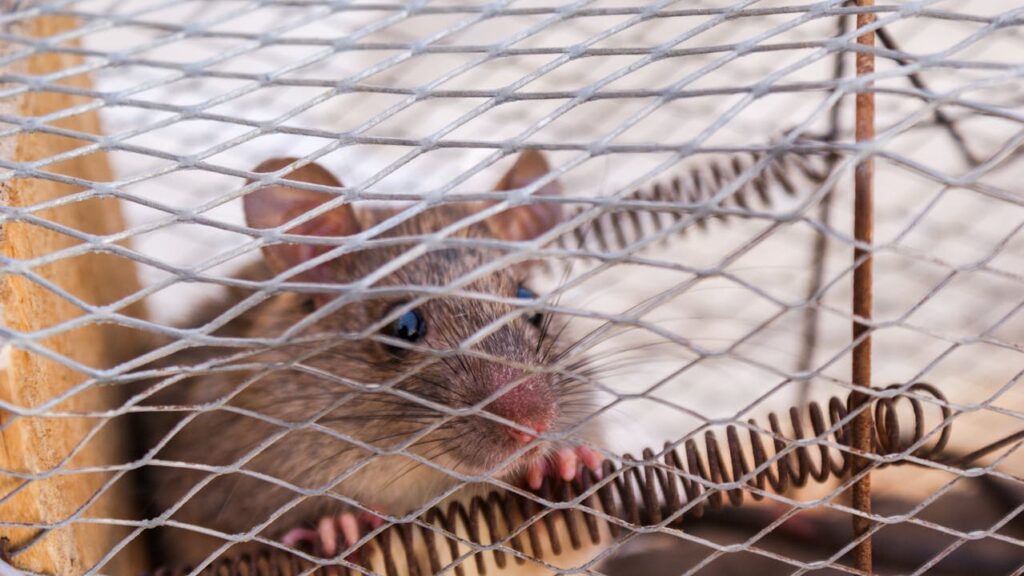
Rats require spacious, well-ventilated cages with plenty of room to move, climb, and explore. A standard pet store cage is often insufficient, meaning owners need to invest in larger and more specialized enclosures. These cages can be expensive and may take up significant space in your home. Additionally, outfitting the cage with suitable bedding, toys, and enrichment items adds to the cost and maintenance requirements. For people with limited space or budgets, meeting these housing needs can be a significant obstacle.
11. Not Ideal For Young Children
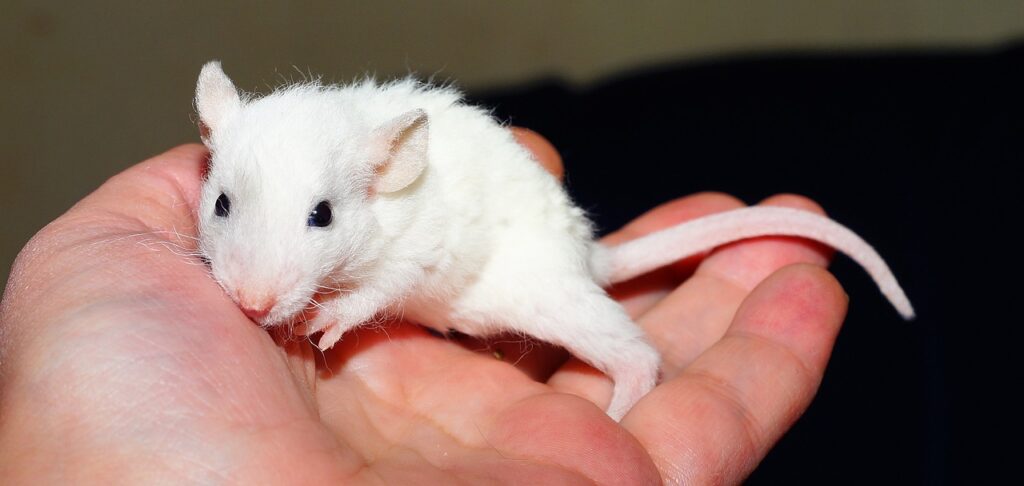
Rats are delicate creatures that require careful and gentle handling. Young children, who may lack the coordination or understanding to handle them properly, could unintentionally injure them. Additionally, rats’ small size and quick movements can make them easy to drop or accidentally squeeze. Parents may find themselves taking over most of the care responsibilities, as children often lose interest or struggle with the required tasks. For families with young kids, rats may not be the best pet choice.
12. Stigma And Misunderstanding
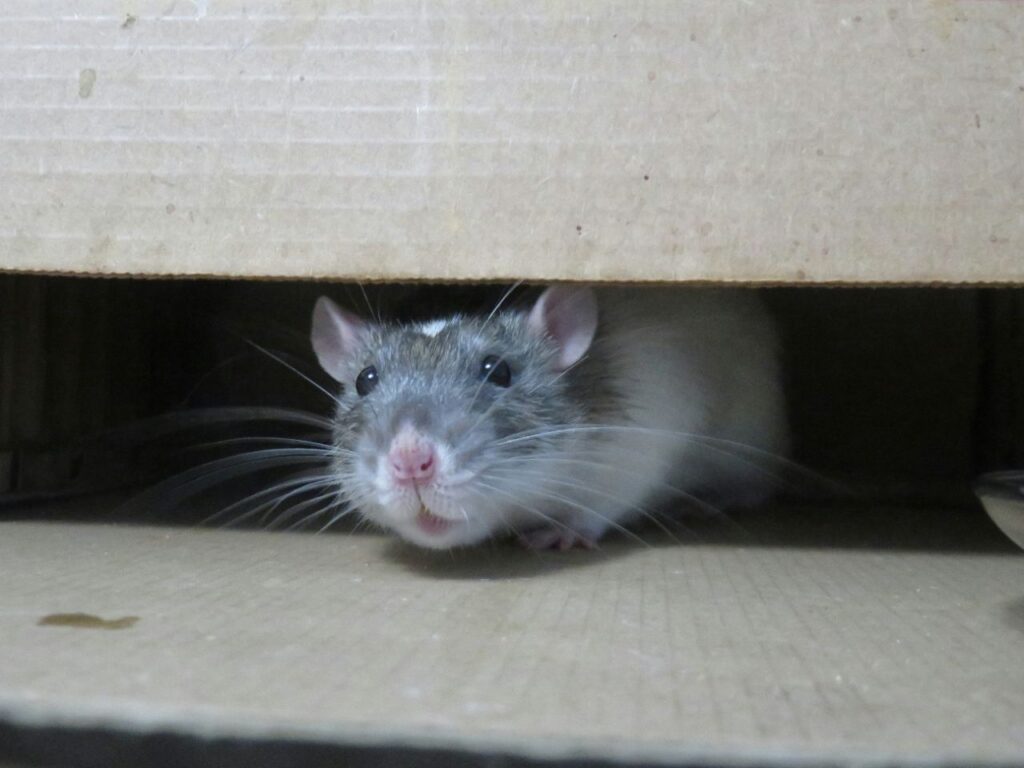
Rats still face a significant social stigma due to their association with disease and filth in the wild. Some people may judge or criticize you for owning rats, and visitors to your home may feel uncomfortable around them. This misunderstanding can make it challenging to share your enthusiasm for your pets with others. While many rat owners find joy in educating others about their positive traits, the ongoing need to defend their choice can become tiresome, adding an extra layer of frustration to pet ownership.
Love Pets as Much as We Do?

Scroll up and click the ‘Follow’ button to stay updated with the latest heartwarming, hilarious, and helpful pet posts from Pawdown, delivered straight to your Microsoft Start feed and MSN homepage!