
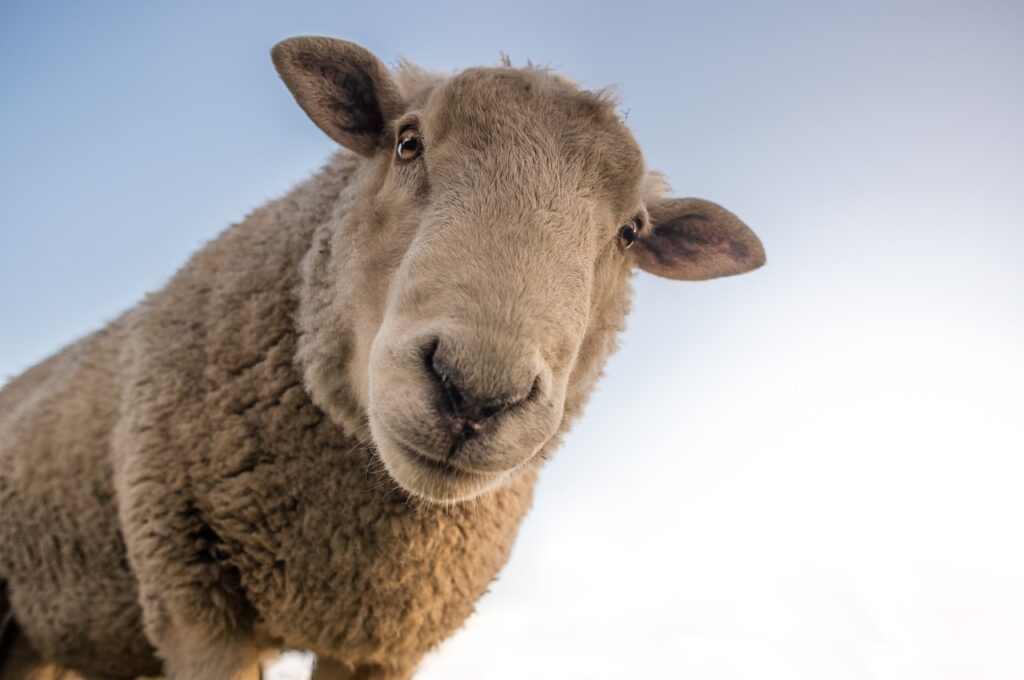
Sheep are wonderful, adaptable creatures when placed in the right environment. Their natural behaviors, social instincts, and unique care requirements make them ideal for farms and open spaces. However, attempting to raise sheep in an apartment contradicts their fundamental needs. From their reliance on grazing and flock dynamics to their need for space and proper ventilation, sheep are simply not suited for confined, indoor living. Let’s explore 12 factual and practical reasons why keeping sheep in apartments is not just impractical but harmful to their well-being.
1. Lack of Space for Grazing and Exercise

Sheep are natural grazers, spending up to 8 hours daily foraging for food. This need for wide, open spaces is fundamental to their health and well-being. Apartments, no matter how spacious, cannot provide the freedom sheep require for their grazing habits and natural movement. Without proper grazing and physical activity, sheep are likely to develop stress and health issues. Additionally, confined spaces may restrict their ability to engage in flock behavior, which is essential for their sense of security and social interaction.
2. Natural Grazing Diet and Nutritional Needs

Sheep’s dietary requirements are entirely based on grazing and foraging. They thrive on fresh grass, clover, and other natural vegetation, supplemented with hay in the colder months. Apartments are ill-suited to accommodate these feeding habits, as sheep cannot rely solely on processed feed or grains. Their grazing also promotes digestive health, which would suffer significantly in a confined, non-pastoral setting. Even if you tried to replicate their diet indoors, the absence of natural grazing would lead to nutritional deficiencies, stress, and digestive problems.
3. Stress Due to Flock Instincts

Sheep are prey animals and feel secure only when they are part of a flock. Their instinct to stick together in groups helps protect them from predators and reduces stress. In an apartment, isolating a sheep or keeping just one or two can lead to severe anxiety and behavioral issues. Even if you attempted to create a small “flock,” the lack of space and natural stimuli would still cause stress. Sheep thrive in environments where they can interact naturally with other members of their herd, a dynamic that apartments simply cannot provide.
4. Need for Proper Ventilation and Shelter

Sheep are hardy animals, but proper ventilation and weather-protective shelters are vital for their health. Poor ventilation can lead to respiratory issues and heat stress, while inadequate protection from weather elements can cause illness. Apartment living lacks the ability to replicate natural airflow or provide appropriate shelter options, such as barns or lean-to sheds. In confined spaces, harmful gases like ammonia can accumulate, posing serious health risks for sheep. Even with modern housing solutions, apartments cannot recreate the natural conditions that sheep need to thrive.
5. Waste Management Challenges

Sheep produce a considerable amount of manure, which requires careful management to avoid health risks and unpleasant odors. On farms, manure is collected, composted, or used as fertilizer. In an apartment, the absence of outdoor space makes manure management a near-impossible task. Accumulated waste would not only be unhygienic but could also attract pests, causing discomfort for both the sheep and apartment residents. Effective manure management demands proper storage solutions like bunks or compost piles, which are entirely impractical in indoor settings.
6. Difficulty Meeting Shearing and Grooming Needs

Sheep, especially wool breeds, require regular shearing to maintain their health and comfort. Without shearing, their wool can become matted, leading to overheating, skin infections, or parasite infestations. Shearing sheep requires skill, space, and specific tools that are not feasible in an apartment. Additionally, routine hoof trimming is essential every 6–10 weeks to prevent overgrowth and mobility issues. These maintenance activities demand appropriate setups, like barns or outdoor pens, which apartments cannot provide.
7. Incompatibility with Apartment Noise and Stress Levels

Sheep are naturally skittish and sensitive to their surroundings. They thrive in calm and peaceful environments, as loud noises or sudden movements can easily startle them. Apartments, especially in urban areas, often come with noise from traffic, neighbors, and other external factors that would create constant stress for sheep. This heightened stress can lead to health issues, such as reduced immunity and digestive problems. Additionally, their own vocalizations might disturb neighbors, making apartment living unsuitable for both sheep and those around them.
8. Social Needs and Flock Behavior

Sheep are deeply social animals that rely on the presence of a flock to feel secure. In an apartment, the absence of a sufficient number of companions would leave them feeling isolated and stressed. While keeping a single sheep may seem manageable, it would result in significant mental health issues for the animal. Even if you attempted to replicate a flock with other pets or humans, it wouldn’t provide the same level of interaction they require from their kind. Flock dynamics are essential for sheep, making apartments unsuitable due to the lack of natural social interactions.
9. Health Risks from Lack of Exercise

Sheep require space for grazing, walking, and other physical activities to maintain their health. In an apartment, their movement would be highly restricted, leading to obesity, joint problems, and other health complications. Regular exercise is crucial for their physical and mental well-being, and apartments cannot provide the outdoor environment necessary for this. Confining sheep to small spaces limits their ability to engage in natural behaviors like roaming and exploring. Over time, the lack of exercise and stimulation would take a toll on their overall health.
10. Inability to Manage Seasonal and Routine Care

Sheep have specific seasonal and routine care requirements, including vaccinations, deworming, and lambing, which are difficult to manage in an apartment. For example, lambing requires individual spaces for ewes and lambs, ensuring proper nursing and care during the critical early days. Additionally, routine health checks, such as monitoring for worms or trimming hooves, need space and appropriate handling setups. Apartment living lacks the facilities and flexibility to perform these essential tasks efficiently.
11. Challenges with Feeding and Mineral Supplementation

Sheep require a balanced diet that includes fresh grass, high-quality hay, and sheep-specific mineral supplements. Apartment living cannot provide access to fresh forage or accommodate large quantities of hay. Minerals, which are essential for their health, need to be weatherized and carefully managed to ensure sheep can access them freely. Providing such a diet in an apartment setting is impractical, as it involves not only sourcing but also storing large amounts of feed and supplements.
12. Unsuitability of Indoor Conditions for Natural Behavior
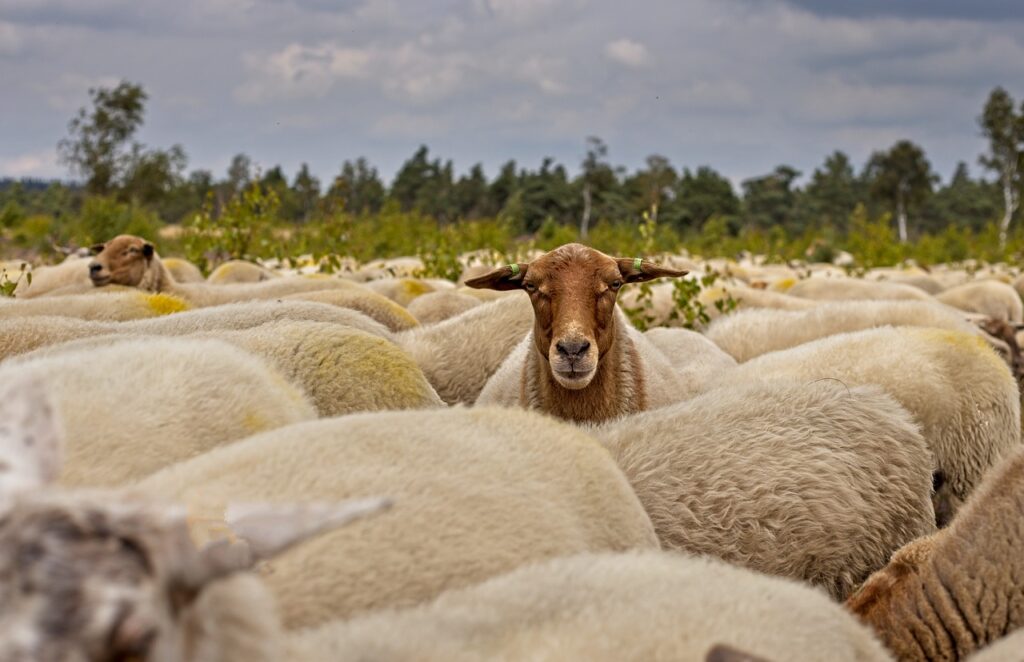
Sheep are animals with natural instincts and behaviors, such as grazing, flocking, and exploring open spaces. These behaviors are deeply ingrained and cannot be suppressed or replaced by indoor living conditions. Apartments cannot replicate the natural environment sheep need to engage in these activities. For example, sheep love grazing on diverse plants and exploring their surroundings, which is impossible within the confines of an apartment. Additionally, they require sunlight, fresh air, and space to roam freely, all of which are limited in indoor settings.
Love Pets as Much as We Do?

Scroll up and click the ‘Follow’ button to stay updated with the latest heart-warming, hilarious, and helpful pet posts from Pawdown, delivered straight to your Microsoft Start feed and MSN homepage!