
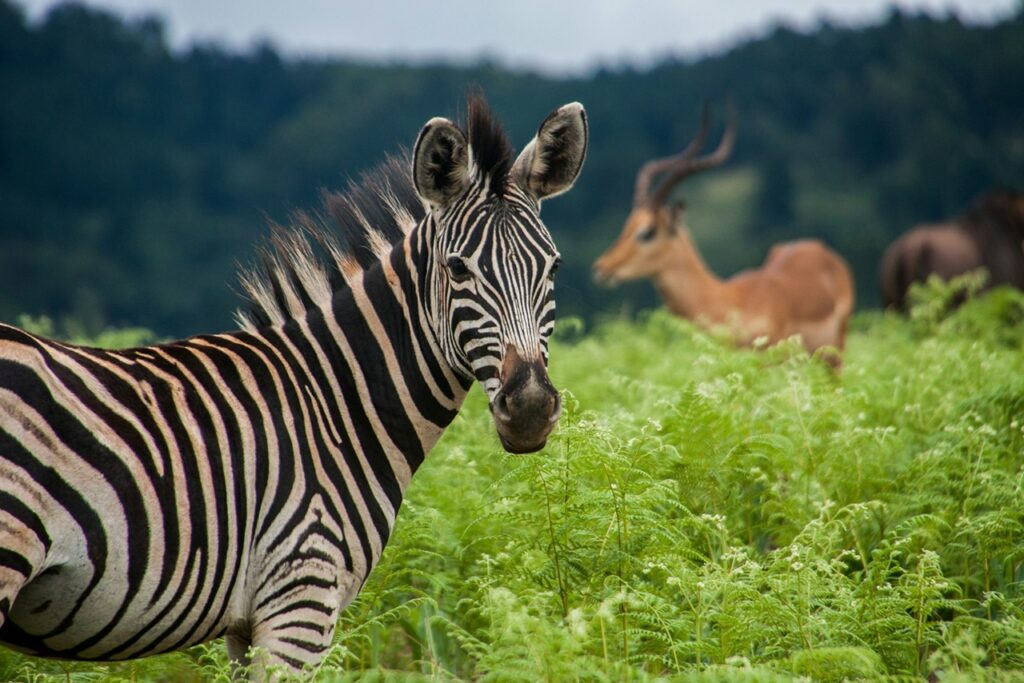
On the vast African savannas, zebras and wildebeests embark on epic journeys that have fascinated observers for generations. These two species share an unspoken alliance that underscores the magic of the wild. Their joint travels are more than just a spectacle; they’re a well-oiled strategy honed over time that brilliantly showcases nature’s symphony of survival. From defying predators to maximizing the bounties of their rugged habitat, the reasons behind their companionship reveal an intricate tapestry of instinct and cooperation.
1. Safety in Numbers
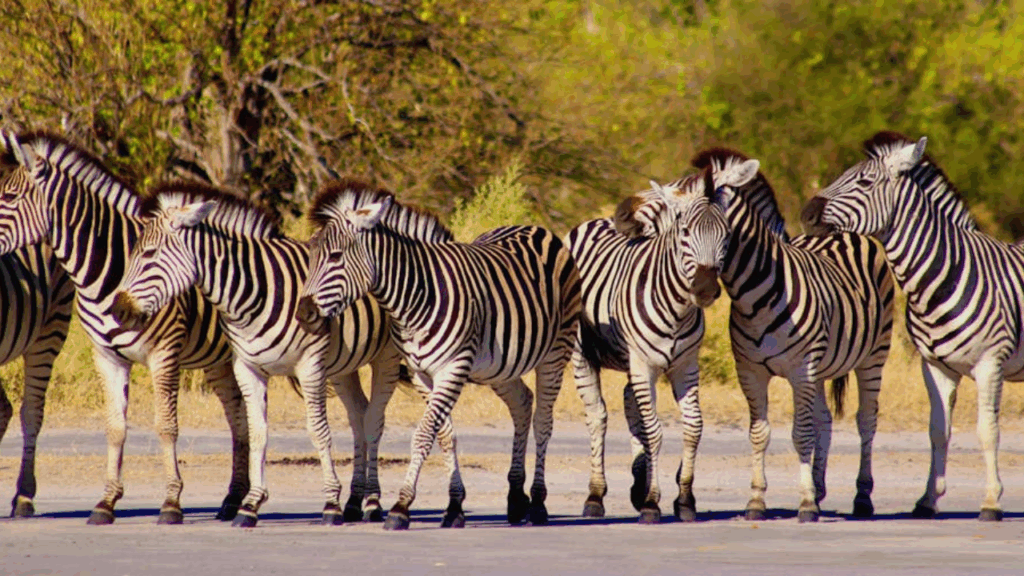
There’s power in unity, especially when you’re a zebra or a wildebeest trekking across predator-laden landscapes. Traveling together enhances their safety significantly. Lions and other predators lurk nearby, but with larger herds, the odds of being singled out dramatically decrease. This formidable alliance means more eyes and ears are alert to danger, providing early warnings through collective vigilance. The sheer size of their combined herds often deters predators altogether, ensuring that strength truly exists in numbers.
2. Shared Resources
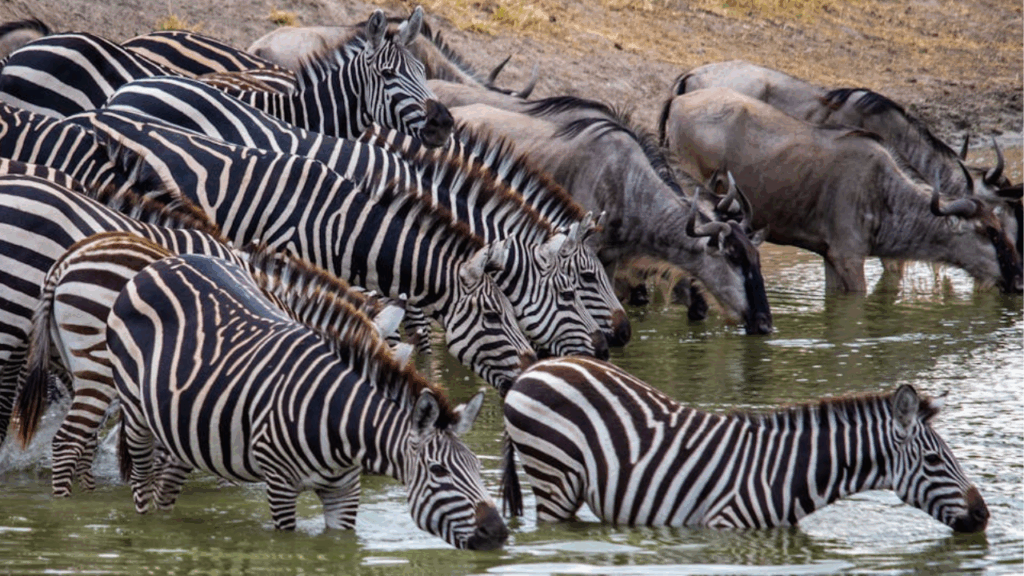
In the harsh savanna, survival hinges on efficient resource use. Zebras and wildebeests intuitively understand this, synchronizing their migrations to conserve and share the limited resources available. Zebras, with their grazers’ teeth, prefer coarse, taller grasses, while wildebeests munch on shorter, juicier sprouts. This complementary dietary preference minimizes competition and optimizes foraging efficiency. Together, they effectively manage the land, ensuring both species can feast without exhausting their food supply.
3. Predator Confusion
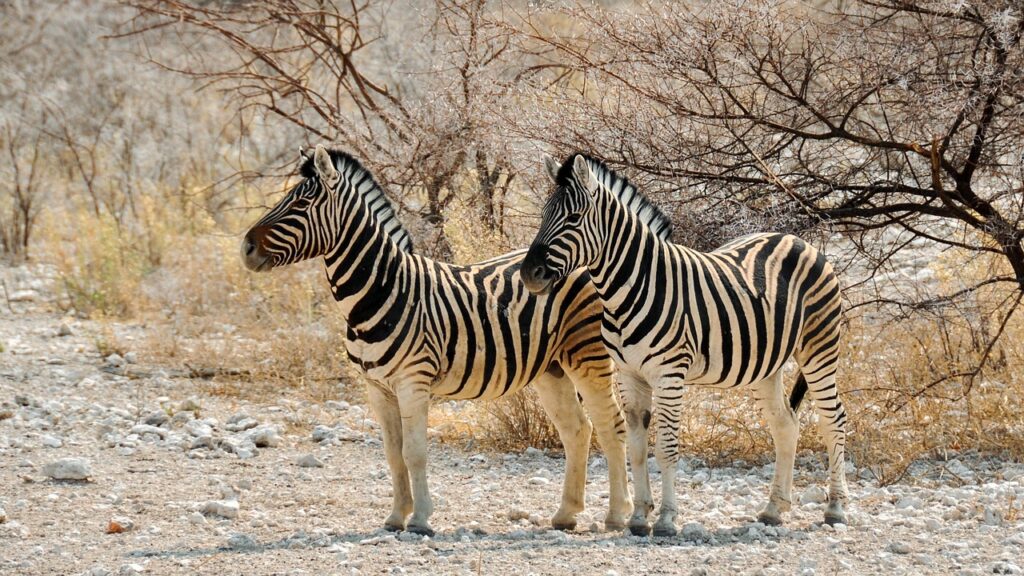
Camouflage and chaos are key in the wild, and zebras and wildebeests have mastered the art of confounding foes. With their distinct stripes, zebras create optical illusions that confuse predators, while the sheer size of wildebeest herds adds to the turmoil. When faced with danger, their collective gallop becomes a swirling mass of stripes and shapes, making it difficult for predators to single out a target. This strategic blending seamlessly baffles even the savviest hunters, creating opportunities for escape.
4. Efficient Grazing
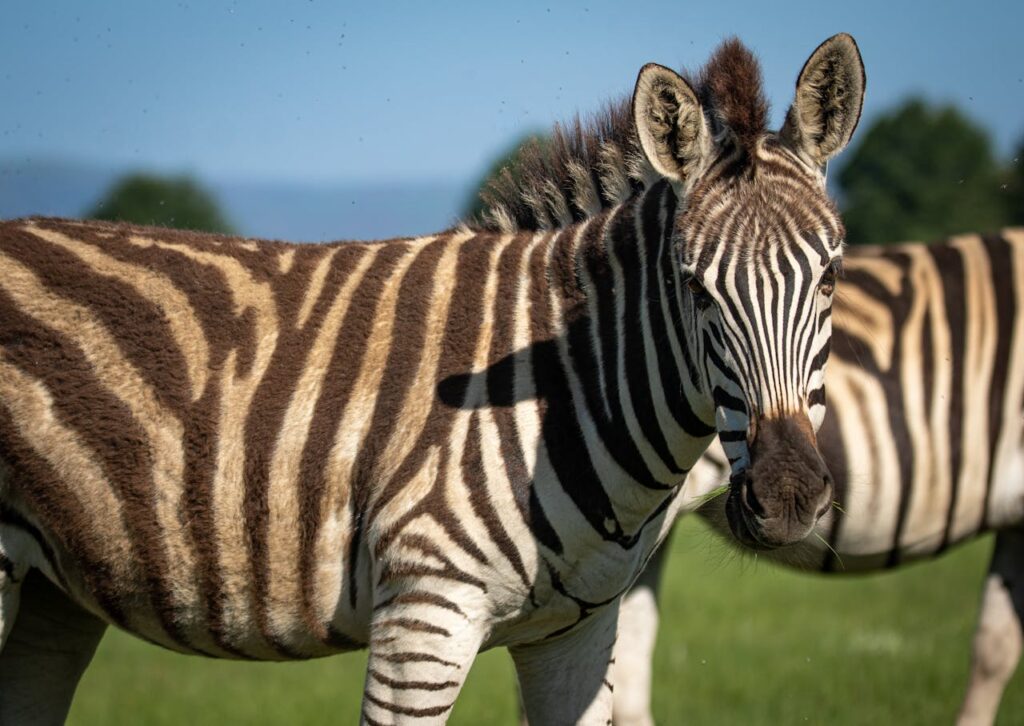
Timing and technique in grazing can spell the difference between feast and famine. Wildebeests and zebras capitalize on each other’s habits to maximize their grazing success. Zebras often eat first, trimming the taller grasses and paving the way for wildebeests to access the more delicate shoots underneath. This efficient grazing strategy not only supports the savanna’s ecosystem but also ensures both species have access to ample nourishment. It’s a partnership that epitomizes the balance and interdependence found in nature.
5. Social Bonds
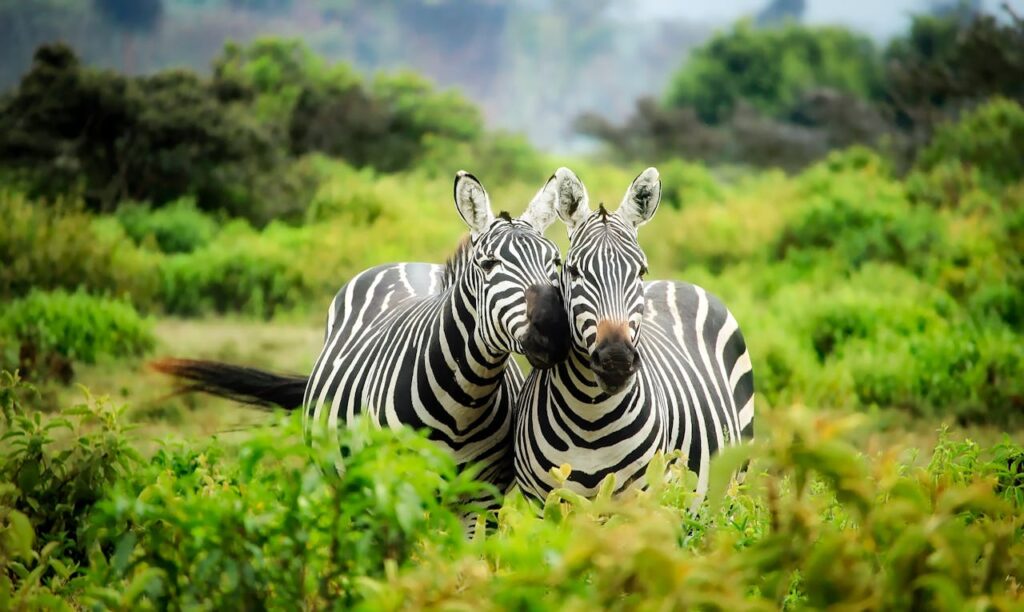
In the open savannas of Africa, zebras and wildebeests often forge unexpected alliances. These travelers share the land, developing social bonds that enhance their survival. Zebras have keen eyesight, while wildebeests boast an impressive sense of smell. Together, they create a harmonious system where each species benefits from the other’s strengths. This collective vigilance helps them detect predators early, offering a higher chance of safety. Their social synergy is a fascinating display of cooperation in the wild, highlighting how diverse species can coexist and thrive.
6. Water Access
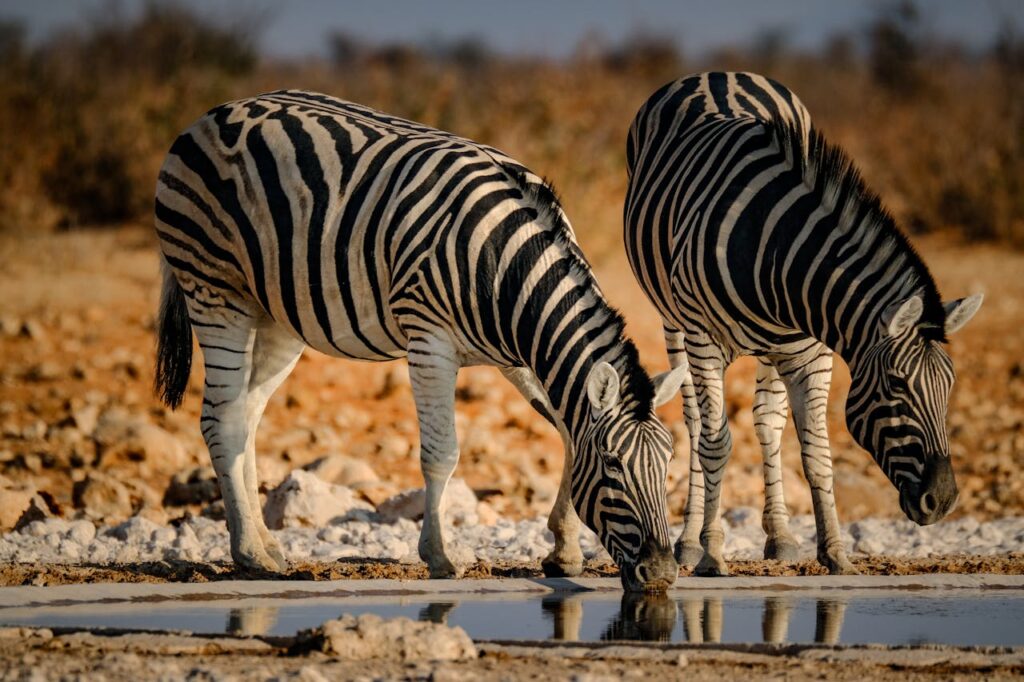
Finding water is a relentless challenge in the parched African landscapes. Zebras and wildebeests join forces to locate crucial watering holes. Wildebeests, known for their acute sense of smell, follow the faintest scent of moisture, while zebras rely on their sharp sight to scout distant water sources. This complementary partnership ensures that both species can quench their thirst efficiently. Their collaboration highlights a strategic alliance, where working together becomes essential for overcoming the harsh and unforgiving environment.
7. Navigation Aid
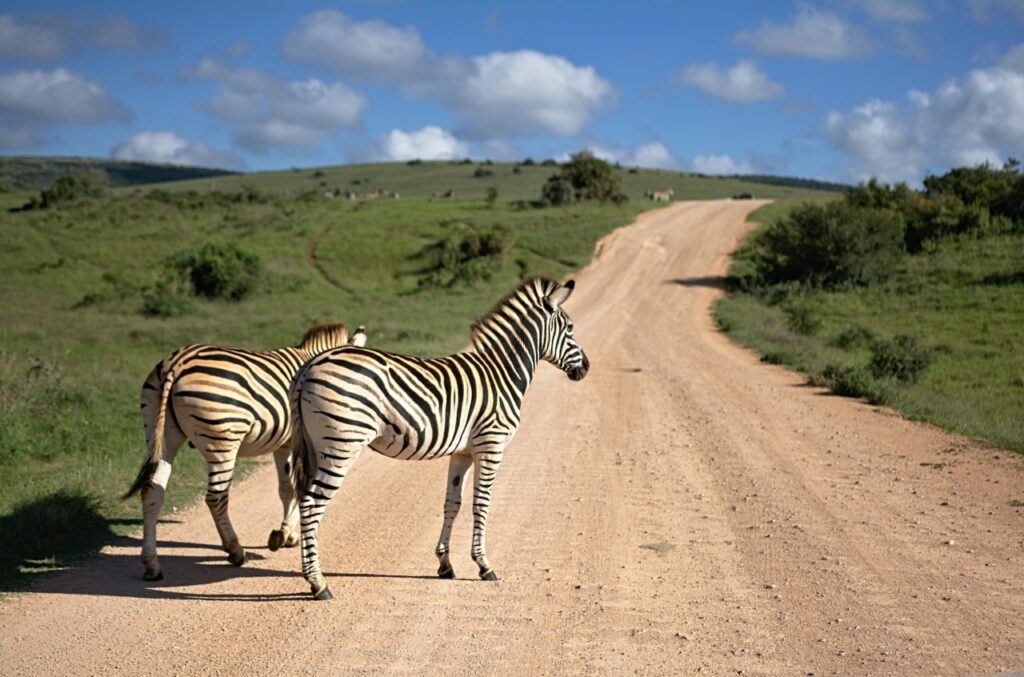
Migrating across vast terrains is no easy feat, and zebras and wildebeests have mastered it through collaboration. Zebras, with their excellent memory, remember migratory routes and landmarks, guiding the herd with unwavering precision. Wildebeests contribute by detecting the subtle changes in the environment that signal impending danger. This mutual navigation support leads to successful journeys, showcasing nature’s brilliance in utilizing the unique abilities of each species. Together, they traverse the landscape with confidence, ensuring a safer passage for all.
8. Climate Adaptation
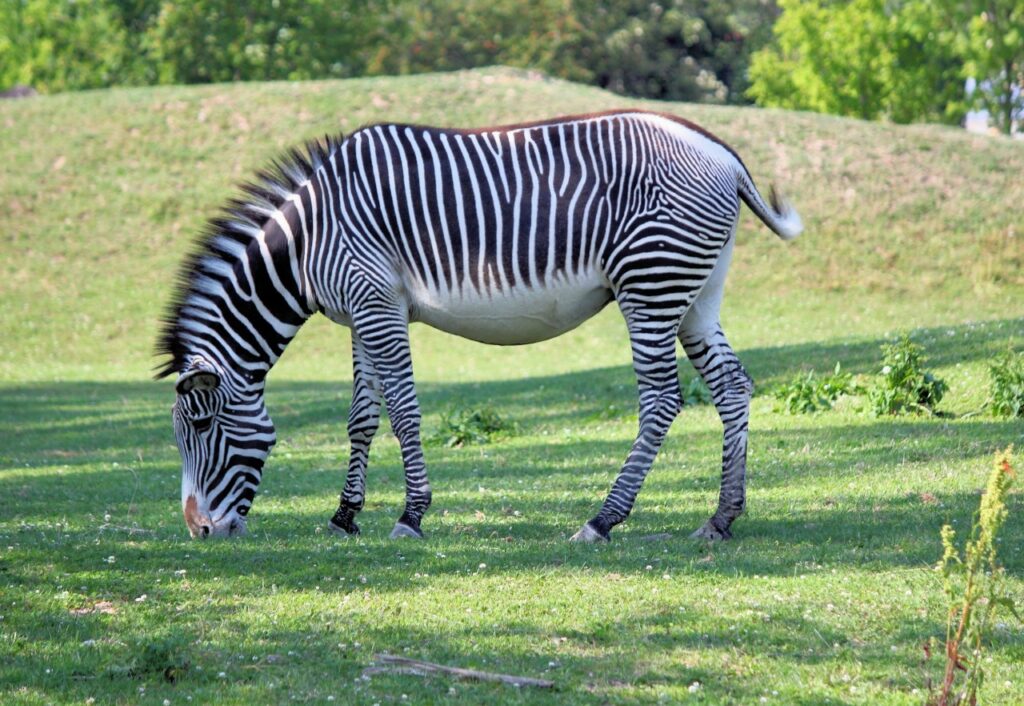
The African plains are subject to dramatic seasonal changes, and zebras and wildebeests have adapted brilliantly. By traveling together, they maximize their chances of finding food during droughts and flourishing during rains. Zebras graze on longer grasses, leaving the shorter, more nutritious blades for wildebeests. This division of resources eliminates competition and supports a thriving coexistence. As seasons shift, their adaptive strategies ensure continued survival, illustrating a masterful balancing act in response to nature’s ever-changing demands.
9. Mutual Alert System
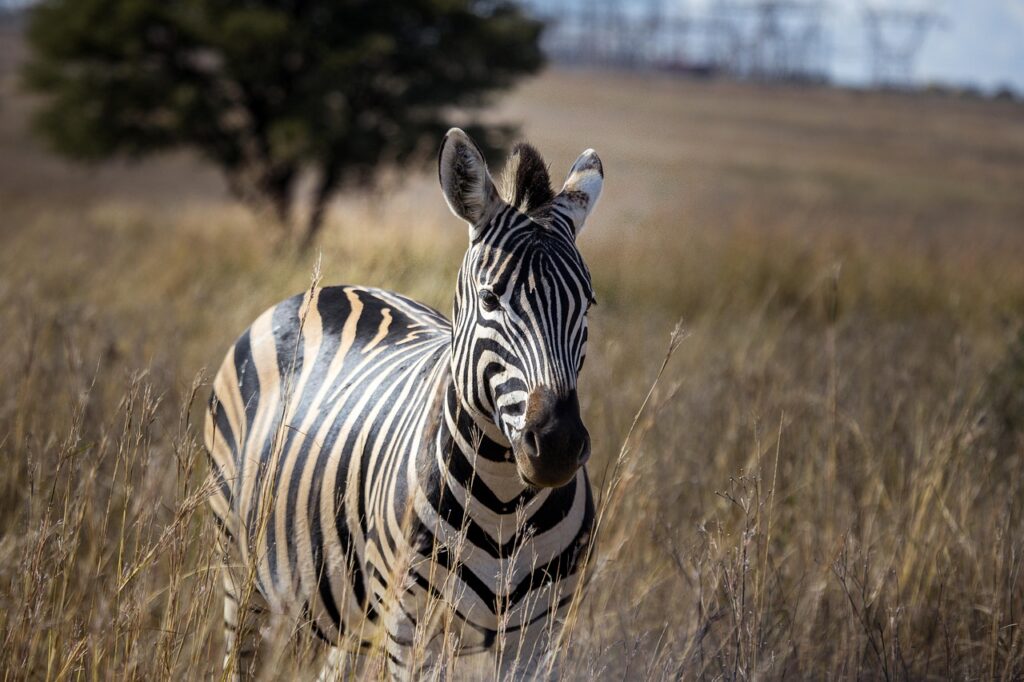
In the wild, safety often hinges on the strength of community. Zebras and wildebeest have developed a mutual alert system that amplifies their chances of survival. By traveling together, these animals benefit from each other’s keen senses. Zebras have sharp eyesight, while wildebeest possess a strong sense of smell. When a predator approaches, any sign of danger is quickly communicated, allowing both species to respond swiftly. This partnership means more eyes and ears are on the lookout, reducing the likelihood of falling prey.
10. Balanced Diets
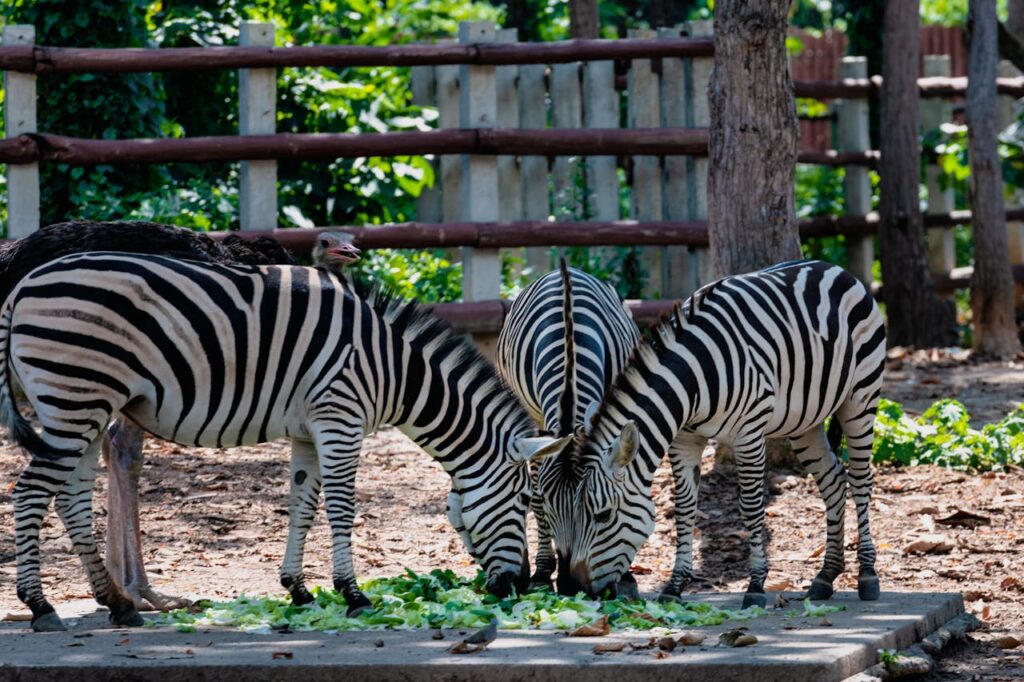
Zebras and wildebeest are like dining partners with complementary tastes, finding nourishment in different parts of their shared dining room—the savanna. Zebras munch on taller grass, cropping it down to a level that’s ideal for wildebeest, who prefer the shorter, tender shoots. This balance prevents direct competition for food and ensures that both species thrive. By maintaining the grassland in this way, they also support a healthy ecosystem that benefits other species in their habitat.
11. Trail Formation
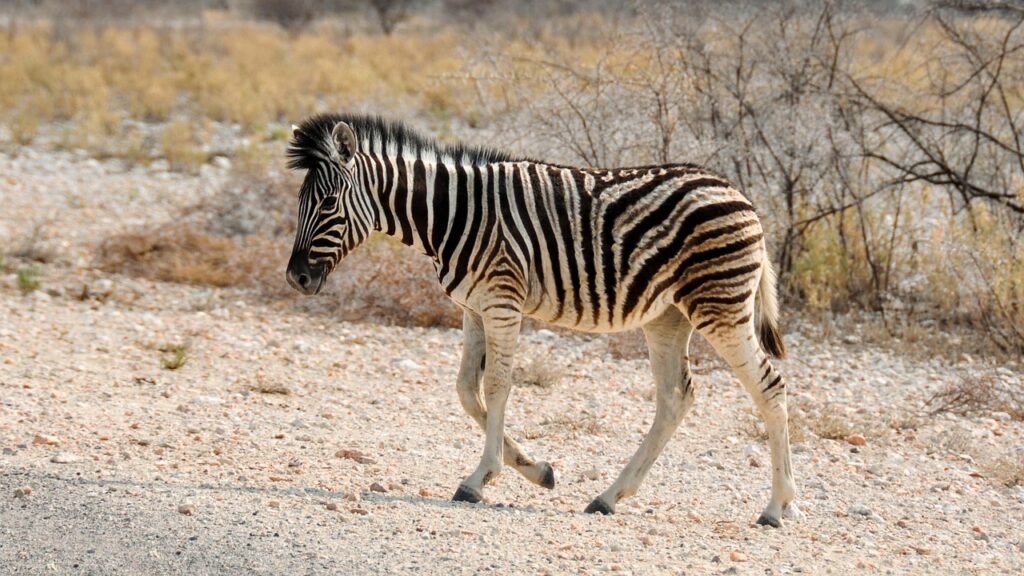
Navigating the vast expanses of the savanna requires more than just a sense of direction; it demands well-worn paths. Zebras naturally take the lead in forming these trails, thanks to their impeccable memory and ability to recall migratory routes. Wildebeest, in turn, follow the paths created, benefiting from the zebra’s navigation skills. This cooperation enables more efficient travel, ensuring both species reach water sources and fertile grazing lands necessary for their survival.
12. Breeding Opportunities
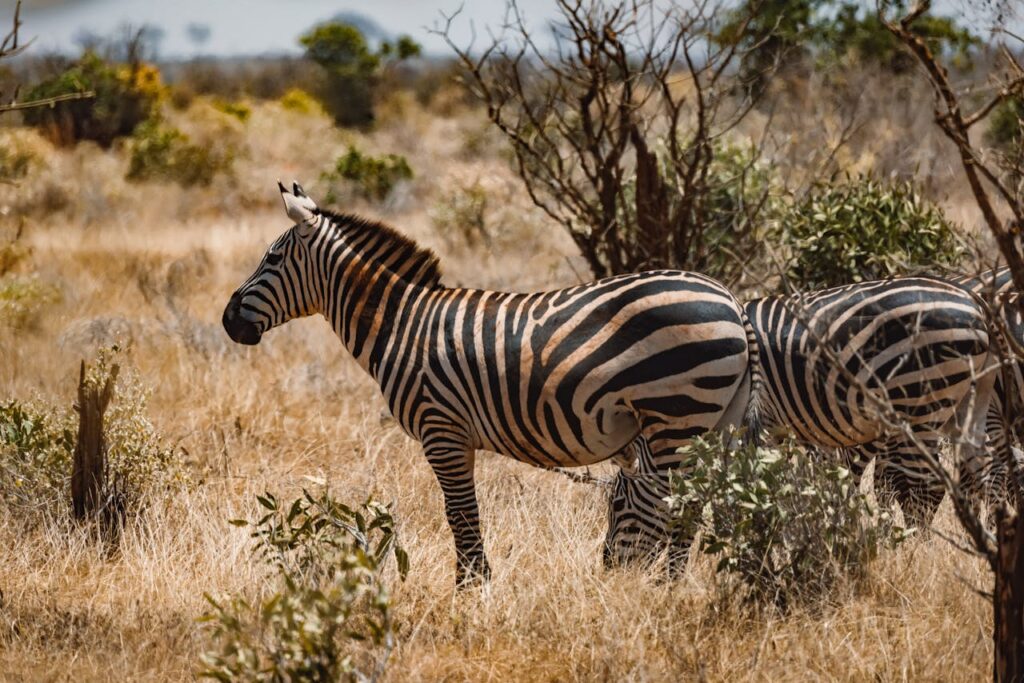
Traveling in large mixed herds increases the chance of finding a mate, which is crucial for species survival. During migration, zebras and wildebeest congregate in massive numbers, offering a wealth of breeding opportunities for individuals. This diversity not only ensures a healthy gene pool but also increases their resilience against environmental changes. The synchronized timing of their breeding seasons creates a spectacular display of nature’s cycles, ensuring the continuation of these iconic species.