
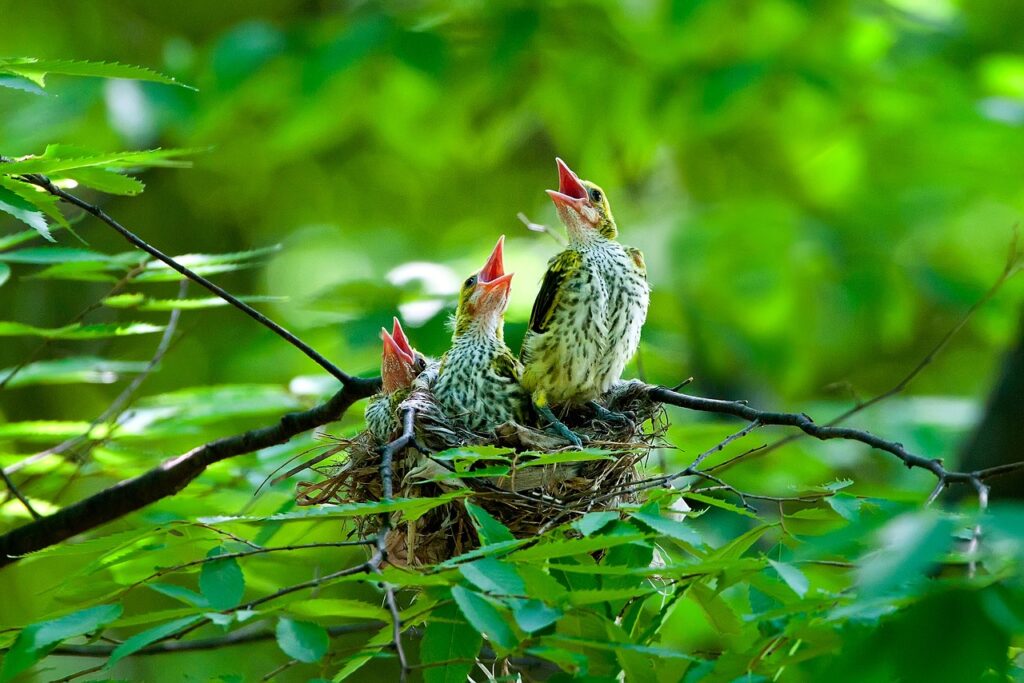
Birdwatchers and nature enthusiasts often find themselves wondering if a young feathered friend they’ve encountered truly needs assistance. It’s not always easy to decipher, as nature has its own way of dealing with vulnerable members, but some signs are undeniable. Whether you’re a seasoned bird lover or just starting out, knowing when to intervene can make a crucial difference. Let’s fly through some telltale signs that a baby bird needs help and how you can lend a hand while keeping their wild spirit intact.
1. Fallen from Nest
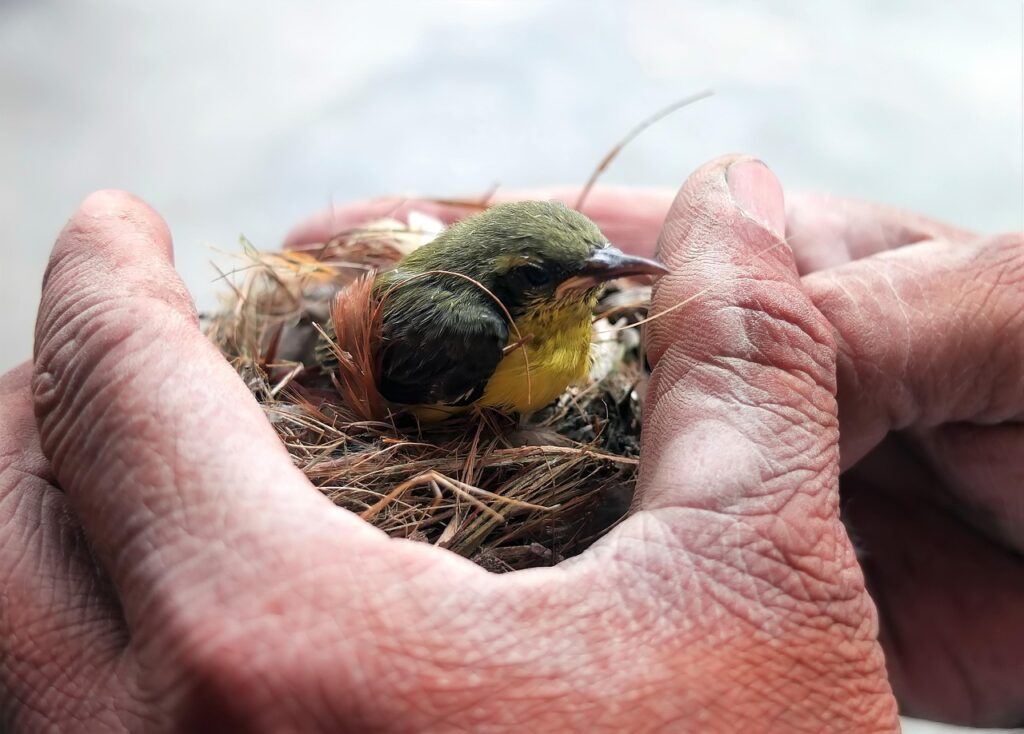
When you stumble upon a chick on the ground, your first instinct might be to scoop it up. But hold on! Many fledglings, those scruffy teenagers of the bird world, spend time on the ground as part of their natural growth. However, if you find a nestling—naked or with sparse feathers—it’s a different story. Nestlings rarely survive long outside the nest. In such cases, gently placing them back in their perch is crucial, unless there are clear signs that doing so presents a danger.
2. Visible Injury
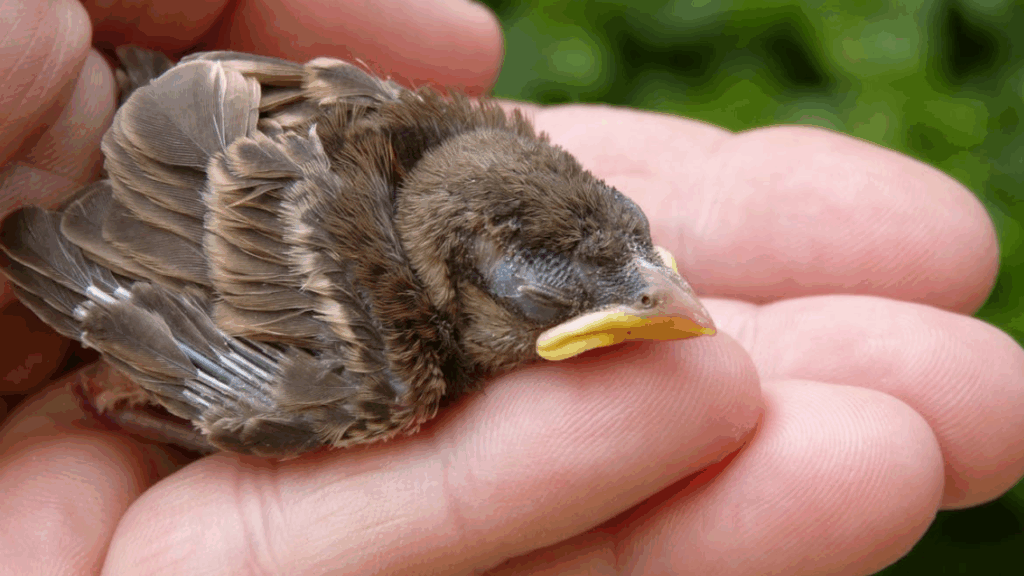
A wing that droops oddly or blood-stained feathers can be unmistakable red flags. Injured birds are vulnerable to predators and need prompt attention. Gently wrapping the bird in a soft cloth to prevent further harm and consulting local wildlife rehabilitators can increase its chances of survival. Remember, handling injured wildlife requires care to minimize stress and potential for further injury, so it’s crucial to act both swiftly and sensitively.
3. Dehydration
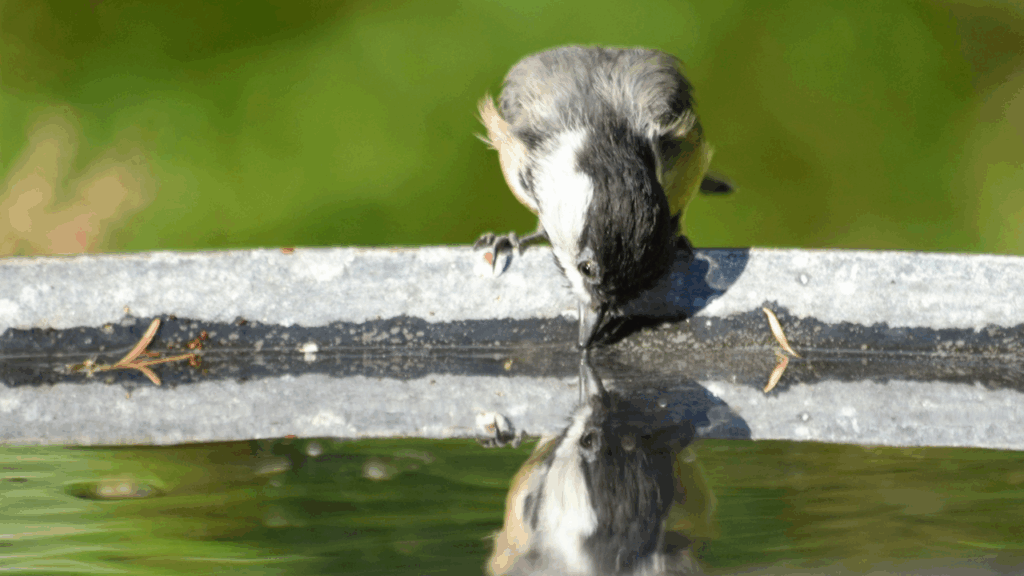
Thirsty birds can exhibit signs of dehydration similar to many creatures: sunken eyes, lethargy, and rapid breathing. In baby birds, dehydration is critical and often visible through unusually dry feather fluff. If you suspect dehydration, the best course is to contact a professional wildlife rehabber. Attempting to hydrate a bird on your own can cause accidental harm, especially if offered water incorrectly. Ensuring they get professional care is essential for recovery.
4. Fluffed Feathers
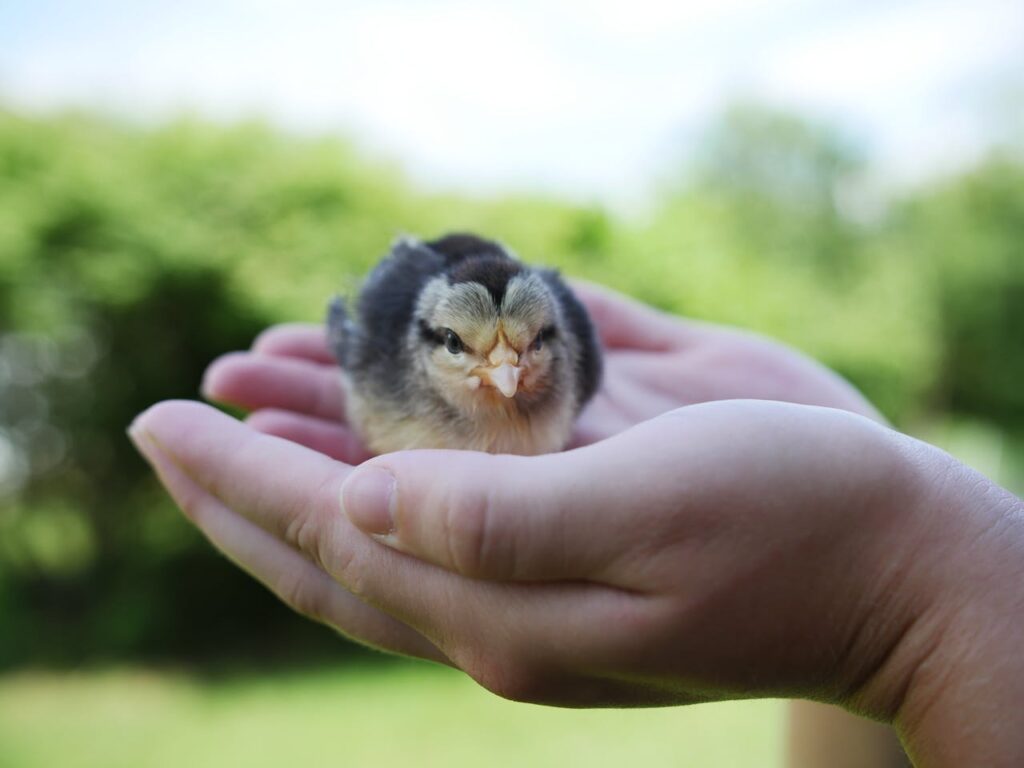
When a baby bird looks like it’s wrapped in a tiny feather boa, it could be a sign of distress. Fluffed feathers often indicate an attempt to regulate body temperature or can be a signal of illness. Combined with hunched posture, this can suggest the bird is unwell. Observing from a distance to identify if parents are attending to it, or if it continues to appear isolated and unresponsive, will help decide if intervention is needed. Reach out to local experts for guidance if the bird seems in distress.
5. Lethargy
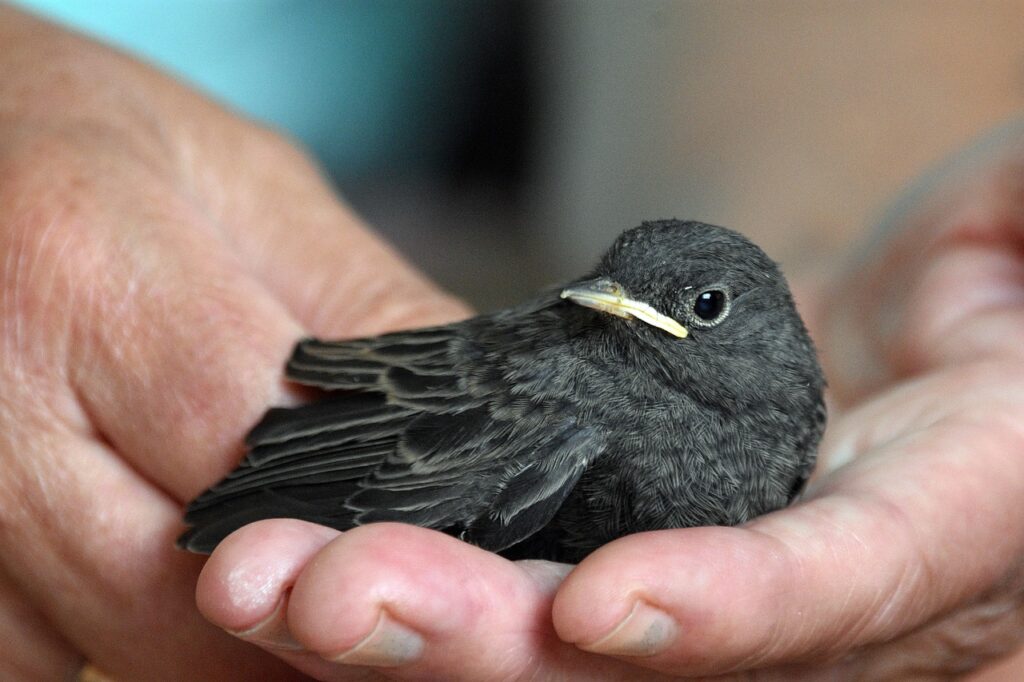
Finding a fluffy fledgling lying unusually still might tug at your heartstrings. Lethargy in baby birds can signal distress or illness, as these youngsters are usually abuzz with energy. If a chick isn’t responding to your presence or seems weak, it’s more than just a bad nap; it’s a red flag. When you spot a lethargic bird, observe from a distance to verify if a parent is around before intervening. Remember, sometimes fledglings need to rest in safety but without the watchful eyes of their parents, they might need a hand.
6. Constant Chirping
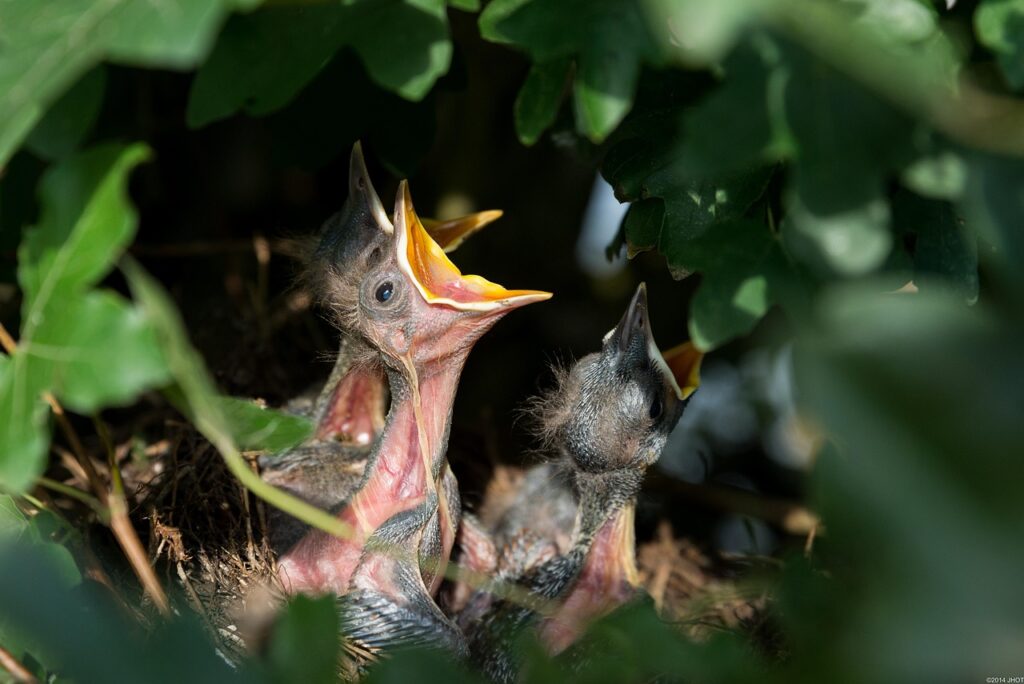
If a baby bird is chirping non-stop, it could be shouting for help. Constant chirping can indicate hunger, cold, or abandonment. In the wild, chicks vocalize frequently to communicate with their parents, but incessant noise might signal a missing guardian. Before taking any action, watch to see if the chirping attracts any parental attention. If the calls are unheeded, there’s a chance the chick might be in trouble. Observe and assess carefully—your intervention could mean the difference between survive and thrive.
7. Parasites Present
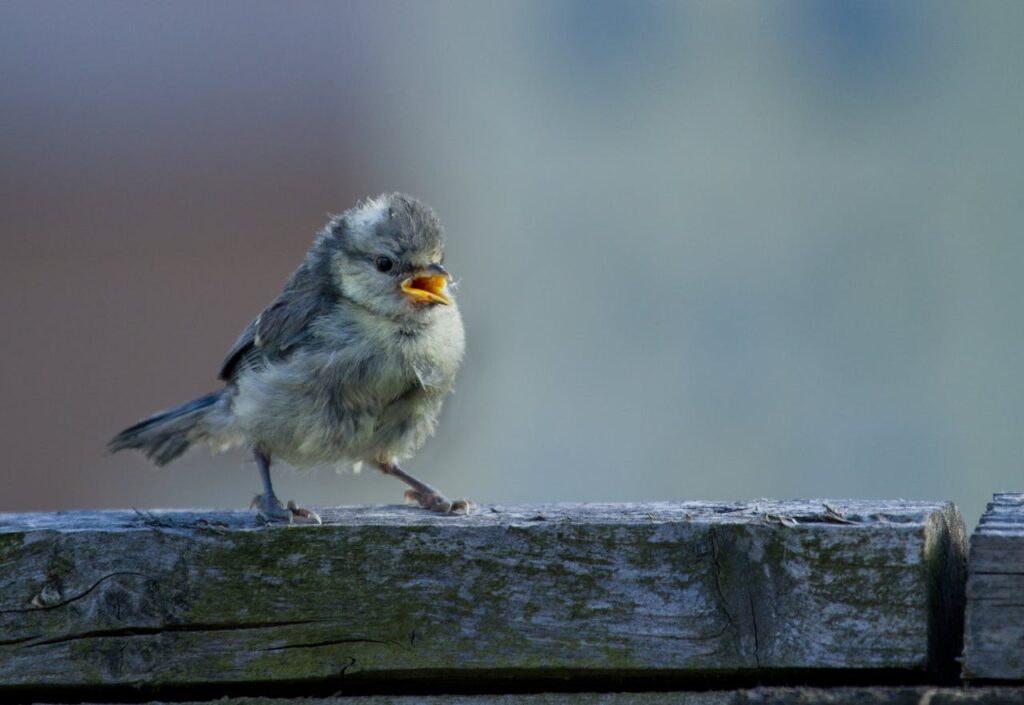
Spotting tiny hitchhikers on a young bird might mean it’s facing a bigger challenge. Parasites, such as mites or lice, can overwhelm a chick’s health if left unaddressed. They can cause discomfort and lead to serious health issues. When you notice visible parasites on or around a baby bird, it might be a clue that the chick needs professional help. Handle with care and ensure any assistance considers the bird’s best interest, maintaining the balance between helping and harming.
8. Unable to Perch
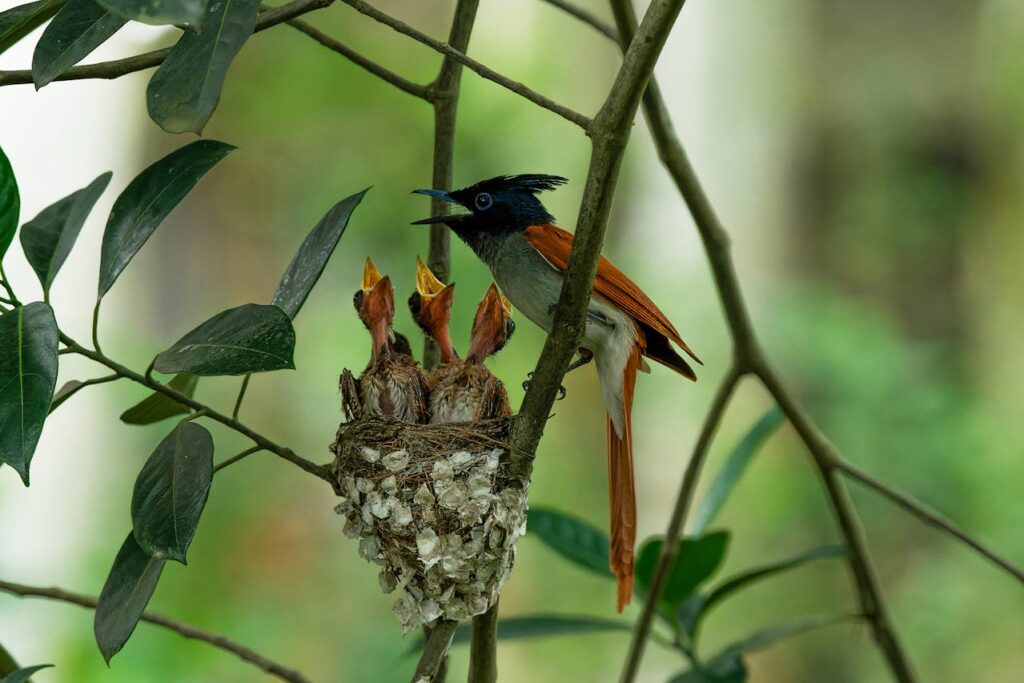
A baby bird on the ground desperately fluttering instead of perching can be another cry for assistance. Perching is a natural instinct for fledglings, and an inability to do so might signal weakness or injury. However, it’s also common for young birds learning to fly, so context is crucial. Survey the scene: are there nearby tree limbs or nests? Have predators been spotted in the area? Consider these factors before deciding your next steps—remember, a little reassurance can prevent premature rescue.
9. Observe Quietly
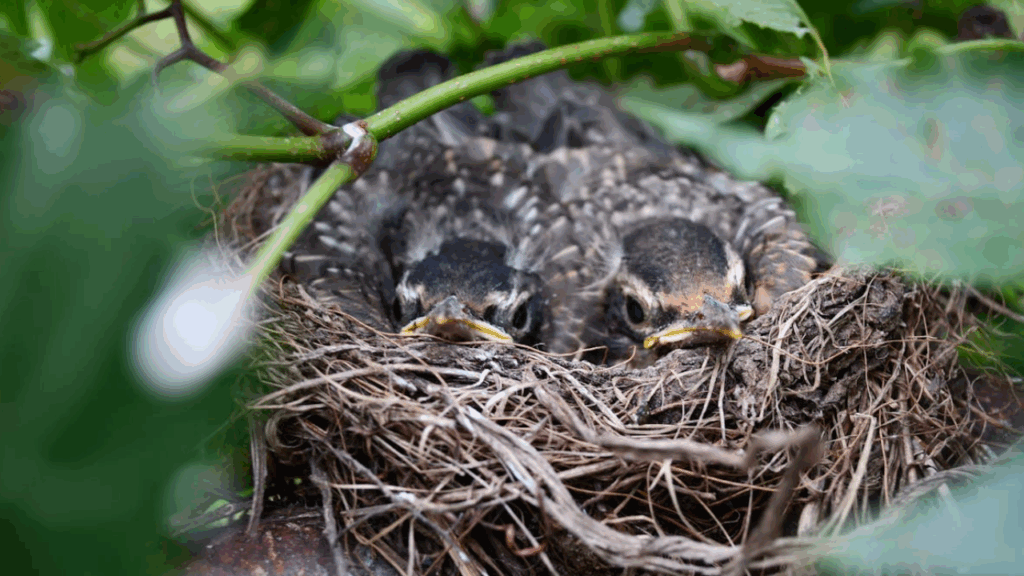
Spotting a baby bird can tug at your heartstrings, but it’s crucial to take a moment to observe before jumping to conclusions. Often, fledglings spend time on the ground as they learn to fly, and their parents are usually nearby, watching closely. These young birds might appear abandoned, but their parents are often waiting for you to leave. Take the time to watch from a distance—this keeps the fledgling safe from any well-intentioned interference that could actually disrupt the natural process.
10. Check for Parents
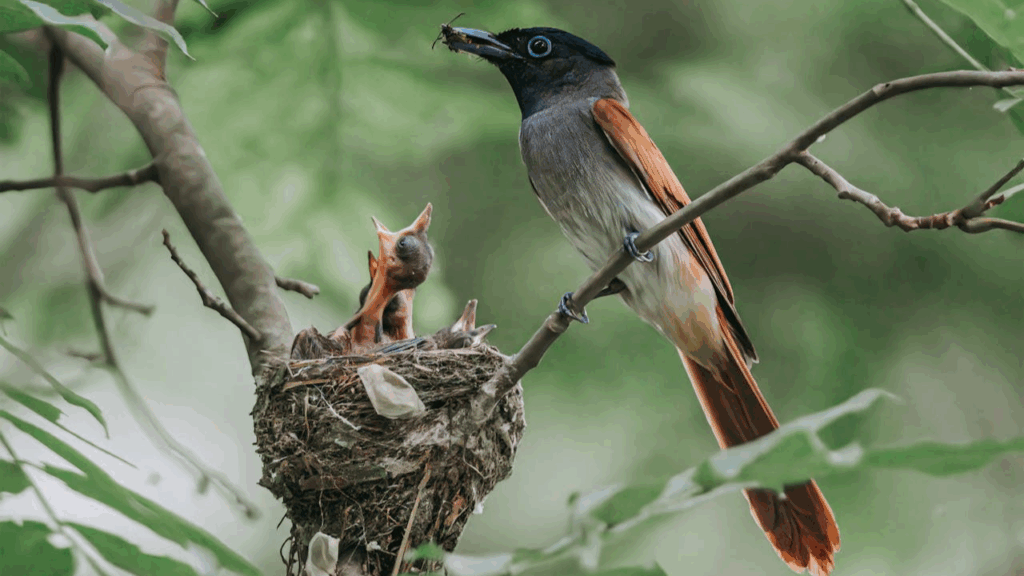
The presence of parent birds is the best indicator of whether a baby bird requires help. If you notice adult birds hovering around, feeding, or looking after the chick, it’s a sign that all is well. Parent birds can leave their chicks for extended periods to find food, and stepping in too quickly can be harmful. Patience is key; give it some time to see if the parents return. If a full day passes without any sign of adult birds, it might be time to consider intervention.
11. Avoid Direct Contact
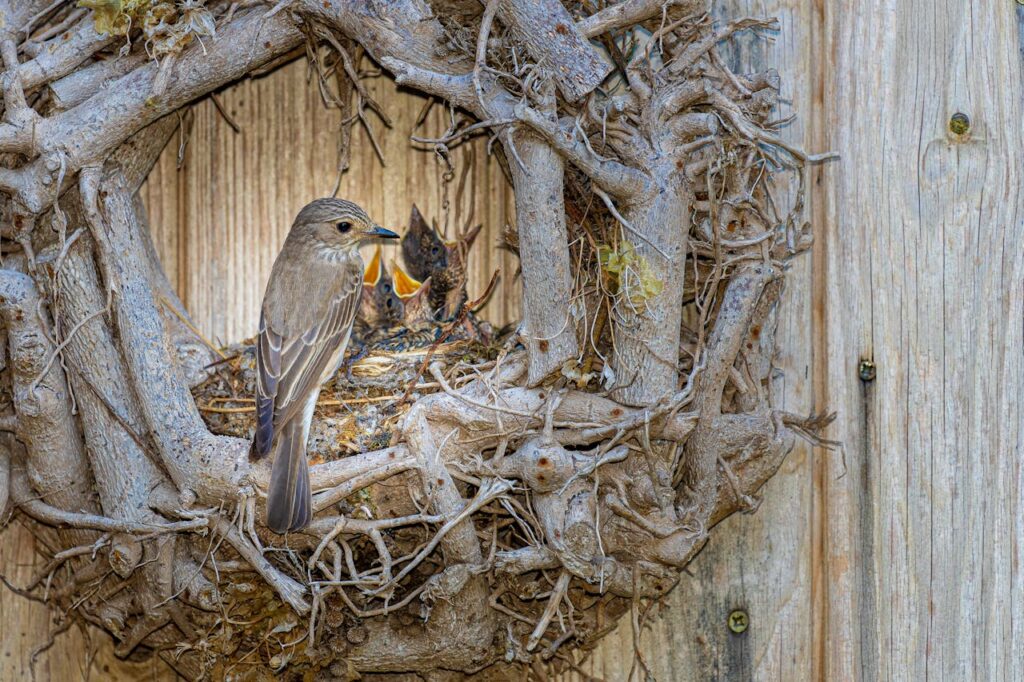
Your instinct might be to rush in and cradle the tiny creature, but handling a baby bird can sometimes do more harm than good. Birds are sensitive to human scent, and excessive contact can stress them. If you must move the bird, perhaps to get it out of harm’s way, make sure to gently use gloves or a soft cloth. Minimizing physical contact is crucial to keep the baby bird calm and ensure its scent remains undisturbed, so its parents can recognize it upon return.
12. Prepare a Safe Box
In instances where you determine a baby bird truly needs intervention, preparing a temporary safe space is essential. Use a small, ventilated box lined with soft cloth to cushion the bird. Ensure the box is kept warm and placed in a quiet, secure location away from potential predators. This setup can provide a temporary haven until professional help is available or until safe to return the bird to its nest. Always remember, reaching out to wildlife professionals for guidance should be your next step.