
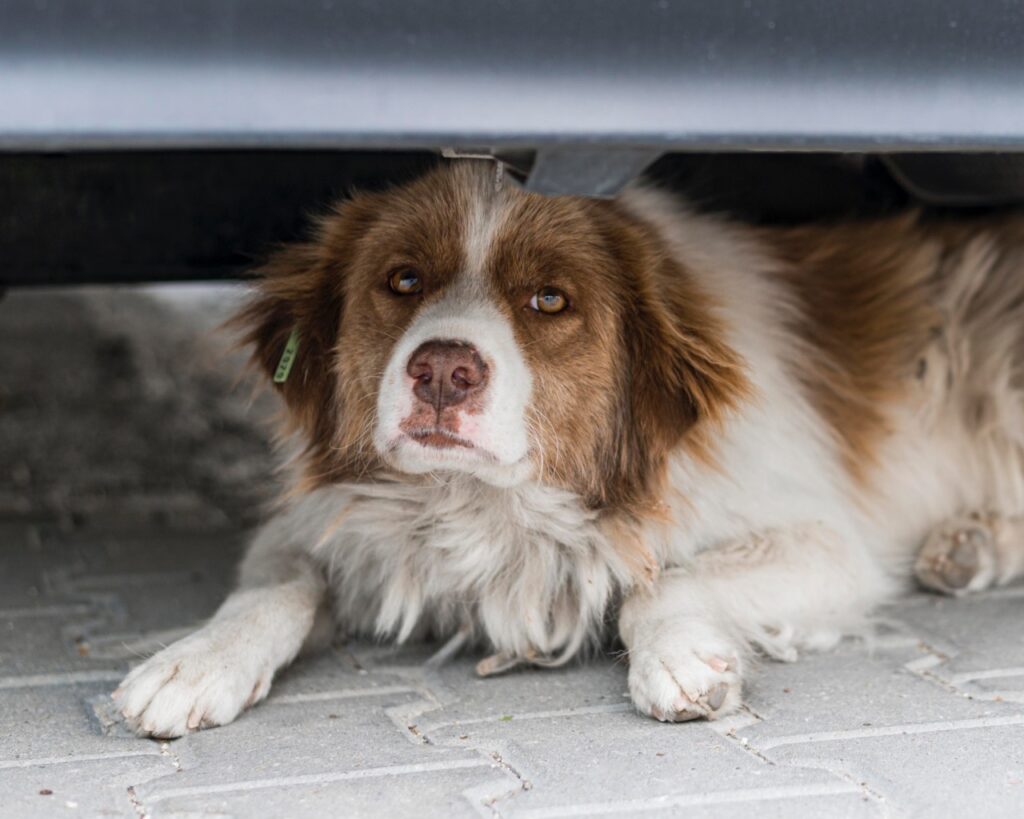
Dogs are sensitive creatures, often expressing their emotions through behaviors that may not always be immediately clear. If your dog seems fearful or anxious around you, it could indicate they feel intimidated. Recognizing these signs is crucial to building a healthy and trusting relationship. Fearful behavior in dogs often stems from past trauma, lack of socialization, or even unintentional cues from their owners. By identifying these behaviors and responding appropriately, you can foster a safer and more positive environment for your pet. Let’s explore 12 signs that may indicate your dog feels intimidated.
1. Running Away When You Approach
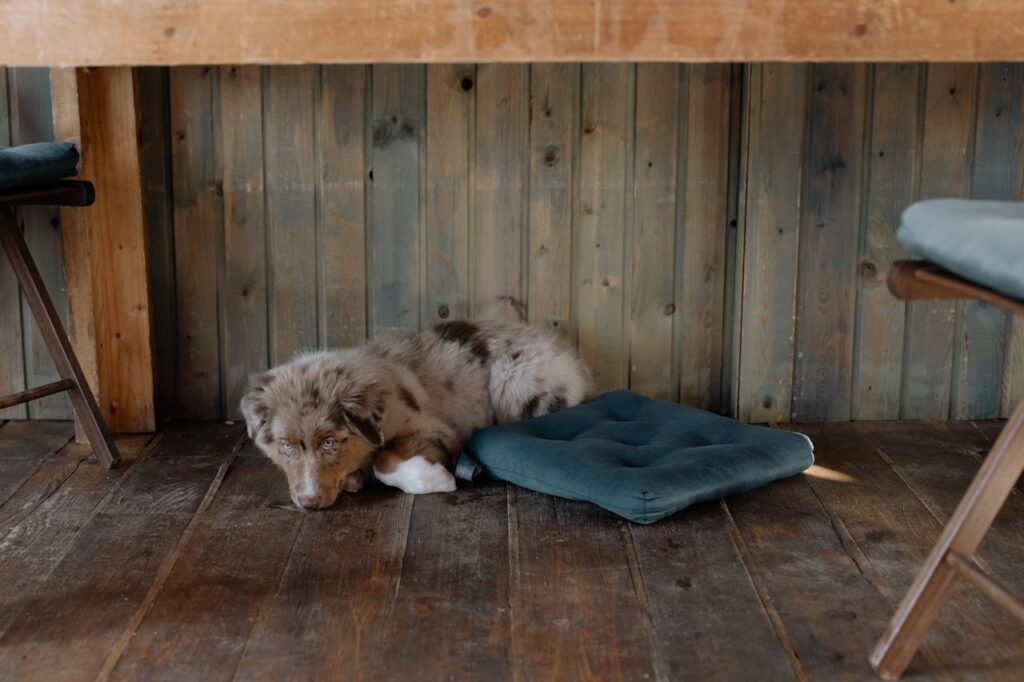
One of the clearest signs that your dog feels intimidated is if they consistently run away when you approach. This behavior may stem from fear, uncertainty, or a previous negative association. Dogs that are nervous about your presence may avoid interaction as a form of self-preservation. Instead of forcing contact, let your dog come to you on their own terms. Use soft, calm tones and offer treats to create a positive association with your approach. Building trust through gentle interactions can help reduce their fear and encourage a closer bond over time.
2. Peeing When You’re Close

Submissive urination is a common reaction in dogs that feel overwhelmed or intimidated. This behavior is your dog’s way of signaling submission or fear, often mistaken as defiance or misbehavior. It can occur when you approach them quickly, speak loudly, or use a stern tone. To ease their anxiety, avoid scolding or reacting negatively, as this may reinforce their fear. Instead, work on creating a calm and supportive environment by rewarding relaxed and confident behavior. Over time, this will help your dog associate your presence with safety and comfort, reducing their need to exhibit submissive behaviors.
3. Freezing or Trying to Escape
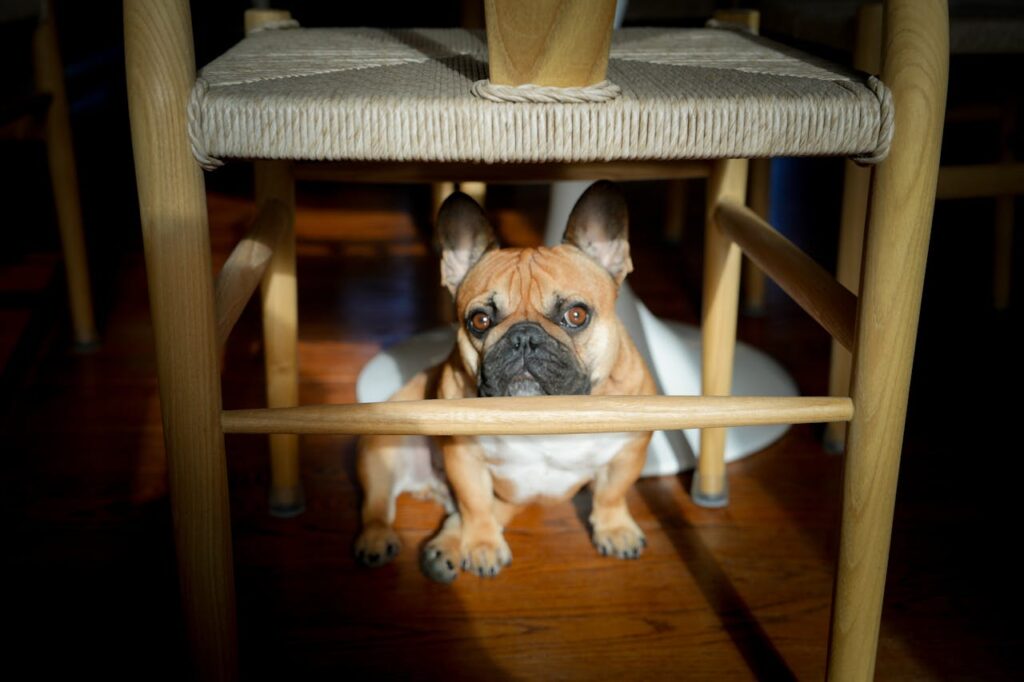
When dogs feel threatened, they may either freeze in place or try to escape the situation altogether. Freezing is a survival response, signaling that your dog feels too scared to move. Conversely, attempting to run away reflects a strong desire to avoid the source of fear. These reactions can be distressing to witness, but they provide valuable insight into your dog’s emotions. Try not to force them into scenarios where they feel uneasy. Instead, focus on creating a positive association with your presence through slow, deliberate movements, soft voices, and rewards for calm behavior.
4. Cowering or Shrinking Away
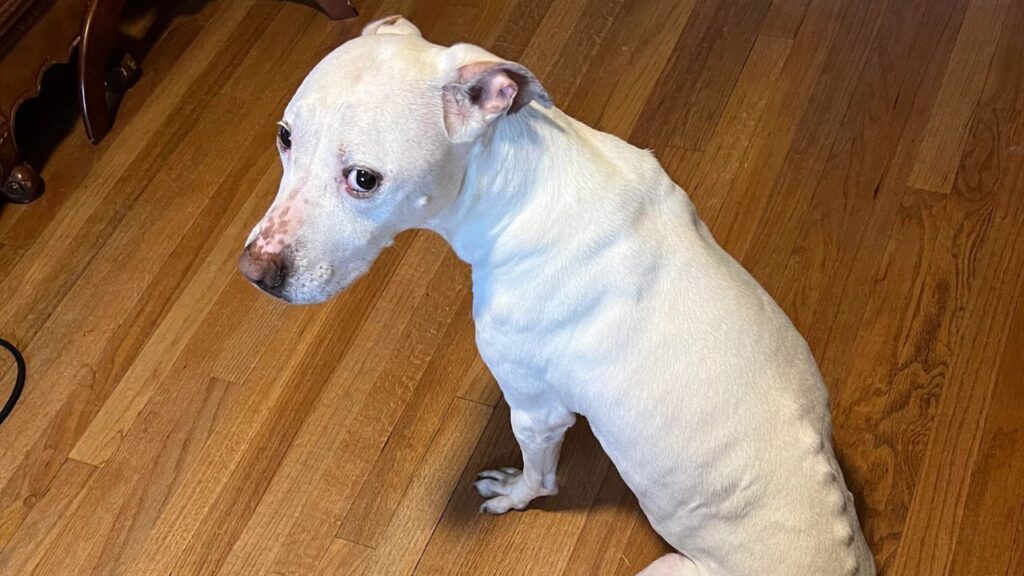
Cowering, lowering their head, or shrinking away are physical signs that your dog may feel scared or overwhelmed. These behaviors are often a dog’s way of appearing smaller and less threatening in response to fear. While cowering doesn’t always indicate past mistreatment, it is a clear signal of discomfort. Dogs with naturally anxious temperaments or limited socialization may exhibit this behavior more frequently. To help your dog feel safe, approach them slowly and avoid sudden movements. Use positive reinforcement, such as treats and praise, to build their confidence and encourage a more relaxed demeanor.
5. Avoiding Eye Contact
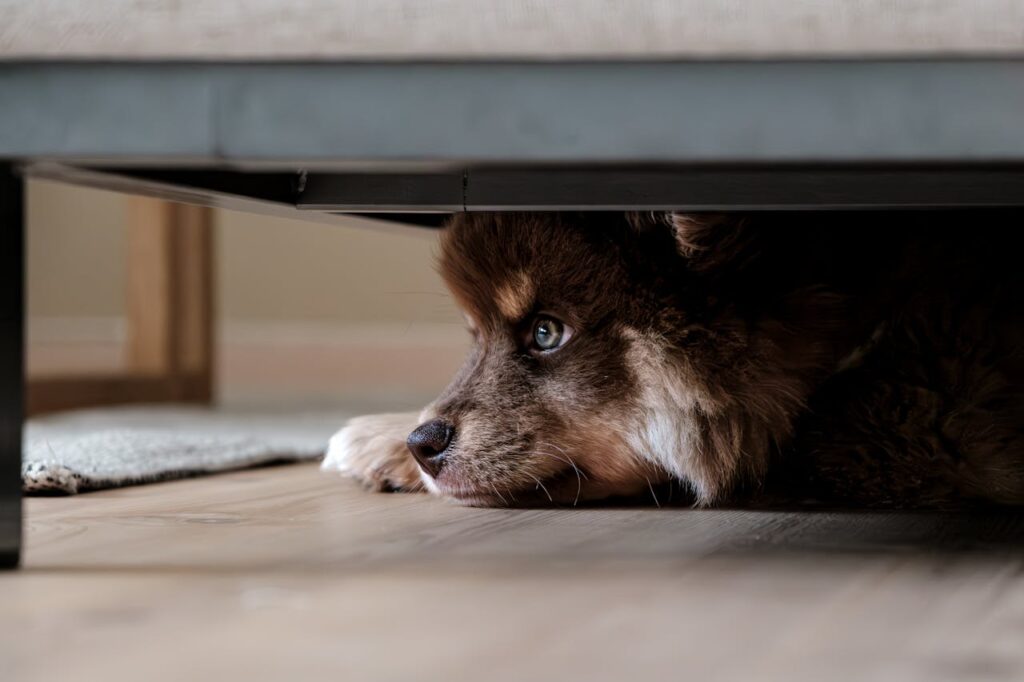
Eye contact is a powerful form of communication for dogs, and avoiding it can indicate fear or submission. If your dog consistently looks away or avoids your gaze, they may feel intimidated. This behavior often accompanies other signs of anxiety, such as a tucked tail or lowered posture. To help your dog feel more comfortable, avoid staring directly into their eyes, as this can be perceived as a challenge. Instead, focus on creating a calm environment and allow your dog to approach interactions at their own pace. Building trust through gentle, positive interactions is key.
6. Drooping or Pulled-Back Ears
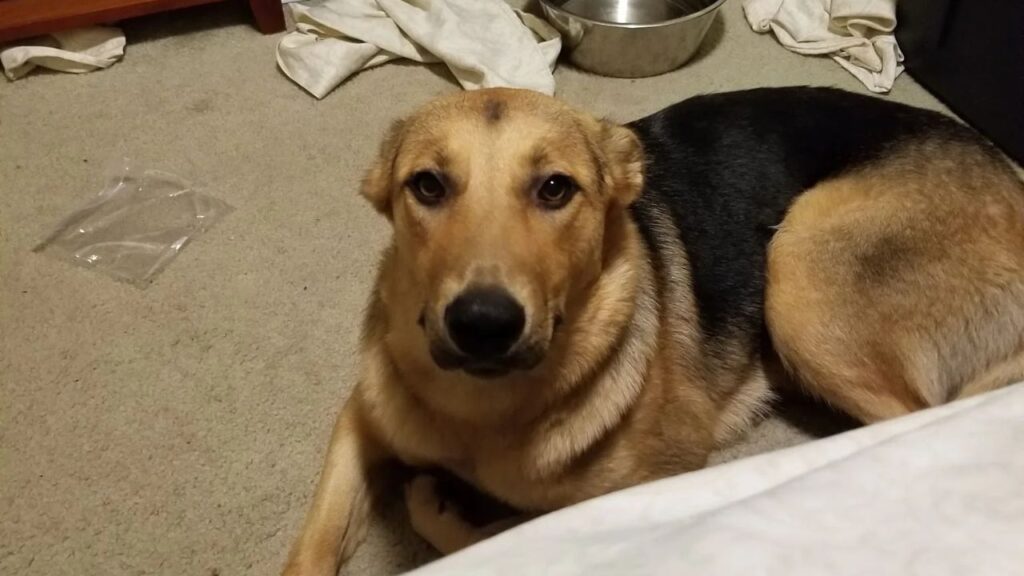
A dog’s ears are an excellent indicator of their emotional state. When a dog feels intimidated, their ears may droop or pull back against their head. This subtle shift in ear position is often accompanied by other signs of stress, such as a lowered tail or crouched posture. Floppy-eared dogs may be harder to read, but you can observe the base of their ears for changes in direction. To address this, remain calm and avoid sudden movements or loud noises. Positive reinforcement, paired with gentle interactions, can help your dog feel more secure and less fearful.
7. Unusual Panting or Whining
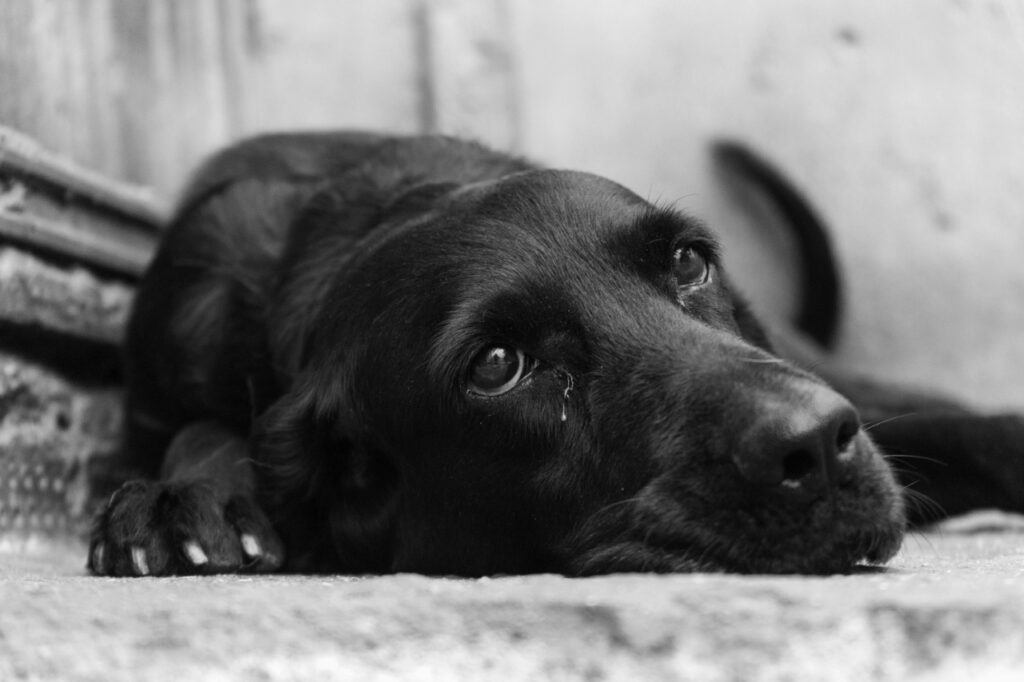
Rapid panting or whining is another sign that your dog may be feeling anxious or intimidated. While normal panting is a way for dogs to cool down, excessive or erratic panting in a calm environment often signals stress. Whining is another vocal cue that indicates unease, often accompanied by restlessness or pacing. If you notice these signs, try to identify potential triggers in the environment and remove them if possible. Reassure your dog with a calm voice and offer treats to create a sense of security. Over time, consistent positive reinforcement can help them relax.
8. Tucked Tail or Strange Wagging
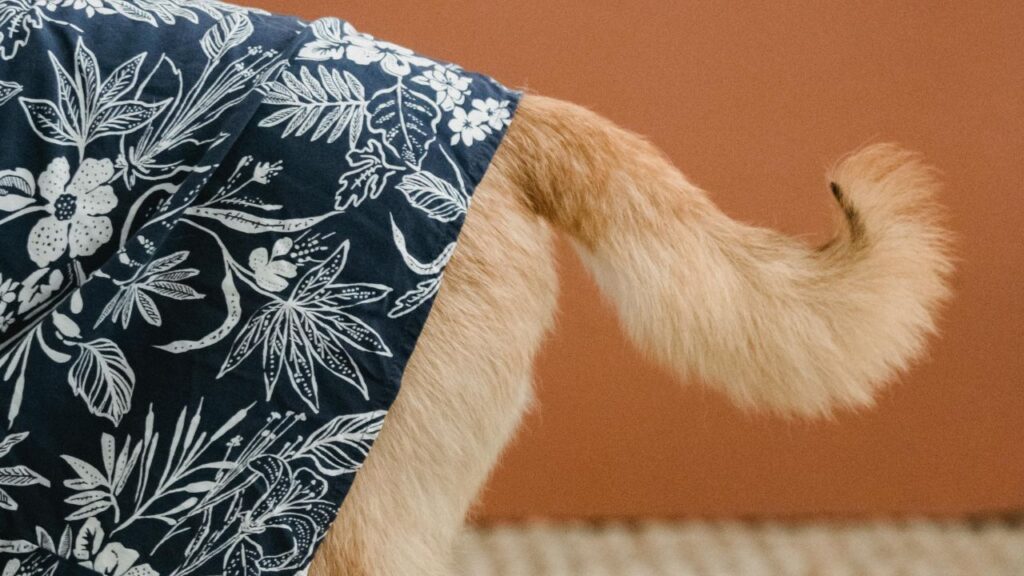
A tucked tail is one of the most recognizable signs of fear in dogs. Similarly, an unusual wag—one that is slow and low—can indicate anxiety rather than happiness. These behaviors show that your dog feels insecure or threatened. To help, avoid overwhelming them with attention or forcing interaction. Instead, allow your dog the space to retreat and process their emotions. Gradually, with patience and kindness, your dog will begin to associate you with safety and comfort, helping them regain their confidence and feel more relaxed in your presence.
9. Refusing Food
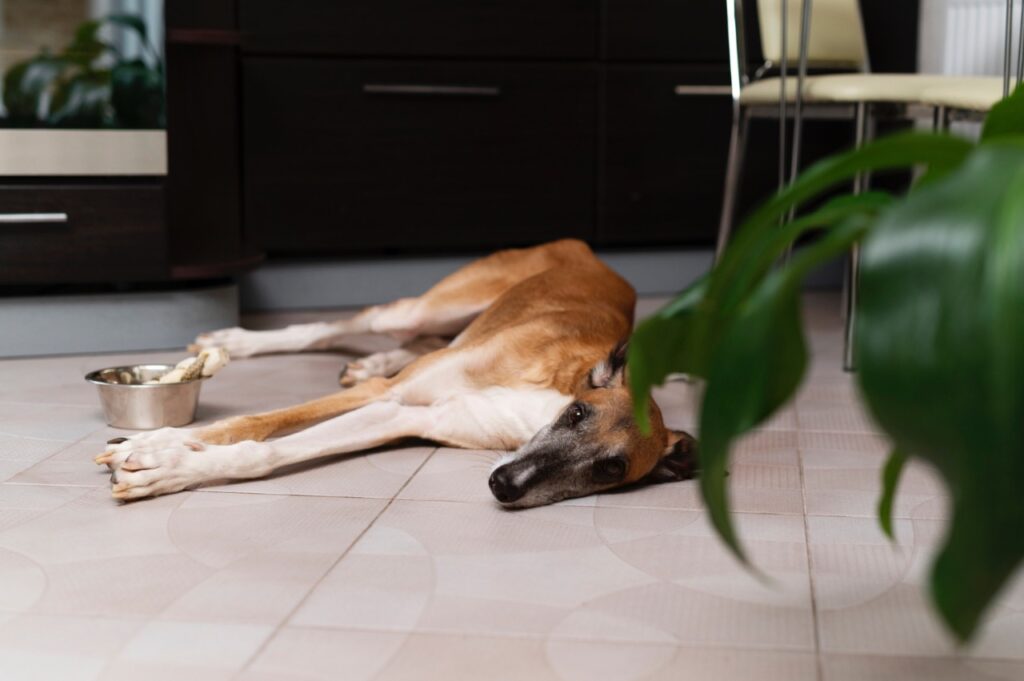
When a dog feels stressed or intimidated, they may refuse to eat, even if they were hungry earlier. This behavior can indicate a high level of anxiety, as eating is usually associated with a sense of safety. If your dog consistently refuses food when you’re nearby, it’s important to examine your interactions for potential triggers. Consider speaking softly and avoiding sudden movements to reassure your dog. Offering high-value treats in a calm environment can help them feel more at ease and rebuild their trust in you over time.
10. Stiff or Shaky Movements

A dog that moves stiffly or shakes when approached is showing clear signs of fear or stress. These behaviors often occur when a dog feels overwhelmed and uncertain about their surroundings. Stiffness can also signal a heightened state of alertness, while shaking reflects internal tension. To help your dog feel more relaxed, give them space and avoid forcing interactions. Use gentle encouragement and positive reinforcement to create a safe and supportive environment. Over time, your dog will learn to associate your presence with safety, reducing their fear-based reactions.
11. Over-Grooming or Self-Distraction
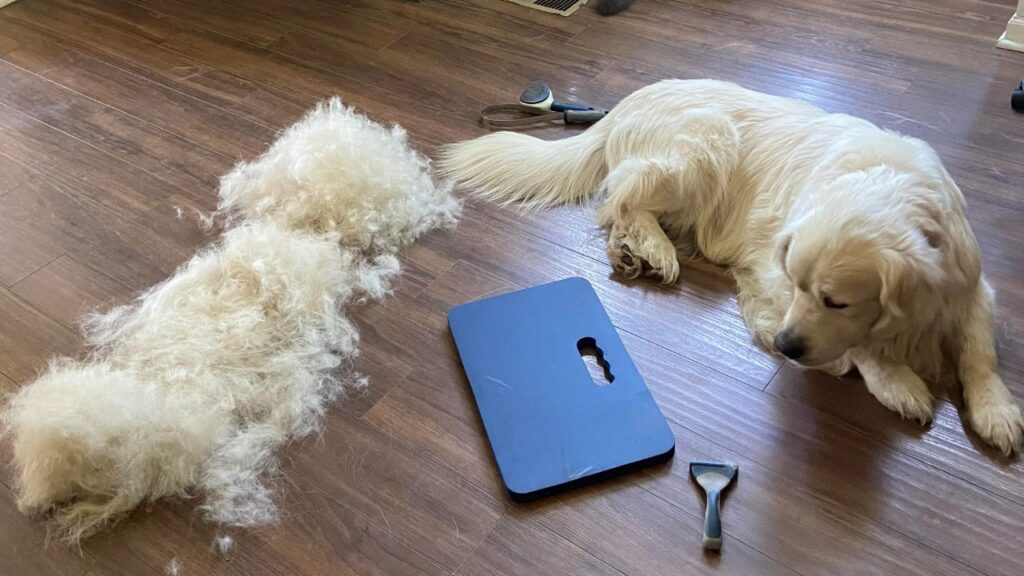
When dogs feel intimidated, they may engage in repetitive behaviors like over-grooming or excessive scratching. These actions are often a coping mechanism, helping them self-soothe in stressful situations. Other distractions, such as sniffing the ground or scratching an imaginary itch, can also indicate unease. Recognizing these subtle behaviors is crucial to addressing your dog’s anxiety. Focus on providing a calm, structured environment and redirect their energy with engaging activities or toys. This will help reduce stress and encourage healthier, more relaxed behaviors.
12. Lunging or Growling
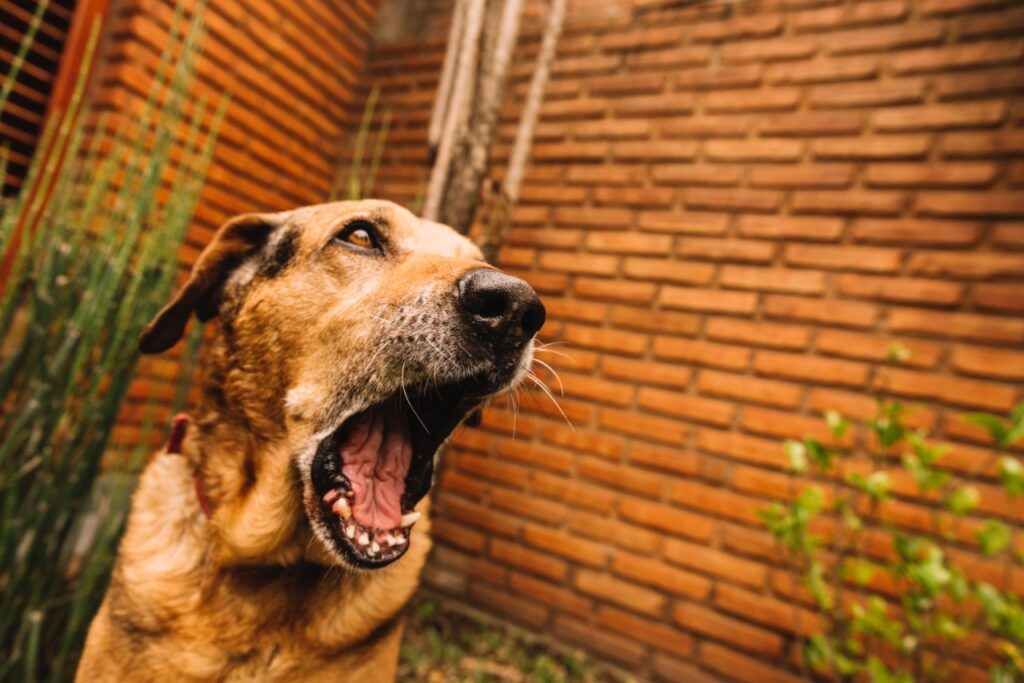
While fear often leads dogs to withdraw, it can sometimes result in defensive behaviors like lunging, barking, or growling. These actions are your dog’s way of protecting themselves when they feel cornered or threatened. Aggressive postures, such as raised hackles or a stiff tail, often accompany these behaviors. If your dog exhibits defensive aggression, avoid punishment, as this can escalate their fear. Instead, consult a professional trainer or behaviorist to address the underlying issues. With proper guidance and patience, you can help your dog feel more secure and less reactive.
Love Pets as Much as We Do?

Scroll up and click the ‘Follow’ button to stay updated with the latest heart-warming, hilarious, and helpful pet posts from Pawdown, delivered straight to your Microsoft Start feed and MSN homepage!