
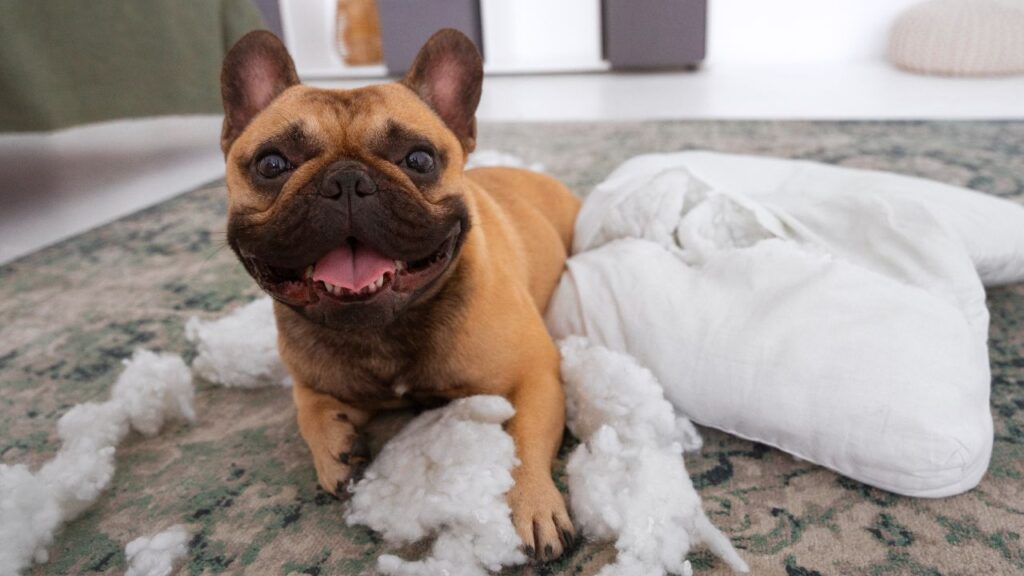
When it comes to canine companions, small dogs often carry a reputation that overshadows their diminutive size. These pint-sized pups are sometimes seen as feisty, stubborn, or even mischievous troublemakers. However, behind these labels lie unique traits and characteristics shaped by genetics, history, and human interaction. Understanding these breeds better can dispel misconceptions and highlight their lovable qualities. Here, we explore 12 small dog breeds that are frequently labeled as “trouble” and uncover the reasons behind their notorious reputations. Each breed is unique, and with the right approach, they can become the perfect furry companion.
1. Chihuahua
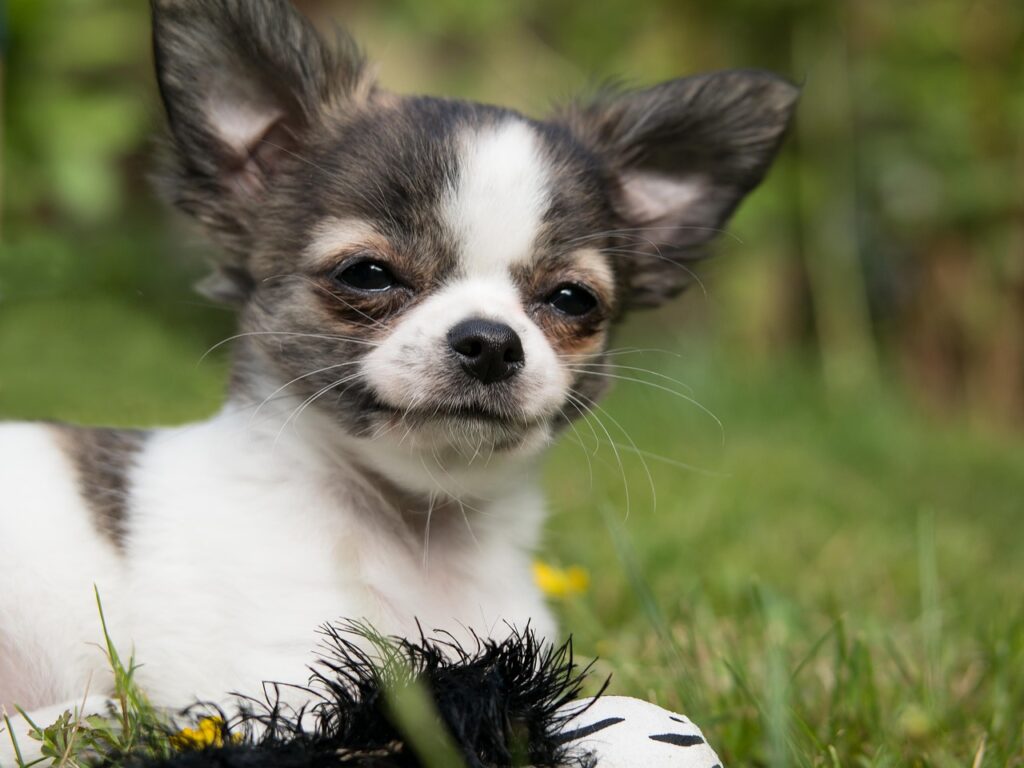
The Chihuahua’s reputation for having a fiery personality precedes it. These dogs are fiercely loyal and often develop strong attachments to their owners. While this bond is endearing, it can sometimes lead to overprotectiveness, manifesting as barking or snapping at strangers. Their small size often means they feel the need to assert themselves in a world built for larger creatures, which can translate to what some perceive as “bad behavior.” Another factor is their intelligence. Chihuahuas are quick learners but can be headstrong, making training a challenge for inexperienced owners. Without proper socialization and consistent boundaries, their natural wariness can morph into reactive tendencies. The key to managing a Chihuahua’s temperament lies in early training and fostering positive interactions.
2. Dachshund
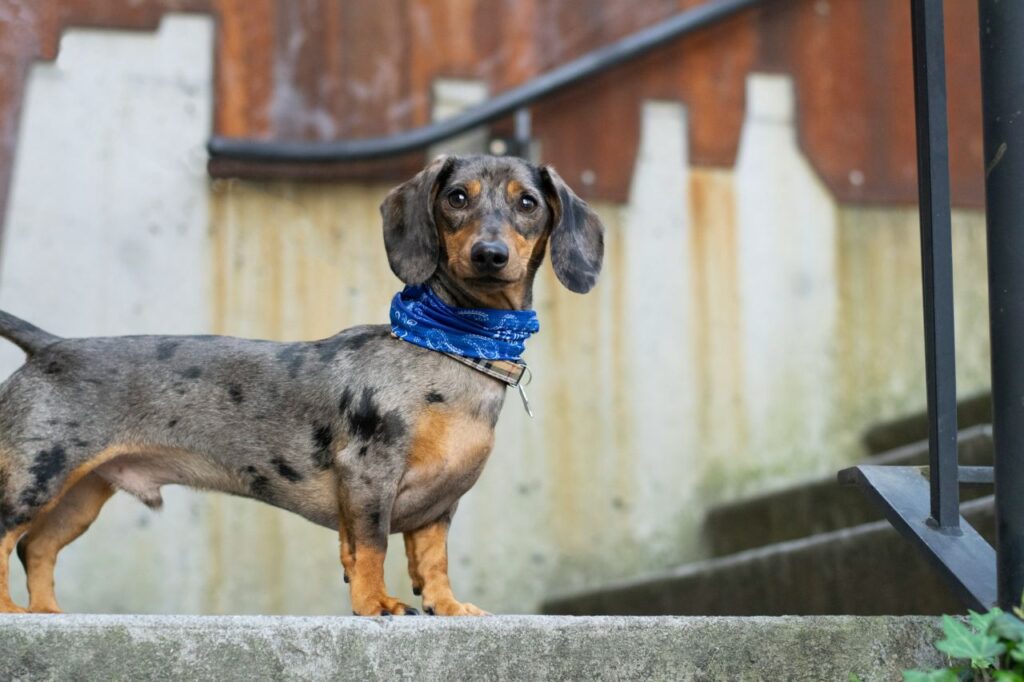
Originally bred as hunting dogs, Dachshunds have a strong prey drive and an independent streak. Their determination, once prized in tracking and chasing small game, can now manifest as stubbornness or even destructive behavior if their energy isn’t channeled properly. Their distinctive elongated bodies can make them prone to back issues, but it’s their feisty nature that often lands them on the “troublemaker” list. Dachshunds are fearless and sometimes overly confident, which can lead to confrontations with larger dogs. Their vocal tendencies also mean they’re quick to alert their owners of anything unusual—a trait that some might find endearing but others perceive as incessant barking. With proper training and mental stimulation, Dachshunds can be delightful companions.
3. Jack Russell Terrier

Jack Russell Terriers are bundles of energy wrapped in a small package. Bred for hunting foxes, their intelligence and athleticism are unmatched. However, these same traits can make them challenging for unprepared owners. Without ample exercise and mental stimulation, Jack Russells can become bored—a surefire recipe for mischief. Their problem-solving skills are both a blessing and a curse. While they’re quick to learn tricks, they’re equally adept at figuring out how to escape from backyards or raid the trash. Proper outlets for their energy and consistent training are essential to ensure this breed thrives in a home environment.
4. Shih Tzu

The Shih Tzu’s regal history as a companion to Chinese royalty is evident in its behavior. These dogs often carry themselves with an air of entitlement, which some interpret as stubbornness. While they’re affectionate and great lap dogs, their independent streak can make training a test of patience. Shih Tzus are known for their selective hearing—they’ll respond when it suits them. This trait, combined with their grooming needs, can make them seem high-maintenance. However, with a gentle yet firm approach to training, Shih Tzus can be loyal and loving companions who simply enjoy being the center of attention.
5. Pomeranian

Pomeranians are small dogs with big personalities. Their fluffy coats and adorable faces often mask their assertive and sometimes bossy nature. Pomeranians are highly intelligent, which can lead to manipulative behaviors if boundaries aren’t set early on. Their tendency to bark excessively often stems from their role as natural watchdogs. While their alertness is a useful trait, it can become problematic without proper training. Socializing Pomeranians and teaching them to focus on commands instead of their environment can go a long way in curbing troublesome tendencies.
6. Boston Terrier
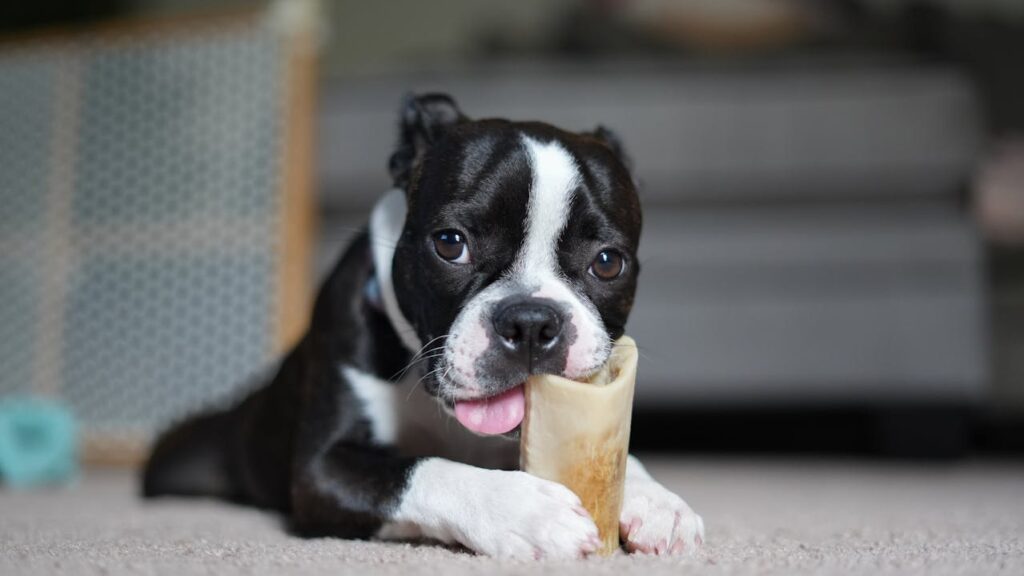
Boston Terriers, often called the “American Gentleman,” are known for their playful and sometimes mischievous behavior. Their intelligence and curiosity make them quick learners, but these traits can also lead them into trouble. Bored Boston Terriers may resort to chewing or digging to entertain themselves. Their high energy levels and strong prey drive mean they require regular physical and mental stimulation. With proper training and attention, Boston Terriers are affectionate companions who thrive in loving homes. Their mischievous streak can be managed with consistent boundaries and engaging activities.
7. Yorkshire Terrier
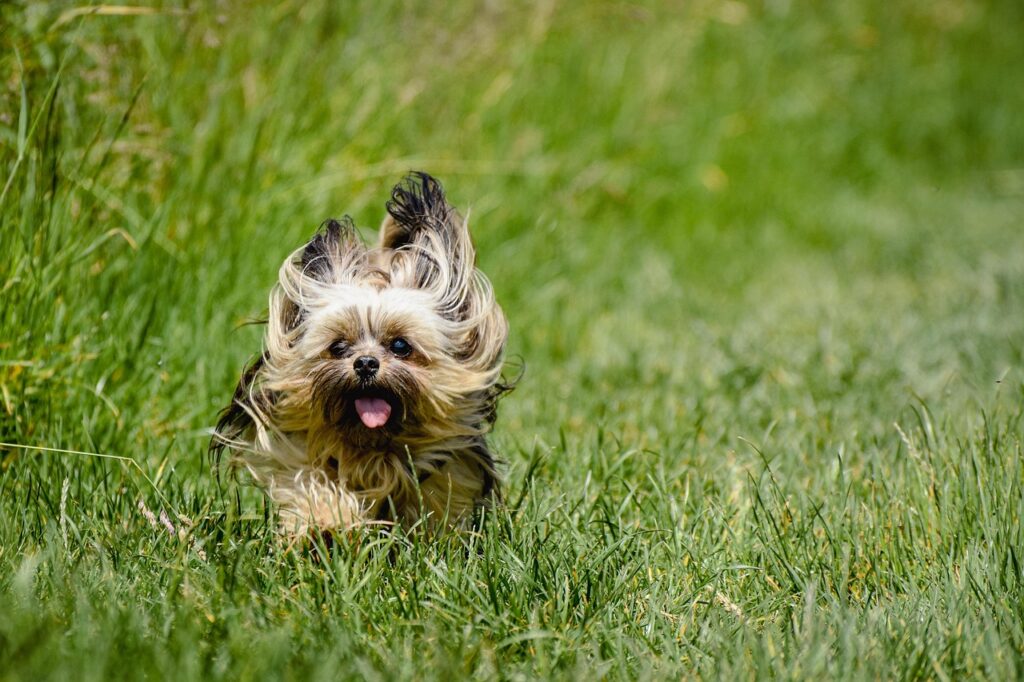
Yorkshire Terriers, or Yorkies, may be small, but their confidence and bravery are enormous. Originally bred to hunt rats in textile mills, their tenacity remains a hallmark of the breed. Yorkies often display a “bossy” demeanor, especially if they sense weakness in their owners. Their tendency to bark at anything they perceive as a threat can make them seem high-strung. However, this behavior is rooted in their instinct to protect their territory. Consistent training, early socialization, and positive reinforcement can help Yorkies channel their energy into more desirable behaviors.
8. Miniature Pinscher

Miniature Pinschers, or Min Pins, are often described as “big dogs in small bodies.” Their bold and fearless nature can sometimes be mistaken for aggression. Min Pins are highly active and intelligent, making them prone to boredom if not adequately stimulated. Their independence can come across as stubbornness, but this is a breed that thrives on structured training. Min Pins need firm yet positive guidance to help them channel their energy constructively. With the right approach, they make loyal and entertaining companions.
9. Cavalier King Charles Spaniel
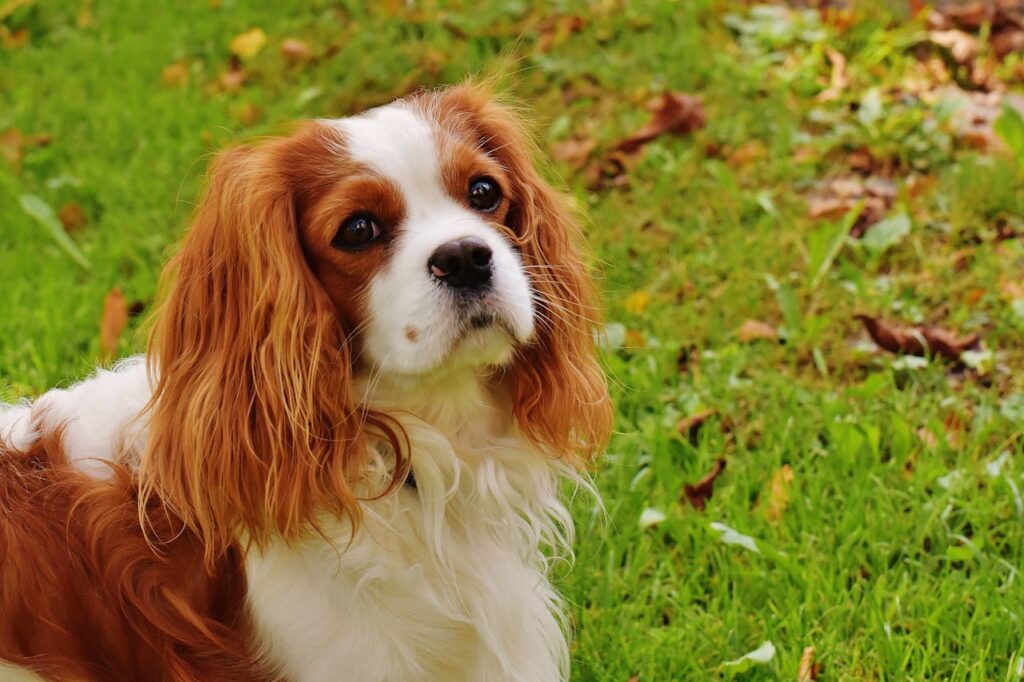
While generally known for their sweet and gentle nature, Cavalier King Charles Spaniels can develop separation anxiety if left alone for extended periods. This anxiety can lead to destructive behaviors, such as chewing or excessive barking. Their desire to be close to their owners at all times can also result in clinginess. Cavaliers thrive in homes where they receive ample attention and affection. With the right environment, they’re loving and well-behaved pets who simply crave companionship.
10. Pekingese

Pekingese dogs carry themselves with an air of dignity, a trait rooted in their history as companions to Chinese royalty. While they’re affectionate with their families, their independent nature can make them seem aloof or stubborn. Pekingese are prone to selective obedience—they’ll follow commands when it aligns with their interests. Early training and positive reinforcement are crucial to managing their independent streak. Despite their challenges, Pekingese are loyal and devoted dogs who make wonderful companions for patient owners.
11. French Bulldog

French Bulldogs, or “Frenchies,” are known for their playful and affectionate personalities. However, their stubbornness can make training a challenge. Frenchies thrive on routine and consistency but can be resistant to commands if they sense inconsistency. Their low tolerance for excessive exercise and heat means they’re better suited for relaxed lifestyles. With patience and positive reinforcement, Frenchies become loving and well-mannered companions who bring joy to any home.
12. Italian Greyhound

Italian Greyhounds are graceful and gentle, but their sensitive nature can lead to anxiety. They’re often labeled as high-maintenance due to their need for warmth, attention, and a secure environment. Their slim build makes them prone to injuries, so they require careful handling. Despite their delicate appearance, Italian Greyhounds are playful and affectionate. Proper socialization and training can help them overcome their timid tendencies and become confident companions. Their unique combination of elegance and playfulness makes them a cherished breed for those willing to meet their needs.
Love Pets as Much as We Do?

Scroll up and click the ‘Follow’ button to stay updated with the latest heartwarming, hilarious, and helpful pet posts from Pawdown, delivered straight to your Microsoft Start feed and MSN homepage!