

The possibility of owning exotic animals like bobcats and lynxes has long fascinated enthusiasts, but their legality depends on strict state laws. Some states allow ownership without permits, while others impose regulations or outright bans. Ownership of these wild cats involves understanding their unique needs and responsibilities. Anyone considering keeping a bobcat or lynx must follow state laws and consult local wildlife authorities. Let’s see 12 states that permit owning both bobcats and lynxes, along with details on permits and regulations.
1. Alabama

In Alabama, owning both bobcats and lynxes is legal without the need for any special permits. This makes Alabama one of the more lenient states for exotic pet ownership. However, prospective owners are strongly encouraged to check for local restrictions, as city or county regulations may vary. Bobcats and lynxes are non domesticated animals, meaning they still possess their natural instincts. Owners should be prepared for the challenges of housing and handling wild cats responsibly. Though no state level permit is required, ensuring compliance with federal guidelines on exotic animals is recommended.
2. Nevada
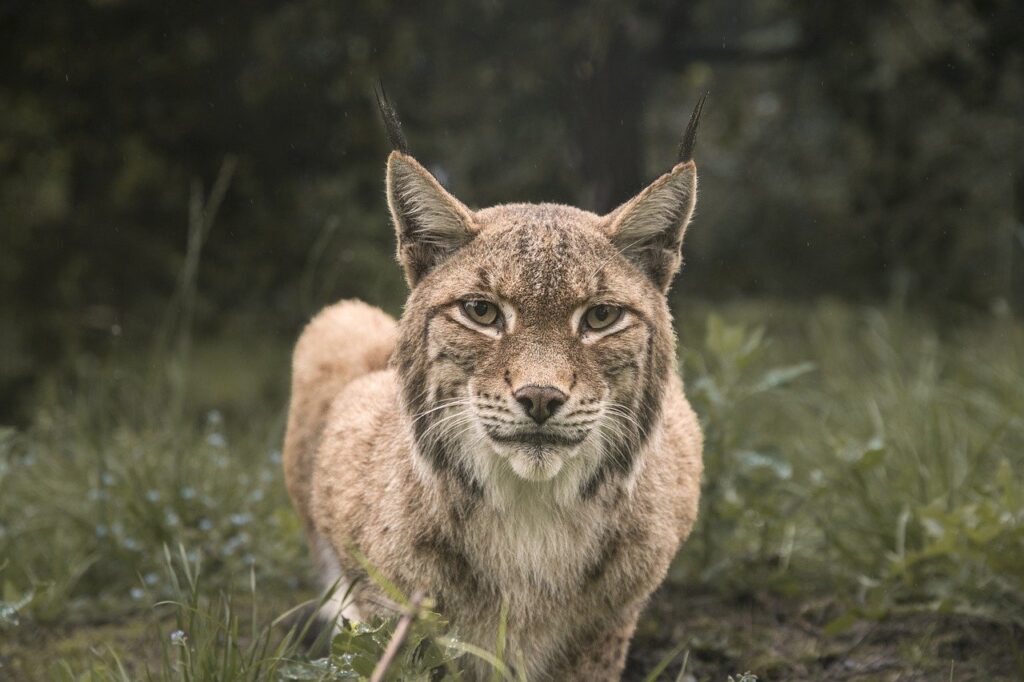
Nevada stands out as a state that allows bobcats and lynxes to be kept as pets without special permits. This relatively permissive stance means that private ownership is accessible to residents who meet basic requirements. Despite this, owners must understand the responsibility of keeping a wild cat, as they require significant space, appropriate nutrition, and a secure environment. Nevada does not require mandatory inspections, but enclosures must be escape-proof and humane. Wild cats also pose risks to safety if not handled properly. Local laws may impose restrictions, so checking ordinances is wise.
3. North Carolina

North Carolina permits the ownership of bobcats and lynxes without the need for state-issued permits. While this opens up opportunities for exotic pet enthusiasts, owners must still navigate local restrictions, as some counties and municipalities enforce bans or additional rules. Prospective owners should prepare by providing a naturalistic habitat that supports the cats’ mental and physical health. Bobcats and lynxes are known for their agility, so ensuring the enclosure is well-fortified is essential. Since there are no statewide restrictions, potential owners must take on the full responsibility of understanding these animals’ unique needs.
4. South Carolina
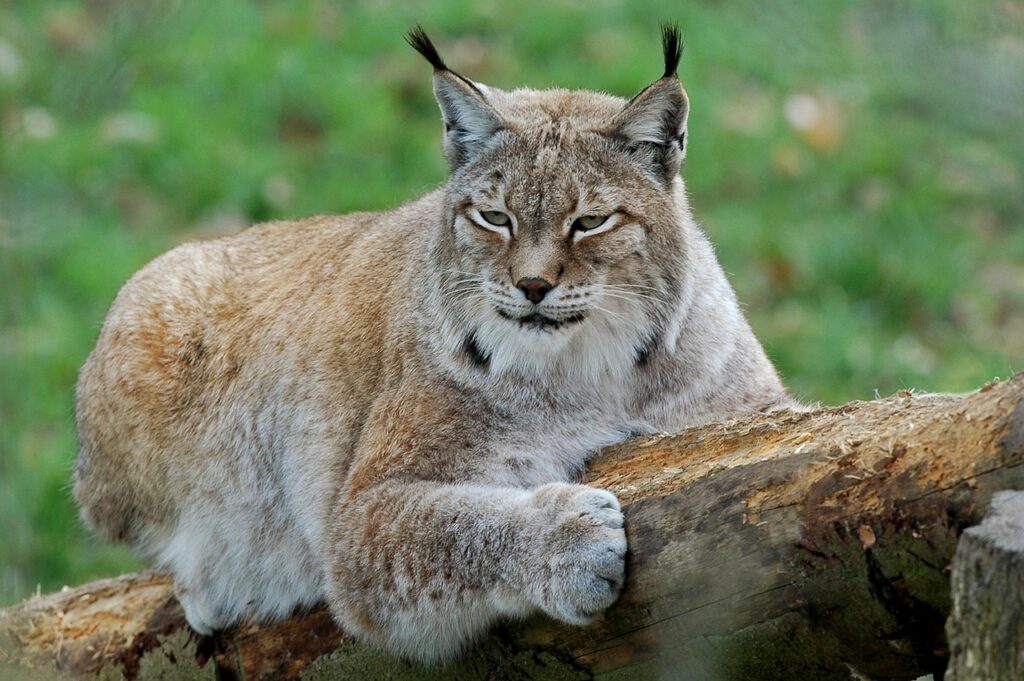
South Carolina allows private ownership of both bobcats and lynxes without requiring special permits. The state’s relaxed laws make it appealing for those interested in exotic pets. However, owning wild cats is a significant responsibility, and understanding their natural behavior is critical. Owners must ensure their enclosures are secure, spacious, and provide enrichment opportunities. While South Carolina does not mandate permits, it’s important to follow federal regulations and be aware of the risks involved. Consulting local wildlife experts can help ensure ethical and responsible ownership.
5. Wisconsin

In Wisconsin, owning bobcats and lynxes is legal without obtaining state-level permits, making it one of the more permissive states regarding exotic pet ownership. Despite this leniency, owning wild cats comes with numerous challenges that potential owners must address. These animals require a secure and spacious environment that allows them to exhibit natural behaviors like climbing and stalking. Proper veterinary care is vital, and finding specialists experienced with exotic cats may be challenging. Owners should also account for the possibility of stricter local ordinances, which may vary across towns and counties.
6. Missouri
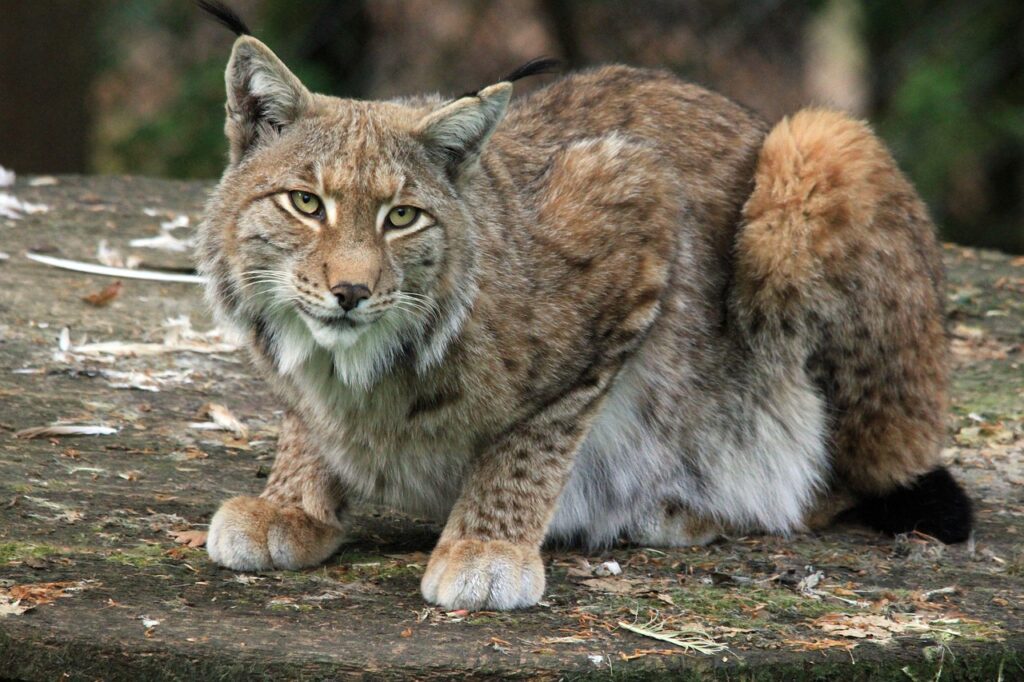
Missouri permits ownership of bobcats and lynxes, but it requires specific permits, making it less lenient than some states. A Wildlife Hobby Permit or a Class I Wildlife Breeder Permit is mandatory for keeping bobcats, while lynx owners must comply with state registration rules. Additionally, enclosures must meet strict safety and space requirements to prevent escapes. Veterinary care is essential to monitor the health of these wild animals. Missouri’s regulations aim to balance the freedom of ownership with safety and ethical considerations, ensuring proper care for these wild cats.
7. Arkansas
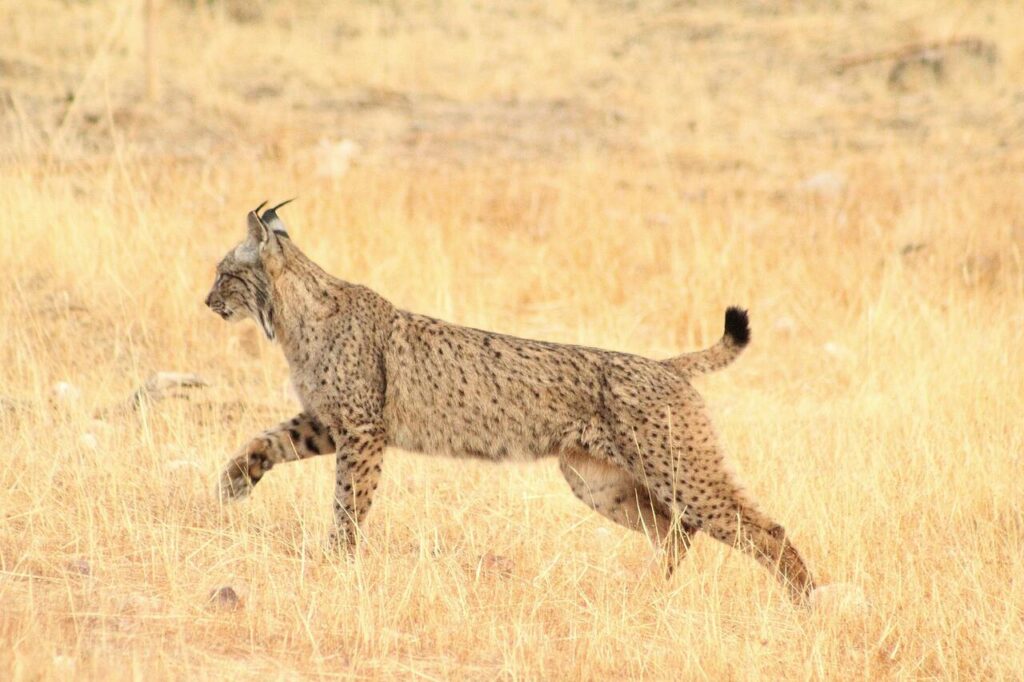
Arkansas allows individuals to own both bobcats and lynxes, provided they meet the state’s permit requirements. A Captive Wildlife Permit is necessary, particularly for species like lynxes. Bobcats, however, may be owned if they are captive-bred and purchased from a licensed breeder. Arkansas prohibits taking wild bobcats from their natural habitat. Enclosures must be secure, spacious, and designed to accommodate the animals’ natural instincts. Consulting with wildlife professionals before acquiring such pets ensures owners are prepared for the challenges and responsibilities of keeping wild cats ethically.
8. Florida
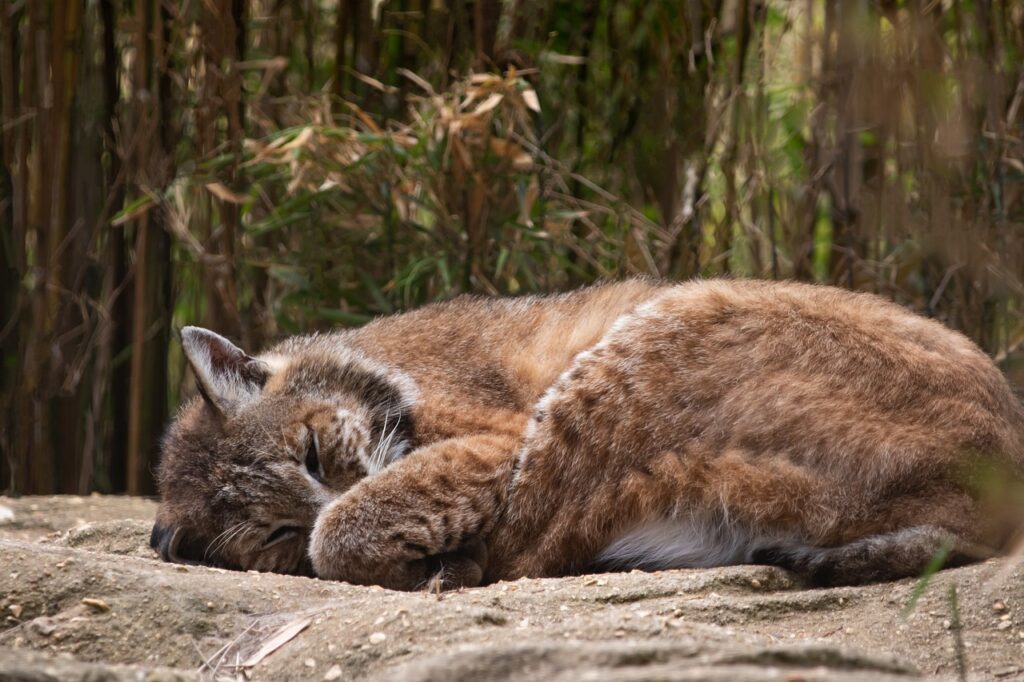
Florida permits the ownership of both bobcats and lynxes but requires a Permit to Possess Class II Wildlife. Applicants must have 1,000 hours of experience working with the species or a related equivalent. Enclosures must meet stringent state standards, including size, security, and environmental enrichment requirements. Owners must also pass a facility inspection before obtaining the permit. These regulations aim to ensure that the animals are cared for in a manner that aligns with their needs. Although Florida allows ownership with proper permits, owners must remain committed to ethical and responsible care.
9. Tennessee

Tennessee allows lynxes without permits, but owning a bobcat requires a Wildlife Possession Permit. This ensures that bobcats are captive-bred and meet specific care standards. The permit requires an annual fee and proof of experience handling exotic animals. Enclosures must be spacious, secure, and escape-proof to prevent accidents. Owners must also adhere to dietary and veterinary guidelines to ensure the health of these wild cats. Prospective owners are encouraged to thoroughly understand the long-term commitment required before taking on this responsibility.
10. North Dakota
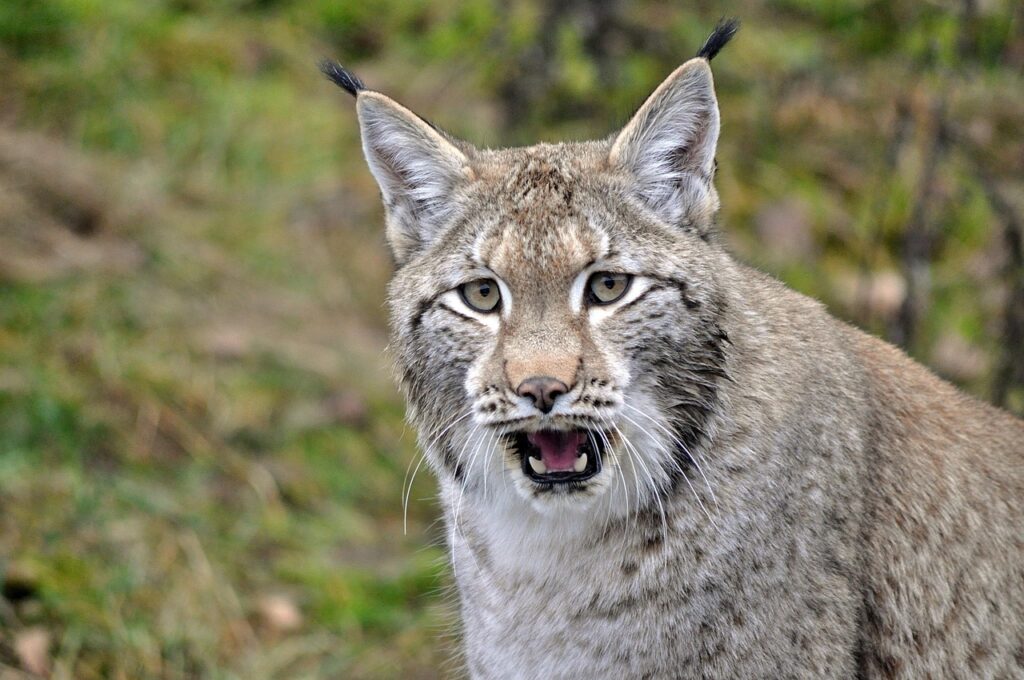
North Dakota allows ownership of bobcats and lynxes with a Nontraditional Livestock License. This permit ensures that the animals are cared for appropriately and kept in secure enclosures. Regular inspections may be required to ensure compliance with safety standards. The state has specific requirements for fencing, habitat design, and nutrition to prevent harm to both the animals and the public. Owners must also provide documentation proving the animals were obtained legally. By enforcing these regulations, North Dakota seeks to ensure that exotic pet ownership remains ethical and safe for everyone involved.
11. South Dakota
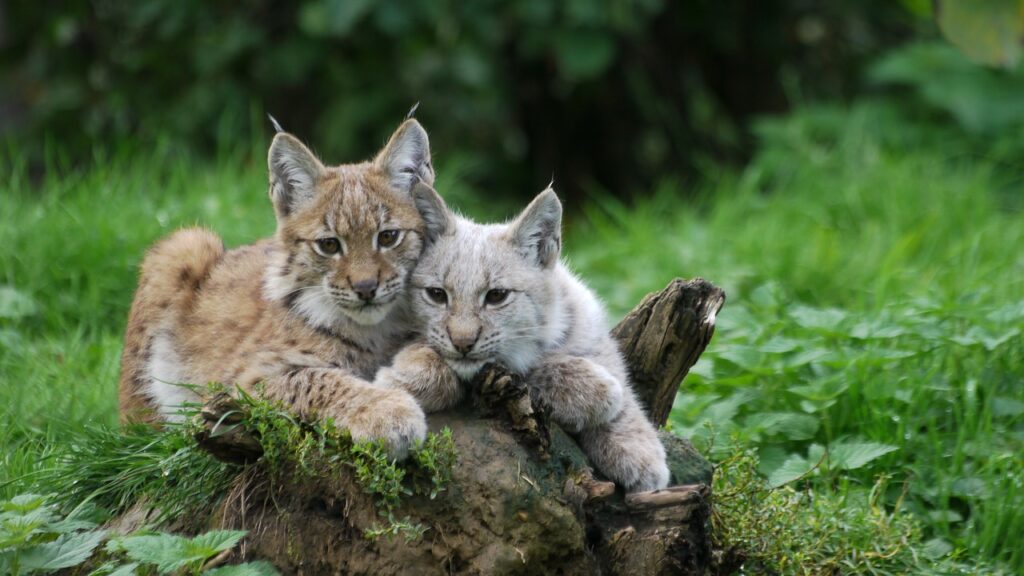
South Dakota permits the ownership of bobcats and lynxes with a permit from the state’s Game, Fish, and Parks Department. Applicants must demonstrate that their enclosures meet the state’s safety standards, ensuring that the animals cannot escape. Proper care, including a specialized diet and veterinary attention, is essential. South Dakota’s regulations emphasize the importance of responsible ownership to ensure the welfare of both the animals and the public. While the permit process may involve additional steps, it helps maintain high standards for keeping exotic pets.
12. Texas
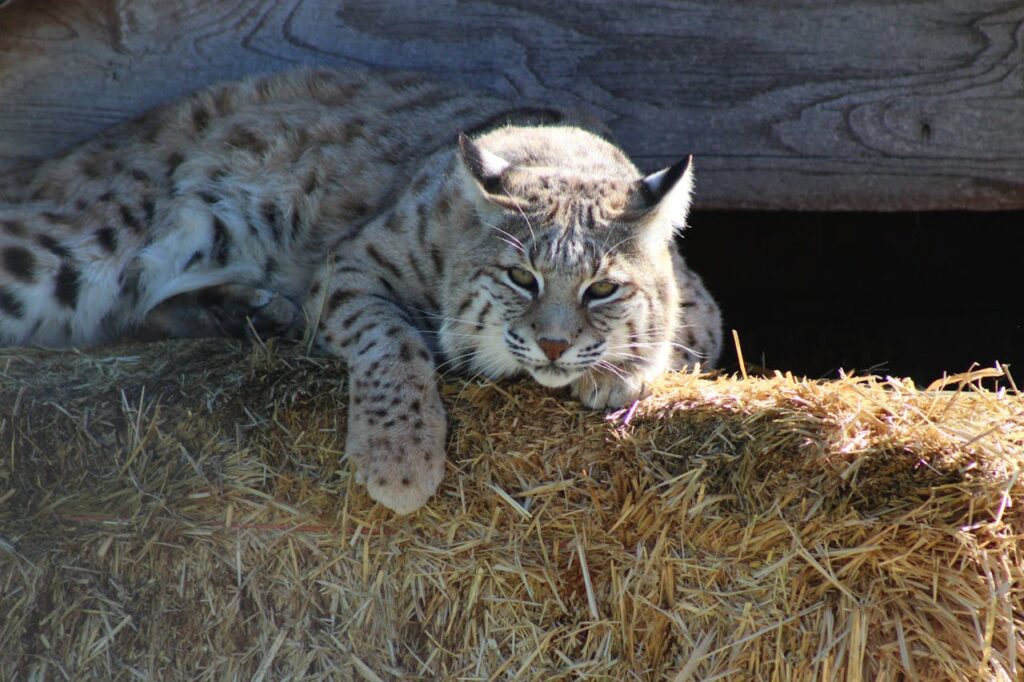
Texas permits ownership of bobcats and lynxes under strict regulations. A Certificate of Registration is required, which mandates that enclosures meet state safety standards. Owners must also carry liability insurance to cover any potential incidents involving the wild cats. These measures aim to ensure public safety while allowing private ownership. Local counties may impose additional restrictions, so prospective owners should check their area’s regulations. Texas’s laws reflect the importance of balancing individual freedom with the ethical treatment of wild animals.
Love Pets as Much as We Do?

Scroll up and click the ‘Follow’ button to stay updated with the latest heart-warming, hilarious, and helpful pet posts from Pawdown, delivered straight to your Microsoft Start feed and MSN homepage!