
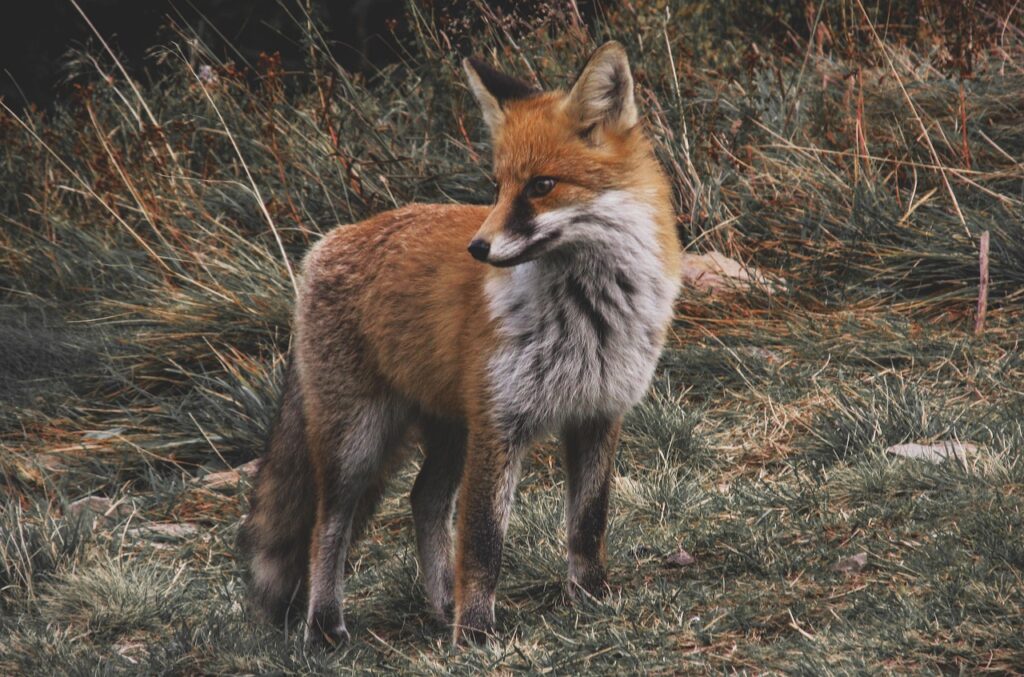
A cunning silhouette darting across city streets at dusk hints at an unexpected urbanite—the fox. As urban landscapes expand, these sly creatures weave themselves into the fabric of city life, adapting with remarkable agility. Their presence is stealthy yet intriguing, raising questions and curiosity among city dwellers. Discover the surprising ways these urban foxes have carved out a niche in bustling U.S. cities, blending their wild instincts with metropolitan survival skills.
1. Urban Fox Adaptability
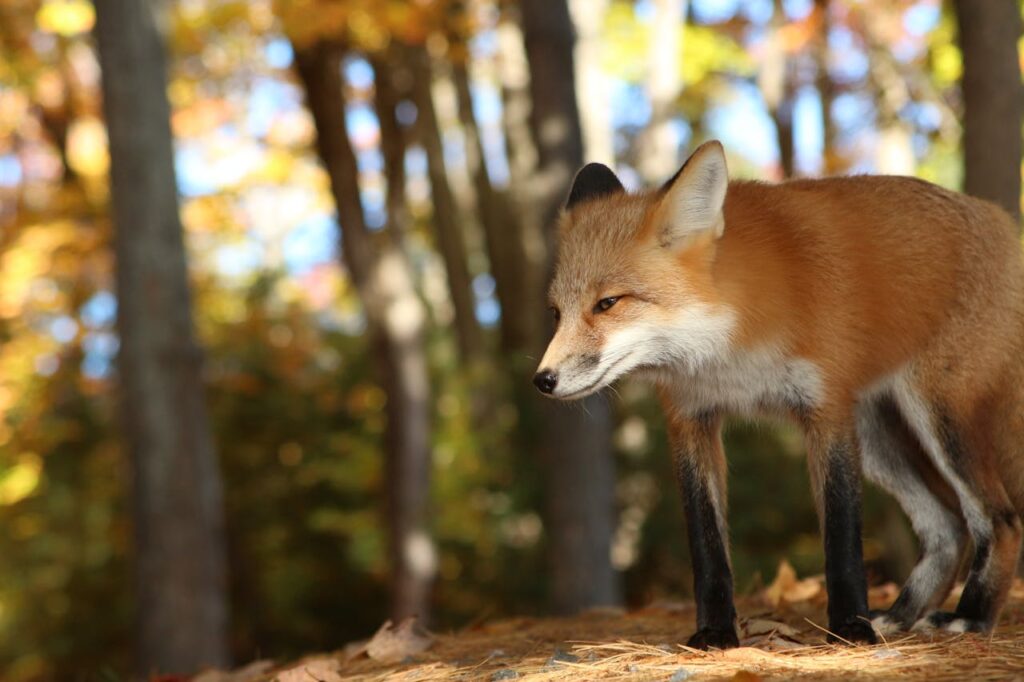
Urban foxes are masters of adaptation, thriving amidst the concrete jungles of America. Their uncanny ability to adjust to city life stems from their resourcefulness and intelligence. Unlike their rural counterparts, urban foxes have learned to navigate streets, avoid traffic, and make use of human structures for shelter. They’re opportunistic, constantly scoping out new environments, making them resilient in the face of constant urban change. Their flexibility ensures they can find sustenance and safety amid skyscrapers and suburban sprawls.
2. Diet and Eating Habits
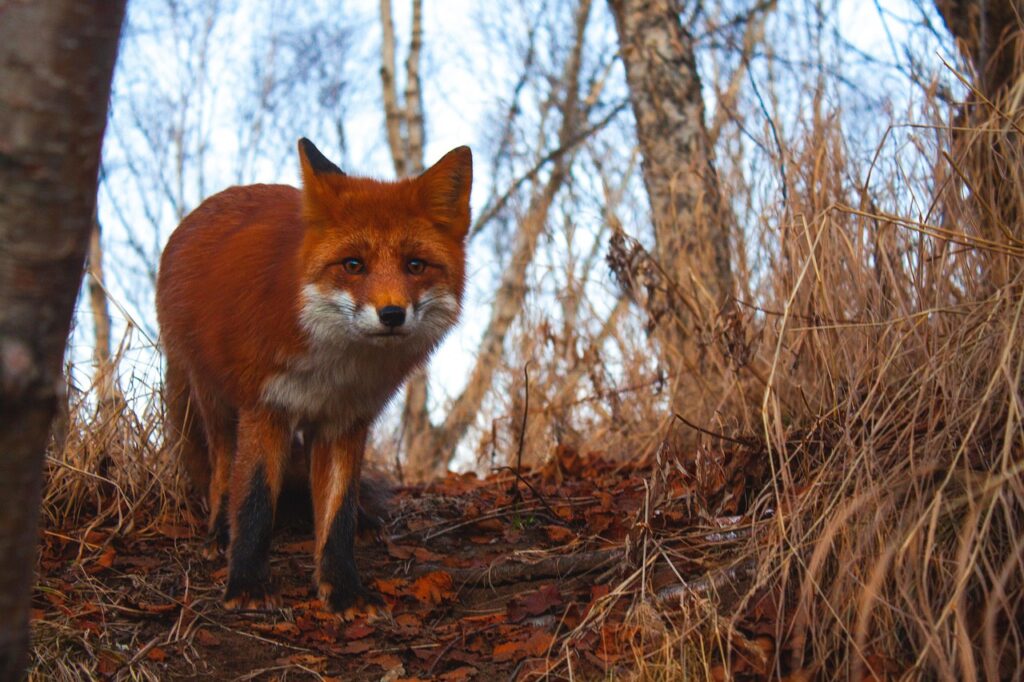
Urban foxes have a surprisingly varied diet that mirrors the diversity of city life. They’re omnivores, feasting on everything from rodents and birds to fruits and discarded fast food. Their keen sense of smell leads them to compost heaps and garbage cans, where they tailor their menu to what the city offers. This flexible feeding strategy enables them to flourish in environments that may not seem inviting to other wildlife. Their clever diet choices help them adapt and thrive despite the hustle and bustle around them.
3. Habitat Preferences
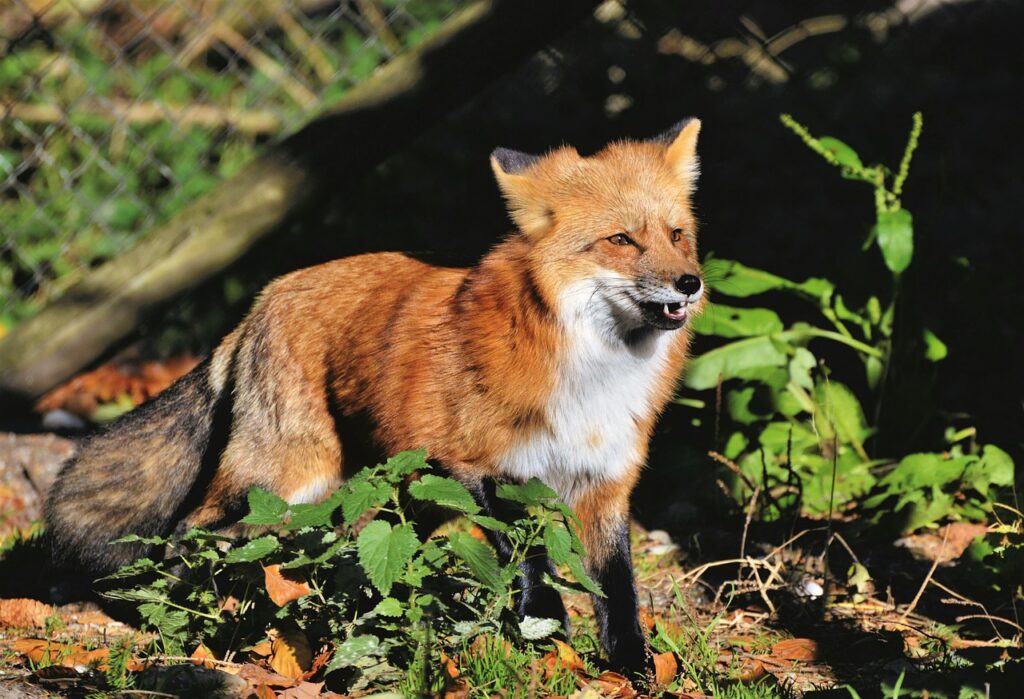
City life offers unique nooks and crannies that urban foxes creatively convert into cozy homes. They tend to settle in parks, gardens, and quiet backyards, where greenery provides camouflage. Abandoned buildings or cluttered alleys also become their shelters, as long as there’s a safe spot to rest. Urban foxes are particularly fond of areas that offer both privacy and proximity to food sources. This preference for secluded yet food-rich habitats illustrates their adeptness at navigating the urban landscape.
4. Interactions with Humans

Urban foxes display a cautious curiosity towards humans, maintaining a fine balance between avoidance and interaction. While they rarely pose a threat, their presence often sparks surprise and delight among city dwellers who spot them on twilight strolls. These foxes have learned to coexist by keeping their distance, yet they’re not above scavenging from human garbage. Educating the public about peaceful coexistence and not feeding foxes is vital to preserving the harmony between these street-smart animals and their metropolitan neighbors.
5. Disease and Health Concerns
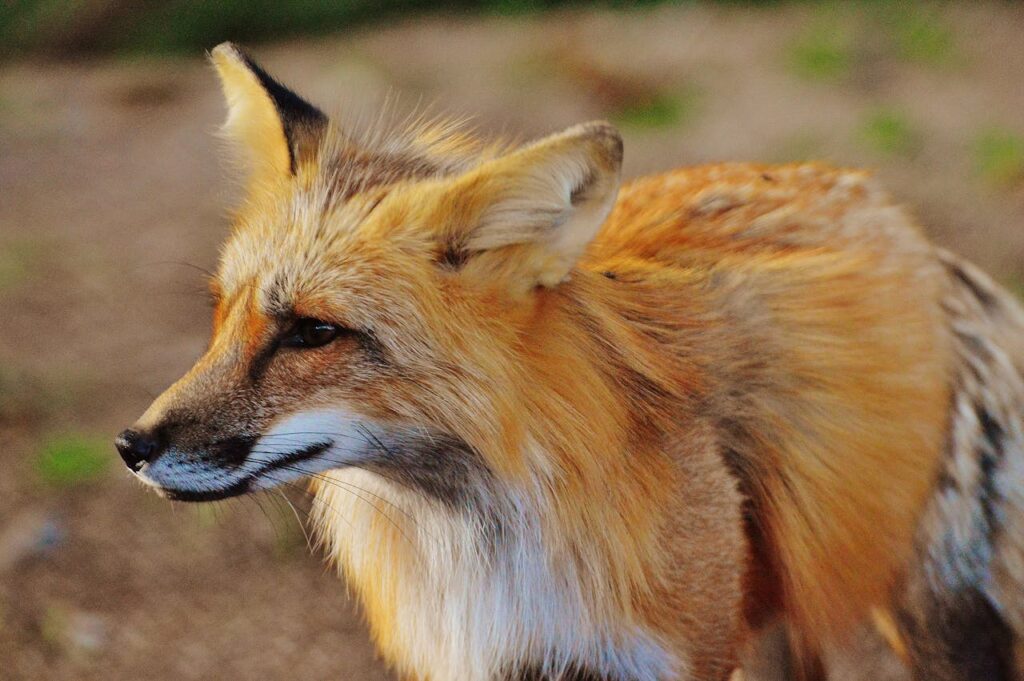
Urban foxes, much like their wild counterparts, can carry diseases that may pose risks to humans and pets. Rabies, though rare in the U.S., and mange are among the concerns often associated with these city dwellers. However, foxes generally avoid contact with people, making transmission of diseases uncommon. It’s crucial for communities to keep this in context, as maintaining a respectful distance and securing food sources can significantly mitigate health risks while allowing these clever creatures to thrive in urban settings.
6. Misconceptions
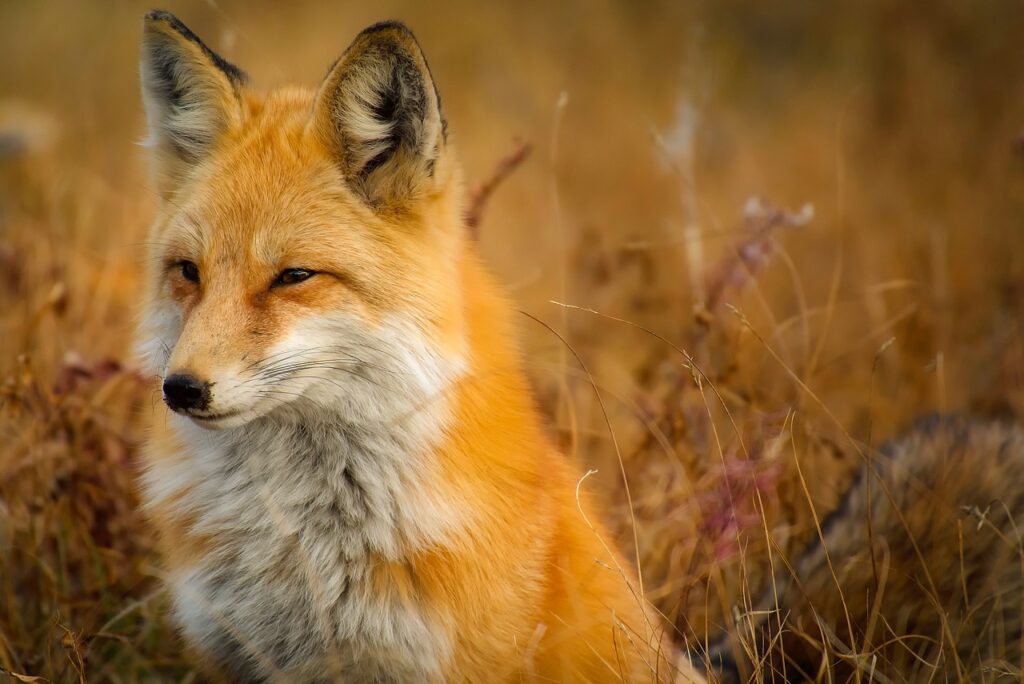
Foxes often stir up a bag of misconceptions. Folks tend to paint these nimble navigators as dangerous nuisances, but the reality is far less dramatic. Though curious, foxes are shy and primarily nocturnal, avoiding confrontation with humans and pets. They’re not likely to raid chicken coops or invade homes without due cause. In truth, urban foxes play a vital role in the ecosystem, offering natural pest control by preying on rodents, which helps maintain a balanced environment in bustling cities.
7. Impact on Local Wildlife
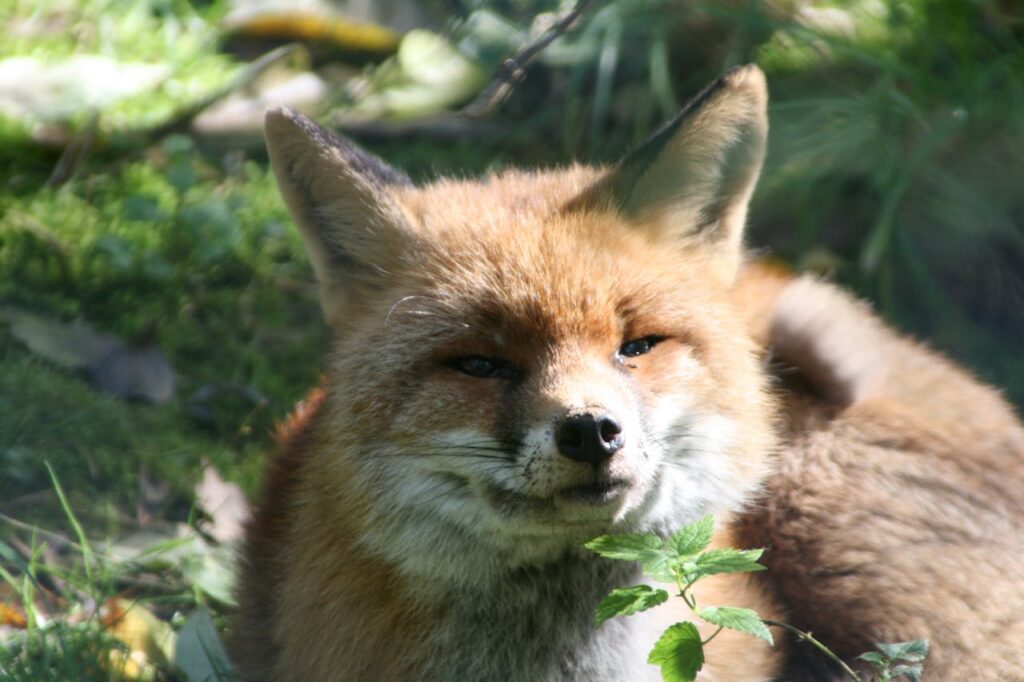
Foxes integrate into urban ecosystems more seamlessly than many might expect. While they do prey on small animals, their presence is a balancing act as they help control populations of species like rats and mice. However, their impact isn’t universally benign; in some cases, they can compete with native predators and impact ground-nesting birds. Understanding and respecting their ecological roles and pressures helps city planners and wildlife organizations create harmonious strategies to manage these fascinating creatures alongside other urban wildlife.
8. Foxes in Popular Culture
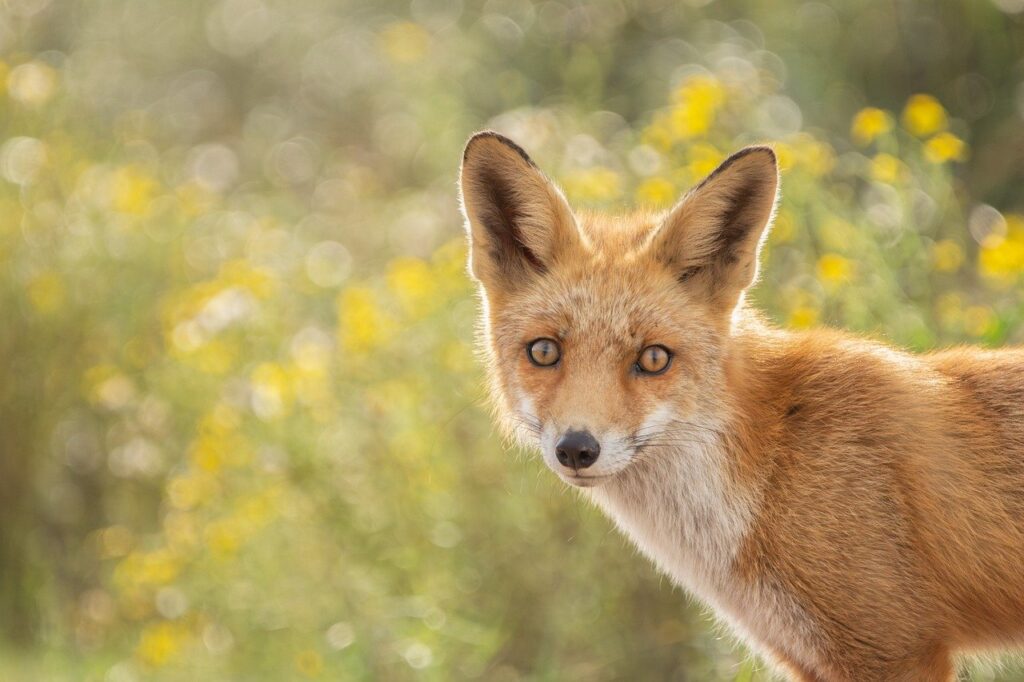
Urban foxes find themselves curiously embedded in popular culture, often symbolizing cleverness and adaptability. These animals have trotted into folklore and literature, depicted as cunning and agile, reflecting their real-life tenacity in city landscapes. From sly characters in children’s stories to mascots of teams and brands, foxes captivate our imagination, blending mystique and charm. Their cultural resonance underscores the relationship humans have with these adaptable animals, celebrating their presence even in the heart of urban jungles.
9. Legal Protections
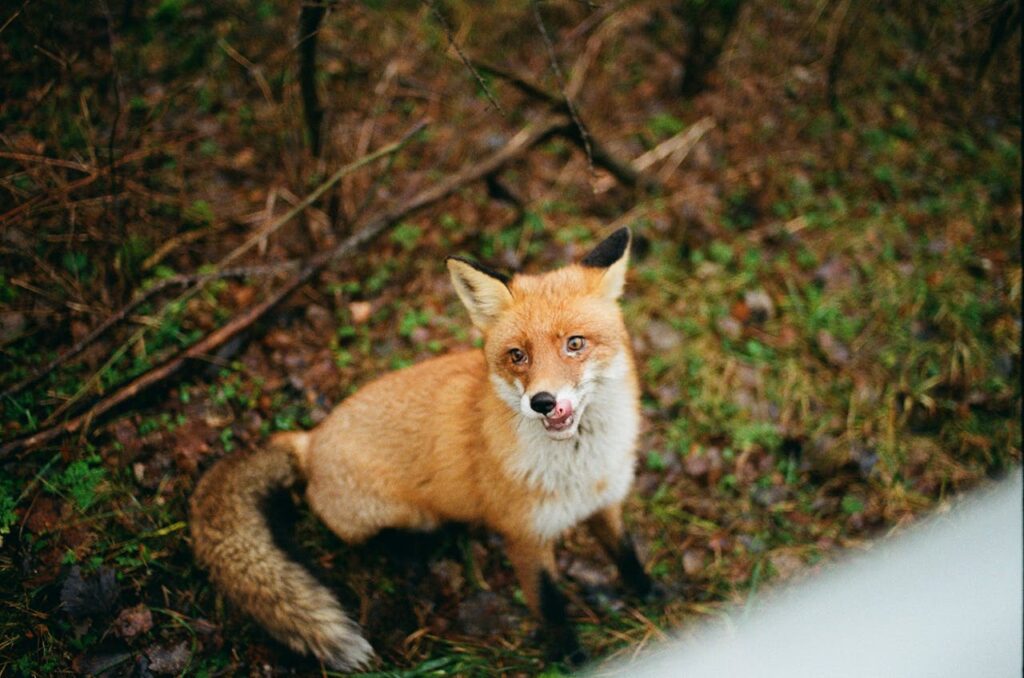
Urban foxes, charming yet elusive creatures, enjoy specific legal protections in the U.S. to ensure their safety amidst sprawling cityscapes. While laws vary per state, many regions prohibit hunting or trapping them. Federal regulations under the Migratory Bird Treaty Act indirectly protect their habitat by safeguarding the birds they rely on. These laws foster a balanced coexistence, reminding us that these cunning survivors not only belong in folklore but also hold a rightful place within our cities’ ecosystems.
10. Conservation Efforts
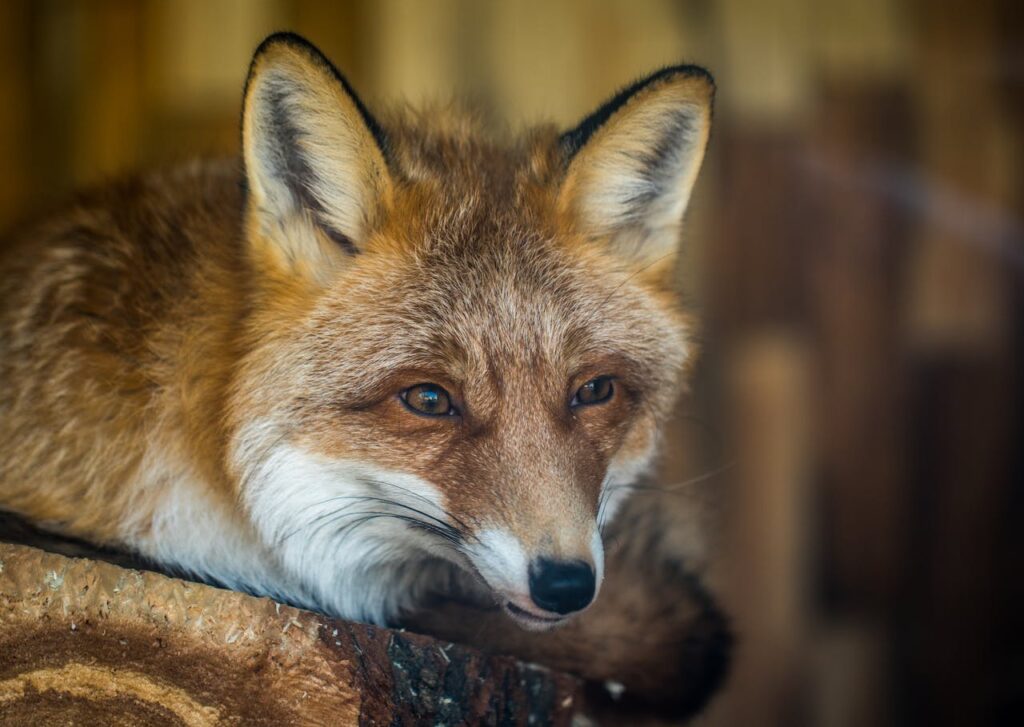
Efforts to conserve urban foxes pivot on understanding and preserving their habitats in cities. Organizations focus on educating people about their ecological role, mitigating human-fox conflicts, and garden wildlife projects to ensure they thrive. Fox-friendly initiatives include creating green corridors and urban parks. By promoting environments where foxes can naturally control rodent populations, these conservation efforts illustrate how urban biodiversity enrichment benefits both wildlife and city dwellers alike.
11. How to Coexist Peacefully
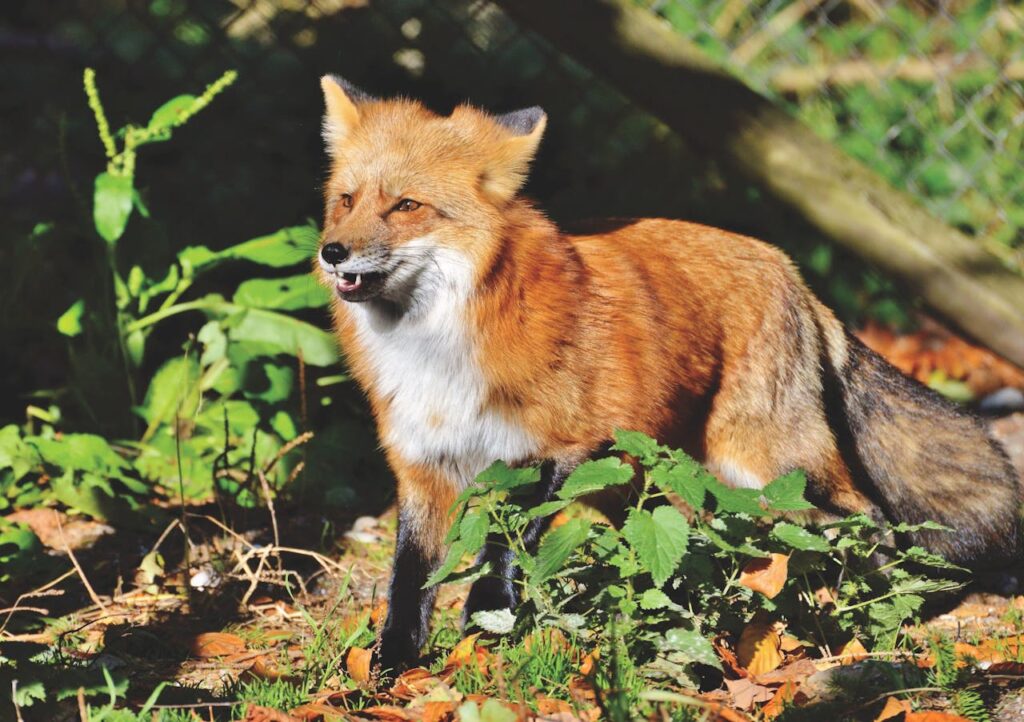
Living harmoniously with urban foxes enhances city life with wildlife interactions. To coexist peacefully, it’s crucial to secure trash bins and remove food sources from outdoor spaces. Being mindful of pets and ensuring they are not left unsupervised in areas frequented by foxes is key. Providing education on not feeding or approaching foxes helps minimize human interaction. These mindful practices foster a respectful coexistence, allowing urban foxes to maintain their natural behaviors while enriching urban biodiversity.
12. The Future of Urban Foxes
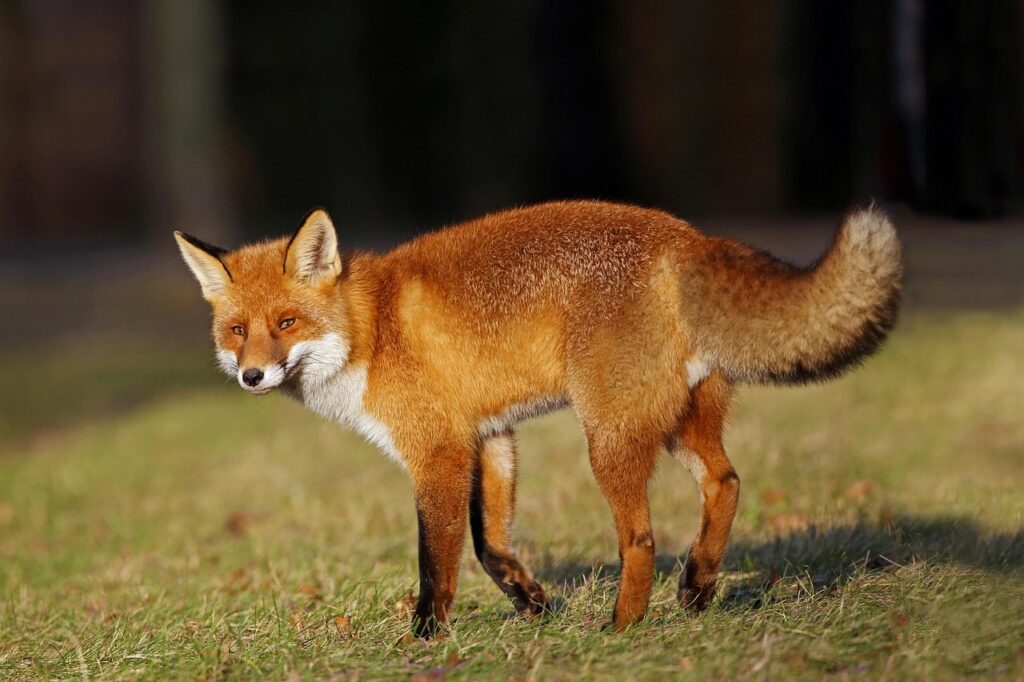
The future of urban foxes in U.S. cities hinges on sustainable coexistence and adaptive measures. As their natural habitats decline, urban areas may increasingly attract these adaptable creatures. Forward-thinking city planning that integrates green spaces and wildlife-friendly architecture ensures a promising future for foxes in urban landscapes. Engaging communities in wildlife-friendly practices facilitates a thriving, biodiverse ecosystem that welcomes foxes as vital urban wildlife residents, ensuring their place in our shared future.