
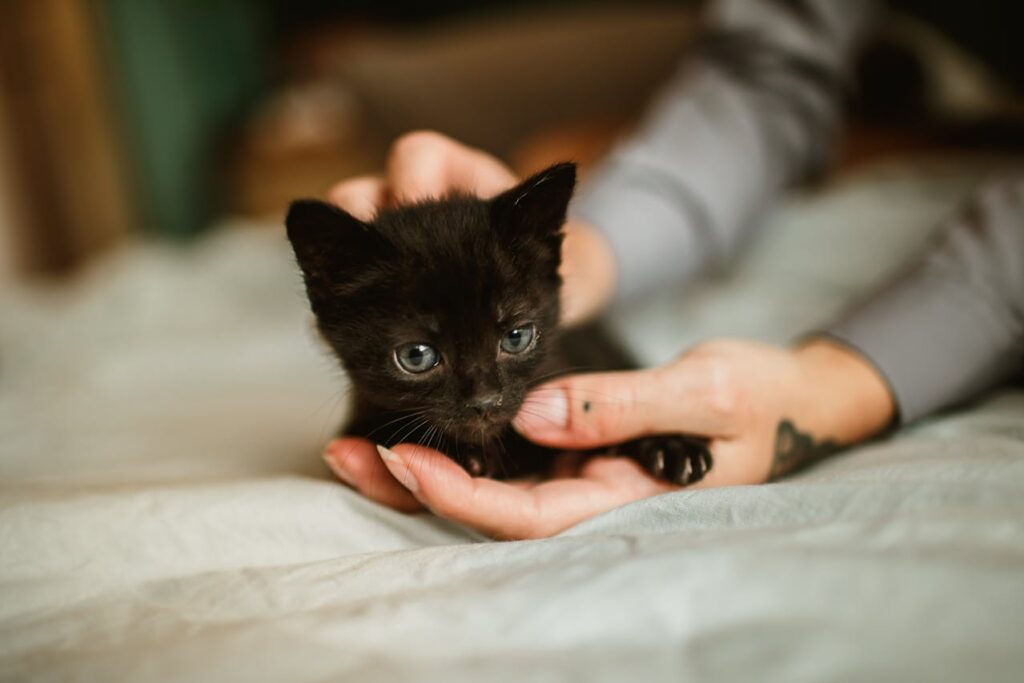
Bringing home a kitten is an exciting and heartwarming experience, but it’s also a big responsibility. Many people assume that caring for a kitten is just like caring for an adult cat, but that’s not entirely true. Kittens require special attention, patience, and preparation to ensure they grow into healthy and well-adjusted cats. A study highlights the importance of early socialization and proper nutrition in kittens’ development. So before you take that adorable ball of fluff home, here are 12 crucial things you need to know.
1. Kittens Need Frequent Meals

Unlike adult cats that can eat just twice a day, kittens have tiny stomachs and need to eat more frequently. Generally, kittens under eight weeks old require feeding every 4-6 hours, often with a milk replacer if they are not with their mother. As they grow, you can gradually introduce high-quality kitten food. Skipping meals or feeding them an inappropriate diet can lead to malnutrition and health issues. If you’re not prepared to feed them multiple times a day, a kitten might not be the best fit for your current lifestyle.
2. Socialization is Crucial at a Young Age

Kittens are like sponges when it comes to learning, and their first few months of life are crucial for shaping their personalities. If a kitten isn’t exposed to different people, sounds, and experiences early on, they might grow up fearful or aggressive. Playing with them, introducing them to other pets, and handling them gently can help them become friendly, well-adjusted cats. If you adopt a kitten that hasn’t been socialized properly, it might take extra patience and time to help them feel comfortable around humans.
3. Litter Training Requires Patience

Kittens did not have the innate ability to know how to use a litter box. While many learn by watching their mother, some need a little extra guidance. You’ll need to provide a shallow, easily accessible litter box and encourage them to use it by placing them inside after meals and naps. Accidents will happen, but punishing them can make things worse. Instead, gently clean up and guide them back to the box. Using the right type of litter also makes a difference—some kittens dislike certain textures or scents.
4. Veterinary Care Starts Early

Many first-time kitten owners don’t realize how much veterinary care kittens need in their early months. They require vaccinations, deworming, and a general health checkup within the first few weeks of adoption. If you adopt from a shelter, some of this care may already be provided, but you should still schedule a vet visit as soon as possible. Delaying medical care can put them at risk for diseases that are preventable with proper vaccinations and early treatment.
5. Kittens Have Endless Energy

If you’re expecting a quiet, cuddly lap cat, think again! Kittens are bundles of energy, and they love to run, jump, and explore. They need plenty of playtime to burn off that energy and develop their coordination. Interactive toys, scratching posts, and climbing trees can help keep them entertained. If you don’t give them enough outlets for their energy, they may resort to clawing furniture or knocking things over. Be prepared for zoomies at odd hours of the day and night!
6. They Need a Safe Space

A kitten’s curiosity knows no bounds, which means they can easily get into trouble. Before bringing a kitten home, kitten-proof your space by securing electrical cords, removing toxic plants, and keeping small objects out of reach. Providing them with a designated safe area, such as a cozy bed or a quiet room, can help them feel secure in their new environment. This is especially important in homes with other pets or young children, as kittens can get overwhelmed easily.
7. Introducing Them to Other Pets Takes Time

If you already have pets, you need to introduce them to your kitten slowly. Some cats and dogs might take to a kitten right away, while others need time to adjust. Start with short, supervised meetings and separate them when you’re not around. Use scent swapping—like rubbing a cloth on the kitten and giving it to your other pets—to help them get used to each other’s smell. Rushing introductions can cause stress and lead to territorial behavior.
8. They Will Teethe and Bite

Kittens go through a complete teething phase, just like human babies. During this time, they will chew on anything they can find, including your fingers and furniture. Providing them with appropriate chew toys can help ease the discomfort and prevent them from developing bad habits. If they bite during play, redirect their attention to a toy rather than your hands. This teaches them that hands are not for biting, preventing issues as they grow older.
9. Grooming is an Essential Routine

Many people assume that cats groom themselves and don’t need any extra help, but kittens need to get used to grooming early on. Regular brushing prevents matting, especially for long-haired breeds, and it also helps with shedding. Introducing them to nail trims, ear cleaning, and occasional baths when they’re young will make grooming easier as they grow older. If you wait too long, they might resist these necessary routines.
10. Adoption is a Long-Term Commitment

Kittens are adorable, but they grow up fast. Many people adopt a kitten without fully realizing that they’re making a 15-20 year commitment. As they get older, their needs will change, and they will rely on you for care, companionship, and medical attention. Before adopting, consider whether you can provide for a cat throughout their entire life, not just during their playful kitten stage.
11. Scratching is Natural and Necessary

Scratching is a normal cat behavior, and kittens need an appropriate outlet for it. If you don’t provide scratching posts or pads, they will find other surfaces—like your couch or curtains. Teaching them to use scratching posts from a young age will save you a lot of frustration. You can also use cat-safe deterrents on furniture to prevent unwanted scratching. Never declaw a kitten, as it is a painful and inhumane procedure that can cause long-term problems.
12. They Need Love and Patience

Kittens are tiny, curious, and sometimes mischievous, but they need love, patience, and understanding. They will make mistakes, have accidents, and get into things they shouldn’t. Instead of getting frustrated, guide them with positive reinforcement and gentle training. The bond you build in their early months will shape their personality and strengthen your relationship for years to come.
Love Pets as Much as We Do?

Scroll up and click the ‘Follow’ button to stay updated with the latest heart-warming, hilarious, and helpful pet posts from Pawdown, delivered straight to your Microsoft Start feed and MSN homepage!