
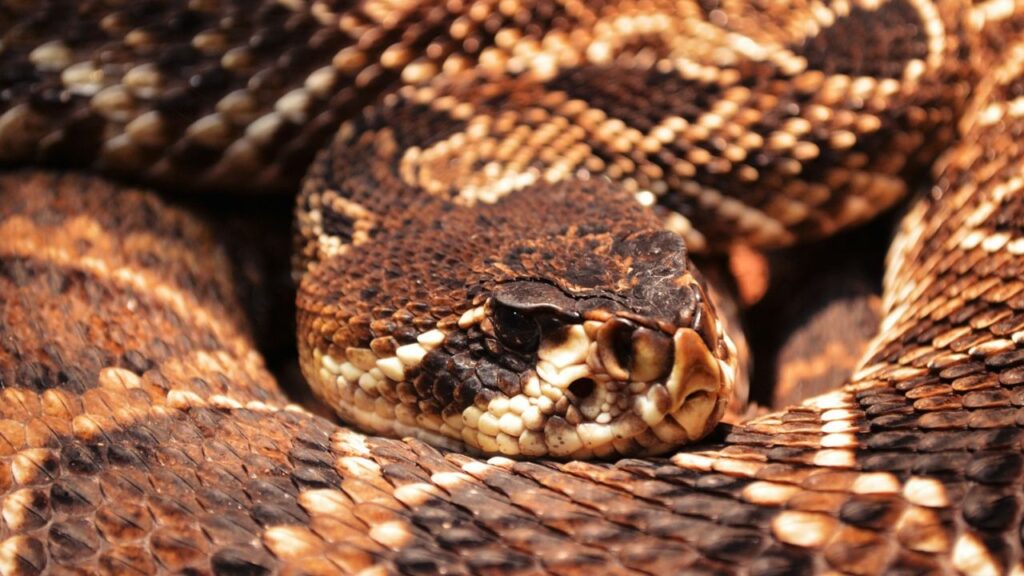
When you think of rattlesnakes, the image of desert heat and arid landscapes probably comes to mind. But did you know there are several U.S. states where these infamous serpents are surprisingly scarce? Whether it’s due to climate, geography, or elevation, some areas have managed to keep rattlesnakes at bay. Ready to explore a world where these rattlers are hard to spot? Let’s dive into some fascinating trivia about where you’re least likely to stumble upon a rattlesnake in the wild.
1. Alaska
Alaska’s frigid temperatures make it an inhospitable place for cold-blooded creatures like rattlesnakes. The harsh winters and short summers simply do not provide the warmth these reptiles need to thrive. Instead, Alaska is home to a variety of other wildlife uniquely adapted to its icy landscapes. Here, you might spot grizzly bears or bald eagles, but you can comfortably hike without the fear of encountering a rattlesnake. This state is the ultimate cold sanctuary, far removed from the buzzing sounds of rattlers.
2. Hawaii
A paradise of sun and sea, Hawaii is free from the threat of rattlesnakes. Thanks to its isolated location in the Pacific Ocean, this tropical state doesn’t have native snake populations. While some snakes, like the harmless blind snake, have made their way to the islands, the lack of predators like rattlesnakes means you can wander the stunning beaches worry-free. Hawaii’s unique environment is rich with flora and fauna, but these slithering reptiles simply have no place among the lush greenery and volcanic landscapes.
3. Maine
In the northeastern edge of the U.S., Maine’s cool climate and diverse ecosystems do not welcome rattlesnakes. While black bears and moose might call the forests home, rattlesnakes steer clear, perhaps deterred by the cold winters. Maine’s outdoor beauty is matched with safety from these venomous reptiles, making it an ideal spot for hiking and camping enthusiasts keen to explore without the hiss of a snake. The state offers a serene escape amidst its breathtaking forested trails and rocky coastline.
4. New Hampshire
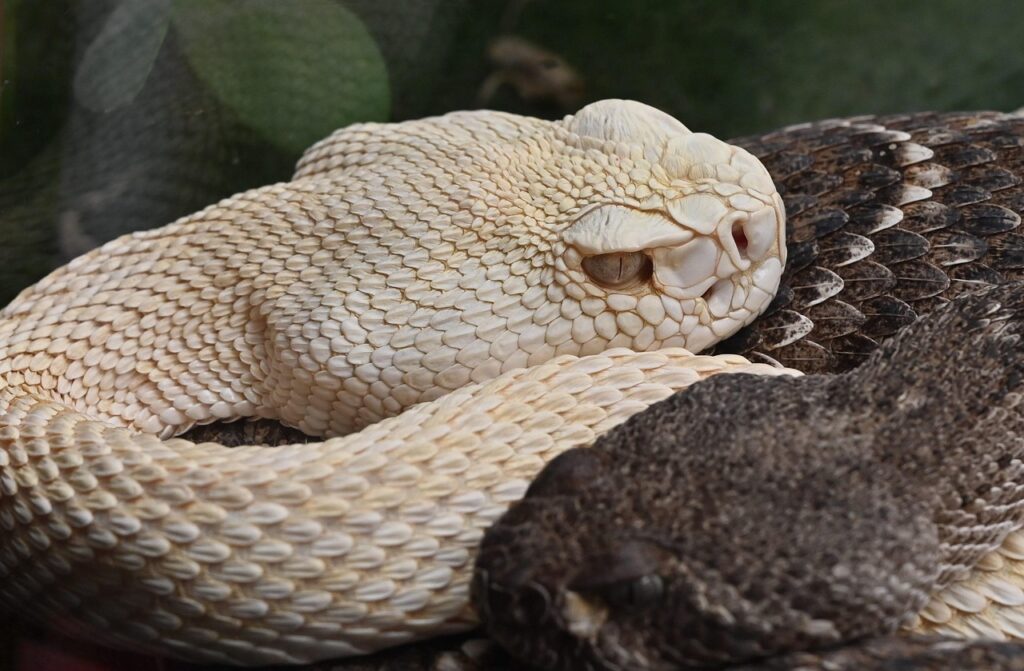
Nestled in New England, New Hampshire’s climate and landscape are unsuitable for rattlesnakes. Here, the cool temperatures and forested terrain create a natural barrier against these lurking reptiles. Instead, the state boasts a tranquil environment with vibrant autumn foliage and picturesque mountains that draw nature lovers year-round. While wildlife such as deer and bobcats roam its woods, the peace of mind from rattlesnakes makes this small state a charming, safe haven for adventurous spirits exploring its scenic beauty.
6. Rhode Island
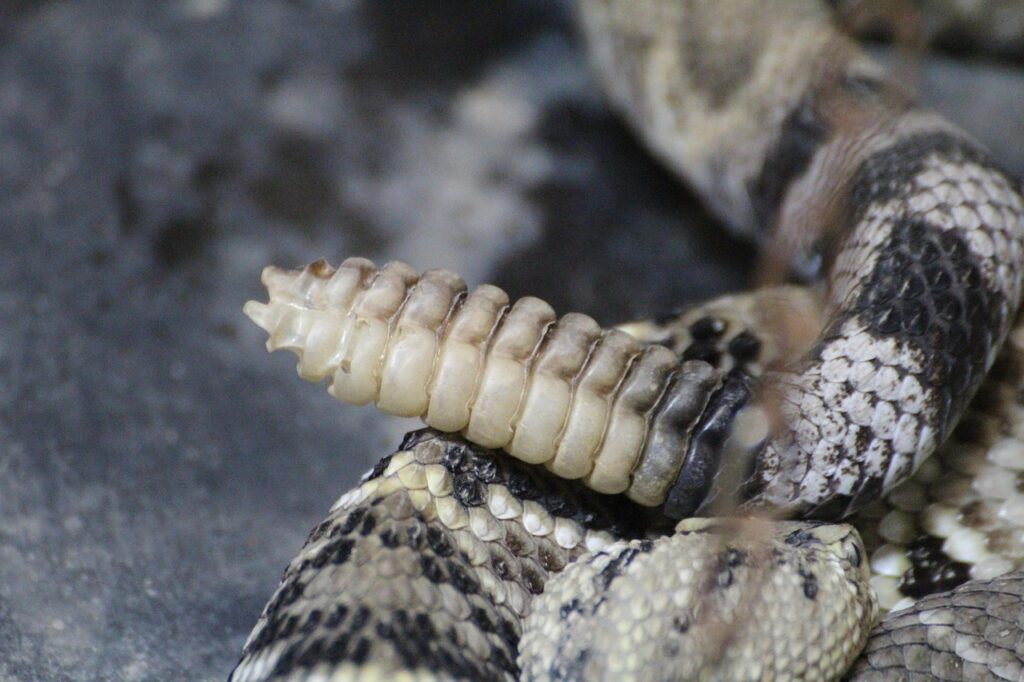
Rhode Island isn’t just known for its charming coastal towns and 400 miles of coastline—it’s also a spot where rattlesnakes are notably scarce. The state’s cool, moist climate isn’t the rattlesnake’s preferred habitat. Rhode Island’s landscape lacks the dry, rocky environments that these reptiles call home. So, if you’re hiking through one of the Ocean State’s lush parks or exploring its sandy shores, you can rest assured that a rattlesnake is unlikely to cross your path.
7. Vermont
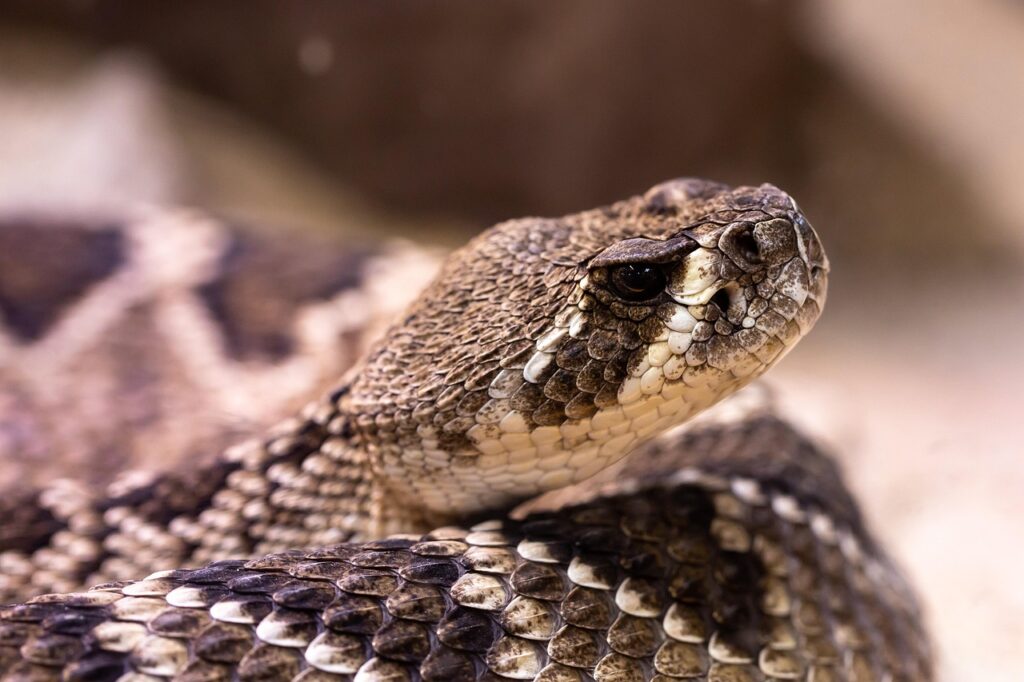
Vermont offers picturesque landscapes and a safe haven from rattlesnakes. With its chilly climate and predominantly forested terrain, Vermont doesn’t align with the habitats where these reptiles typically thrive. Known for its beautiful fall foliage and mountainous stretches, Vermont provides the perfect backdrop for outdoor activities without the worry of encountering rattlesnakes. Whether skiing or hiking, this state’s natural beauty remains uninterrupted by these elusive serpents.
8. Connecticut
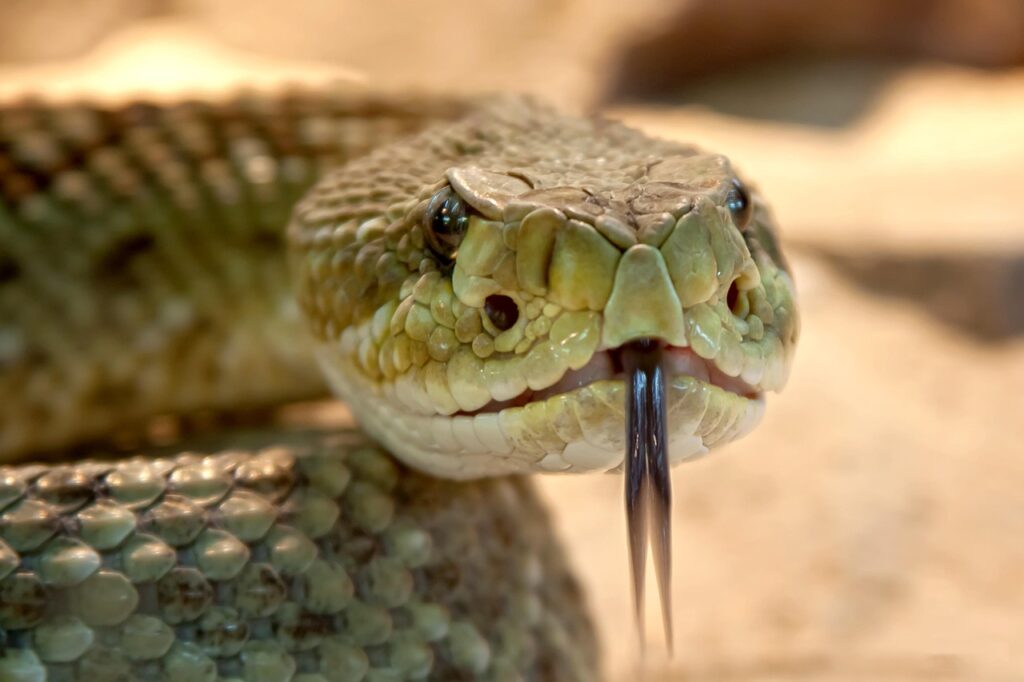
Connecticut, nestled in New England, offers historical charm and a surprising scarcity of rattlesnakes. Though known for its colonial history and quiet countryside, the moisture-laden forests and comparatively cooler weather are not the rattlesnake’s ideal environment. These conditions deter rattlesnakes, making encounters with them less likely. So, those exploring Connecticut’s rich cultural sites or serene trails can enjoy their adventures snake-free.
9. Massachusetts
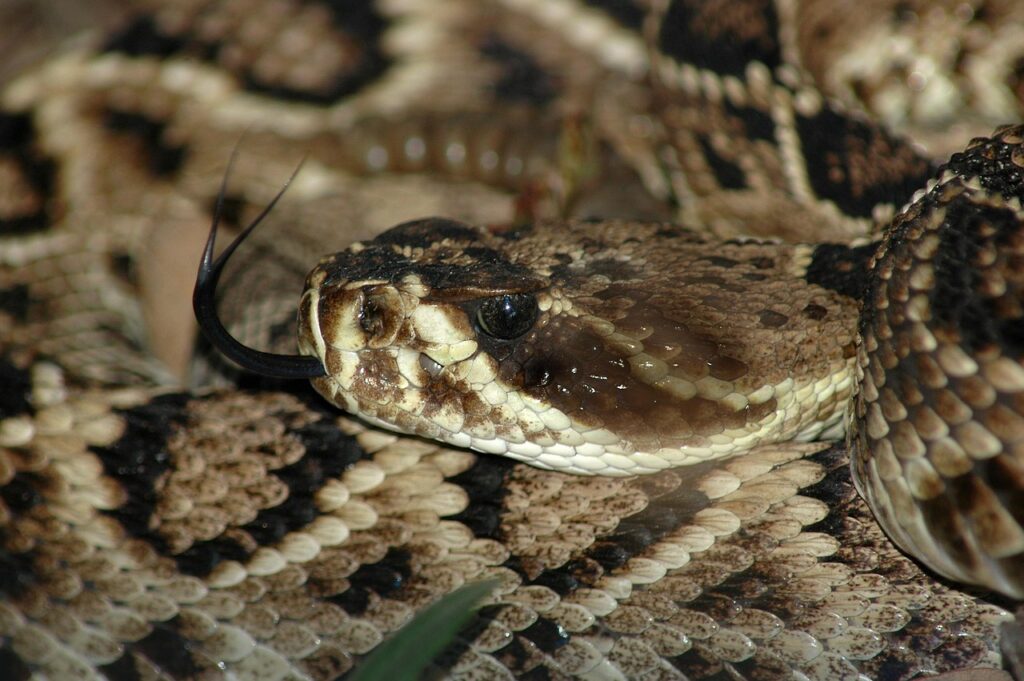
Massachusetts, home to iconic historical landmarks and stunning natural vistas, is another state where rattlesnakes are infrequent guests. With its cool coastal climate and densely populated regions, Massachusetts does not cater to the drier habitats rattlesnakes seek. While some rare species might appear in select areas, they are far from common. So, whether strolling through Boston or basking in Cape Cod’s beaches, residents and visitors alike enjoy a life largely untroubled by these reptiles.
10. New Jersey
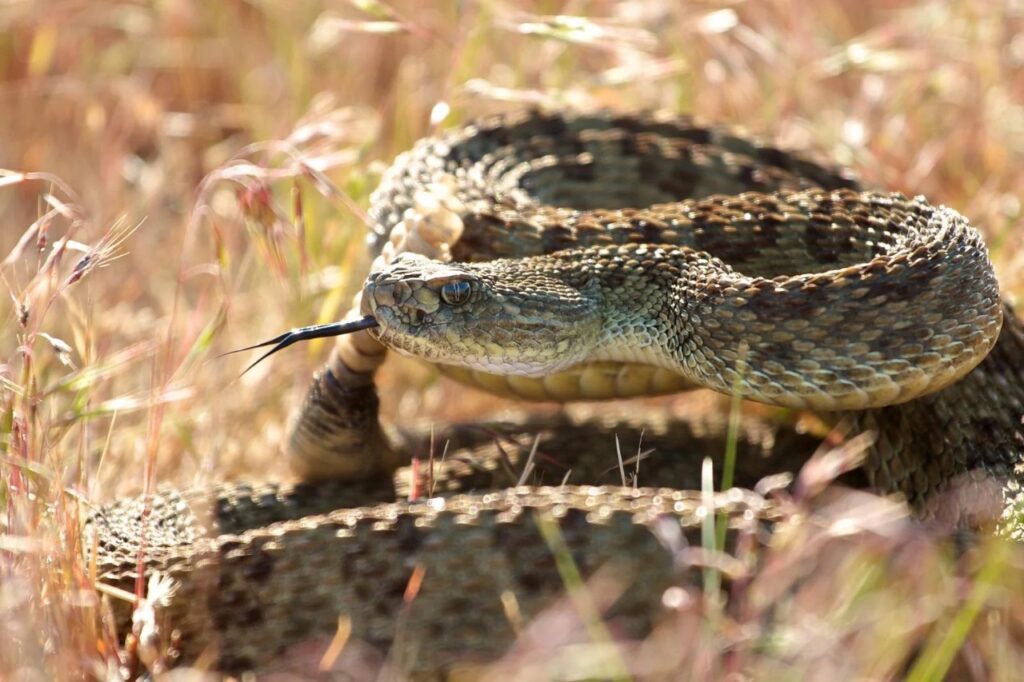
New Jersey, surprisingly, is not the playground of rattlesnakes you’d expect from a state abundant in wildlife diversity. The Garden State hosts only a few of these venomous vipers, primarily the Timber Rattlesnake. Found mainly in secluded forested areas like the Pine Barrens, these elusive creatures are protected due to their declining population. Conservation efforts aim to maintain their habitats, keeping them far from suburban sprawl and heavily trafficked areas. So, next time you’re in New Jersey, rest assured that any rattling you hear is likely more musical than menacing.
11. Delaware
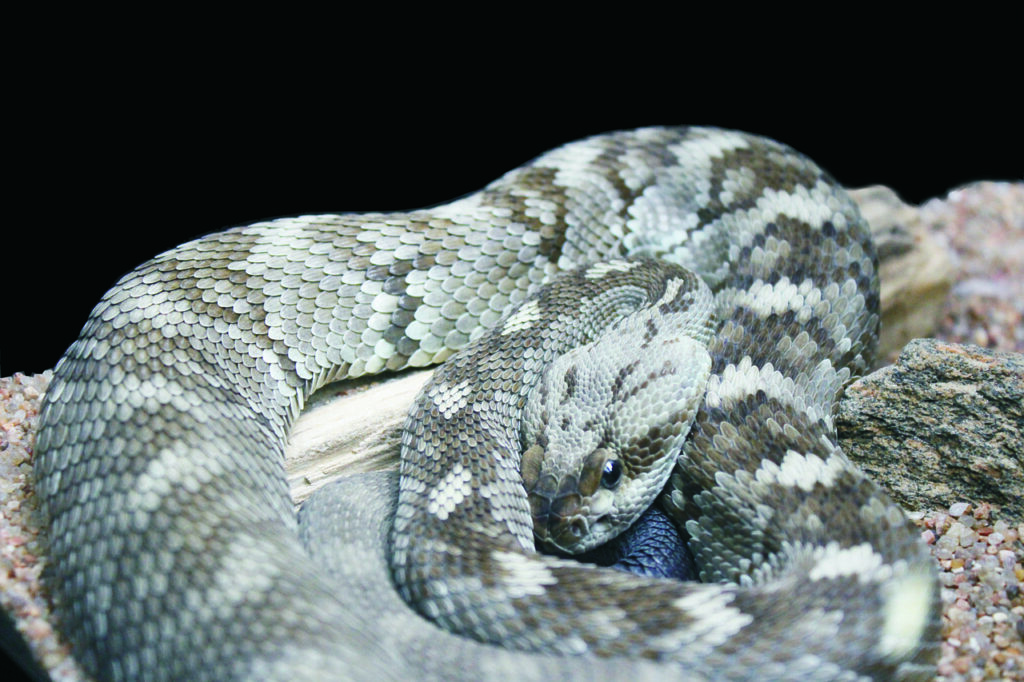
In Delaware, your chances of encountering a rattlesnake are nearly as rare as spotting a unicorn. This small, coastal state is home to diverse ecosystems but lacks the rugged terrain typically preferred by rattlers. Without mountainous refuge or extensive wilderness, rattlesnake sightings are practically non-existent. Most snake species in Delaware are non-venomous and more interested in controlling pests than causing alarm. So, whether you’re exploring its charming coastlines or lush woodlands, you can enjoy the natural beauty without the bite.
12. Maryland
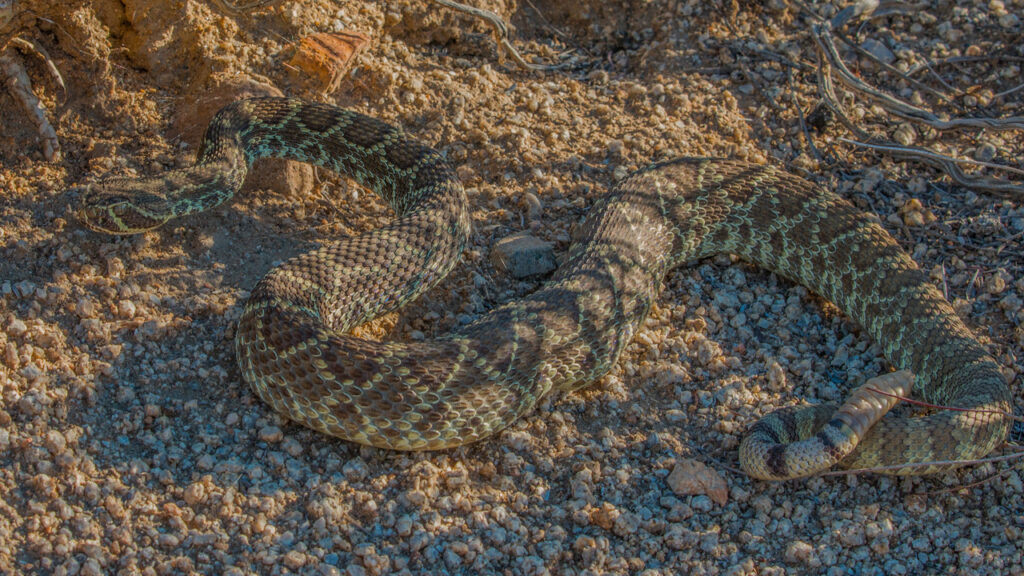
Maryland’s varied landscapes—from rolling hills to sandy shores—offer a diverse habitat for wildlife, but rattlesnakes are a rare feature. The state’s only native rattlesnake is the Timber Rattlesnake, found predominantly in the western mountainous regions but seldom seen. These shy creatures prefer the solitude of rocky forests, away from human activity. While Maryland is rich in flora and fauna, its snake population is more likely to surprise with its safety than its danger. Nature enthusiasts can freely explore knowing that rattlers are a rarity rather than a regular occurrence.