

Horses may not speak our language, but they have their own ways of understanding love and forming deep emotional connections with their owners. Research has shown that horses can recognize human emotions and respond to them accordingly. This means that the way you interact with your horse directly impacts your relationship. If you want to build a lasting, trusting bond, here are 12 ways to show them you care—and four common mistakes to avoid.
1. Spend Quality Time Together

Horses thrive on routine and companionship. Beyond riding, spending time simply being with your horse—whether grooming, hand-grazing, or just sitting in their presence—helps reinforce your bond. Horses are social creatures, and when you engage in activities that don’t involve demands or expectations, they start to see you as part of their herd. Even something as simple as hanging out in their stall or paddock can build trust over time. The more your horse associates you with positive, stress-free interactions, the stronger your connection will be.
2. Learn Their Language
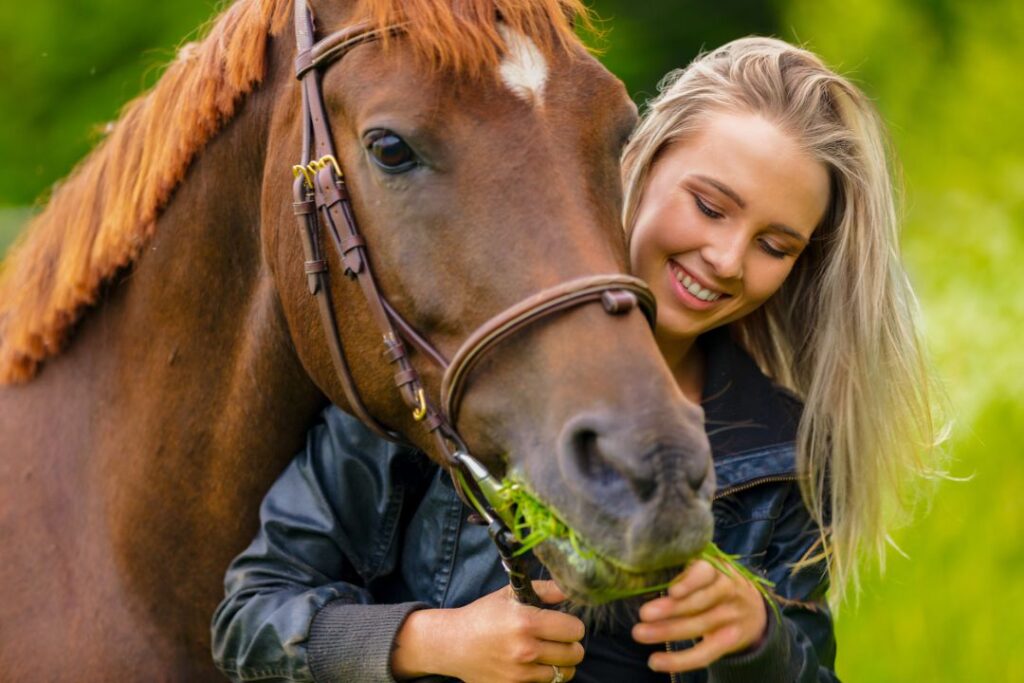
Your horse communicates through body language, from ear positions to tail swishes. The more you understand their cues, the better you can respond to their needs and emotions. A pinned ear, a flicking tail, or a widened eye can all indicate how your horse is feeling in the moment. When you take the time to learn what these signals mean, you can adjust your approach accordingly, ensuring your horse feels heard and respected. Recognizing their subtle ways of communication not only deepens your connection but also helps prevent misunderstandings that can lead to stress or frustration.
3. Give Them a Comfortable Home
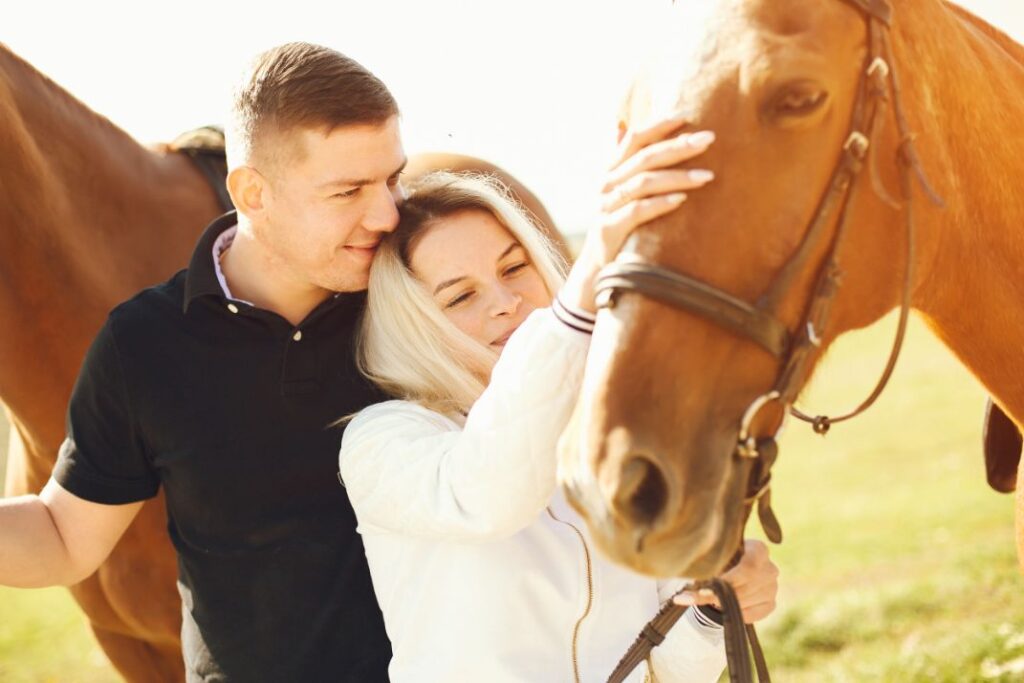
A well-kept stall or pasture, free from hazards, with plenty of fresh water and shelter, ensures your horse feels safe and cared for. A comfortable horse is a happy horse! Horses need a clean, dry place to rest and protection from harsh weather conditions. Regularly cleaning their living space, providing proper bedding, and ensuring they have access to fresh air can go a long way in making them feel at ease. Also, having a routine feeding schedule and a steady environment reduces anxiety and promotes overall well-being.
4. Provide Regular Grooming Sessions

Grooming isn’t just about keeping your horse clean—it’s also a powerful bonding activity. Horses groom each other in the wild, and when you brush your horse, they recognize it as an affectionate gesture. Brushing helps improve circulation, distribute natural oils, and check for any skin issues or injuries. Plus, it provides a chance for physical contact that reassures your horse of your presence and care. Pay attention to their favorite spots—some horses love a good scratch under the mane or along the withers!
5. Offer Tasty, Healthy Treats

Horses appreciate the occasional treat. Apples, carrots, and even peppermint-flavored snacks can be a great way to reinforce good behavior and show affection. Just be mindful of portion sizes! Overfeeding can lead to health issues like obesity or colic, so treats should always be given in moderation. The key is to use treats as a reward, not a bribe. When given at the right time, a treat can strengthen positive associations and make training or bonding sessions even more enjoyable.
6. Engage in Groundwork Exercises

Groundwork strengthens your horse’s trust in you while improving their obedience and manners. Simple exercises like leading, backing up, or lunging help reinforce communication and deepen your connection. When you establish boundaries and expectations from the ground, your horse learns to respect and trust your leadership. This not only makes them more responsive under saddle but also helps create a partnership based on mutual understanding rather than dominance.
7. Give Them a Job They Enjoy

Not all horses love the same activities. Some thrive in dressage, while others prefer jumping or trail riding. Pay attention to what makes your horse happiest and work it into their routine. If a horse enjoys what they do, they will be more eager to engage with you and put in their best effort. Forcing a horse into a discipline they dislike can lead to resistance and even behavioral issues. By catering to their preferences, you make training and exercise something they look forward to rather than endure.
8. Offer Massage and Bodywork
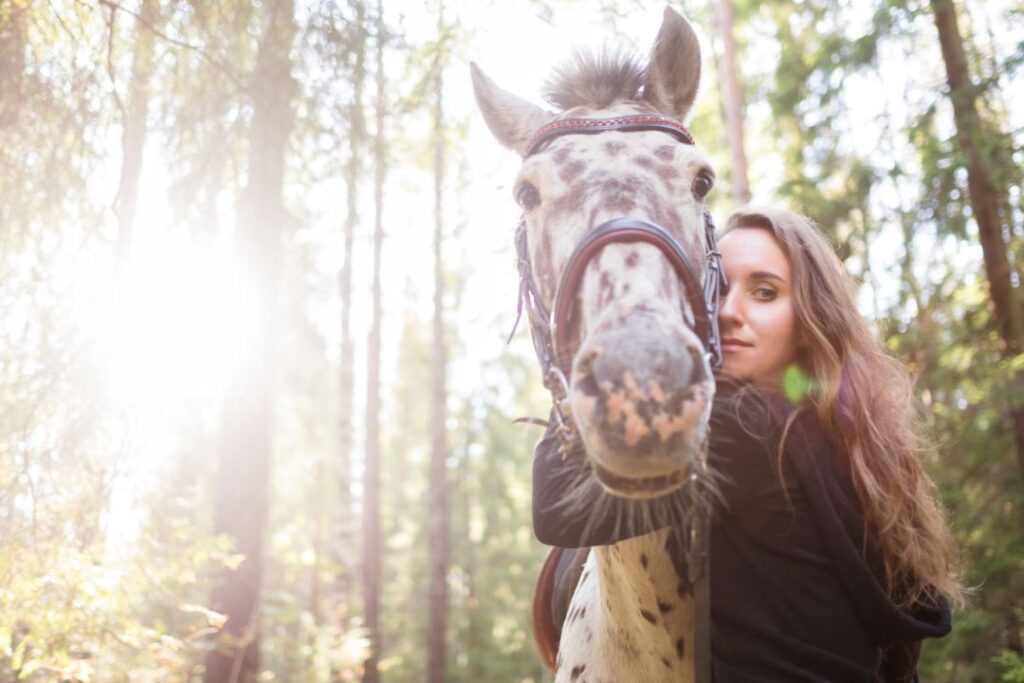
Just like humans, horses appreciate a good massage. Gentle pressure on their neck, back, and legs can help them relax, improve circulation, and relieve tension. Equine massage therapy has been shown to reduce stress and improve flexibility. Even if you’re not a professional, simple stroking motions or using a curry comb in circular motions can have a soothing effect. Observing how your horse responds to different techniques will help you identify what feels best for them.
9. Provide Mental Stimulation

Bored horses can become frustrated or destructive. Toys, obstacle courses, or even clicker training can engage their minds and prevent negative behaviors. Horses are naturally curious, and giving them puzzles to solve or new things to explore can keep them entertained. Try hiding treats in a hay net, setting up ground poles in different patterns, or introducing new scents and sounds. Keeping their environment stimulating prevents boredom-related issues like cribbing or weaving.
10. Ride With Consideration

A horse that feels comfortable under saddle is more likely to enjoy riding. Make sure their tack fits properly, warm them up gradually, and reward their efforts with kind words and pats. Poorly fitting saddles or harsh bits can cause pain and discomfort, leading to resistance or behavioral problems. Before every ride, check your equipment and ensure your horse is physically ready. A considerate rider listens to their horse’s signals and adjusts accordingly to create a positive riding experience.
11. Let Them Be Horses

Horses are social, herd animals. Whenever possible, allow them to interact with other horses, graze freely, and exhibit natural behaviors. A horse that spends all its time confined to a stall or under saddle can become stressed and frustrated. Turnout time is essential for their mental and physical well-being. Even if your horse can’t be in a large herd, having a companion nearby—whether another horse, a goat, or even a barn cat—can help them feel more secure and content.
12. Speak Softly and Be Patient

Horses are incredibly sensitive to tone and body language. Using a calm voice, gentle touch, and patience in training will make them feel safe and understood. Yelling, abrupt movements, or frustration can make a horse nervous and hesitant to trust. Instead, approach them with kindness and consistency. When your horse knows they can rely on you to be fair and predictable, they will be more willing to cooperate and form a deep connection with you.
4 Mistakes to Avoid

Horses are highly intelligent, social animals with complex emotional and physical needs. Studies show that improper training, inadequate care, and poor management can lead to behavioral issues, stress, and even long-term health problems. Research indicates that positive reinforcement training results in a 65% improvement in learning efficiency compared to punishment-based methods. Additionally, 70% of equine behavioral issues stem from undiagnosed pain or discomfort. Avoiding these common mistakes can help build a healthier, happier relationship with your horse.
1. Using Harsh Training Methods
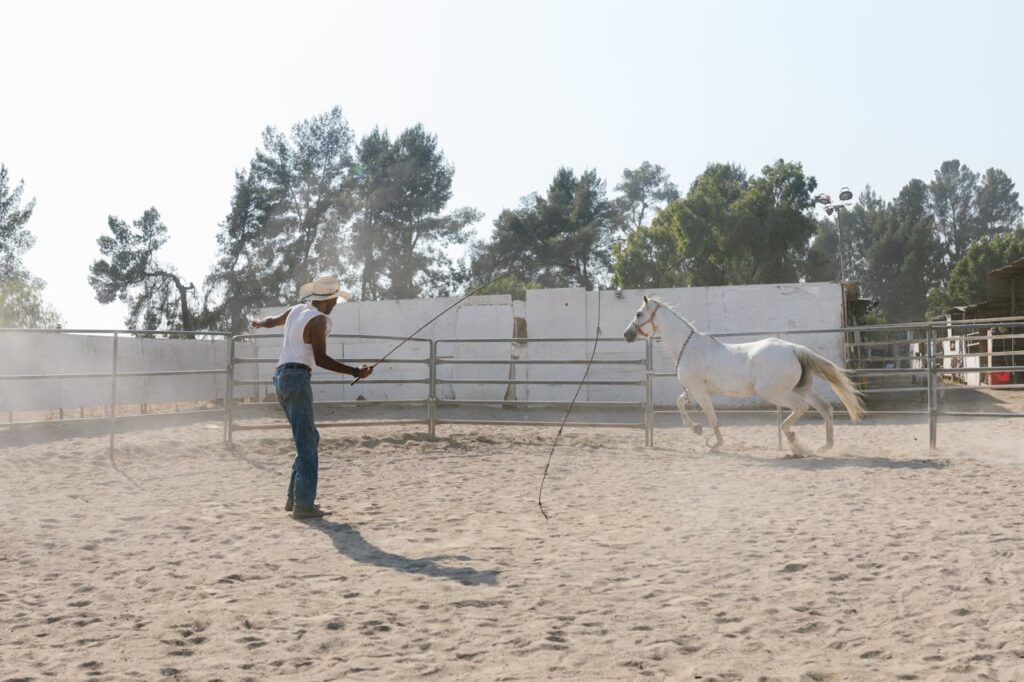
Punishment-based training erodes trust. Instead, focus on positive reinforcement and clear, consistent cues to guide your horse. Fear-based methods may lead to temporary compliance, but they damage your relationship in the long run. Horses learn best when they feel safe and respected. Harsh corrections can create anxiety, making your horse hesitant and unpredictable. A frightened horse may shut down completely or become reactive, increasing the risk of accidents. Developing patience and understanding will build a willing and confident partner.
2. Ignoring Signs of Discomfort

If your horse suddenly acts out or resists, it might not be disobedience—it could be pain from ill-fitting tack, dental issues, or an underlying health problem. Always rule out physical discomfort before assuming behavioral problems. Subtle signs like pinned ears, tail swishing, or head tossing can indicate discomfort before it escalates. Routine vet and farrier checkups help catch minor issues before they become serious. Ignoring these warning signs can lead to chronic pain, sour attitudes, and even dangerous behavior under saddle.
3. Overfeeding Treats

While treats are a great way to bond, too many can lead to obesity and digestive issues. Moderation is key. Stick to natural, horse-safe options and avoid sugary or processed snacks. Excessive treats can encourage pushy or nippy behavior, making your horse difficult to handle. Certain foods, like too many carrots or apples, can cause sugar imbalances and metabolic issues. Instead of relying solely on treats, use praise, scratches, or a favorite activity as a reward.
4. Neglecting Their Social Needs

Horses are herd animals, and prolonged isolation can cause stress and depression. If your horse doesn’t have equine companionship, make an effort to provide extra interaction and enrichment. Lonely horses may develop stable vices like cribbing, weaving, or excessive pacing. Regular turnout with other horses, even in a neighboring paddock, can significantly improve their well-being. If companionship isn’t possible, structured groundwork, varied environments, and human interaction help fulfill their social needs.
Love Pets as Much as We Do?

Scroll up and click the ‘Follow’ button to stay updated with the latest heart-warming, hilarious, and helpful pet posts from Pawdown, delivered straight to your Microsoft Start feed and MSN homepage!