

Bengal cats are renowned for their striking, wild appearance, bearing the distinctive markings of their wild ancestors, the Asian leopard cat. While their looks may suggest a wild nature, Bengals are hybrid animals that combine the domestic cat’s affectionate personality with the traits of their wild predecessors. Despite their domestication, many characteristics from their wild lineage remain, which can make them less domesticated than typical house cats. Let’s see 12 wild traits that set Bengals apart.
1. A Wild Heritage

Bengal cats are hybrids, descending from a cross between domestic cats and the wild Asian leopard cat. The breed originated in the 1960s when Dr. Willard Centerwall began studying the genetics of these hybrids, hoping to create cats resistant to feline leukemia. Later, Jean Sudgen Mill took over the breeding program, which led to the development of the Bengal cat as we know it today. Although domesticated, Bengals retain many wild traits inherited from their ancient ancestors, influencing their behaviors and instincts.
2. Vibrant, Wild-Looking Coat

One of the most defining features of Bengal cats is their coat, which resembles that of wild jungle cats. Their fur is short and dense, with a shimmering, iridescent quality that can make them appear almost glitter in the light. The coat pattern is often spotted or marbled, resembling that of a leopard or cheetah. Bengals come in a variety of colors, including brown, black, silver, and even blue, but their striking appearance remains a constant reminder of their wild ancestry. Their coats are both stunning and functional.
3. Unstoppable Energy
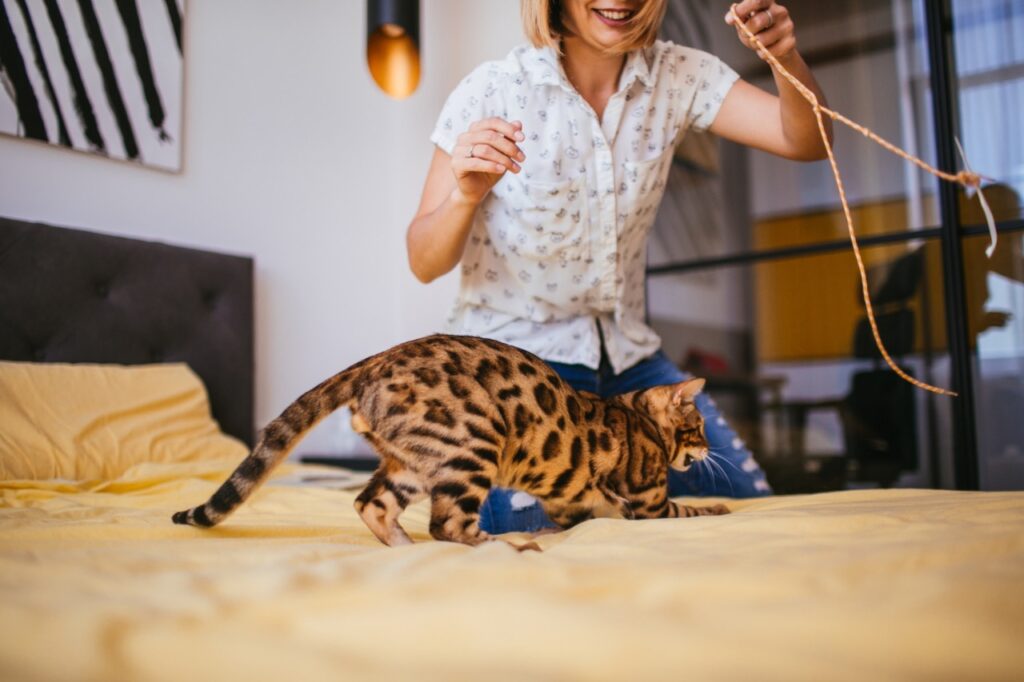
Bengal cats are extremely active and need a lot of stimulation to stay happy. Unlike typical domestic cats, who may be content lounging around, Bengals are always on the move. Their energy is boundless, and they constantly seek out new ways to burn off excess energy. This can include playing with toys, climbing, and running around the house. Their activity levels are a reflection of their wild ancestors, who needed to be agile and alert to survive. Bengals thrive in households where they are kept busy and mentally challenged.
4. Large and Muscular Build

Bengal cats aren’t just active—they’re also quite large and muscular. Male Bengals, on average, weigh between 10 and 15 pounds, while females are typically smaller, ranging from 8 to 10 pounds. However, some exceptional Bengals can weigh as much as 20 to 22 pounds. Their muscular physique allows them to perform acrobatic feats, including jumping and climbing with ease. This robust build is a characteristic shared with their wild cousins, who need strength for hunting, climbing, and surviving in the wild.
5. Strong Hunting Instincts

Bengal cats possess an innate predatory instinct that makes them excellent hunters. Their wild ancestors hunted small prey in the wild, and this instinct remains strong in Bengals. They often engage in “hunting” behavior, stalking, pouncing, and chasing after toys or even other small animals. While this is natural for them, it can make owning smaller pets, like rabbits, hamsters, or birds, difficult. Their predatory drive can sometimes lead them to hunt, and if you have smaller animals, extra care must be taken to prevent accidents.
6. Loud and Expressive Vocalizations

Bengals are more vocal than most domestic cats, which is another trait they inherited from their wild ancestors. They are known for making a variety of sounds, including chirps, growls, and meows, especially when they’re excited or agitated. This vocalization is their way of communicating, whether it’s to express hunger, curiosity, or a desire for attention. While their sounds may be endearing to some, others may find them more demanding. Bengals use their vocal abilities to make their needs known, ensuring they’re never ignored.
7. Water-Loving Nature
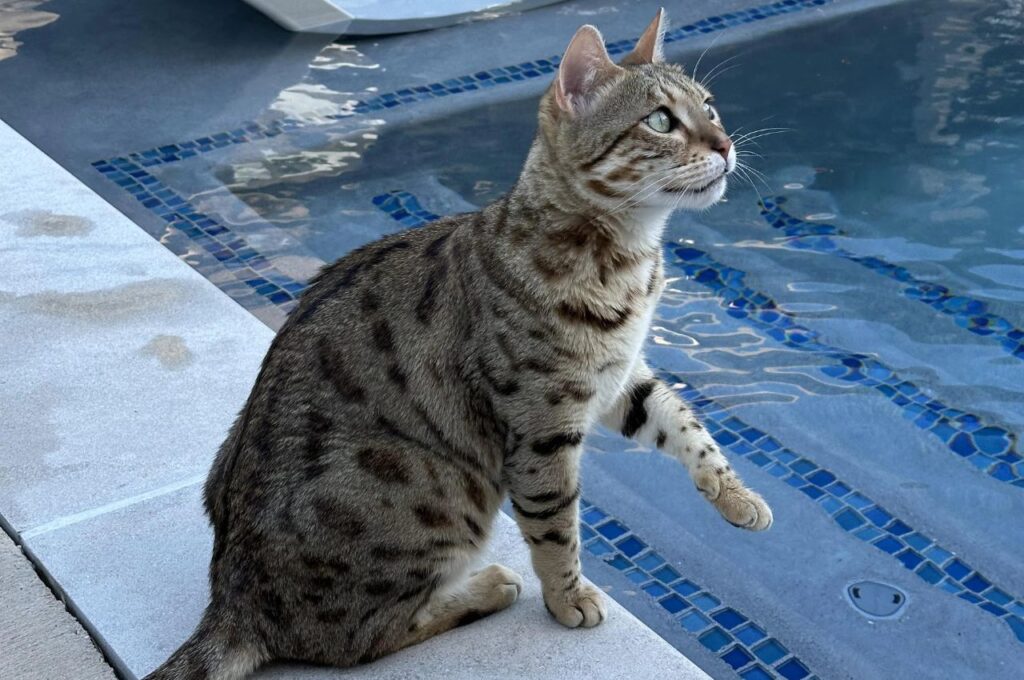
Unlike many domestic cats, who typically avoid water, Bengals have a fascinating love for it. Their wild ancestors often hunted in aquatic environments, and this behavior has been passed down. Bengal cats can often be found playing in the water—whether it’s splashing in a sink, playing in the bathtub, or even enjoying a water bowl. Some Bengals will happily dip their paws into the water or even swim if given the opportunity. This unique trait can be both charming and surprising for owners who aren’t used to a cat that enjoys water.
8. Independent and Aloof Behavior

Bengal cats can be quite independent, which may be unexpected for those used to more cuddly, attention-seeking cats. While they are affectionate toward their owners, Bengals often prefer to do things on their own terms. This aloof behavior is rooted in their wild ancestry, where self-sufficiency was key to survival. Bengals may form strong bonds with their owners but can be distant or indifferent toward strangers or other pets. They are independent creatures that don’t always crave constant human attention, but they still enjoy companionship on their terms.
9. Escaping Skills

Bengal cats are known for their ability to escape from almost any enclosed space. This escape artist behavior is tied to their natural instincts; in the wild, staying free and mobile is crucial for survival. Bengals are incredibly intelligent and resourceful, and they may quickly figure out how to open doors or find weak spots in their environment. This ability to escape can sometimes lead to problems for owners who aren’t careful, as Bengals may try to explore beyond the safety of their home. A secure home environment is essential for keeping them safe.
10. Fascination with High Places

Bengals love to climb and perch on high places, just like their wild ancestors. In the wild, climbing to elevated spots helped cats to stay safe and to hunt effectively. Bengals retain this instinct and will often seek out the highest perch in the room, whether it’s the top of a bookshelf or a tall cat tree. They are agile climbers, capable of reaching impressive heights, and their love of high places is a direct reflection of their wild heritage. A high vantage point gives them a sense of security and control over their surroundings.
11. Thriving on Challenge and Stimulation

Bengal cats are highly intelligent and thrive when given mental and physical challenges. Their energy and drive require outlets to stay satisfied; otherwise, they can become bored and even destructive. Unlike other cats that may be content with basic toys, Bengals enjoy complex activities that engage their mind. Puzzle feeders, interactive toys, and challenging play sessions are necessary to keep them entertained. This need for stimulation is linked to their wild instincts, where every task—whether hunting or survival—requires mental effort.
12. Expensive to Own

Bengal cats are not only a commitment in terms of care but also a financial investment. The cost of purchasing a Bengal can range from several hundred to thousands of dollars, with show-quality Bengals being the most expensive. The price is influenced by factors such as the cat’s generation, lineage, and markings. Additionally, their high energy and specific care requirements make them more costly to maintain than other breeds. This breed’s exotic appeal often comes at a significant price, both in terms of money and time spent on their care.
Love Pets as Much as We Do?

Scroll up and click the ‘Follow’ button to stay updated with the latest heart-warming, hilarious, and helpful pet posts from Pawdown, delivered straight to your Microsoft Start feed and MSN homepage!