
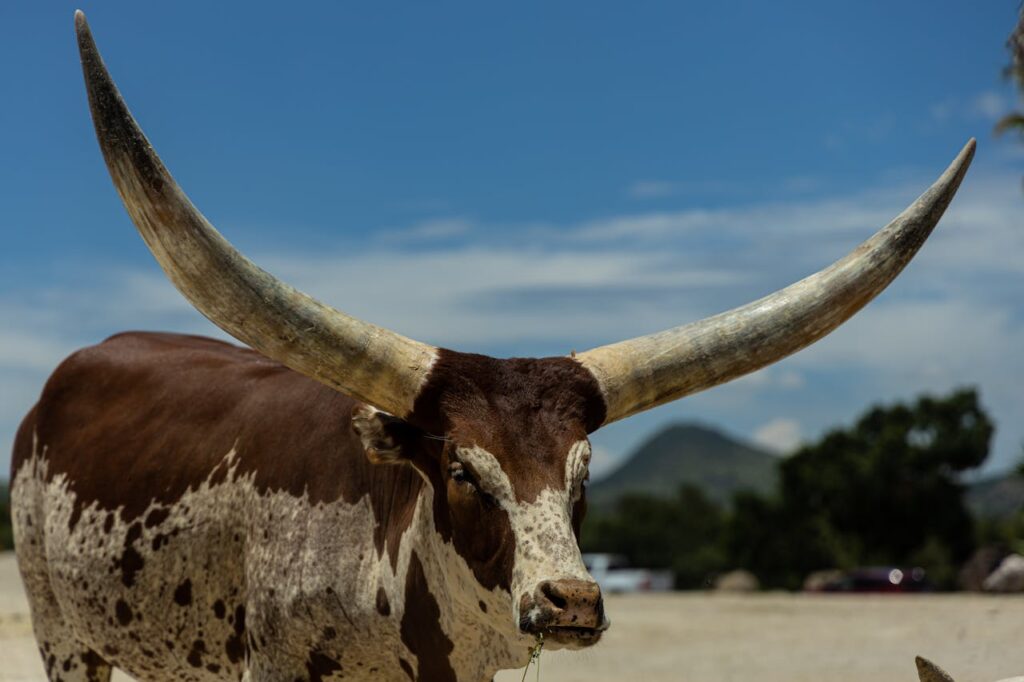
Nature is full of magnificent wonders, and horns are among its most striking features. These stunning adornments aren’t just for show; they serve important purposes in the animal kingdom. From defending against predators to attracting mates, horns are vital. Let’s explore some of the creatures sporting the grandest horns you’ll ever see, each with its unique charm and story.
1. Kudu
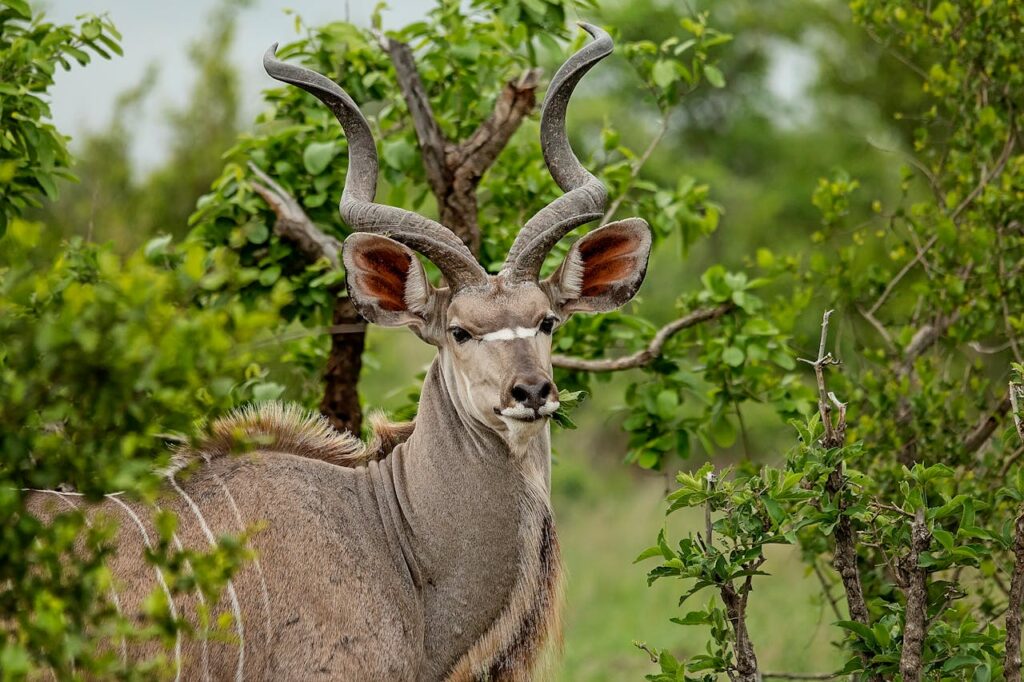
One look at the kudu, and you’ll understand why it’s called the “gray ghost of Africa.” These antelopes boast elegant, spiraled horns that can reach impressive lengths of up to 72 inches. Their majestic horns follow a gentle curve, making three or four graceful twists. Among these creatures, it’s the males that proudly sport these magnificent features. Kudu use their horns not only to compete for mates but also to navigate through dense forests, leveraging their height and grandeur.
2. Bighorn Sheep
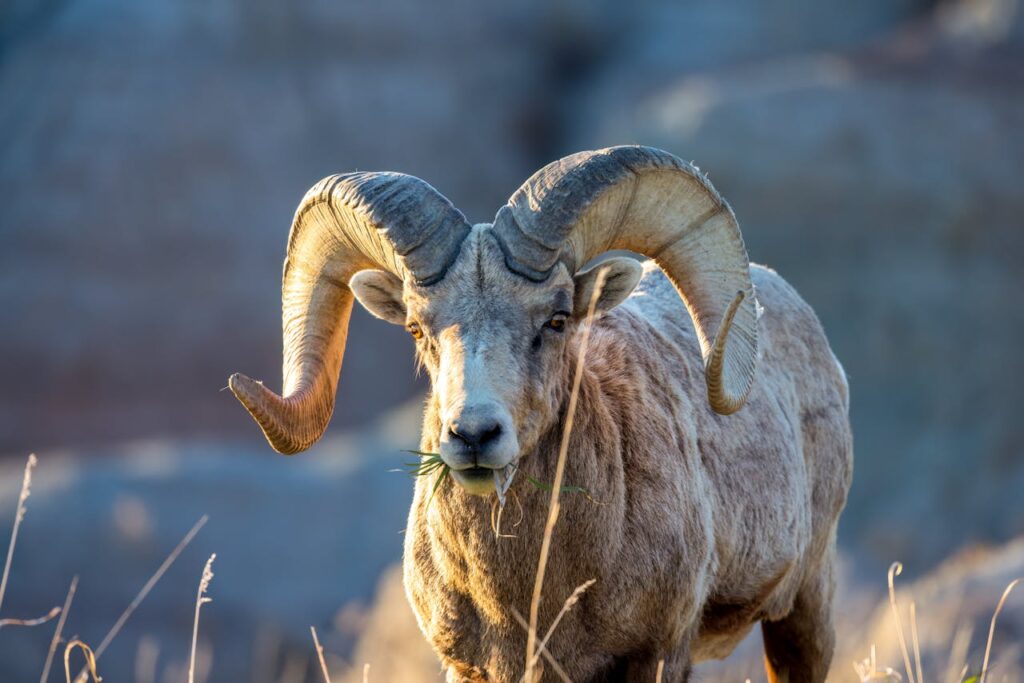
Navigating the rugged terrains of North America, the bighorn sheep carry their massive, curling horns like crowns. Male horns can weigh up to 30 pounds, coiling back over their ears and around next to their cheeks. These tools of survival are essential not just for dominance battles but also for their ability to buffer impacts during headbutting contests. Every scar and groove tells a tale of struggle and triumph in these mountain landscapes.
3. Water Buffalo
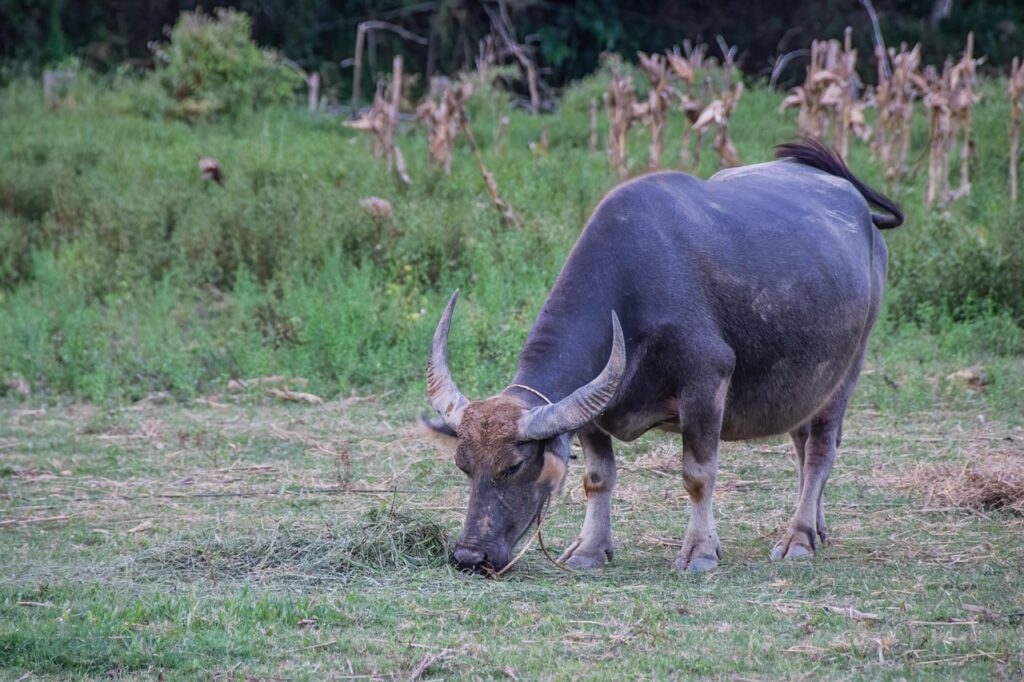
The humble water buffalo is more than just a beast of burden; its wide, sweeping horns are a testament to its strength and adaptability. These horns can span over six feet, reaching outward in elegant curves. Used for defense and display, the horns also serve practical purposes, such as cooling the buffalo by increasing surface area for heat dissipation. These gentle giants play crucial roles in agriculture across Asia, providing strength and sustenance to communities.
4. Markhor
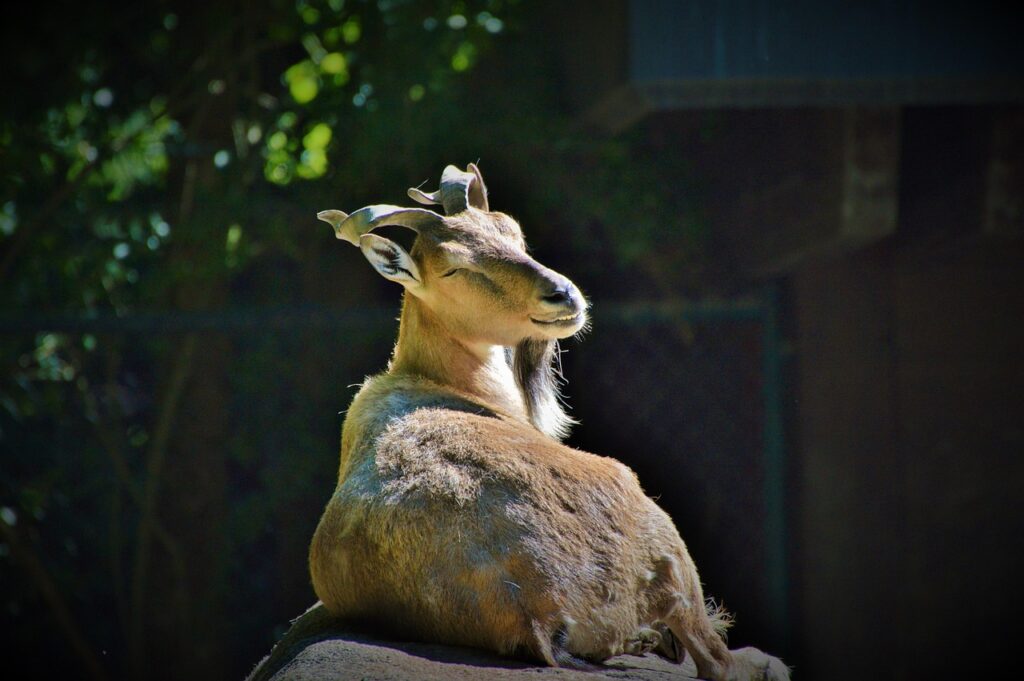
In the stunning mountain regions of Central Asia, the markhor struts with its twisted, corkscrew-like horns, which can grow over five feet long. Named from Persian roots meaning “snake-eater,” these majestic goats are experts at navigating steep cliffs and rocky terrains. Known for their striking presence and unusual horn shape, markhors use their horns in seasonal displays and dominance battles. These endearing climbers symbolize the wild beauty of their mountainous homes.
5. Blackbuck
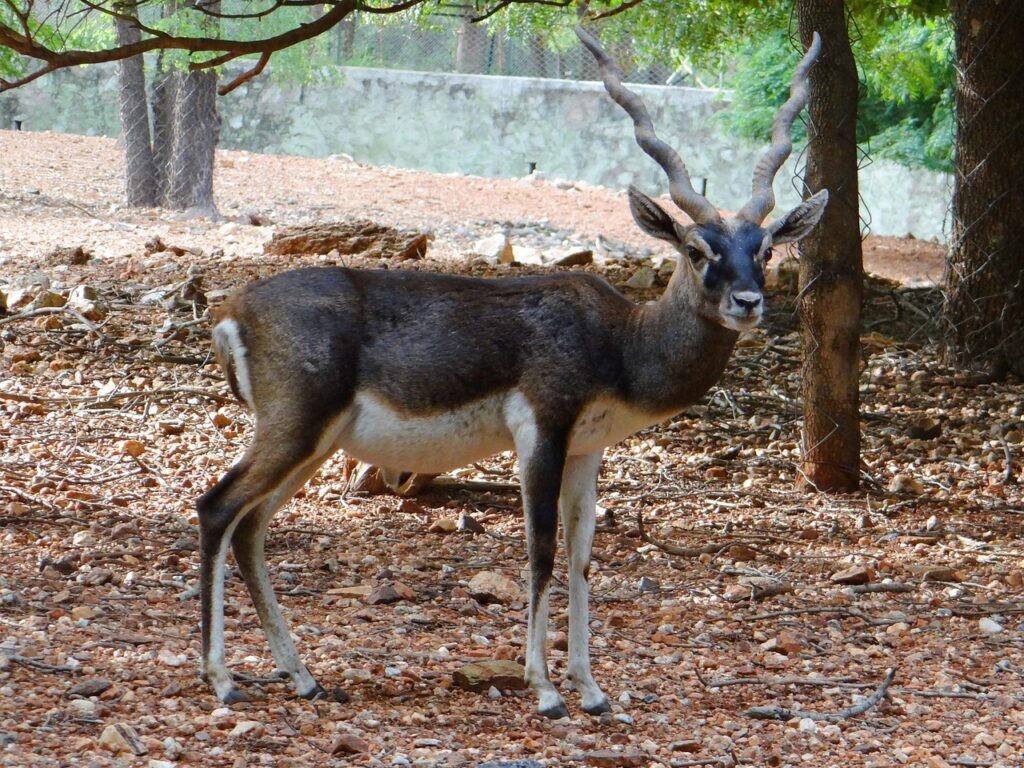
Majestic and agile, the blackbuck is a striking creature of the Indian subcontinent. Sporting spiraling horns that can grow up to 28 inches long, these swift antelopes are a sight to behold. Males use their impressive horns for display during mating season, often engaging in ritualistic sparring matches. The blackbuck’s contrasting white and dark brown coat adds to its allure, blending elegance with agility. Unfortunately, these beautiful animals face threats from poaching and habitat loss. Conservation efforts are crucial to maintaining their presence in the wild.
6. Elk
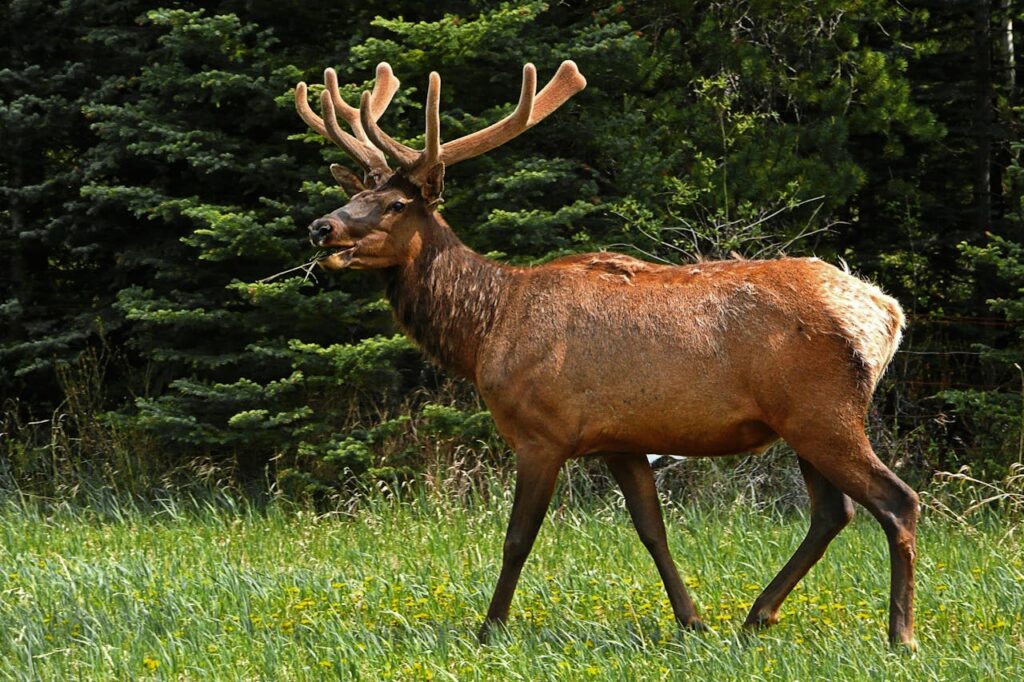
Elk, or wapiti, are among North America’s largest land mammals, known for their grand, sweeping antlers. These remarkable antlers can stretch up to four feet and weigh up to 40 pounds. Elk shed their antlers annually, growing new ones each summer—a process fueled by rapid tissue growth. In the wild, these antlers are vital for battle during rutting season, as males clash to establish dominance and attract mates. Experiencing an elk bugle across an open meadow is an evocative reminder of nature’s raw power and beauty.
7. Mouflon
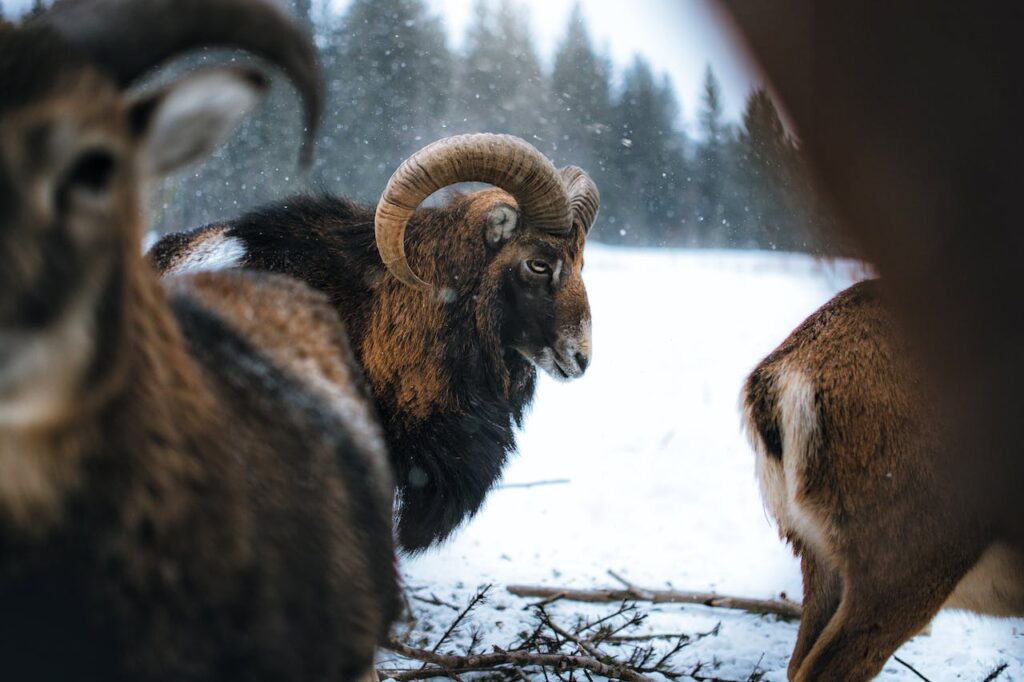
The mouflon, with its striking curled horns, is a wild sheep inhabiting the rugged terrains of Europe and Western Asia. Impressively, those horns can reach lengths of up to 33 inches, forming distinctive, outwardly spiraling curves. These hardy animals navigate steep, rocky landscapes with ease, relying on their horns and agility to compete for mates and territory. Despite their resilience, mouflons face threats from habitat fragmentation and hybridization with domestic sheep. Protecting these symbols of wild, untamed beauty is crucial for their survival.
8. Scimitar Oryx
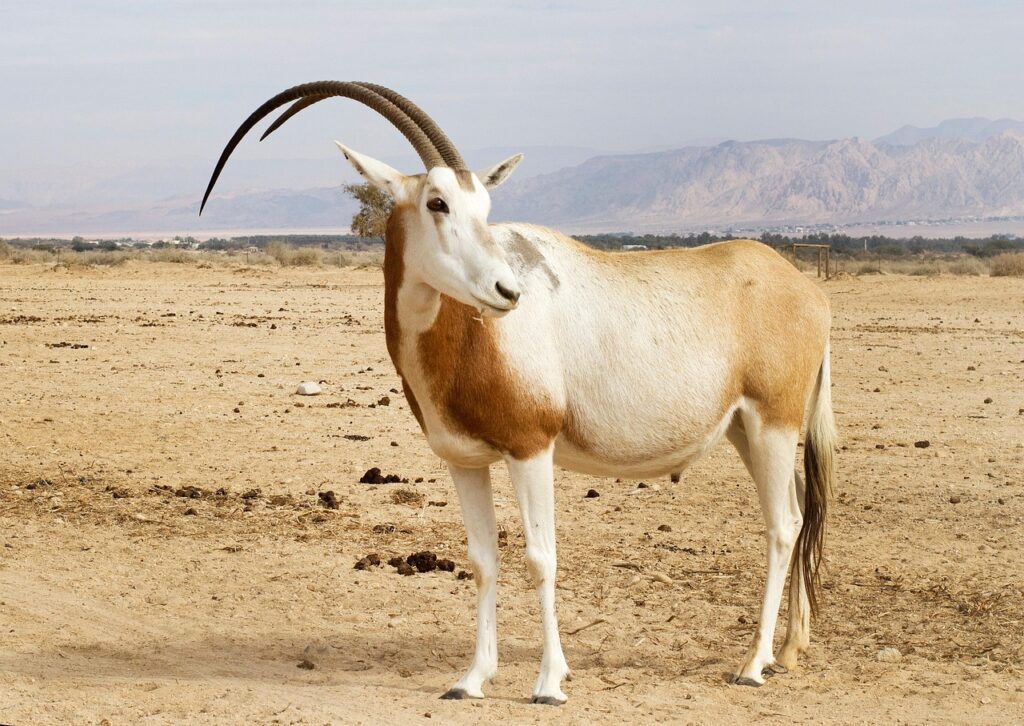
The Scimitar oryx, once native to North Africa’s desert plains, is famed for its spectacular, long, and slender horns, which can span up to 40 inches. Curving gracefully backward, these horns are deadly tools in defensive battles. Sadly, the scimitar oryx was declared extinct in the wild, largely due to overhunting and habitat destruction. However, they live on in protected reserves and reintroduction programs aim to restore their numbers. Witnessing these dignified creatures roam the sands is a testament to successful conservation efforts.
9. Greater Kudu
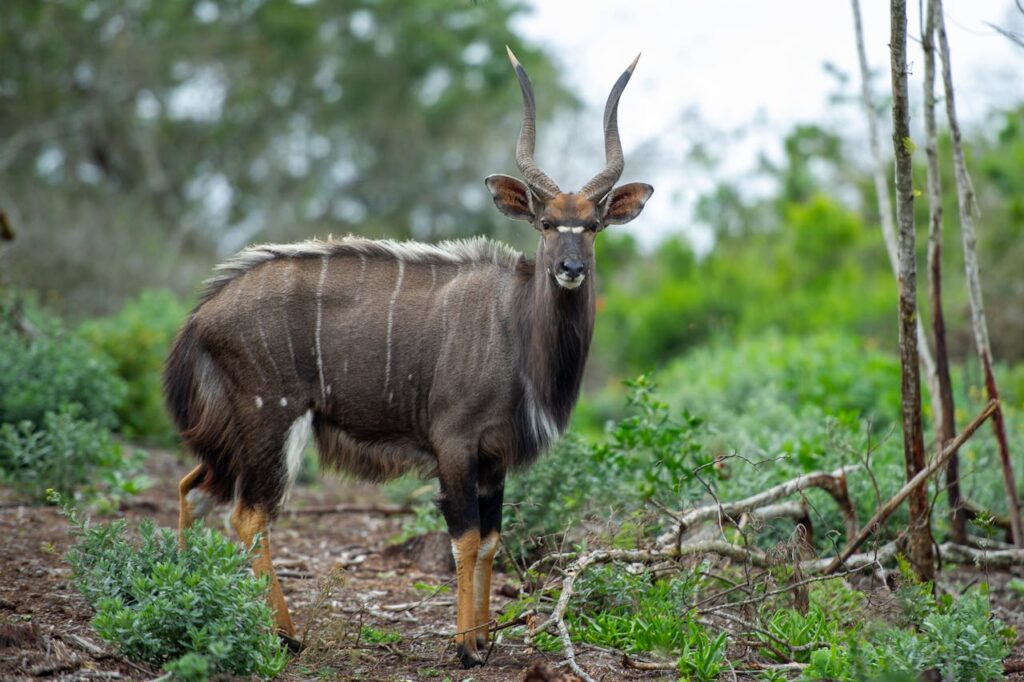
The majestic greater kudu, native to the savannas of eastern and southern Africa, is renowned for its stunning spiral horns. Male kudus can boast horns that twist three to four times and reach lengths of up to six feet. These impressive structures aren’t just for show—their graceful spirals help males navigate dense brush, and the size and shape are pivotal during courtship displays. Greater kudus are shy and crepuscular, most active during dawn and dusk. Their striking stripes and vigilant nature blend perfectly with their woodland habitats, making them masters of camouflage.
10. Saiga Antelope
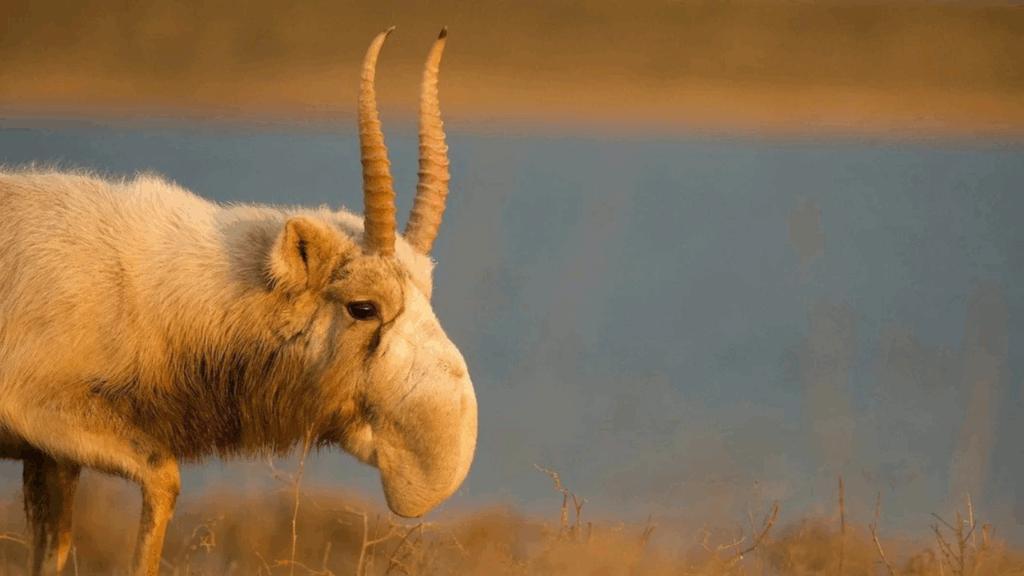
With its distinctive bulbous nose and curved horns, the saiga antelope stands out in the steppes of Central Asia. The horns of male saigas, often reaching up to 20 inches, have a translucent honey-color that changes with the light. These animals are adapted to harsh climates, their unique noses warming inhaled air during frigid winters. Unfortunately, due to habitat loss and hunting, the saiga is critically endangered. Conservationists are fighting to preserve these fascinating creatures, highlighting the urgency of sustaining biodiversity in their natural environments.
11. Yak
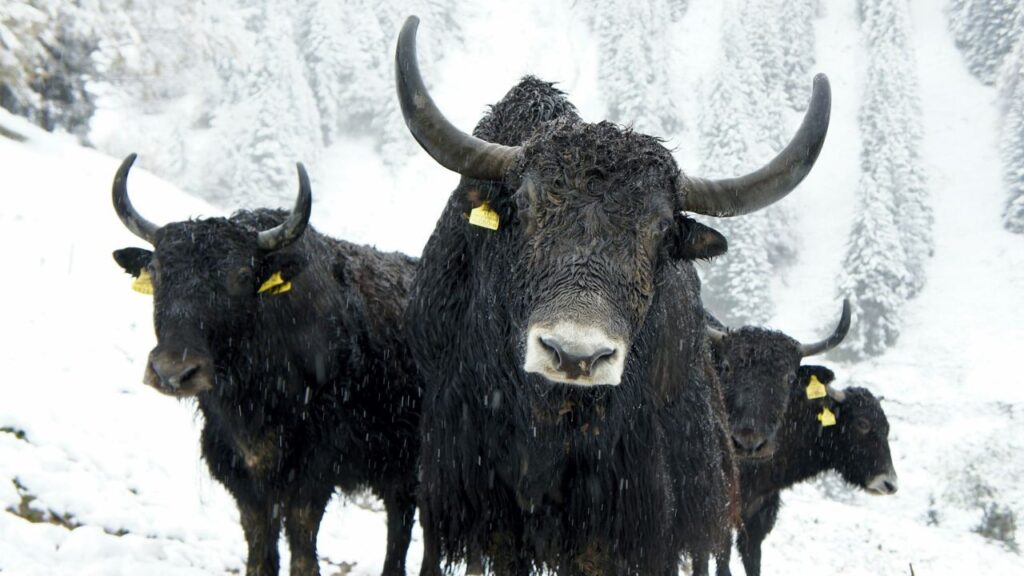
The domesticated yaks of the Tibetan Plateau and Himalayan regions are symbols of endurance, thriving in high altitudes where few can survive. Their horns, which can be stretched over two feet, help break through snow or defend against predators. Covered in thick, shaggy hair, yaks are vital to the local economies—providing milk, fiber, and transportation. Their adaptable nature allows them to navigate rocky terrains with ease. Yaks, often perceived as gentle giants, have an intriguing duality of strength and tranquility, playing integral roles in mountainous community life.
12. Banteng
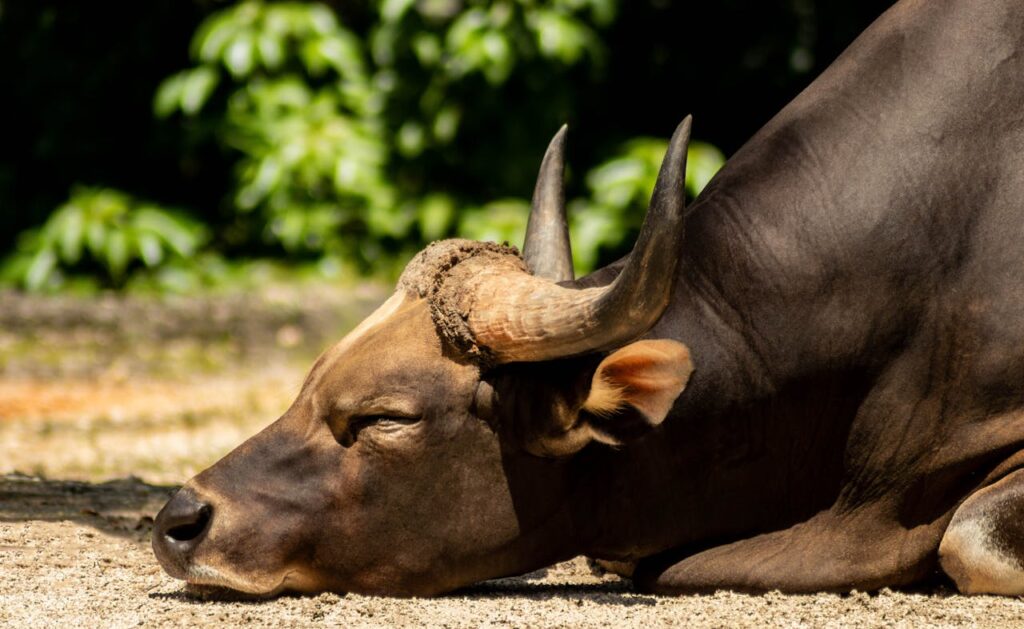
Banteng, or wild cattle, roam the forests of Southeast Asia and are admired for their impressive physique and striking horns. These structures can extend to three feet, arching gracefully over their heads. Bantengs possess a rich chestnut coat and a white patch on their hind legs, which creates a visually captivating contrast. Despite their beauty and formidable horns, bantengs face threats from habitat encroachment and hunting, landing them on the endangered species list. Conservation efforts are critical in ensuring their survival and maintaining the delicate balance of their ecosystem.
13. Watusi Cattle
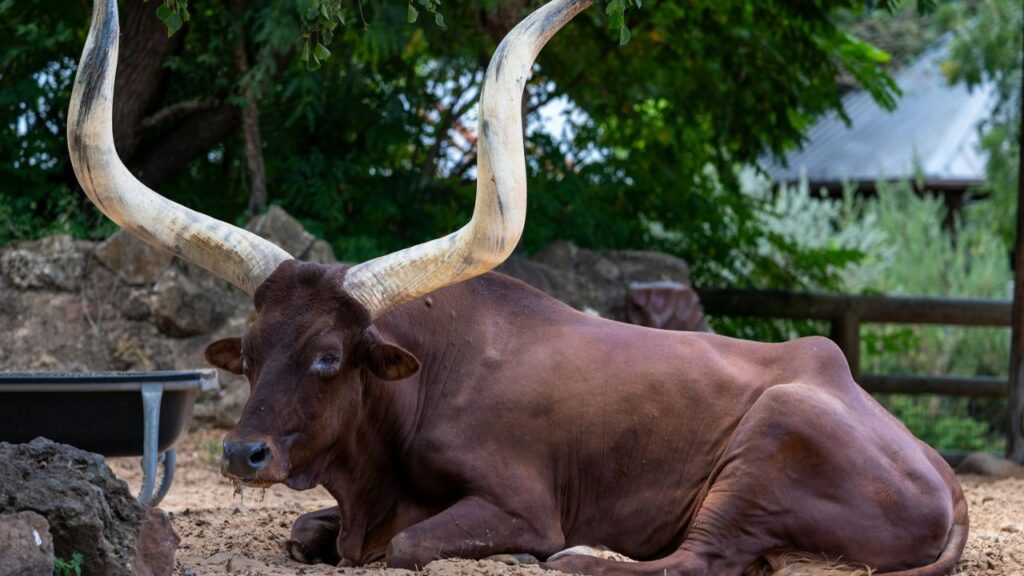
Watusi cattle, often called “the cattle of kings,” are a marvel in East African folklore and agriculture. Known for their enormous, iconic horns, some of which measure over eight feet from tip to tip, these cattle symbolize wealth and prestige. The horns are not just for display; they serve a crucial function in thermoregulation. Blood vessels running through the horns help dissipate heat, critical in their warm habitats. Watusi cattle, with their gentle nature and striking appearance, continue to be a vital part of cultural and agricultural landscapes in parts of Africa and beyond.