
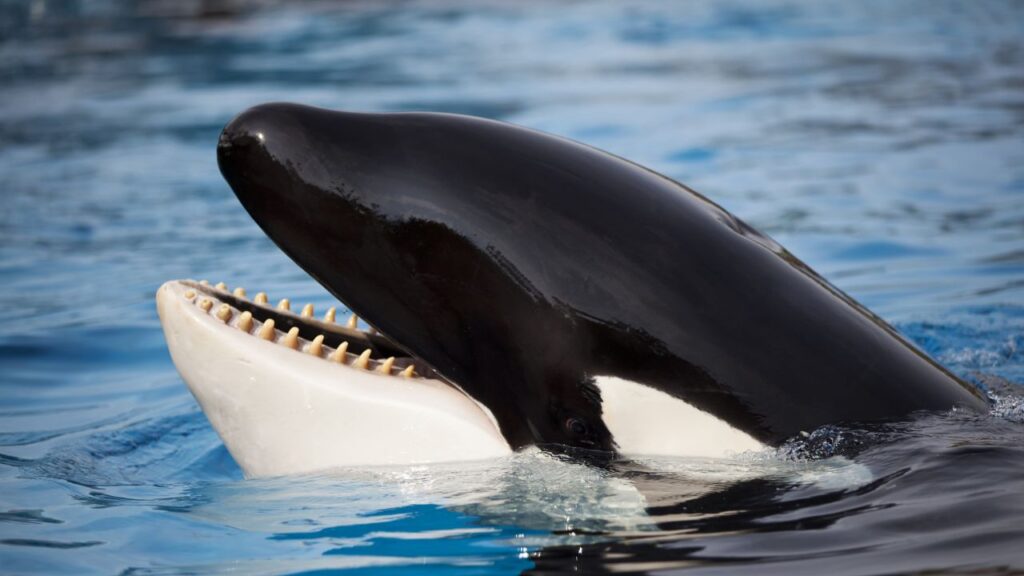
Beneath the ocean’s surface, a silent hunter reigns supreme—intelligent, coordinated, and utterly relentless. Orcas, or killer whales, aren’t just another apex predator; they’re a masterclass in survival strategy. These sleek marine mammals possess a unique combination of brainpower, physical prowess, and social cooperation that puts them at the top of the food chain. From the icy poles to tropical seas, orcas dominate wherever they roam. Here are 13 jaw-dropping facts that reveal why orcas have earned their title as the ocean’s most unstoppable predators.
1. The Apex Predator Advantage
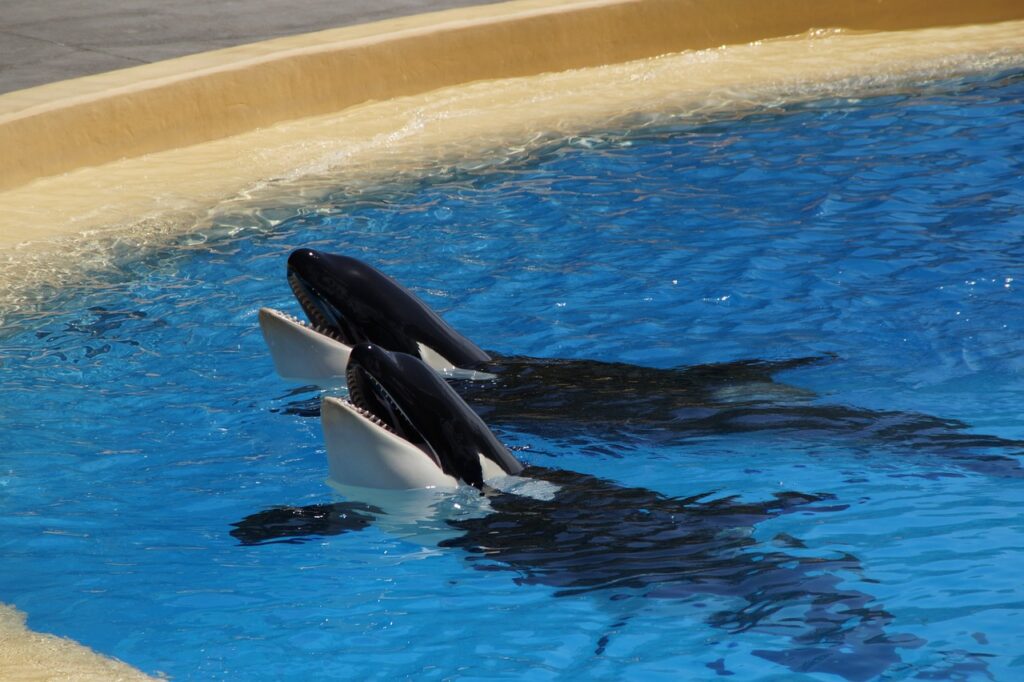
As apex predators, orcas sit at the top of the oceanic food chain. Unlike other ocean creatures, they face no natural predators, enabling them to thrive in diverse marine environments. This dominance allows them to take control of marine ecosystems, keeping prey populations in balance. Their status as apex predators highlights their critical role in maintaining ocean health, underscoring their adaptability and power. Their vast territory ranges from the cold Arctic to temperate waters, showcasing their versatile hunting skills.
2. Master Tacticians of the Sea
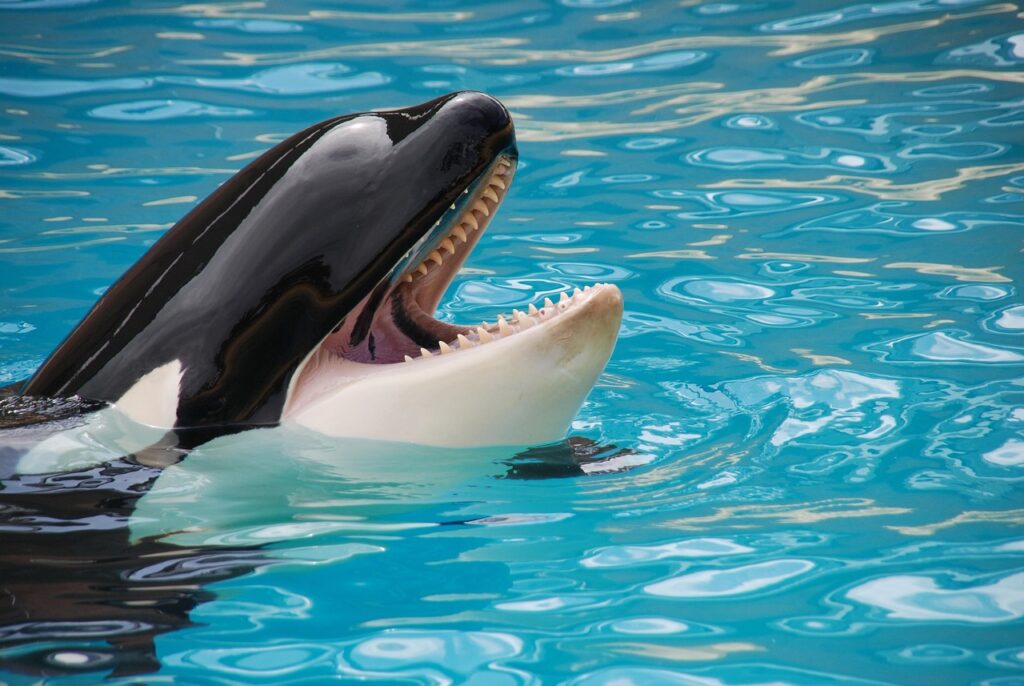
Orcas are renowned for their sophisticated hunting techniques, which often involve teamwork and coordination. They employ strategies like wave-hunting seals off ice floes or using their tails to stun fish. According to BBC Earth, their intelligence allows them to adapt methods based on prey type and environment, demonstrating a level of cunning matched by few other species. This tactical prowess is why researchers often liken them to wolves of the sea, working in pods with precision.
3. Killer Whales: Name Explained
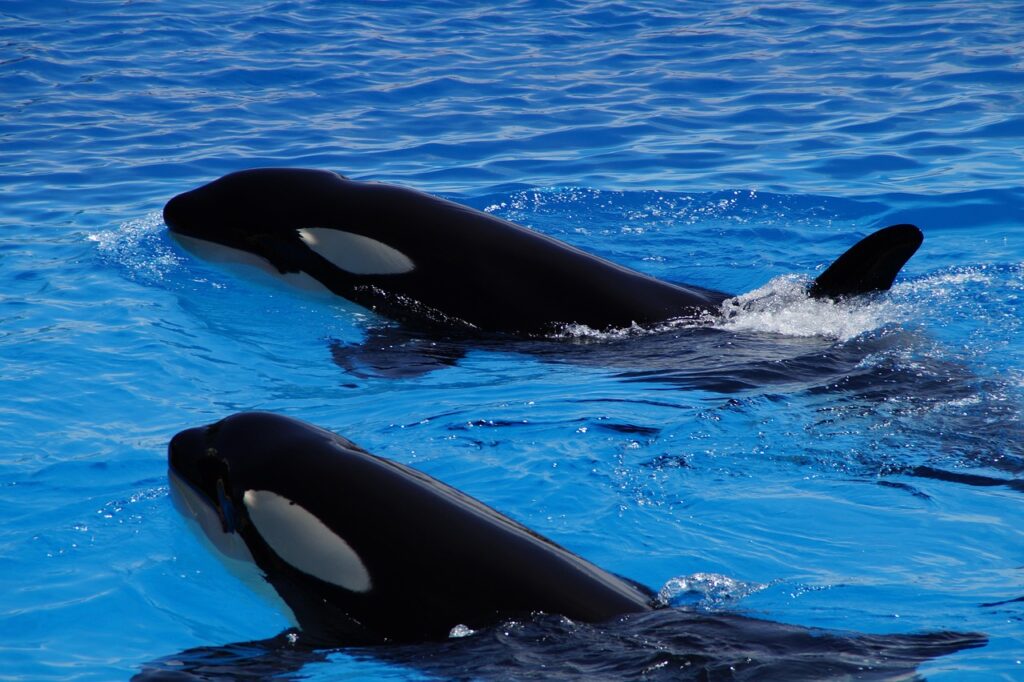
Despite their fierce name, “killer whales” aren’t inherently dangerous to humans. The name originated from “whale killers,” as sailors observed their skill in hunting large whales. These intelligent mammals earn their moniker through powerful displays of strength and skill in taking down formidable prey. Their ability to communicate complex hunting strategies and execute them flawlessly contributes to this fearsome reputation, making them symbols of oceanic power and majesty.
4. Social Structures of Power
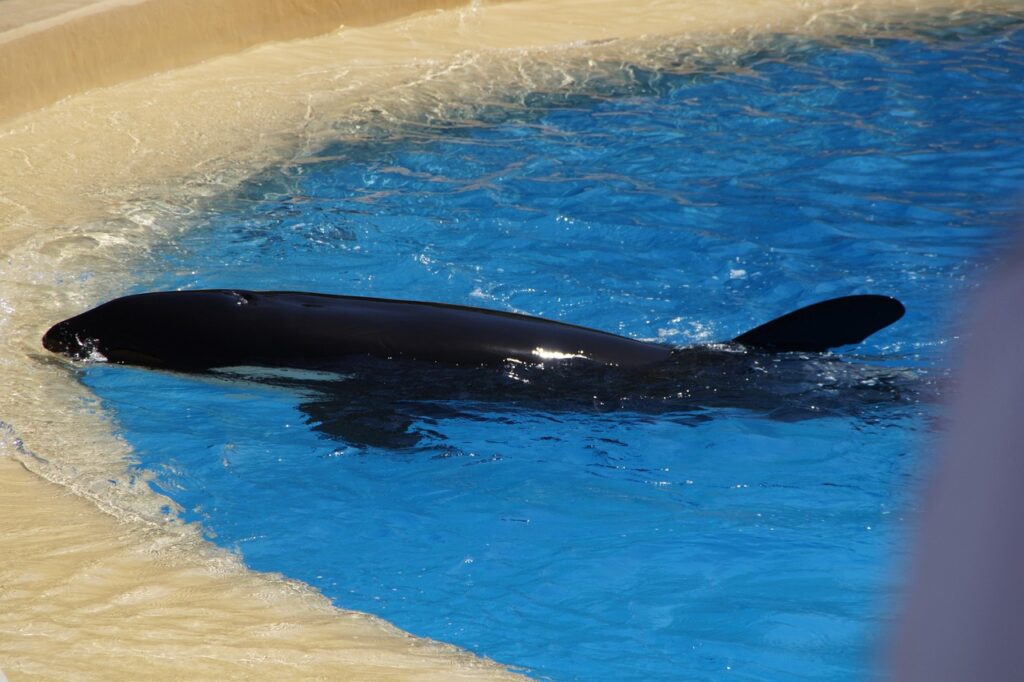
Orcas boast deeply complex social structures, often organized into pods led by matriarchs. These family groups can include several generations, fostering strong bonds. Social learning plays a critical role, with younger orcas learning survival skills from their elders. According to the Whale Museum, these pods are pivotal in cultural transmission, passing down hunting techniques and vocalizations unique to each group, showcasing a rich tapestry of behaviors akin to human societies.
5. Diverse Diet Delights
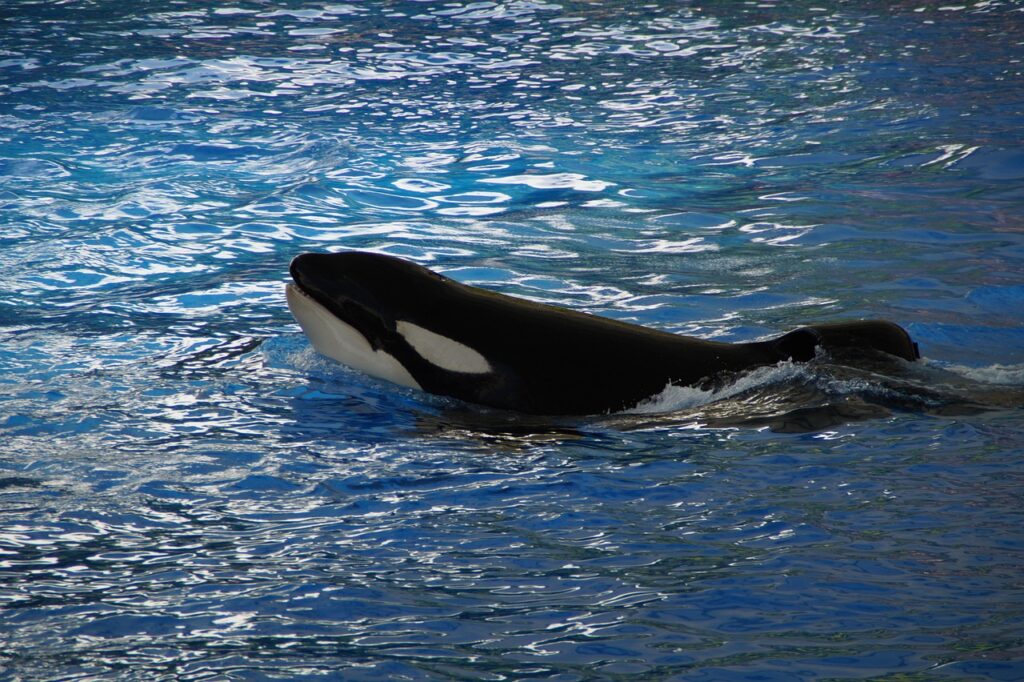
Orcas possess the most diverse diet among marine predators, feeding on fish, seals, and even whales. This varied palate allows them to inhabit and hunt in a wide range of environments. National Geographic notes some orca populations specialize in particular prey, such as Pacific herring or Antarctic seals, exhibiting remarkable ecological intelligence. Their adaptability in food choices ensures their survival and influences marine biodiversity profoundly.
6. Communication: Underwater Intelligence
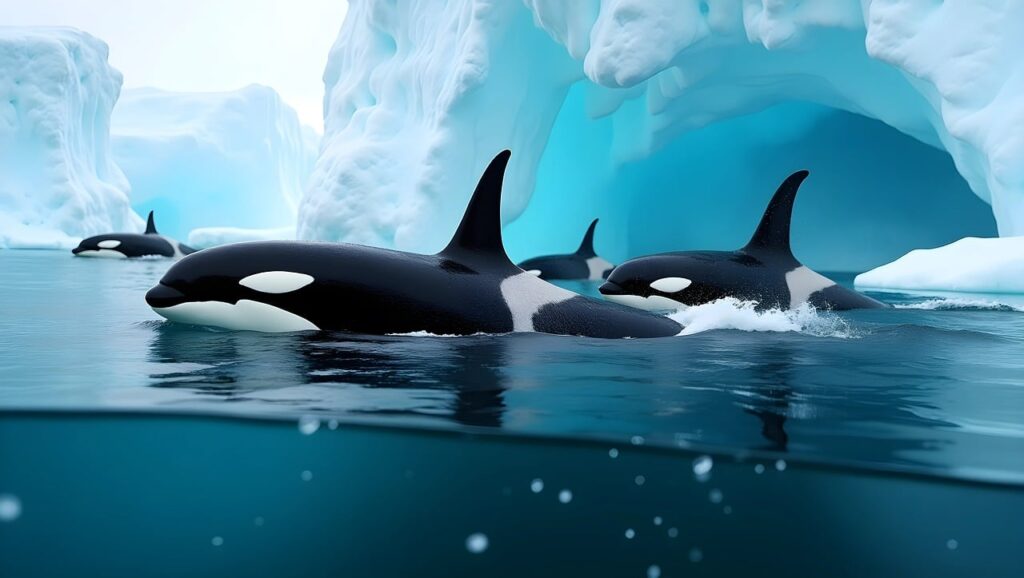
Orcas are renowned for their sophisticated communication skills. Each pod has its own dialect, which is as unique as a human language. These vocalizations help orcas coordinate hunting strategies and maintain social bonds. In fact, their ability to learn and mimic sounds is so advanced that they can even imitate human speech and other animal noises. Their complex social structures are akin to those found in primates, showcasing their cognitive abilities and solidifying their position as intelligent ocean predators.
7. Speed and Agility Supremacy
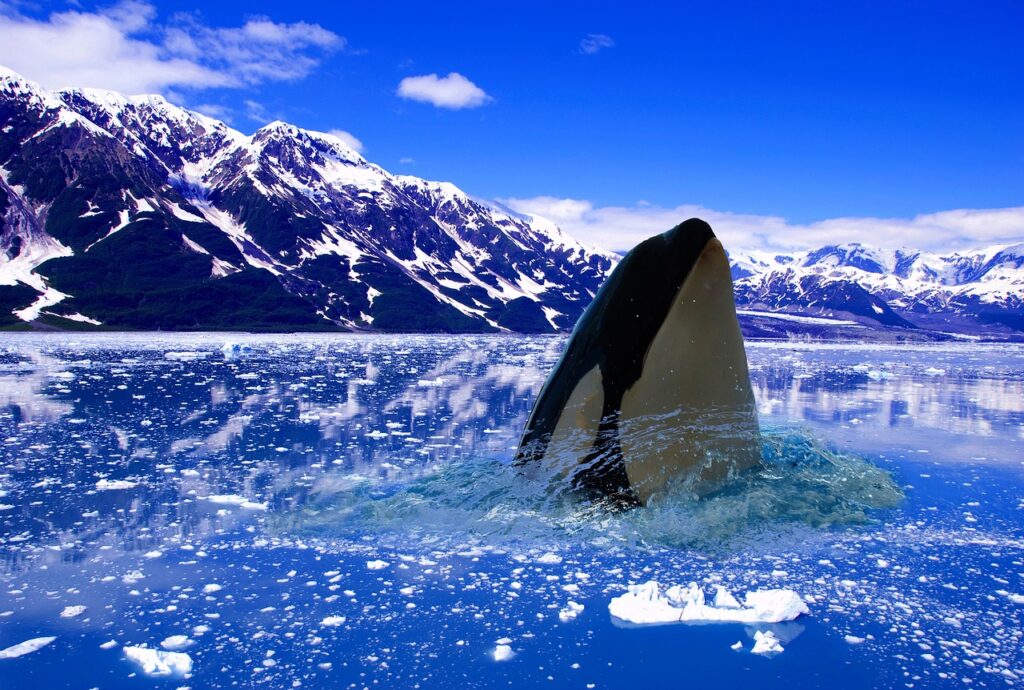
In the ocean, speed is often the difference between survival and starvation. Orcas can move at speeds up to 34 miles per hour, making them one of the fastest marine mammals. This speed, combined with their agility, allows them to outmaneuver prey with ease. Their sleek bodies and powerful tails are designed for swift, agile movement, enabling them to cover large distances quickly and efficiently. Such physical prowess helps them remain at the top of the food chain, unchallenged by most ocean dwellers.
8. Teamwork and Coordination Skills
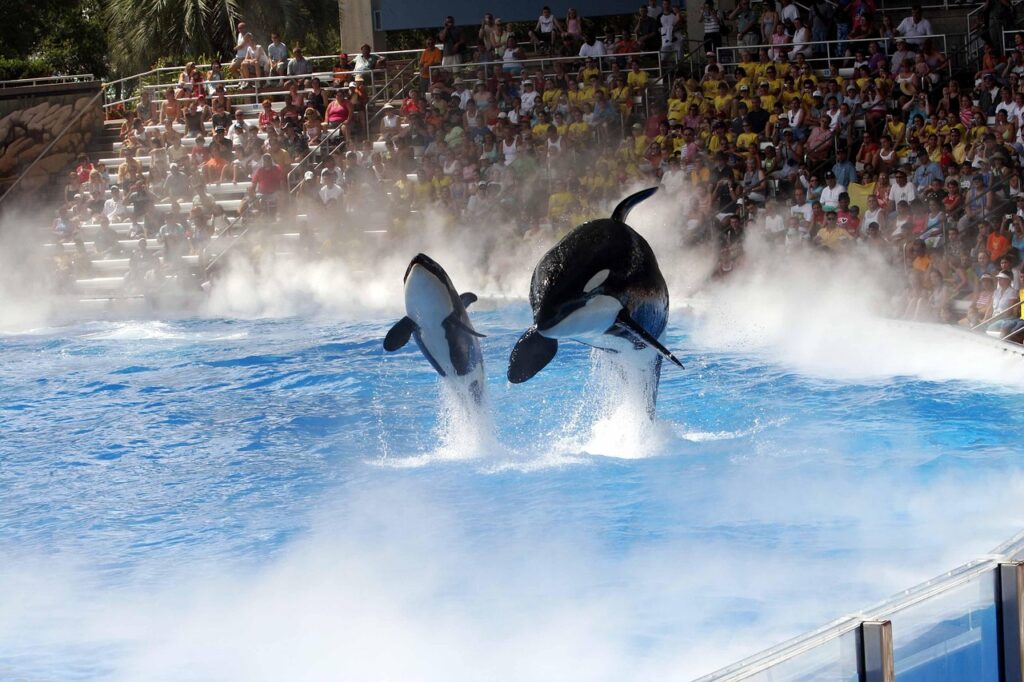
Orcas exhibit exceptional teamwork, akin to that of a professional sports team. When hunting, they use sophisticated strategies that require precise coordination and cooperation, such as corralling fish into tight bait balls or washing seals off icy ledges with waves. Each pod works together seamlessly, highlighting their social intelligence and adaptability. This unified approach ensures their success as top predators and showcases their innate understanding of collective effort and strategy.
9. Adaptability Across Oceans
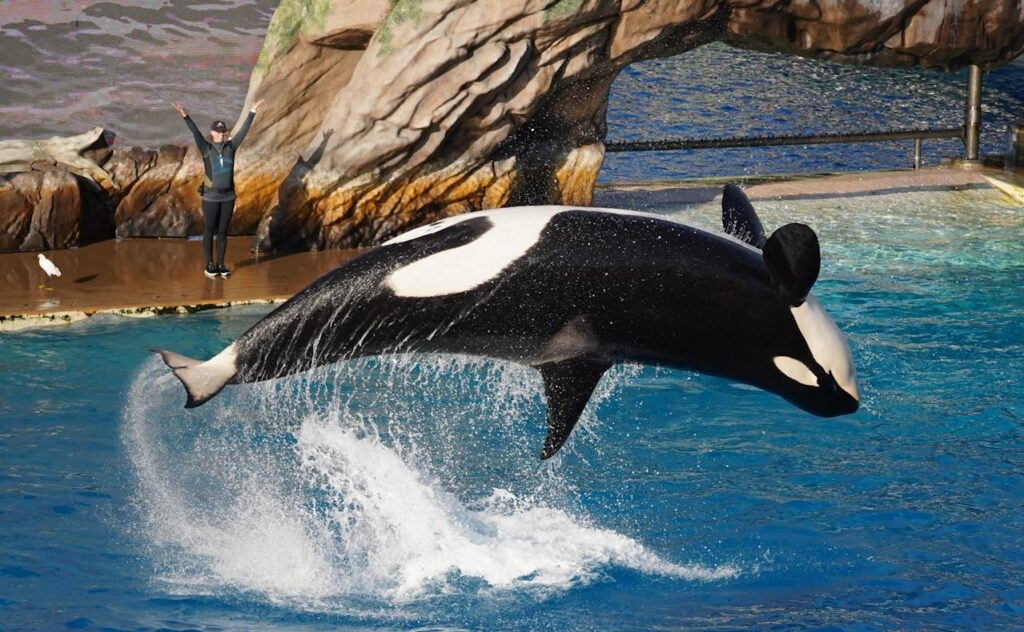
Orcas are true masters of adaptability, thriving in diverse marine environments across the globe, from the icy waters of the Arctic to the warm seas of the tropics. Their flexibility in diet and ability to engage with varying ecosystems makes them unparalleled in survival. They’ve evolved distinct hunting methods and dietary preferences depending on their region, showcasing nature’s versatility at its best. This adaptability ensures their presence in nearly all of the world’s oceans, maintaining their position as dominant marine predators.
10. Long-distance Migratory Marvels
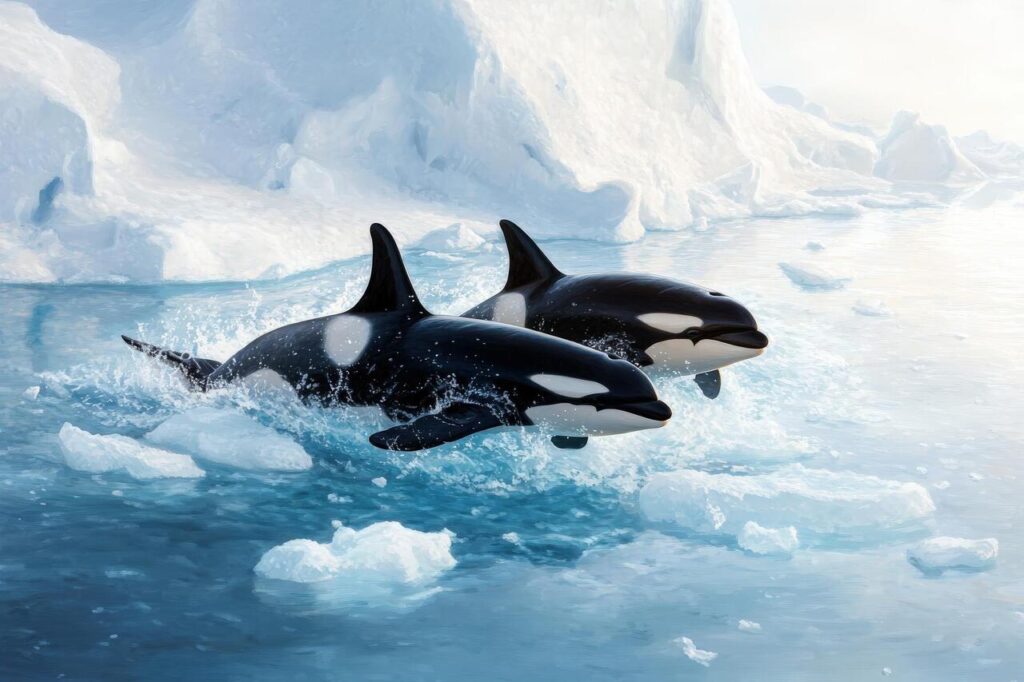
Covering thousands of miles annually, orcas are impressive migrators. Some populations travel vast distances, often exceeding 1,500 miles, in search of food and optimal breeding grounds. These long-distance journeys require immense endurance and knowledge of oceanic routes. Their ability to navigate such expanses is a testament to their intelligence and adaptability, allowing them to exploit diverse environments and resources. This migratory behavior ensures genetic diversity and ecological success, underscoring their resilience and prowess.
11. Echolocation: Nature’s Sonar
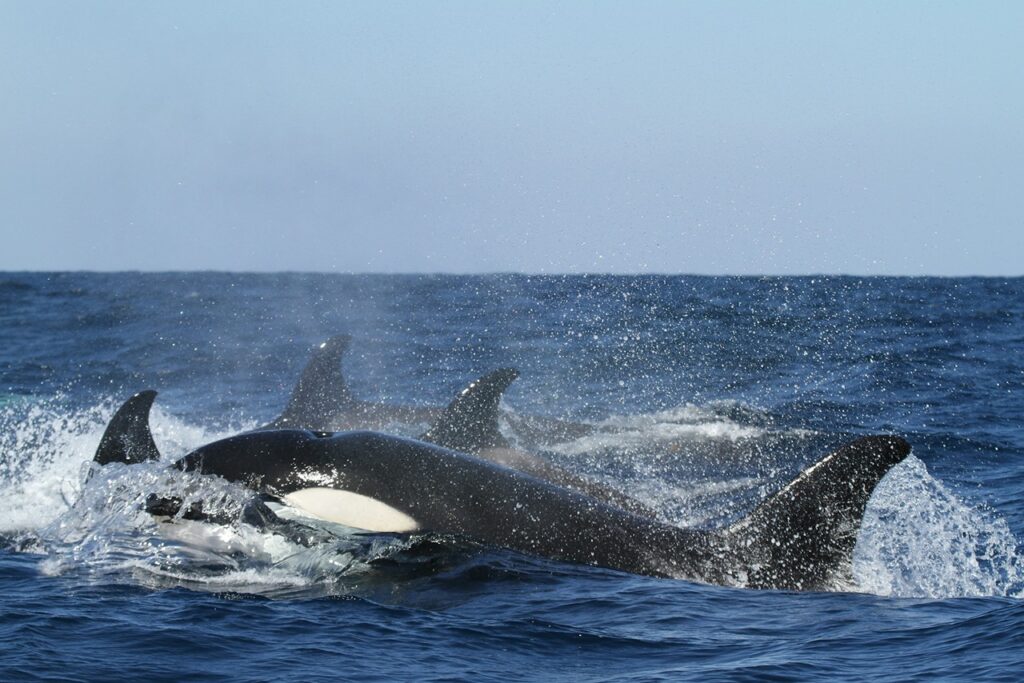
Orcas, also known as killer whales, possess an extraordinary ability called echolocation. This natural sonar allows them to emit sound waves that bounce off objects and return as echoes, giving orcas a detailed “map” of their surroundings. This skill is crucial for hunting in murky waters or in total darkness. By interpreting these echoes, orcas can locate and identify specific prey with precision, even when they are hidden or camouflaged. The efficiency and accuracy of echolocation make them formidable hunters, ensuring they remain at the top of the oceanic food chain.
12. Fearlessness Against Sharks

One of the most striking attributes of orcas is their fearlessness, particularly when confronting apex predators like sharks. Orcas have been observed using sophisticated strategies to disable and hunt formidable adversaries, including the great white shark. By flipping sharks upside down, orcas induce a state known as tonic immobility, which temporarily paralyzes the shark. This tactic showcases the orca’s intelligence and dominance in the ocean. Their fearless nature ensures they rarely face threats from other marine creatures, cementing their position as unstoppable ocean predators.
13. Cultural Variations Across Pods
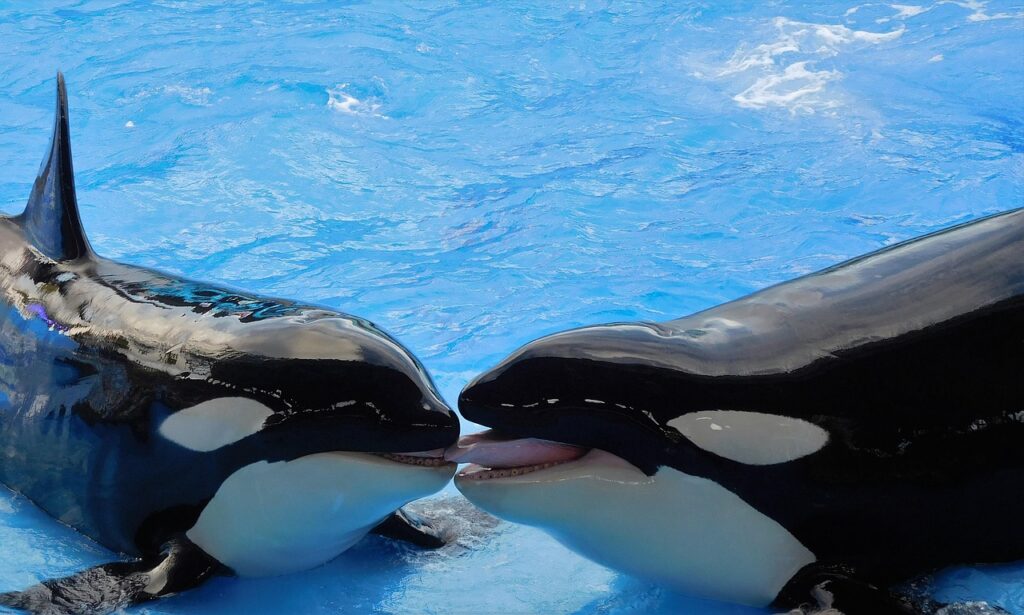
Orcas are highly social animals, living in tightly-knit groups called pods, each exhibiting unique cultural characteristics. Remarkably, these cultural traits can affect hunting techniques, communication patterns, and even dietary preferences. Some pods specialize in hunting seals, while others may focus on fish or even larger whales. This cultural diversity is crucial for their survival, allowing orcas to adapt to different environments and available prey. By passing down knowledge through generations, orcas demonstrate an unparalleled level of social structure and intelligence among marine predators.