

Wolves, once nearly driven to extinction in the United States, have made an incredible comeback in various parts of the country. Thanks to dedicated conservation efforts, legal protections, and reintroduction programs, these apex predators continue to roam across forests, mountains, and grasslands. While their presence remains controversial in some regions due to livestock conflicts, wolves play a crucial role in maintaining ecological balance. If you’re fascinated by these majestic creatures, here are 13 U.S. states where you are most likely to encounter wolves.
1. Alaska

Alaska has the largest wolf population in the U.S., with an estimated 7,000 to 11,000 individuals spread across vast wilderness areas. Unlike wolves in the lower 48 states, Alaskan wolves have never been extirpated and remain an integral part of the ecosystem. They roam freely in national parks, forests, and remote tundra regions. Their primary prey includes moose, caribou, and smaller mammals. Due to the state’s immense landmass and lower human population, Alaska provides a near-pristine habitat for these predators.
2. Minnesota

Minnesota has the highest wolf population in the contiguous United States, with around 2,700 individuals primarily located in the northern forests. These wolves are descendants of a population that never completely disappeared, unlike in other states. The state’s dense woodlands and wetlands provide ample hunting grounds, where wolves prey on deer, beavers, and smaller mammals. Despite occasional conflicts with livestock owners, Minnesota remains a stronghold for wolves, benefiting from conservation efforts and public awareness campaigns.
3. Wisconsin

Wisconsin is home to more than 1,000 wolves, most of which are concentrated in the northern and central parts of the state. Once extirpated in the mid-20th century, wolves recolonized the region naturally from neighboring Minnesota. The state’s diverse landscape of forests, wetlands, and farmlands offers suitable habitat and food sources like white-tailed deer. While hunting policies and livestock conflicts create ongoing debates, Wisconsin’s wolf population has remained stable due to management programs aimed at balancing conservation with human interests.
4. Michigan
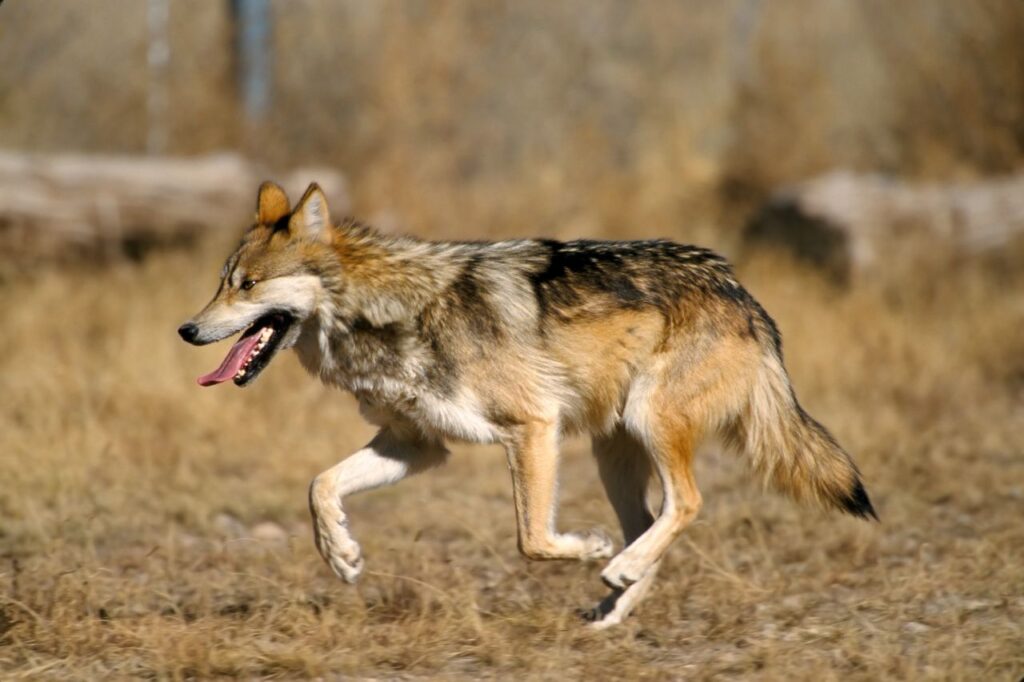
Michigan’s Upper Peninsula is home to a healthy and growing wolf population, currently estimated at around 700 individuals. Wolves recolonized the region naturally from Canada and Minnesota, taking advantage of its dense forests and abundant prey. The presence of wolves in Michigan has had ecological benefits, such as controlling deer populations and preventing overgrazing. While some hunters and farmers oppose their presence, legal protections and conservation programs have helped ensure their continued survival in this northern state.
5. Wyoming
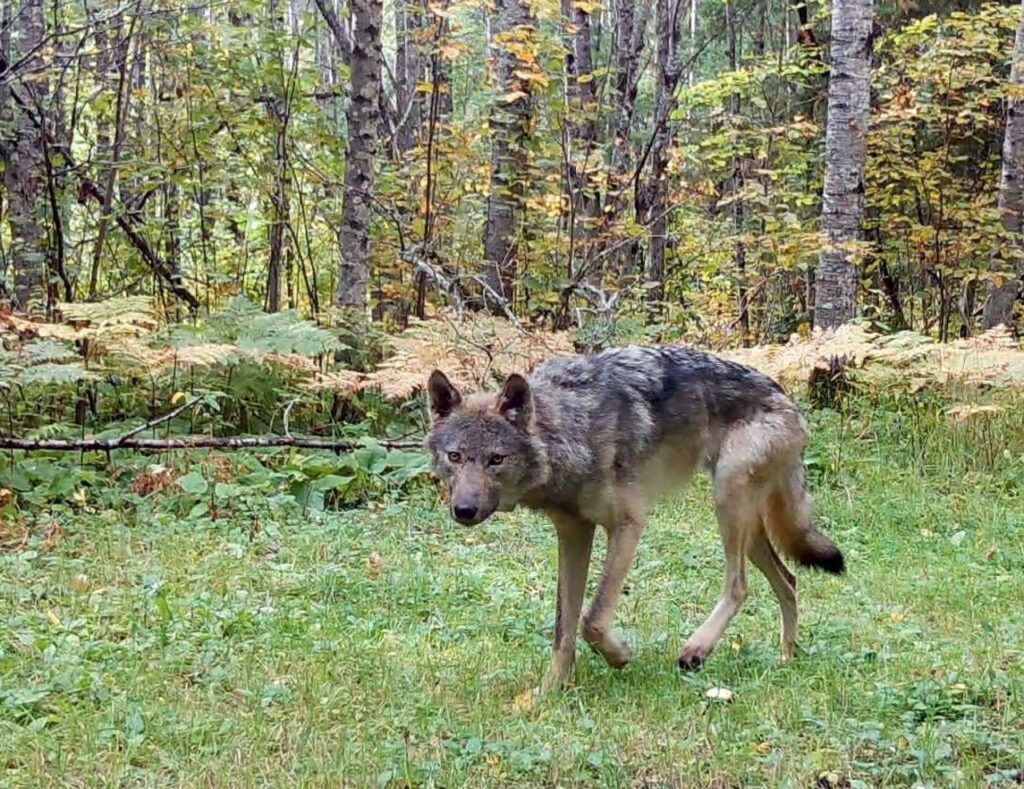
Wyoming’s wolves are primarily found in and around Yellowstone National Park, where they were successfully reintroduced in 1995. The state now has a stable population of around 300 wolves. Their presence has led to significant ecological benefits, including a healthier balance between predators and prey. Wolves help regulate elk populations, which in turn allows vegetation and other wildlife to flourish. However, outside protected areas, wolves face threats from hunting policies that aim to control their numbers due to livestock predation concerns.
6. Montana
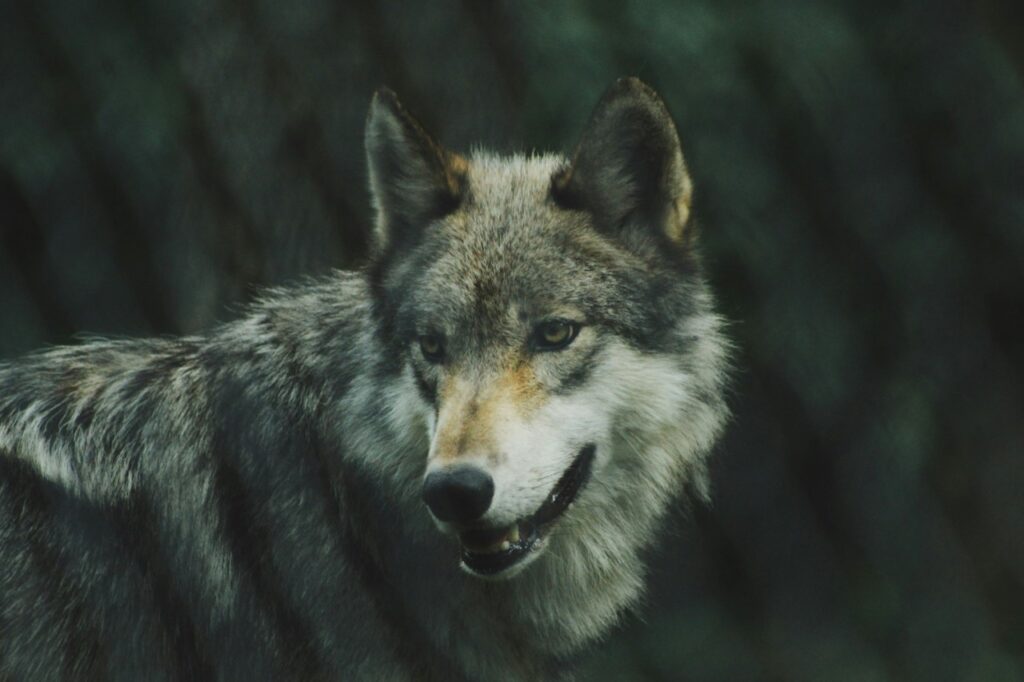
Montana is home to a thriving population of around 1,100 wolves, mostly inhabiting the state’s rugged wilderness areas. The species was reintroduced in the 1990s, and since then, wolves have successfully adapted to the state’s varied terrain. The presence of these predators plays a crucial role in maintaining the ecosystem by keeping elk and deer populations in check. However, Montana has adopted hunting and trapping policies to manage wolf numbers, sparking debates between conservationists and ranchers.
7. Idaho
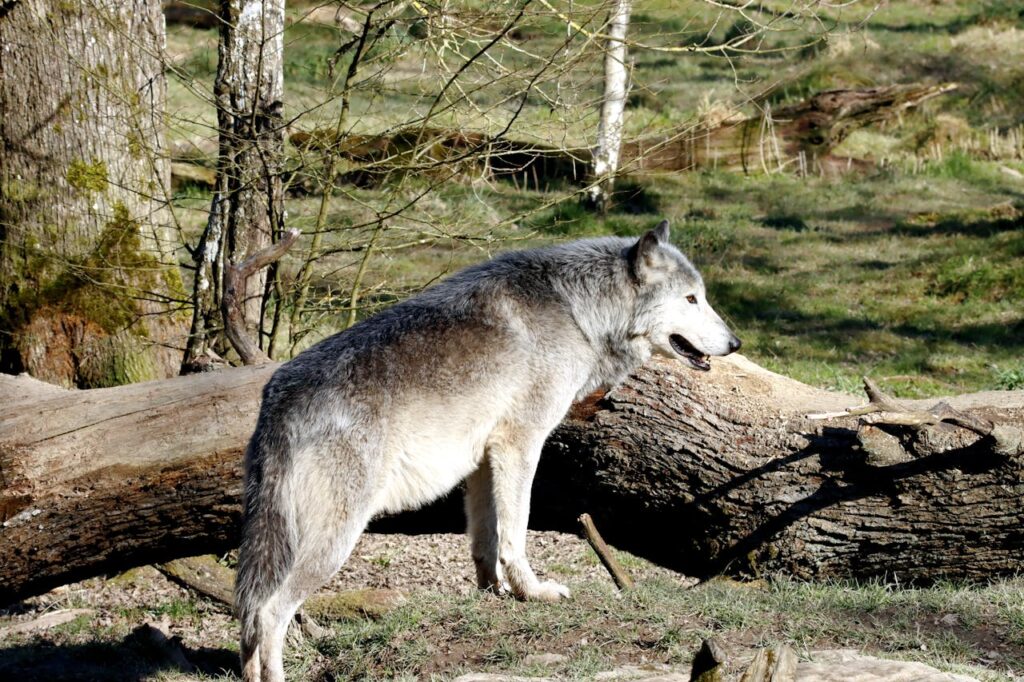
Idaho has a robust wolf population, with approximately 1,300 individuals spread across its mountains and forests. After being reintroduced in the mid-1990s, wolves quickly established a stronghold, benefiting from the state’s abundant prey. The species has helped restore balance to the ecosystem by controlling herbivore numbers. However, state wildlife agencies allow hunting and trapping to manage the population, leading to ongoing discussions about wolf conservation and livestock protection. Despite the controversy, Idaho remains a significant habitat for wolves.
8. Oregon
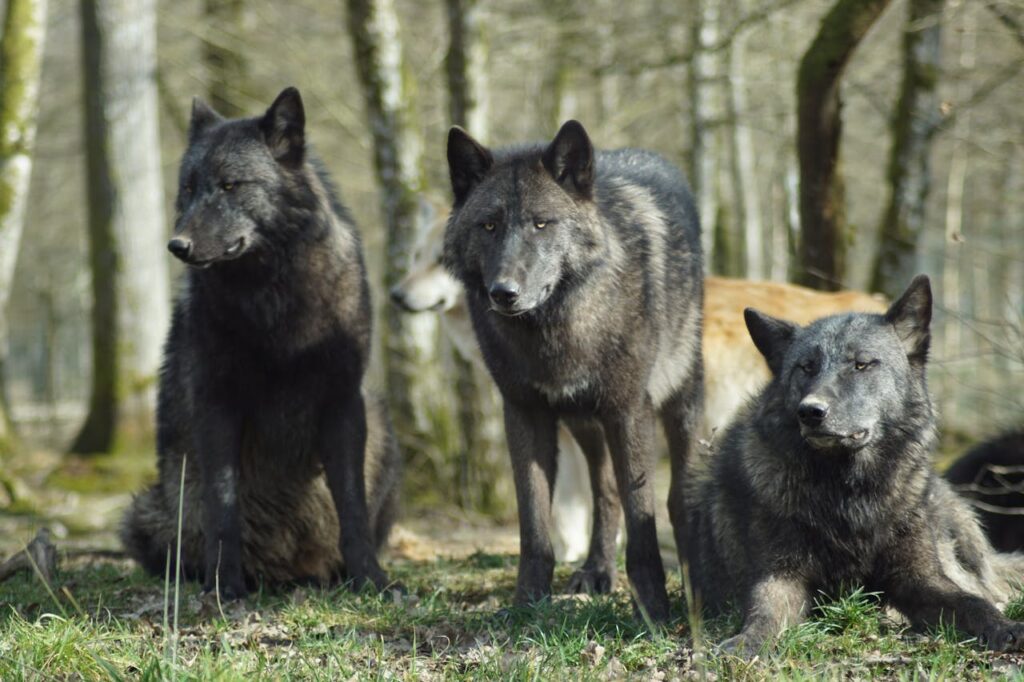
Oregon’s wolves have naturally expanded from neighboring Idaho, leading to a slow but steady increase in their numbers. Today, the state hosts approximately 200 wolves, mostly in eastern regions. The species has faced challenges, including habitat loss and conflicts with ranchers. However, conservation laws and tracking programs have helped in their recovery. As wolves continue to spread westward, discussions about coexisting with these predators remain a key part of wildlife management in Oregon.
9. Washington

Washington is witnessing a resurgence of wolves, particularly in the eastern and northern parts of the state. The population now exceeds 200 individuals, with packs gradually expanding their range. Wolves in Washington migrated naturally from Idaho and Canada, benefiting from conservation measures that provide them with legal protection. While some farmers and hunters oppose their growing presence, efforts to promote coexistence continue. Programs aimed at reducing livestock conflicts have helped sustain wolf numbers while addressing human concerns.
10. California

California’s wolves were wiped out nearly a century ago, but recent sightings mark an important milestone for conservation. In 2011, the first confirmed wolf in nearly 100 years, known as OR-7, wandered into the state from Oregon. Since then, small packs have been established, particularly in Lassen County. The return of wolves has sparked excitement among wildlife enthusiasts and conservationists. However, with their reappearance comes challenges, including livestock predation concerns and the need for state policies that balance wolf conservation with agricultural interests.
11. Arizona
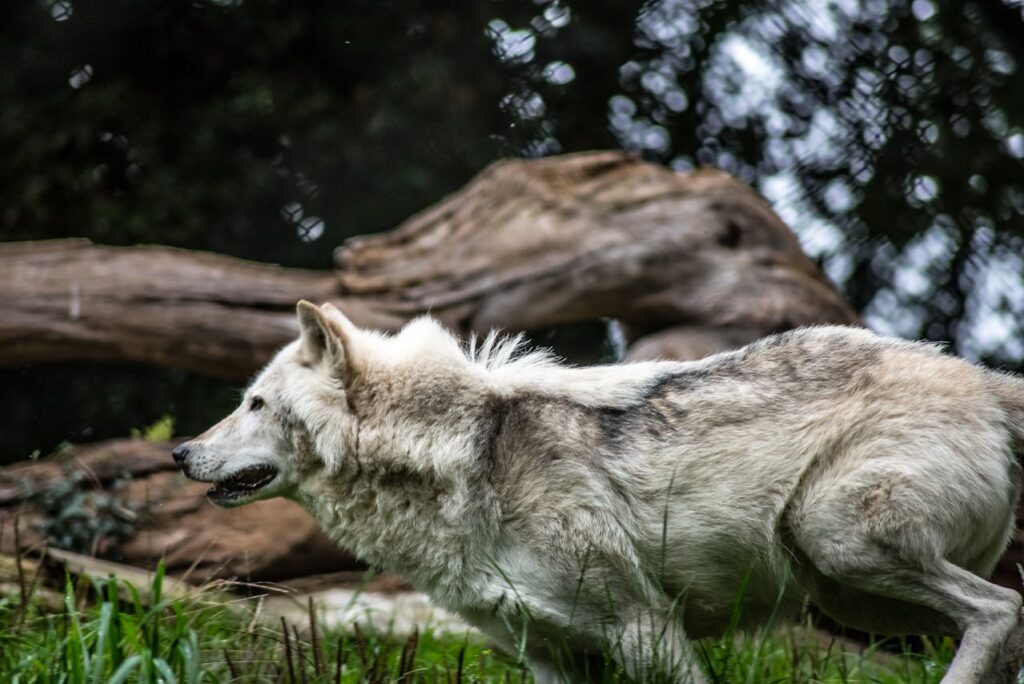
Arizona is home to the endangered Mexican gray wolf, a subspecies of the gray wolf that has been the focus of recovery efforts for decades. The population remains small, with around 100 individuals, mainly in the southeastern part of the state. Conservationists continue to work on boosting numbers through reintroduction programs. Although the species faces threats from illegal killings and habitat loss, ongoing initiatives aim to secure its long-term survival while addressing the concerns of local ranchers.
12. New Mexico

Like Arizona, New Mexico plays a crucial role in the recovery of the Mexican gray wolf. The state hosts around 186 individuals, marking a steady increase in recent years. Government and private conservation programs have contributed to the species’ gradual recovery. However, conflicts with ranchers and occasional poaching pose ongoing challenges. Conservationists remain hopeful that education and non-lethal deterrents will help foster coexistence between wolves and human communities, ensuring the long-term survival of this rare subspecies.
13. North Carolina

North Carolina is the only state where red wolves still roam in the wild. Once widespread across the southeastern U.S., the species now survives in a single population within the Alligator River National Wildlife Refuge. With fewer than 25 individuals left in the wild, red wolves are one of the most endangered canids in the world. Conservationists continue to fight for their protection, advocating for habitat restoration and legal safeguards. Despite ongoing challenges, efforts persist to prevent the red wolf’s extinction.
Love Pets as Much as We Do?

Scroll up and click the ‘Follow’ button to stay updated with the latest heart-warming, hilarious, and helpful pet posts from Pawdown, delivered straight to your Microsoft Start feed and MSN homepage!