
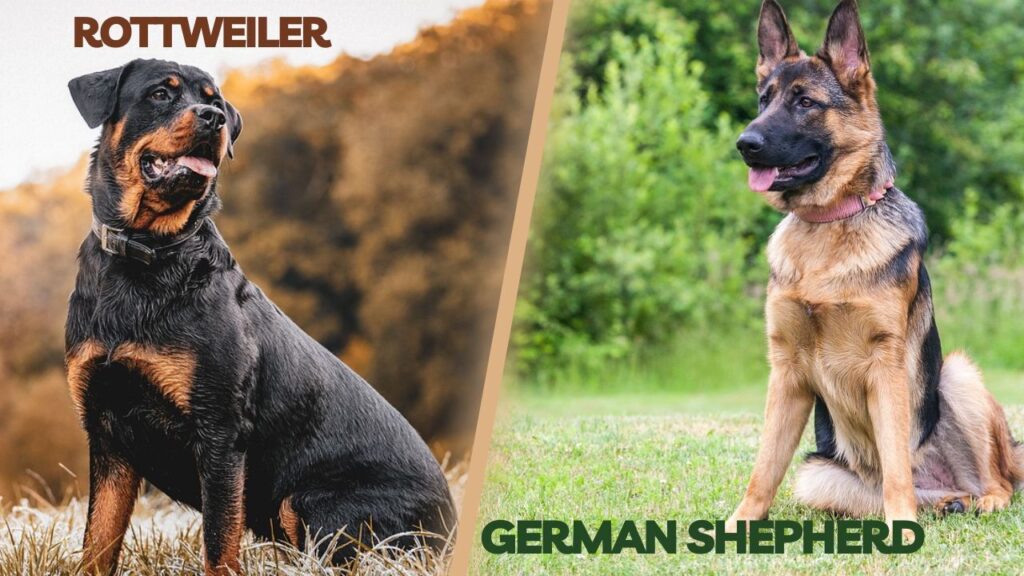
When people think of protection dogs, Rottweilers and German Shepherds are usually at the top of the list. Known for their strength, intelligence, and loyalty, they’ve earned a reputation as some of the best guardians around. However, looks and reputation don’t always tell the full story. While they can excel in protection work with the right training, there are quite a few reasons why they might not be the ideal choice for everyone. From their temperament to their training needs, let’s break down why these popular breeds might not be as perfect for guarding as many assume.
1. Too Friendly With Strangers

Despite their tough reputation, plenty of Rottweilers and German Shepherds are just big softies. Sure, they can be protective, but socialization plays a huge role in shaping their behavior. Many of these dogs, especially when raised in friendly environments, see strangers as potential new best friends rather than threats. Plus, modern training methods often rely on positive reinforcement, which can actually soften their natural guarding instincts. If a dog happily greets everyone, it might not react the way you’d expect in a security situation—making it a less-than-ideal guard dog.
2. Prone To Anxiety

While they may seem confident, both Rottweilers and German Shepherds are prone to anxiety, especially if they don’t receive the right training or structure. An anxious dog can be unpredictable, reacting out of fear rather than confidence—which is definitely not what you want in a guard dog. Moreover, stress can cause them to hesitate in high-pressure situations or even make poor decisions. Since a good guard dog needs to remain calm and composed, a nervous or insecure temperament can seriously impact their effectiveness in a protection role.
3. High Training Requirements

These breeds are smart—which is both a blessing and a curse. While their intelligence makes them capable of learning complex tasks, it also means they need a lot of training. Without consistent guidance, they can become disobedient, stubborn, or even aggressive in the wrong way. Professional training isn’t just recommended—it’s practically a must if you want a reliable guard dog. However, that kind of training takes time, effort, and often a hefty financial investment. For inexperienced owners, managing such a high-maintenance breed can quickly become overwhelming.
4. Protective Instinct Can Be Unpredictable

Both Rottweilers and German Shepherds thrive under strong, confident leadership. But if an owner isn’t experienced or assertive enough, things can get tricky. Without clear boundaries, these dogs may either become overly aggressive or, on the flip side, not take their guarding role seriously. Plus, inconsistency in training can leave them confused, leading to unpredictable behavior. A great guard dog needs to respect and obey its handler without hesitation. So, if an owner doesn’t establish themselves as the clear leader, the dog’s protective instincts might never develop properly—or worse, become a liability.
5. Legal And Liability Issues

Owning a Rottweiler or German Shepherd as a guard dog isn’t just about training—it can come with legal headaches, too. For starters, these breeds are often subject to breed-specific legislation, meaning restrictions (or outright bans) in certain areas. On top of that, many insurance companies classify them as high-risk, which can lead to higher premiums or even policy refusals. And let’s not forget, if a guard dog bites someone—even in defense—the owner could face legal consequences. That’s why checking local laws and understanding potential liabilities is a must before relying on these breeds for protection.
6. Health Issues Affect Their Performance

A guard dog needs to be in peak physical condition, but both breeds are prone to health problems that can limit their abilities. Rottweilers are at high risk for hip dysplasia, while German Shepherds frequently deal with degenerative myelopathy and joint issues. Over time, these conditions can seriously affect their mobility, making protection work harder (if not impossible). Not to mention, long-term medical care can be expensive and time-consuming. So, if you’re considering one of these breeds for security, their potential health struggles are definitely something to think about.
7. Need For Constant Engagement

Rottweilers and German Shepherds are incredibly intelligent, which means they need plenty of mental and physical stimulation. Otherwise, boredom sets in fast, leading to destructive behaviors like excessive barking, chewing, and digging. And if that’s not enough, an under-stimulated dog may also become restless and unreliable as a guard dog—definitely not ideal. That’s why providing a consistent mix of training, exercise, and engagement is essential for these breeds. But, not all owners have the time or resources to keep up with their high-energy needs, which can lead to frustration for both the dog and the household.
8. Risk Of Overprotectiveness

Sure, being protective is great for a guard dog, but too much of it can be a problem—especially with Rottweilers and German Shepherds. When their instincts go into overdrive, they might see everyone as a threat, from the mailman to your best friend. If they’re not properly socialized, they could struggle to tell the difference between an actual danger and a harmless visitor. And let’s be real, that kind of behavior can turn them into more of a liability than an asset. After all, a good guard dog should protect, not intimidate everyone.
9. Require Experienced Handlers

If you’re a first-time dog owner, these breeds might not be the best pick. Why? Because they’re strong-willed, super smart, and need a handler who really knows what they’re doing. Without proper training, they can develop bad habits—or worse, they might not reach their full potential as guard dogs. Plus, they respond best to firm yet fair leadership, and let’s face it, that’s tough for someone without experience. At the end of the day, training a top-tier guard dog takes time, patience, and expertise, which makes these breeds a bit challenging for newbies.
10. Not Always The Best Deterrent

Sure, Rottweilers and German Shepherds look intimidating, but that doesn’t automatically make them scary to intruders. Some individuals are just naturally more chill, playful, or even a little too friendly—definitely not what you want in a guard dog. On top of that, experienced criminals often know how to distract them with treats or other tricks. And since the whole point of a guard dog is to prevent intrusions, a pup that lacks the instinct to intimidate or confront strangers might not be the best bet for serious security.
11. Strong Prey Drive Can Be A Distraction

Both of these breeds have a serious prey drive, which sounds cool—until they get distracted mid-guard duty. If they spot a squirrel, a cat, or even a blowing leaf, they might completely forget their job and take off after it. That’s a problem when they’re supposed to be staying alert for actual threats. Effective guard dogs need rock-solid discipline, and an overactive prey drive can make it harder for them to stay focused. And let’s be honest, a dog that’s chasing after birds isn’t exactly deterring intruders.
12. Separation Anxiety Can Affect Performance

Rottweilers and German Shepherds are incredibly loyal, which is sweet—but also a potential issue. Since they form such deep bonds with their owners, they’re prone to separation anxiety. A stressed-out, anxious dog isn’t going to be at its best when it comes to guarding. Plus, anxiety can mess with their judgment, making them overly aggressive or even unpredictable. And let’s not forget the destructive tendencies that come with it—nobody wants to come home to chewed-up furniture. For a guard dog, independence is key, and too much attachment can actually be a downside.
13. Better Alternatives Exist
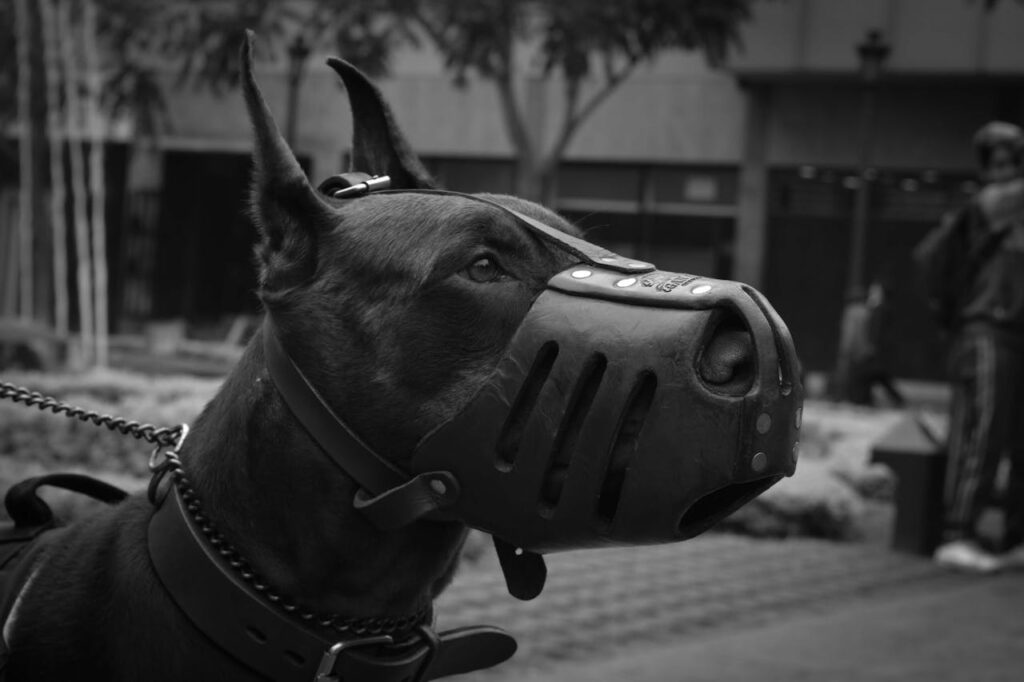
While Rottweilers and German Shepherds can make great guard dogs, they’re definitely not the only—or even the best—option. Other breeds, like the Belgian Malinois, Doberman Pinscher, and Cane Corso, often outperform them in security roles without some of the drawbacks we’ve covered. Choosing the right guard dog isn’t just about looks—it’s about temperament, trainability, and overall reliability. When you consider all these factors, you might find that other breeds offer a better balance of protection and manageability, making them the smarter choice in the long run.
Love Pets as Much as We Do?

Scroll up and click the ‘Follow’ button to stay updated with the latest heartwarming, hilarious, and helpful pet posts from Pawdown, delivered straight to your Microsoft Start feed and MSN homepage!