
Reptiles can make fascinating and low-maintenance pets, but they require specific care to thrive. Many new and even experienced reptile owners unknowingly make mistakes when setting up enclosures, leading to health issues and stress for their pets. From improper heating to the wrong substrate, these common errors can significantly impact a reptile’s well-being. Fortunately, most of these mistakes are easy to fix once you know what to look for. Let’s explore the 13 most common reptile enclosure mistakes and how to correct them.
1. Using The Wrong Tank Size

Many reptile owners underestimate how much space their pet needs, assuming a small enclosure is sufficient. However, most reptiles require room to move, climb, and regulate their body temperature properly. A tank that is too small can cause stress, obesity, and a lack of exercise. Before bringing a reptile home, research its full-grown size and choose an enclosure that meets its needs. Upgrading to a larger enclosure can immediately improve your pet’s comfort and health.
2. Inconsistent Temperature And Heating
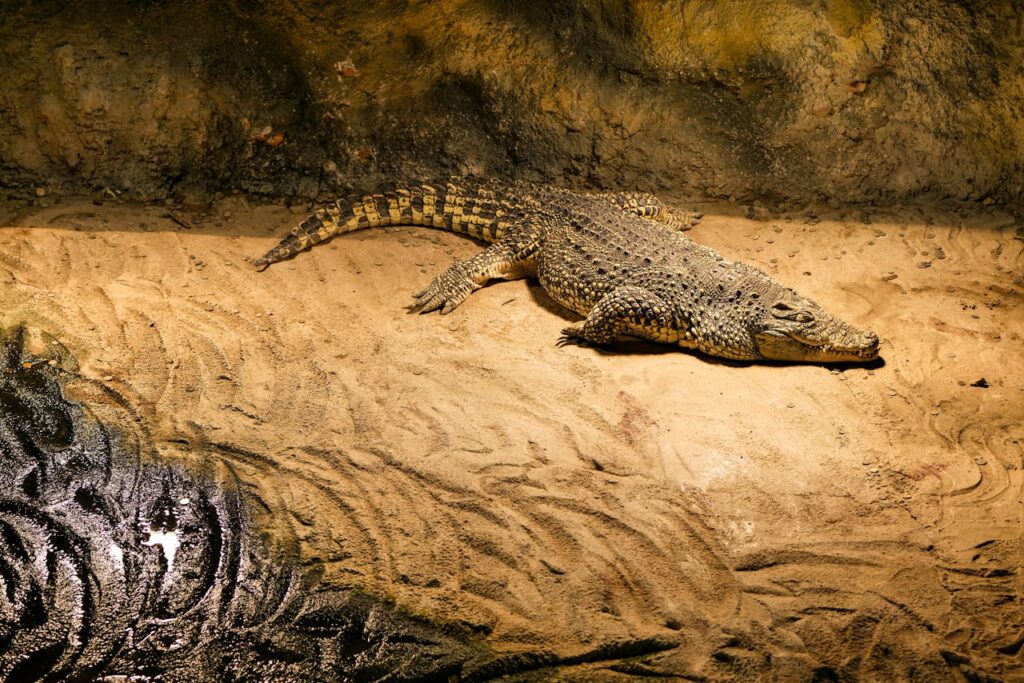
Reptiles are ectothermic, meaning they rely on external heat sources to regulate their body temperature. Many owners make the mistake of providing only one heat source or failing to create a proper temperature gradient. Without warm and cool zones, reptiles struggle to digest food and maintain energy levels. To fix this, use a high-quality thermostat and multiple thermometers to ensure your pet has both warm basking spots and cooler retreat areas.
3. Poor UVB Lighting Setup
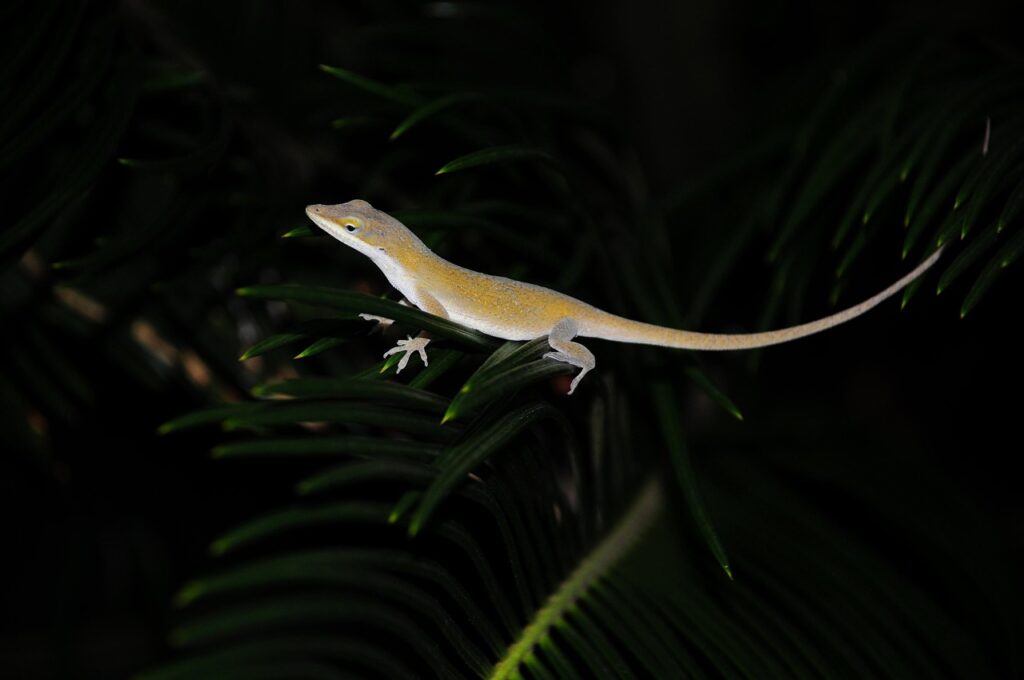
UVB lighting is essential for reptiles like turtles, bearded dragons, and iguanas, as it helps them produce vitamin D3 and absorb calcium. Many owners either skip UVB lighting altogether or place the bulb too far from the basking area. Without proper exposure, reptiles can develop metabolic bone disease, leading to weakness and deformities. Fix this by choosing a high-quality UVB bulb and positioning it within the recommended distance from your pet.
4. Using The Wrong Substrate

Choosing the wrong substrate can lead to serious health issues, including impaction and respiratory problems. Sand, wood chips, and gravel may look natural but can be dangerous if accidentally ingested. Loose substrates can also trap moisture, leading to mold and bacteria growth. Instead, opt for safe alternatives like reptile carpet, tile, or paper towels, depending on your pet’s species and humidity needs.
5. Overlooking Humidity Control

Many reptiles require specific humidity levels to stay healthy, but owners often neglect this aspect of enclosure maintenance. Too much humidity can cause respiratory infections, while too little can lead to dehydration and shedding issues. A digital hygrometer should be used to monitor humidity, and misting or a water bowl should be adjusted accordingly. Creating a balance ensures your reptile stays hydrated and avoids unnecessary health risks.
6. Inadequate Hiding Spots

Reptiles need hiding spots to feel safe and secure, yet many enclosures lack proper shelters. Without enough coverage, reptiles can become stressed, leading to reduced appetite and overall poor health. A simple fix is to provide at least two hiding spots—one on the warm side and one on the cool side—so your pet can regulate its body temperature while feeling secure. Using natural-looking hides also helps mimic their natural environment.
7. Feeding The Wrong Diet
A poor diet is one of the most common mistakes reptile owners make, often due to misinformation. Feeding too many insects, the wrong type of greens, or failing to provide calcium supplements can cause nutritional deficiencies. Research your reptile’s dietary needs thoroughly and ensure meals are balanced with the right mix of protein, vegetables, and supplements. Gut-loading feeder insects before feeding them to your reptile can also significantly improve their nutritional value.
8. Not Cleaning The Enclosure Regularly
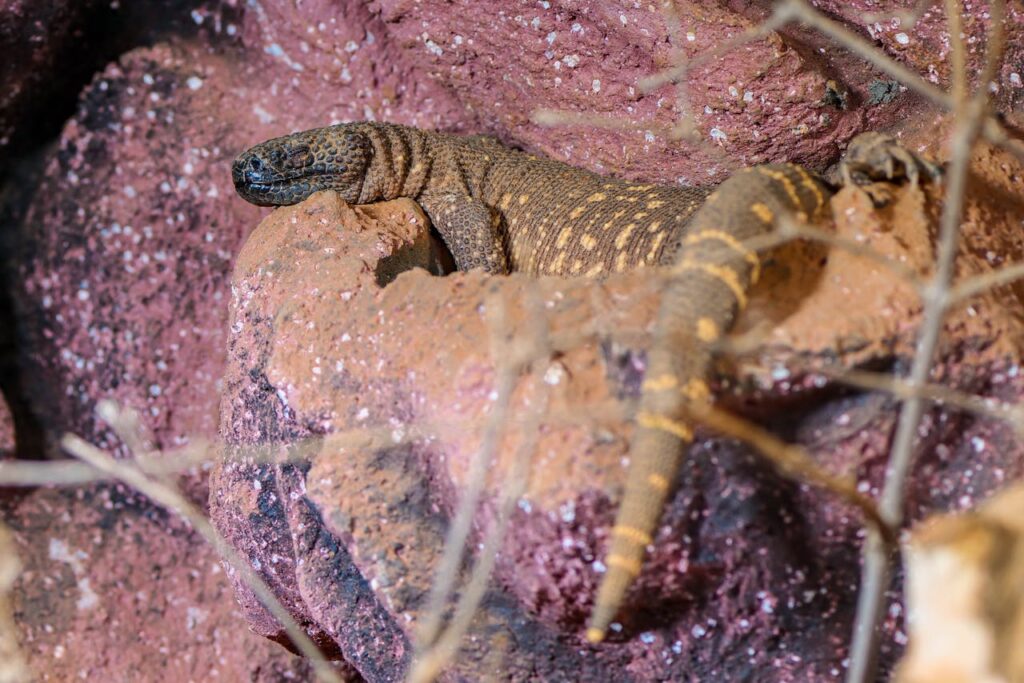
A dirty enclosure can quickly become a breeding ground for bacteria, leading to infections and respiratory issues. Some owners believe reptiles don’t need as much cleaning as mammals, but regular maintenance is essential. Spot clean daily by removing uneaten food and waste, and do a deep clean at least once a month by disinfecting the entire enclosure. Keeping the environment clean reduces stress and keeps your pet healthy.
9. Ignoring Signs Of Illness
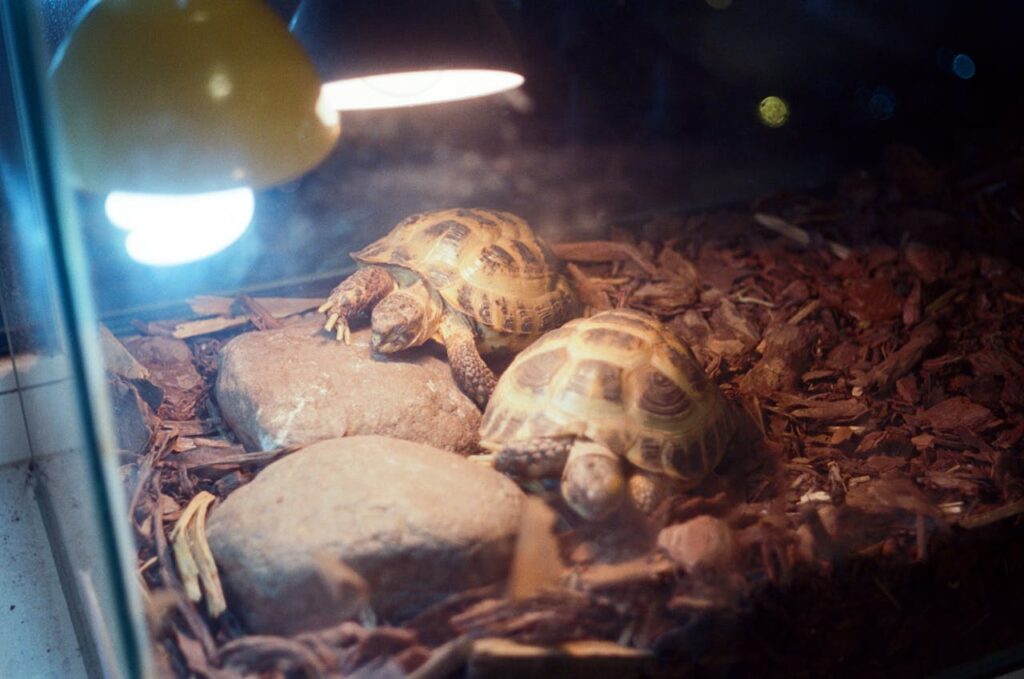
Reptiles often hide signs of illness, making it difficult for owners to detect problems until it’s too late. Common symptoms like lack of appetite, lethargy, or irregular shedding should never be ignored. Many reptile owners assume these changes are normal, delaying necessary vet visits. If you notice any unusual behavior, consult a reptile-savvy veterinarian immediately to prevent minor issues from becoming life-threatening.
10. Overhandling Your Reptile
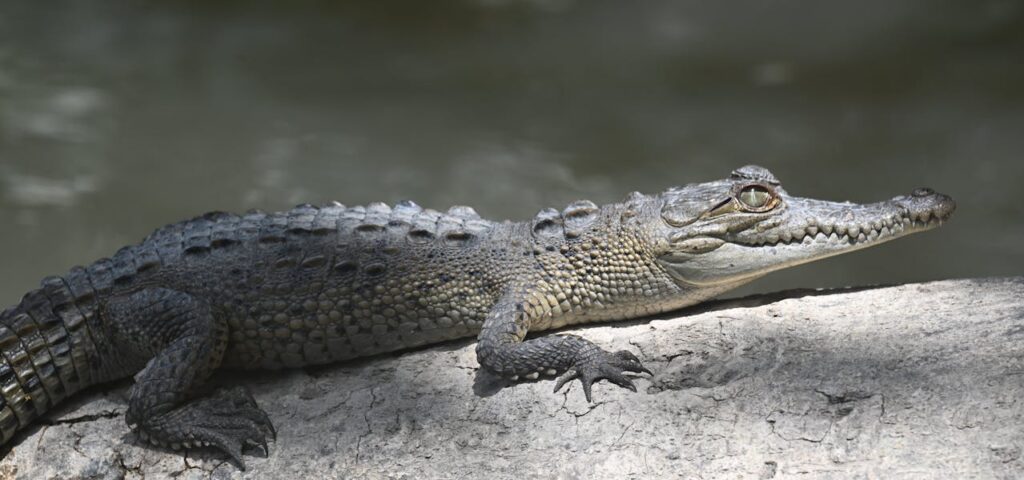
While some reptiles tolerate handling well, others prefer minimal interaction. Many owners make the mistake of handling their pet too frequently, leading to stress and defensive behavior. Signs of stress include hissing, hiding, or refusing to eat. Pay attention to your reptile’s body language and gradually introduce handling based on their comfort level. Providing a calm, stress-free environment helps build trust over time.
11. Placing The Enclosure In The Wrong Spot
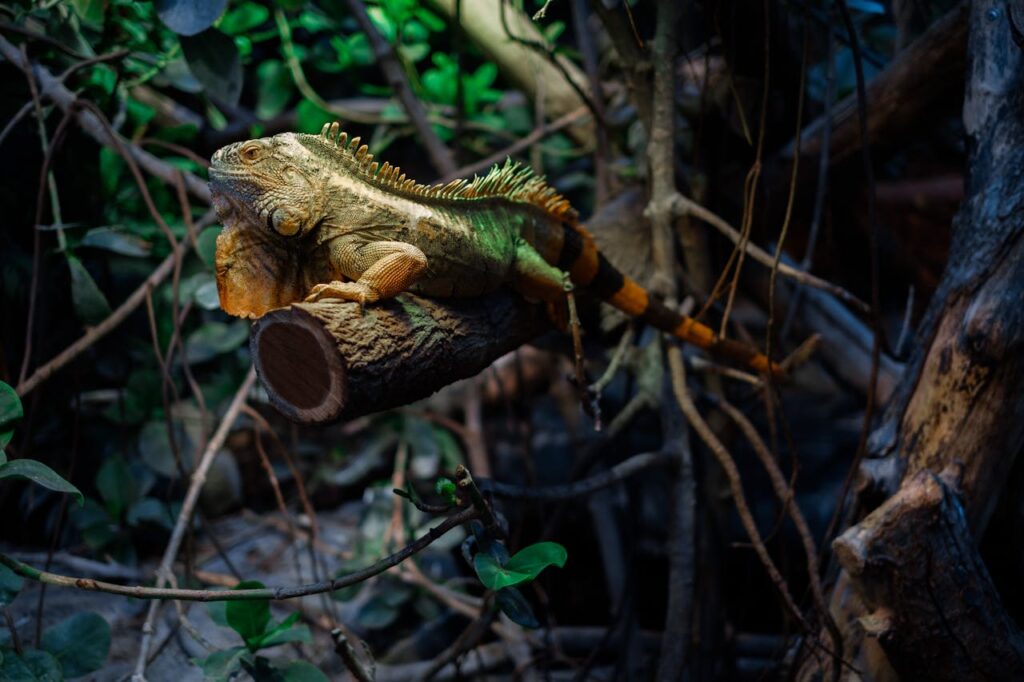
The location of a reptile’s enclosure can greatly impact its health and stress levels. Many owners place tanks near windows, heaters, or loud areas, which can cause overheating or stress. Direct sunlight can quickly overheat an enclosure, while constant noise can make reptiles anxious. A stable, quiet location with controlled lighting and temperature is best for maintaining a comfortable environment.
12. Using The Wrong Water Dish
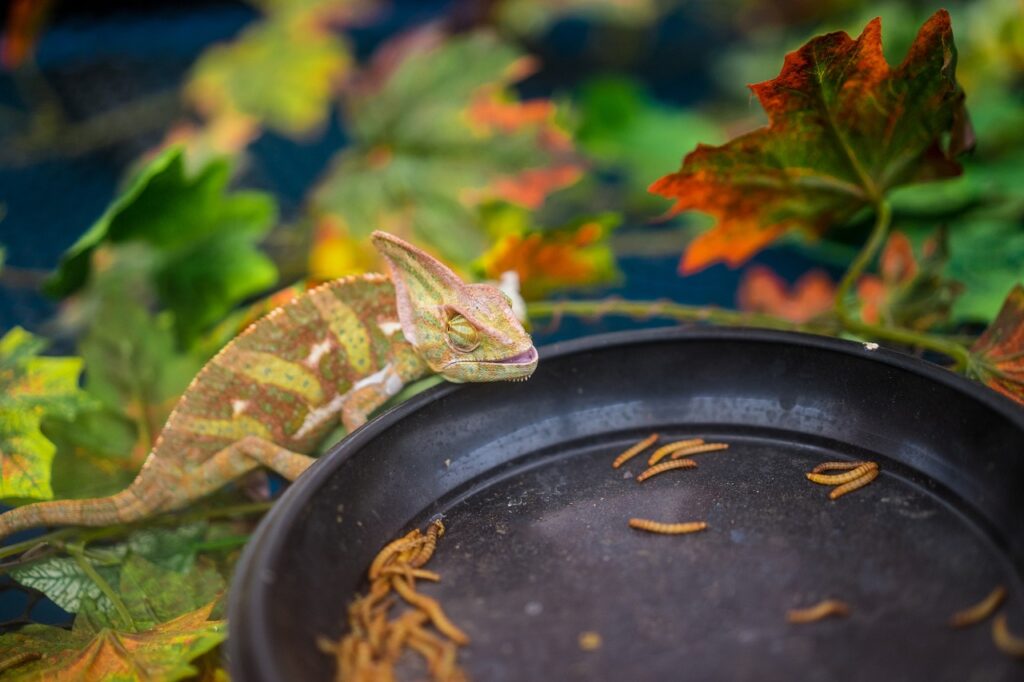
Hydration is critical for reptiles, yet many owners provide inappropriate water dishes. Bowls that are too deep can be a drowning hazard for smaller reptiles, while bowls that are too shallow may not provide enough water. Some reptiles also need water bowls large enough for soaking to aid in shedding. Always research the specific needs of your reptile and choose a water dish that suits their size and hydration habits.
13. Not Researching Species-Specific Needs

One of the biggest mistakes reptile owners make is assuming that all reptiles have the same care requirements. Each species has unique temperature, humidity, diet, and habitat needs that must be met for optimal health. Before bringing a reptile home, do thorough research to understand its specific care requirements. Setting up the right environment from the start will help your reptile thrive and prevent common health issues.
Love Pets as Much as We Do?

Scroll up and click the ‘Follow’ button to stay updated with the latest heartwarming, hilarious, and helpful pet posts from Pawdown, delivered straight to your Microsoft Start feed and MSN homepage!