
Parrots captivate with their dazzling colors and vibrant personalities. However, not all are suited for life in a cage. According to conservation studies, many wild parrot species play crucial ecological roles and thrive only in their natural habitats. Let’s explore some of these incredible birds and uncover why they should remain in the wild, contributing to their ecosystems, rather than becoming household pets.
1. Hyacinth Macaw: The Gentle Giant
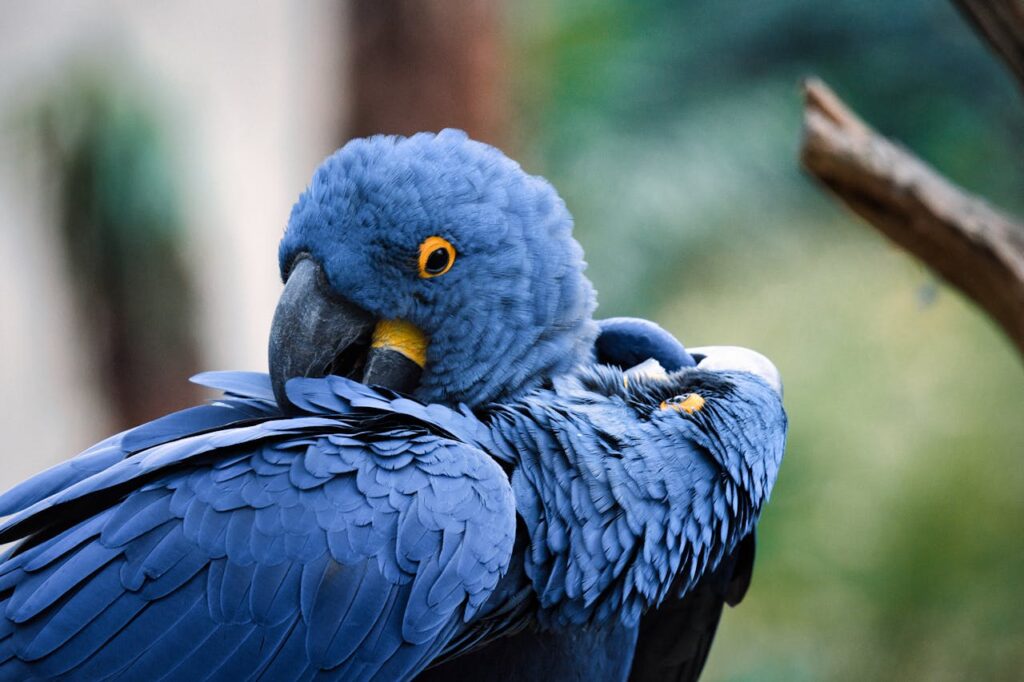
The Hyacinth Macaw, with its striking cobalt blue plumage and kind disposition, is the largest parrot species. Known for their gentle nature, these majestic birds require vast spaces and a diet rich in specific nuts found mainly in their native South American wetlands. Captivity restricts their natural behaviors, causing stress and harm. In the wild, they help in seed dispersal, crucial for their ecosystem’s health. Preserving their habitats ensures the well-being of these gentle giants and the lush environments they support.
2. Palm Cockatoo: The Exotic Drummer
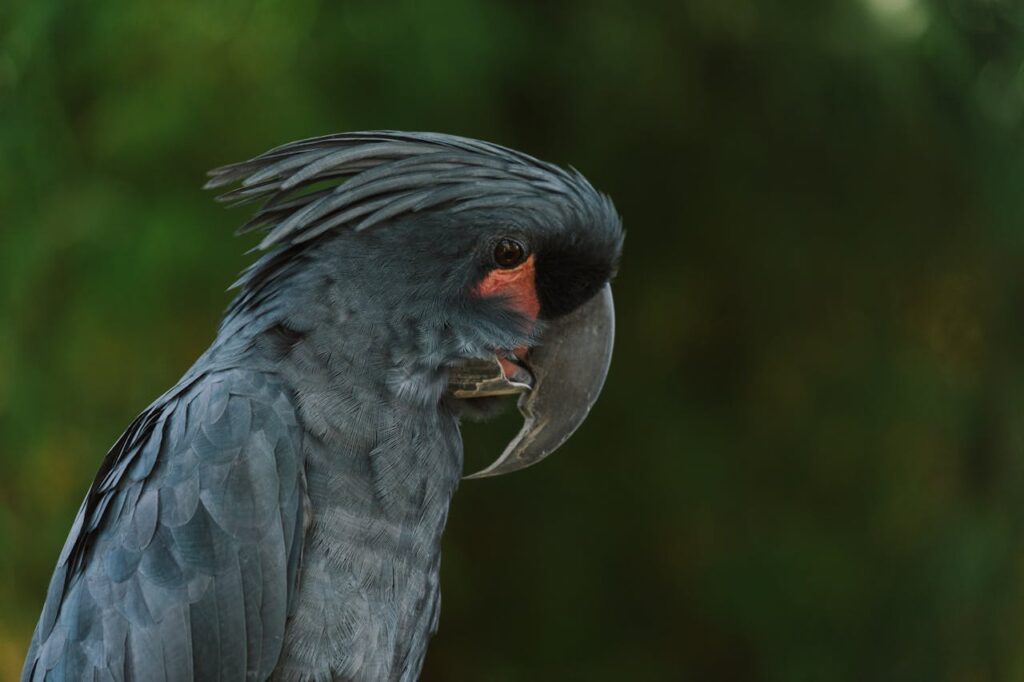
With their unique calls and flamboyant crest, Palm Cockatoos are captivating performers of the Australasia rainforests. They are famous for using sticks as tools to drum on hollow trees, marking territories. This behavior shows remarkable intelligence but also highlights their need for the complex social and territorial dynamics found only in the wild. In captivity, their mental and physical health suffers due to solitude or inappropriate environments. Conservation efforts are critical to maintaining their quirky, beneficial presence in their native forests.
3. Kea: The Alpine Trickster
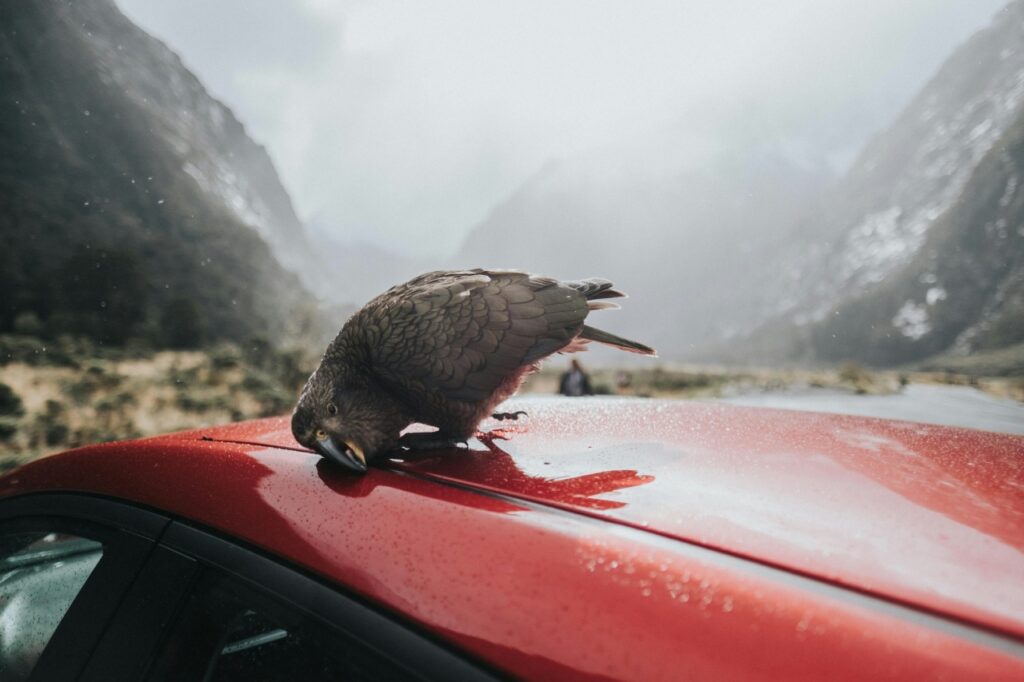
Kea, native to New Zealand’s Southern Alps, are known for their curiosity and intelligence. Often referred to as “clown birds,” they engage in playful antics and are adept problem solvers. However, these behaviors stem from living in dynamic alpine ecosystems where they search for food and interact with their intricate natural environment. In captivity, their problem-solving needs and high-energy antics often turn destructive, highlighting how essential their expansive, challenging habitat is to their welfare and happiness.
4. Kakapo: The Night Parrot
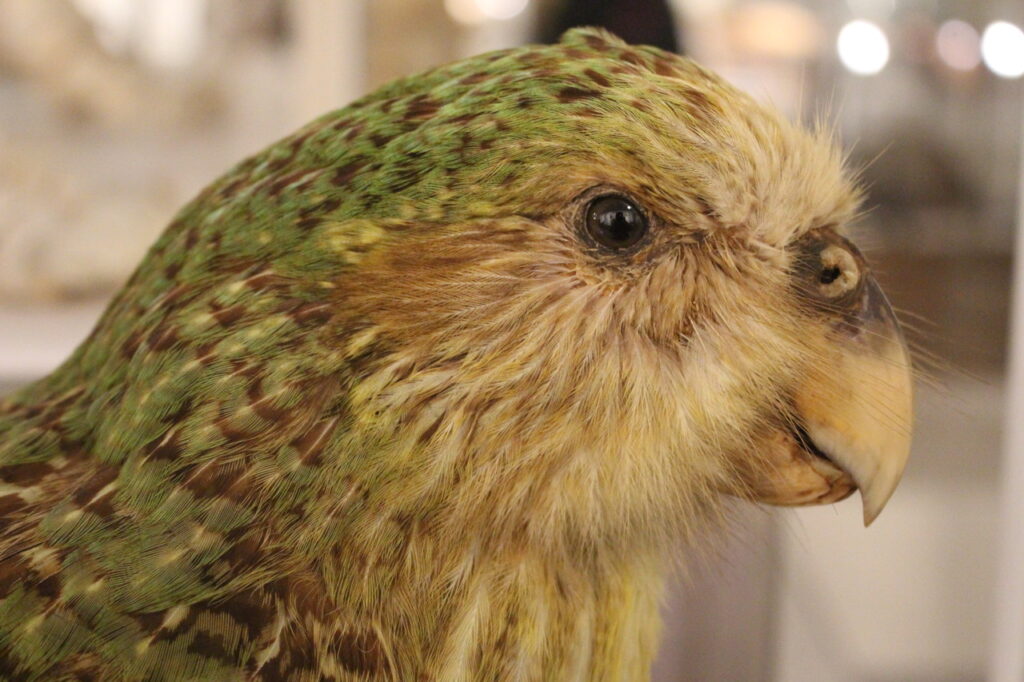
The Kakapo, a nocturnal, flightless parrot, thrives under the canopy of New Zealand’s forests. Known for their owl-like faces and unique, booming mating calls, they have evolved to fill a specific ecological niche. This makes them utterly ill-suited for life as a pet. As critically endangered birds, each Kakapo plays a vital role in its population’s regeneration efforts. Conservationists have invested immense efforts to protect their limited natural environment, highlighting the ethical responsibility to safeguard these night parrots in their natural home.
5. Spix’s Macaw: The Blue Rarity
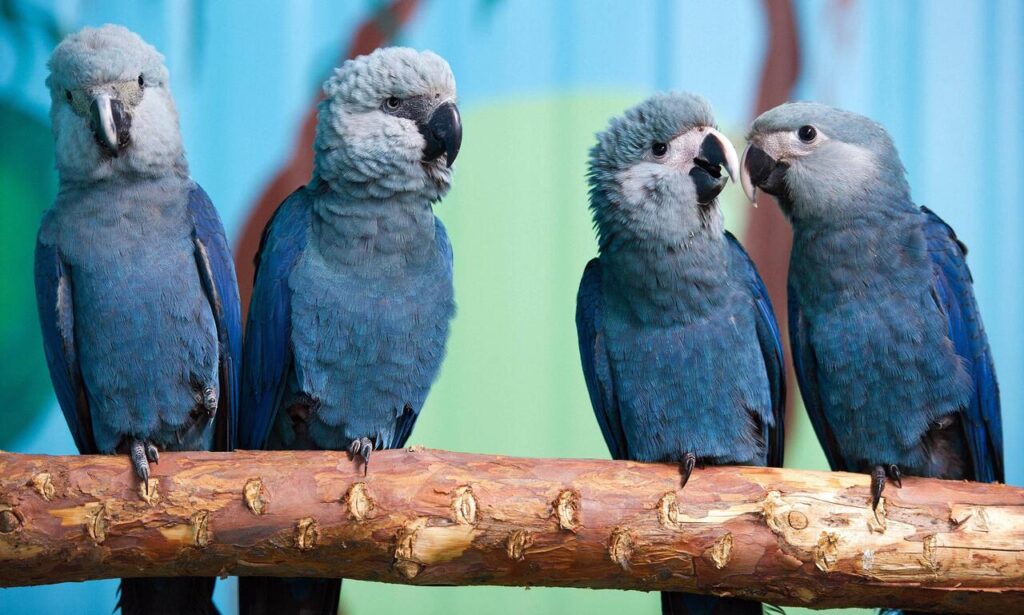
Spix’s Macaw, known for its striking blue plumage, captivates any observer. This rare species, once thought extinct in the wild, has become a symbol of conservation efforts. Native to Brazil, they thrive along riverbanks amidst dense forest canopies. Their specific habitat needs and vulnerability to illegal poaching make them unsuitable for captivity. Moreover, their role in cultural and ecological systems highlights the importance of preserving their natural habitat over domestication.
6. African Grey Parrot: The Intelligent Speaker
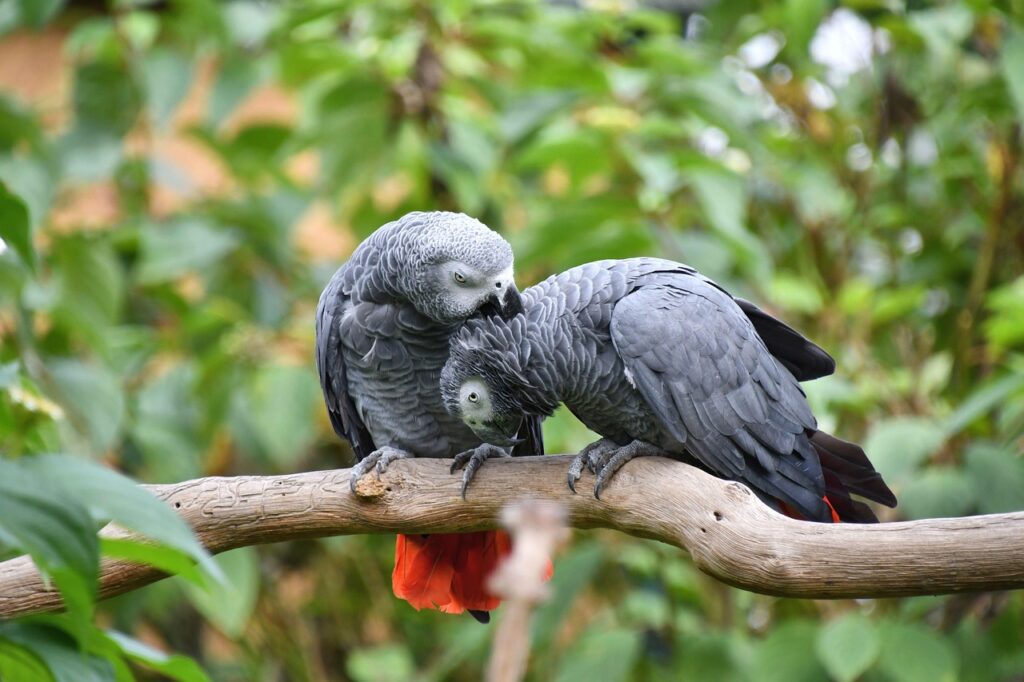
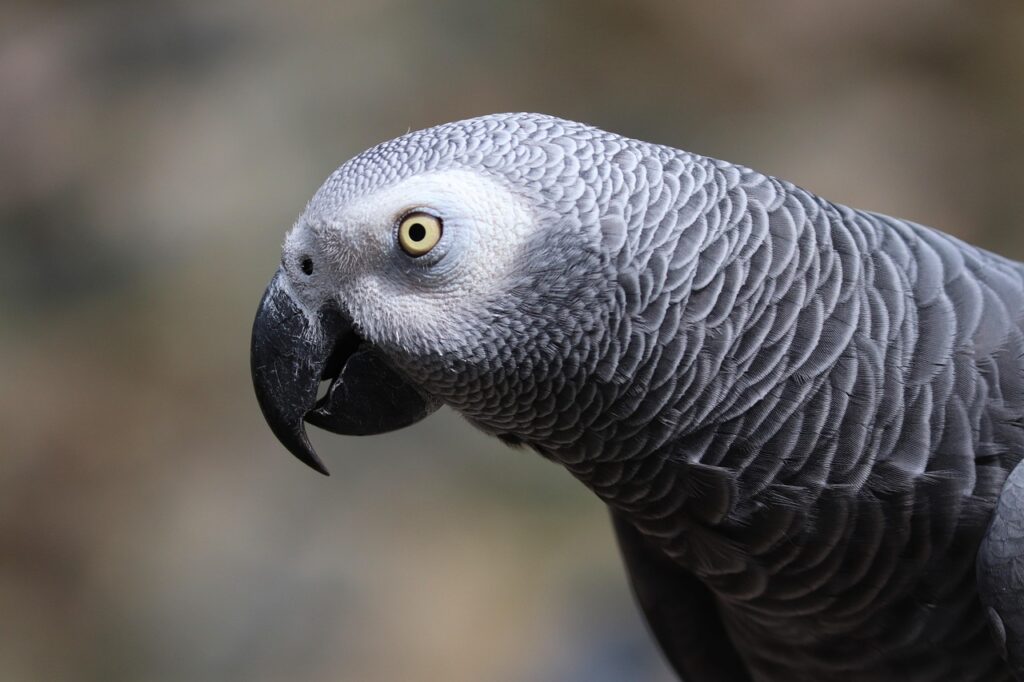
Renowned for their remarkable intelligence and vocal abilities, African Grey Parrots are captivating creatures. But their high cognitive needs mean they require constant mental stimulation, which is challenging to provide in captivity. Often kept as pets, this practice can lead to stress and health issues. In the wild, they form complex social bonds and roles within their flocks. Their advanced problem-solving skills and communication highlight why they belong in their natural habitats, not confined in homes.
7. Sun Parakeet: The Vibrant Flier
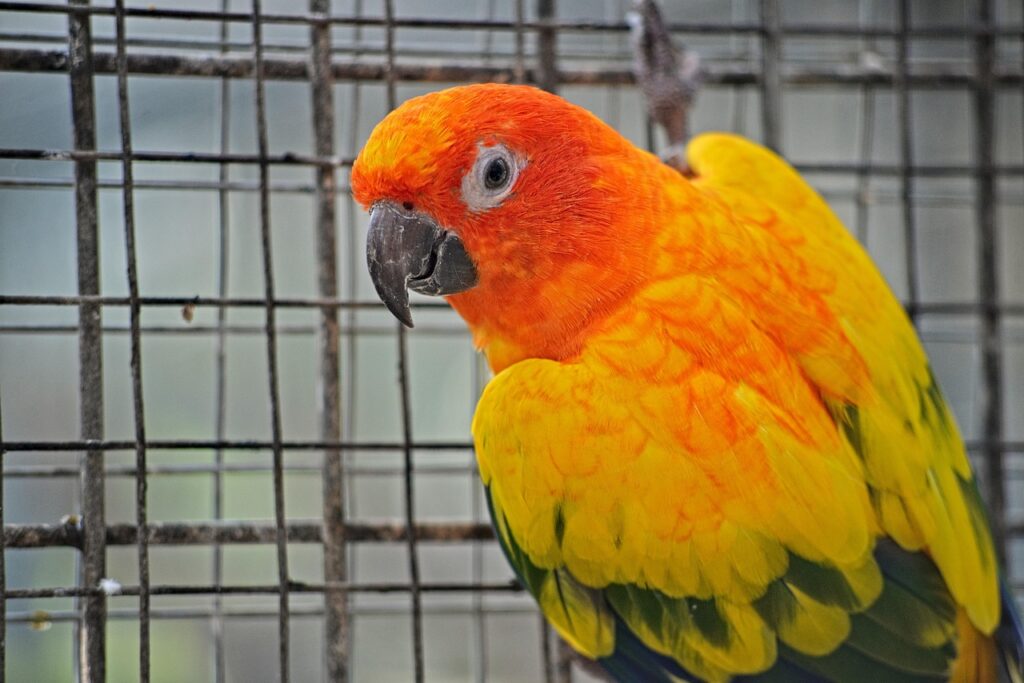
With feathers that mimic a sunset, the Sun Parakeet is a vibrant spectacle. These birds, native to northeastern South America, are social creatures that thrive in large flocks. Their energetic nature, combined with a need for extensive flying space, makes captivity unsuitable. Capturing them disrupts their natural behaviors and ecosystems. Observing them in the wild showcases their playful interactions and reinforces the ecological significance of preserving their natural lifestyle.
8. Thick-Billed Parrot: The Endangered Native
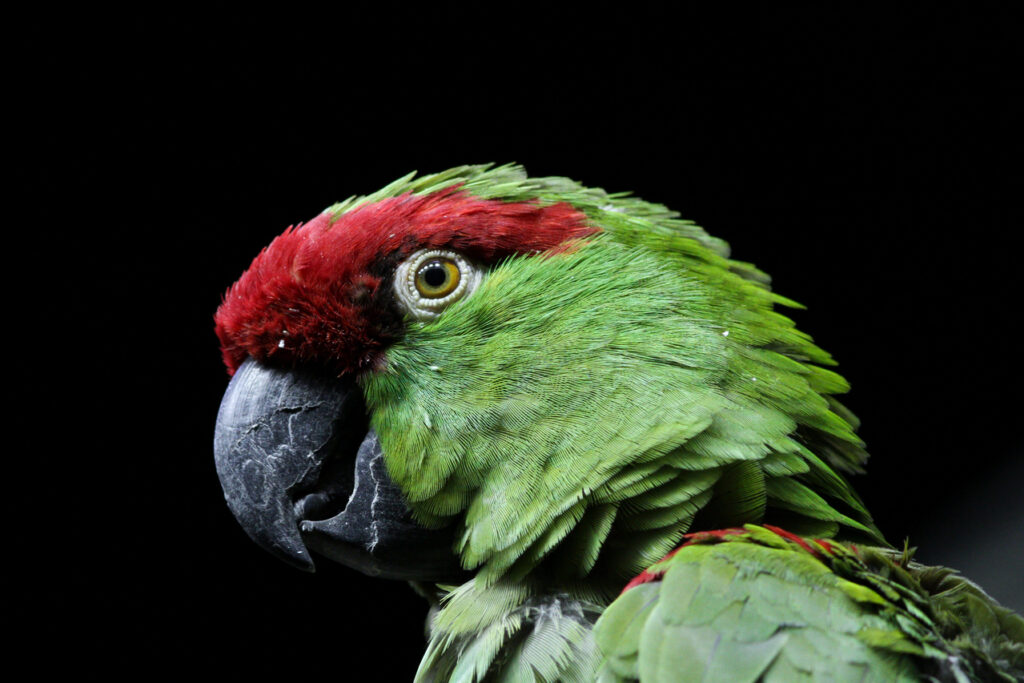
Once widespread across North America, the Thick-Billed Parrot now teeters on the brink of extinction. Known for their robust beak and vivid green coloring, these parrots inhabit mountainous pine forests. They play a pivotal role in their ecosystem by aiding seed dispersal. Dwindling numbers due to habitat destruction and illegal trade stress the importance of conservation efforts over captivity. Thriving only in their specific climate and community dynamics, they remind us of what’s lost in confining wild species.
9. Red-Fronted Macaw: The Riverbed Resident
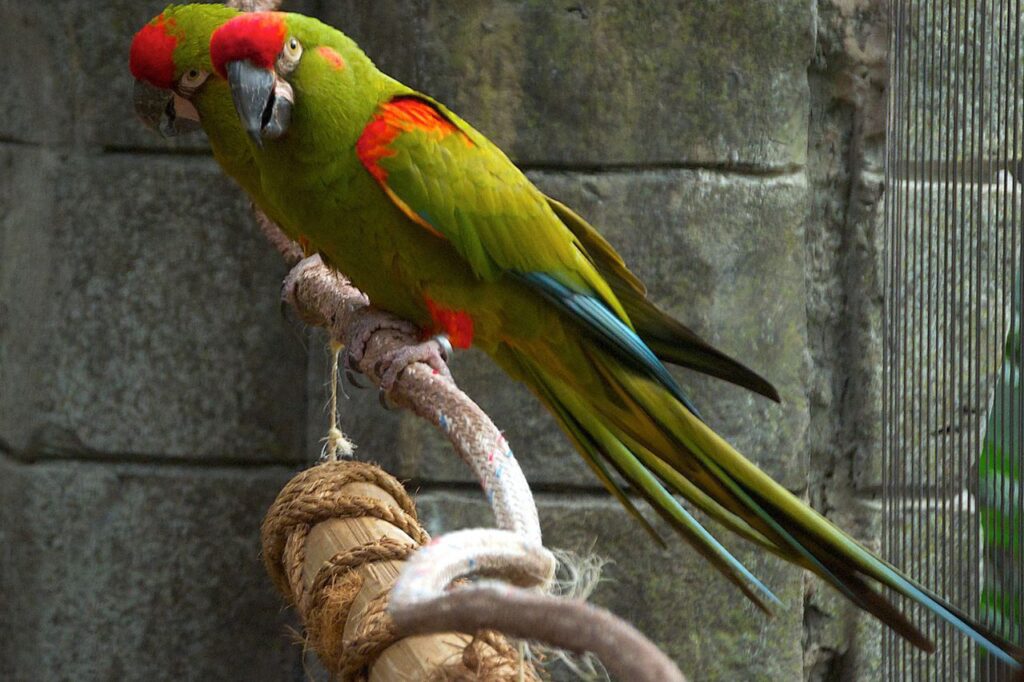
Endemic to Bolivia, the Red-Fronted Macaw is a striking bird that resides along river valleys. Its fiery forehead and intricate social structures highlight its uniqueness. These macaws are adept at navigating complex environments, which can’t be replicated in human homes. Habitat loss and illegal wildlife trade threaten their existence. By protecting their riverbed habitats, we preserve their dynamic interactions and ecological roles. It’s a powerful reminder to celebrate these creatures in their rightful, natural domains.
10. Scarlet Macaw: The Colorful Icon
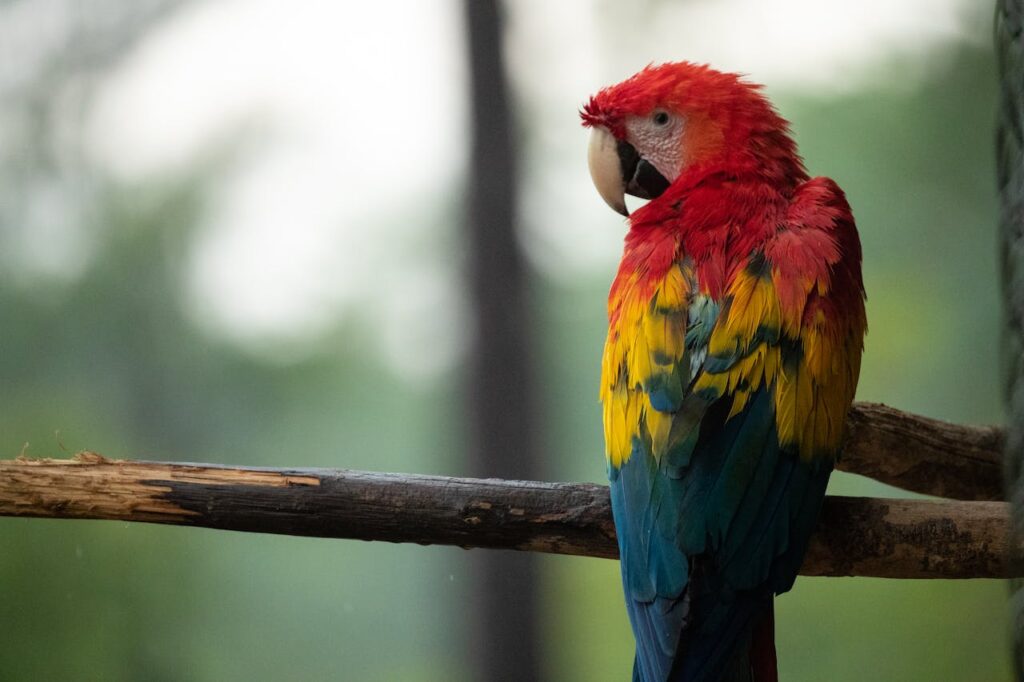
Scarlet macaws are the epitome of avian vibrance, with their stunning red, yellow, and blue plumage captivating bird lovers worldwide. Found in the humid lowland rainforests of Central and South America, these parrots are not just visual wonders but also social creatures with dynamic personalities. In the wild, they form monogamous pairs and participate in complex social structures, which makes life in a cage deeply unsuitable for their needs. Their need for large territories and social interactions means they rarely thrive in captivity.
11. Great Green Macaw: The Rainforest Dweller
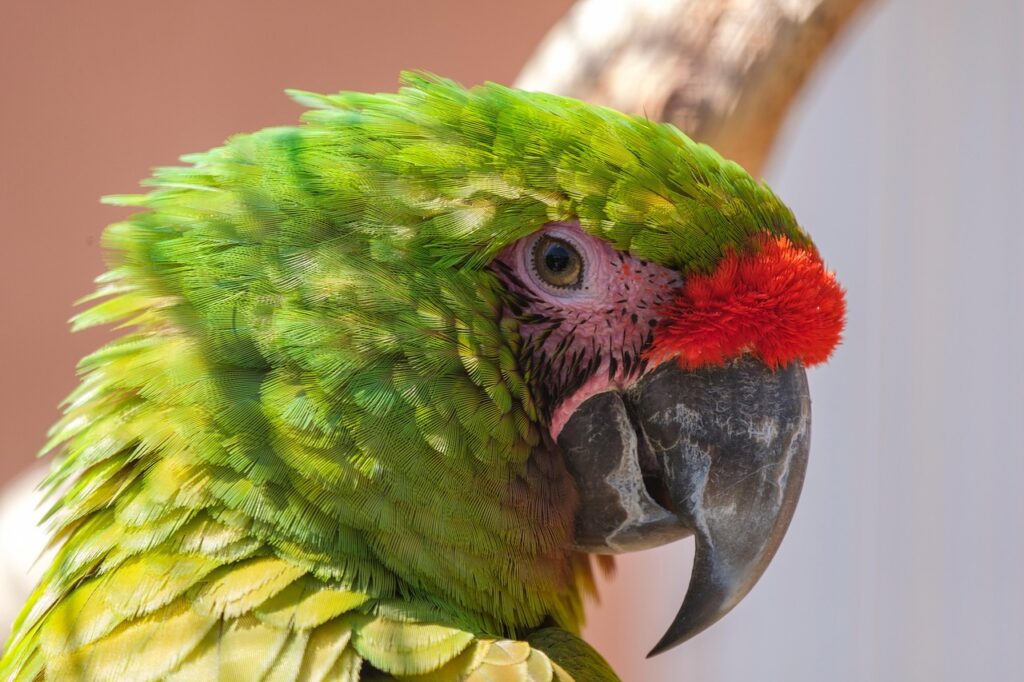
Known for their brilliant green feathers and impressive size, great green macaws are native to the tropical forests of Central America. These majestic birds play crucial roles in seed dispersion, which supports forest regeneration. Despite their striking appearance, they require expansive flying space and a diverse diet that’s difficult to replicate in captivity. Habitat destruction has already endangered their existence, making it unethical to keep them as pets. Conservation efforts are vital to preserving their natural habitats instead.
12. Maroon-Fronted Parrot: The Cliff Nesting Beauty
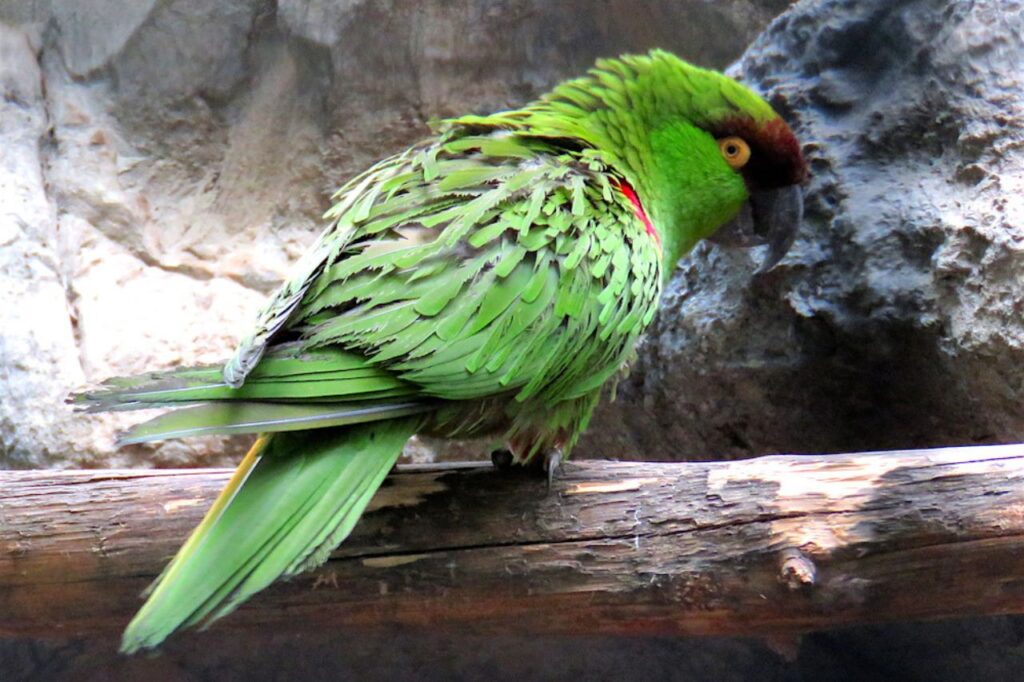
With a striking maroon patch above their beaks, maroon-fronted parrots are a rare sight, restricted to the Sierra Madre Oriental of Mexico. These parrots are cliff dwellers, preferring to nest in rocky outcrops that provide safety and community living. Their diet consists of pine seeds and fruits found in their mountain ecosystems. Efforts to keep them as pets fail miserably due to their need for steep cliffs and social structures within colonies. Protecting their natural environment is crucial to their survival.
13. Yellow-Crested Cockatoo: The Playful Performer
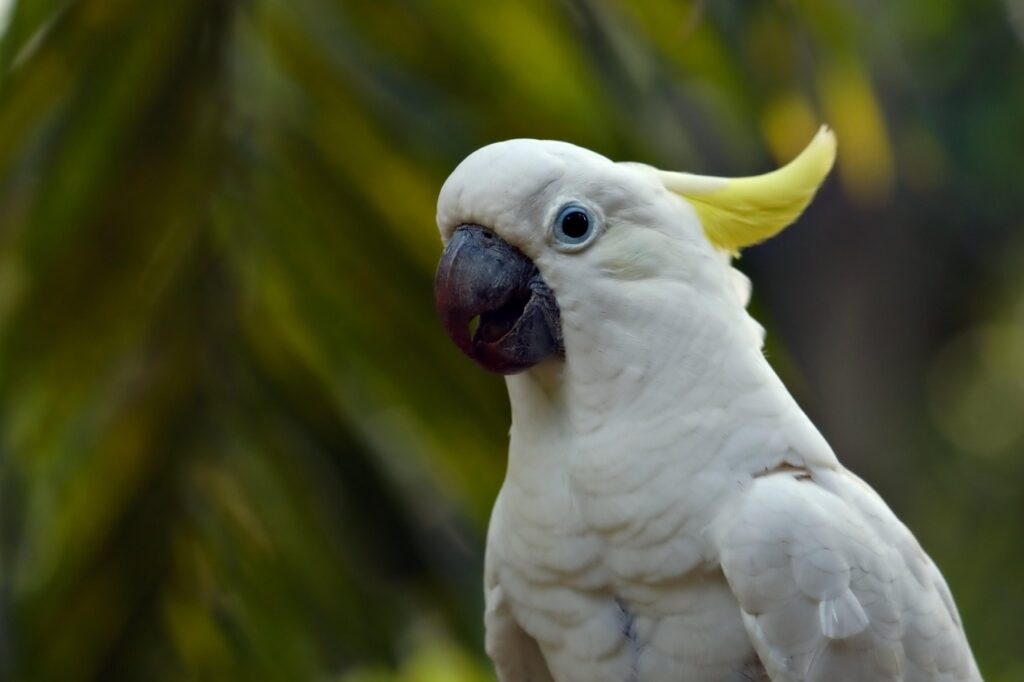
Endearing and lively, yellow-crested cockatoos exhibit stunning crest displays that delight the observer. Originating from the forests of Indonesia, these cockatoos are full of personality and thrive in their natural social groups. Despite their charm, their wild nature requires constant mental stimulation and natural foraging. Illegal trapping for the pet trade has decimated their populations, leading to critical endangerment. Owning them as pets continues to be a serious ethical concern, threatening their survival.
Ethics of Keeping Wild Parrots as Pets
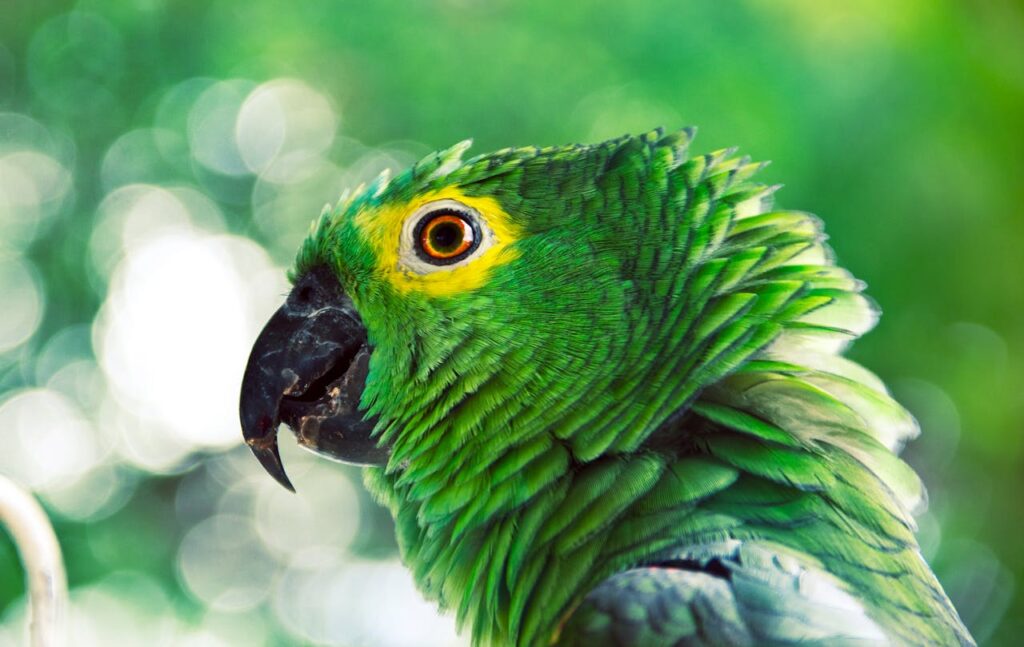
The allure of exotic pets, like parrots, often overshadows the ethical implications of keeping them. According to data from various animal welfare organizations, parrots require more than scenic beauty—they need complex social interactions and vast natural habitats to thrive. Captivity deprives them of their instinctual behaviors, leading to stress and diminished wellbeing. With habitat destruction and illegal trade pressing on their populations, advocating for their conservation in the wild is paramount. Proper understanding and respect for their ecological roles will preserve these magnificent creatures for future generations.