
China is not just a land of ancient history and vibrant cultures; it’s a paradise for wildlife enthusiasts, boasting some of the world’s most unique and iconic animals. While the Great Wall and Terracotta Army may capture the imagination, it’s China’s native creatures that truly steal the show. From cuddly pandas to rare monkeys, these animals are not just national treasures but global fascinations. So strap on your virtual boots and join us on a wildlife adventure across China’s diverse landscapes.
1. Giant Panda
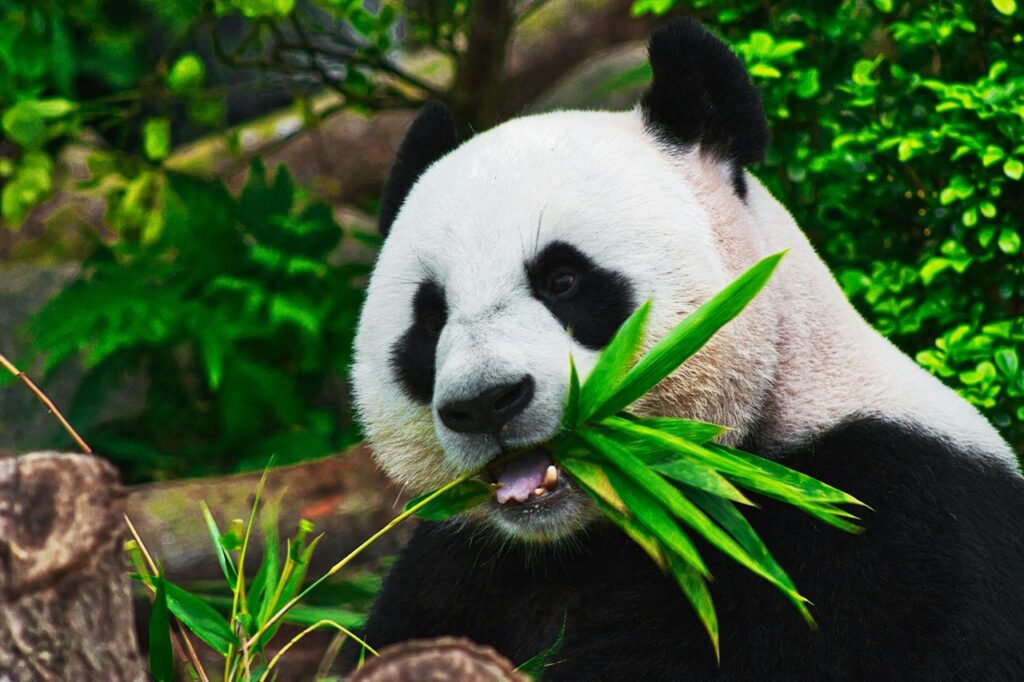
The Giant Panda is China’s poster animal, a symbol of conservation efforts worldwide. Known for their distinctive black-and-white fur, these gentle giants spend most of their day munching on bamboo. Despite their playful demeanor, pandas are notoriously difficult to spot in the wild, residing primarily in the misty mountains of Sichuan. However, dedicated sanctuaries offer the chance to observe their charismatic personalities up close, making them a must-see for any visitor keen on wildlife.
2. Golden Snub-nosed Monkey
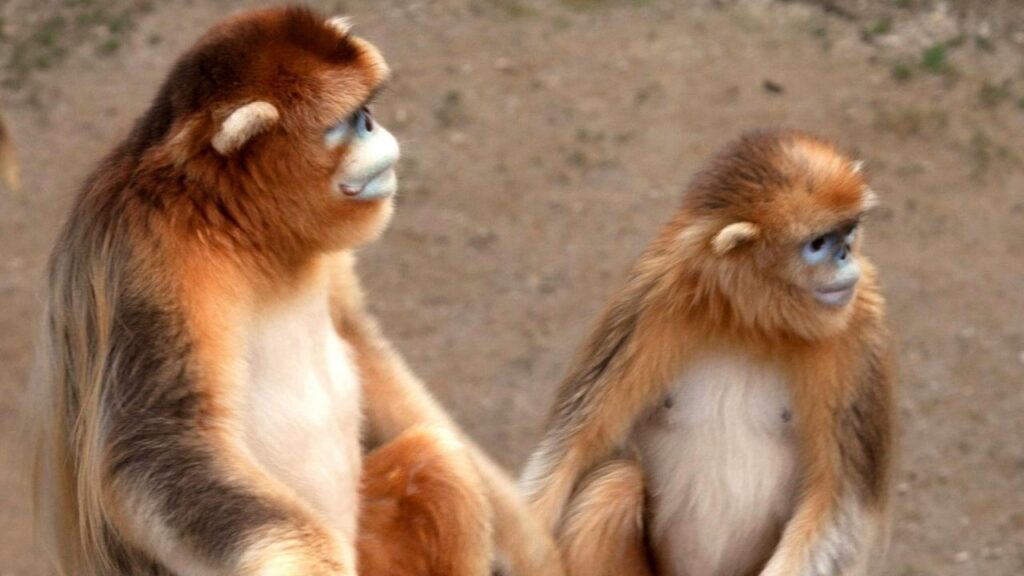
High in the remote forests of central and southwestern China, the Golden Snub-nosed Monkey captivates with its striking blue face and flamboyant orange coat. These socially vibrant creatures form large groups, engaging in playful antics amid the treetops. Found only in China, they thrive in cold, mountainous regions, exhibiting incredible resilience against harsh climates. Their unique look and behavior make them a fascinating subject for wildlife enthusiasts and photographers alike.
3. Chinese Alligator
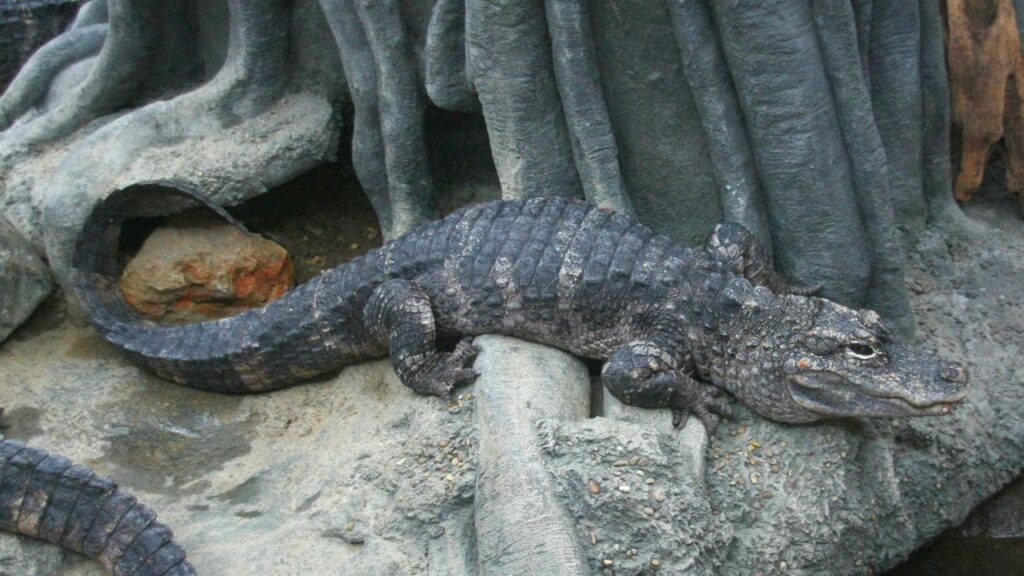
A rarity among reptiles, the Chinese Alligator is a small yet formidable creature, with a sharp gaze and armored hide. Native to the lower Yangtze River, these alligators are critically endangered, with conservation zones attempting to bolster their numbers. Unlike their larger American relatives, Chinese Alligators are more secretive and reclusive, often lurking in hidden freshwater marshes. Spotting one in the wild is a rare thrill, a testament to China’s hidden biodiversity.
4. Tibetan Antelope
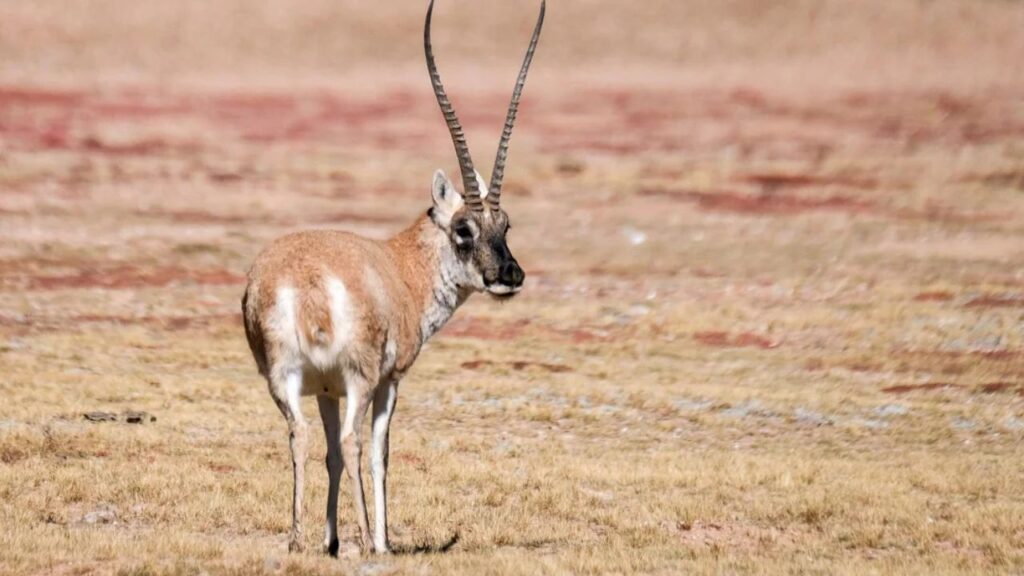
The Tibetan Antelope, known locally as Chiru, gallops across the vast Tibetan Plateau with grace and speed. These elegant creatures are well-adapted to high-altitude life, with thick coats that withstand frigid temperatures. Sadly, this unique antelope has faced threats from poaching, primarily for its exquisite wool. Conservation initiatives aim to protect their habitat and numbers, ensuring that future generations can marvel at these swift nomads of the plains.
5. Red Panda
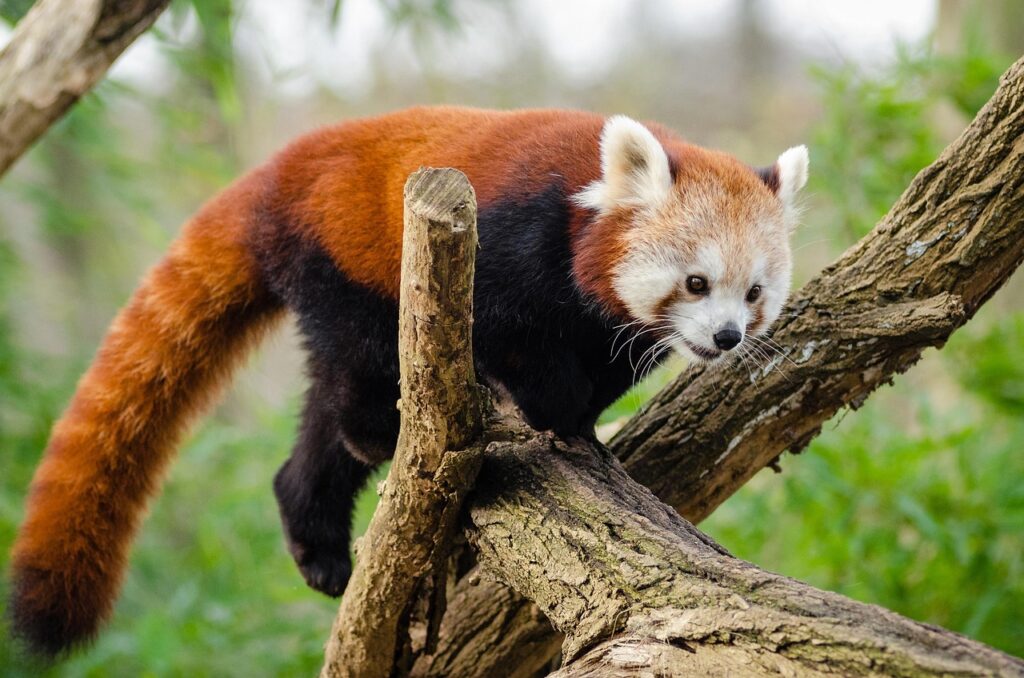
With its bushy tail and charming antics, the red panda embodies cuteness overload. Found in the misty forests of Sichuan and Yunnan, these gentle creatures are more closely related to raccoons than to their giant panda cousins. Red pandas dine on bamboo, just like their larger namesakes, but enhance their diet with fruits and eggs. Their graceful movements as they navigate treetops are mesmerizing, making them a must-see for any wildlife enthusiast visiting China. Despite their popularity, they remain vulnerable due to habitat loss, emphasizing the need for conservation efforts.
6. Sichuan Takin
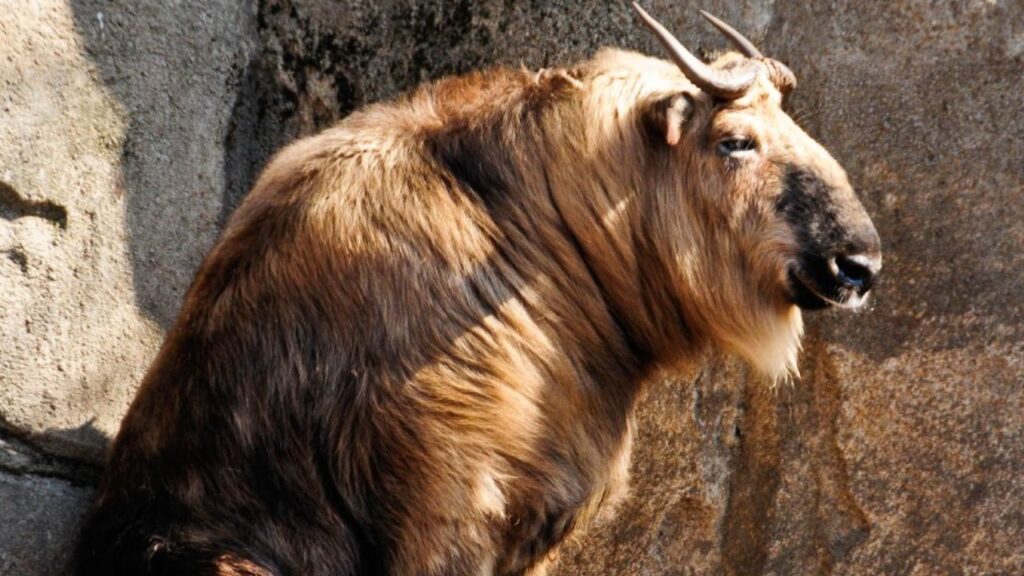
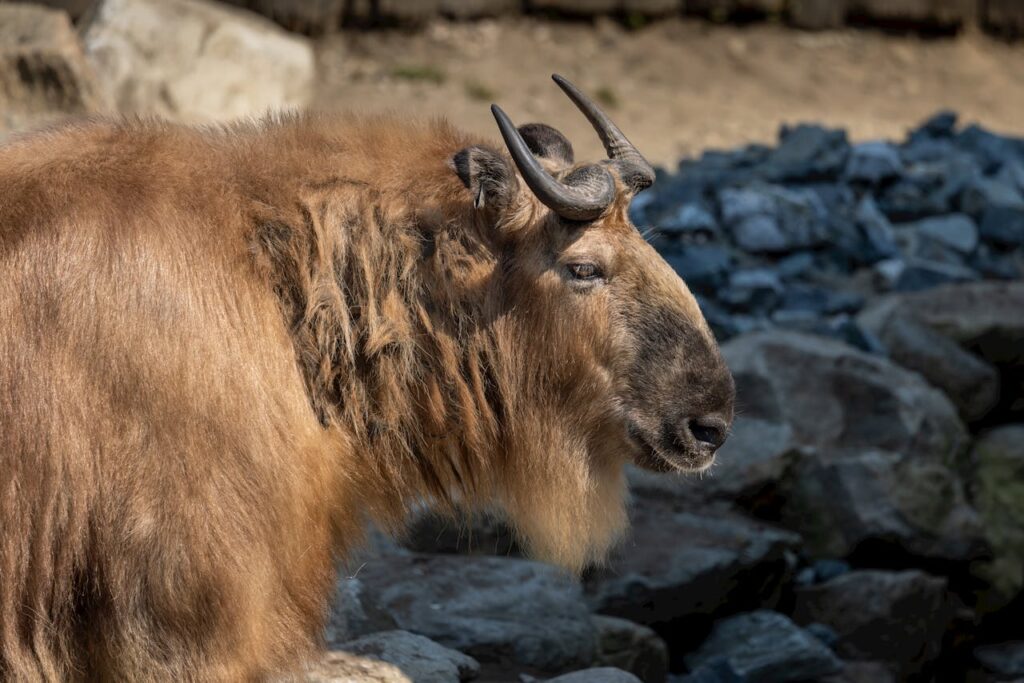
Imagine a creature that looks like a mix between a goat and an antelope, carrying a majestic appearance with it. The Sichuan takin is a robust and intriguing animal living on the rugged mountain slopes of China. These mammals are perfectly adapted for cold environments, bearing thick, oily coats to combat the chill. Often nicknamed “cattle chamois,” they gather in herds and display a remarkable array of social behaviors, including playful headbutting. Their rollicking demeanor and golden-hued fur grant them a mythical appearance, making them a sight unlike any other.
7. Baiji Dolphin
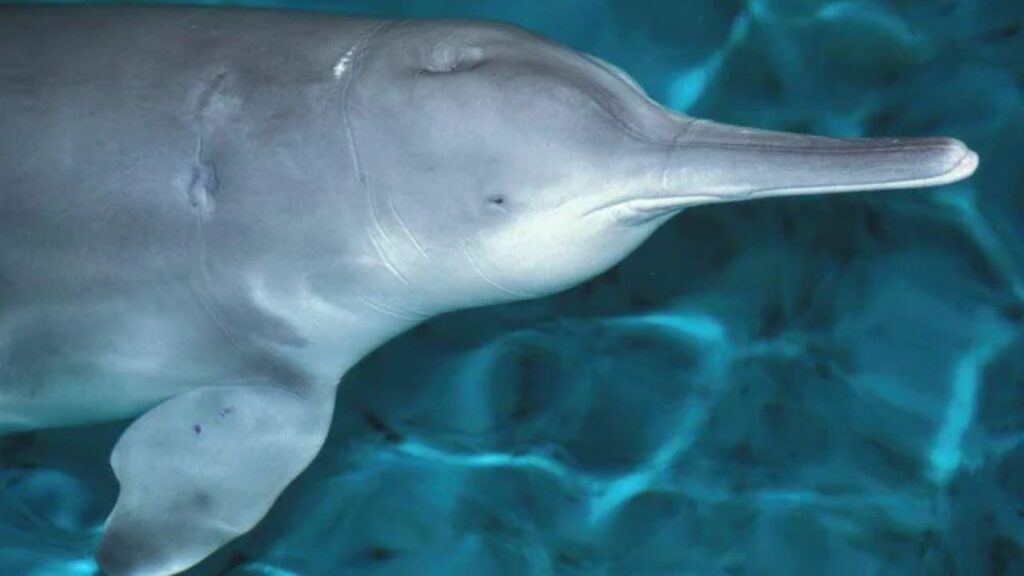
The baiji dolphin, also known as the Yangtze River dolphin, tragically resides more in legend than in reality now. Once gliding through the waters of the Yangtze, these gentle river mammals were revered for their intelligence and graceful presence. Their population plummeted due to industrialization and boat traffic on the river. Attempts at conservation are ongoing, but spotting a baiji today would indeed be miraculous. They remain a poignant symbol of environmental challenges, urging humanity toward more sustainable waterway management and conservation practices.
8. Père David’s Deer
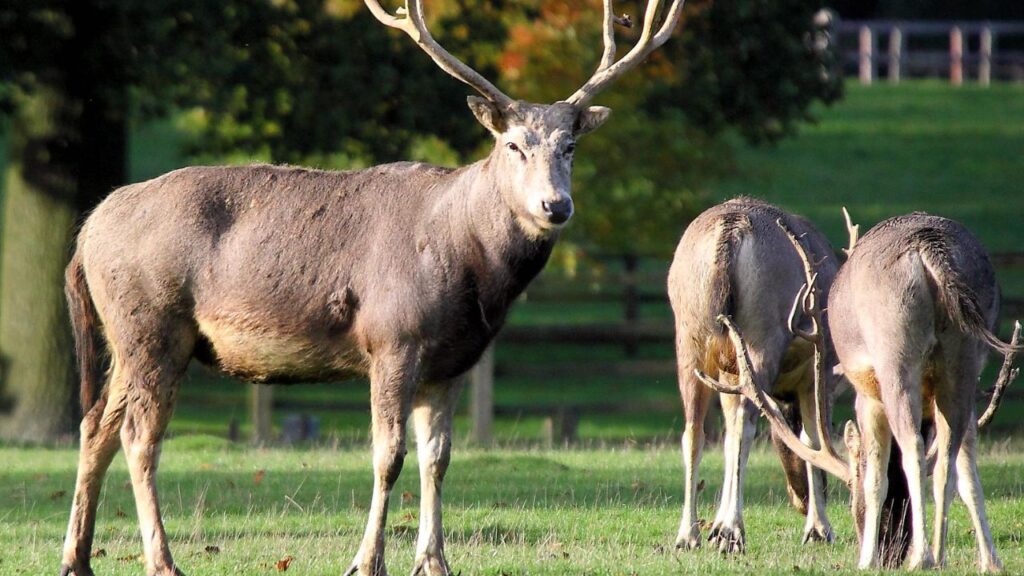
Père David’s deer, named after the French missionary who first introduced them to the West, are a living testament to conservation success. Native to the marshlands of China, these deer uniquely possess features of both elk and swamp deer. Characterized by shaggy coats and sprawling antlers, they were nearly extinct due to overhunting. However, careful breeding programs have re-established their populations, and they now roam freely in protected areas like Beijing’s Nan Haizi Milu Park. Spotting these elegant creatures reinvigorates hope for species recovery worldwide.
9. Bactrian Camel
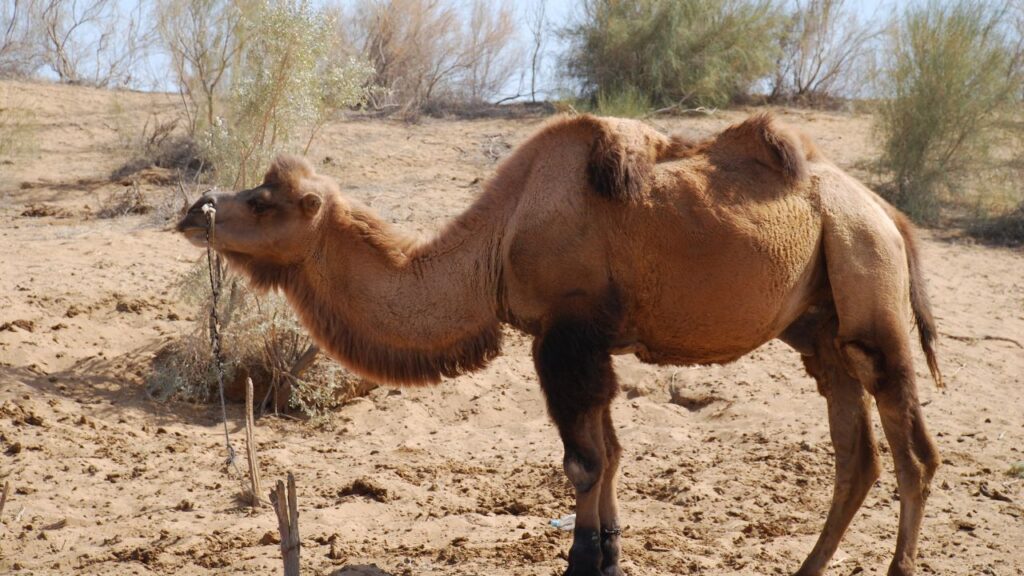
Majestic and hardy, the Bactrian camel roams the remote deserts of northwestern China, particularly in the Gobi. These resilient creatures, equipped with two humps, endure blistering summers and frigid winters. Their humps store fat, serving as a resource during long, food-scarce treks. Known for their gentle disposition, Bactrian camels have been domesticated for centuries, aiding caravans across daunting landscapes. Observers often marvel at their adaptability and unique two-hump silhouette, a true testament to nature’s innovation in the harshest of climates.
10. Chinese Giant Salamander
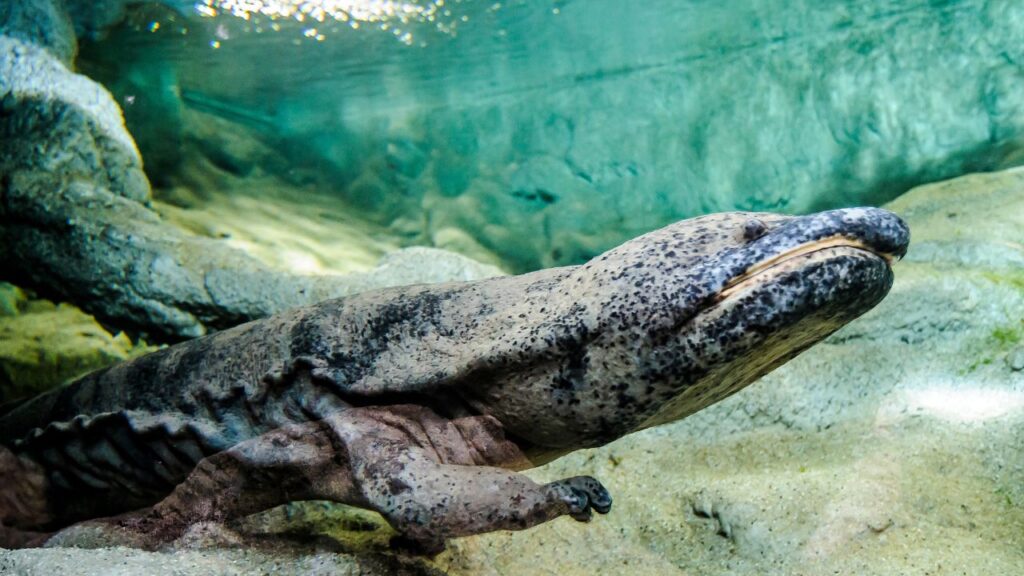
In the cool, pristine rivers of central China lurks the elusive Chinese giant salamander, one of the world’s largest amphibians. Reaching up to six feet, it’s a nocturnal predator, feeding mostly on fish and insects. Owing to its porous skin, it thrives in clean, unpolluted waters, making it an indicator of environmental health. Despite its size, it is surprisingly adept at remaining hidden. However, habitat loss and over-exploitation have led to its dwindling numbers, making sightings a rare and cherished experience.
11. Yunnan Snub-nosed Monkey
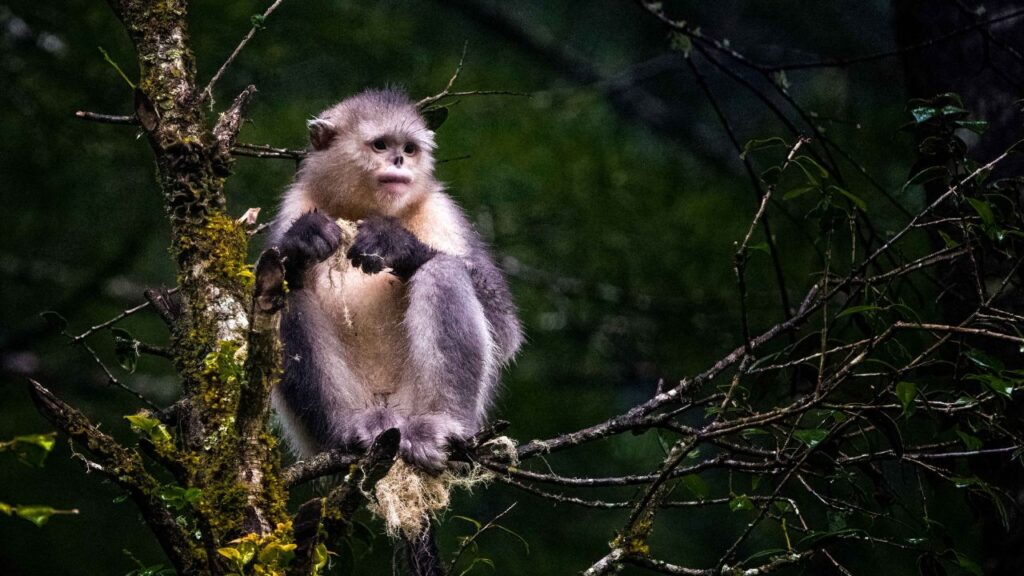
High in the misty, temperate forests of Yunnan, the colorful and expressive Yunnan snub-nosed monkey swings through the trees. Distinguished by their vibrant fur and upturned noses, these social primates live in large, intricate family groups. They primarily feast on lichens, a diet adapted to their harsh, high-altitude habitat. Their playful antics and striking appearance make them a favorite among wildlife watchers, though they remain critically endangered due to habitat destruction and illegal hunting.
12. South China Tiger
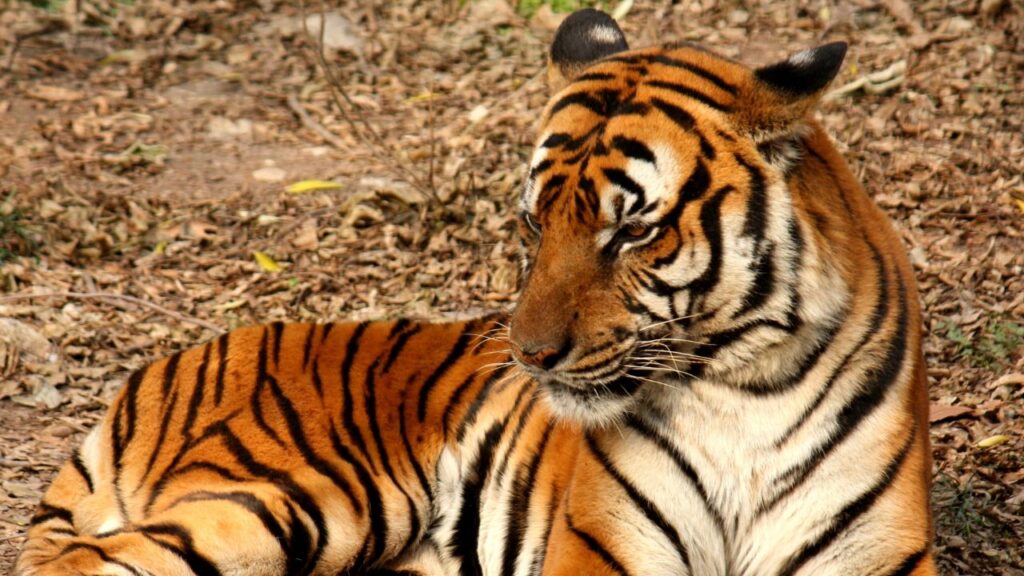
Once roaming vast regions of southern China, the South China tiger now teeters on the brink of extinction. Known for its distinct stripes and powerful build, this subspecies requires extensive territories for hunting and breeding. Conservation efforts have been underway to protect and hopefully reintroduce them into the wild. Enthusiasts are drawn to their regal bearing and rare sightings are a thrilling reminder of the importance of preserving their natural habitat. Sadly, habitat loss and past hunting have driven this majestic creature to near extinction.
13. Sichuan Jay
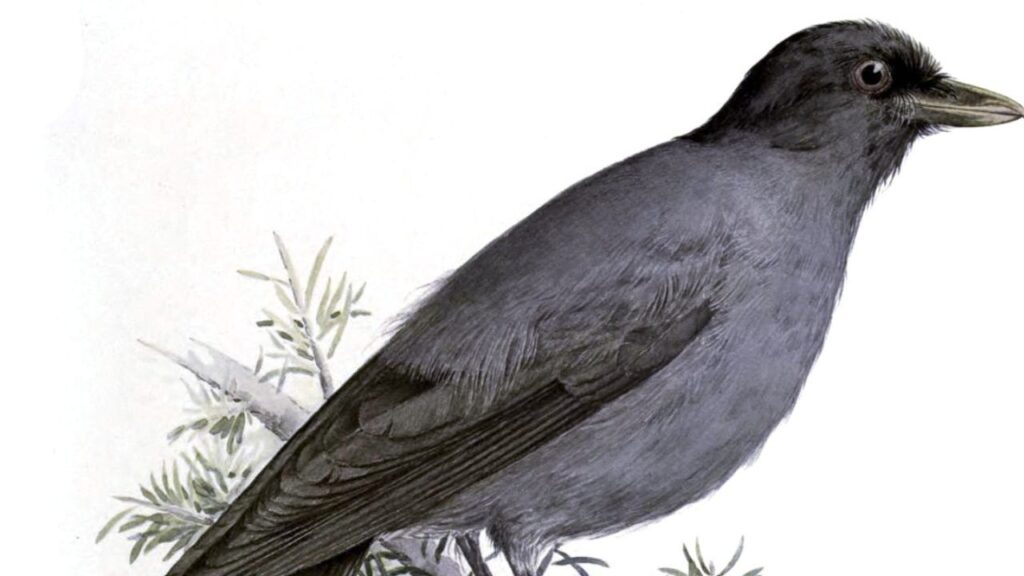
In the dense coniferous forests of western China, the Sichuan jay makes its home. These elusive birds, with their subtle blue-gray plumage and curious nature, navigate the treetops with ease. Endemic to China, they form small, close-knit groups and communicate with a series of complex, melodious calls. They are particularly fascinating due to their use of tools, a rarity among bird species. Spotting a Sichuan jay means witnessing a snapshot of evolutionary wonder amidst the serene backdrop of China’s lush wilderness.
14. Hainan Black-crested Gibbon
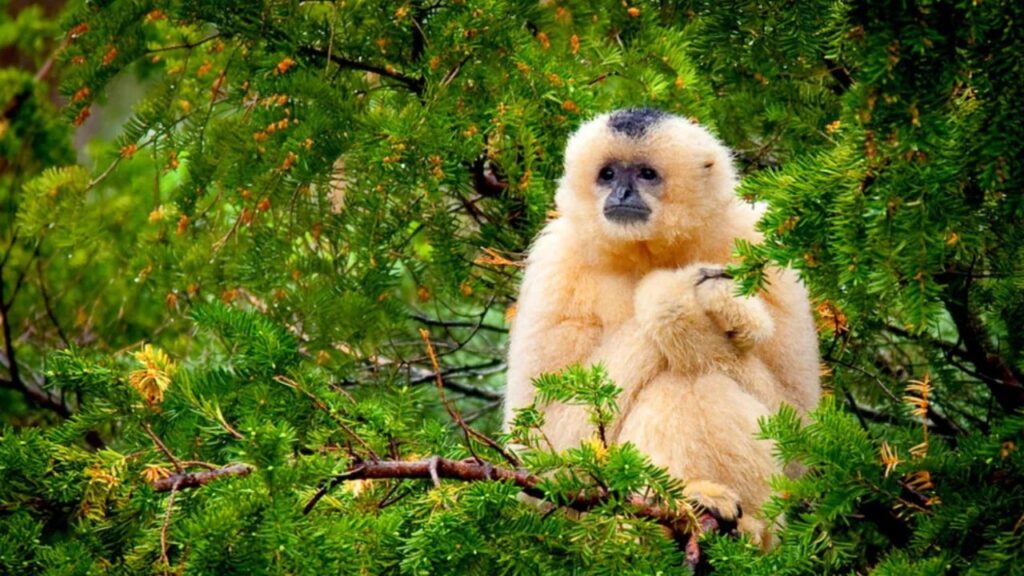
Ever heard the melodic call of the Hainan Black-crested Gibbon? These intriguing primates are among the rarest apes in the world, found exclusively on Hainan Island in China. With their sleek, glossy black fur and distinctive crests, they swing effortlessly through the treetops of their tropical forest home. Due to habitat loss and hunting, their population has dwindled alarmingly, making every sighting a treasured experience for wildlife enthusiasts. Conservationists strive tirelessly to protect and preserve these incredible creatures, ensuring their calls continue to echo through Hainan’s lush landscapes.
15. Chinese Pangolin
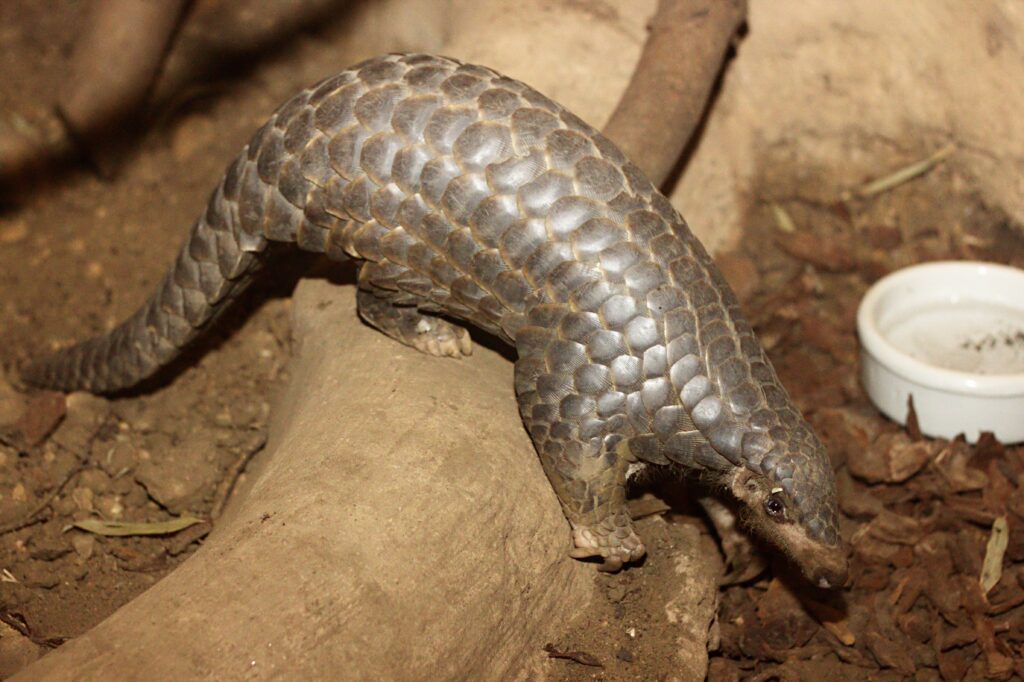
The Chinese Pangolin is a scaly, nocturnal creature that looks like something out of a mythical tale. Covered in protective keratin scales, it curls into a ball when threatened—its primary defense against predators. Native to southern China, these shy mammals forage at night using their long tongues to feast on ants and termites. Sadly, they’re among the most trafficked animals in the world, making wild sightings incredibly rare. Conservation efforts are growing, but the Chinese Pangolin remains an elusive, endangered wonder tucked away in China’s dwindling wild spaces.