
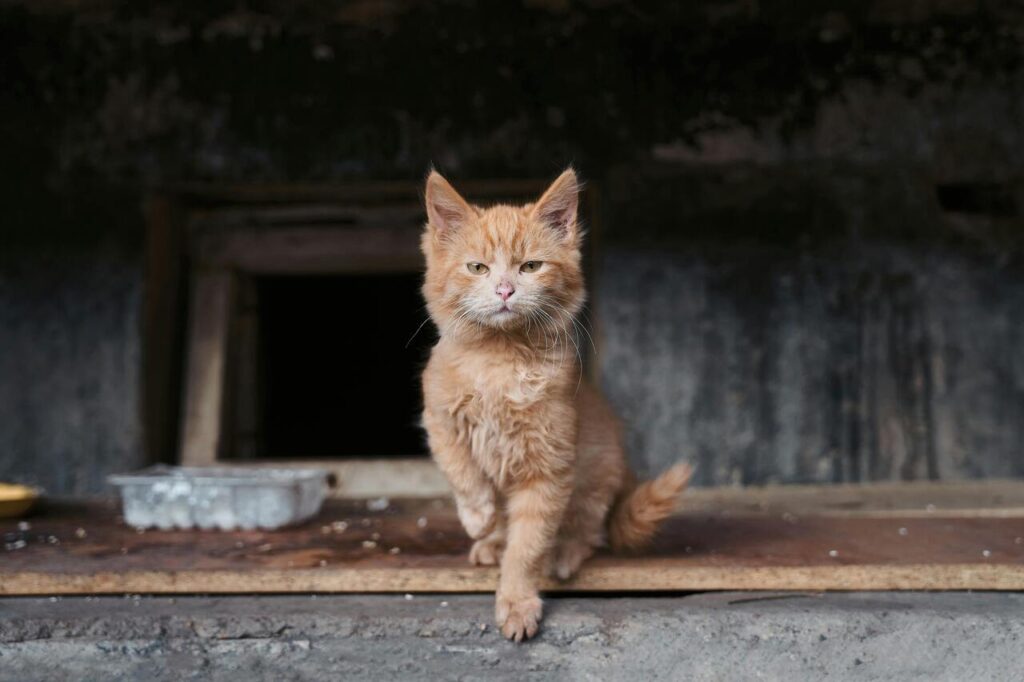
Adopting a stray cat can be one of the most rewarding decisions, offering both companionship and the fulfillment of giving a homeless animal a second chance. However, it comes with significant challenges that require careful consideration. Stray cats often have complex health issues, behavioral concerns, and special care needs that differ from adopting a pet from a shelter. Understanding these fourteen realities in advance can help ensure a smooth transition and a positive experience for both the adopter and the cat.
1. Health Issues
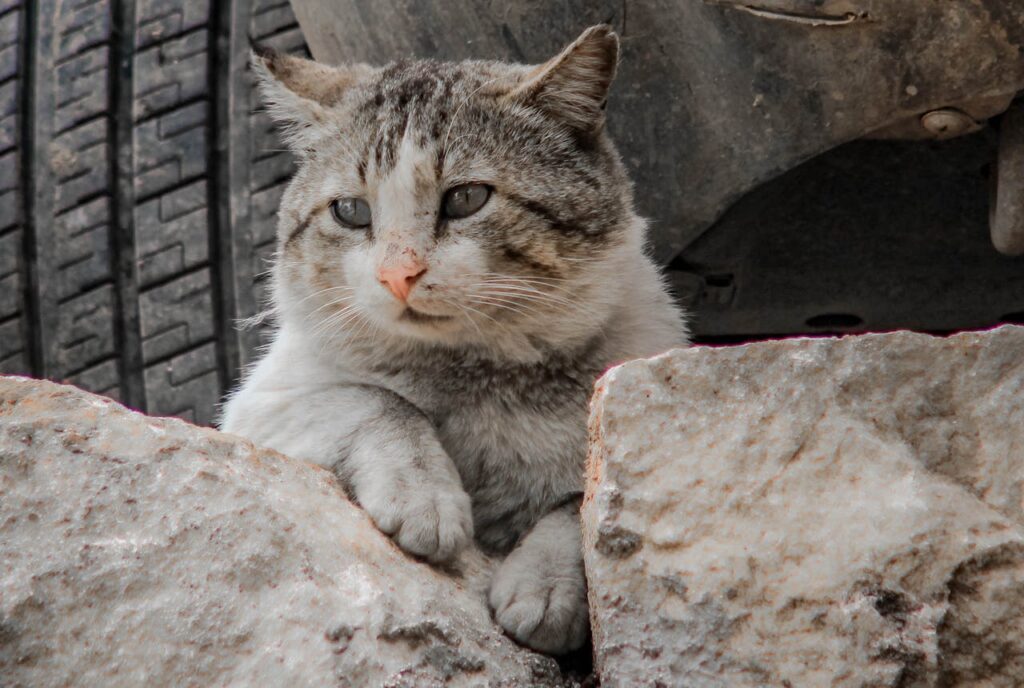
Stray cats often suffer from numerous health problems due to prolonged exposure to the elements, lack of proper nutrition, and untreated injuries. Common ailments include parasites, respiratory infections, fleas, and potential chronic conditions like feline leukemia. Immediate veterinary care is essential to assess their health, administer vaccinations, and provide necessary treatments. Without proper medical attention, these conditions can worsen, leading to long-term complications that require ongoing care and financial commitment from the adopter.
2. Behavioral Challenges

Stray cats have often lived in unpredictable environments, making them wary of human interaction. Many exhibit fear, aggression, or defensive behaviors due to past trauma or neglect. It can take weeks or even months to build trust, requiring patience and consistent positive reinforcement. Using treats, gentle handling, and providing safe spaces can encourage adjustment. However, some strays may never fully embrace human companionship, which can be a challenge for first-time cat owners expecting immediate affection.
3. Financial Considerations

Caring for a stray cat comes with significant financial responsibilities. Beyond the initial vet checkup, expenses include vaccinations, spaying or neutering, flea treatments, and potential emergency care. Food, litter, bedding, and toys add to ongoing costs. Unexpected health issues, such as dental problems or infections, can further strain budgets. Responsible pet ownership requires planning for both routine and emergency expenses, ensuring the cat receives necessary care without financial stress.
4. Time Commitment
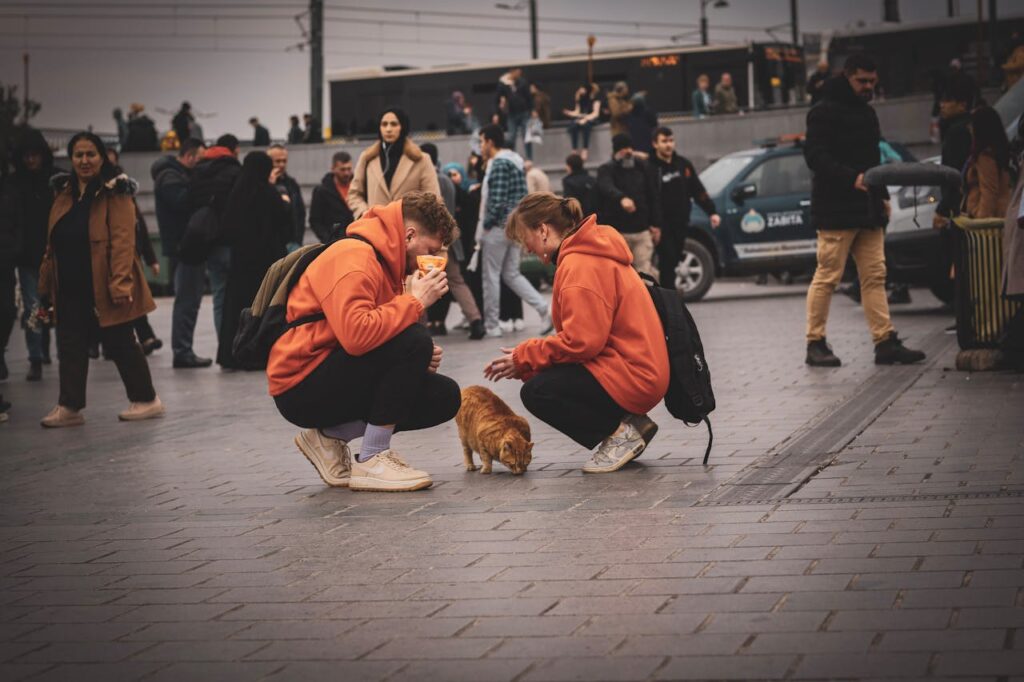
Stray cats require considerable time and effort to adapt to a new home. Unlike domesticated pets, they may take longer to adjust to household routines and human interaction. Daily feeding, litter training, socialization, and veterinary appointments demand a consistent schedule. Building a bond with a stray requires patience, as sudden movements or loud noises may trigger fear. Ensuring they feel secure through routine care and gentle handling can help them transition into a loving companion over time.
5. Potential for Relapse

Even after weeks or months of socialization, some stray cats retain a strong instinct for outdoor living. They may attempt to escape or show signs of distress in confined spaces. If not properly secured, they might return to their original territory or struggle with indoor life. Adopters must provide engaging activities, window perches, and proper stimulation to prevent frustration. Gradual transitions, supervised outdoor access, or enclosed spaces like catios can help meet their needs while ensuring their safety.
6. Legal Restrictions

Certain regions impose strict regulations regarding stray cats. Some municipalities require permits for ownership, while others impose fines for feeding or sheltering unregistered strays. In extreme cases, laws prohibit interactions with feral cats due to ecological concerns. Before adopting, research local laws to ensure compliance. Consulting veterinarians or animal welfare organizations can provide guidance on legal responsibilities, ensuring both the adopter and the cat avoid potential legal complications or penalties.
7. Community Concerns

Neighbors may not always be welcoming of stray cats, especially if the cat has a history of territorial marking, scavenging, or excessive noise. Some people have allergies, fear of cats, or concerns about property damage. If introducing a stray into a shared environment, it is essential to communicate openly with neighbors, provide reassurance, and ensure the cat remains indoors or under supervision. Responsible pet ownership includes addressing concerns to maintain positive relationships within the community while ensuring the cat’s well-being.
8. Overpopulation Issues

The stray cat population grows rapidly due to uncontrolled breeding, leading to more homeless animals struggling to survive. If an adopter takes in a stray without sterilizing it, the problem can worsen. Spaying or neutering prevents further reproduction and helps control stray populations. Additionally, supporting trap-neuter-return (TNR) programs can reduce the number of feral cats while improving their health. By addressing overpopulation responsibly, adopters contribute to long-term solutions rather than unintentionally exacerbating the issue.
9. Impact on Wildlife

Stray cats pose a threat to local wildlife, particularly birds, small mammals, and reptiles. Even well-fed cats retain their hunting instincts, leading to ecological imbalances in areas with fragile ecosystems. Conservationists often raise concerns about the impact of free-roaming cats on biodiversity. Adopters must consider ethical solutions such as keeping their cat indoors, providing enriching toys to satisfy hunting instincts, or using enclosed outdoor spaces like catios to minimize environmental harm while ensuring the cat’s safety.
10. Emotional Attachment
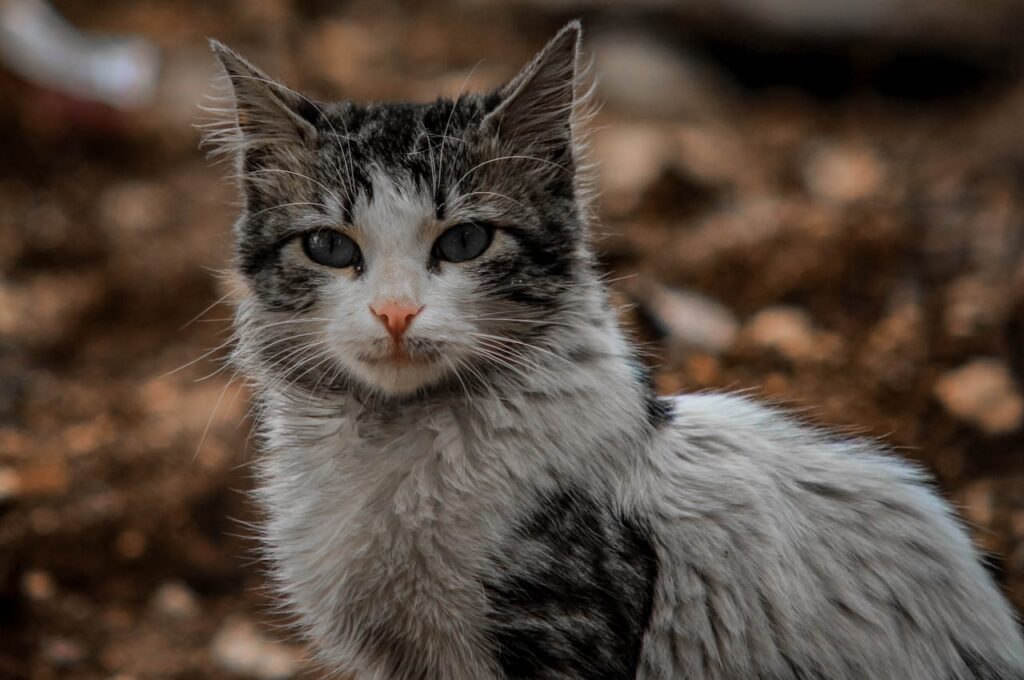
Taking in a stray cat creates a deep emotional bond, but the journey can be filled with challenges. Watching a once-fearful cat gradually trust and accept affection is incredibly rewarding. However, there can be setbacks, such as sudden illness or behavioral regressions, that cause stress and worry. The unpredictability of a stray’s health or temperament means adopters must be emotionally prepared for both joyous milestones and heartbreaking moments. Understanding these realities helps ensure a strong, lifelong commitment to the cat’s well-being.
11. Resource Scarcity
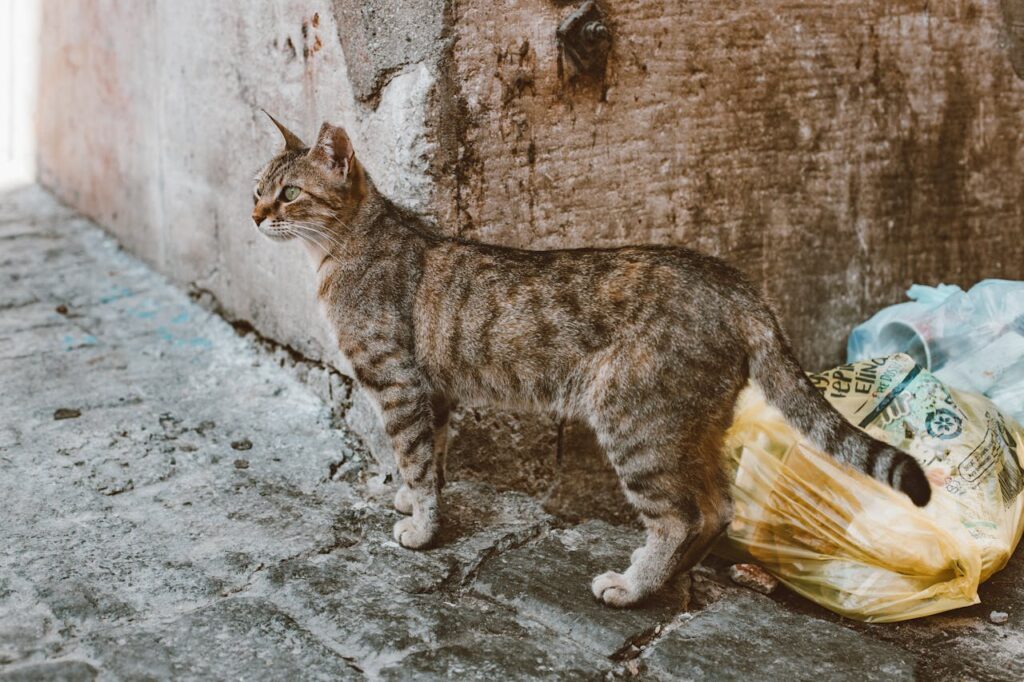
Many animal shelters and rescue organizations operate with limited resources, making it difficult to accommodate every stray. When adopters take in a stray, they might not have access to immediate assistance, medical subsidies, or behavioral training programs. Unlike adopting from a shelter, where some medical care is pre-provided, rescuing independently requires self-reliance. Seeking support from local pet communities, veterinarians, and online resources can help navigate challenges while ensuring the stray receives proper care despite resource limitations.
12. Zoonotic Diseases

Stray cats can carry diseases transmissible to humans, such as ringworm, toxoplasmosis, and cat scratch fever. Proper hygiene, regular handwashing, and routine veterinary care help minimize these risks. Children, elderly individuals, and immunocompromised people should take extra precautions when handling a newly adopted stray. Keeping the cat indoors, following deworming schedules, and maintaining a clean living environment are essential steps in preventing disease transmission and ensuring a safe, healthy coexistence between the cat and its new family.
13. Uncertain Backgrounds
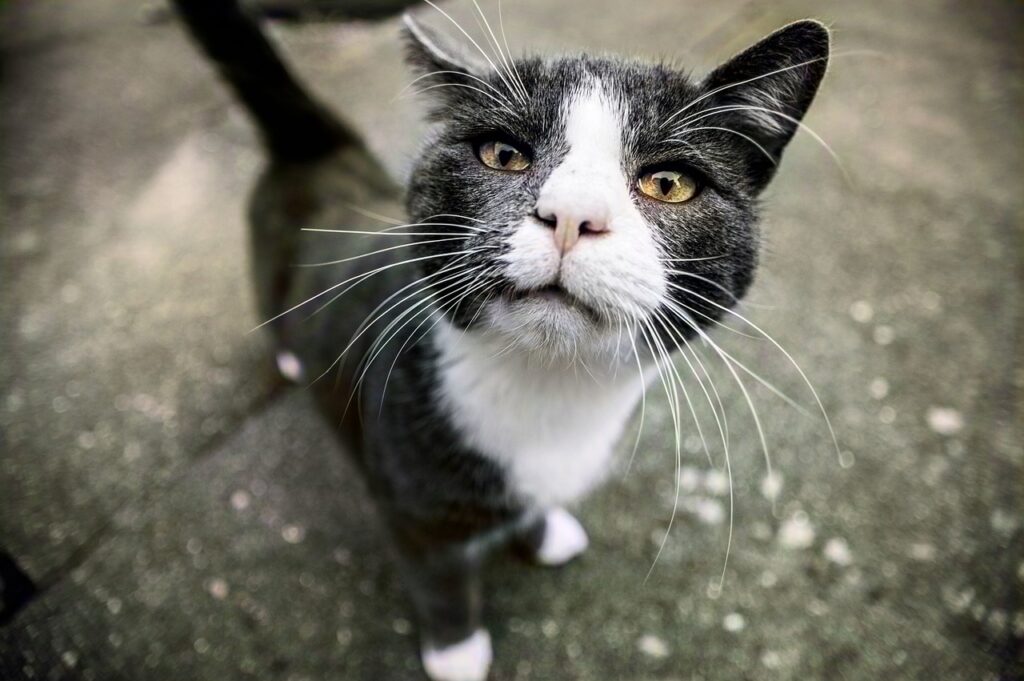
Unlike cats from breeders or shelters with known histories, stray cats come with unknown pasts. They may have been abandoned, abused, or feral since birth. These experiences shape their temperament and behavior, requiring patience and understanding. Some may struggle with trust issues, while others may have latent health problems that surface over time. Being prepared for surprises—both good and bad—helps adopters approach the experience with realistic expectations, ensuring they provide the right level of care and support for their new feline companion.
14. Long-Term Commitment
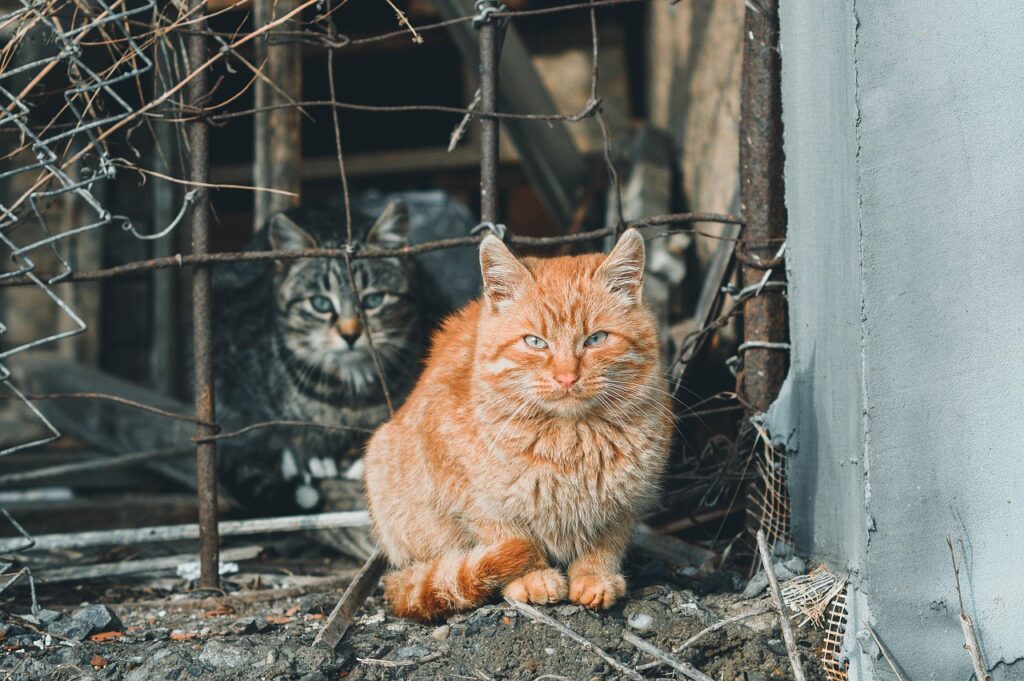
Adopting any pet is a long-term responsibility, but stray cats may require extra care due to their unique histories. With proper love and attention, they can live up to 15-20 years, making adoption a significant commitment. Owners must be prepared for all stages of their life, from energetic kittenhood to senior care. A stray cat is not a temporary guest but a permanent family member who requires patience, medical attention, and unwavering dedication throughout their lifetime to ensure a happy and fulfilling life.
Love Pets as Much as We Do?

Scroll up and click the ‘Follow’ button to stay updated with the latest heart-warming, hilarious, and helpful pet posts from Pawdown, delivered straight to your Microsoft Start feed and MSN homepage!