
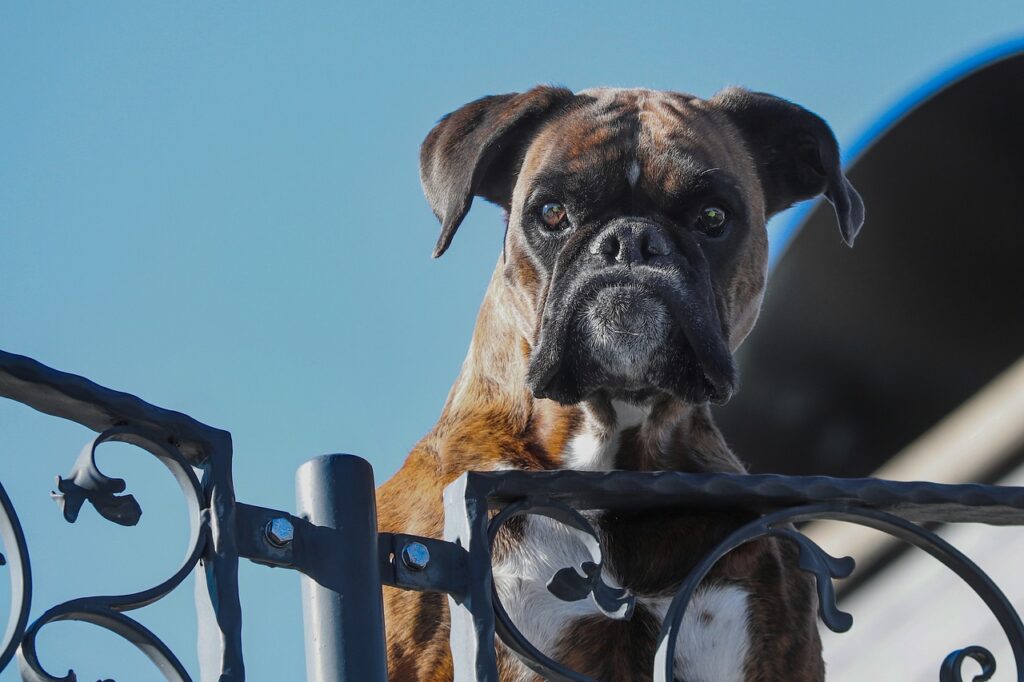
Owning a guard dog might sound like a great way to boost home security, but it’s not as simple as bringing home a tough-looking pup. While they can be excellent protectors, these dogs require significant training, socialization, and commitment. A study highlights that working and guard dogs need consistent reinforcement and structured environments to thrive. If you’re considering getting one, here are some crucial reasons why it might be more challenging than you expect.
1. Guard Dogs Require Intense Training
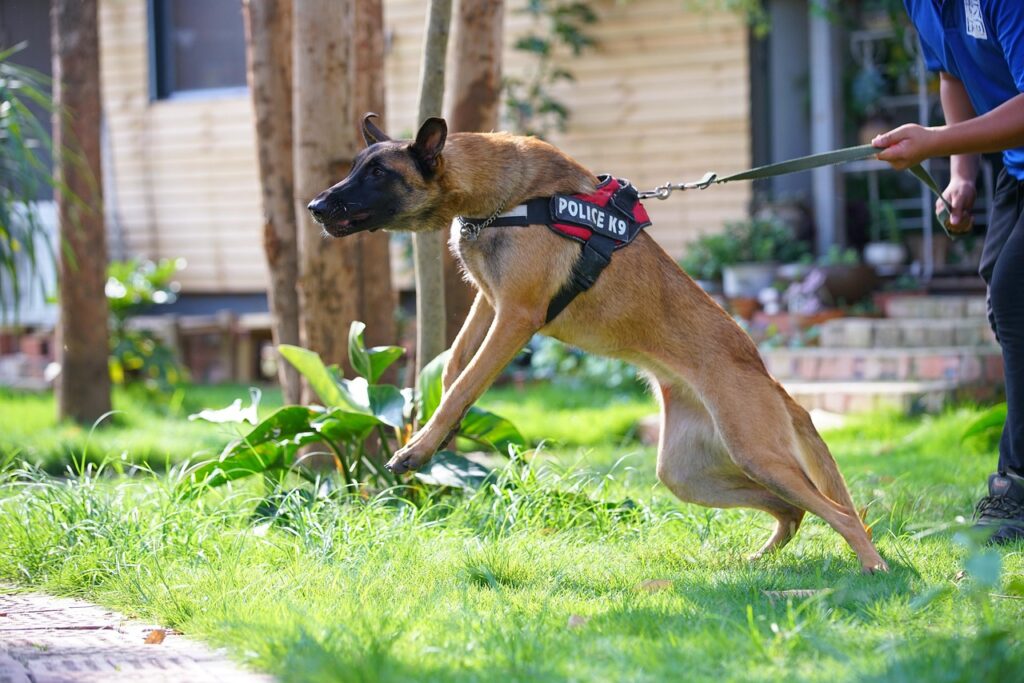
Unlike regular pet dogs, guard dogs must go through rigorous training to be effective yet controlled protectors. They need to learn commands, differentiate between threats and friendly visitors, and remain disciplined at all times. This isn’t just a few weeks of obedience school—many professional trainers spend months or even years refining a guard dog’s skills. Without proper training, they may become overly aggressive or completely ineffective. Training methods must be consistent and structured to ensure the dog responds reliably in high-pressure situations. A poorly trained guard dog can pose a danger not only to intruders but also to its owner and innocent bystanders.
2. Socialization is Critical but Challenging

Guard dogs must be socialized properly from a young age to prevent unnecessary aggression. This means exposing them to different people, animals, and environments while ensuring they don’t develop fear-based reactions. Socialization can be tricky, as these dogs must balance being protective while remaining approachable to non-threatening individuals. If not done correctly, they can become unpredictable, leading to behavioral issues. Early and positive exposure to a variety of settings helps them distinguish between real threats and normal interactions. Owners must carefully manage introductions to prevent overprotectiveness or excessive timidity.
3. They Have Strong Protective Instincts That Can Be Hard to Manage

Unlike typical family pets, guard dogs have strong territorial instincts. While this is beneficial for protection, it can also be a drawback. They may perceive harmless situations as threats, such as a friend dropping by unexpectedly. Without careful supervision, their protective instincts can create dangerous situations, making it difficult to host guests or allow service workers into your home. Proper boundary training is essential to prevent unnecessary aggression toward friends and family members. Teaching them controlled responses ensures they don’t overreact to unfamiliar but non-threatening situations.
4. Some Breeds Are More Prone to Aggression

Not all dogs are suited for guarding, and some breeds have natural tendencies toward aggression if not properly trained. Breeds like Dobermans, Rottweilers, and Belgian Malinois are commonly used as guard dogs due to their intelligence and loyalty, but they also require experienced handlers. If their needs aren’t met, they can become overly dominant or even dangerous.
Genetics play a significant role in temperament, so selecting a breed that matches your experience level is crucial. Even within the same breed, individual dogs may have varying levels of aggression and drive.
5. Guard Dogs Demand Constant Mental and Physical Stimulation

Having a guard dog means committing to keeping them physically active and mentally engaged. These dogs aren’t content with a simple walk around the block—they need structured play, training sessions, and sometimes even specialized tasks to keep their minds sharp. Without enough stimulation, they can develop destructive behaviors or become difficult to manage.
Activities like scent work, agility training, or protection sports can help channel their energy productively. A bored guard dog may resort to excessive barking, chewing, or even aggressive tendencies.
6. They Can Be Expensive to Own

From professional training to high-quality food, medical care, and necessary equipment like harnesses and muzzles, owning a guard dog can be costly. Many people underestimate the financial commitment required to keep them healthy, well-trained, and properly managed. Skimping on any of these aspects can result in a poorly trained or unhealthy dog, which defeats the purpose of having a guard dog in the first place. Potential owners should budget for emergency vet care and continued training costs to maintain their dog’s effectiveness. The initial purchase price is just a fraction of the long-term expenses involved in responsible ownership.
7. Liability Issues and Legal Restrictions

Some areas have strict regulations on owning certain guard dog breeds. You might need special permits, and in some cases, homeowners’ insurance premiums can increase significantly if you have a breed deemed “dangerous.” Additionally, if your dog ever bites someone—even in a protective situation—you could face legal consequences. Researching local laws before acquiring a guard dog can help prevent unexpected legal troubles. Responsible ownership includes liability insurance and compliance with all relevant regulations.
8. They May Not Always Be Suitable for Families

Many guard dogs are incredibly loyal to their owners but may not be as tolerant of children or unfamiliar guests. If you have a busy household with lots of visitors, a guard dog might not be the best choice. Some breeds can coexist well with families, but their training and temperament must be carefully managed to prevent any unintended aggression. Children should be taught how to interact safely with a guard dog to avoid triggering defensive reactions. Supervision is essential, especially in households with young kids or multiple pets.
9. Guard Dogs Need a Confident and Experienced Handler

A guard dog will naturally take charge if they sense their owner is not in control. This means they need an assertive and experienced handler who understands canine behavior and body language. If the owner lacks confidence or training knowledge, the dog might not respond properly to commands, leading to potential safety issues. Regular handling practice and reinforcement of commands help establish a strong leader-dog relationship. Inconsistent leadership can lead to confusion, defiance, and unpredictable behavior.
10. They Require Ongoing Training and Reinforcement
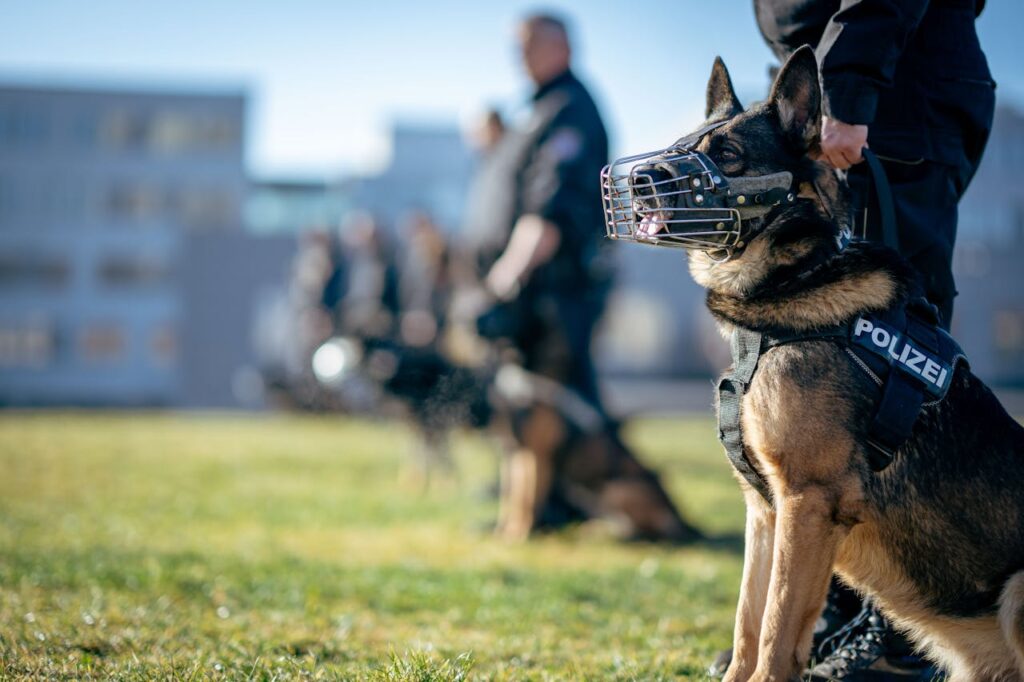
Training a guard dog isn’t a one-time effort—it’s a lifelong commitment. Even after they’ve completed their initial training, regular reinforcement is needed to maintain their skills. Without ongoing training, a guard dog can lose discipline and revert to undesirable behaviors, making them less reliable when it matters most. Handlers must stay updated on training techniques and adapt to the dog’s evolving needs over time. A well-maintained training routine ensures the dog remains reliable and responsive in any situation.
11. Some Guard Dogs Struggle to Differentiate Between Real and Perceived Threats

A well-trained guard dog should be able to assess threats accurately, but that’s not always the case. Some dogs may react aggressively to loud noises, sudden movements, or unfamiliar faces, even when there’s no real danger. This can make everyday situations, like having guests over or going for a walk, more stressful than expected. In extreme cases, this heightened reactivity can lead to unnecessary confrontations, putting both the dog and others at risk. Proper desensitization training can help mitigate these issues, but it requires patience and consistency.
12. They May Become Overprotective

While having a protective dog sounds reassuring, there’s a fine line between being protective and being possessive. Some guard dogs can become overly attached to one person and react negatively when anyone else gets too close. This can make it difficult to introduce new people or even have friends and family around without extra precautions. If left unchecked, this behavior can escalate to resource guarding, where the dog aggressively defends their owner as if they were property. Establishing clear boundaries through training and socialization is crucial to preventing this issue.
13. Guard Dogs Need a Secure Environment
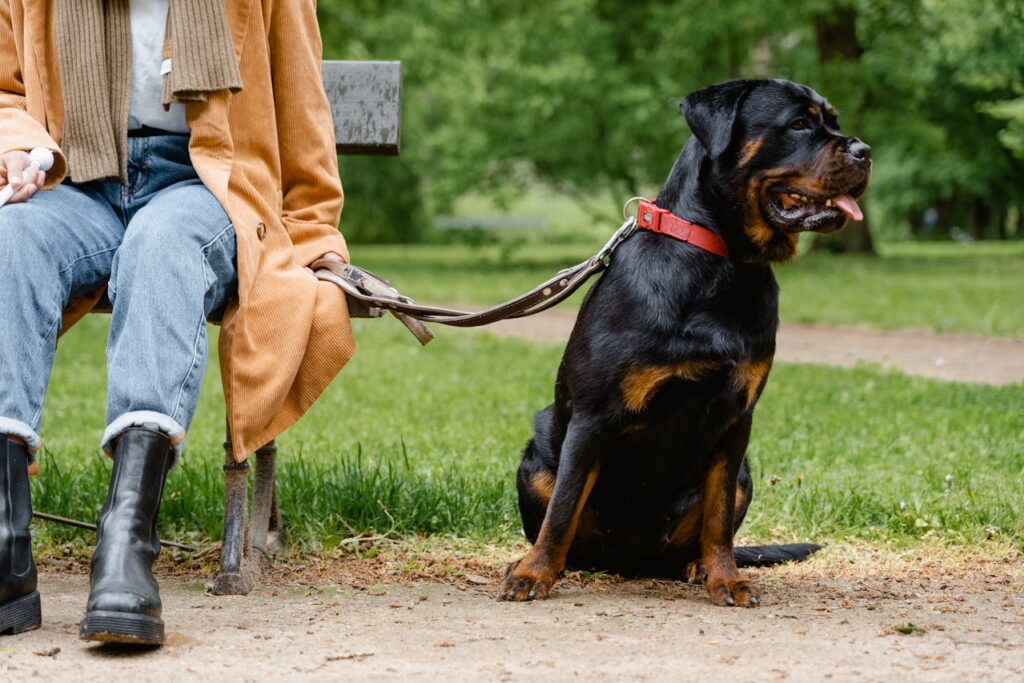
Since these dogs are naturally territorial, they require a well-secured environment to prevent them from escaping or attacking perceived threats. This means strong fencing, locked gates, and sometimes even additional safety measures like warning signs. Without these precautions, there’s a risk of the dog injuring someone or getting into trouble. Even within a secure space, regular supervision is necessary, as some guard dogs may attempt to dig under fences or jump over barriers if they sense a threat beyond their territory. Investing in proper containment measures ensures safety for both the dog and the community.
14. Not All Guard Dogs Make Good Pets
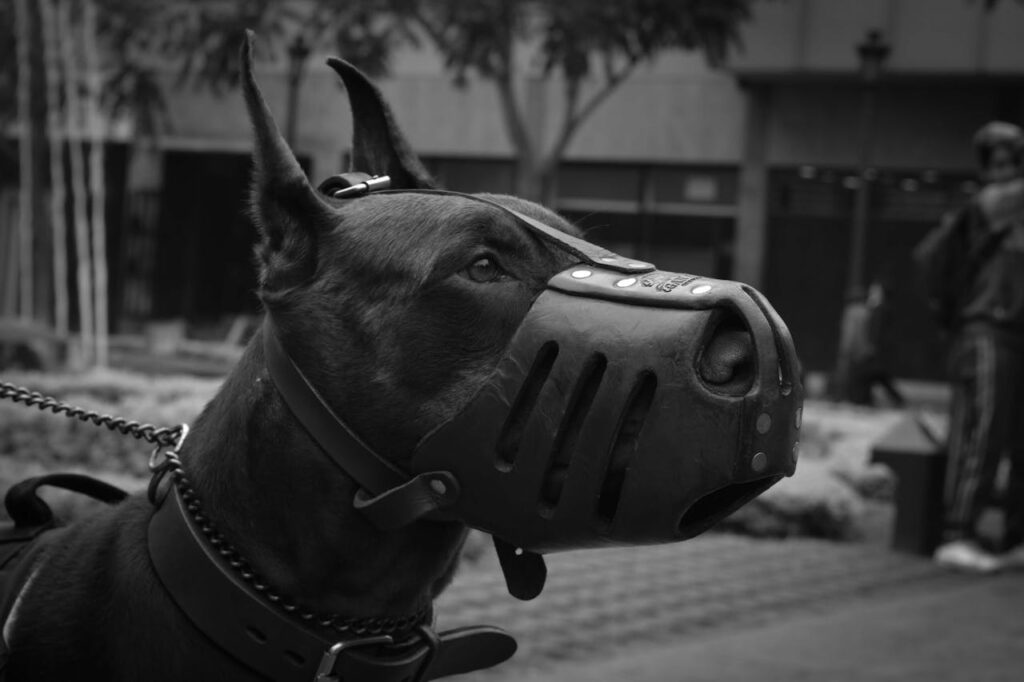
While some guard dogs can double as family pets, many are strictly working dogs that don’t enjoy typical pet behaviors like cuddling or playing fetch. Their primary instinct is to protect, not to entertain or seek affection. If you’re looking for a dog that will be both a companion and a protector, you’ll need to choose the right breed and invest heavily in training and socialization. Some breeds, like the German Shepherd, can balance companionship with guarding instincts, while others may struggle to adapt to a home environment. Understanding a breed’s temperament before bringing one home can prevent disappointment and potential behavioral challenges.
Love Pets as Much as We Do?

Scroll up and click the ‘Follow’ button to stay updated with the latest heart-warming, hilarious, and helpful pet posts from Pawdown, delivered straight to your Microsoft Start feed and MSN homepage!