
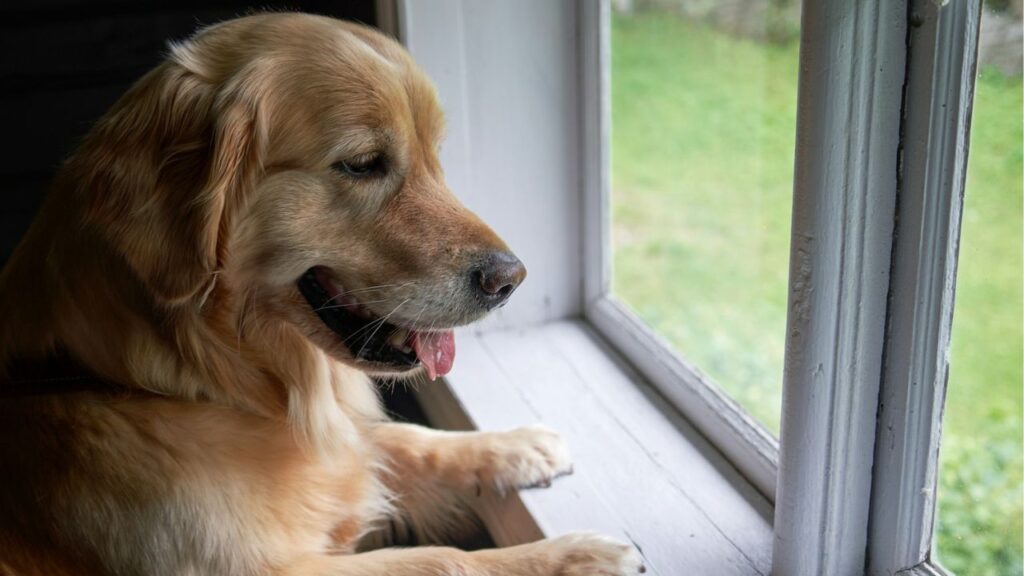
Expecting visitors can be exciting yet challenging when you’re a dog owner. How will your furry friend react? Will they jump with joy or be overwhelmed by new faces? Managing your dog’s behavior requires some strategic planning, ensuring a harmonious environment for both your guests and your dog. Let’s explore 14 smart tips that can transform your dog’s visitor etiquette from chaos to calm.
1. Know Your Dog’s Interactions
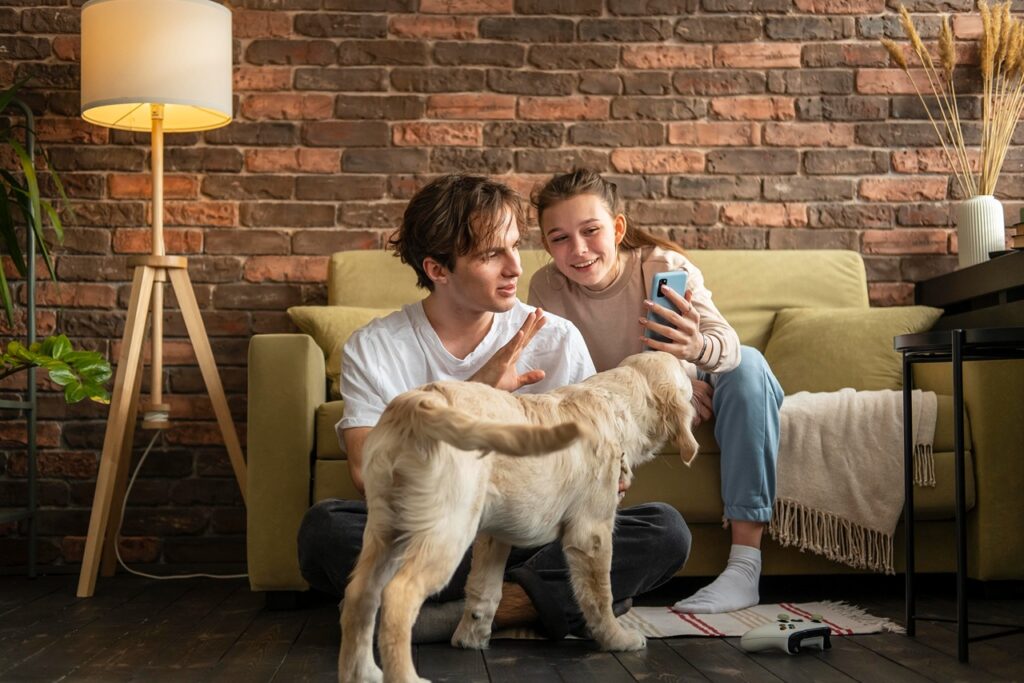
Understanding your dog’s typical reaction to strangers is crucial. Some dogs are social butterflies, while others prefer their own space. Knowing these traits helps you anticipate reactions and prepare accordingly. Observe how your dog behaves during walks or vet visits. Is their tail wagging or are they more reserved? Identifying these patterns can help you create a visitor-friendly atmosphere for everyone involved.
2. Prepare Your Home
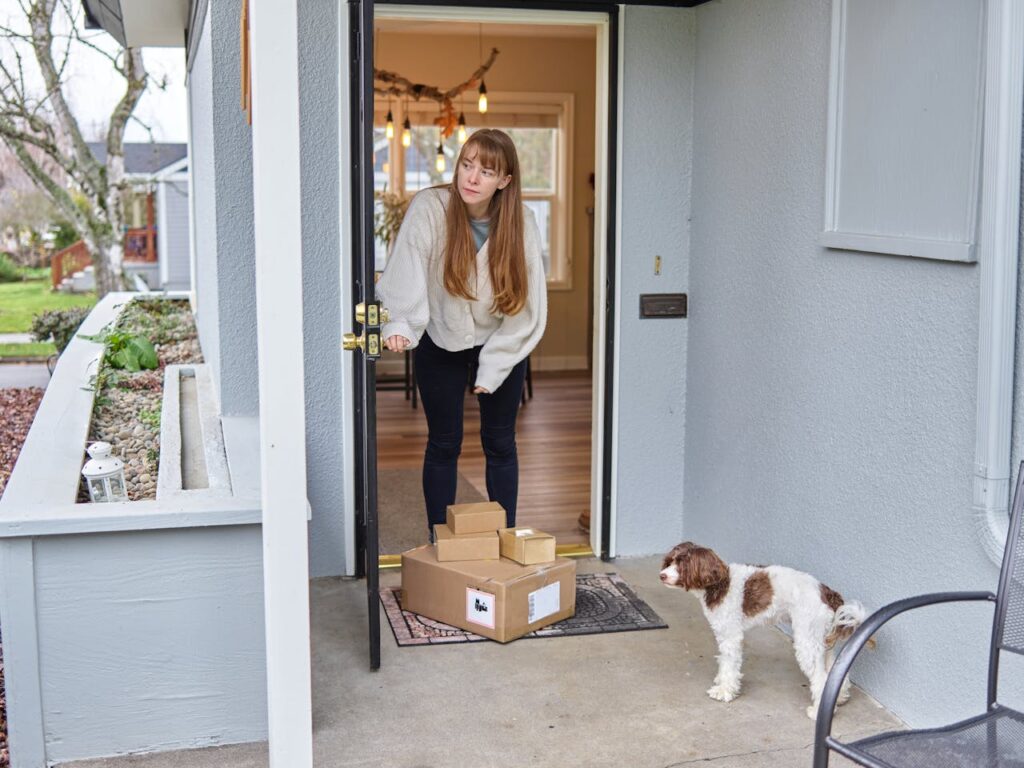
A serene environment sets the stage for a peaceful interaction. Before guests arrive, ensure your home is dog-proofed, especially if young children are visiting. Keep chewable items and favorite dog toys out of reach to prevent chaos. Set up a dedicated space where your dog can retreat and relax. This sanctuary can be a cozy corner with their bed, providing comfort and security amid the hustle and bustle.
3. Set Boundaries
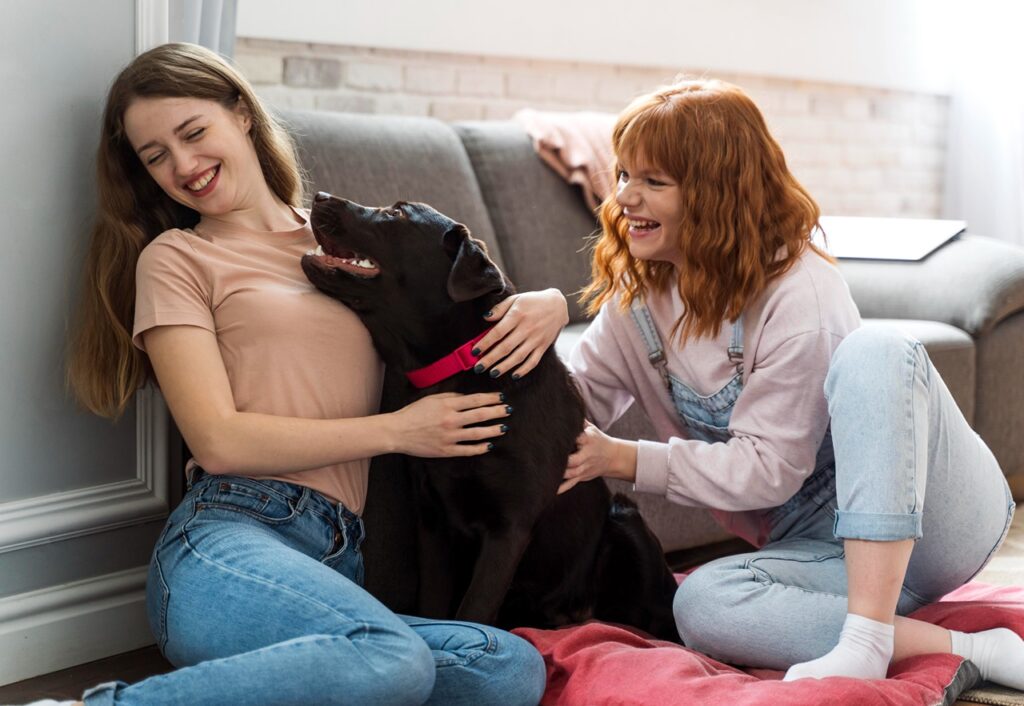
Clear boundaries can make all the difference. Decide where your dog can and cannot go when visitors arrive. If needed, use baby gates or closed doors to restrict areas. Communication is key; inform your guests of these boundaries so they follow suit. This structure not only prevents unwanted behavior but also delivers a sense of order, allowing everyone to enjoy the gathering without stress.
4. Exercise Before Guests Arrive
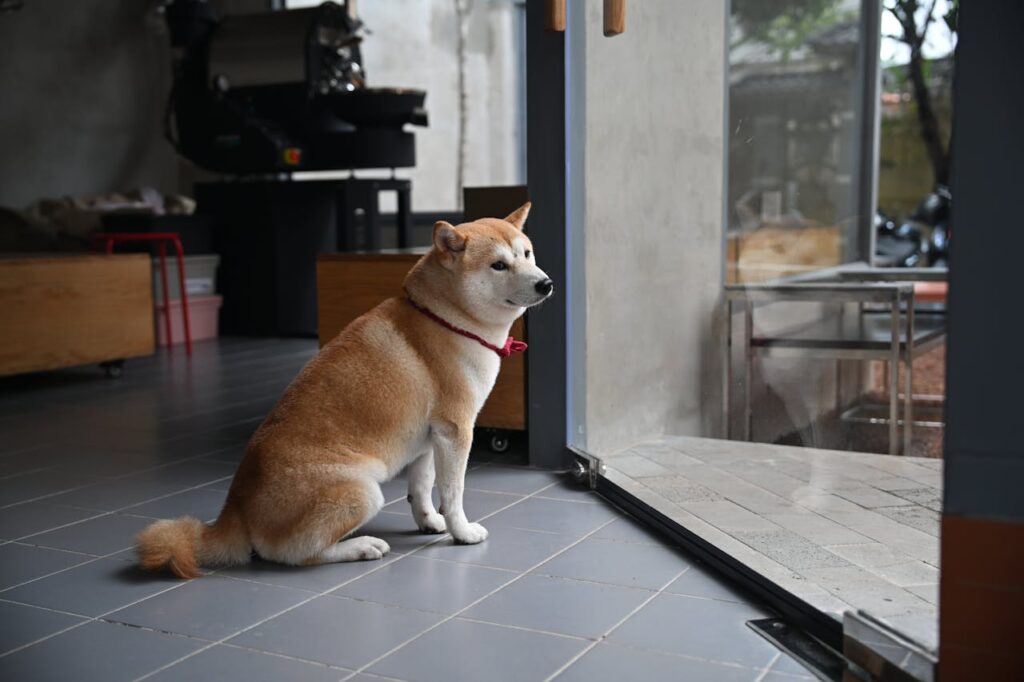
Burning off excess energy before the doorbell rings can lead to a calmer dog. A long walk or an intense play session does wonders. The goal is to tire them out enough that their excitement levels drop. An exercised dog is less likely to greet guests with boundless energy and more likely to display their best, relaxed self. Plus, it’s an excellent bonding opportunity for you and your furry friend.
5. Use Positive Reinforcement
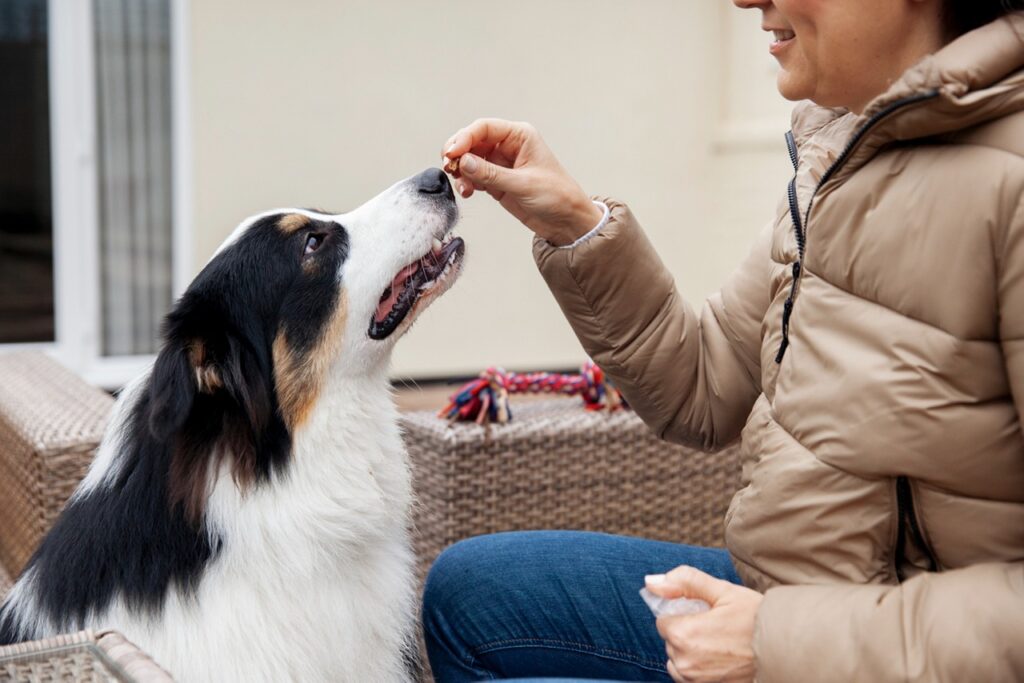
Training a dog using positive reinforcement transforms those chaotic visitor moments into joyful encounters. Rewarding your furry friend with treats and praise for good behavior encourages them to associate guests with positive experiences. This method not only improves behavior but also strengthens your bond. Dogs are social animals and love to please, so whether they’re greeting grandma or meeting a mail carrier for the first time, these rewards help them focus on calm and friendly interactions. It’s a win-win: happy dog, relaxed guests.
6. Communicate with Visitors
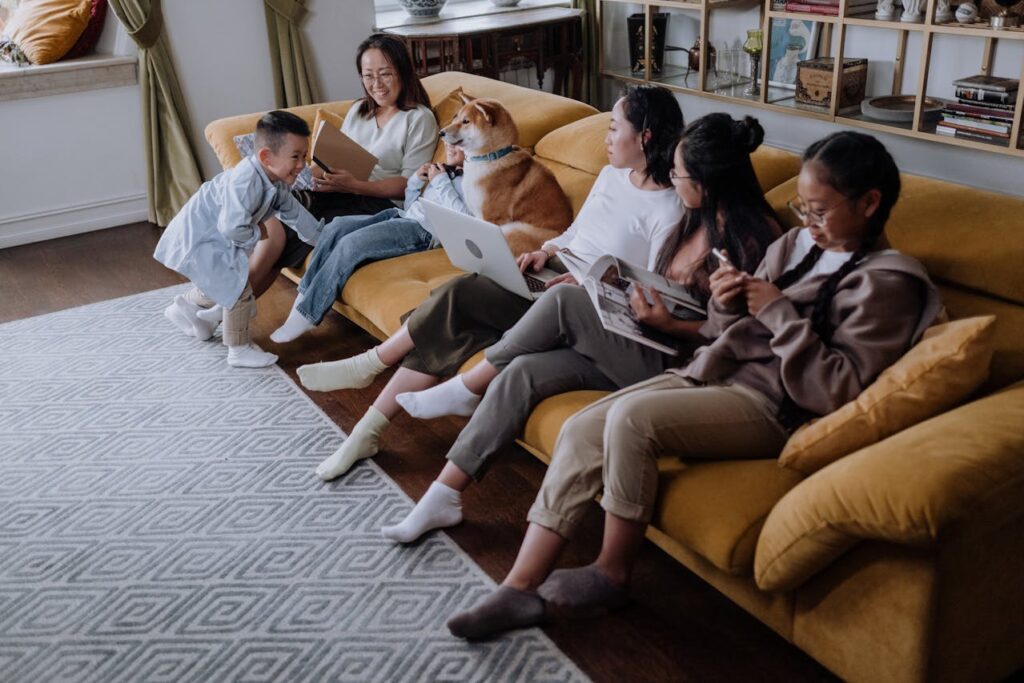
Before visitors arrive, it’s helpful to brief them on how to interact with your dog. Explaining your pup’s quirks or boundaries ensures everyone is on the same page. Let them know if your dog likes a gentle scratch behind the ears or if they’d prefer some space initially. By establishing clear communication, you help guests contribute to a harmonious encounter. This mutual understanding creates a welcoming environment for your visitors and reassures your furry companion that their home is still a safe and friendly place.
7. Provide a Safe Space

Every dog needs a sanctuary—a spot where they feel secure when things get too overwhelming. Designating a quiet, comfortable area allows them to retreat and recharge. This could be their bed in a quiet room or a special corner with their favorite toys. Having a safe space is especially beneficial for shy or anxious dogs, providing them an escape from the hustle and bustle of guests. It’s like giving them a small retreat where they can observe the action from a distance, ensuring they stay relaxed and content.
8. Manage Excitement Levels
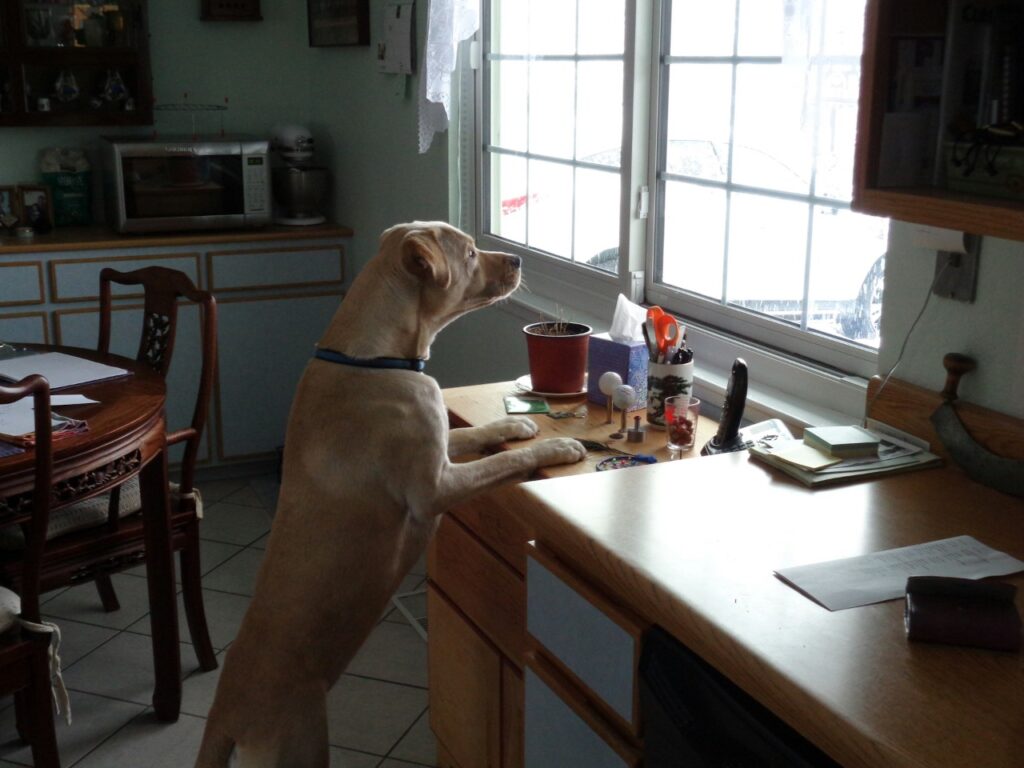
Dogs can get overly excited with new faces around, and while enthusiasm is charming, it can also lead to hyperactive behaviors. Before your guests arrive, a brisk walk or a play session can help expend excess energy. Encourage calmness with soothing commands or distractions such as a chew toy. Keeping excitement in check ensures that your pup can greet visitors warmly without jumping or barking excessively. This not only makes the visit more enjoyable for everyone but also reinforces good manners in your canine companion.
9. Ensuring a Smooth Visit
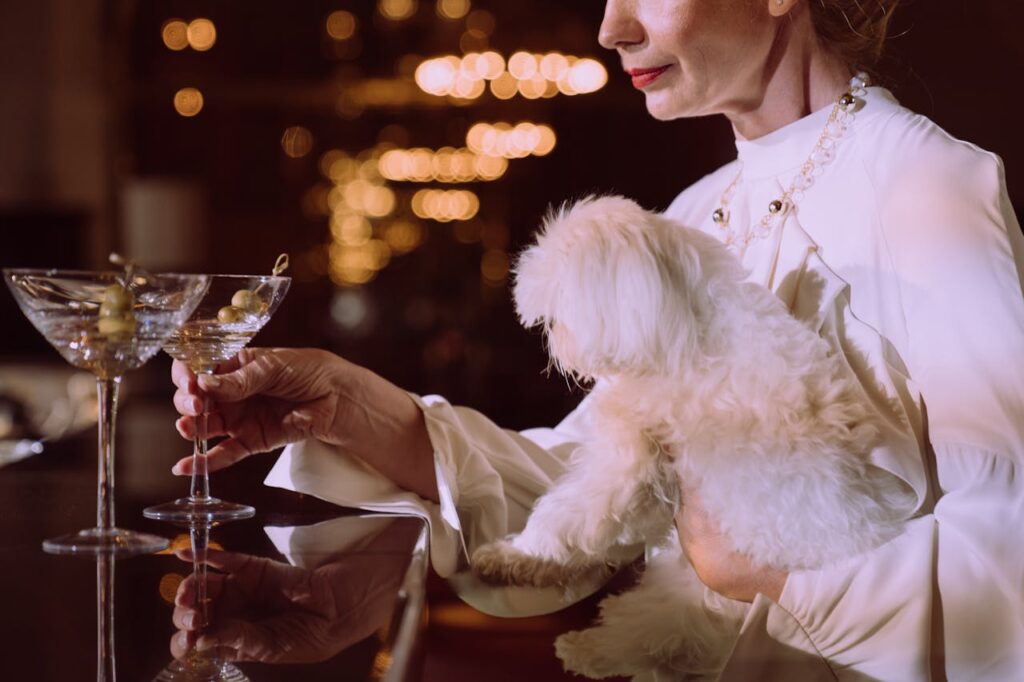
Creating a peaceful visit for both dog and guest involves a bit of planning and understanding. Keep larger dogs on a leash initially if necessary, and remind children to be respectful. Monitor your dog’s body language to quickly address any discomfort. Encourage small groups of guests to interact with your dog to prevent overwhelm. With these thoughtful preparations, you ensure an enjoyable experience that respects everyone’s comfort. Your attention to detail turns a potentially chaotic visit into a memorable gathering for humans and hounds alike.
10. Recognize Stress Signs
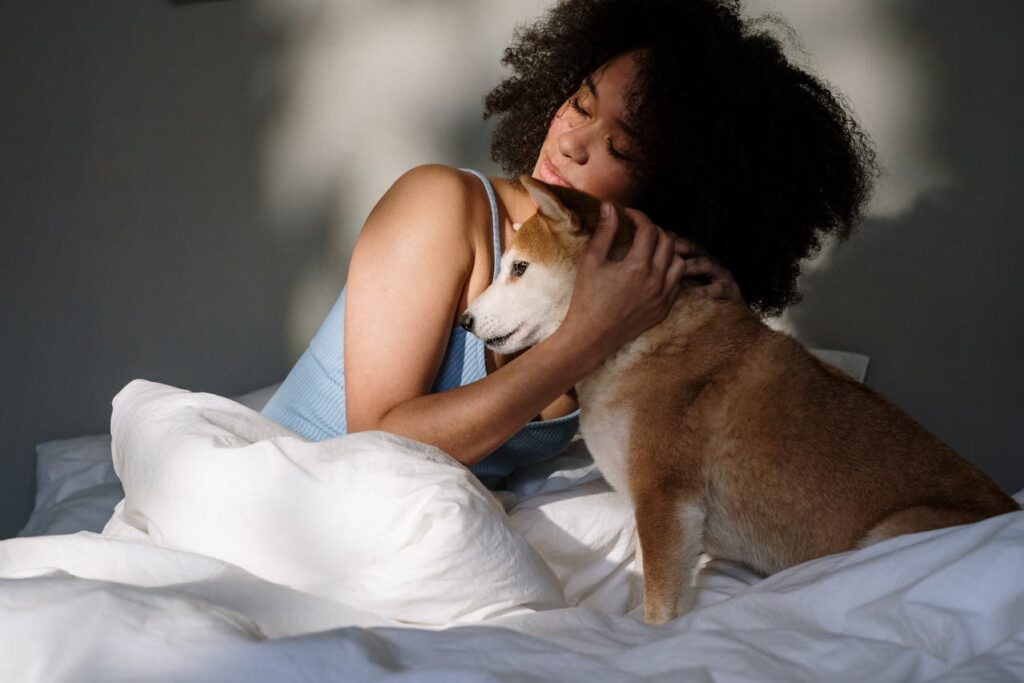
Dogs communicate through body language, and understanding these cues can make all the difference when guests arrive. Look out for signs like tail tucking, lip licking, or yawning, which might show stress. Acknowledge these signals and act accordingly to ensure your pet stays calm and comfortable. Knowing the signs can help prevent any potential mishaps and keep both your guests and furry friend happy. After all, a relaxed pooch makes for a better host and a more enjoyable visit for everyone involved.
11. Control First Contact
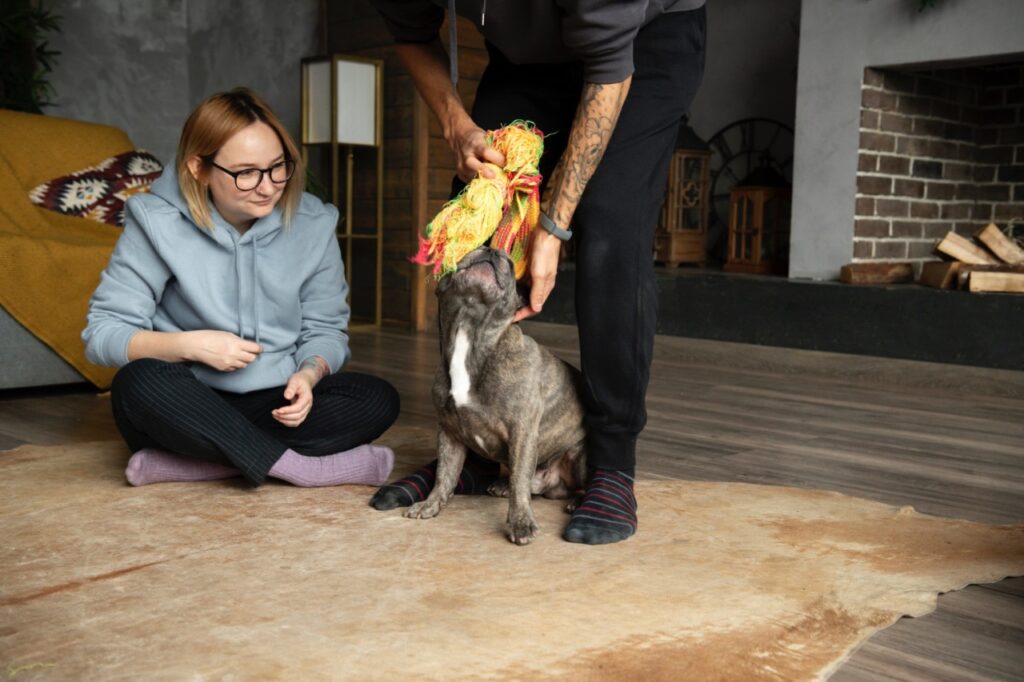
Introducing your dog to new faces can be overwhelming for them. To ensure a smooth first meeting, keep the initial interaction calm and controlled. Allow your dog to approach on their own terms, sniffing and engaging at their pace. Remind guests not to force contact, as this can lead to anxiety or even a negative reaction. Patience is key here, and a gentle introduction can set the stage for a positive experience, easing any worries from both sides.
12. Maintain Routine

Dogs thrive on routine, so sticking to their regular schedule can be a soothing anchor amidst the chaos of visitors. Whether it’s feeding times, walks, or play sessions, consistency is comforting. Try to maintain your dog’s daily habits even with guests around. This stability helps reassure them that everything is normal, reducing stress and promoting calm behavior. Keeping their world predictable is a simple yet effective way to ensure harmony during visits.
13. Have a Backup Plan

Sometimes, despite the best preparations, things might not go as planned. Having a backup plan can save the day. Designate a quiet, comfortable space where your dog can retreat if they feel overwhelmed or anxious. This safe haven should include familiar items like their bed or toys. Let them settle at their own pace, ensuring they have a peaceful escape route. Being prepared for unpredictabilities ensures the safety and happiness of your dog and your visitors alike.
14. Reward Calm Behavior After the Visit
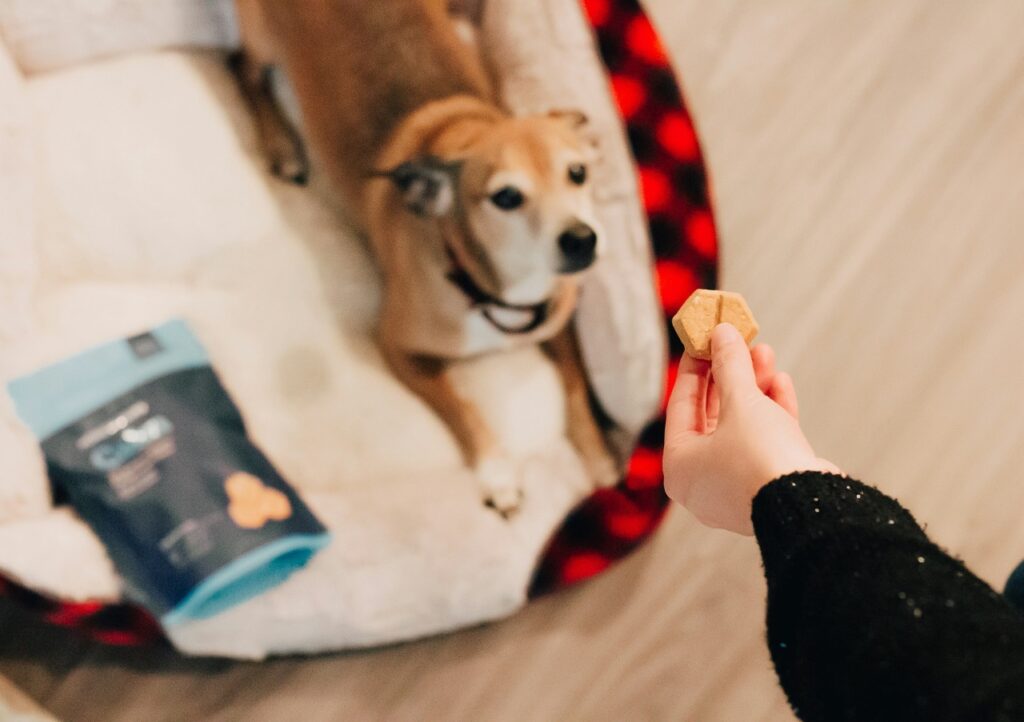
Once your guests have left, take a moment to reward your dog for their good behavior. Whether they stayed calm, respected boundaries, or used their safe space effectively, acknowledging this helps reinforce positive habits. Offer a favorite treat, a belly rub, or a peaceful walk to wind down. This not only helps your dog associate visitors with good outcomes but also transitions them back into their normal routine. Celebrating the small victories reinforces their training and builds confidence for the next time the doorbell rings.