
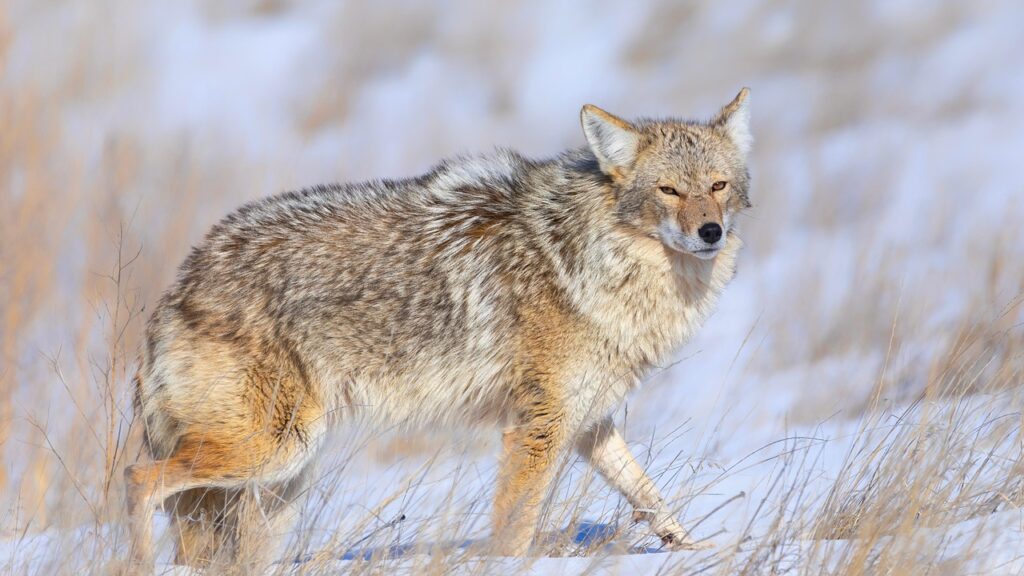
Exploring the great outdoors is one of the joys of having pets, but lurking dangers like coyotes and snakes can put a damper on their adventures. Pet owners often face the challenge of balancing freedom and safety. Luckily, there are smart and effective ways to keep those sneaky intruders at bay. Whether it’s installing protective measures or adding a little tech to the mix, these strategies will help you create a safe haven for your furry friends. Here’s how you can ensure the safety of your beloved companions without compromising on their outdoor fun.
1. Install Fencing

A secure fence is your first line of defense against unwanted visitors like coyotes. Ideally, opt for a fence that’s at least six feet tall with a top that’s angled outwards to prevent nimble coyotes from scaling it. Consider adding a buried mesh skirt extending a few feet underground to deter digging. For those dealing with snakes, fine mesh can keep them from slipping through. Remember, gaps or weaknesses are invitations to clever critters, so ensure everything is snug and secure. This investment not only keeps predators out but also gives your pets a safe boundary to enjoy their explorations.
2. Use Motion-Activated Lights
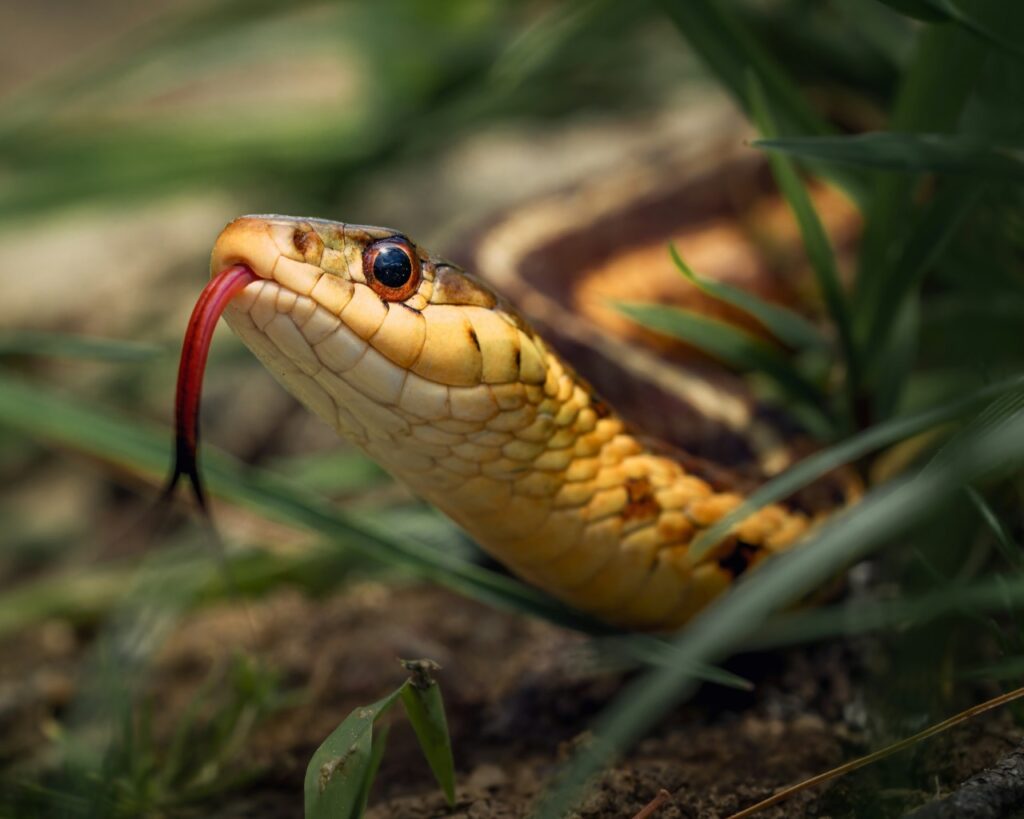
Coyotes and snakes are often nocturnal and skittish of sudden changes in their environment. Installing motion-activated lights around your yard can be a game-changer. These lights can startle away many would-be intruders, creating a security perimeter that embraces both light and motion. Choose solar-powered options for an eco-friendly glow that turns on when needed. Not only do these lights provide safety, but they also illuminate potential threats, allowing you or your pet to see clearly during nighttime bathroom breaks. This simple addition keeps your yard lit, deterring predators with a burst of unexpected brightness.
3. Clear Landscaping

Thick brush and overgrown plants offer excellent hiding spots for snakes and sneaky ambush points for coyotes. Keeping your yard tidy is essential in minimizing these threats. Regularly trim bushes, mow the lawn, and clear away any piles of debris. This maintenance won’t just keep your yard looking its best, it will also take away potential homes for snakes and reduce hiding spots for coyotes. By reducing cover, you create an environment that’s less attractive to these predators, making your outdoor space a less friendly place for danger and a more welcoming one for your pets.
4. Supervise Outdoor Time
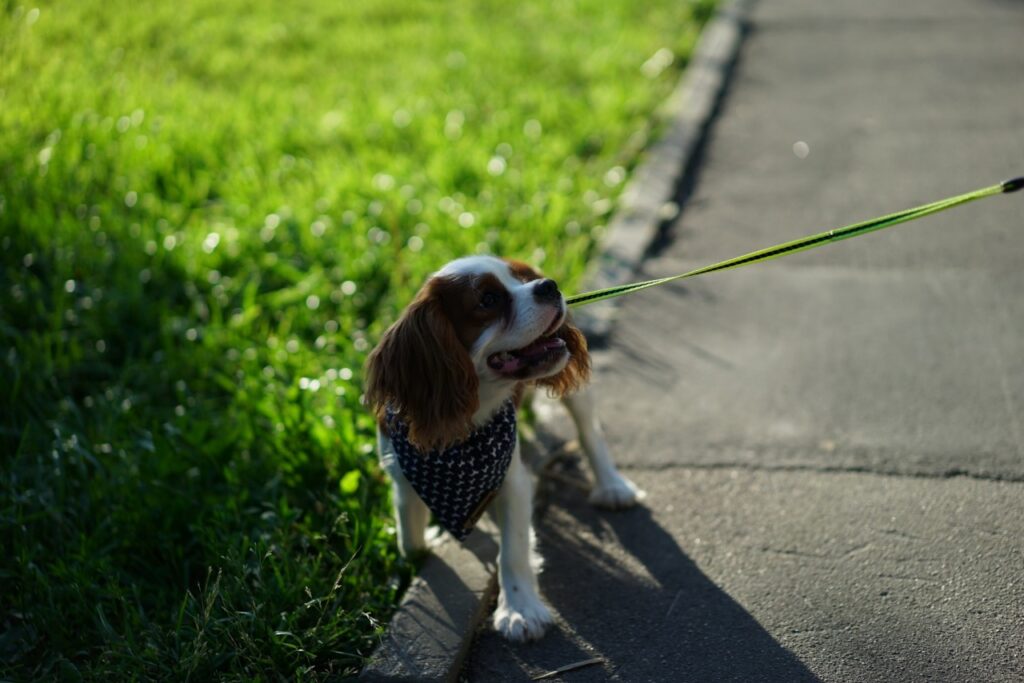
While barriers and deterrents are helpful, nothing compares to your watchful eye. Supervising your pet’s outdoor activities allows you to intervene should an unpredictable situation arise. Keep play sessions within a safe perimeter and stay attentive to signs of lurking predators. Having a whistle or a loud noise maker handy can help scare off coyotes if you spot one nearby. Always be aware of the area and act quickly—your presence is often enough to deter most wildlife. Taking the time to accompany your pet can prevent accidents, creating an environment where they can safely enjoy their playtime.
5. Secure Garbage and Food

Coyotes and snakes are opportunistic feeders, drawn to easy meals around your home. Securing trash cans with tight lids and locking mechanisms can prevent curious critters from taking a peek inside. Don’t leave pet food outside; it’s an open invitation to hungry visitors. Instead, try feeding your pets indoors and promptly cleaning up any leftover morsels. Keeping food and garbage inaccessible not only deters coyotes and snakes but also ensures your yard remains a less interesting target for other wild animals seeking a midnight snack.
6. Use Coyote Repellents

There are high-tech and natural solutions to deter coyotes. Motion-activated lights and sprinklers startle and discourage them from getting cozy in your yard. Commercial repellents can also be effective; these products often contain ingredients like predator urine or strong scents that coyotes find unpleasant. Alternatively, you can DIY a repellent using hot pepper or vinegar. Apply these around the perimeter of your property to create an invisible fence that coyotes will think twice before crossing, ensuring your pets can roam freely without unexpected encounters.
7. Train Your Pets

Training is your frontline defense in ensuring pet safety. Teaching dogs to come when called can prevent them from wandering too far, where dangers may lurk. Engage in basic obedience training with your pets and practice regularly. For cats, keep them indoors during dawn and dusk when predators are more active. If your pets frequently play outdoors, consider supervised playtime. Training ensures that your pets understand and listen to your commands, enhancing their safety while allowing you to maintain control and communicate effectively during potential encounters.
8. Create a Snake-Free Zone

Transform your yard into a snake-unfriendly zone with simple landscaping tricks. Keep your grass trimmed and clear piles of debris or rock formations, as these are prime hiding spots for snakes. Install snake-proof fencing, and ensure it’s buried a few inches underground to prevent sneaky slithers from getting through. Planting marigolds or lemongrass around the edges of your property might also deter snakes; they dislike the scent. These actions not only protect your pets but also create a yard that’s less hospitable to uninvited guests, allowing your furry friends to enjoy the outdoors safely.
9. Install Snake-Proof Fencing
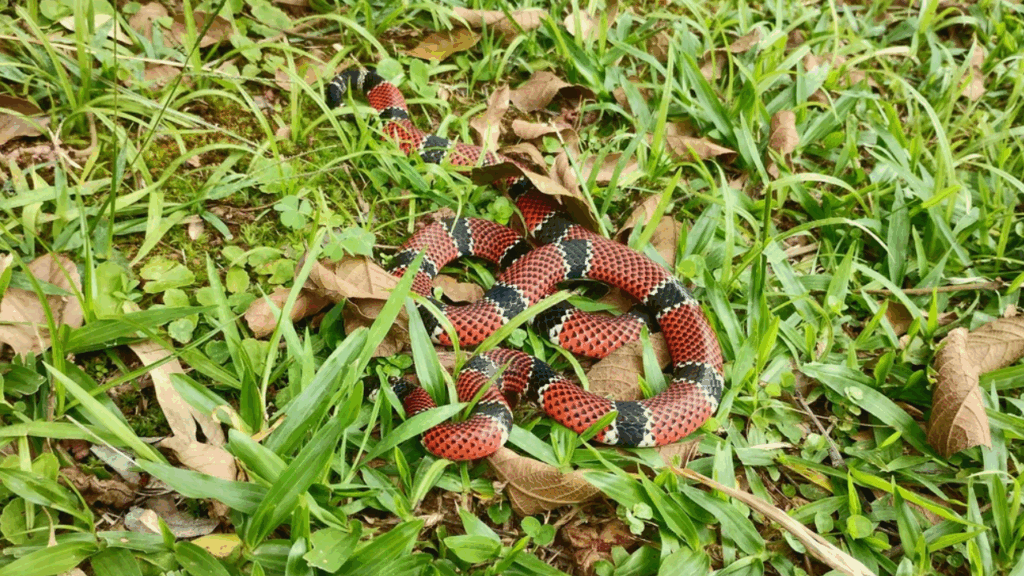
Imagine a fortress where your pets can roam freely without a care. A snake-proof fence can offer just that level of protection. These specially designed barriers reach below ground, preventing sneaky intruders from slithering underneath. Opt for materials like mesh or hardware cloth with tiny openings—snakes won’t be able to squeeze through these tight spots. Plus, when the fence is well-anchored and tall enough, it deters not just snakes but also other wildlife. Your pets can enjoy their playtime safely, while you enjoy peace of mind, knowing they’re well-guarded.
10. Keep Grass Trimmed

Tall grass may seem like a wild jungle adventure for your pets, but it’s also a favorite hiding spot for snakes. By keeping your lawn neatly trimmed, you make your yard less appealing to these unwelcome visitors. It’s a simple task with a big payoff—enhanced visibility around your property allows you to spot any potential threats sooner. Plus, a well-maintained yard is not only safer for your furry friends but also looks fantastic. Routine mowing and edging keep your landscape looking sharp and keep wildlife guessing about their next move.
11. Remove Debris

A tidy yard isn’t just aesthetically pleasing; it serves as a crucial line of defense against snakes. Piles of leaves, scattered branches, or unused outdoor equipment create cozy hideaways for them. Regularly clearing these features from your yard eliminates potential shelters, making your property far less inviting. Pay special attention to woodpiles and rocks—favorite snake hangouts. By maintaining an open and clean environment, you not only protect your pets but also enhance the overall look and comfort of your outdoor space.
12. Seal Holes and Gaps
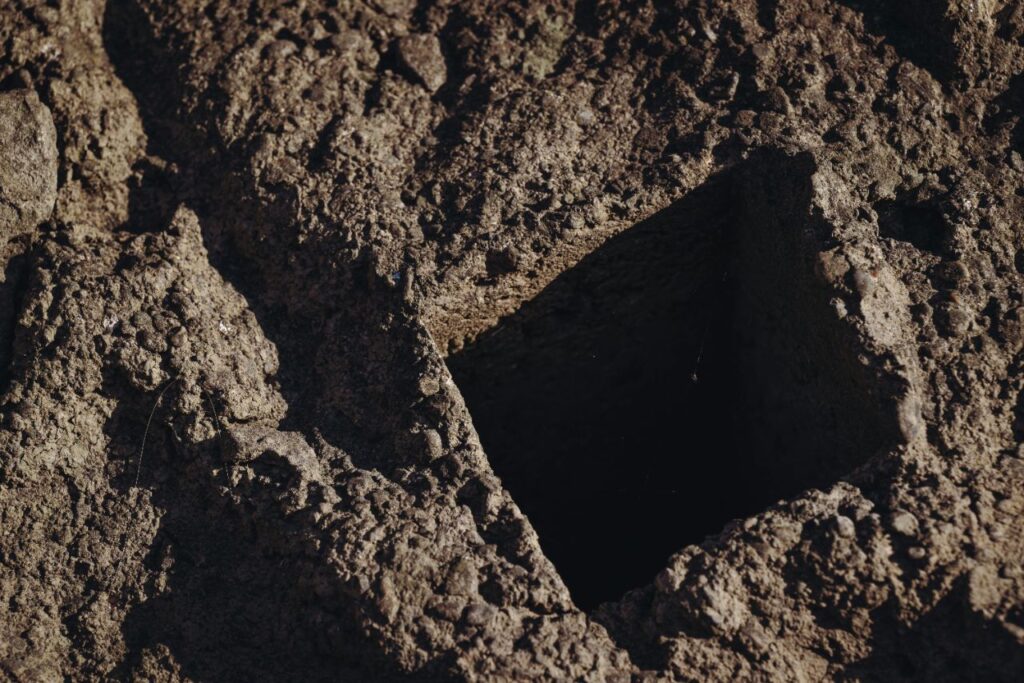
Think of your home as a fortress, and every gap or hole as a potential breach in its defenses. Snakes can sneak in through surprisingly small spaces, so tightly sealing cracks, gaps, and holes around your property is vital. Regularly check your home’s foundation, doors, and windows. A little caulk or weather stripping can go a long way. Not only does it help keep snakes out, but it also prevents other critters from coming in, ensuring your pets aren’t surprised by any unexpected visits. It’s a simple step that fortifies your home’s safety.
13. Use Snake Repellents

Snake repellents can be an effective part of your strategy to protect your cherished pets. Available in both granular and spray forms, these deterrents work by emitting odors that snakes find unpleasant, encouraging them to slither elsewhere. Opt for natural repellents to ensure safety for both your pets and the environment. Remember, consistency is key—regularly apply these products around the perimeter of your yard to maintain an invisible barrier. By adding this extra layer of protection, you make your home even less appealing to snakes, keeping your beloved animals safe and sound.
14. Educate on Snake Behavior
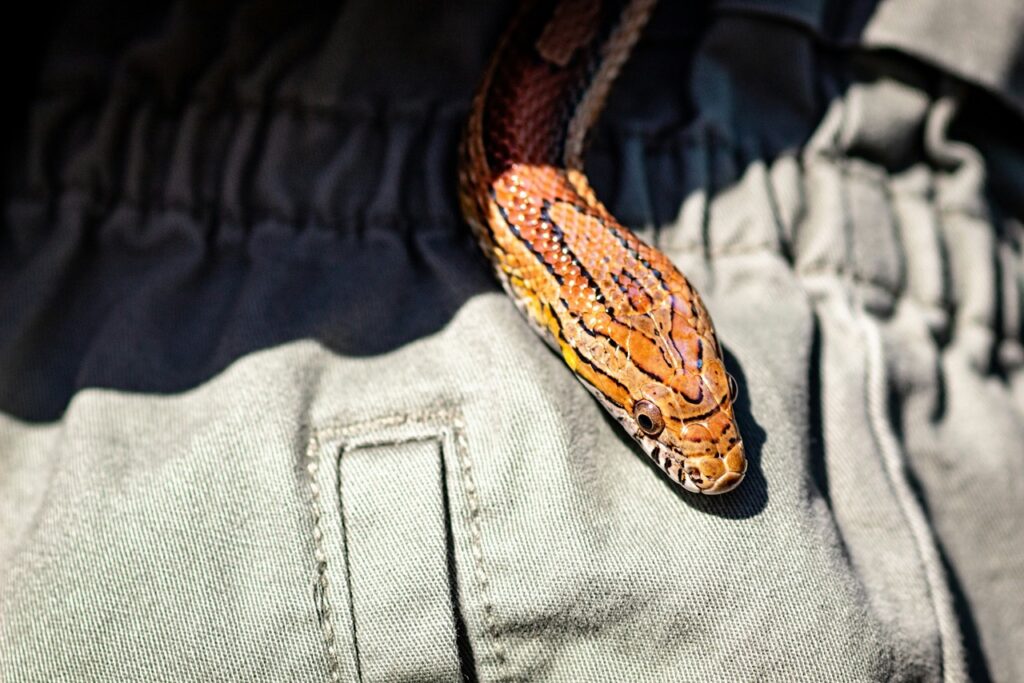
Understanding a snake’s behavior is crucial to keeping your pets safe. Snakes usually avoid humans and pets unless threatened, so knowing their habits can help you take preventative steps. They are most active during warmer months and prefer hiding in tall grass, rock piles, and near water sources. By recognizing these patterns, you can adjust your pet’s play areas accordingly. Setting up boundaries can deter snakes from venturing into pet zones, offering peace of mind. Stay informed about snake species common in your area for tailored prevention strategies.