

Pets can’t tell us when they’re feeling under the weather, but they do show signs that something is wrong. Subtle changes in their behavior, appetite, or energy levels can be the first indicators of illness. Studies have emphasized the importance of early detection, as timely intervention can improve recovery outcomes. Here are some often-overlooked signs that your pet might be sick and what you can do to help them.
1. Changes in Appetite

If your pet suddenly loses interest in food or starts eating significantly more than usual, it could be a sign of an underlying health issue. A decreased appetite may indicate digestive problems, dental pain, or even systemic illnesses like kidney disease. On the other hand, an increase in hunger might be linked to diabetes or thyroid imbalances. Keep an eye on how long these changes last—if your pet refuses food for more than 24 hours, it’s time to call the vet. Some pets may also develop food aversions or become pickier about what they eat, which can further signal discomfort. Always monitor their eating habits closely and provide a balanced diet to maintain optimal health.
2. Increased Thirst or Urination
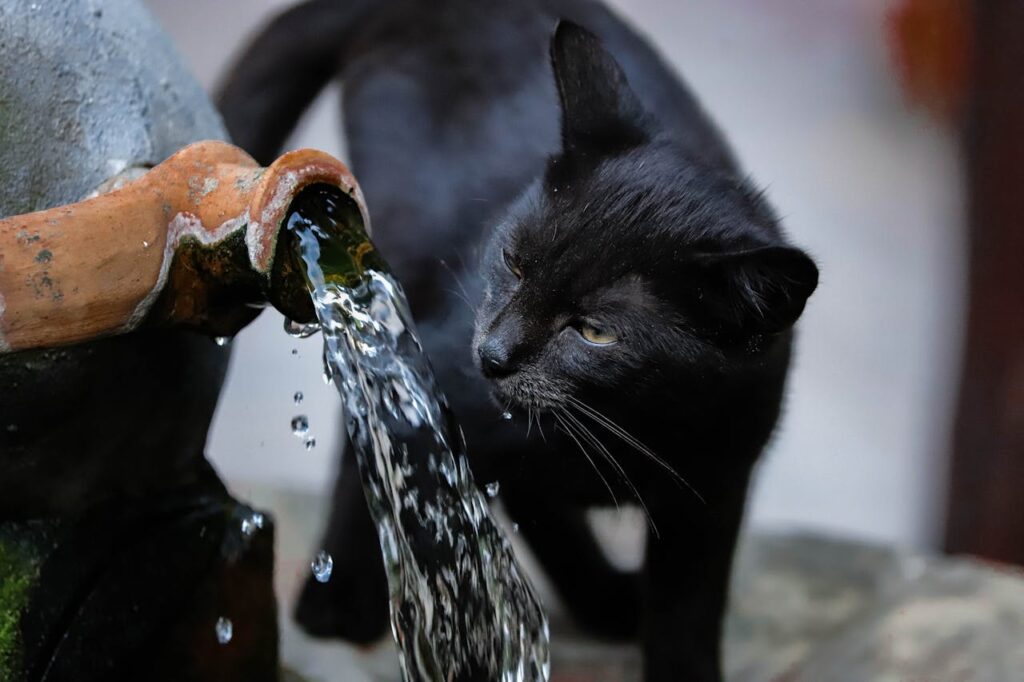
If you notice your pet drinking a lot more water than usual or urinating more frequently, it could be a red flag for conditions like diabetes, kidney disease, or even a urinary tract infection. Excessive thirst can also be linked to liver disease or hormonal disorders. If their water intake suddenly spikes without an obvious reason, like hot weather or exercise, schedule a vet check-up to rule out any serious concerns. A pet who suddenly starts having accidents indoors or struggles to control urination may also be experiencing bladder or kidney issues. Addressing these symptoms early can prevent further complications and discomfort for your furry companion.
3. Unexplained Weight Loss or Gain

Weight changes that occur without a change in diet or activity level can be a major warning sign. Unexpected weight loss can point to issues like cancer, metabolic disorders, or gastrointestinal problems, while rapid weight gain could be related to fluid retention or hormonal imbalances. Monitoring your pet’s weight regularly can help catch health problems early. If you notice that your pet’s ribs or spine become more visible, or if they develop a bloated abdomen, consult a vet immediately. Proper nutrition and regular vet visits are crucial for maintaining a healthy weight and detecting problems before they worsen.
4. Bad Breath or Drooling
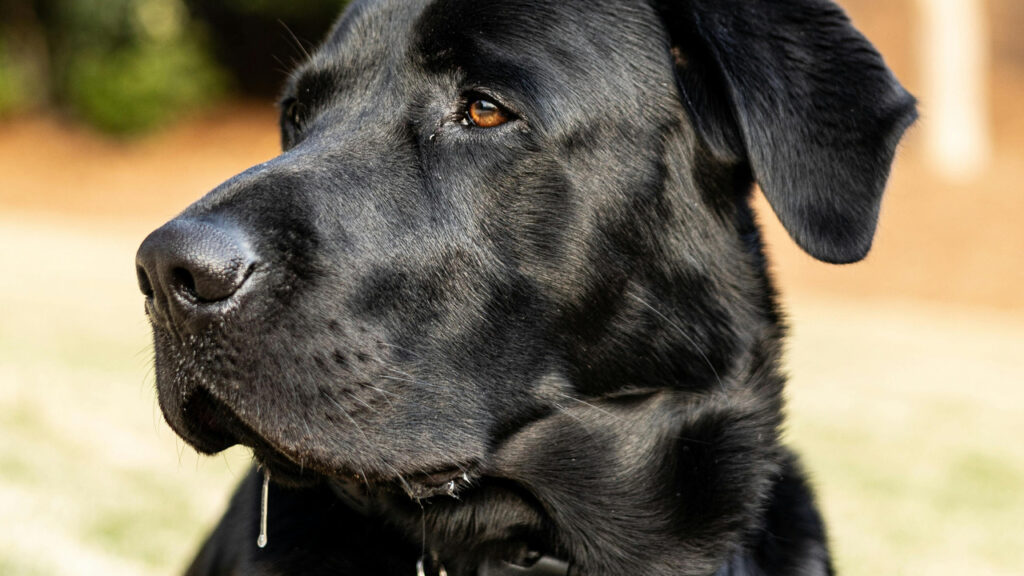
A little dog or cat breath is normal, but if your pet’s mouth starts emitting a foul odor, it might indicate dental disease, infections, or even organ dysfunction. Excessive drooling, especially in animals that don’t usually drool, can be a sign of nausea, poisoning, or dental pain. Regular dental check-ups and proper oral hygiene can help prevent serious health issues. If your pet suddenly starts pawing at their mouth, chewing differently, or avoiding certain foods, they could be experiencing oral discomfort. Early intervention with professional cleanings and at-home dental care can significantly improve their quality of life.
5. Lethargy or Sudden Hyperactivity

If your usually energetic dog is suddenly acting sluggish, or if your calm cat becomes overly hyper, it could signal an underlying health condition. Lethargy is often associated with infections, pain, or internal diseases, while unexpected hyperactivity can be linked to thyroid imbalances. Pay attention to any sudden shifts in energy levels and seek veterinary advice if it persists. Some pets may also show signs of weakness or reluctance to engage in their usual activities, which could indicate joint pain or neurological problems. Keeping track of their daily behavior helps identify issues early and ensures they receive timely medical care.
6. Changes in Grooming Habits
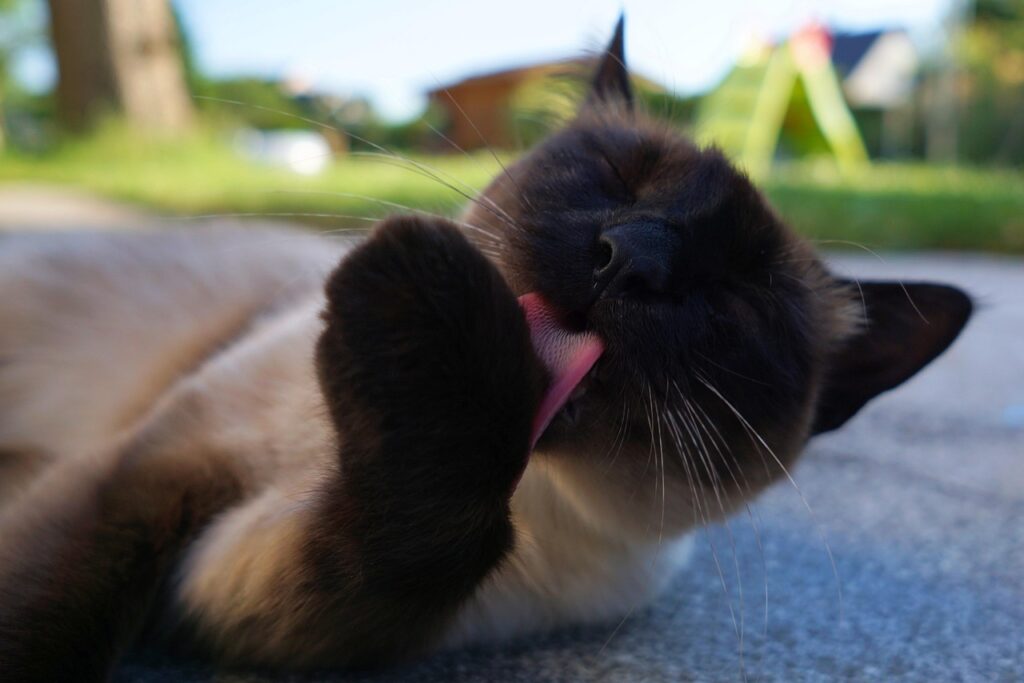
Cats, in particular, are known for their meticulous grooming routines. If your cat stops grooming itself or looks unkempt, it could be a sign of pain, arthritis, or illness. Dogs that excessively lick or chew at their fur may be dealing with allergies, skin infections, or anxiety. Keep an eye on these behaviors, as they often indicate discomfort. Matted fur, dandruff, or bald patches can also point to underlying skin conditions that require attention. Grooming changes should never be overlooked, as they often reveal a pet’s overall health and emotional well-being.
7. Vomiting or Diarrhea

Occasional vomiting or loose stools aren’t uncommon, but if they become frequent or severe, it could be a sign of food allergies, infections, or more serious conditions like pancreatitis. Persistent digestive issues can lead to dehydration and require prompt medical attention. If vomiting or diarrhea lasts more than 24 hours, consult your vet. Keep an eye out for additional symptoms such as blood in the stool, excessive drooling, or lethargy, as these can indicate more serious gastrointestinal problems. A proper diet and regular health check-ups can help prevent digestive disturbances.
8. Changes in Breathing Patterns

Labored breathing, excessive panting, or coughing are all signs that shouldn’t be ignored. Respiratory issues can indicate infections, heart disease, or even asthma. If your pet struggles to breathe, experiences wheezing, or breathes faster than usual, seek veterinary care immediately. Some pets may also display nasal discharge, sneezing, or snoring, which could signal underlying respiratory infections or allergies. Prompt diagnosis and treatment can significantly improve their comfort and prevent long-term complications.
9. Behavioral Changes

A friendly pet suddenly becoming aggressive or a playful pet becoming withdrawn can be a sign of illness or pain. Conditions like arthritis, neurological disorders, or infections can cause discomfort that alters behavior. Pay attention to any unusual reactions, especially if they seem out of character for your pet. Some pets may also develop separation anxiety or become more clingy than usual, which could be a response to feeling unwell. Behavior changes are often the first indicators of distress, so monitoring them closely is essential.
10. Difficulty Walking or Stiffness

If your pet starts limping, hesitating to jump, or appears stiff after resting, it could be due to joint pain, arthritis, or injury. Large breeds and older pets are especially prone to joint issues. Supplements, weight management, and regular vet check-ups can help manage mobility problems. Cold weather or excessive exercise can sometimes worsen these symptoms, so providing a warm, comfortable environment and moderate activity can ease discomfort. Early intervention can prevent further joint deterioration and improve mobility.
11. Frequent Scratching or Skin Issues

Constant itching, hair loss, or red patches on the skin can indicate allergies, infections, or parasites. Fleas, mites, and even food sensitivities can cause discomfort. If your pet is excessively scratching or biting at its skin, a vet visit can help identify the cause and provide relief. Some skin conditions may also cause dry, flaky patches or an unpleasant odor, which are signs of underlying issues. A proper skincare routine and regular flea prevention can help maintain a healthy coat.
12. Eye or Ear Discharge

Unusual discharge from the eyes or ears, redness, or foul odors could mean an infection or irritation. Ear infections are particularly common in dogs with floppy ears, while eye infections can result from allergies or underlying health conditions. Regular cleaning and vet check-ups can help prevent complications. Squinting, excessive tearing, or sensitivity to light are additional signs that require immediate attention. Good hygiene practices can significantly reduce the risk of chronic infections.
13. Whining or Excessive Vocalization

If your pet is suddenly more vocal than usual, it might be trying to tell you something. Increased whining, yowling, or howling can be signs of pain, anxiety, or cognitive decline, especially in older pets. Dogs that whimper when getting up or cats that meow excessively at night may be experiencing discomfort. Pay attention to when and how often they vocalize—if it’s happening frequently and without an obvious reason, it’s best to consult a vet. Some pets may also begin pacing or acting restless, indicating distress or confusion. Recognizing these vocal cues early can help address any underlying medical or emotional issues.
14. Changes in Sleep Patterns
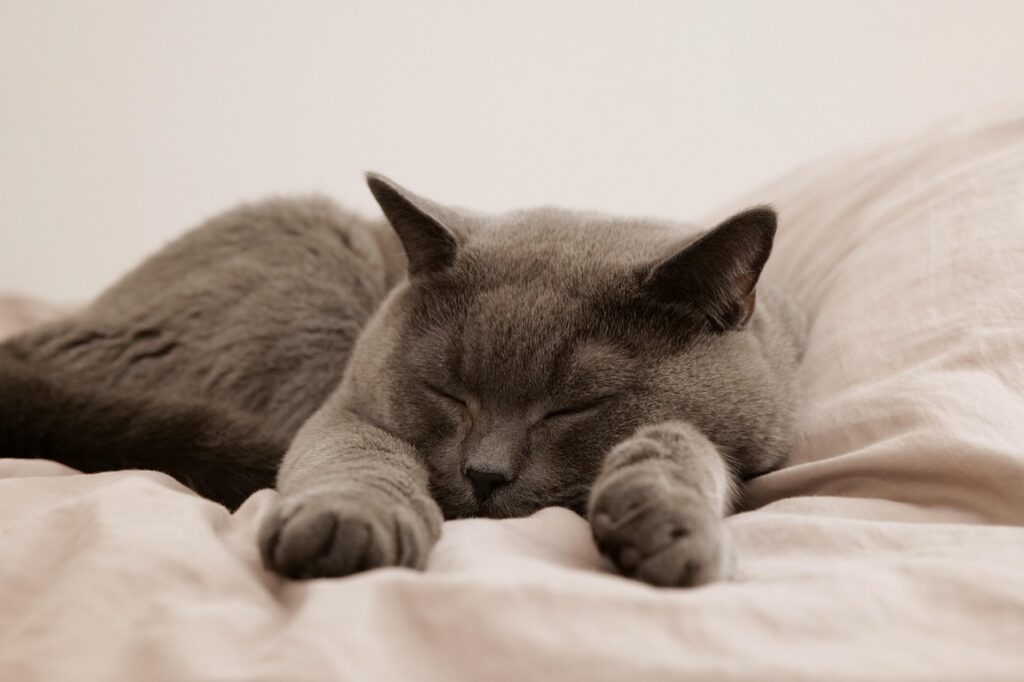
If your pet is suddenly sleeping more than usual or struggling to settle down at night, it could be a sign of illness, pain, or emotional distress. Increased sleepiness may be linked to infections, metabolic disorders, or simply aging, while restlessness can be caused by discomfort or anxiety. Observe whether they seem lethargic during playtime or if they wake up frequently during the night. Some pets may also start seeking different sleeping spots or isolating themselves, which could indicate they’re not feeling well. Ensuring a comfortable sleeping environment and scheduling a vet check-up can help pinpoint the cause and improve their well-being.
Love Pets as Much as We Do?

Scroll up and click the ‘Follow’ button to stay updated with the latest heart-warming, hilarious, and helpful pet posts from Pawdown, delivered straight to your Microsoft Start feed and MSN homepage!