
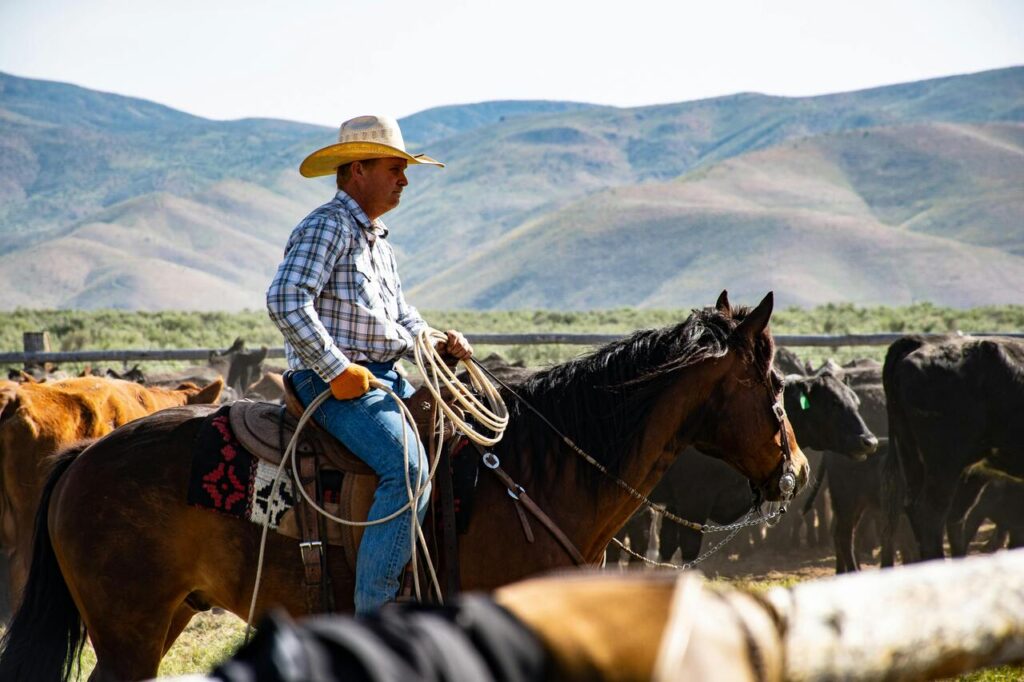
Horses have been essential in shaping American work and culture for centuries. From transportation and farming to therapy and law enforcement, these magnificent animals provide invaluable services across various industries. While technology has reduced their necessity in some fields, their versatility, strength, and companionship keep them relevant today. Here are fourteen significant ways horses contribute to work and life in America, showcasing their enduring importance and deep-rooted connection with human society.
1. Agricultural Work
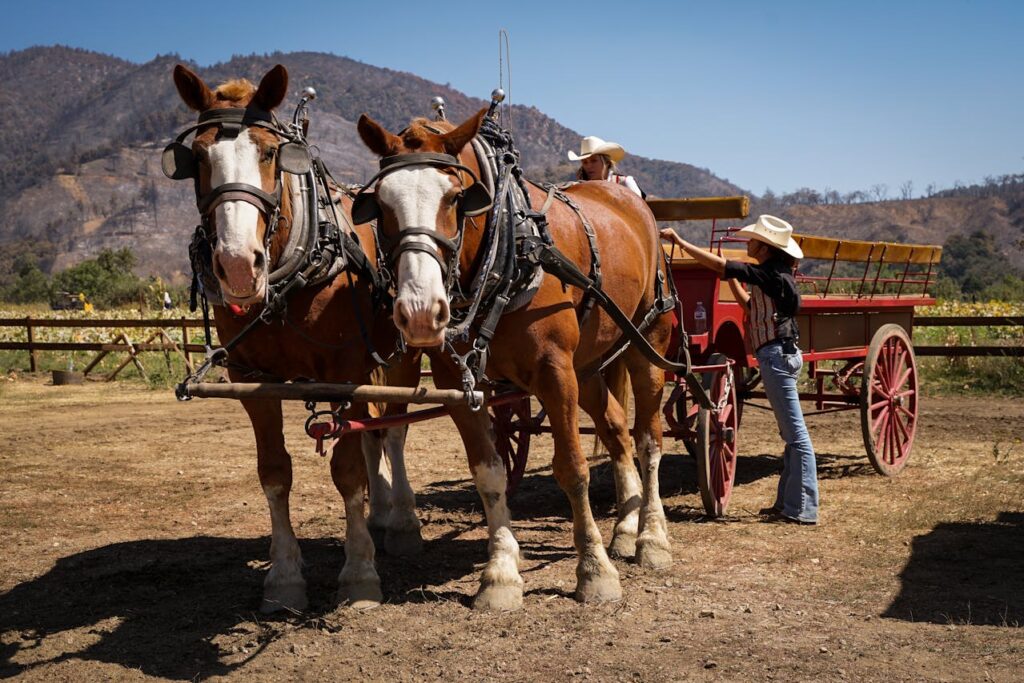
For centuries, horses were the backbone of American farming, helping plow fields, haul goods, and transport supplies. While modern machinery has largely replaced them, certain small farms and communities still rely on horses for sustainable and traditional agricultural methods. Their ability to work on difficult terrains without damaging soil structure makes them valuable for organic and small-scale farming. Additionally, Amish and other traditional groups continue to use horses for plowing, harvesting, and transportation, preserving their role in agriculture.
2. Ranching and Herding
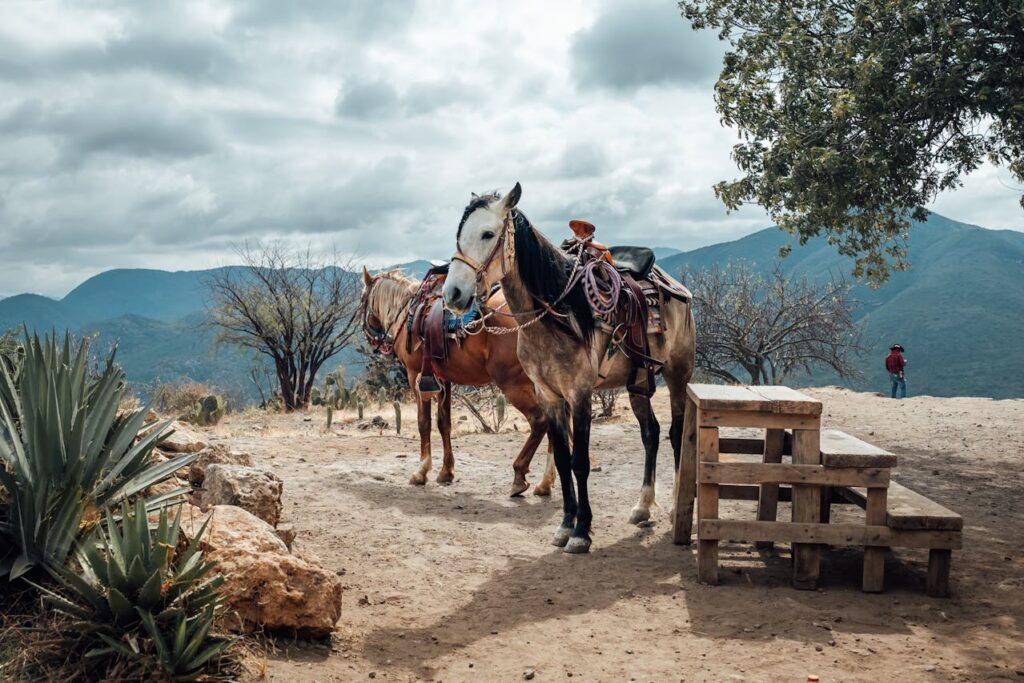
Horses remain indispensable in the ranching industry, particularly in the western United States. Their speed, agility, and ability to cover vast areas make them perfect for rounding up cattle, sorting livestock, and navigating rough landscapes. Cowboys and ranch hands depend on horses for daily tasks, ensuring livestock is safely moved across pastures. Many modern ranches still use horses instead of vehicles in rugged terrains where machinery would struggle. Beyond work, these horses are also featured in rodeos and herding competitions, celebrating their skill and tradition.
3. Transportation and Carriage Rides

Before automobiles, horses were the primary mode of transportation, carrying people and goods across towns and cities. While cars have taken over, horses are still used for carriage rides in historical districts and tourist areas. In cities like New York and Charleston, horse-drawn carriages offer a nostalgic experience and contribute to local tourism. Additionally, in rural regions, horse-drawn wagons are still used for special events, parades, and traditional gatherings, keeping the historic charm of horse transportation alive for modern audiences.
4. Law Enforcement
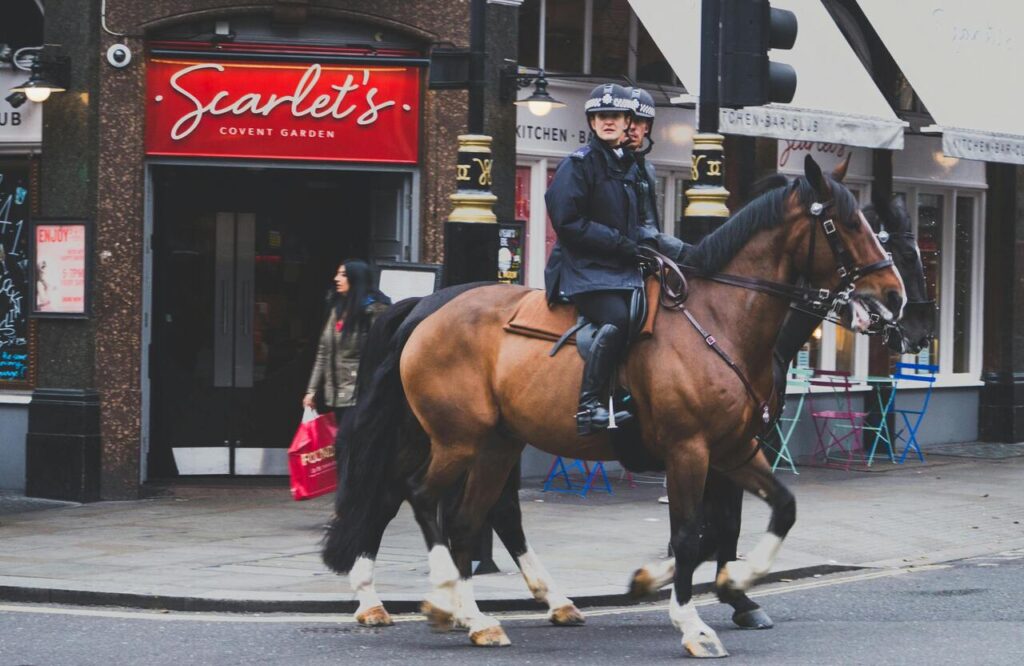
Mounted police units continue to use horses for patrolling busy streets, parks, and large public events. Their height and mobility allow officers to see over crowds and access areas that are difficult for vehicles. Horses also provide a sense of authority and visibility, often deterring crime by their presence alone. Additionally, they allow for quick movement in emergencies, especially during large gatherings, festivals, or protests. Many police departments maintain active mounted units, ensuring that horses remain a valuable tool for law enforcement in various settings.
5. Search and Rescue
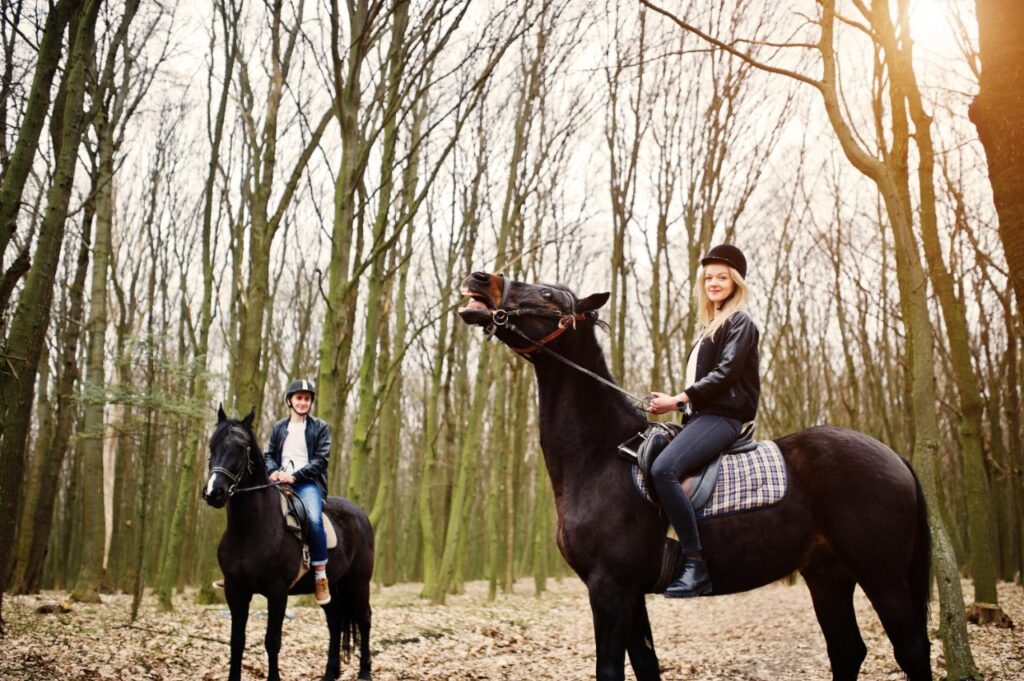
Horses play a crucial role in search and rescue missions, particularly in remote and rugged areas where vehicles cannot operate effectively. Their ability to navigate through thick forests, mountainous terrain, and uneven landscapes makes them ideal for locating lost hikers or stranded individuals. Mounted search teams can cover more ground than on-foot rescuers, increasing the chances of a successful recovery. Additionally, horses can carry supplies and transport injured individuals back to safety, making them an indispensable resource in wilderness rescue operations.
6. Equine Therapy
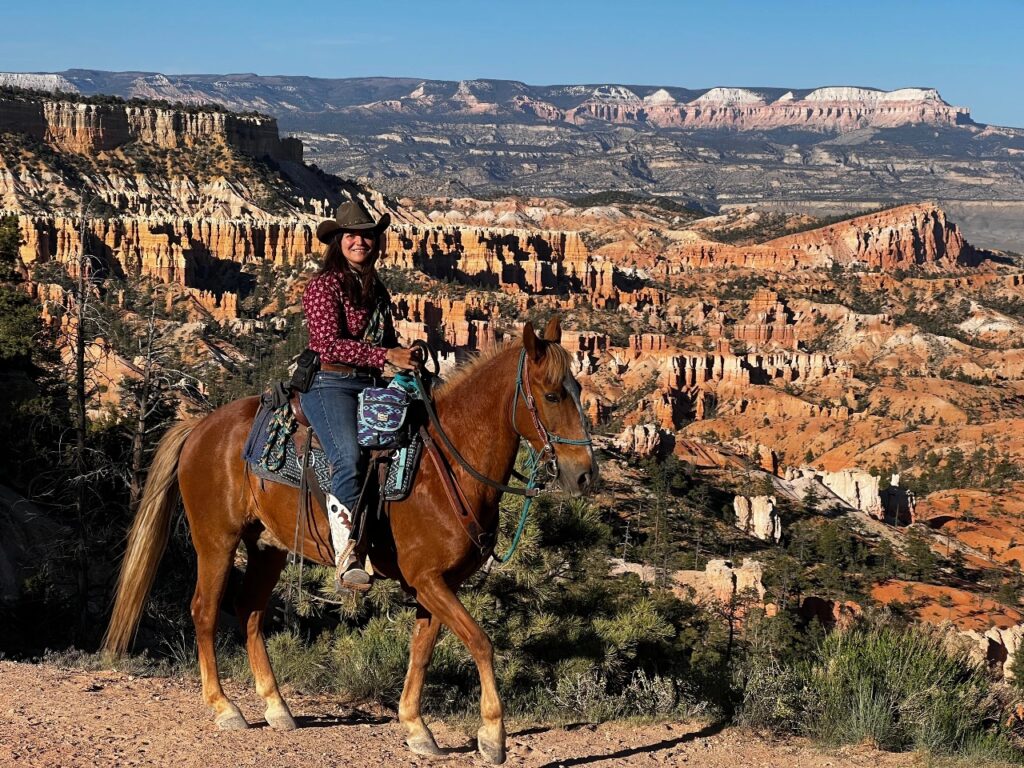
Horses provide therapeutic benefits for individuals with physical, emotional, and mental health challenges. Equine therapy programs help people with disabilities improve balance, coordination, and muscle strength through riding exercises. Additionally, spending time with horses has been shown to reduce stress, anxiety, and symptoms of PTSD, particularly in veterans and trauma survivors. The gentle and intuitive nature of horses makes them ideal therapy animals, helping people build confidence, develop social skills, and improve their overall well-being through structured riding programs.
7. Competitive Sports

Equestrian sports are a major part of American culture, with events such as dressage, show jumping, rodeos, and barrel racing drawing large audiences. These competitions not only showcase the skill of both horse and rider but also drive economic activity by supporting breeders, trainers, and event organizers. Many rural communities depend on equestrian sports for tourism and business opportunities. Additionally, major international competitions, including the Olympics, feature equestrian disciplines, keeping horse sports alive at the highest levels of athletic performance.
8. Recreational Riding

Horseback riding remains a popular recreational activity, offering people an opportunity to explore nature, relax, and bond with animals. Trail riding is especially popular in national parks and rural areas, allowing riders to experience scenic landscapes in a unique way. Many riding clubs and equestrian centers provide lessons and guided tours, making horseback riding accessible to beginners and experienced riders alike. Beyond physical benefits, recreational riding also provides stress relief and a sense of adventure, making it a cherished pastime for many Americans.
9. Education and Youth Programs

Organizations such as 4-H and the Future Farmers of America (FFA) use horses to teach children and teenagers valuable life skills. Youth programs centered around equine care teach responsibility, discipline, and leadership, helping young people develop confidence. Many programs include competitions, riding lessons, and hands-on experience in horse training. Additionally, these programs create career opportunities in veterinary care, equine training, and farm management. By introducing young people to horsemanship, these organizations ensure that the tradition and knowledge of working with horses continue.
10. Logging and Land Management
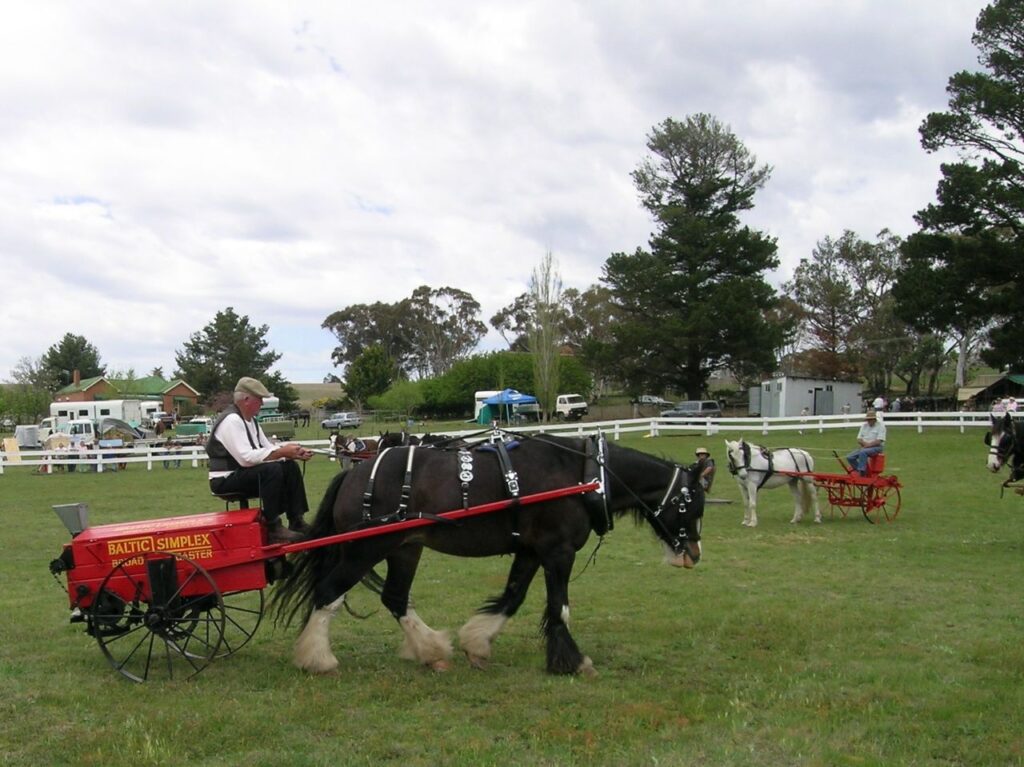
In areas where heavy machinery can damage the environment, horses are still used for logging and land management. Horse logging is an eco-friendly method that reduces soil compaction and preserves forest ecosystems. Their ability to maneuver in tight spaces makes them ideal for selective logging, where only certain trees are removed to maintain a healthy forest. Many conservation projects rely on horses for tasks such as hauling timber, clearing trails, and managing invasive plant species, ensuring that land management practices remain sustainable and low-impact.
11. Ceremonial Roles

Horses are a significant part of many cultural and ceremonial traditions, often featured in parades, military funerals, and historical reenactments. In military processions, riderless horses symbolize fallen soldiers, paying tribute to those who served. Additionally, many Native American tribes incorporate horses into ceremonies, reflecting their spiritual and historical significance. Special events such as rodeos, state fairs, and equestrian pageants continue to highlight horses’ role in American heritage, ensuring that their symbolic presence remains an integral part of cultural celebrations.
12. Film and Entertainment
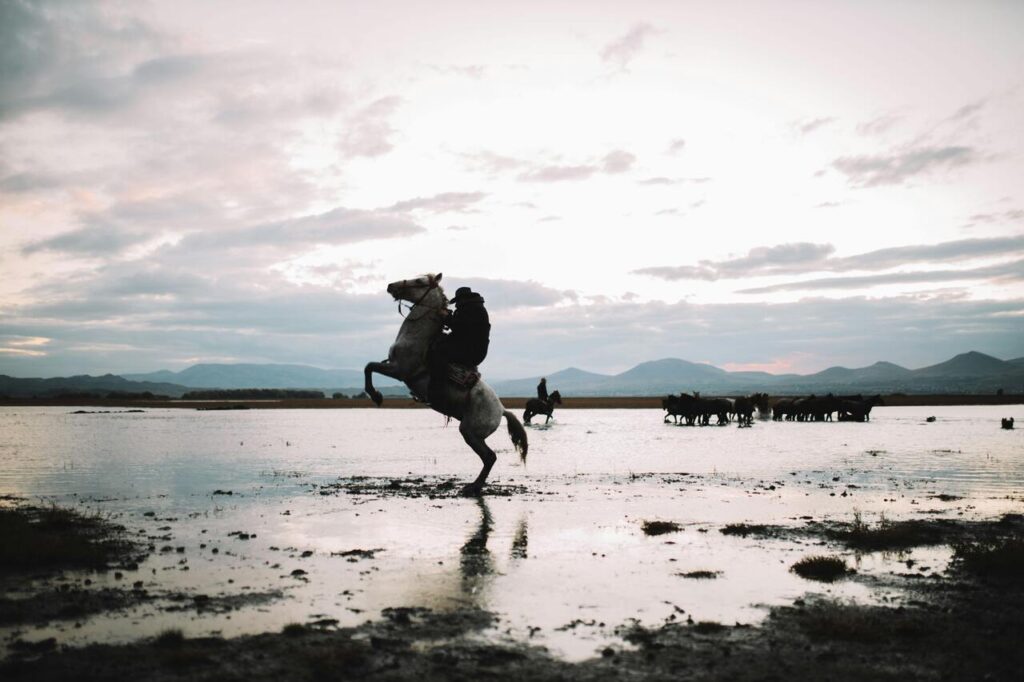
Horses play a crucial role in movies, television, and live performances, particularly in Westerns and historical dramas. Skilled equine actors undergo extensive training to perform stunts and complex movements, making them valuable assets in the entertainment industry. Many ranches offer horse training services specifically for film productions, ensuring safety and authenticity. Beyond movies, horse performances in circuses, exhibitions, and medieval fairs continue to captivate audiences, highlighting the grace, power, and versatility of these incredible animals in popular culture.
13. Mounted Hunting and Falconry

While less common today, mounted hunting and falconry traditions still thrive in certain regions. Hunters on horseback can cover large areas more efficiently, especially in open terrains where vehicles are impractical. Some hunting clubs maintain equestrian traditions, combining the sport with horsemanship. Falconry, an ancient practice of hunting with trained birds, often incorporates horses, allowing riders to follow birds of prey across fields and forests. These practices continue to be celebrated through specialty events and heritage organizations that preserve traditional hunting methods.
14. Community Engagement and Tourism

Many tourist destinations offer horseback riding experiences, contributing to local economies and promoting outdoor activities. Dude ranches, trail riding tours, and equestrian resorts attract visitors looking for an authentic western experience. These businesses provide jobs for trainers, guides, and caretakers, ensuring horses remain a central part of American tourism. Additionally, horse-related festivals, rodeos, and fairs bring communities together, celebrating the deep cultural ties between horses and American history, making them an enduring symbol of tradition and adventure.
Love Pets as Much as We Do?

Scroll up and click the ‘Follow’ button to stay updated with the latest heart-warming, hilarious, and helpful pet posts from Pawdown, delivered straight to your Microsoft Start feed and MSN homepage!