
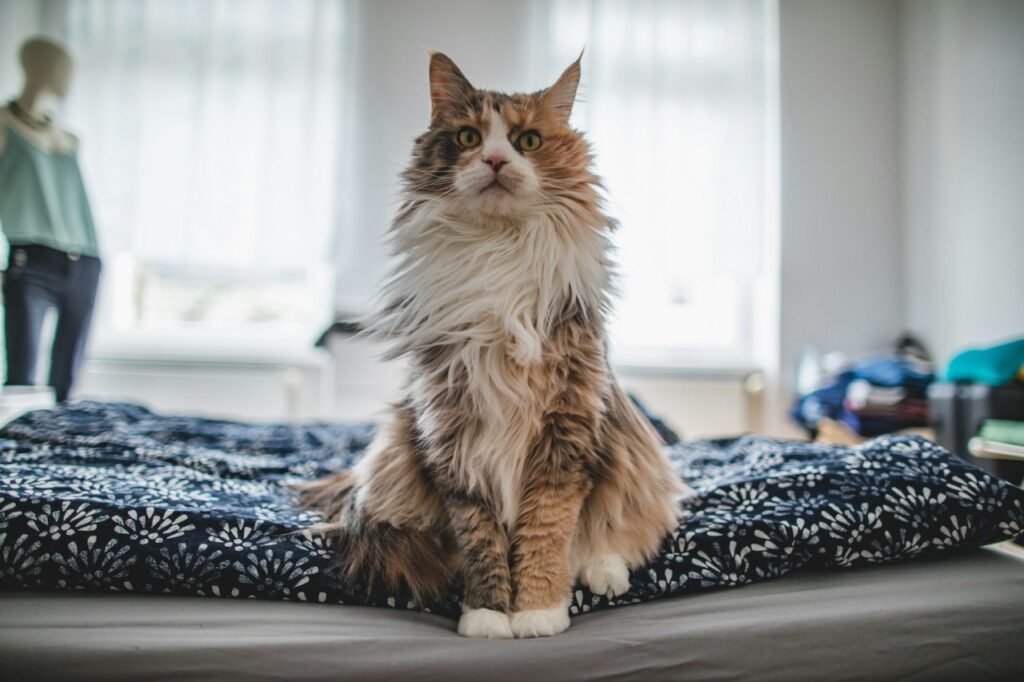
Indoor cats may seem low-maintenance, but their unique needs and behaviors require thoughtful care to ensure they thrive. From environmental enrichment to understanding their vocalizations, these fascinating feline companions benefit from environments that cater to their instincts and personalities. A well-informed owner can create a nurturing space where their cat feels safe, engaged, and loved. By uncovering these essential facts, you’ll be better equipped to provide a fulfilling life for your indoor cat, enhancing their health, happiness, and the bond you share with them.
1. Cats Need Vertical Space

Indoor cats thrive when they have access to vertical space to explore, as climbing and perching are part of their instincts. Unlike other pets that need horizontal space, cats love being up high where they feel safe and in control. Providing cat trees, shelves, or window perches is essential for their physical and mental health. These spaces allow them to exercise, observe their surroundings, and retreat to a spot where they feel secure. Even in small homes, vertical areas offer a world of engagement and activity for your feline friend, ensuring their happiness and reducing stress.
2. Sunlight Is Essential for Comfort

While cats do not synthesize Vitamin D through their skin, basking in sunlight offers them warmth and a sense of comfort. Placing a cozy bed or perch near a sunny window provides not only physical benefits but also mental stimulation, as they enjoy watching outdoor activities. Sun exposure helps regulate their sleep-wake cycles, enhancing their overall well-being. Natural light also makes a difference in their mood, giving them a sense of contentment. Ensuring access to a sunlit spot is a simple yet impactful way to improve your indoor cat’s quality of life.
3. Interactive Play Prevents Boredom

Interactive play is critical for indoor cats, as it mimics the hunting behaviors they would exhibit in the wild. Toys like feather wands, laser pointers, and puzzle feeders provide physical exercise and mental stimulation, helping prevent boredom. Daily play sessions lasting at least 15 minutes reduce the risk of obesity, a common issue for indoor cats. Playing also strengthens the bond between you and your cat, making them more affectionate and engaged. By observing their preferences and switching up toys, you can ensure your cat remains entertained, happy, and healthy, even in a confined indoor environment.
4. Tailored Diets Are Crucial

Indoor cats often have lower activity levels than outdoor cats, making a calorie-controlled diet essential to prevent weight gain. High-quality cat food, rich in protein and low in carbohydrates, is ideal for maintaining their energy levels and health. Portion control is equally important, as many cats eat out of boredom rather than hunger. Adding wet food to their diet can promote hydration, which is vital for their urinary health. Regularly consulting with a veterinarian ensures that your cat’s dietary needs are met, supporting a balanced, healthy lifestyle and keeping them active and satisfied.
5. Feline Body Language Speaks Volumes

Understanding feline body language helps deepen your bond with your indoor cat. Cats communicate their emotions through their tails, ears, eyes, and posture. A high tail often indicates confidence or friendliness, while a tucked tail may signal fear. Forward ears show curiosity, while flattened ears could mean irritation or aggression. Subtle cues like slow blinking demonstrate trust, while arched backs may indicate defensiveness. Learning to interpret these signals allows you to respond appropriately to your cat’s needs, ensuring they feel understood and secure. Over time, this knowledge fosters a strong and harmonious relationship.
6. Routine Veterinary Care Is Vital

Regular vet visits are crucial for indoor cats, even though they aren’t exposed to outdoor risks. These check-ups ensure that vaccinations are current and any health issues, such as dental problems or obesity, are identified early. Parasite prevention remains essential, as fleas and ticks can still find their way indoors. Routine dental care is especially important, as oral health can impact their overall well-being. A trusted veterinarian can tailor a health plan for your cat, ensuring their long-term health and happiness. Consistent care gives your cat the best chance for a long and healthy life.
7. Grooming Improves Health and Comfort

Indoor cats require regular grooming to maintain a healthy coat and prevent hairballs. Brushing their fur removes loose hair and reduces shedding, while also preventing matting in long-haired breeds. Grooming provides an opportunity to check for skin issues, fleas, or lumps. Nail trimming is equally essential to prevent overgrowth, which can cause discomfort. Establishing a grooming routine helps your cat feel comfortable with the process and strengthens your bond. Regular grooming not only keeps them looking their best but also contributes to their overall comfort and well-being.
8. Litter Box Hygiene Is Non-Negotiable

A clean litter box is fundamental to your cat’s health and happiness. Cats are meticulous creatures and may refuse to use a dirty box, leading to accidents or behavioral problems. Scoop the box daily to remove waste and replace the litter completely at least once a week. Place the litter box in a quiet, accessible location where your cat feels safe. Providing multiple litter boxes for multi-cat households ensures everyone has access when needed. Maintaining a clean and inviting litter box environment reduces stress for your cat and keeps your home fresh.
9. Consistency in Routine Reduces Stress

Cats are creatures of habit, thriving on consistent routines that provide a sense of security. Regular feeding, playtime, and rest schedules help them feel comfortable and reduce anxiety. Sudden changes in routine can lead to behavioral issues, as cats rely on predictability to feel safe. Establishing set times for activities like meals and grooming helps your cat know what to expect each day. While flexibility can occasionally add excitement, sticking to a routine creates a stable environment that supports their mental and emotional well-being, fostering a happier and more relaxed indoor cat.
10. Mental Stimulation is Essential
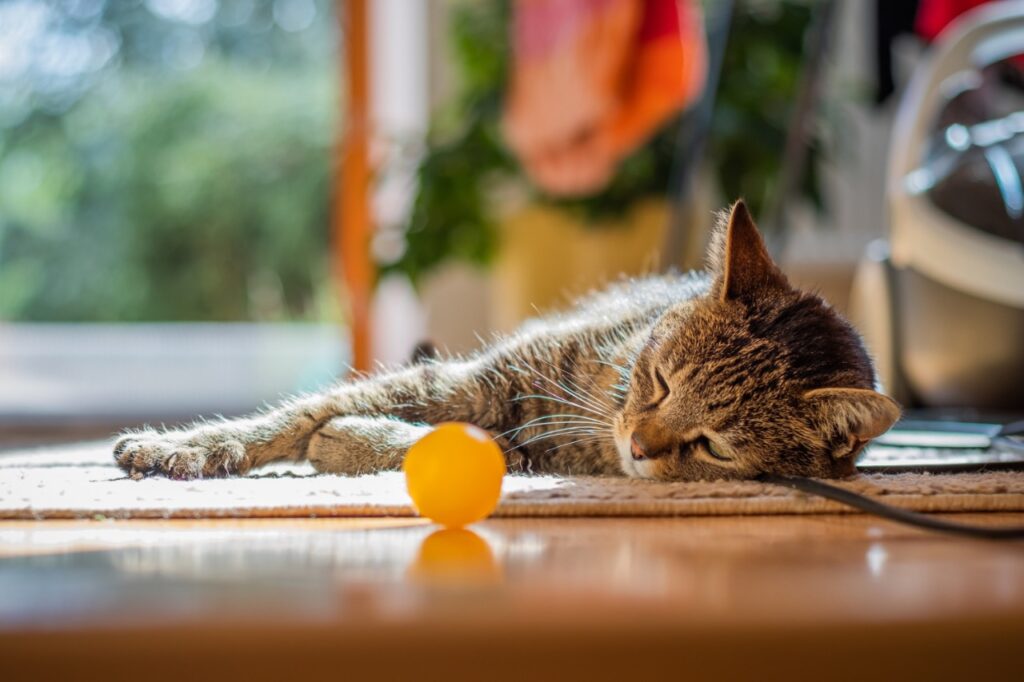
Without mental stimulation, indoor cats can become bored, leading to destructive behaviors or lethargy. Providing engaging toys, puzzle feeders, and interactive activities keeps their minds sharp. Rotating toys regularly prevents monotony, while observing their interests helps you choose the activities they enjoy most. Activities that mimic hunting, such as chasing a laser or pouncing on a feather toy, fulfill their natural instincts. Mental engagement reduces the likelihood of anxiety or frustration, ensuring a happier, more well-rounded cat. Keeping their mind active is just as important as physical exercise for their overall health.
11. Safe Exploration Encourages Natural Behaviors

Cats are naturally curious, which leads them to investigate their environment. Indoor cats can fulfill this desire through safe exploration opportunities, such as climbing trees, tunnels, or interactive play areas. Window perches allow them to observe the outside world without risk, while pet-friendly plants and textures add interest to their environment. Ensuring your home is free from toxic plants and hazards is essential for their safety. Encouraging exploration satisfies their instincts and keeps them entertained, reducing stress and promoting a more fulfilled and content indoor life.
12. Vocalizations Communicate Needs
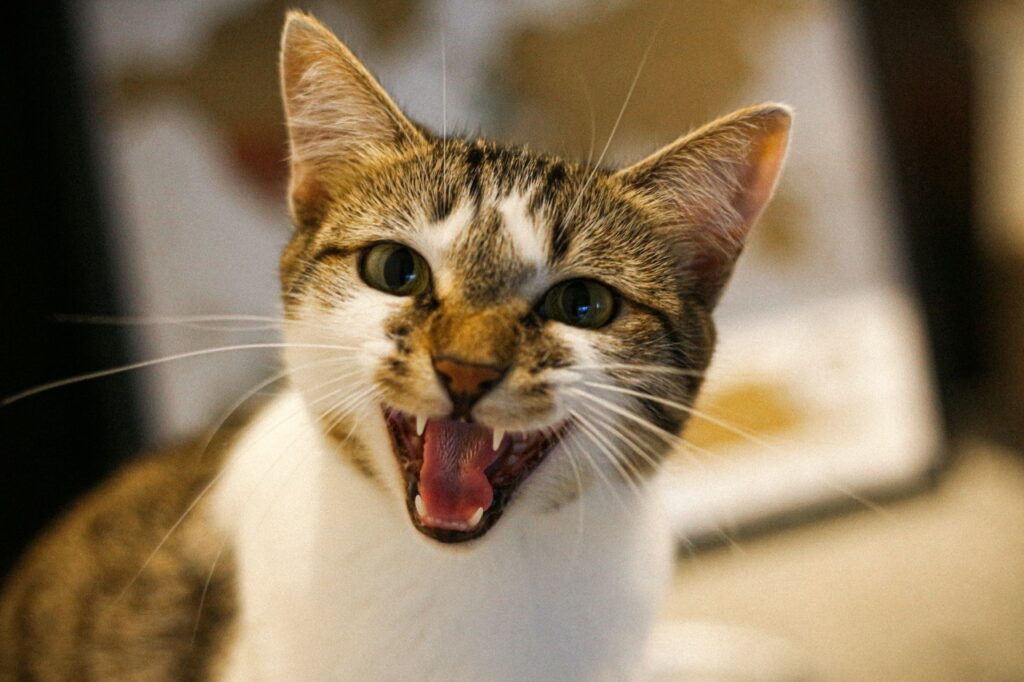
Cats express themselves through a range of vocalizations, each with unique meanings. Meowing often signals hunger or a need for attention, while purring usually indicates contentment or comfort. Growling and hissing are signs of distress or aggression, and chirping may express excitement or curiosity. Understanding these vocal cues allows you to respond appropriately, strengthening your relationship. Paying attention to the tone, volume, and context of their sounds ensures that their needs are met, fostering a deeper connection and creating a harmonious living environment.
13. Enrichment Enhances Quality of Life

Environmental enrichment is vital for indoor cats, as it prevents boredom and supports their mental and physical health. Scratching posts, climbing shelves, and interactive toys create a stimulating environment. Adding sensory experiences like new textures, sounds, and smells further enhances their daily life. Rotating toys and rearranging furniture occasionally can introduce variety. Enrichment not only keeps your cat entertained but also encourages exercise and natural behaviors, contributing to their overall happiness and well-being.
14. Human-Cat Bonds Are Vital
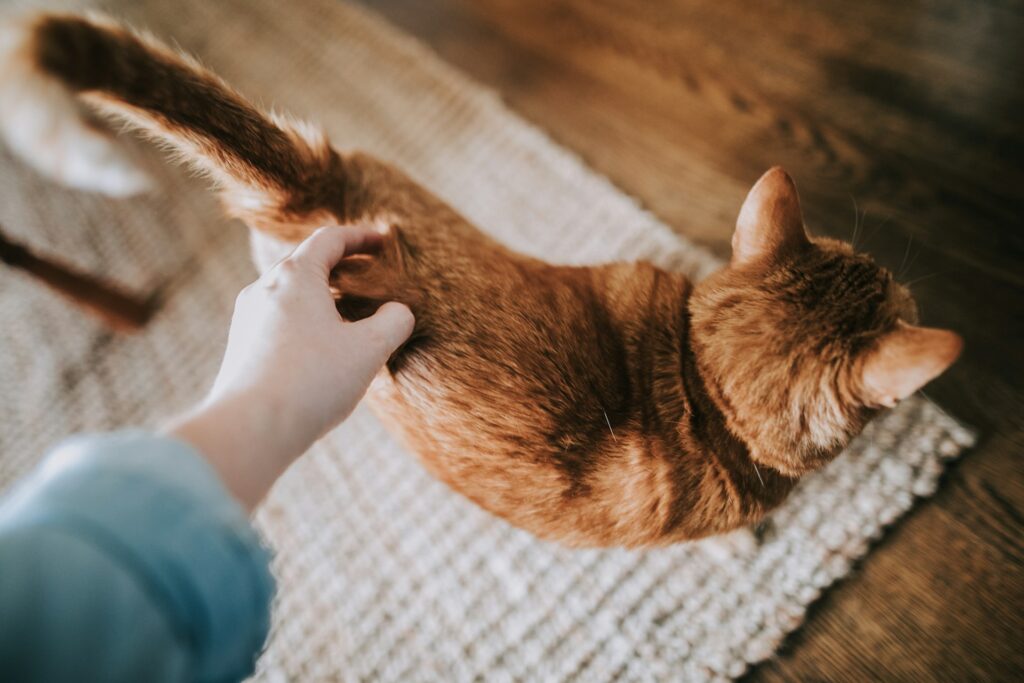
The bond between cats and their humans plays a key role in their emotional health. Cats may be independent, but they thrive on affection and interaction. Spending time together through play, grooming, or simply relaxing strengthens trust and builds a deeper connection. Understanding their cues and respecting their boundaries ensures they feel safe and loved. A strong bond enhances your cat’s happiness and enriches your life, making your companionship mutually rewarding and fulfilling.
15. Indoor Cats Need Companionship
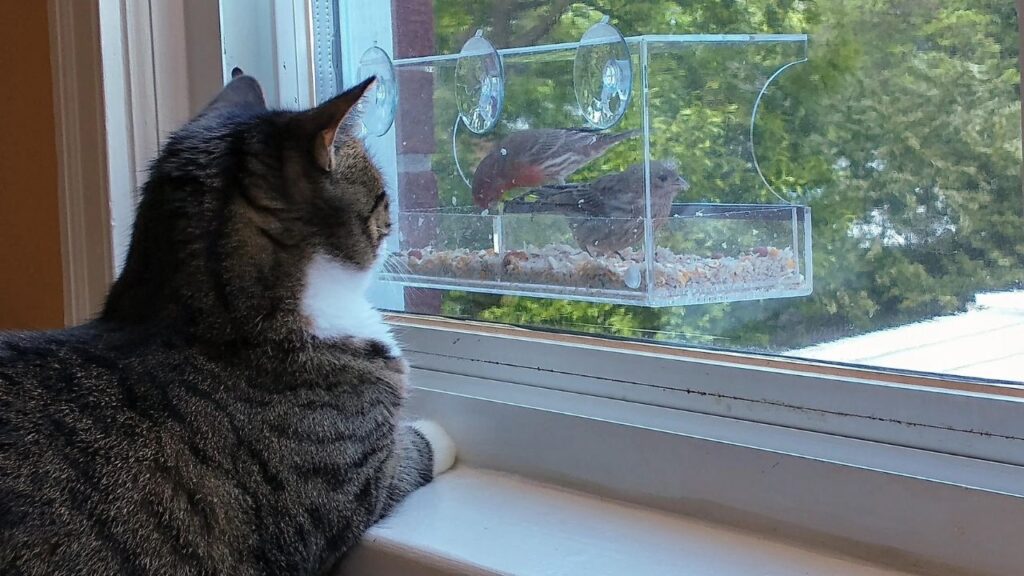
Indoor cats can become lonely if left without sufficient interaction or stimulation. Providing toys, playtime, and visual entertainment like bird feeders outside windows can keep them engaged. Adopting a second cat can offer companionship, ensuring they have a playmate when you’re not home. Social interaction reduces boredom and anxiety, fostering a healthier, happier environment. Ensuring your cat feels connected and entertained leads to a more vibrant and fulfilling life for your feline companion.
Love Pets as Much as We Do?

Scroll up and click the ‘Follow’ button to stay updated with the latest heart-warming, hilarious, and helpful pet posts from Pawdown, delivered straight to your Microsoft Start feed and MSN homepage!