
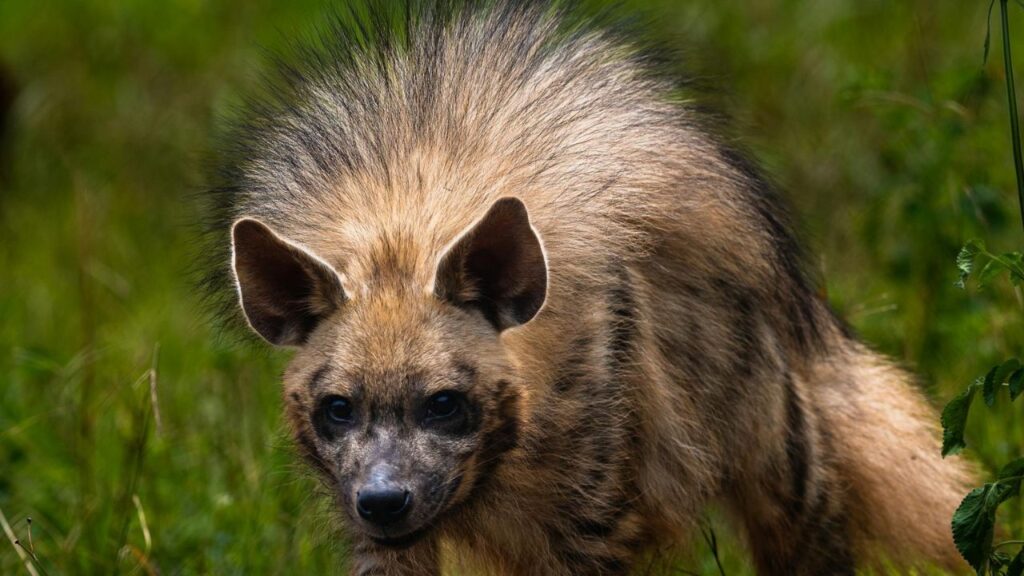
Aardwolves may sound like mystical creatures from the pages of folklore, but these fascinating animals are very much real and ready to surprise you. Often mistaken for a type of wolf due to their name, aardwolves are actually unique members of the animal kingdom with traits that make them both intriguing and undeniably wild. From their peculiar diet to their unexpected family ties, these animals have far more in common with a certain scavenger than the wolves you might be picturing. Let’s delve into the world of aardwolves and uncover some truths that might surprise you.
1. Not a True Wolf
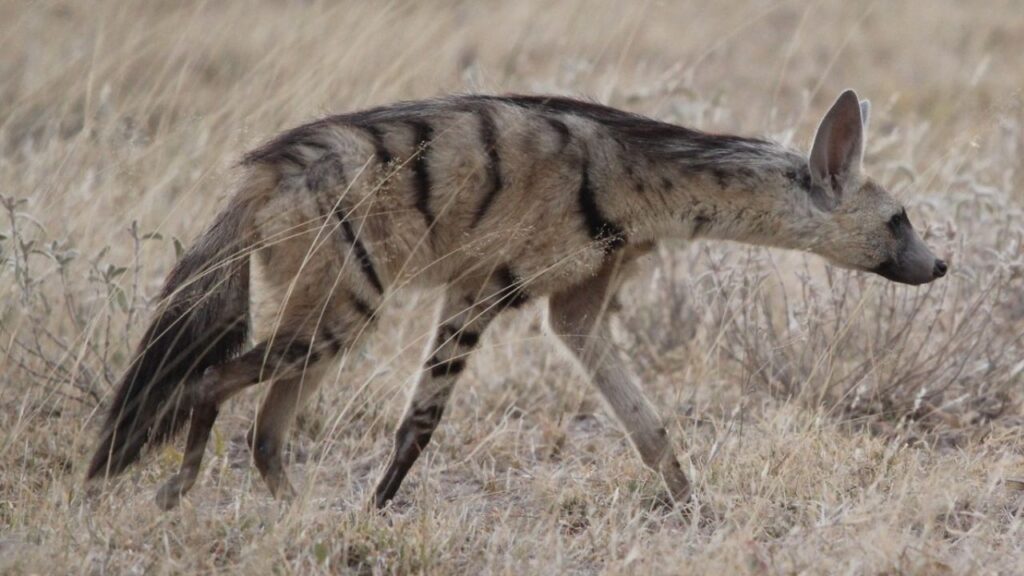
Despite their wolfish name, aardwolves are not wolves at all. They belong to the Hyaenidae family, which makes them closer relatives to hyenas rather than the canine branch of the animal kingdom. Their misleading name arises from a combination of languages: “aard,” meaning earth in Afrikaans, and “wolf,” hinting not at confusion but a way to describe their terrestrial nature. They share the hyena’s muscular build, but lack in scavenging prowess. Thus, an aardwolf is very much its own unique creature, carving its niche on the savannahs and bushlands of eastern and southern Africa.
2. Diet of Termites
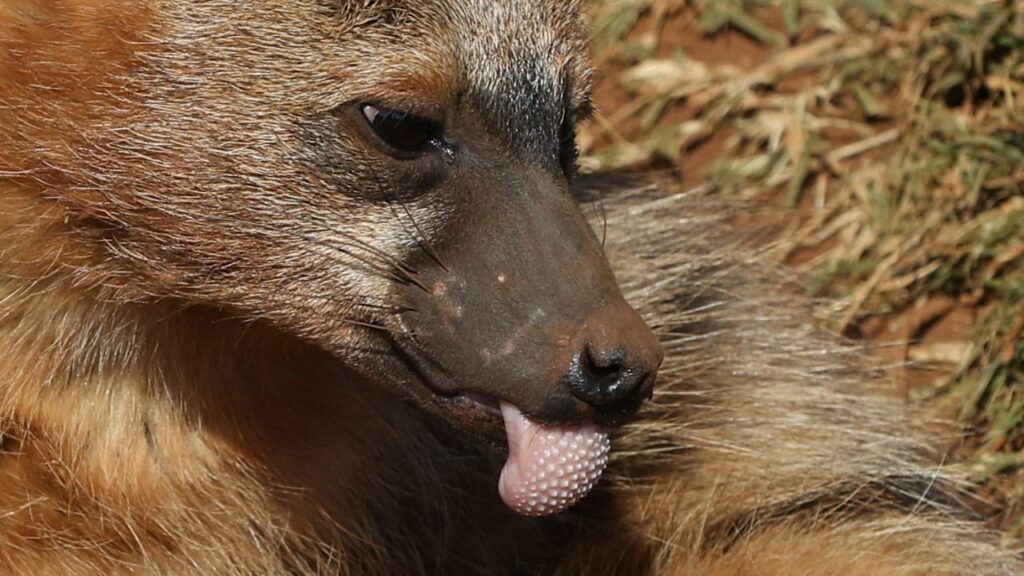
Forget the ferocious carnivorous appetite you’ve come to expect from the canine world! Aardwolves are primarily insectivores, with a diet dominated by termites. They are equipped with long, sticky tongues that efficiently gather their favorite meals from the ground. Remarkably, they can consume up to 300,000 termites in a single night. Unlike other termite predators, aardwolves do not destroy termite mounds, allowing them to return for future feasts. This sustainable feeding habit ensures they maintain a steady supply of food, showcasing nature’s ingenious ways of balancing the ecosystem.
3. Part of the Hyena Family
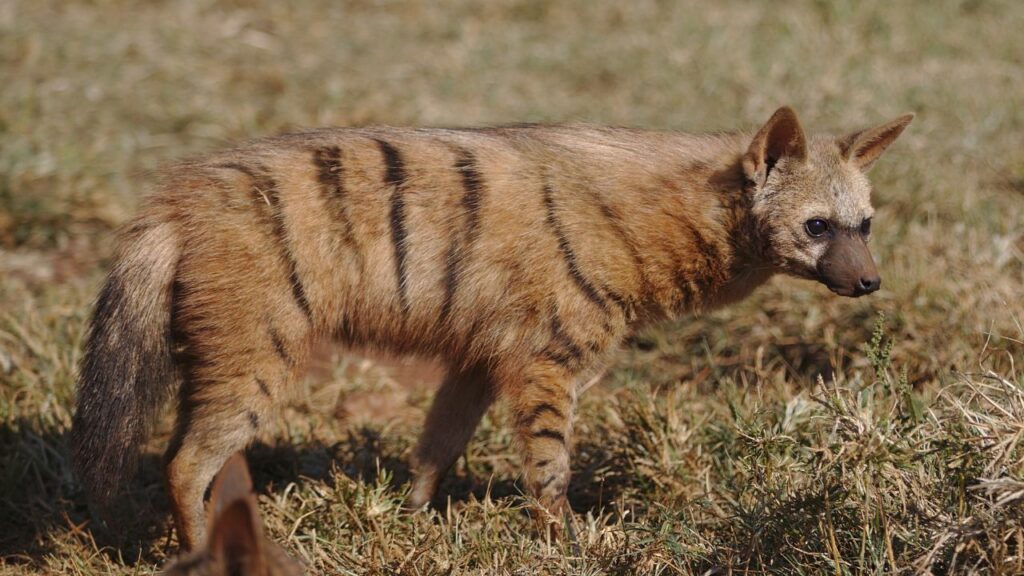
Though aardwolves bear strikingly different habits and appearances than their cackling comrades, they are indeed a part of the hyena family. They differ significantly from their larger and noisier relatives, the spotted, striped, and brown hyenas. Instead of scavenging, they lead a quieter, solitary life, primarily active during the night. Their association with hyenas can be traced back to a similar anatomy, including a long neck, strong forequarters, and an appetite for terrain-based prey. Despite their quieter demeanor, they share that unmistakable stocky build, revealing their familial connection.
4. Nocturnal Habits
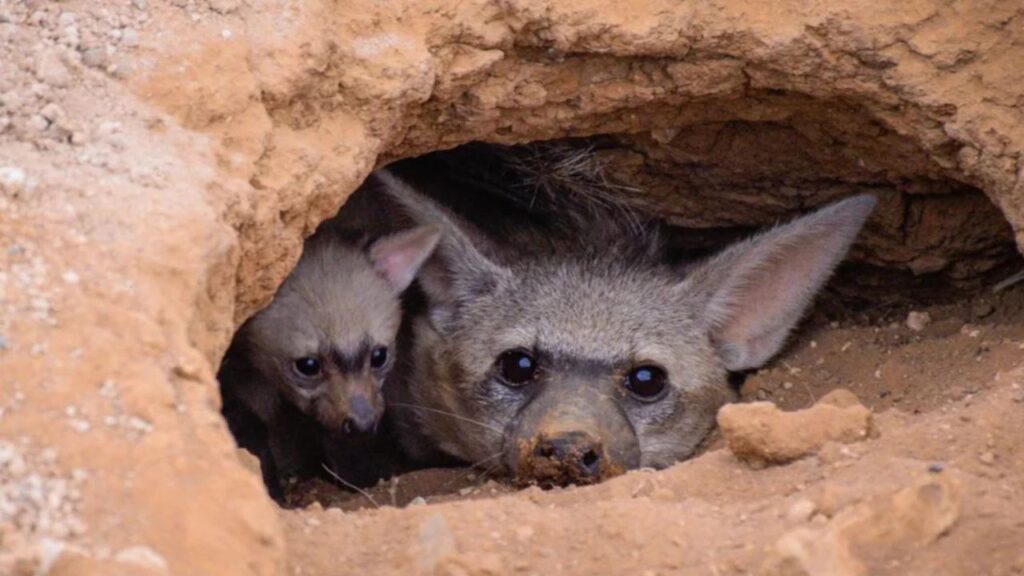
Being nocturnal, aardwolves have evolved to thrive under the cover of darkness. This adaptation allows them to evade many predators that roam the African savannah during the day. They emerge from their dens at dusk to begin their night-long quest for delicious termites. Their large, sensitive ears help them detect the slightest sounds of termite activity underground, making them formidable hunters in their own right. By avoiding the harsh daytime sun, aardwolves conserve energy and reduce competition with diurnal predators, optimizing their survival in the challenging habitats they call home.
5. Native to Africa
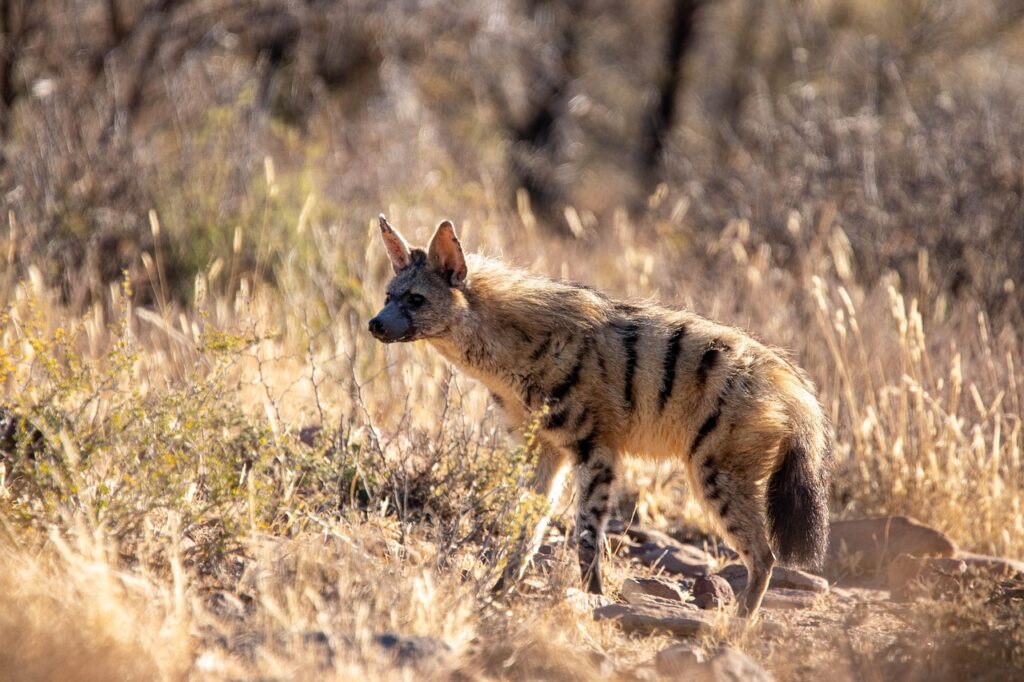
In the heart of the African savanna, the elusive aardwolf quietly roams, often mistaken for its larger, ferocious relatives. This fascinating creature, native to eastern and southern Africa, makes its home in arid grasslands and open plains. Among the vast expanse of its habitat, the aardwolf thrives by performing a crucial ecological role—managing termite populations with a voracious appetite. A master of survival in the sometimes brutal African ecosystem, the aardwolf has evolved to remain concealed, adding an air of mystery to its existence.
6. Unique Communication Sounds
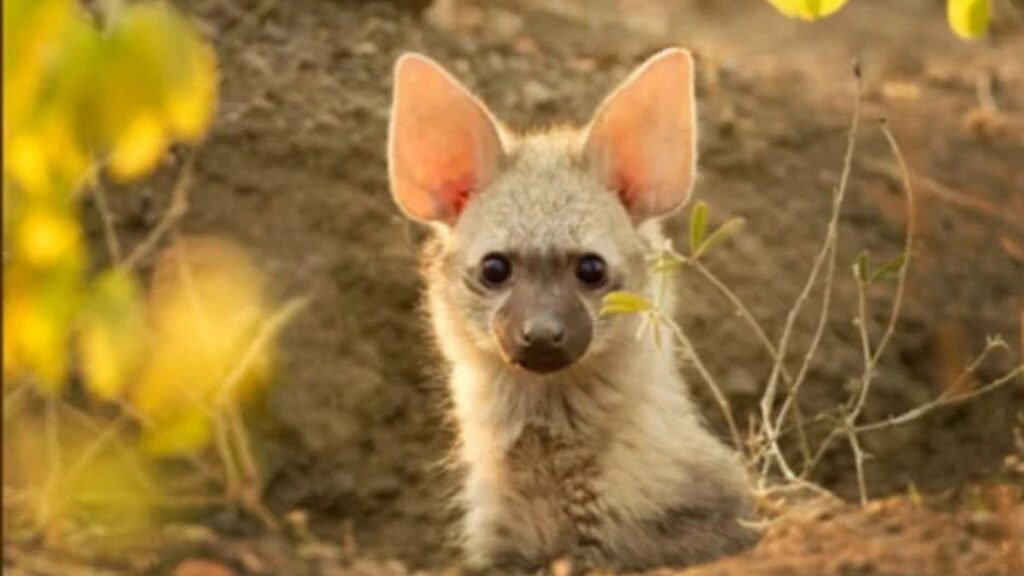
The aardwolf has a symphony of sounds that sets it apart from the typical snarl of a wolf. It communicates with a variety of grunts, clicks, and even a soft roar. These distinct vocalizations help aardwolves convey emotions and intentions, often alerting others of their presence or territory. This surprising range of auditory expressions showcases the aardwolf’s complex social dynamics, facilitating interactions within their family groups. Next time you hear a soft rustle in the night, it might just be the aardwolf orchestrating nature’s soundscape.
7. Non-Aggressive Nature
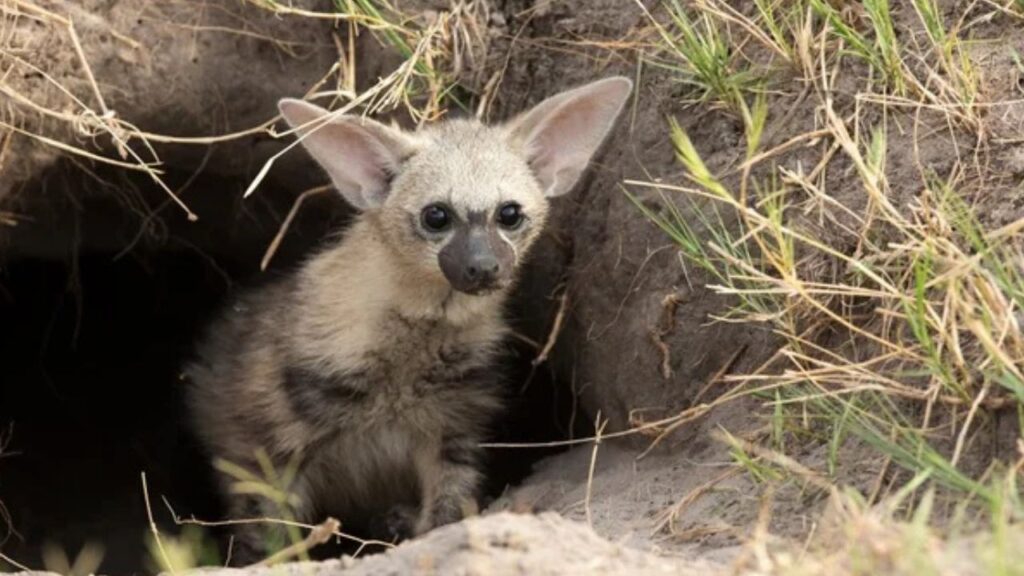
Unlike the notorious fierceness of wolves, the aardwolf is a gentle soul. Stepping away from aggression, it spends its nights foraging rather than hunting. This peaceful demeanor is partly due to their specialized diet, which consists almost exclusively of termites. An aardwolf can consume up to 300,000 termites in a single night! Its sticky, adapted tongue allows it to efficiently lap up these insects, ensuring it poses no threat to other animals or humans. In the world of nocturnal creatures, the aardwolf emerges as a curious pacifist.
8. Distinctive Stripes
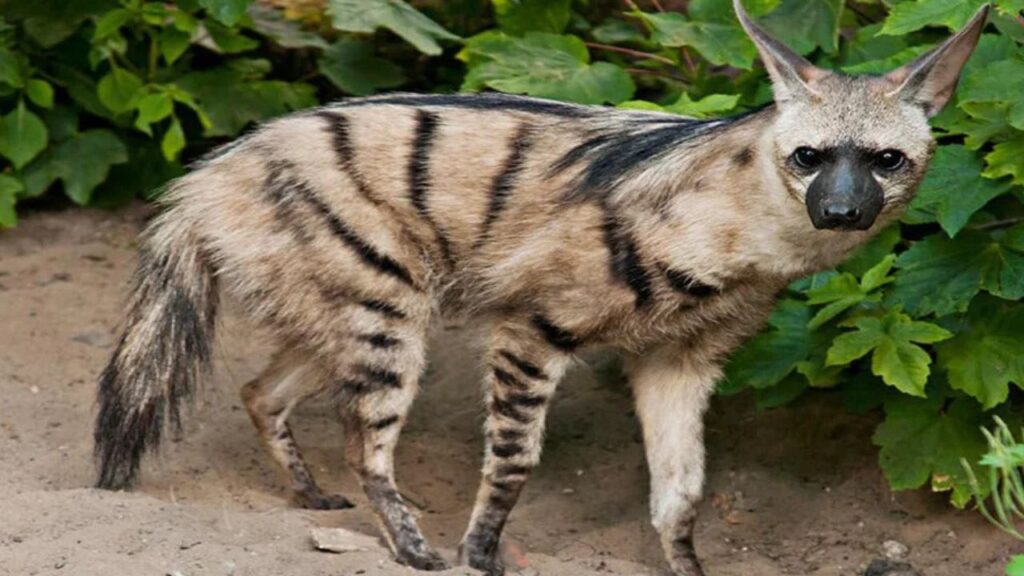
Sporting a coat adorned with striking black stripes, the aardwolf stands out with its punk-rock aesthetic. These bold patterns serve more than just a fashion statement; they act as a form of camouflage in the moonlit savannas and bush, allowing it to blend seamlessly into the shadows. This cryptic coloration offers a tactical advantage, protecting the aardwolf from predators while accentuating its unique elegance. The aardwolf’s contrasting features function as both shield and spectacle, highlighting its adaptation and beauty.
9. Similar Name, Different Animal
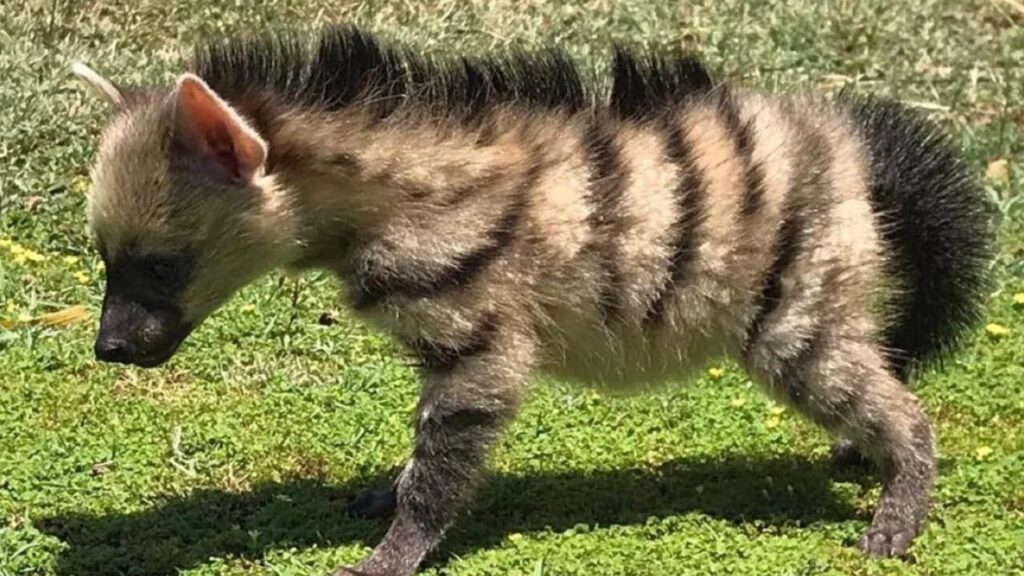
Despite its name, the aardwolf isn’t closely related to wolves at all. Instead, it’s a unique member of the hyena family. The term “aard” means “earth” in Afrikaans, and the aardwolf is indeed a creature of the ground. Unlike its more renowned relatives, the spotted hyena or striped hyena, the aardwolf is much more timid, hunting insects rather than large prey. This misleading name often leads to confusion, but rest assured, the aardwolf has its own set of characteristics that set it apart from any wolf.
10. Fox-Like Appearance
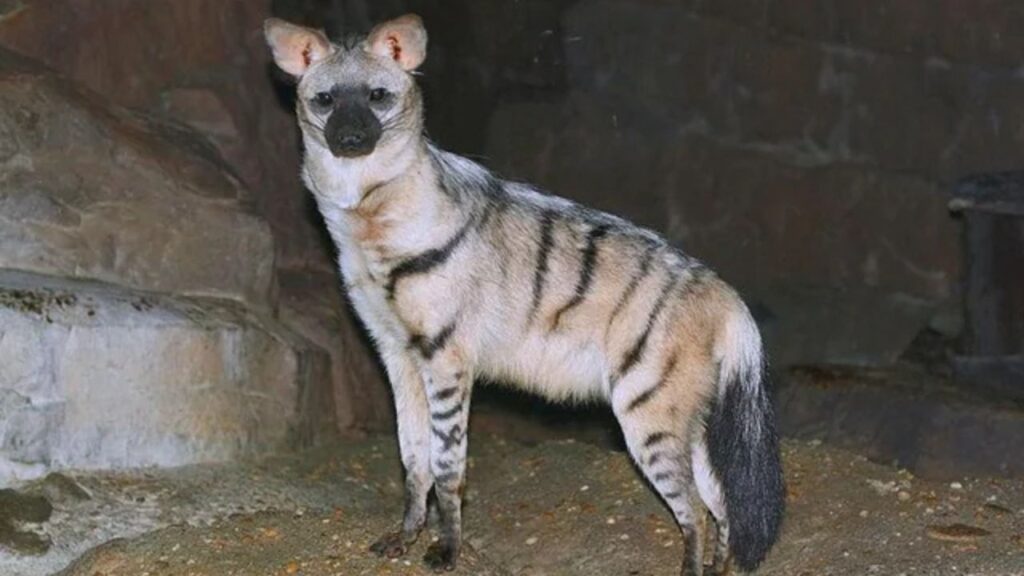
At first glance, one might mistake the aardwolf for a fox, thanks to its small, lightweight build and fox-like face. Typically weighing between 20 to 30 pounds, their delicate frame is complemented by a bushy tail and pointed ears. This charming appearance adds to their mystique, presenting an elegant yet elusive creature of the night. Their striped coat only enhances their fox-like demeanor, making their sighting a delightful surprise for those lucky enough to encounter them in their natural habitat.
11. Solitary or Small Groups
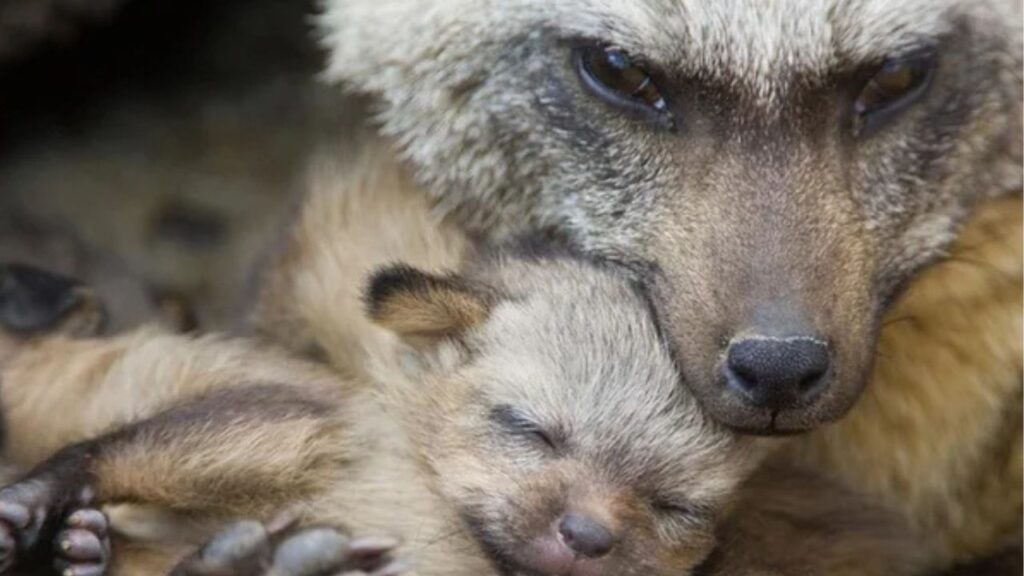
Unlike the social hyena, aardwolves prefer solitude or the company of small family groups. Primarily nocturnal, they forage alone, quietly consuming termites, which compose the bulk of their diet. During the day, they retreat to burrows—sometimes borrowed from other animals—to rest. Despite their preference for solitude, they are quite vocal, using a range of sounds to communicate, especially when defending their territory from intruders. This reserved lifestyle helps them thrive in the grasslands and savannas they call home.
12. Minimal Competition with Hyenas
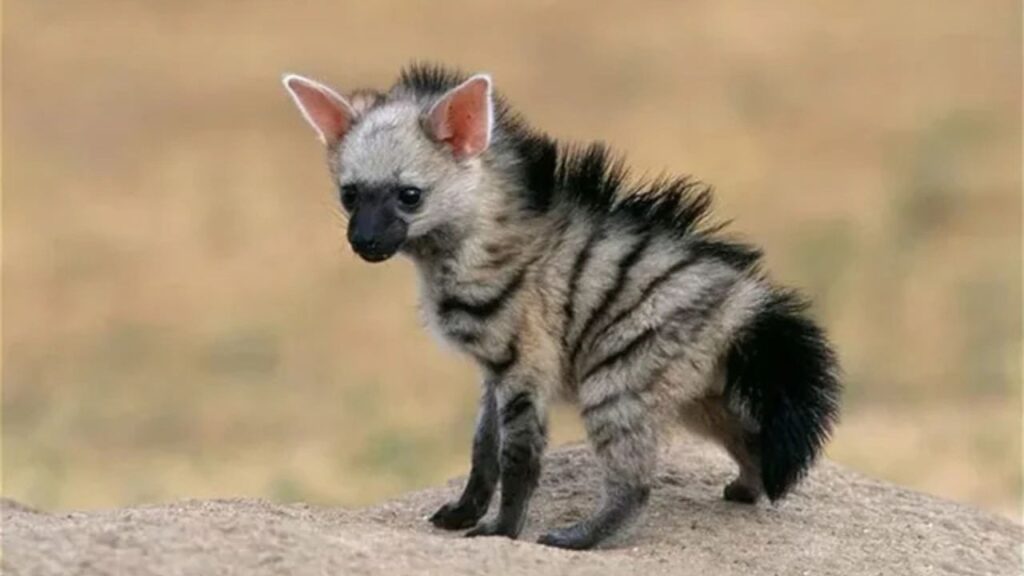
The aardwolf’s diet largely sets it apart from its hyena cousins. Feeding almost exclusively on termites, particularly the snouted harvester termite, they feast on their prey without needing to compete with other predators. One aardwolf can consume thousands of termites in a single night, relying on its long, sticky tongue for efficient hunting. This specialized diet not only reduces competition but also fills an ecological niche, demonstrating a harmonious relationship with its environment and minimizing conflict with other carnivorous species.
13. Limited Range and Habitat
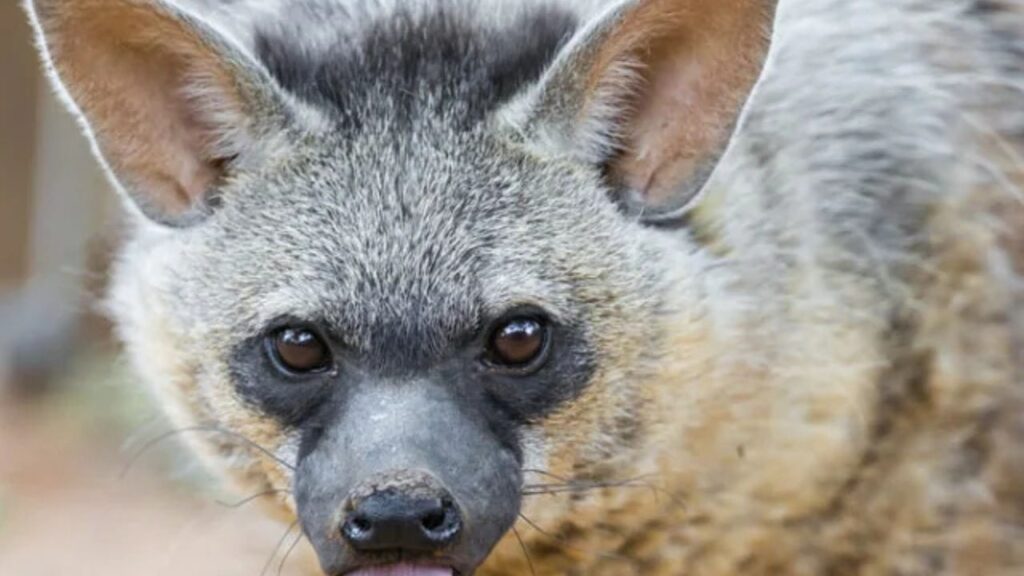
Aardwolves inhabit the grasslands and savannas of Eastern and Southern Africa. Their preferred environment is open lands where termites are abundant, and they avoid densely forested or mountainous regions. This selective habitat means they occupy a limited range, leading to heightened interest and intrigue from researchers and wildlife enthusiasts. Since they rely on particular environmental conditions to sustain their food source, their presence often indicates a healthy termite population, reflecting the delicate balance of their ecosystem.
14. Role in the Ecosystem
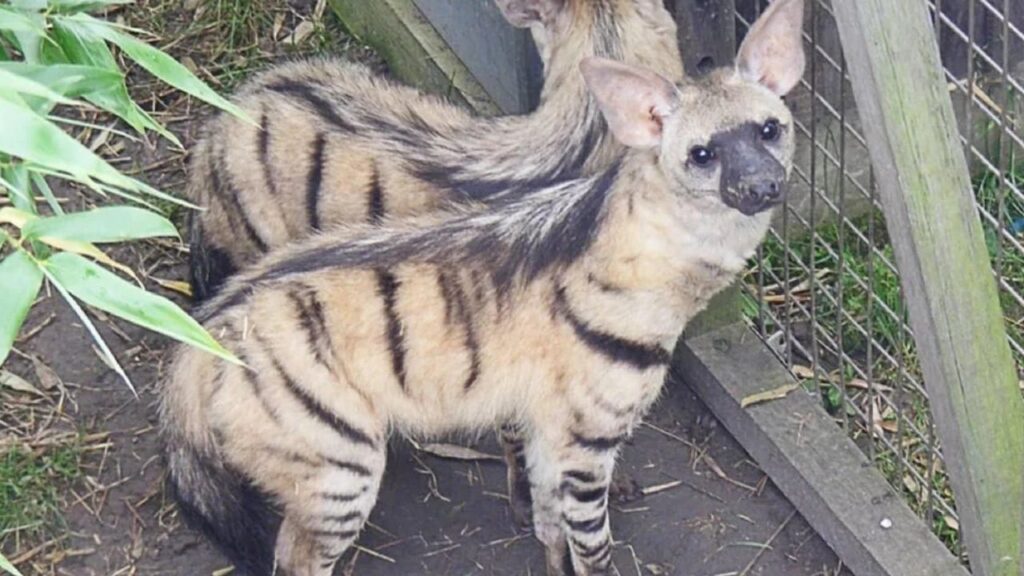
The aardwolf plays a fascinating role in its ecosystem, thriving in the grasslands and savannas of East and Southern Africa. Unlike its carnivorous relatives, it primarily feeds on insects, with a particular fondness for termites. This diet places it as a critical pest controller, consuming thousands of termites in a single night. By keeping termite populations in check, aardwolves help prevent overgrazing and maintain the delicate balance of the ecosystem. Their presence supports plant health and, in turn, the herbivores that rely on this vegetation. The aardwolf is truly a small yet mighty guardian of its habitat.
15. Masters of Monogamy
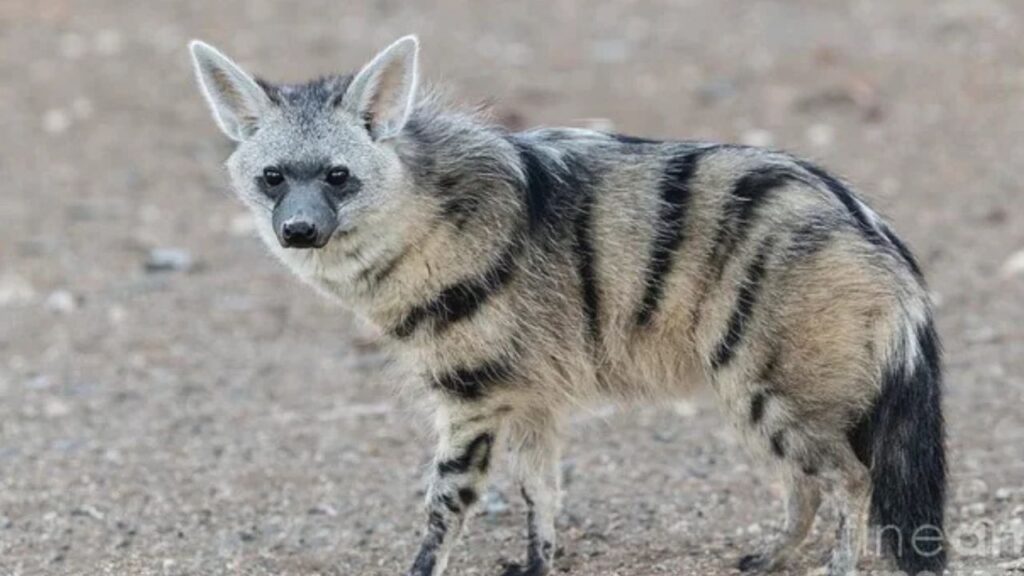
Aardwolves are surprisingly devoted when it comes to relationships. These elusive creatures are monogamous, often mating for life and sharing their territory with their partner. Unlike many solitary carnivores, aardwolf pairs take turns guarding their territory while the other forages. During the breeding season, males may follow their mates closely to ensure exclusive access, showcasing an unusual level of commitment. Both partners help rear the pups, who remain in the den for several weeks. This strong family bond highlights the aardwolf’s deeply loyal nature—an endearing trait not often associated with wild scavengers.