
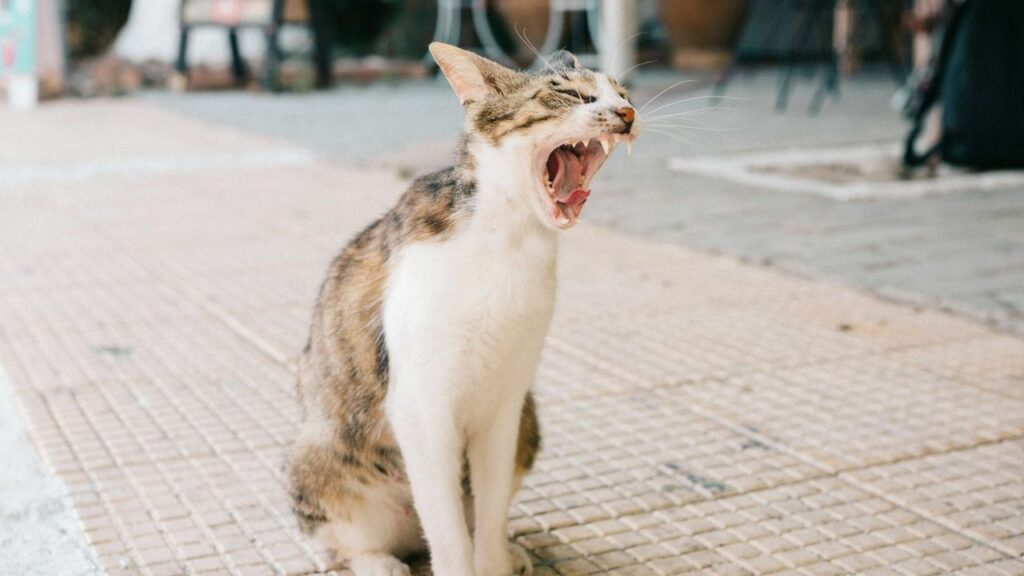
Think your feline friend has it all figured out? Cats may appear the epitome of cool, but they’re surprisingly sensitive to certain human habits. While they’re adept at masking discomfort, subtle human behaviors can crank up their stress levels without us even noticing. Understanding these cat stressors not only makes you a more considerate pet owner but can also forge a stronger bond with your kitty. Let’s delve into everyday habits that might be secretly stressing out your whiskered companion.
1. Loud Noises
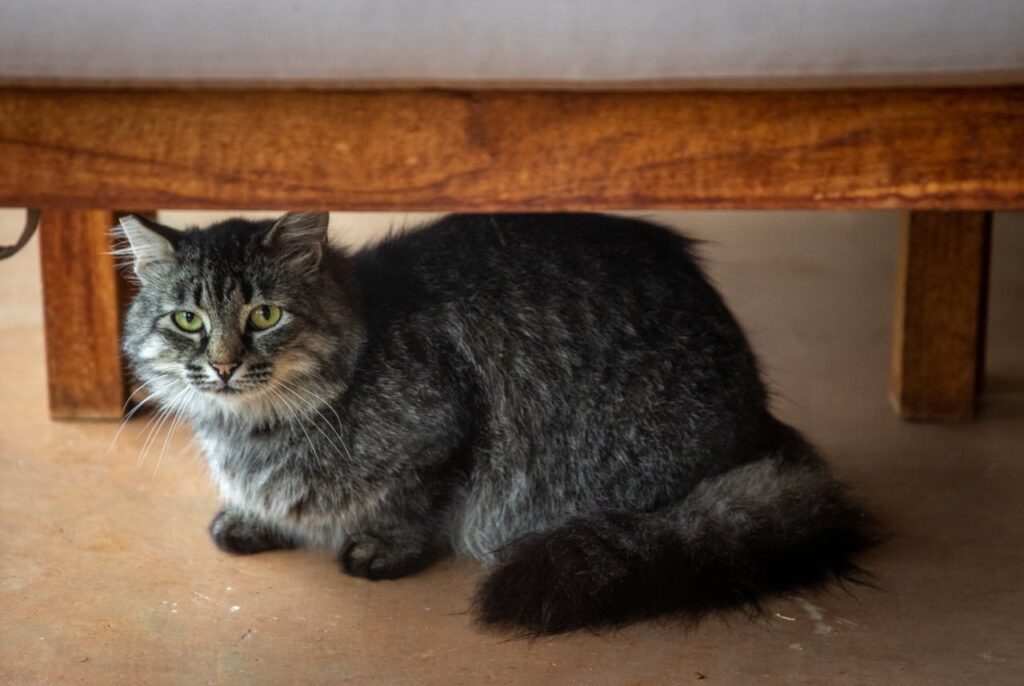
Cats possess an extraordinary sense of hearing, making them acutely sensitive to loud noises. From blaring TVs to loud music or unexpected noises like fireworks, these can send your feline scurrying for cover. Think of it like an ear-piercing alarm going off unexpectedly—it rattles even calm nerves. Providing a quiet retreat or using white noise machines can be a great way to buffer these sudden sounds. Remember, a calmer environment equals a happier cat.
2. Sudden Movements
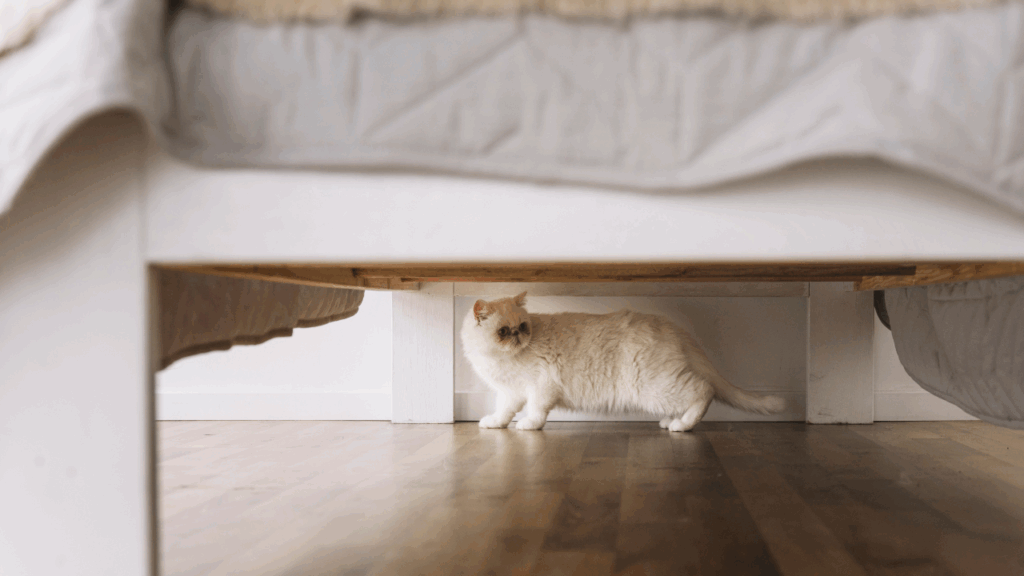
With their hunter instincts, cats are keenly aware of movements around them. Rapid, unexpected movements, such as quick hand waves or hasty strides, can startle and stress them out. Imagine how you’d feel if something suddenly darted in your peripheral vision—unnerving, right? Encourage family members to move slowly around your feline friend, especially when they’re resting or in a relaxed state, to keep their environment tranquil.
3. Ignoring Their Hiding Needs
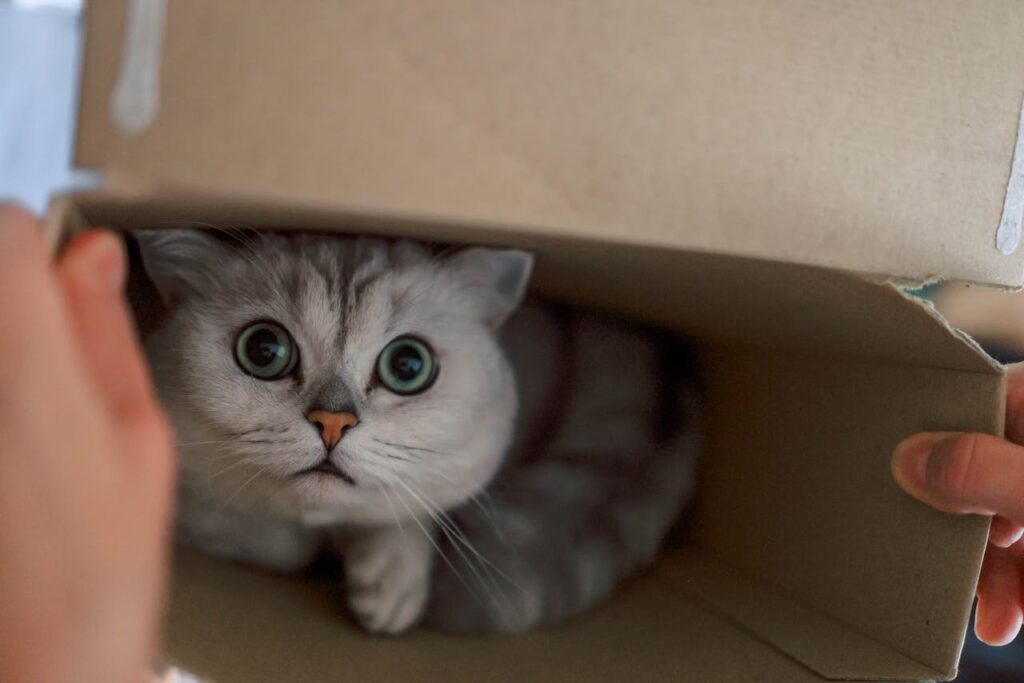
Cats treasure their hiding spaces, offering them a secure spot to retreat when they feel threatened or overwhelmed. Depriving them of these safe zones can cause significant stress. Whether it’s a cozy nook under the bed or a dedicated cat tent, ensure there are quiet spots where your cat can sneak away undisturbed. Acknowledging their need for privacy respects their natural instincts, promoting a sense of security and well-being.
4. Unwanted Petting
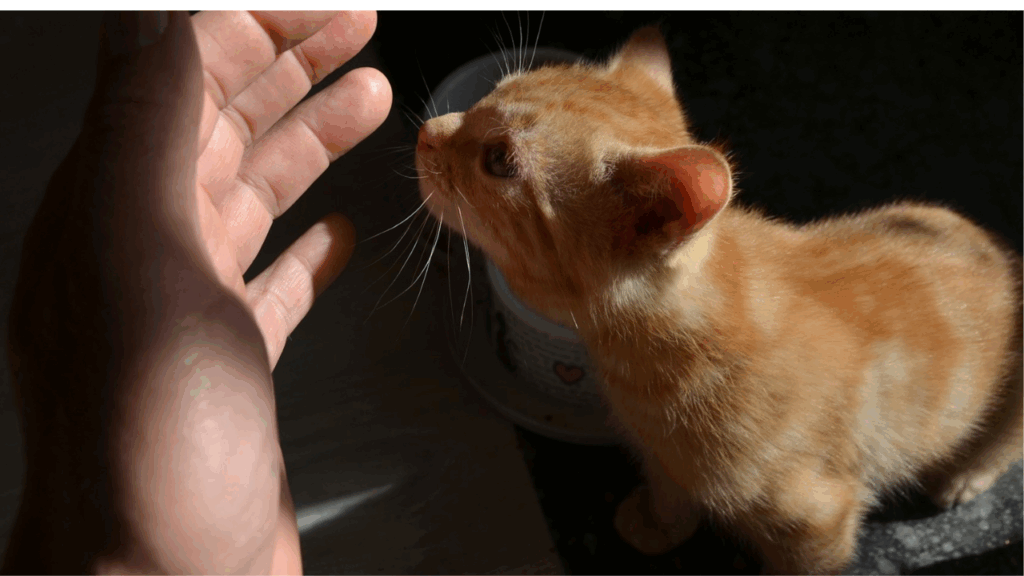
Cats love affection—on their terms. Unwanted petting, especially on sensitive areas like the belly, can be a major source of anxiety. Just as we don’t enjoy being touched when not in the mood, cats are no different. Pay attention to their body language: a flicking tail or flattened ears are sure signs to back off. Allowing them to dictate when and how they want affection will create a more trusting relationship and a stress-free environment.
5. Inconsistent Feeding Schedule
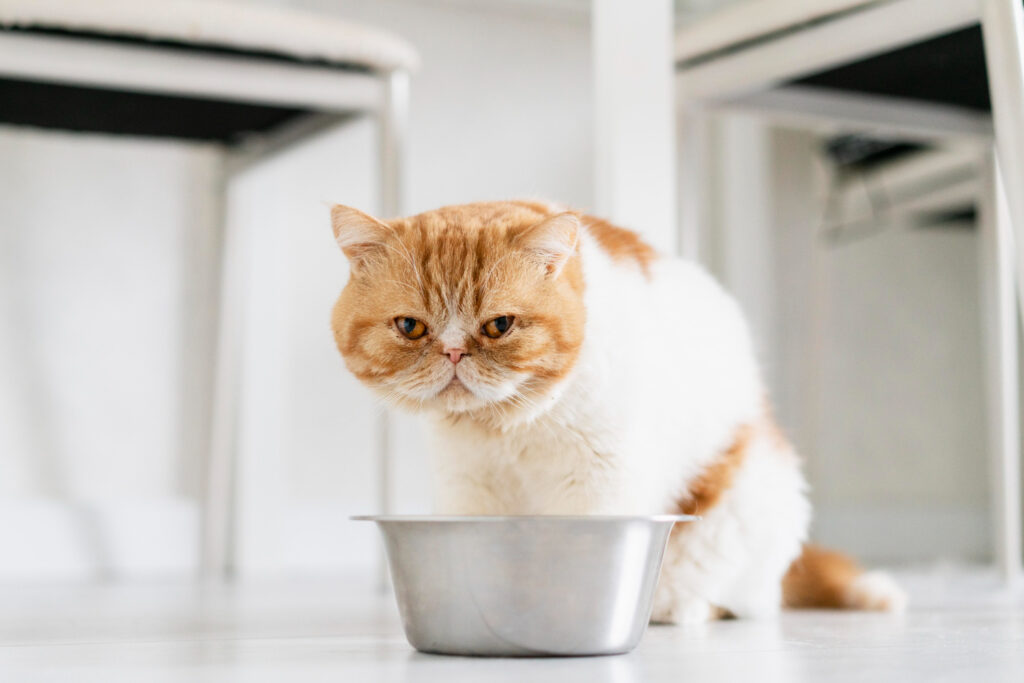
Cats thrive on predictability, and an irregular feeding timeline can spur stress and anxiety in them. Sticking to a consistent schedule not only helps regulate their metabolism but also ensures they feel safe and cared for. Skipping meals or sudden changes can lead to pacing, vocalizing, and even digestive problems. Building a routine around mealtime can reduce anxieties, allowing your cat to feel like the king of its kingdom, knowing that its needs will be consistently met.
6. Bringing New Pets
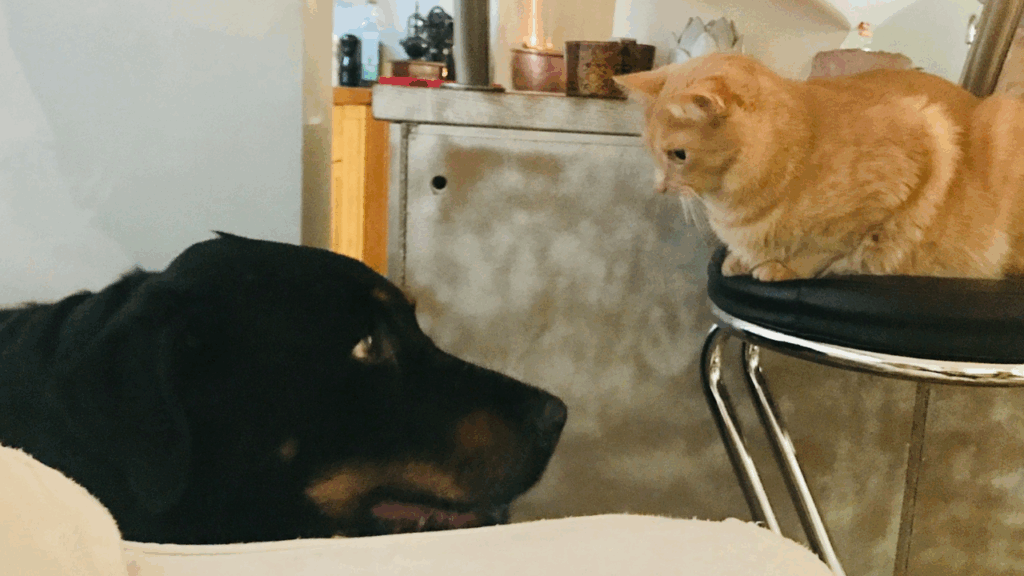
Introducing a new pet into the household can flip a cat’s world upside down. Territorial by nature, cats often find it challenging to adjust to new four-legged family members. This intrusion can result in hissing, hiding, or even aggressive behavior. Gradual introductions, with plenty of positive reinforcement and personal space, can ease tension. Ensuring your cat feels secure in its environment while the newcomer acclimates can help maintain harmony and reduce stress.
7. Overcrowding Their Space
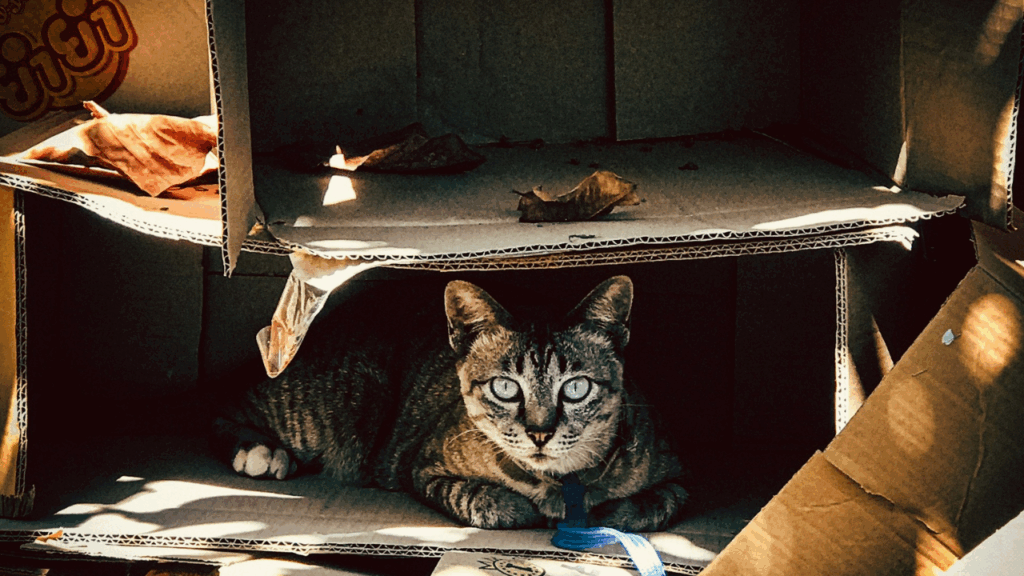
Cats need personal space to retreat and relax. Overcrowding their living area with too many objects, or even too many people, can make them feel trapped. A clutter-free zone with vertical spaces, like shelves or cat trees, allows cats to overlook their territory and feel in control. By ensuring they have plenty of quiet corners and elevated observation posts, you allow them to navigate their home with confidence and tranquility, away from the chaos of the crowd.
8. Strong Fragrances
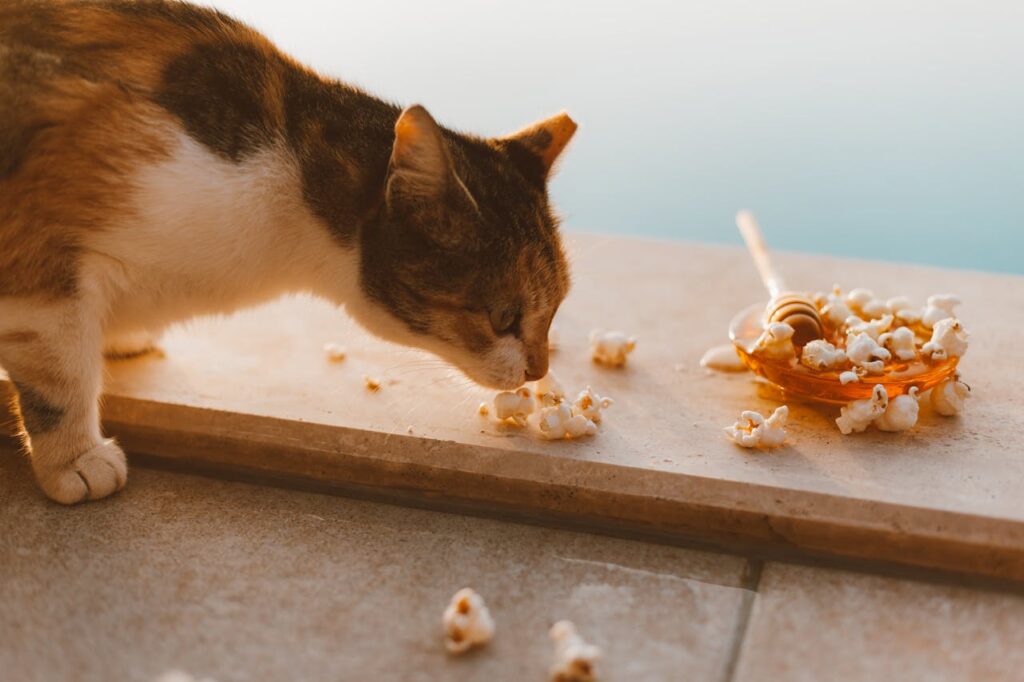
Cats have an incredibly sensitive sense of smell, hundreds of times more refined than ours. Potent fragrances from candles, perfumes, or cleaning products can overwhelm and stress them out. Opting for odorless or pet-friendly products helps maintain a calm environment. Additionally, using natural scents like lavender sparingly can create a soothing atmosphere without overpowering their senses. It’s about creating a balance where their noses aren’t bombarded with relentless olfactory invasions.
9. Direct Eye Contact
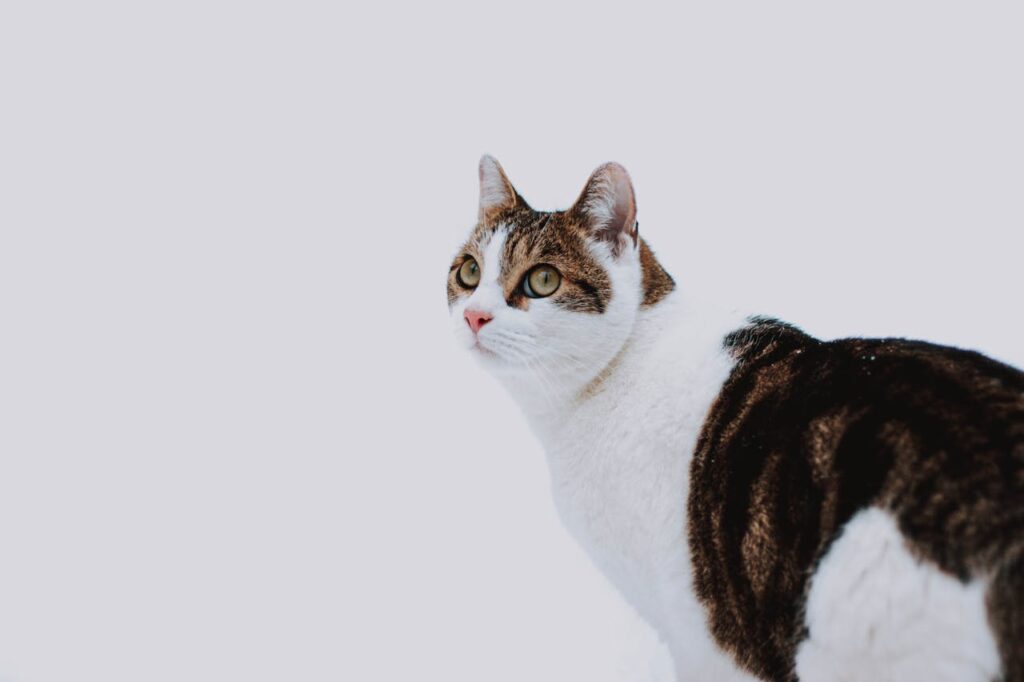
When it comes to communication, cats have their unique signals, and direct eye contact isn’t always welcome. Staring at a cat might feel like connection to you, but it can actually feel threatening to them. Cats perceive intense eye contact as a sign of dominance or threat, triggering their fight-or-flight response. Instead, try slow blinking to convey relaxation and trust. This subtle gesture tells your feline friend that you mean no harm and can often be reciprocated with their own slow blinks, signifying comfort.
10. Forcing Social Interaction
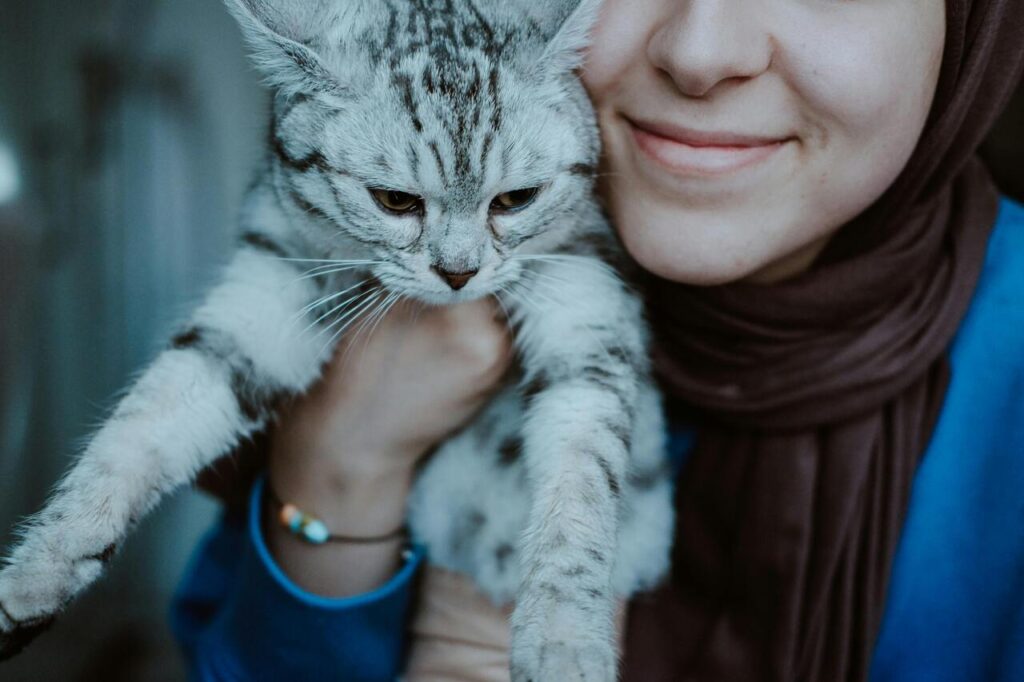
Cats are known for being independent creatures, and while they might enjoy a cuddle session sometimes, forcing interaction isn’t always appreciated. Picking up a cat trying to exit the room or pulling them into a reluctant snuggle can cause anxiety and stress. These autonomous animals prefer to approach on their own terms. Allow them the space to choose when they want to engage. Patience and respect for their boundaries will create a happier relationship and lead to more spontaneous affection from your feline.
11. Moving Their Litter Box
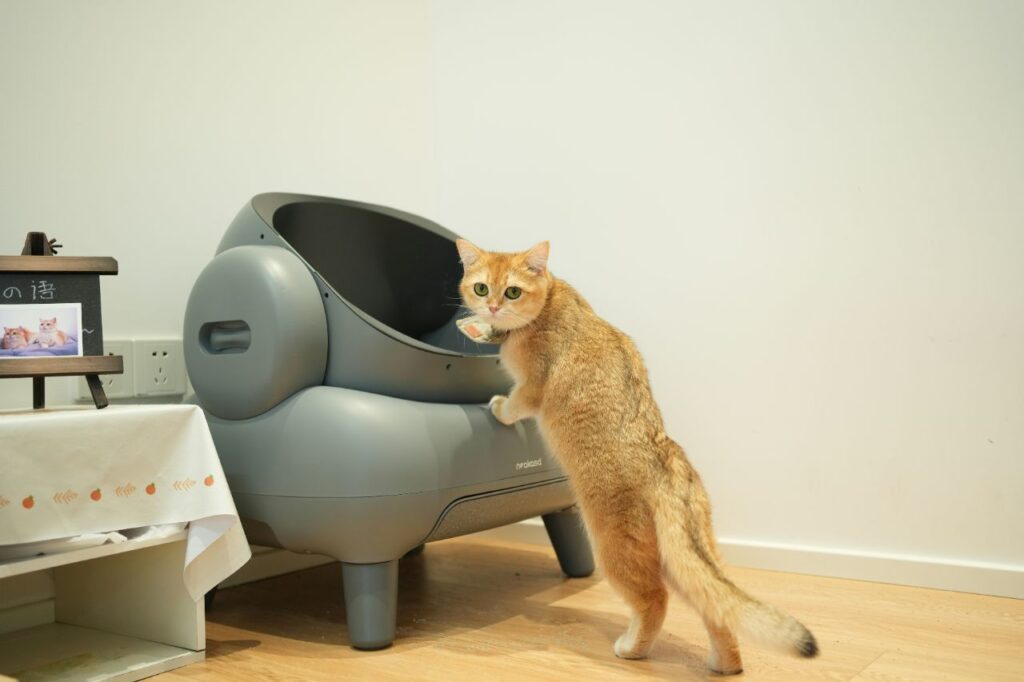
In a world full of uncertain changes, cats rely on routine, especially when it comes to their litter box. Moving it abruptly can unsettle them, turning a simple act of relocation into a stressful situation. Cats may refuse to use the new location, leading to unfortunate accidents around the house. If a move is necessary, transition gradually by placing a second box in the new location temporarily. This gives your cat time to adjust and feel secure with their new surroundings, reducing stress and confusion.
12. Changing Their Routine
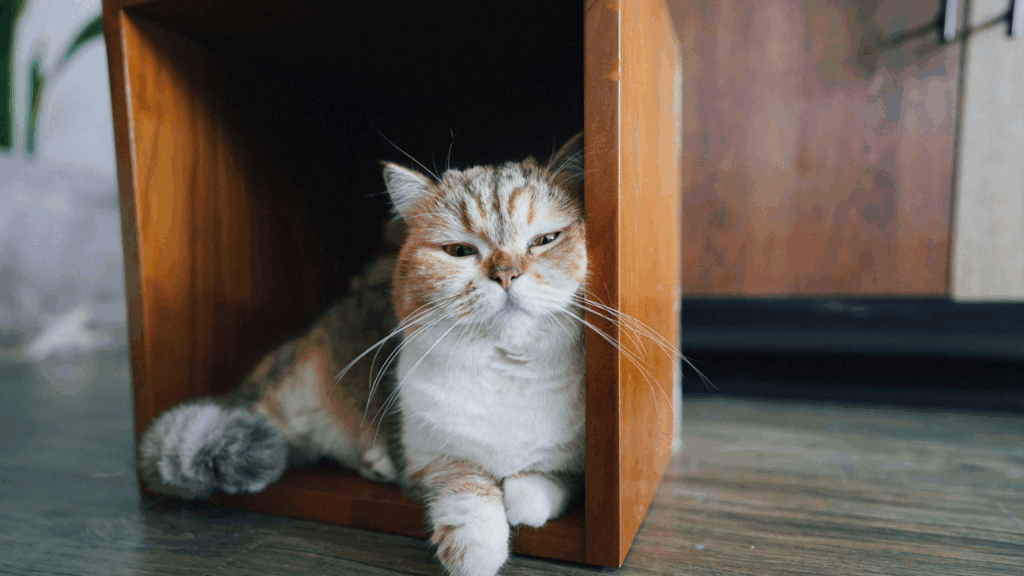
Consistency is key for cats. Sudden changes in their daily routine, whether it’s meal times, play sessions, or sleeping arrangements, can lead to significant stress and behavioral issues. Cats rely heavily on predictability, and any disruption can make them feel insecure. To keep your cat at ease, introduce changes slowly and gently. For instance, if you need to alter feeding times, adjust in small increments each day. By ensuring stability, you provide your feline with a comforting environment.
13. Restricting Territory
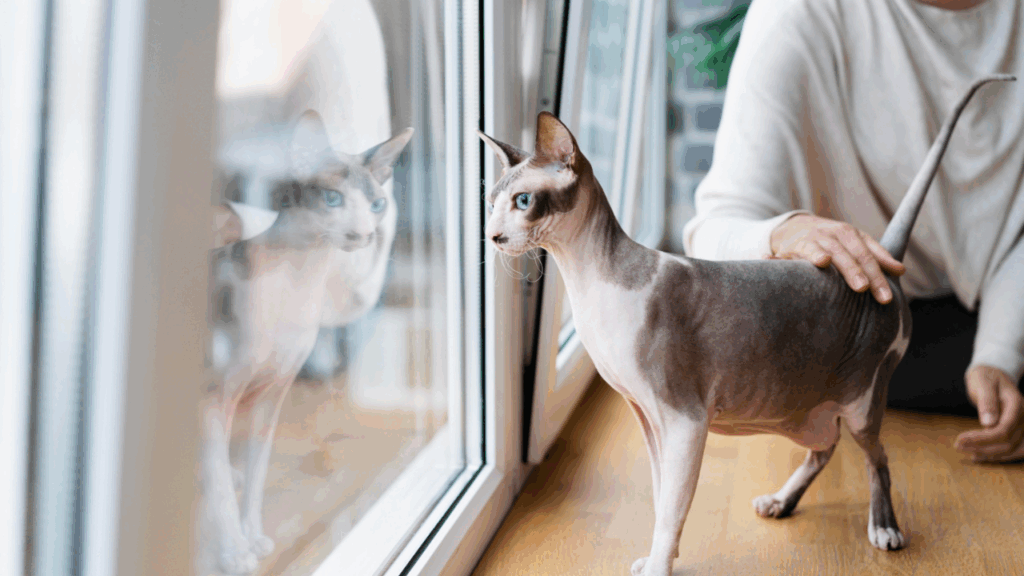
Your home is a cat’s kingdom, and restricting their territory can cause considerable stress. Cats are territorial animals, and they thrive when they have access to various vantage points and hideaways. Blocking off favorite spots or denying entry to certain areas limits their ability to explore and feel safe. To maintain peace, ensure your cat has ample space to roam and climb. Adding vertical spaces such as shelves or cat trees can enrich their environment, providing both physical and mental stimulation.
14. Too Much Change at Once
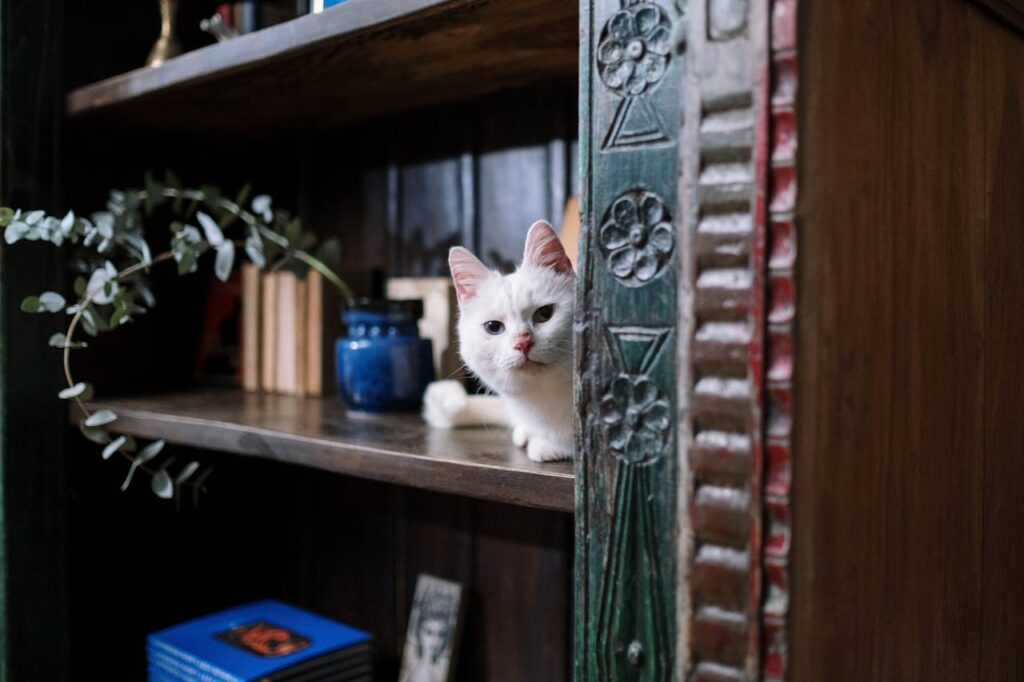
Cats cherish stability, so sudden upheavals in their environment can be a source of anxiety. Rearranging furniture, bringing in new pets, or unexpected guests can turn their world upside down. These sensitive creatures rely heavily on routine, and any break from that can lead to behavioral issues like hiding or spraying. Gradual introductions to change and providing safe spaces can help ease their stress. Remember, a stressed cat may communicate their discomfort in subtle ways, so keeping an eye on their behavior is crucial.
15. Using Harsh Language
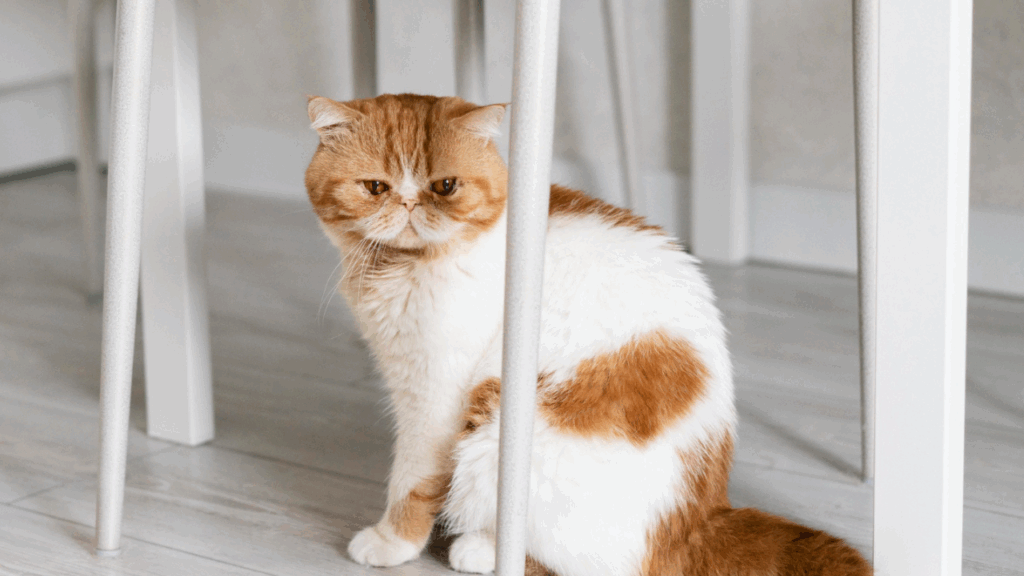
Cats may not fully comprehend the words we speak, but they are acutely aware of tone. Yelling or using a stern voice can instill fear and confusion. These furry friends respond better to gentle and soothing communication. Harsh language can lead to a breakdown in trust, making interactions tense and stressful. A calm, reassuring voice helps in building a positive relationship, encouraging your feline to feel secure and loved. Treat them with the same kindness you would expect, and watch their confidence blossom!