
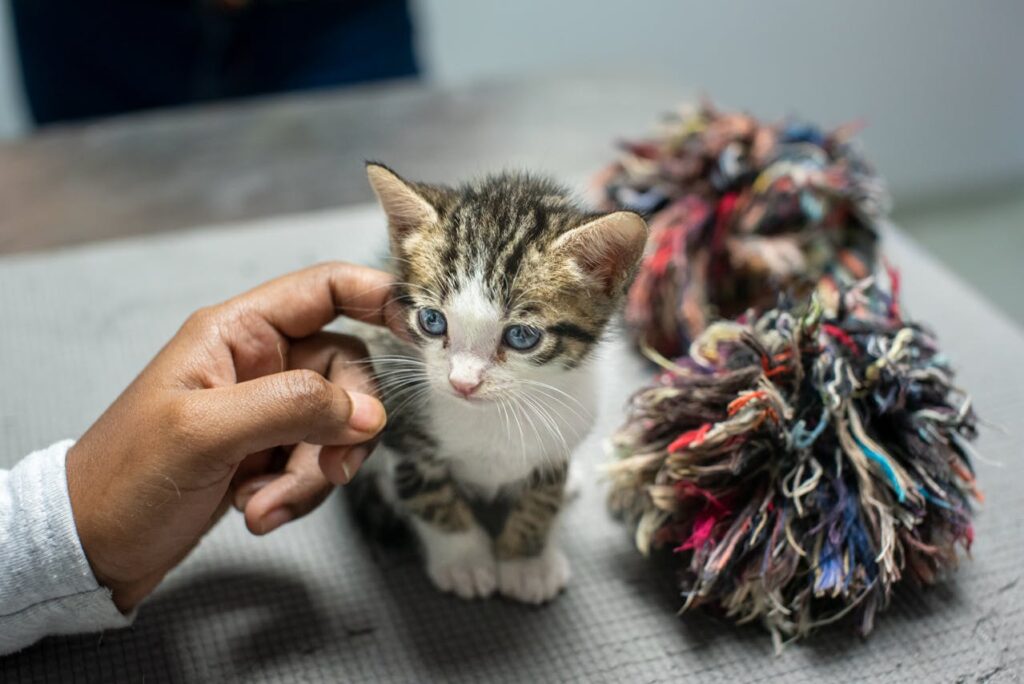
Bringing a cat into your home is an exciting and rewarding experience, but many first-time cat owners unknowingly make mistakes that can impact their new feline friend’s well-being. Studies suggest that understanding feline behavior and needs is crucial for successful adoption. Cats are independent but social creatures, and their adjustment period requires patience, knowledge, and the right environment. To ensure you and your new furry friend start off on the right paw, here are 15 common mistakes to avoid when adopting your first cat.
1. Not Researching Cat Breeds – The Personality Puzzle

Not all cats are the same! Some breeds are highly active and playful, while others are more laid-back and independent. If you adopt a cat without considering their breed and personality traits, you might end up with a mismatch. A Maine Coon, for instance, loves interaction and playtime, while a Persian cat prefers a quiet, relaxed environment. If you’re looking for a lap cat but bring home an energetic Bengal, you might struggle to keep up. Doing research on cat breeds and their temperaments ensures you choose a pet that fits your lifestyle.
2. Adopting on Impulse – The Love at First Sight Trap

Walking into a shelter and falling in love with a pair of big, adorable eyes is easy, but adopting a cat should never be an impulsive decision. Many people don’t consider the long-term commitment—cats can live 15-20 years or more! Before adopting, ask yourself if you have the time, financial stability, and lifestyle to provide a loving home. If you travel frequently or have allergies, it’s important to think twice before making a hasty decision that could result in rehoming the cat later.
3. Not Preparing Your Home – The Feline-Proofing Fail

Bringing a cat home without preparing your space can lead to unnecessary stress for both you and your new pet. Cats are curious and love to explore, so leaving dangerous objects around—like toxic plants, exposed electrical cords, or small objects they can swallow—can be hazardous. Creating a designated safe space with a litter box, food and water bowls, scratching posts, and cozy hiding spots will help your cat feel secure as they adjust to their new home.
4. Skipping the Vet Visit – The Health Gamble

One of the first things you should do after adopting a cat is schedule a veterinary check-up. Some new cat owners assume their pet is healthy because they appear fine, but many health issues, such as parasites, respiratory infections, or dental problems, aren’t immediately visible. A vet visit ensures your cat is up-to-date on vaccinations, spayed or neutered, and free from underlying health issues. Early detection of any medical concerns can save you from costly treatments down the road.
5. Neglecting Proper Nutrition – The Feeding Fiasco

Feeding your cat the wrong diet can lead to health problems such as obesity, diabetes, or urinary tract issues. Many first-time owners opt for cheap cat food without realizing it may lack essential nutrients. Cats need a high-protein diet to thrive (as they are obligate carnivores). Always choose a high-quality cat food that meets their dietary needs, and consult your vet about portion sizes and feeding schedules to keep your cat in top shape.
6. Ignoring Litter Box Rules – The Stinky Situation
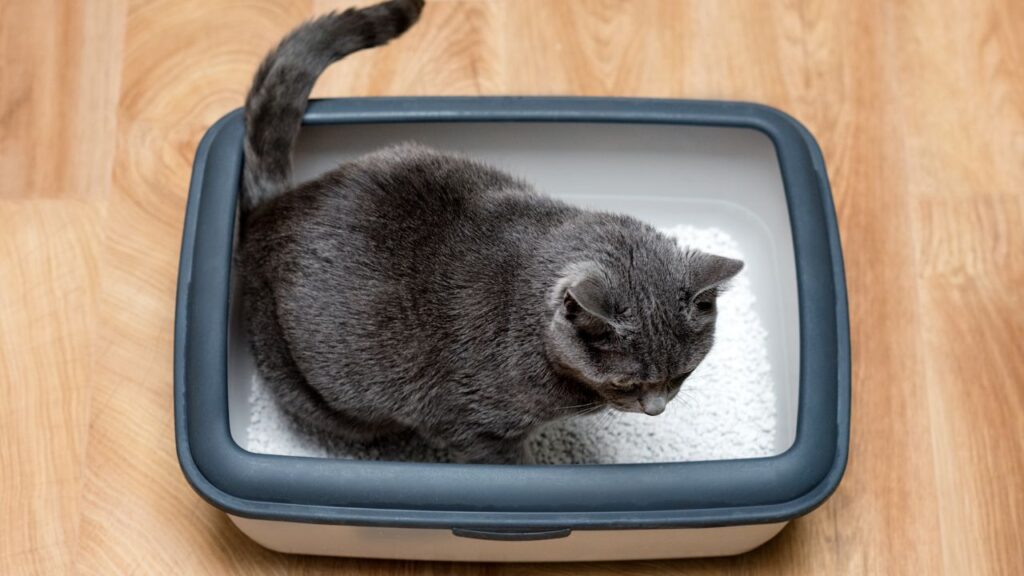
Litter box mistakes are one of the top reasons cats are surrendered to shelters. Cats are particular about their bathroom habits, and if their litter box isn’t clean, placed in a quiet area, or filled with the right type of litter, they might refuse to use it. A general rule is to have one litter box per cat, plus an extra, and scoop it daily to maintain cleanliness. Placing the litter box near noisy appliances or in high-traffic areas can stress your cat out, leading to accidents outside the box.
7. Not Providing Enough Mental Stimulation – The Boredom Blues

Cats may seem independent, but they need mental and physical stimulation to stay happy. Bored cats can develop behavioral problems, such as excessive meowing, aggression, or destructive scratching. Providing interactive toys, climbing structures, and daily playtime can prevent these issues. Puzzle feeders and rotating toys help keep their minds engaged, especially for high-energy breeds like Siamese or Abyssinians.
8. Declawing – The Painful Mistake
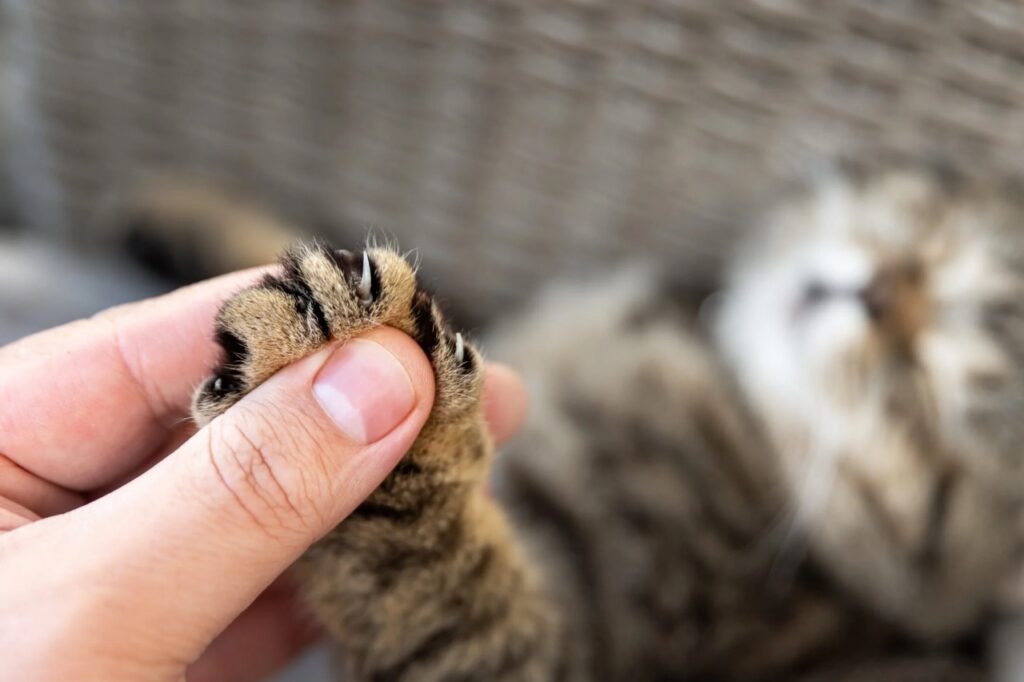
Declawing is often thought of as a harmless procedure, but it’s actually a painful and unnecessary amputation that can lead to lifelong physical and behavioral issues. Cats rely on their claws for balance, defense, and natural scratching instincts. Instead of declawing, provide scratching posts, trim their nails regularly, or use claw caps to prevent damage to furniture. Declawed cats may develop chronic pain and even resort to biting as a means of defense. Many countries have banned declawing due to its cruelty, so reconsider before putting your cat through such an ordeal.
9. Not Socializing Your Cat – The Lone Ranger Syndrome

Some people assume that cats don’t need socialization like dogs, but that’s far from the truth. Kittens who are not exposed to different people, sounds, and environments may grow up to be fearful and skittish. If you adopt an older cat, patience is key. Give them time to warm up to you by using gentle interactions, treats, and playtime. The more positive experiences they have, the more confident they will become. A well-socialized cat is less likely to develop anxiety or aggressive tendencies. Regularly introducing new stimuli, like toys and safe outdoor experiences, can further enhance their adaptability.
10. Overlooking Pet Insurance – The Unexpected Bill Shock
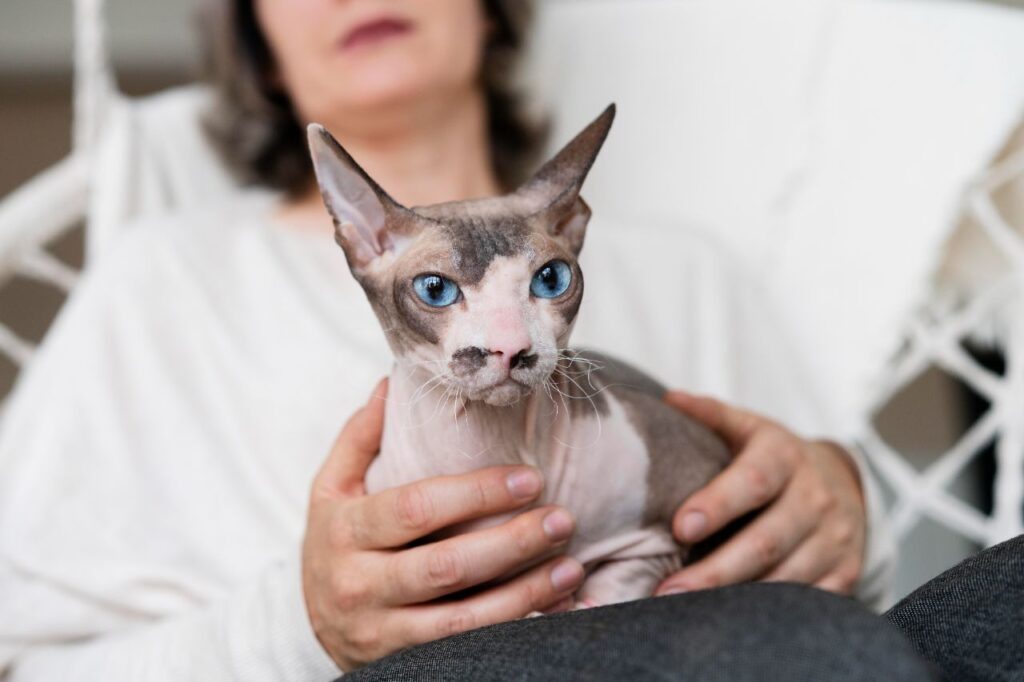
Veterinary care can be expensive, and many cat owners aren’t prepared for unexpected medical costs. Pet insurance can help cover emergency treatments, surgeries, and chronic illness management. Without it, a single vet visit could lead to financial strain. Investing in pet insurance early ensures your cat gets the best care without breaking the bank. Many policies offer preventive care coverage, which can save money in the long run. Researching and comparing different plans will help you find one that suits your budget and your cat’s needs.
11. Free-Feeding Without Limits – The Feline Feast Problem

Leaving food out all day might seem convenient, but it can lead to obesity and overeating. Cats thrive on routine, so feeding them at scheduled times helps regulate their weight and digestion. If your cat tends to overeat, consider using portion-controlled meals or an automatic feeder to maintain a healthy diet. Obesity in cats can lead to diabetes, arthritis, and other serious health issues. Ensuring they have a balanced diet and enough playtime can keep them fit and active.
12. Forgetting to Cat-Proof Your Home – The Great Escape

Leaving windows open, having loose wires, or placing toxic plants around can put your cat in danger. Cats are natural climbers and will find their way into every nook and cranny of your home. Keep fragile items out of reach, secure loose wires, and ensure doors and windows are properly closed to prevent escapes or accidents. Investing in cat-friendly furniture or play areas can help redirect their curiosity. Additionally, researching household toxins, such as certain essential oils and flowers, will prevent unintentional poisoning.
13. Not Understanding Cat Body Language – The Silent Communicator

Cats communicate through body language, but many first-time owners misinterpret their signals. A slow blink means trust, an upright tail signals happiness, and flattened ears indicate fear or aggression. Learning to read these cues helps you build a stronger bond with your cat and prevents misunderstandings that can lead to stress or fear-based behaviors. Paying attention to their vocalizations and posture can also provide insight into their emotional state. Over time, you’ll learn how your cat expresses love, discomfort, and even excitement.
14. Expecting Instant Affection – The Slow Bond Builder
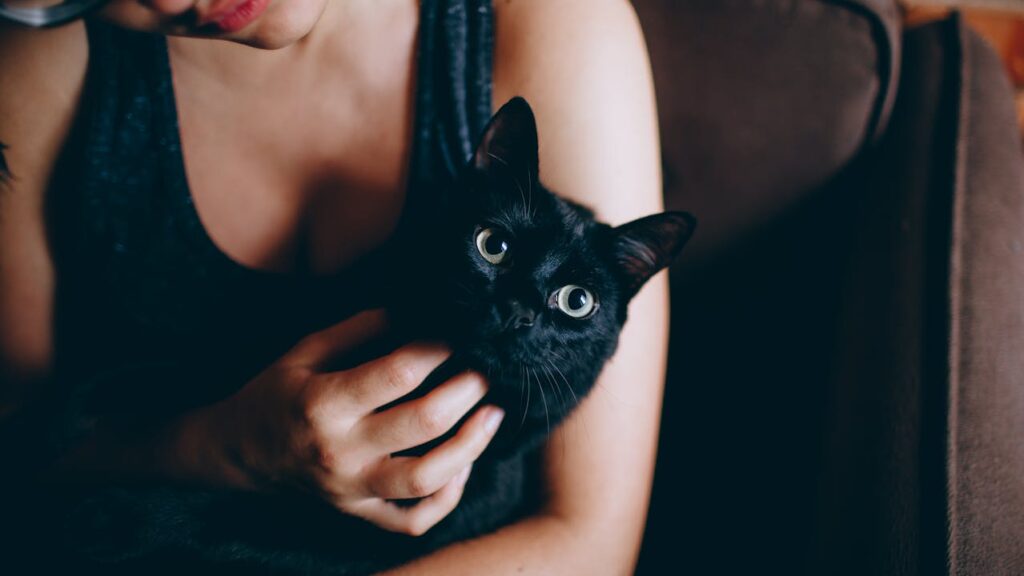
Unlike dogs, cats take their time warming up to new people and environments. Some cats may hide for days or weeks before they feel comfortable. Don’t force interactions—let your cat approach you on their terms. Building trust with patience, treats, and gentle affection will create a lasting, loving bond. Every cat has a unique personality, and some may never be lap cats, but that doesn’t mean they don’t love you. Respecting their boundaries and providing a safe environment will encourage them to come to you when they’re ready.
15. Ignoring Dental Care – The Overlooked Health Risk

Many cat owners forget about their feline’s dental hygiene, but neglecting it can lead to severe health issues like gum disease, infections, and even organ damage. Cats won’t show pain easily, so problems may go unnoticed until they become serious. Regular brushing, dental treats, and vet check-ups can help maintain healthy teeth and gums. A little effort in dental care can save your cat from painful extractions and costly medical bills in the future.
Love Pets as Much as We Do?

Scroll up and click the ‘Follow’ button to stay updated with the latest heart-warming, hilarious, and helpful pet posts from Pawdown, delivered straight to your Microsoft Start feed and MSN homepage!